
2 Escudos
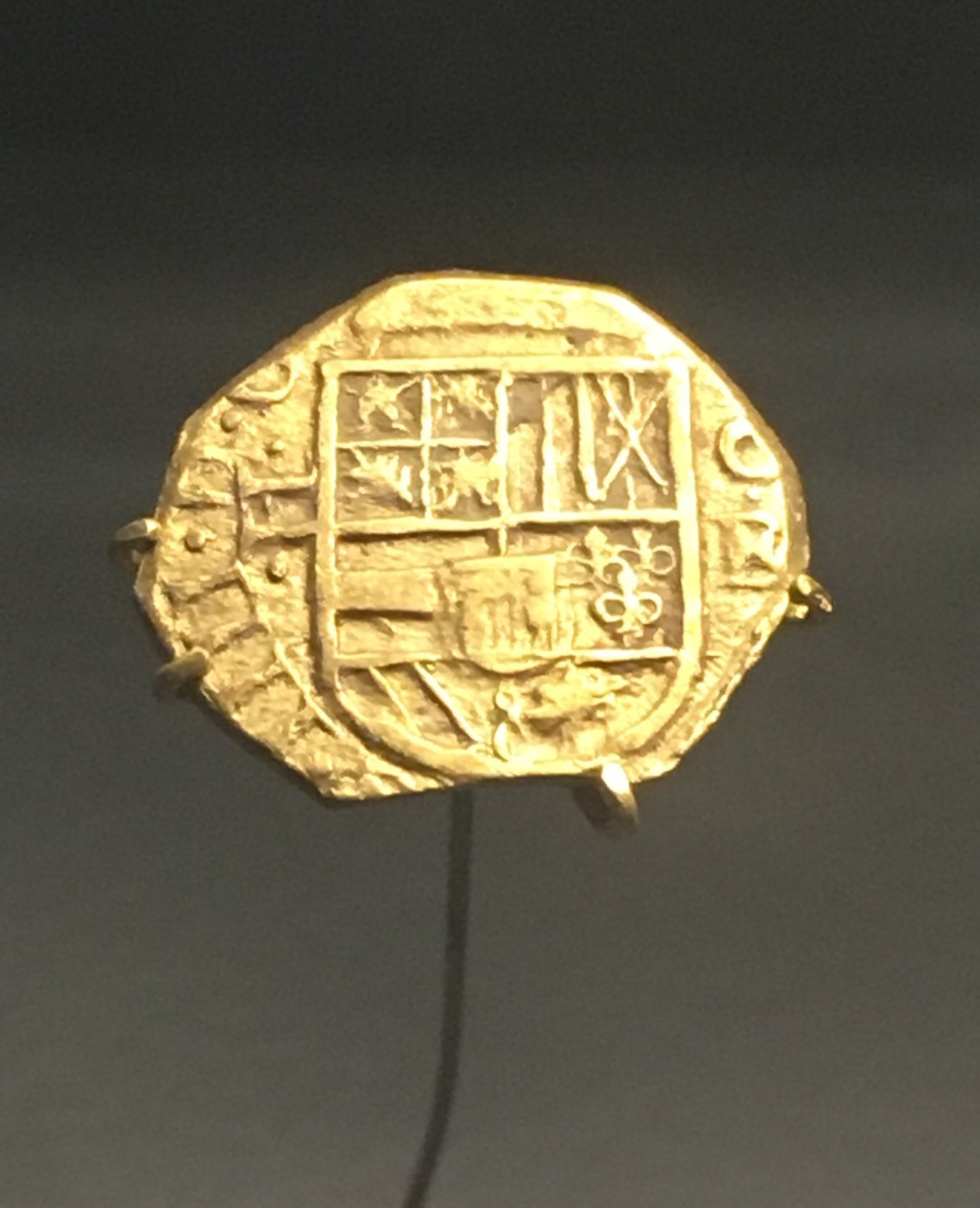
A gold 2 Escudos of Habsburg Spain, the classic 'doubloon,' struck with a crowned coat of arms of castles and lions on both faces.
- Country
- Spain
- Denomination
- 2 Escudos
- Metal
- Gold
Got a coin like this?
Identify any coin from a photo, free.
Overview
The 2 Escudos is a gold coin of Early Modern Spain, one of the most famous denominations of the age of the Habsburg kings. The example shown here is a 1600s piece displaying a crowned heraldic shield packed with castles and lions on one face and a matching crowned coat of arms with quarterings on the other. This is the coin popularly remembered as the 'doubloon' (Spanish doblon, meaning a double).
Struck in gold at a weight of roughly 6.7 grams, the 2 Escudos was worth two single escudos and sat in the middle of a gold series that ran from 1 up to 8 escudos. It circulated across Spain, its European possessions, and its vast American empire, making it one of the most widely recognized gold coins of the seventeenth century.
The design centers entirely on royal heraldry rather than a portrait: the arms of Castile and Leon (the castles and lions), often combined with the other kingdoms and territories claimed by the Spanish crown. That armorial look is the coin's signature and the quickest way to recognize it.
History & Background
Spain's gold escudo system was established by the coinage reform of 1537 under Emperor Charles I (Charles V), replacing the older excelente. Through the 1600s the escudo remained the backbone of Spanish gold under the Habsburg kings Philip III, Philip IV, and Charles II, whose reigns span the seventeenth-century date range of this coin type.
Much of the gold that fed these coins came from the Americas, and 2 Escudos were struck both at peninsular mints in Spain and at colonial mints across the Spanish empire. Many surviving 1600s pieces are hand-struck 'cobs,' cut from a cast bar and hammered between dies, which gives them irregular, often clipped shapes rather than the neat round flans of later machine-made coinage.
The denomination's fame outlived Spanish rule. Called the doubloon in English and the pistole in parts of Europe, the 2 Escudos became shorthand for pirate treasure and colonial wealth, a reputation rooted in its heavy use throughout the Atlantic trade of the seventeenth and eighteenth centuries.
How to Identify
Look first for the heraldry. A genuine Spanish 2 Escudos of this era shows a crowned coat of arms built from the castles of Castile and the rampant lions of Leon, usually arranged in a quartered shield and topped by a royal crown, exactly as on the observed coin. Latin legends around the arms typically name the king and his titles, often abbreviated, along with a Christian invocation.
The metal is high-purity gold with a warm yellow color, and the size is modest, generally in the low 20-millimeter range with a weight near 6.7 grams for a full-weight piece. Because many 1600s examples are cobs, expect uneven edges, off-center strikes, and legends that are only partly visible; this is normal for the period and not by itself a sign of a fake.
Mint marks and assayer initials, when present, help place a coin to a specific mint such as Seville, Madrid, Segovia, or an American mint like Mexico, Lima, or Potosi. Dates on cobs are frequently weak or off the flan entirely, so many are attributed by style and marks rather than a clear year.
Value & Collectibility
As a gold coin roughly three centuries old, the 2 Escudos carries value from both its precious-metal content and its collector appeal. At minimum a full-weight piece contains close to a fifth of an ounce of gold, which sets a bullion floor; genuine historical examples trade well above that because of their age and demand.
Condition, mint, king, and whether the coin is a neat milled strike or an irregular cob all move the price considerably. Well-preserved or clearly dated examples, and pieces from sought-after mints or shipwreck recoveries, command strong premiums, while worn or heavily clipped cobs are more affordable entry points into the series.
Because gold coins of this fame are widely counterfeited, value is closely tied to authentication. A piece certified by a recognized grading service, or accompanied by credible provenance such as documented shipwreck salvage, is worth substantially more than an unattributed coin of similar appearance.
Frequently asked questions
Is a 2 Escudos the same as a doubloon?
Yes. The Spanish 2 Escudos is the coin traditionally called the doubloon (doblon) in English. The name refers to its value of two escudos, and it is the piece most often associated with pirate and treasure lore.
Why does this coin show a coat of arms instead of a king's portrait?
Spanish Habsburg gold of the 1600s was heraldic rather than portrait-based. The design uses the crowned royal arms of castles and lions to represent the crown, with the king named only in the surrounding Latin legend.
How much gold is in a 2 Escudos?
A full-weight 2 Escudos weighs about 6.7 grams of high-purity gold, roughly a fifth of a troy ounce. Worn or clipped cobs can weigh somewhat less, so actual gold content varies from coin to coin.
Why do so many examples look irregular or off-center?
Many 1600s 2 Escudos are cobs, hand-cut from a gold bar and struck by hammer. Uneven shapes, partial legends, and missing dates are typical of this method and do not mean the coin is fake.
Which countries and mints made the 2 Escudos?
It was struck under the Spanish crown at mints in Spain, such as Seville, Madrid, and Segovia, and at American colonial mints including Mexico, Lima, and Potosi, using gold largely drawn from the Americas.
2 Escudos guides
In-depth guides for identifying, valuing, and collecting 2 Escudos.
Other coins you may enjoy
Scudo (Philip V)
c. 1701–1708
Rijksdaalder van Leicester
1580s-1590s
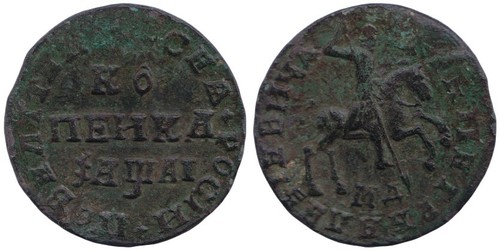
Kopek (Peter I)
c. 1704–1718 (observed 1711)
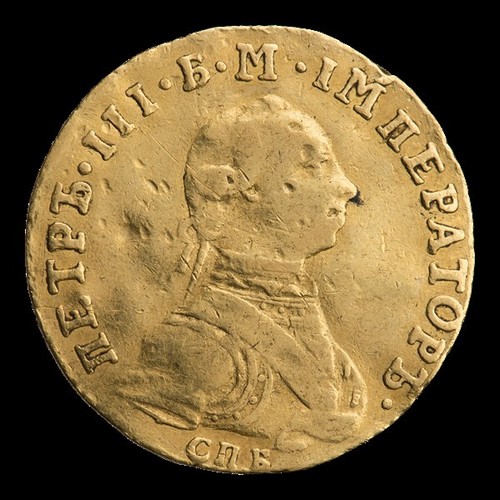
Imperial Chervonets
1762
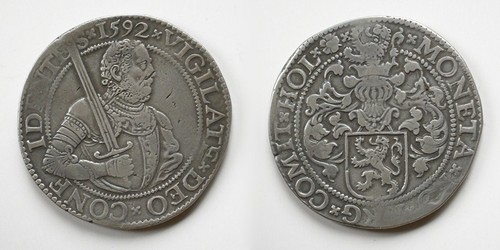
Prinsendaalder (Rijksdaalder)
1592
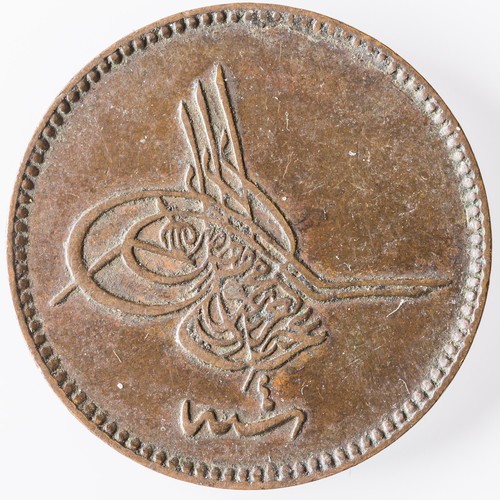
10 Para
AH 1280 (1863-1864 CE)
Halve Rijksdaalder van Leicester
1580s-1590s
Gouden Dukaat
1724
Escudo (Joanna and Charles V, contemporary copy)
1516-1558
Duit (VOC)
1790
4 Escudos
1780s
Tymf
1663