
Coin Encyclopedia
Search and identify coins from around the world — with country, denomination, metal, mint, history, and how to tell them apart.
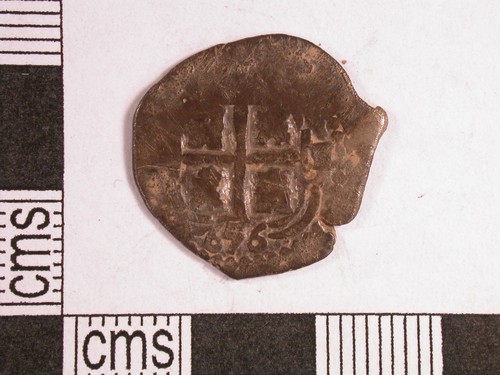
Spanish Colonial Cob 1 Real
A small, crudely hand-struck silver cob of one real, made in Spain's American colonies with heraldic shield-and-cross designs.
Cob Coinage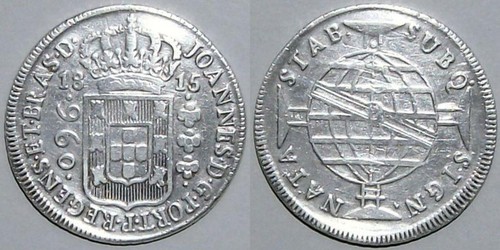
Patacao
A Portuguese silver coin known as the patacao, a larger member of the pataca family, carrying the royal coat of arms and a crowned heraldic shield.
Circulation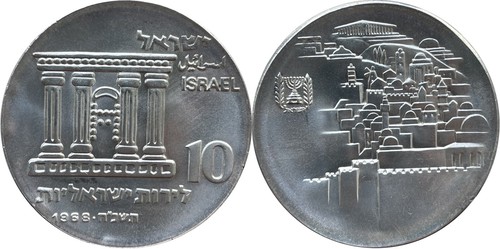
Israel 10 Lirot
Israel's 1968 silver 10 Lirot, struck for the 20th anniversary of independence, pairing a menorah emblem with a view of Jerusalem.
World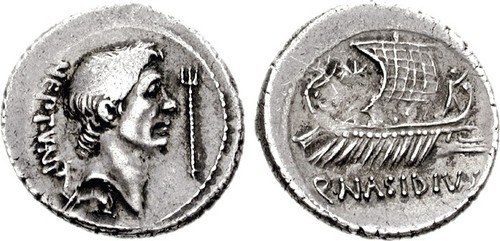
Nasidius Denarius
Roman Republican silver denarius struck for Sextus Pompey's admiral Q. Nasidius, showing Pompey the Great's head and a galley marked NASIDIVS.
Ancient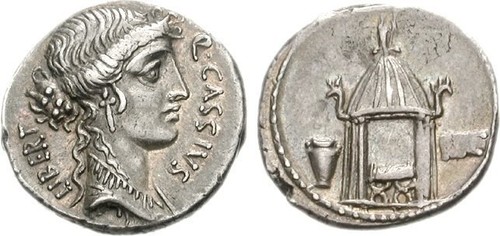
Denarius of Cassius Longinus
Silver denarius struck in 42 BC by Gaius Cassius Longinus, one of Caesar's assassins, to pay his legions before the Battle of Philippi.
Ancient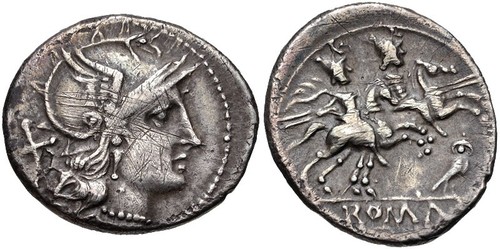
Caecidius Noctua Denarius
A silver Roman Republican denarius of the owl (noctua) symbol series, catalogued RRC 135/1 and dated c. 194–190 BC.
Ancient
Caesar Elephant Denarius
Silver denarius of Julius Caesar (49–48 BC) showing an elephant trampling a serpent above CAESAR, paired with priestly pontifical emblems.
Ancient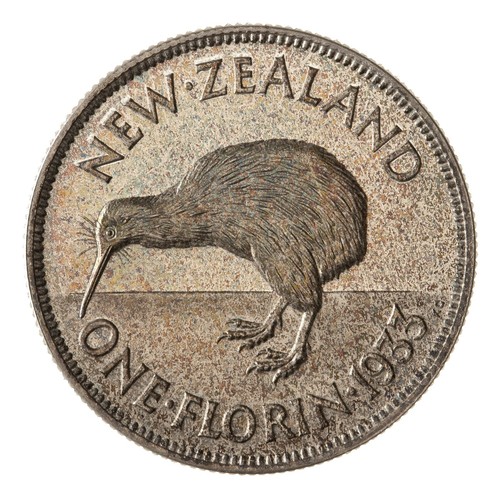
New Zealand Florin
New Zealand's silver two-shilling coin; this 1933 first-year example shows a kiwi and the legend NEW ZEALAND ONE FLORIN.
New Zealand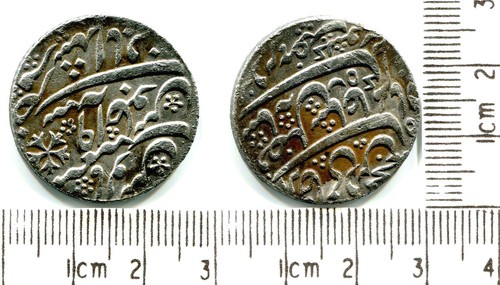
East India Company Rupee
British East India Company silver rupee struck to the Mughal pattern, carrying only Persian/Urdu calligraphy naming the reigning emperor.
British India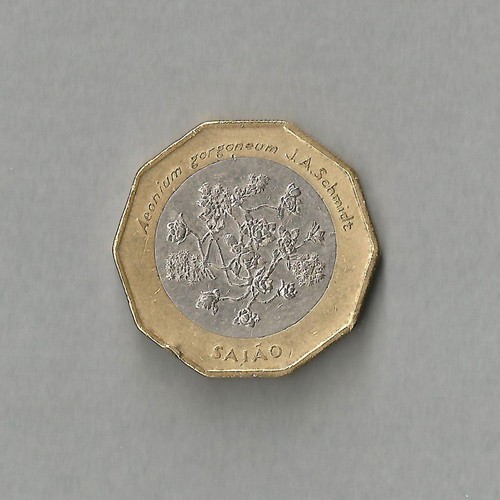
Cape Verde 100 Escudos
A bi-metallic Cape Verde 100 escudos with a botanical theme, its silver-colored center showing the endemic Aeonium gorgoneum plant.
World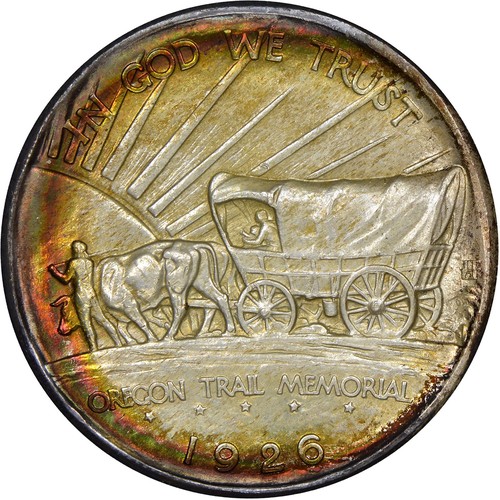
Oregon Trail Memorial Half Dollar
A U.S. silver commemorative half dollar first issued in 1926, famed for its westbound covered wagon and standing Native American designs.
Classic Commemorative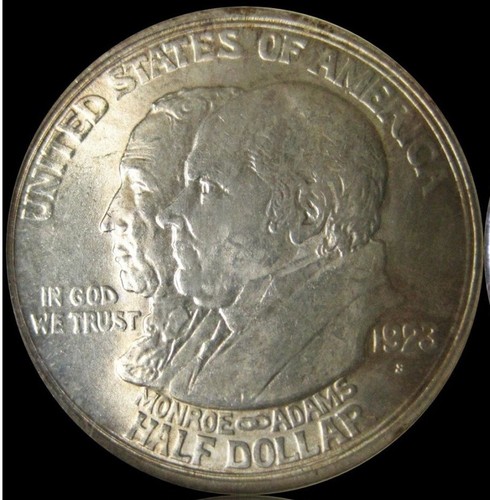
Monroe Doctrine Centennial Half Dollar
A 1923 U.S. silver commemorative half dollar marking the centennial of the Monroe Doctrine, with jugate portraits of James Monroe and John Quincy Adams.
Classic Commemorative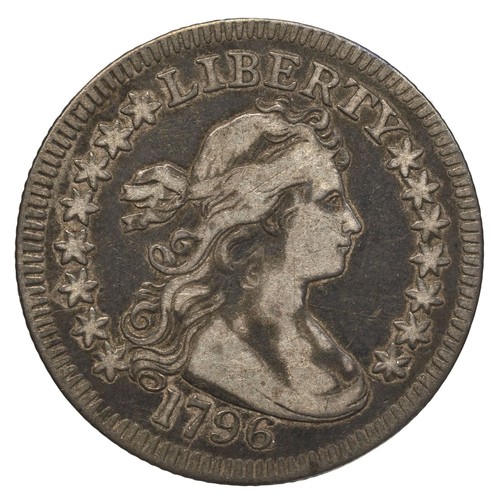
Draped Bust Quarter
The first United States quarter dollar, struck in silver with a draped Liberty and border stars on the obverse and an eagle reverse; the type began in 1796.
Quarter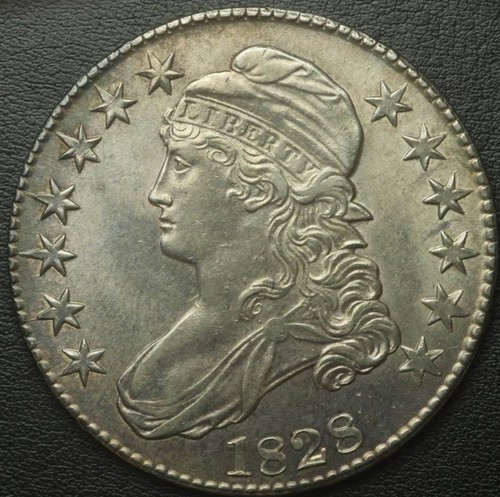
Capped Bust Half Dollar
U.S. fifty-cent silver coin struck 1807–1839, showing Liberty in a Phrygian cap surrounded by stars and a heraldic eagle on a shield.
Half Dollar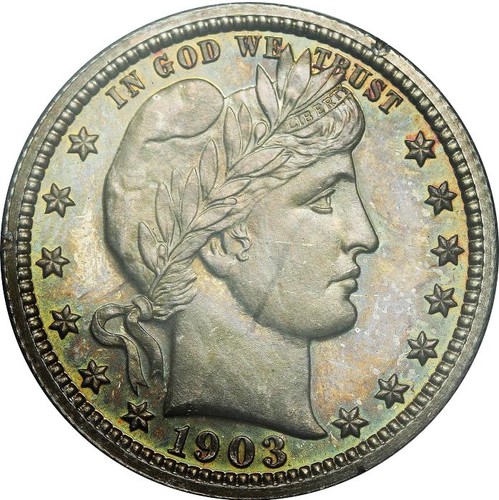
Barber Quarter
U.S. twenty-five-cent silver coin struck 1892–1916, with a left-facing Liberty head and a heraldic shield-eagle reverse.
Quarter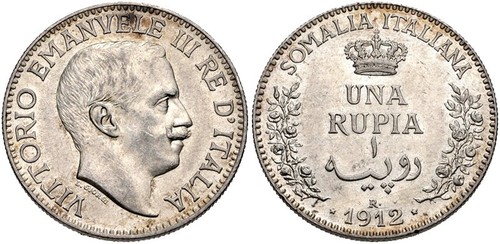
Somalia 1 Rupia
Silver 1 Rupia of Italian Somaliland, showing King Victor Emmanuel III facing right and a crowned heraldic reverse within a wreath.
World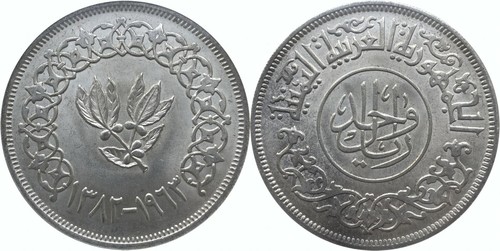
North Yemen 1 Rial
Silver 1 Rial of the Yemen Arab Republic (North Yemen), dated 1963, with a floral wreath obverse and an ornamental Arabic inscription on the reverse.
World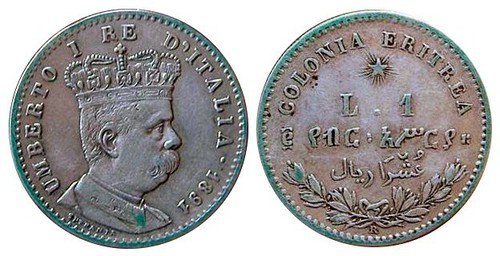
Eritrea 1 Lira
Silver 1 lira struck for Italy's colony of Eritrea, dated 1918, with a crowned heraldic emblem and the legend COLONIA ERITREA L.1.
World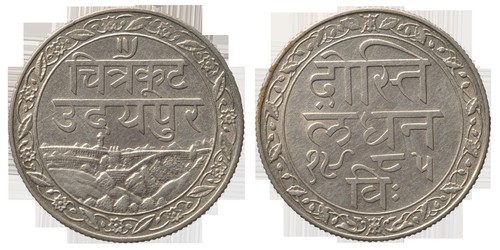
Mewar Chitrakut Half Rupee
A silver half rupee of the princely state of Mewar (Udaipur), dated VS 1985 (c. 1928), with Devanagari legends including the denomination अर्धरुपये.
Princely & Presidency States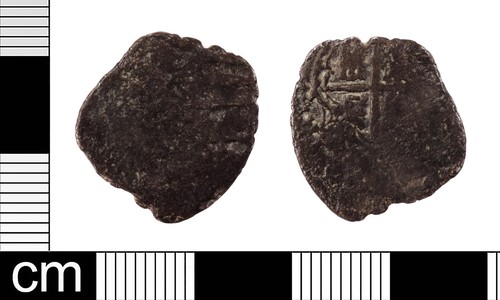
Spanish Colonial Cob 2 Reales
A crude hand-struck silver cob worth a quarter of a piece of eight, showing a cross on one side and the Habsburg Spanish arms on the other.
Cob Coinage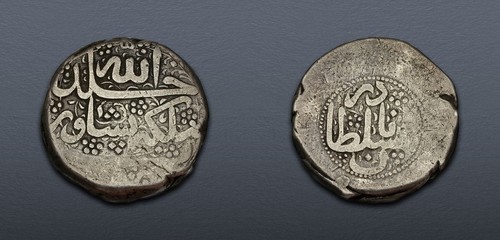
Double Rupi
A large Afsharid silver coin of Nader Shah, the double rupi, dated AH 1151 and covered in flowing Persian calligraphy and ornamental scrollwork.
Historic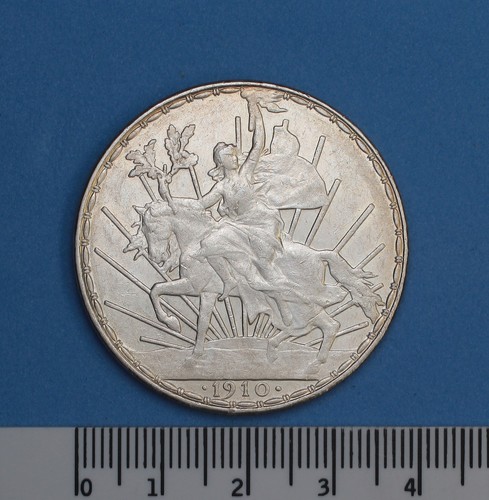
Caballito Peso
A silver Mexican peso nicknamed for the horse on its obverse: an allegorical figure on horseback holding a torch aloft, backed by the eagle-and-serpent arms.
Circulation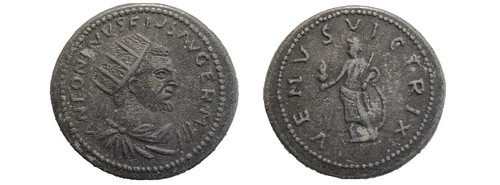
Antoninianus of Caracalla
The antoninianus introduced by Caracalla around AD 215, a radiate-crowned double denarius in debased silver that reshaped Roman coinage.
Ancient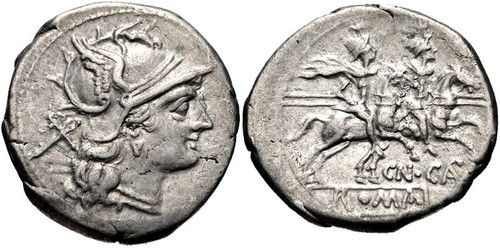
Calpurnia Denarius
Silver Roman Republican denarius of the Calpurnia gens: a right-facing male head on the obverse and a galloping horseman with inscription on the reverse.
Ancient