
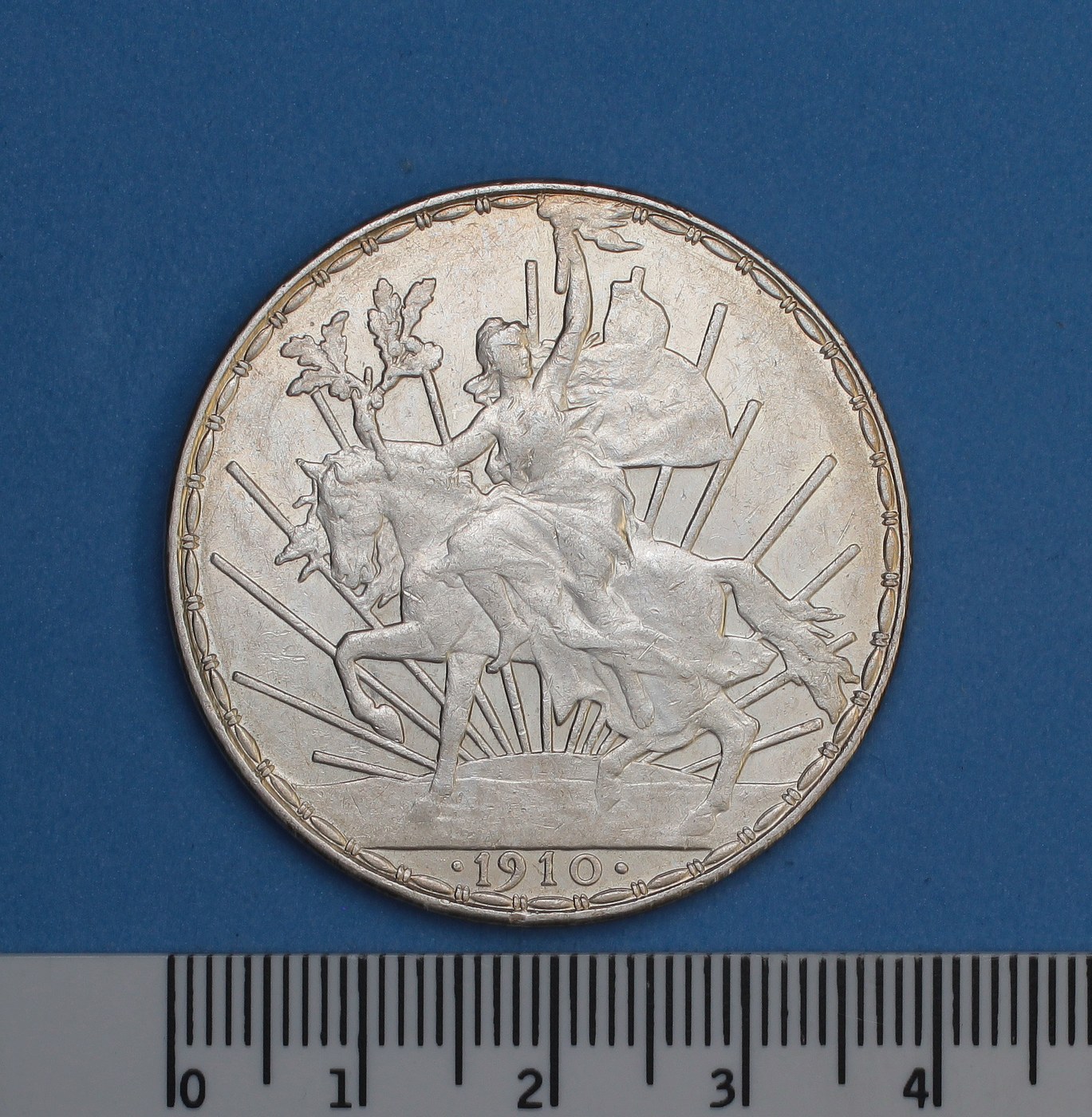
Caballito Peso
A silver Mexican peso nicknamed for the horse on its obverse: an allegorical figure on horseback holding a torch aloft, backed by the eagle-and-serpent arms.
- Country
- Mexico
- Denomination
- 1 Peso
- Metal
- Silver
Got a coin like this?
Identify any coin from a photo, free.
Overview
The Caballito peso is a silver one-peso coin of Mexico whose obverse features a figure riding a horse, which gives the type its affectionate nickname — caballito means "little horse" in Spanish. The mounted allegory of Liberty holds a torch raised high like a staff, with rays of the rising sun spreading behind, and the denomination and date appear below. The reverse carries the Mexican national coat of arms: an eagle perched on a cactus, grasping a serpent.
Designed by the French sculptor Charles Pillet, the Caballito is widely regarded as one of the most beautiful coins Mexico ever circulated. It was struck in the years surrounding the centennial of Mexican independence and the beginning of the Mexican Revolution, and its bold, artistic obverse sets it apart from the more austere designs that came before and after it.
As a large silver crown-sized coin, the Caballito peso is both a historical artifact of a pivotal moment in Mexican history and a perennial favorite among collectors, prized for its striking design as much as for its silver content.
History & Background
The Caballito peso was introduced under President Porfirio Diaz and first struck in 1910, the year Mexico marked the centennial of the start of its war of independence and also the year the Mexican Revolution began. The design, by Charles Pillet, replaced the long-running balance-scale and cap-and-rays peso motifs with a dynamic allegorical scene of Liberty on horseback, a deliberate statement of national confidence and artistry.
Production continued through the early revolutionary years, with the type struck across a short run in the first half of the 1910s before being discontinued. Because it was issued during a turbulent period and only for a handful of years, some dates and varieties are considerably scarcer than others, and the series has long attracted focused study by specialists.
All Caballito pesos were produced at the Mexico City Mint (Casa de Moneda de Mexico), Mexico's principal coining facility. The coins circulated as standard silver currency and were later withdrawn as Mexico's coinage was revised, but the design's reputation ensured its lasting popularity among collectors.
How to Identify
The defining feature is the obverse: a robed figure of Liberty seated on a walking or striding horse, right arm raised holding a torch upward so that it can resemble a staff or lance, with radiating lines of the rising sun filling the field behind. Below the horse sit the denomination — UN PESO — and the year, such as 1910. The word ESTADOS UNIDOS MEXICANOS arcs around the design.
The reverse shows the Mexican coat of arms in the center: an eagle standing on a nopal cactus, holding a serpent, framed by a wreath. This is the same national emblem used on many Mexican coins, so the horse-and-rider obverse, not the reverse, is what identifies the Caballito specifically.
Physically the Caballito is a large silver coin of crown size, struck in high-grade silver at the Mexico City Mint. Look for the combination of the mounted torch-bearing figure with sun rays, the UN PESO denomination, and a date in the early 1910s to confirm the type. Genuine coins are heavy and ring true for their silver content.
Value & Collectibility
The Caballito peso is a popular and sought-after silver type, and even well-worn examples carry value from both their silver content and strong collector demand. Common dates in circulated grades are widely traded, while scarcer dates and high-grade, lustrous examples command substantial premiums.
Condition is a major driver of value: the raised torch, the rider's features, and the horse's detail are the first areas to wear, so sharply struck coins with full detail and original surfaces are the most desirable. Because the design is so admired, attractive uncirculated pieces are especially prized.
Given the type's popularity, the Caballito has also been the target of counterfeits and altered dates, so certified or expertly authenticated examples typically bring the strongest prices. Actual values vary with date, grade, and the silver market, and are best confirmed against recent sales of comparable coins.
Frequently asked questions
Why is it called the Caballito peso?
Caballito means "little horse" in Spanish. The nickname comes from the coin's obverse, which shows an allegorical figure of Liberty riding a horse — the most memorable feature of the design.
What years was the Caballito peso struck?
It was issued in the early 1910s, beginning in 1910. The example pictured is dated 1910, the year of both the independence centennial and the start of the Mexican Revolution.
Is the Caballito peso made of silver?
Yes. It is a large, crown-sized silver one-peso coin struck at the Mexico City Mint, which gives it intrinsic bullion value in addition to its collector appeal.
Who designed the coin?
The design is attributed to the French sculptor Charles Pillet. His mounted allegory of Liberty is often called one of the most beautiful designs on any circulating Mexican coin.
What is on the reverse of the Caballito peso?
The reverse shows the Mexican national coat of arms: an eagle perched on a cactus grasping a serpent, surrounded by a wreath, with the legend ESTADOS UNIDOS MEXICANOS.
Caballito Peso guides
In-depth guides for identifying, valuing, and collecting Caballito Peso.
Other coins you may enjoy
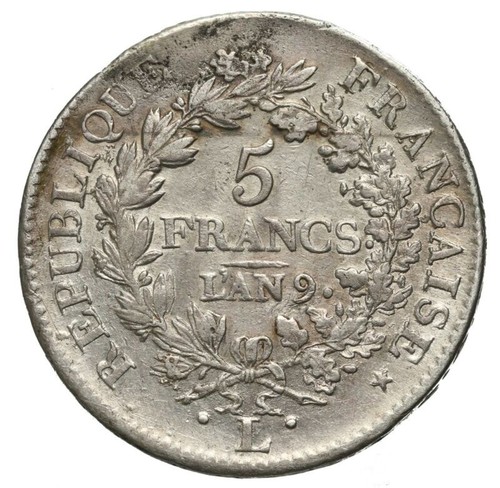
5 Francs (First Republic)
L'an 9 (1800–1801)
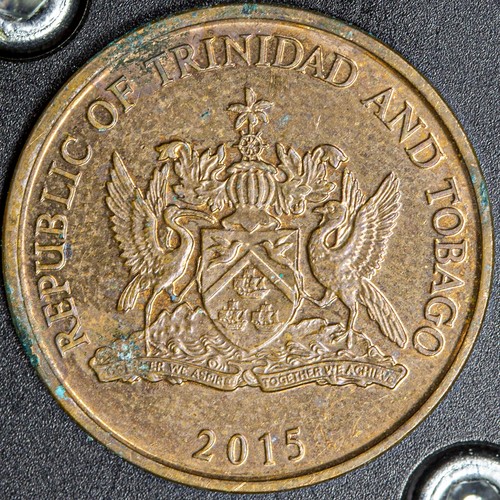
Trinidad and Tobago Dollar
2015
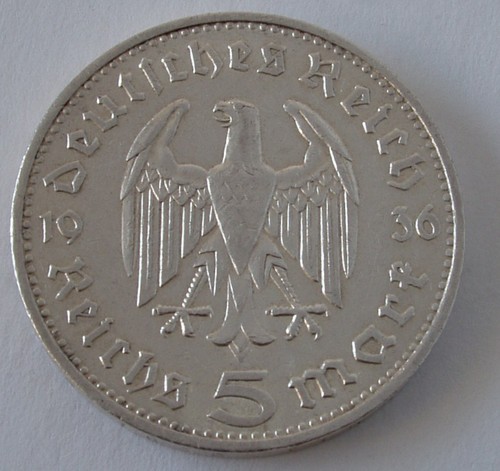
German 5 Reichsmark (Hindenburg)
1935–1936 (Hindenburg type with swastika)
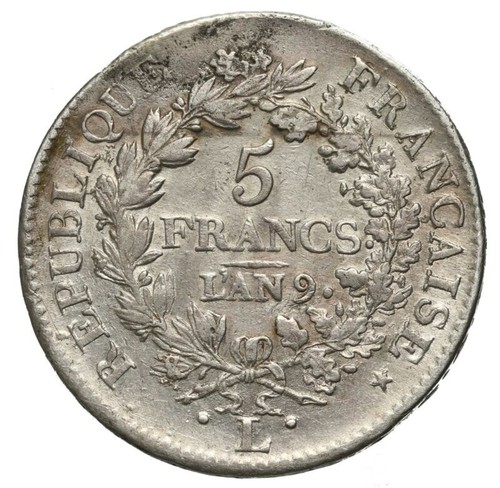
5 Francs Semeuse
1960–1969
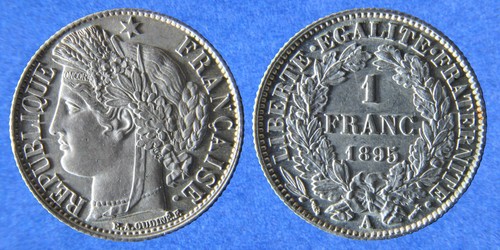
French Cérès 1 Franc
1849–1895
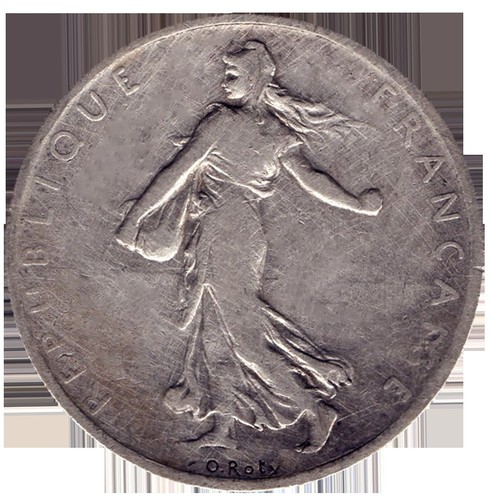
French Semeuse 2 Francs
1898–1920 (silver issues; pictured example dated 1899)
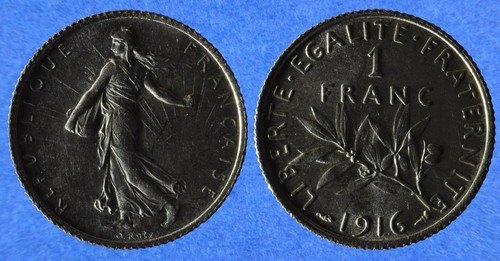
French Semeuse 1 Franc
1898–1920 (silver Semeuse 1 franc type)
France 50 Cent Euro
1999–present
Swiss 1 Franc
1861
France 20 Centimes
1962–2001 (Fifth Republic, Marianne / Lagriffoul type)
Swiss 2 Francs
1860
Austria-Hungary 15 Kreuzer
1807