
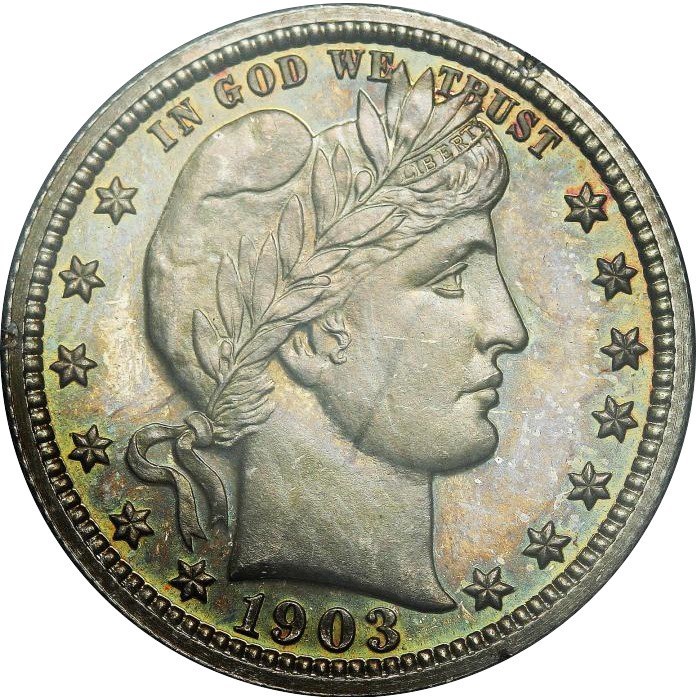
Barber Quarter
U.S. twenty-five-cent silver coin struck 1892–1916, with a left-facing Liberty head and a heraldic shield-eagle reverse.
- Country
- United States
- Denomination
- 25 Cents
- Metal
- Silver
Got a coin like this?
Identify any coin from a photo, free.
Overview
The Barber Quarter is a United States twenty-five-cent coin produced by the U.S. Mint from 1892 through 1916. The obverse shows the head of Liberty in profile facing left, wearing a laurel wreath and a cap with "LIBERTY" inscribed on the headband, framed by "UNITED STATES OF AMERICA" and the date. The reverse carries a heraldic eagle with a shield on its breast, grasping a bundle of arrows and an olive branch, with a ribbon reading "E PLURIBUS UNUM" and a row of stars above. The coin is named for its designer, Chief Engraver Charles E. Barber.
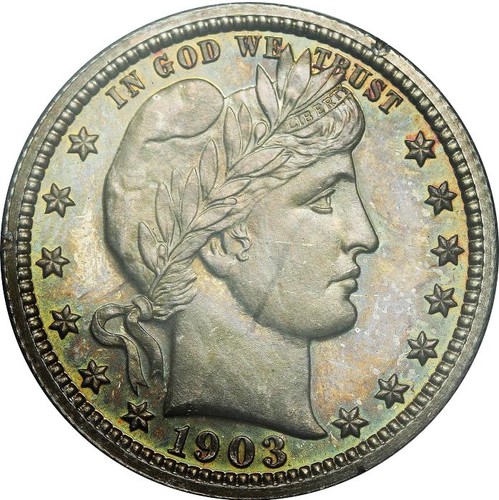
The example shown here is an 1903 Proof — a specially struck presentation coin made at the Philadelphia Mint for collectors, not for circulation. Like all coins in the series it is 90% silver and 10% copper, measures about 24.3 mm in diameter, weighs roughly 6.25 grams, and has a reeded (grooved) edge. Proof coins of this type are known for sharp, fully brought-up detail and mirror-like fields.
History & Background
The Barber Quarter was designed by Charles E. Barber, Chief Engraver of the U.S. Mint, and introduced in 1892 to replace the long-running Seated Liberty design. The same Liberty-head obverse appeared on the dime, quarter, and half dollar of the period, giving the three denominations a unified look; the quarter and half dollar share a heraldic shield-eagle reverse, while the smaller dime uses a wreath.
The series ran through 1916, when it was replaced by Hermon MacNeil's Standing Liberty quarter. Throughout the run, the Philadelphia Mint also struck small numbers of Proof coins each year for collectors. The 1903 Proof shown here belongs to that limited presentation output — a tiny fraction of the many hundreds of thousands of business-strike quarters made for circulation that year at Philadelphia and the branch mints.
How to Identify
The obverse depicts Liberty facing left, wearing a laurel wreath and a cap with a headband inscribed "LIBERTY." "UNITED STATES OF AMERICA" curves around the upper rim and the date sits at the bottom, reading 1903 on this coin. The reverse shows a heraldic eagle with a striped shield on its breast, holding arrows in one talon and an olive branch in the other, a scroll reading "E PLURIBUS UNUM" above the eagle's head, thirteen stars along the top, and "QUARTER DOLLAR" around the bottom.
The coin is 90% silver, about 24.3 mm across, near 6.25 grams, with a reeded edge. On business strikes, mint marks appear on the reverse just below the eagle: "O" for New Orleans, "D" for Denver, or "S" for San Francisco, with Philadelphia coins carrying none. As a Philadelphia Proof, this 1903 example has no mint mark, and it can be recognized by its exceptionally crisp devices and reflective, mirror-like fields rather than the softer look of a circulated coin.
Value & Collectibility
Circulated common-date Barber Quarters carry a base value tied to their silver content plus a collector premium, rising with condition and full "LIBERTY" detail on the headband. Scarcer issues are far more valuable — the 1901-S is a celebrated rarity, and dates such as the 1896-S and 1913-S also command strong premiums.
Proof Barber Quarters like this 1903 are a separate, more specialized category. Only small numbers were struck each year, so surviving Proofs are scarce and are valued well above ordinary circulated coins, with price driven by the quality of the mirror fields, the strength of any toning, and the absence of hairlines or handling marks. Because condition and originality matter so much, a Proof of this kind is best evaluated when certified by a reputable third-party grading service. Values move with the grade and the silver market, so published price guides should be treated as approximate.
Frequently asked questions
Who designed the Barber Quarter?
Charles E. Barber, Chief Engraver of the U.S. Mint, whose surname gives the coin its common name. The same Liberty-head obverse also appears on the Barber dime and half dollar.
What does "Proof" mean on a 1903 Barber Quarter?
A Proof is a specially made presentation coin struck at Philadelphia for collectors using polished dies and planchets, giving sharp detail and mirror-like fields. It was never intended for everyday circulation.
What is a Barber Quarter made of?
It is 90% silver and 10% copper, weighing about 6.25 grams and measuring roughly 24.3 mm in diameter, with a reeded edge.
Does a 1903 Proof Barber Quarter have a mint mark?
No. Proof Barber Quarters were struck only at the Philadelphia Mint, which used no mint mark. Branch-mint business strikes carry an O, D, or S below the eagle on the reverse.
Are Barber Quarters valuable?
Common circulated dates are worth a modest premium over silver, but key dates like the 1901-S and scarce Proofs such as this 1903 can be worth substantially more depending on grade and originality.
Barber Quarter guides
In-depth guides for identifying, valuing, and collecting Barber Quarter.
Barber Quarter identified by the community
Real coins identified with Coin Identifier.
Other coins you may enjoy
White Mountain Quarter
2013
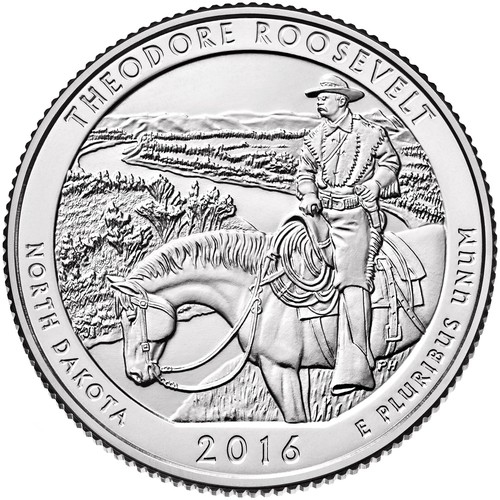
Theodore Roosevelt Quarter
2016
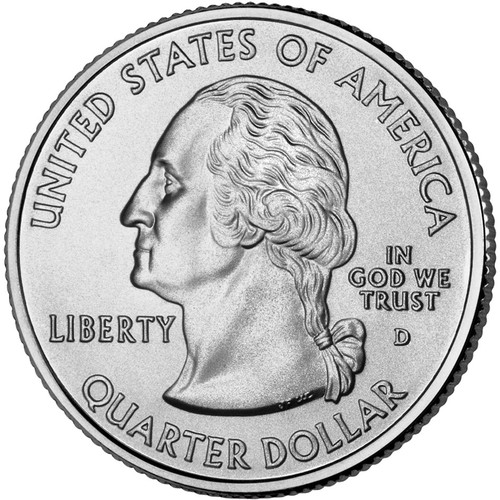
Washington Quarter
1932–present
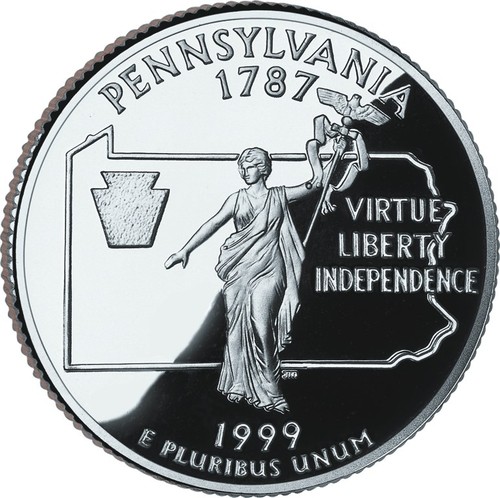
Pennsylvania State Quarter
1999
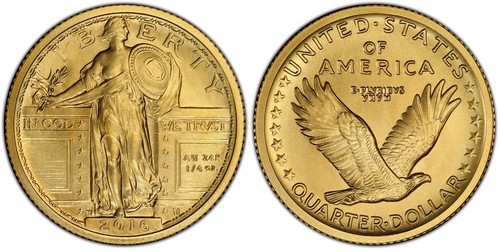
Standing Liberty Quarter Centennial Gold
2016
Hawaii State Quarter
2008
Cumberland Gap Quarter
2016
Standing Liberty Quarter
1916–1930
Seated Liberty Quarter
1838–1891
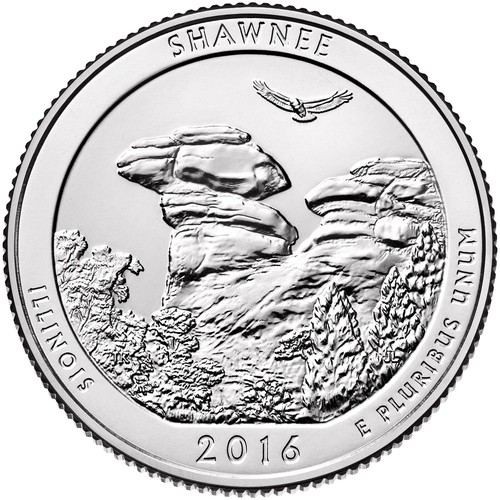
Shawnee Quarter
2016
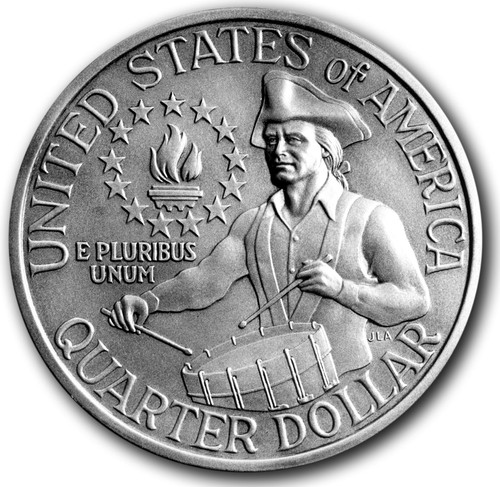
Bicentennial Quarter
1975–1976 (dated 1776-1976)
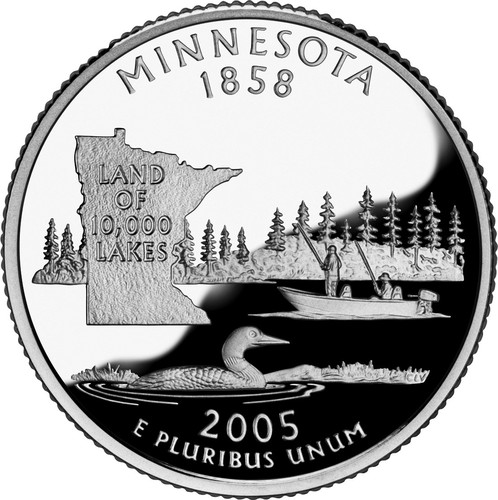
Minnesota State Quarter
2005