
Patacao
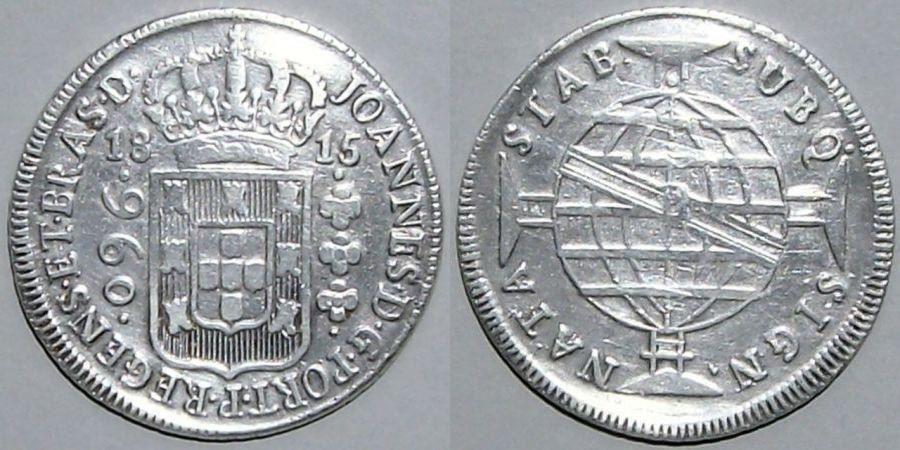
A Portuguese silver coin known as the patacao, a larger member of the pataca family, carrying the royal coat of arms and a crowned heraldic shield.
- Country
- Portugal
- Denomination
- Patacao
- Metal
- Silver
Got a coin like this?
Identify any coin from a photo, free.
Overview
The patacao is a Portuguese silver coin whose name is an augmentative of pataca — literally a "big pataca." The pataca family of coins takes its name from the widely circulated Spanish colonial silver dollar, a term that spread across the Portuguese-speaking world for large silver pieces. As struck and observed here, the patacao is a round silver coin bearing the Portuguese royal heraldry rather than a portrait.
One face carries a heraldic shield and full coat of arms, while the other shows a crowned shield framed by ornamental devices. This armorial, crown-and-shield styling is typical of Portuguese royal coinage and marks the coin as an official state issue rather than a token or medal.
Because it is a silver piece tied to the pataca system of account, the patacao sits among the mid-to-larger silver denominations of its era. Collectors value it as a tangible example of Portugal's historic monetary vocabulary, in which pataca and patacao described everyday silver money.
History & Background
The word pataca entered Portuguese usage from the Spanish silver dollar (the peso or piece of eight) that dominated international trade for centuries. In Portugal and its territories the term became a familiar name for large silver coins and a unit of account, with patacao denoting a still larger or heavier silver piece. This naming carried across the Portuguese-speaking world, and related pataca denominations later appeared in Portuguese overseas possessions.
Portuguese royal coinage of the eighteenth and nineteenth centuries favored armorial designs — the national coat of arms and a crowned shield — over the ruler's portrait on many silver issues. The patacao belongs to this armorial tradition, produced under royal authority and struck in silver for circulation.
Because the pataca and patacao functioned partly as popular names as well as formal denominations, the exact coin an owner holds is best confirmed by its inscriptions, arms, and any legible date, which pin it to a specific reign and issue.
How to Identify
Look for a round silver coin with strongly heraldic designs on both faces. The obverse shows a heraldic shield and full coat of arms; the reverse shows a shield surmounted by a crown and set within ornamental framing. The presence of the Portuguese royal arms, rather than a monarch's bust, is a key indicator of this armorial coinage.
The coin is silver, so expect a grey to bright metallic tone with the toning patterns typical of aged silver. The module is that of a substantial silver piece consistent with the pataca family rather than a small minor coin. Inscriptions around the arms typically name the Portuguese sovereign and titles in Latin or Portuguese abbreviations, and a date, where present, appears within the legends or fields.
Identification rests on the combination of Portuguese royal heraldry, the crowned shield, and the silver fabric together. Reading the legends and any visible date is the surest way to attribute the piece to a particular reign and confirm the denomination.
Value & Collectibility
As a silver coin, the patacao carries both a precious-metal component and collector interest, so value depends on condition, the specific reign and issue, and eye appeal. Worn or cleaned examples trade closer to their silver content, while sharply struck coins with clear arms, crisp legends, and attractive original toning command higher premiums.
Because pataca and patacao span several issues and periods, correct attribution matters: a scarce reign or variety can be worth considerably more than a common one of the same general appearance. The clarity of the coat of arms and the crowned shield, along with a legible date, strongly influences desirability.
Given the range of possible issues, values are best confirmed against recent sales of comparable Portuguese silver of the same reign and grade rather than by the denomination name alone.
Frequently asked questions
What does the name patacao mean?
Patacao is an augmentative of pataca, meaning roughly a "big pataca." The word pataca came from the Spanish silver dollar and became a Portuguese term for large silver coins, so patacao denotes a larger silver piece in that family.
Is the patacao silver or another metal?
It is silver. The patacao belongs to Portugal's silver coinage, which gives it both a bullion component and collector value depending on the specific issue and condition.
Why is there a coat of arms instead of a king's portrait?
Many Portuguese royal silver issues used armorial designs — the national coat of arms and a crowned shield — rather than the ruler's bust. The patacao follows this heraldic tradition, which helps identify it as an official state coin.
How do I tell which reign my patacao is from?
Read the legends around the arms and look for a date. The inscriptions name the Portuguese sovereign and titles, and any visible date pins the coin to a particular reign and issue.
Patacao guides
In-depth guides for identifying, valuing, and collecting Patacao.
Other coins you may enjoy
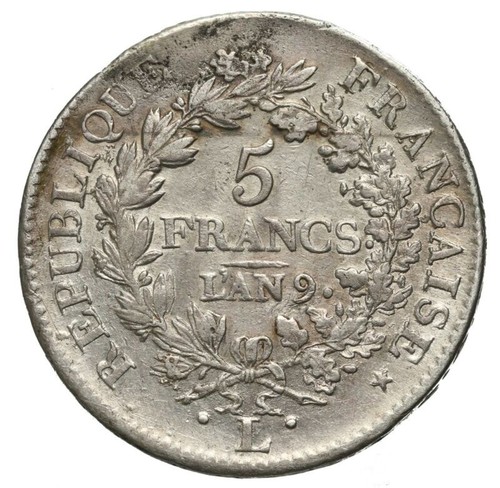
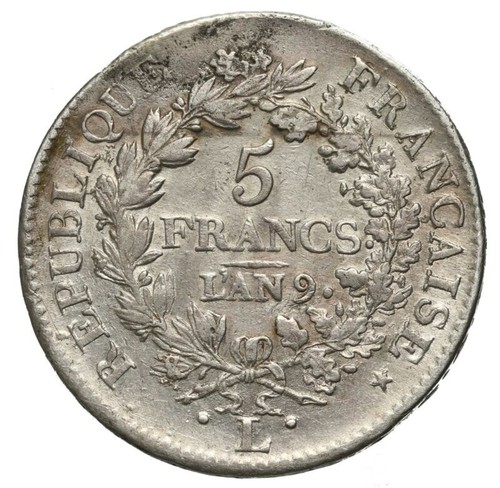
5 Francs (First Republic)
L'an 9 (1800–1801)
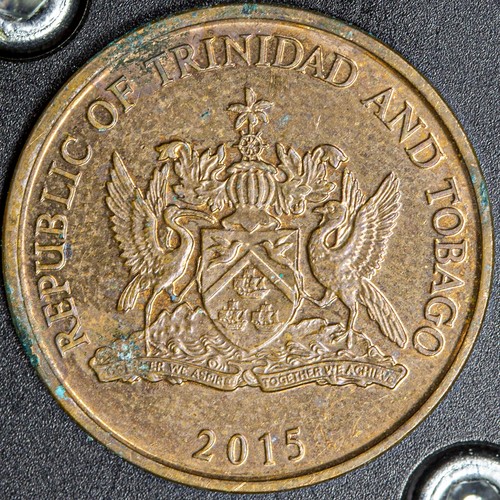
Trinidad and Tobago Dollar
2015
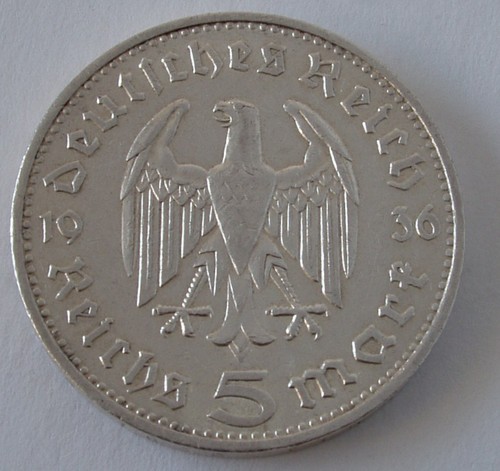
German 5 Reichsmark (Hindenburg)
1935–1936 (Hindenburg type with swastika)
5 Francs Semeuse
1960–1969
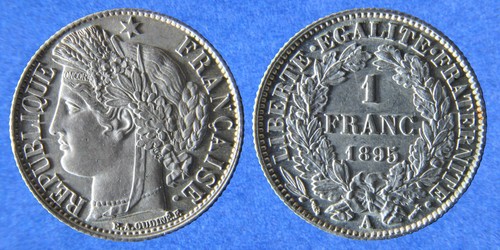
French Cérès 1 Franc
1849–1895
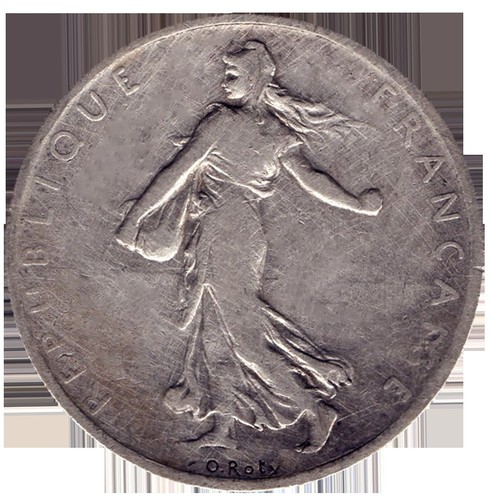
French Semeuse 2 Francs
1898–1920 (silver issues; pictured example dated 1899)
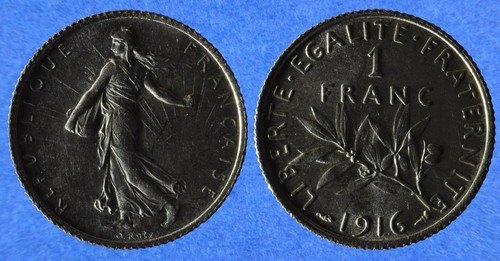
French Semeuse 1 Franc
1898–1920 (silver Semeuse 1 franc type)
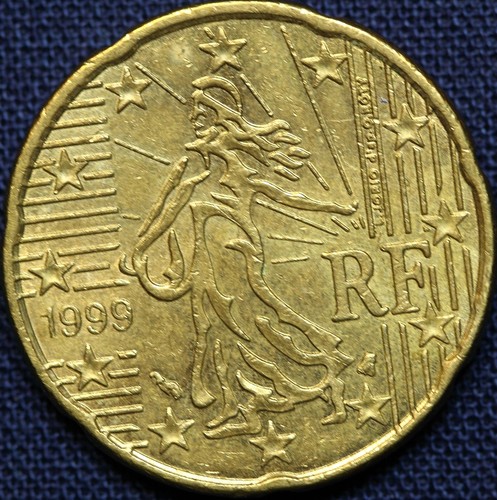
France 50 Cent Euro
1999–present
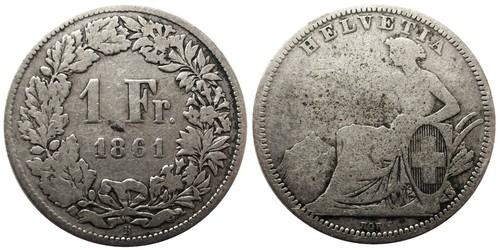
Swiss 1 Franc
1861
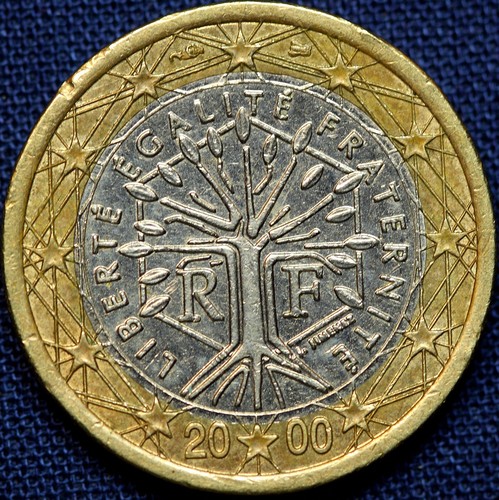
France 20 Centimes
1962–2001 (Fifth Republic, Marianne / Lagriffoul type)
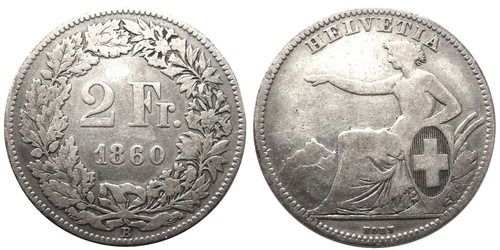
Swiss 2 Francs
1860
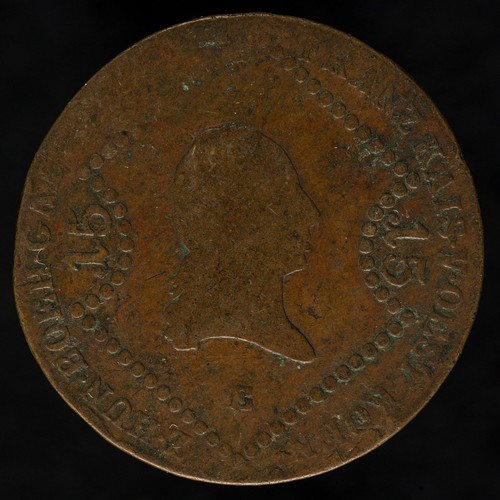
Austria-Hungary 15 Kreuzer
1807