
How to Identify the Patacao
A collector's checklist for the Portuguese silver patacao: royal arms, crowned shield, silver fabric, legends and dates, look-alikes, and authentication cautions.
Read the full Patacao encyclopedia entry →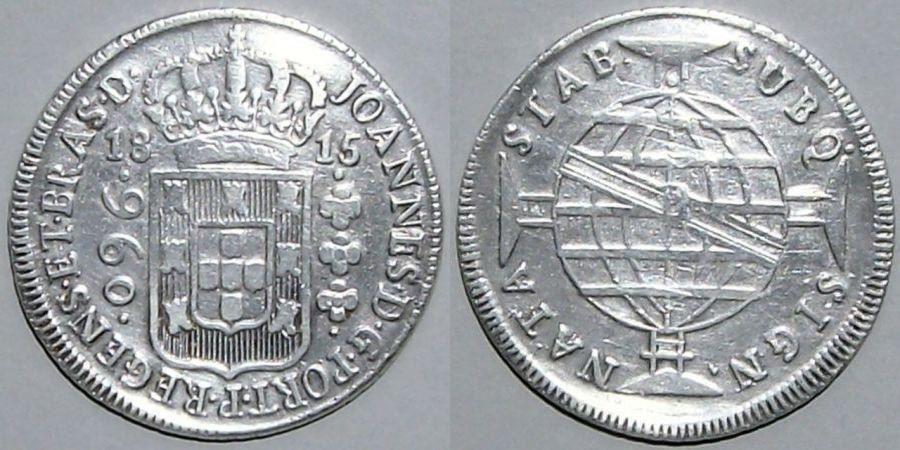
Start with the two heraldic faces, because they define the type. One side should carry a heraldic shield and full coat of arms; the other a crowned shield within ornamental framing. If the coin shows a portrait bust as its main device instead of armorial shields, it is a different Portuguese type even if the size and metal are similar.
Confirm the fabric next. The patacao is a silver coin, so it should have the weight, ring, and toning of aged silver rather than the brown or reddish look of copper or the yellow of a base alloy. Weigh and measure it and compare against published figures for the specific pataca-family issue you suspect, since module and weight help separate the patacao from smaller pataca fractions.
Read the legends carefully. Portuguese royal silver typically names the sovereign and titles in Latin or Portuguese abbreviations around the arms, and a date may sit within the legends or fields. These inscriptions are the most reliable way to attribute the coin to a reign and to distinguish a true denomination from a similarly styled piece. Note that pataca and patacao were also popular names, so the legend and arms matter more than the nickname.
Watch for look-alikes. Other Portuguese silver coins share the crowned-shield and coat-of-arms format across different denominations and reigns, and the widely circulated Spanish silver dollar that gave the pataca its name can resemble the family at a glance. Use the exact arms, the surrounding legend, and the size to separate them rather than relying on general appearance.
Finally, apply standard silver-coin authentication. Be cautious of cast copies showing seam lines, a granular or bubbled surface, or soft, blurry lettering, and of tooled or artificially toned surfaces. When a coin is valuable or its surfaces look suspicious, weigh it, check the edge, and seek an opinion from a specialist in Portuguese numismatics before buying.
Frequently asked questions
What is the quickest way to recognize a patacao?
Look for a silver coin with a heraldic shield and coat of arms on one side and a crowned shield within ornament on the other. That armorial, portrait-free styling in silver points to the Portuguese pataca family; the legend and date confirm the exact issue.
How do I distinguish a patacao from smaller pataca coins?
Compare size and weight against published figures, since the patacao is a larger silver piece than the minor fractions. The shared crowned-shield format means module and weight, plus the legend, are the reliable separators.
Could my coin actually be a Spanish dollar?
It can be confused with one, because the pataca name comes from the Spanish silver dollar and the coins circulated together. Check the arms and legends: Portuguese royal heraldry and Portuguese or Latin titles distinguish a patacao from a Spanish colonial peso.
How can I spot a fake silver patacao?
Look for edge seams, a grainy or bubbled surface, and mushy lettering that lacks struck crispness, and confirm the weight matches genuine silver. If value or surfaces raise doubt, have the coin examined by a specialist in Portuguese coinage.