
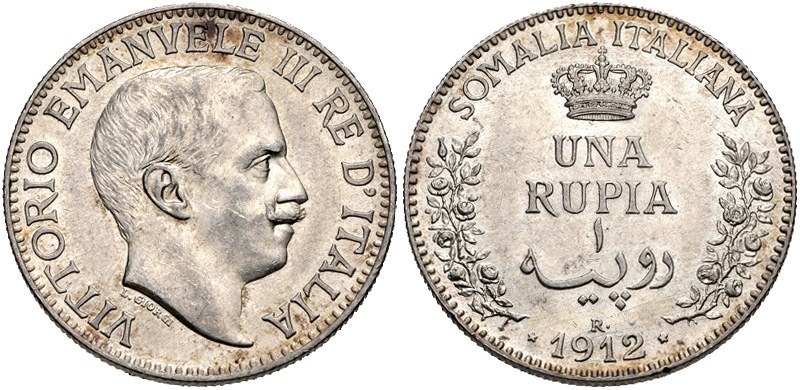
Somalia 1 Rupia
Silver 1 Rupia of Italian Somaliland, showing King Victor Emmanuel III facing right and a crowned heraldic reverse within a wreath.
- Country
- Somalia
- Denomination
- 1 Rupia
- Metal
- Silver
Got a coin like this?
Identify any coin from a photo, free.
Overview
The Somalia 1 Rupia is a silver colonial coin struck for Italian Somaliland (Somalia Italiana), the Italian possession on the Horn of Africa. As seen on this 1912 example, the obverse carries a right-facing portrait of the ruler, King Victor Emmanuel III of Italy, while the reverse shows a crowned heraldic design framed by a wreath with the denomination.
The rupia was the principal silver unit of the colony, deliberately modeled on the Indian rupee that already dominated trade around the western Indian Ocean. It sits at the top of a small series that also included fractional rupia pieces and bronze bese, and it is the largest and most substantial silver coin of the group.
Because it was issued by Italy for an African territory yet patterned on an Indian trade standard, the 1 Rupia is a distinctly colonial hybrid, and it remains one of the most recognizable coins associated with the history of Somalia.
History & Background
Italy consolidated its holdings on the Somali coast in the early 20th century, and to give the colony a workable currency it introduced the rupia in 1910. The choice was practical: the silver Indian rupee was the established money of Indian Ocean commerce, so an Italian rupia of matching size and fineness could circulate easily among merchants already used to that standard.
The coins were struck at the Rome mint and bear the portrait of Victor Emmanuel III, who reigned as King of Italy from 1900 to 1946. The 1 Rupia was issued across several dates in the 1910s, including this 1912 piece, alongside quarter and half rupia coins and smaller bronze bese denominations.
The rupia system was relatively short-lived. In the 1920s Italy reorganized the colony's money and eventually replaced the rupia with a lira-based coinage, ending the series. This makes the silver 1 Rupia a coin of a specific, closed chapter in the monetary history of Italian Somaliland.
How to Identify
Confirm the portrait first. The obverse shows a bare-headed male bust facing right, King Victor Emmanuel III, surrounded by a Latin legend that names him as king and refers to the colony. The style is the same royal portrait used across Italian colonial and domestic coinage of the period.
Turn to the reverse for the denomination. This face carries a crowned heraldic design set within a wreath, together with the value RUPIA and the date. On this example the date reads 1912. The pairing of a European royal portrait with the word RUPIA is the coin's defining signature and separates it immediately from ordinary Italian lira coins.
The 1 Rupia is a full-size silver crown-style coin, noticeably larger and heavier than the quarter and half rupia fractions and far heavier than the bronze bese. Its diameter, weight, and silvery tone are close to those of the contemporary Indian silver rupee, which was the intended standard.
Value & Collectibility
As a silver coin of a short-lived colonial series, the Somalia 1 Rupia is collected both for its precious-metal content and for its historical interest, and it typically carries a meaningful premium over ordinary base-metal world coins. Even well-worn examples are sought after by collectors of Italian colonial and East African coinage.
Value depends heavily on date and condition. Common dates in circulated grades tend to trade at modest collector prices, while scarcer dates and coins in high, lustrous grades can command substantially more. Because early photographs and old holdings vary widely, treat any single figure as approximate.
Care is warranted with this issue: because it is a desirable silver colonial coin, cleaned, damaged, and outright counterfeit pieces exist. For anything beyond a low-grade example, confirm the specific date and check the coin against reliable catalog references or a specialist before assigning a firm value.
Frequently asked questions
What country issued the 1 Rupia?
It was issued for Italian Somaliland (Somalia Italiana), the Italian colony on the Horn of Africa, in the modern territory of Somalia. Though Italian, it used a rupia standard borrowed from the Indian rupee.
Who is the ruler on the obverse?
The right-facing portrait is King Victor Emmanuel III of Italy, who reigned from 1900 to 1946. The same royal bust appears on Italian domestic and colonial coins of the era.
Is the Somalia 1 Rupia real silver?
Yes. The 1 Rupia was struck in silver as the main silver unit of the colony, sized to match the contemporary Indian silver rupee it was modeled on.
Why does an Italian colony use a 'rupia'?
The silver Indian rupee was the dominant trade money around the Indian Ocean. Italy adopted a matching rupia so its colonial coinage would circulate easily among merchants already using that standard.
When was it made?
The rupia series ran through the 1910s, roughly 1910 to 1921, before being replaced by a lira-based coinage. This particular example is dated 1912.
Somalia 1 Rupia guides
In-depth guides for identifying, valuing, and collecting Somalia 1 Rupia.
Other coins you may enjoy
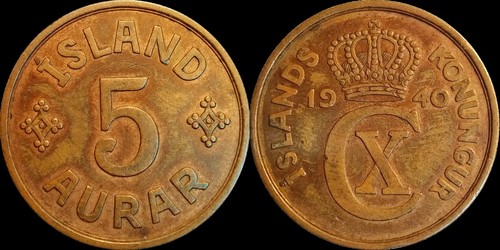
5 Aurar
1926-1942
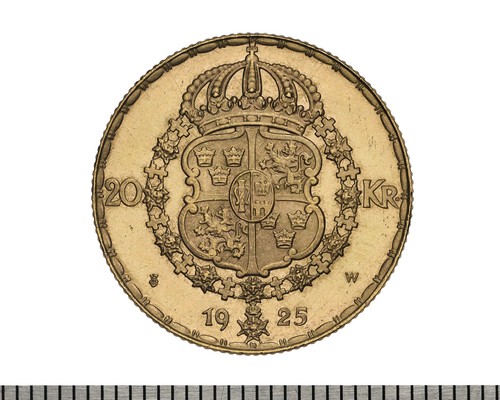
20 Kronor
1925 (denomination struck 1873-1925)
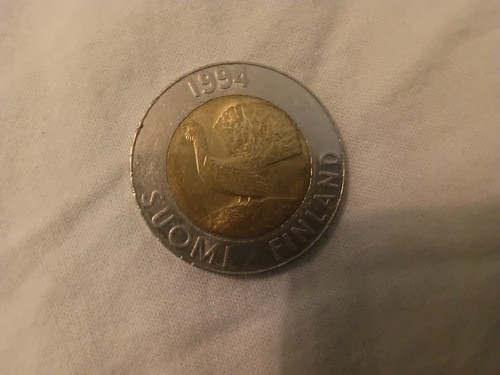
10 Markka
1993–2001
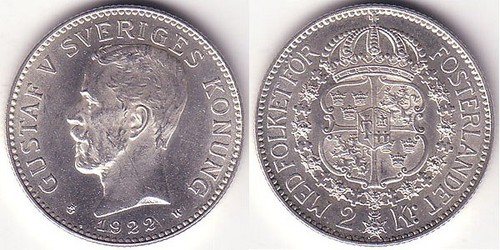
2 Kronor
1910-1940 (this example dated 1922)
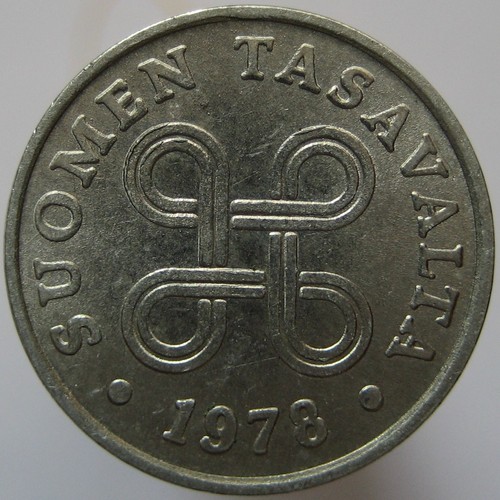
1 Penni
1969–1979
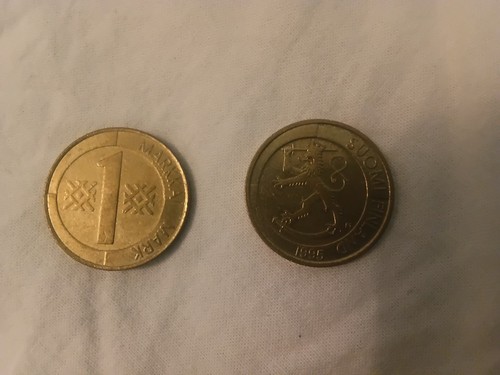
1 Markka
1993–2001
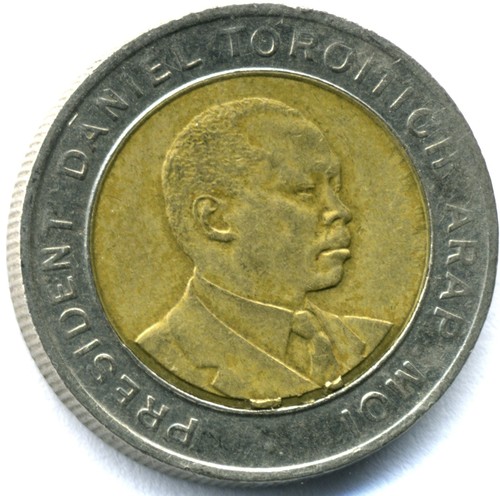
Kenya 5 Shillings
Bimetallic issues (2005–2010)
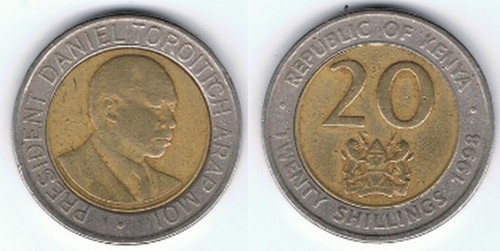
Kenya 20 Shillings
Modern issue (late 1990s–2000s)
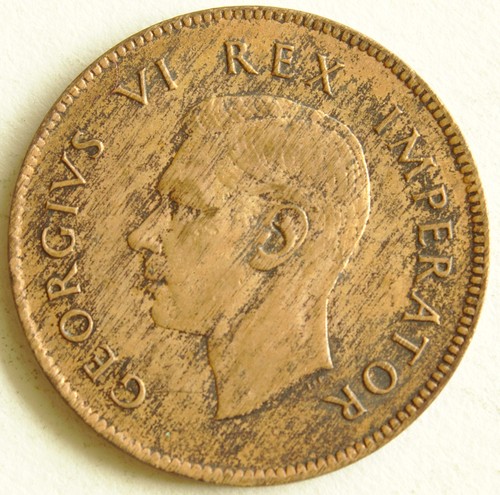
South Africa Farthing
1923-1960
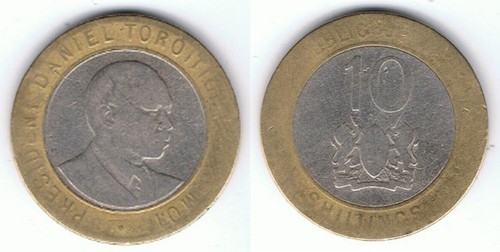
Kenya 10 Shillings
Republic of Kenya, bimetallic issues (mid-1990s to c. 2010)
Gold Sovereign
1817–present
Henri V Five Francs
1831