
Coin Encyclopedia
Search and identify coins from around the world — with country, denomination, metal, mint, history, and how to tell them apart.
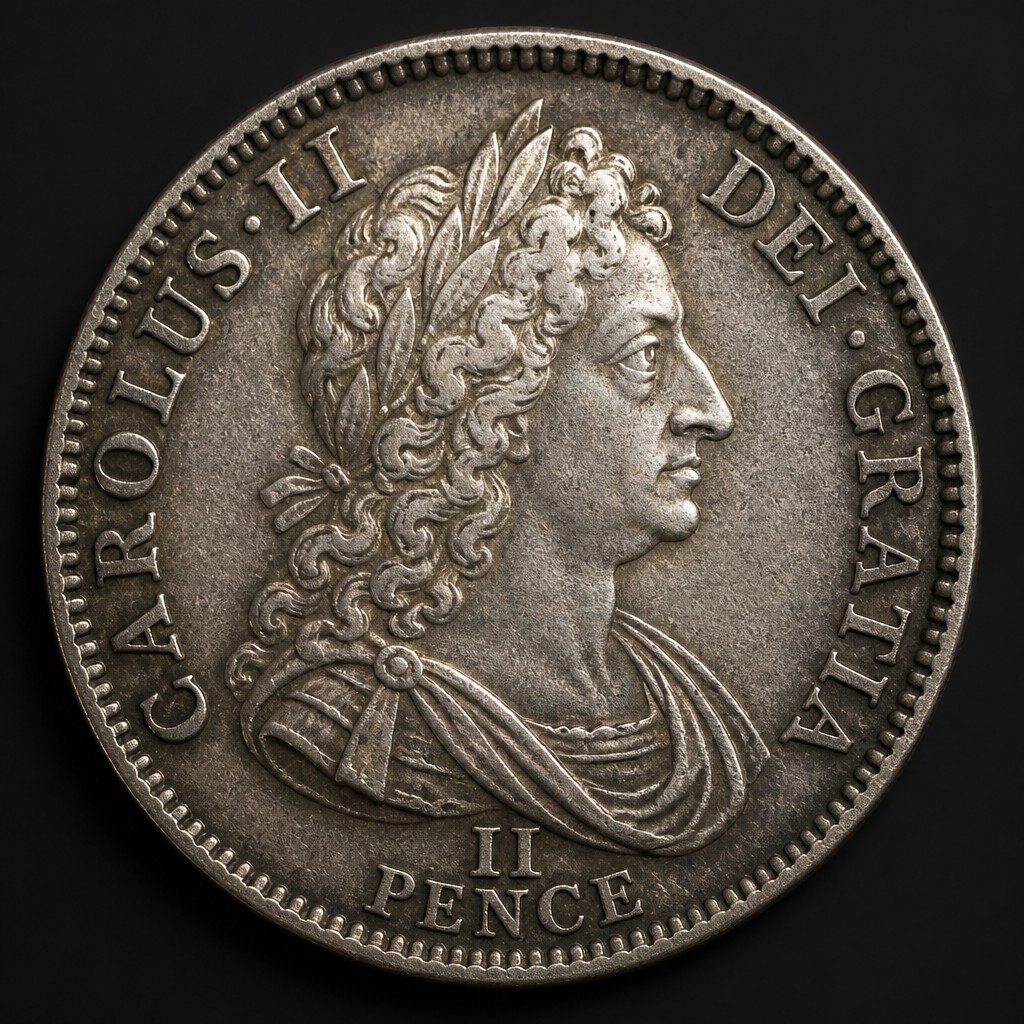
Maundy Twopence
A small silver twopence struck each year as part of the Royal Maundy set, historically descended from the medieval silver half groat and still distributed in the annual royal alms ceremony.
British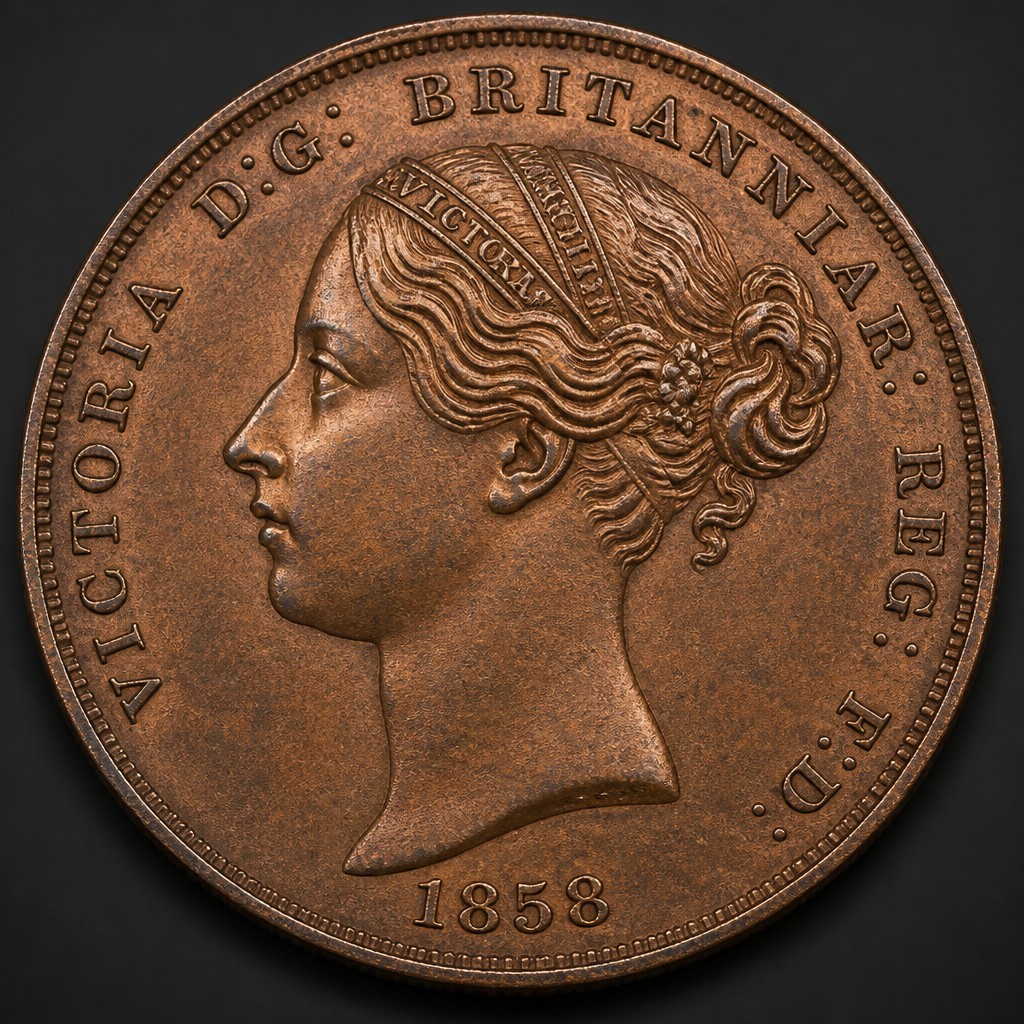
Quarter Farthing
The smallest fractional denomination in British coinage, worth one-sixteenth of a penny, struck primarily for use in colonial Ceylon during Victoria's reign.
British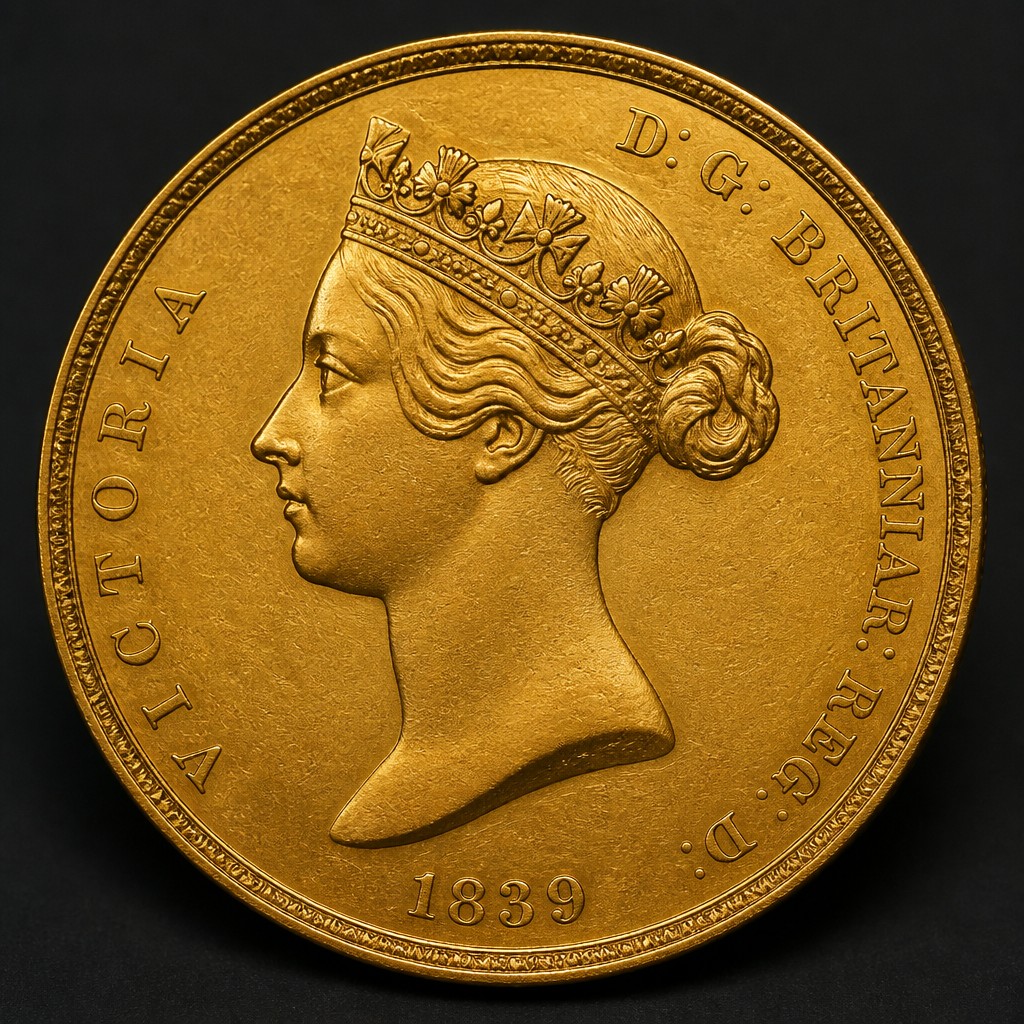
Una and the Lion Five Pound
A legendary 1839 gold proof depicting young Queen Victoria as Una leading a lion, widely considered one of the most beautiful coins ever struck and a benchmark of Victorian coin art.
British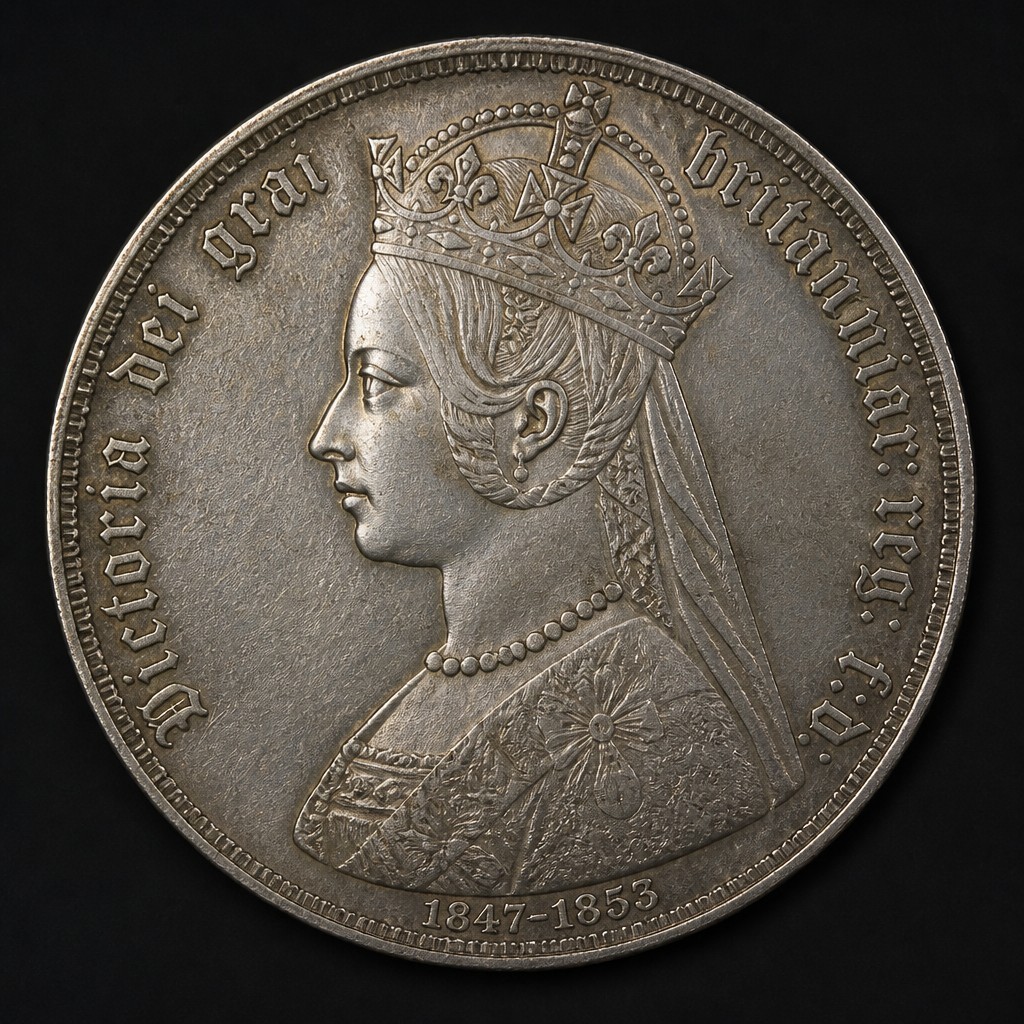
Gothic Crown
An ornate Victorian silver crown featuring a young Queen Victoria in Gothic-script lettering, widely admired as one of the most artistically accomplished coins in British history.
British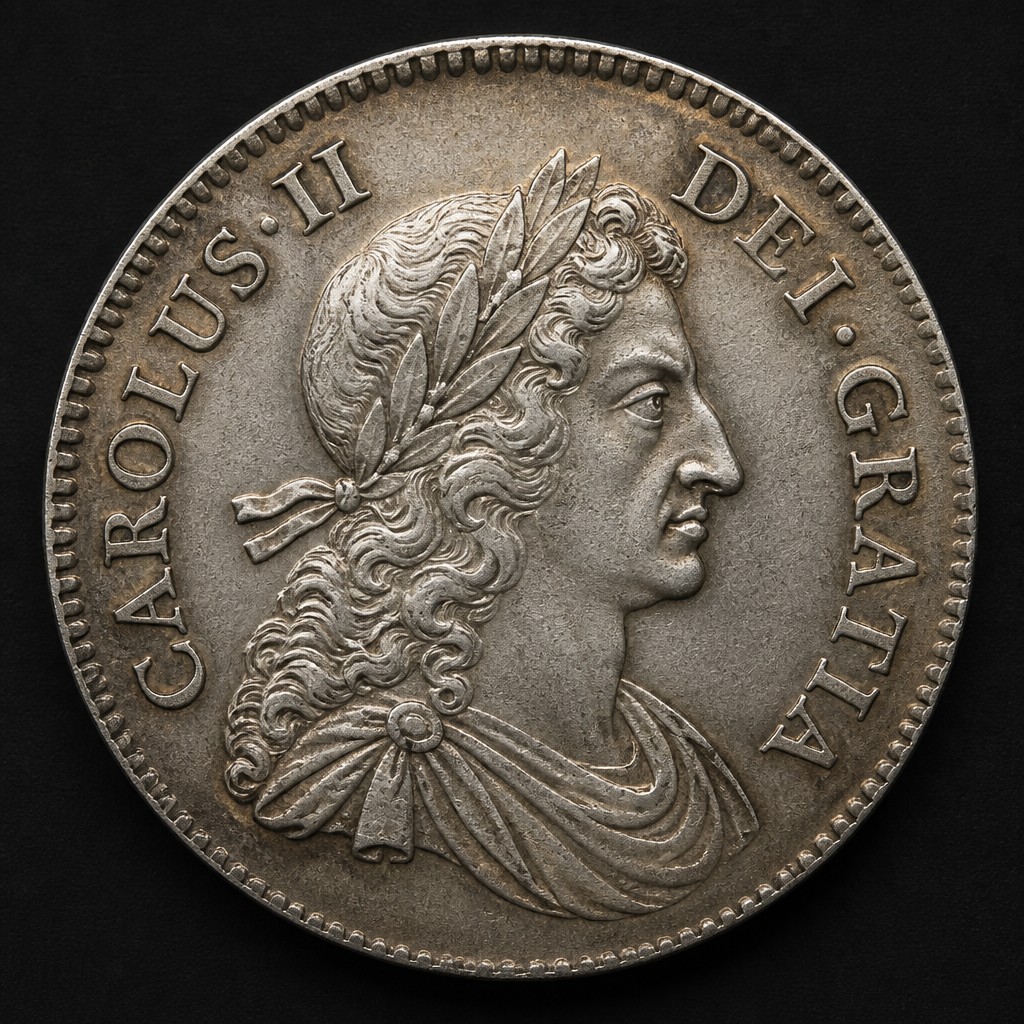
Maundy Penny
The smallest coin of the four-piece Royal Maundy set, a tiny silver penny given by the British monarch in an ancient Holy Thursday alms ceremony, minted every year in very limited numbers.
British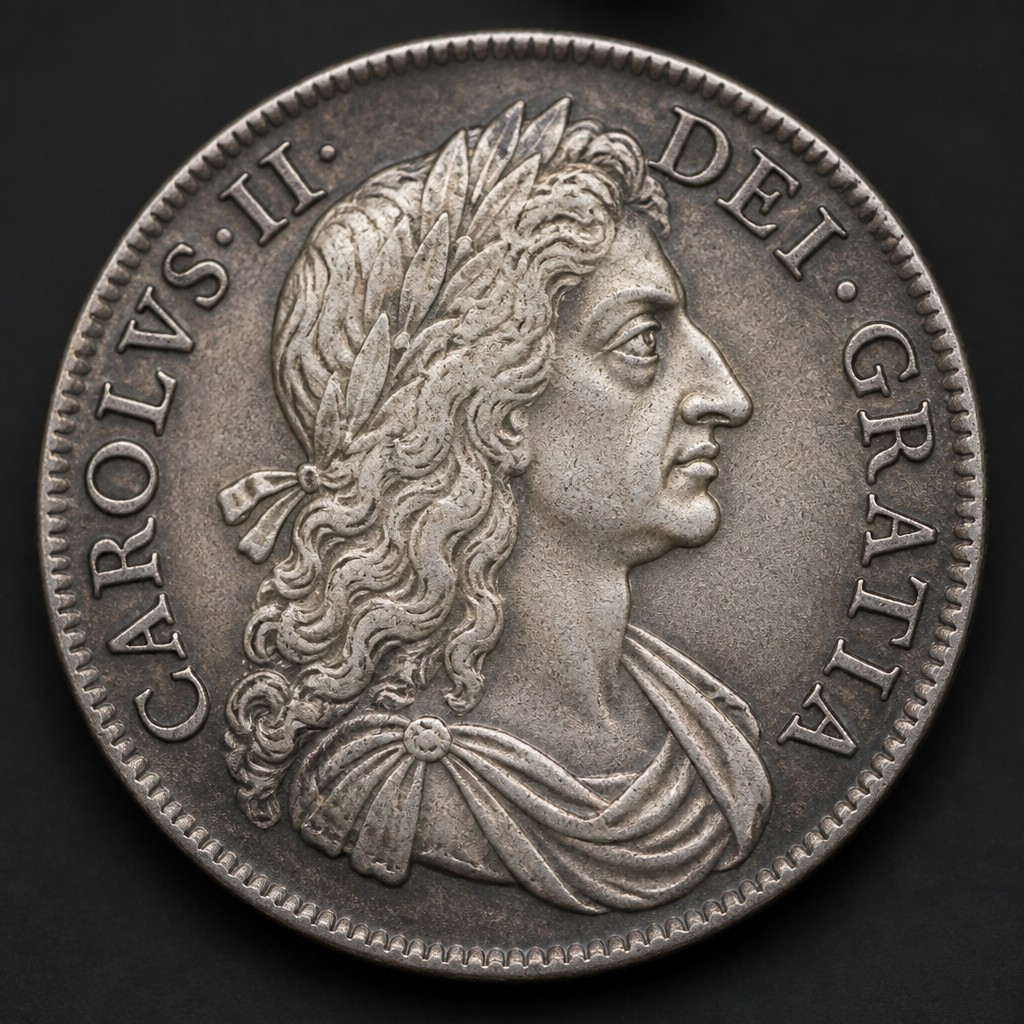
Maundy Money Set
A set of tiny sterling silver coins in four denominations, specially struck each year for the monarch to distribute personally to elderly recipients in the Royal Maundy ceremony on Maundy Thursday.
British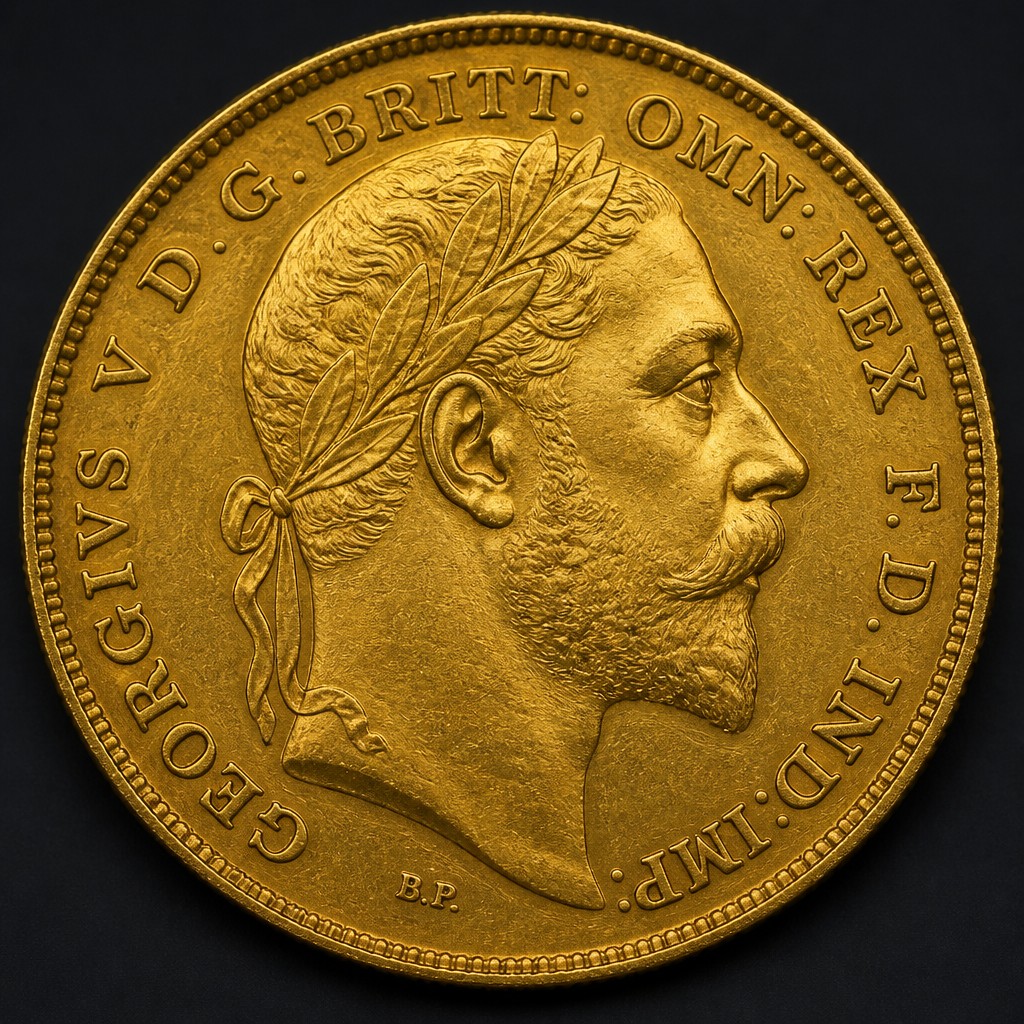
Two Pound Gold (Double Sovereign)
A gold coin worth two pounds sterling and roughly twice the weight of a sovereign, struck mainly for jubilees, coronations, and modern proof or bullion sets rather than daily circulation.
British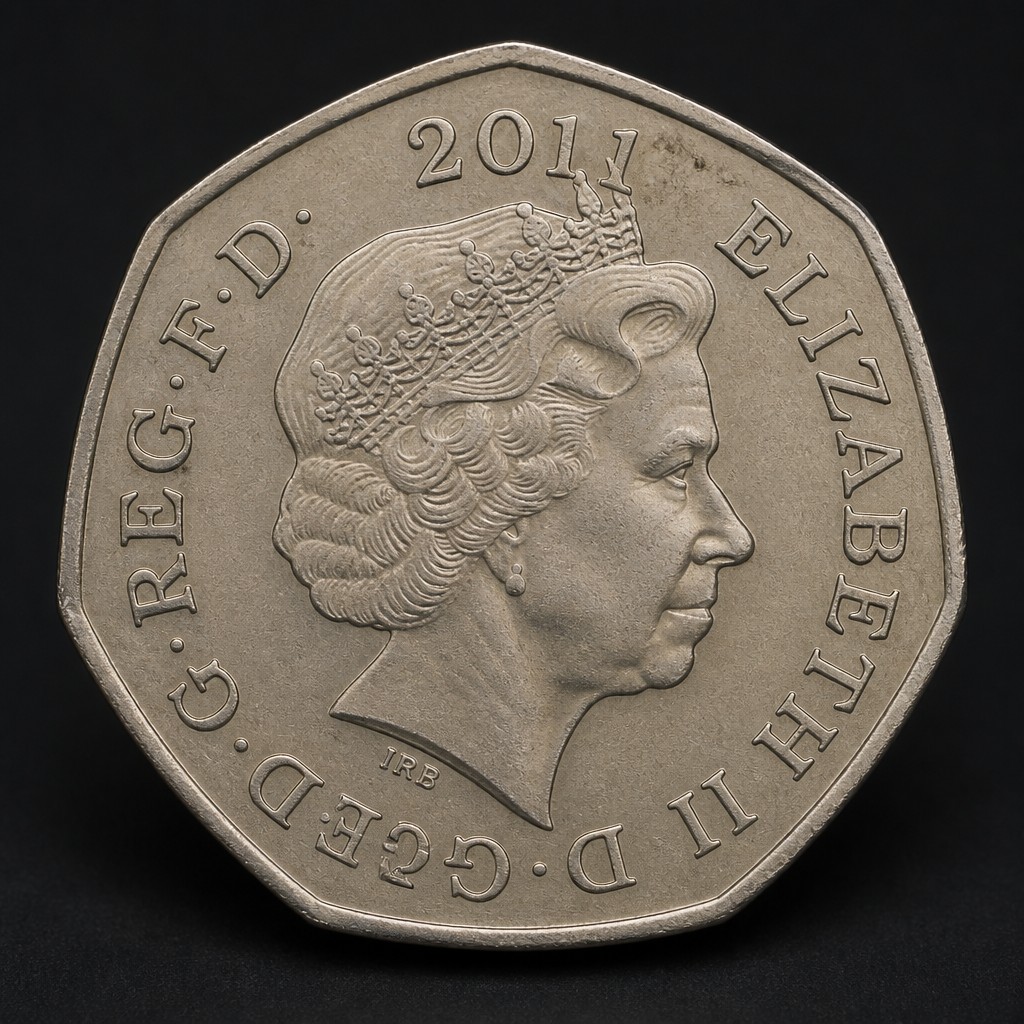
2012 London Olympics 50p Series
The Royal Mint issued 29 different circulating 50 pence coins in 2011, each honoring a different sport of the London 2012 Olympic and Paralympic Games, sparking a nationwide coin-collecting craze in Britain.
Commemorative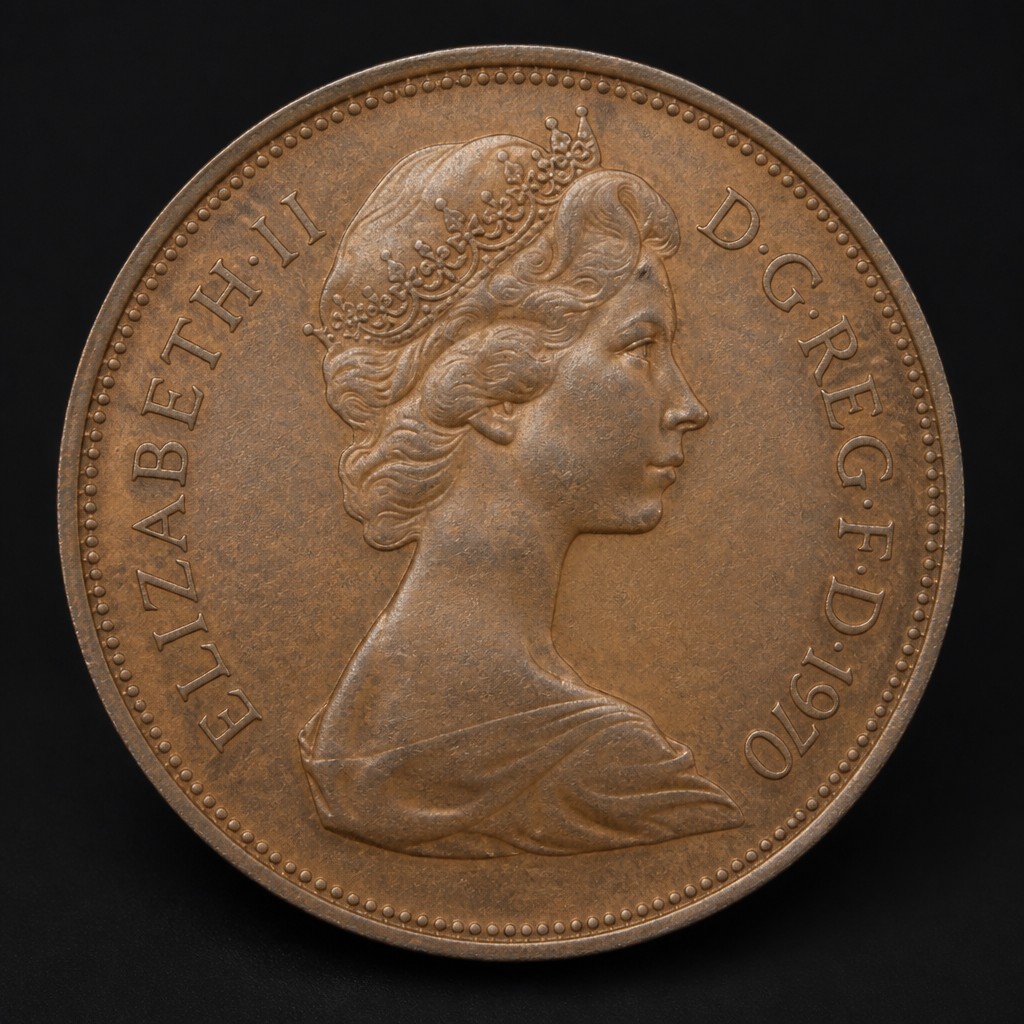
Penny
One of the oldest and most iconic British denominations, the pre-decimal penny is famous for its large bronze Britannia design and beloved key dates like the 1933 penny.
British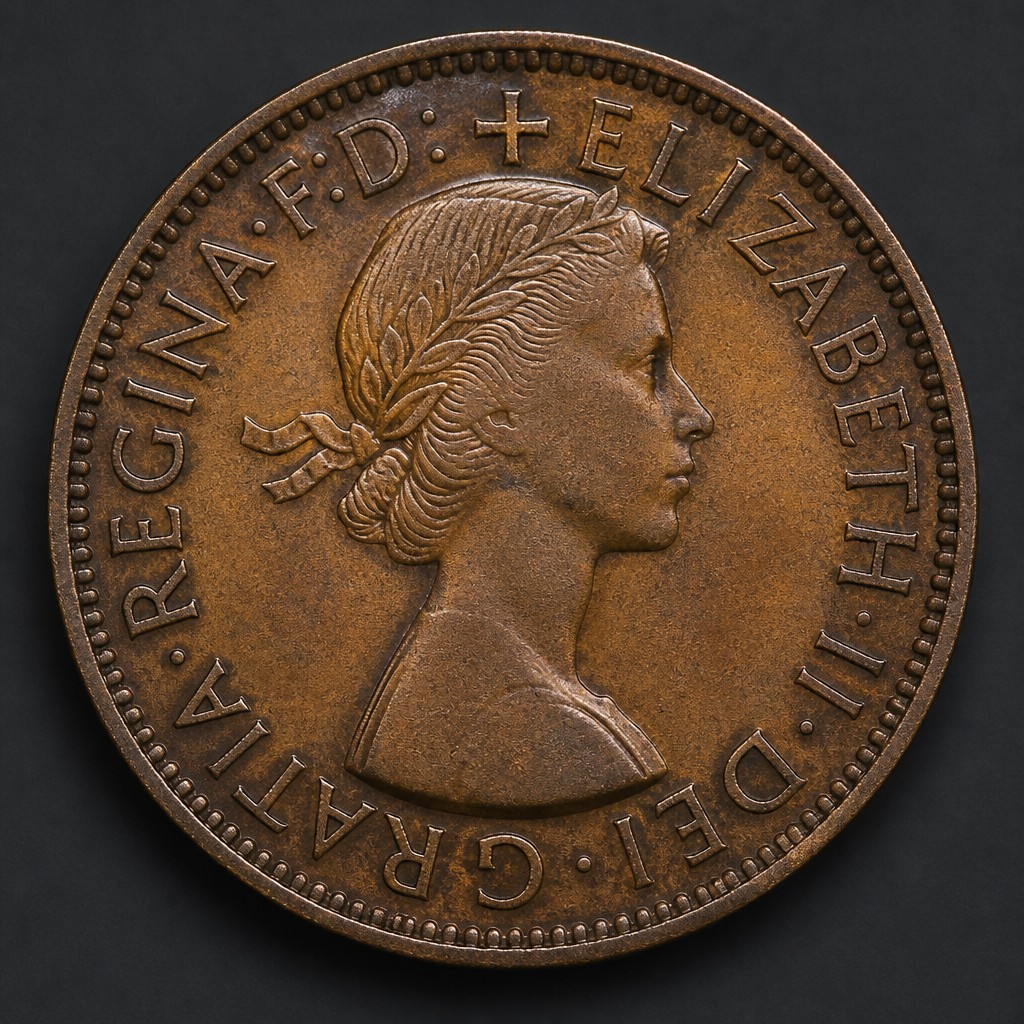
Farthing
The smallest-value British bronze coin, worth a quarter of a penny, fondly remembered for its charming wren reverse design used from 1937 until its withdrawal.
British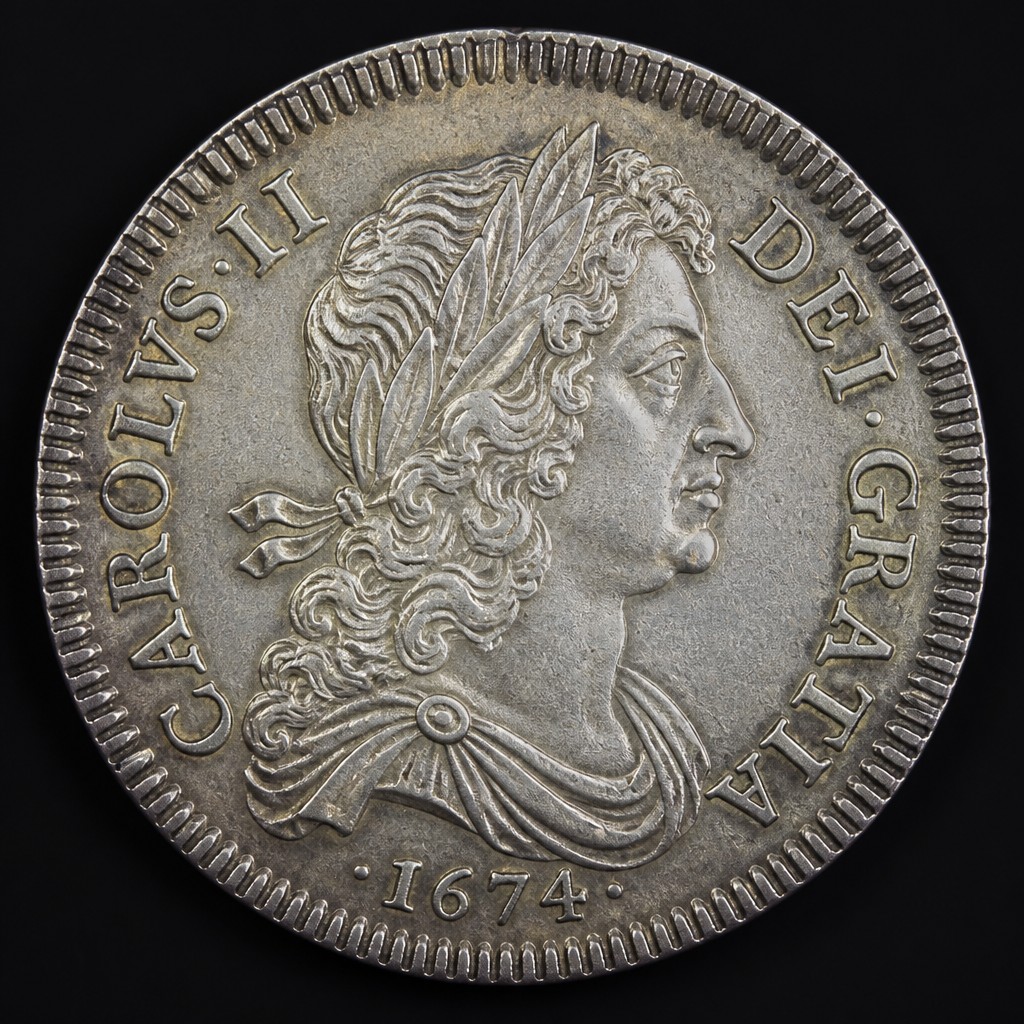
Maundy Fourpence
The largest of the four Royal Maundy coins, a small silver fourpence descended in value from the medieval groat, struck annually for the monarch's ceremonial Maundy Thursday alms distribution.
British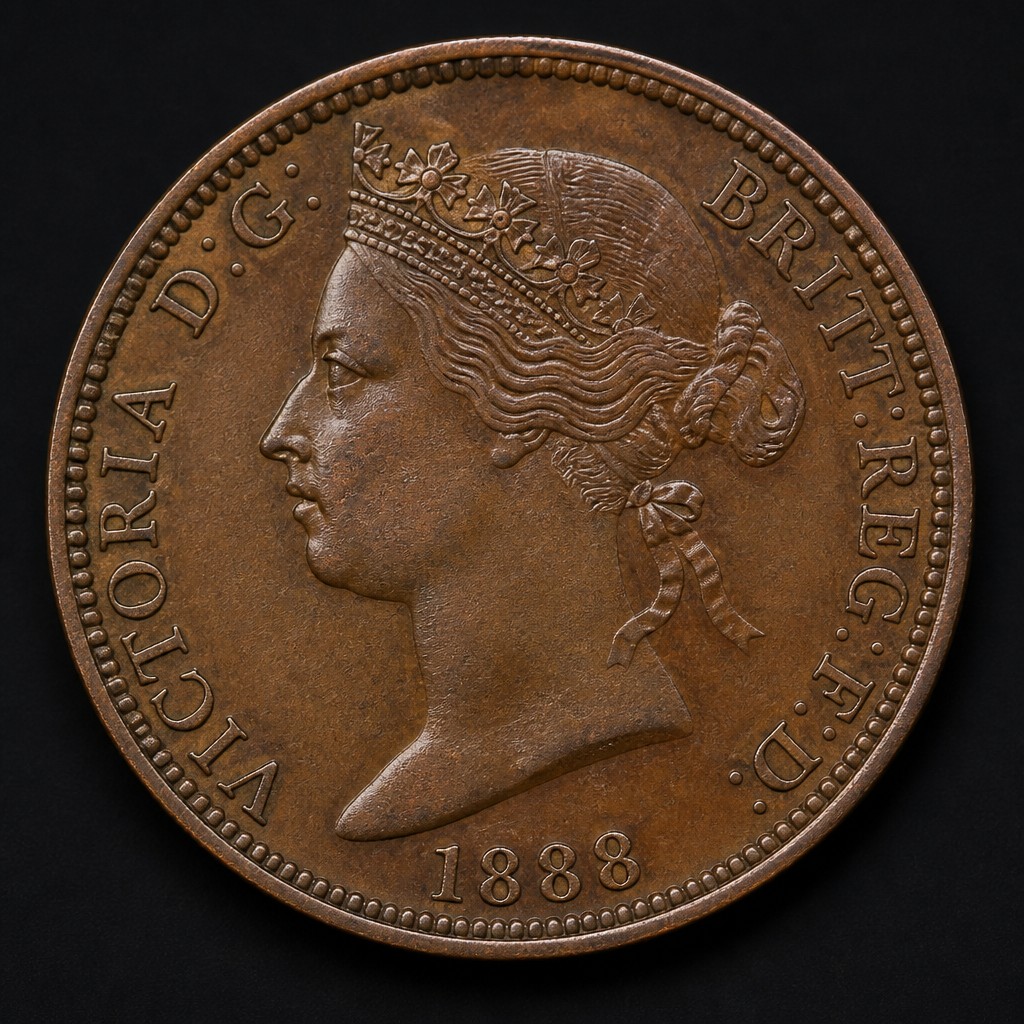
Third Farthing
An extremely small denomination worth one-twelfth of a penny, struck mainly to serve the currency needs of the British colony of Malta across the nineteenth and early twentieth centuries.
British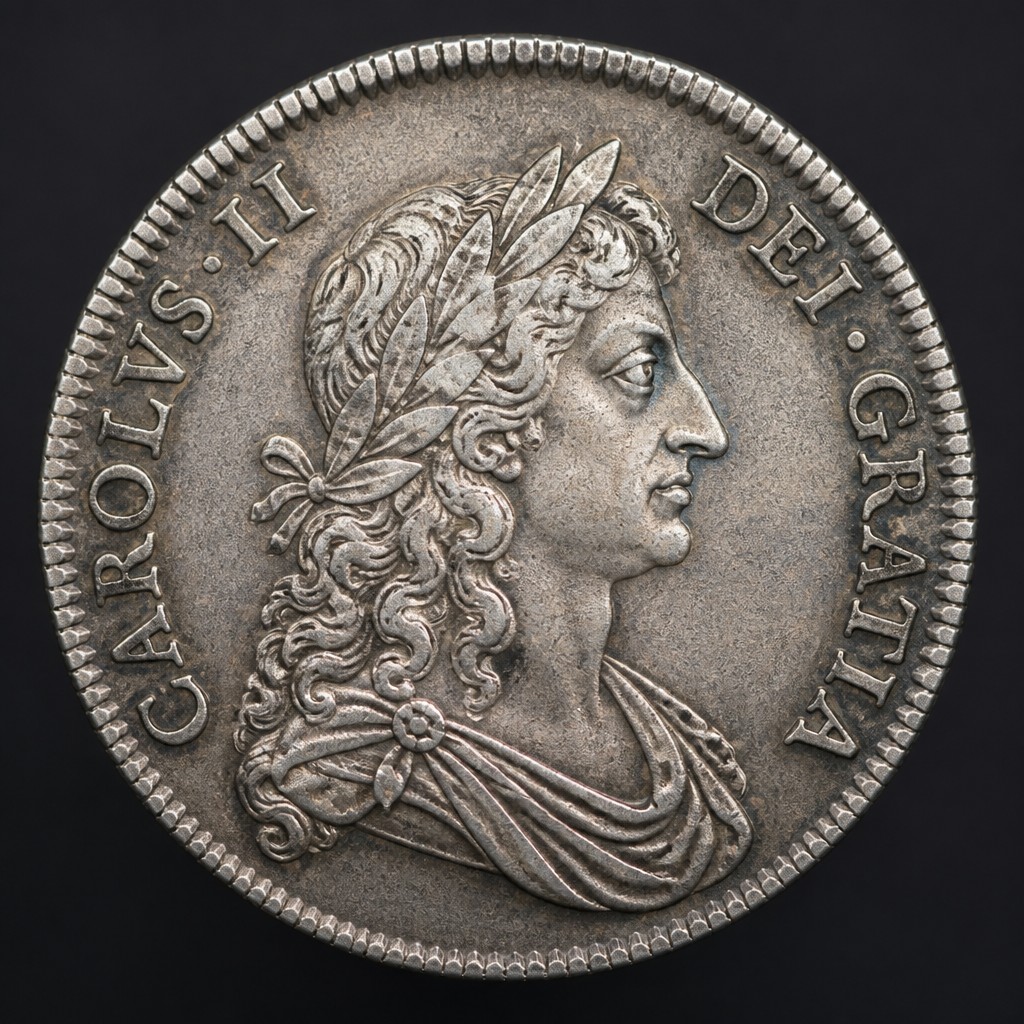
Maundy Threepence
The third denomination of the Royal Maundy set, a small silver threepence given out in the monarch's annual pre-Easter alms ceremony, distinct from Britain's separate everyday circulating threepence.
British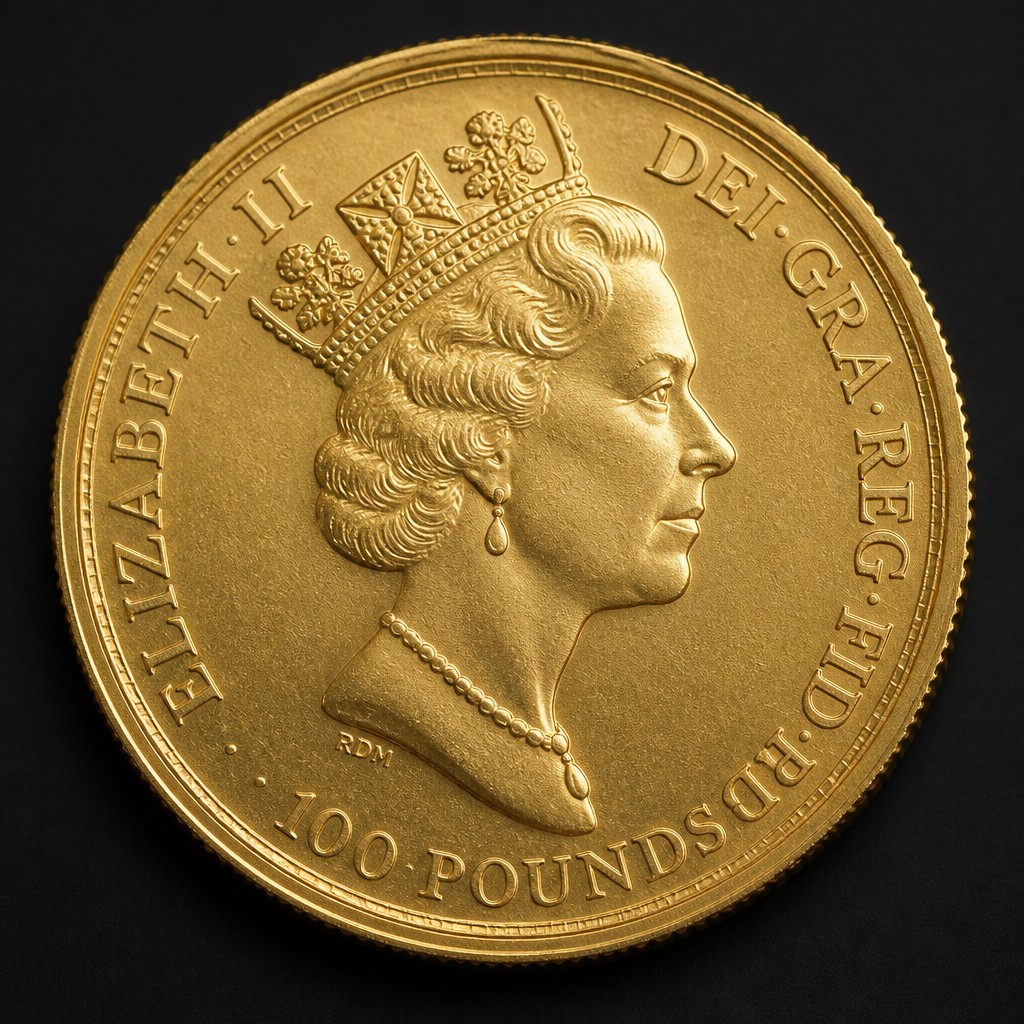
British Gold Britannia
The United Kingdom's flagship gold bullion coin, issued by the Royal Mint since 1987, featuring the classical figure of Britannia and enjoying capital gains tax exemption for UK residents as legal tender.
Bullion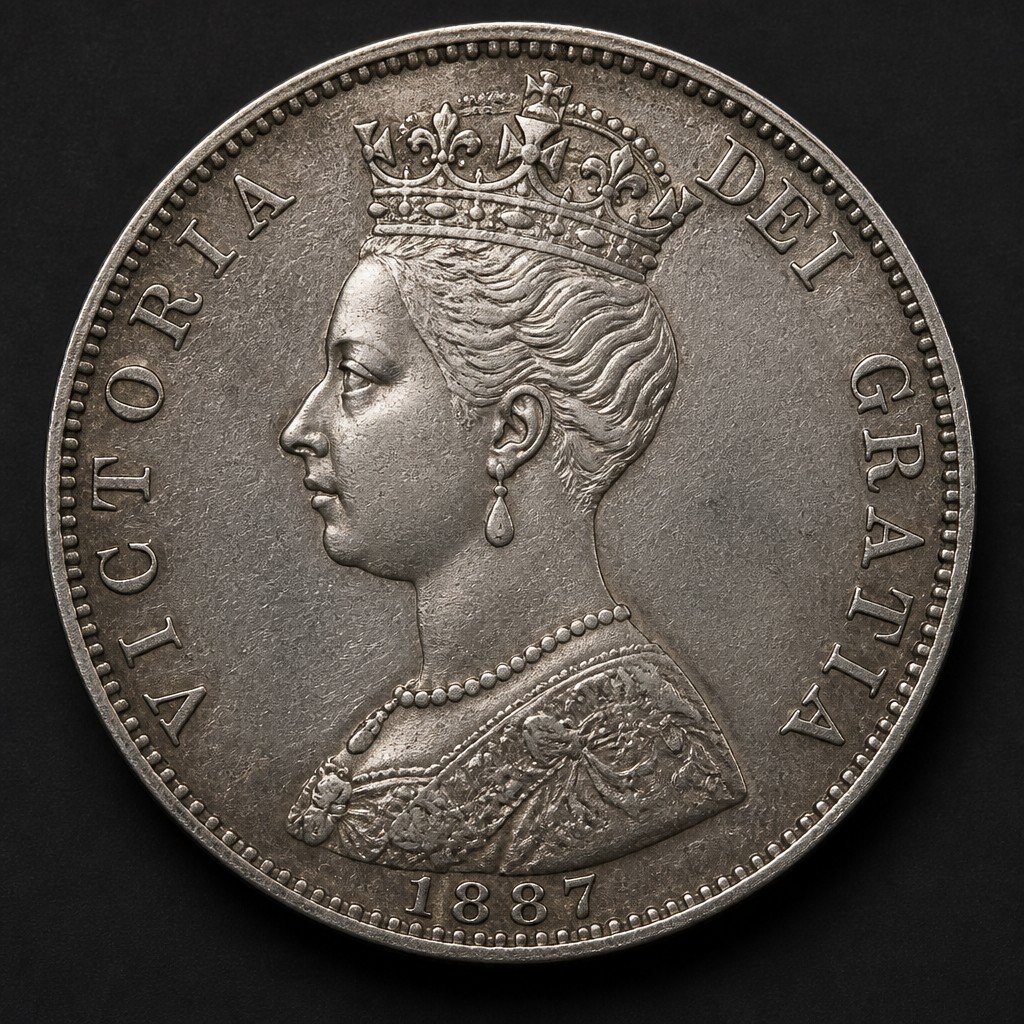
Crown
Large British coin traditionally worth five shillings, historically struck in silver and famed for elaborate designs, now issued mainly as a cupro-nickel commemorative.
British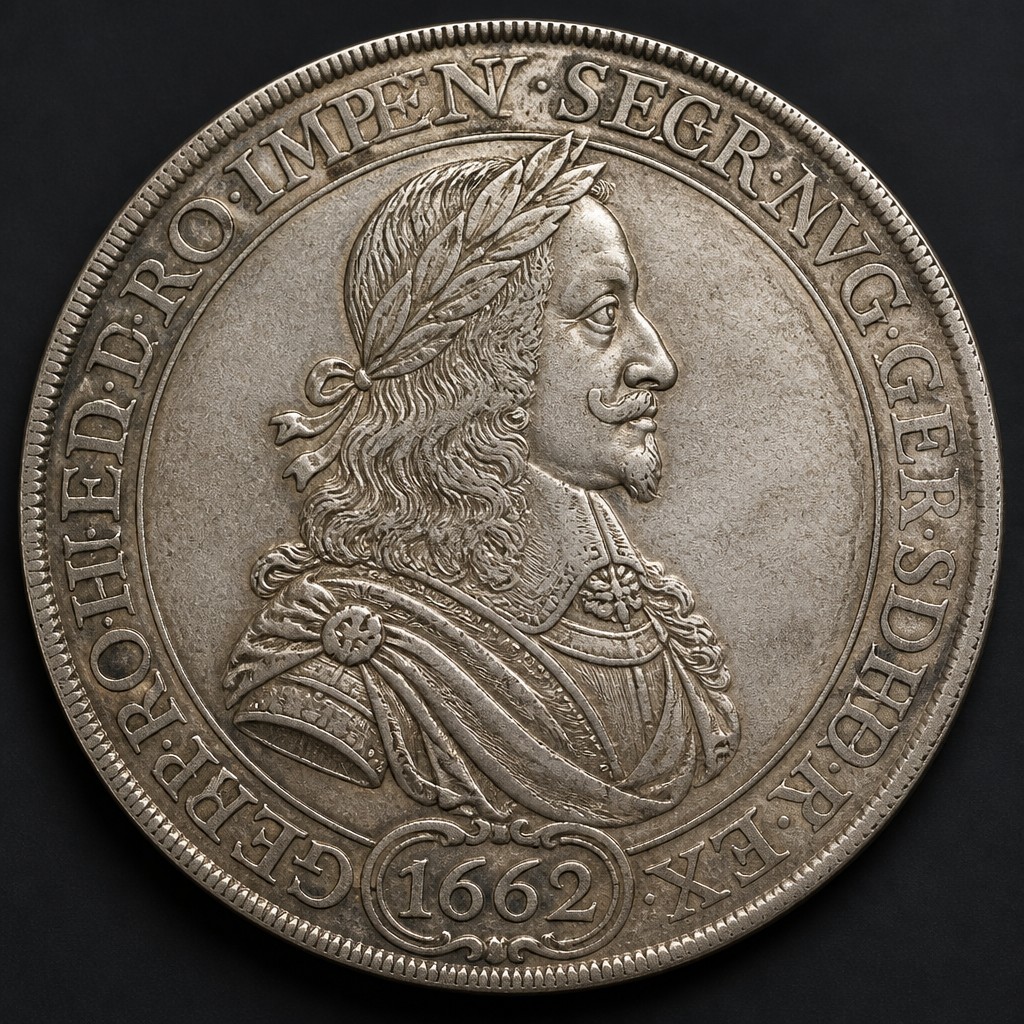
Reichsthaler
The standard large silver coin of the Holy Roman Empire and its constituent German states from the 16th century onward, whose name is the direct linguistic ancestor of the word 'dollar.'
European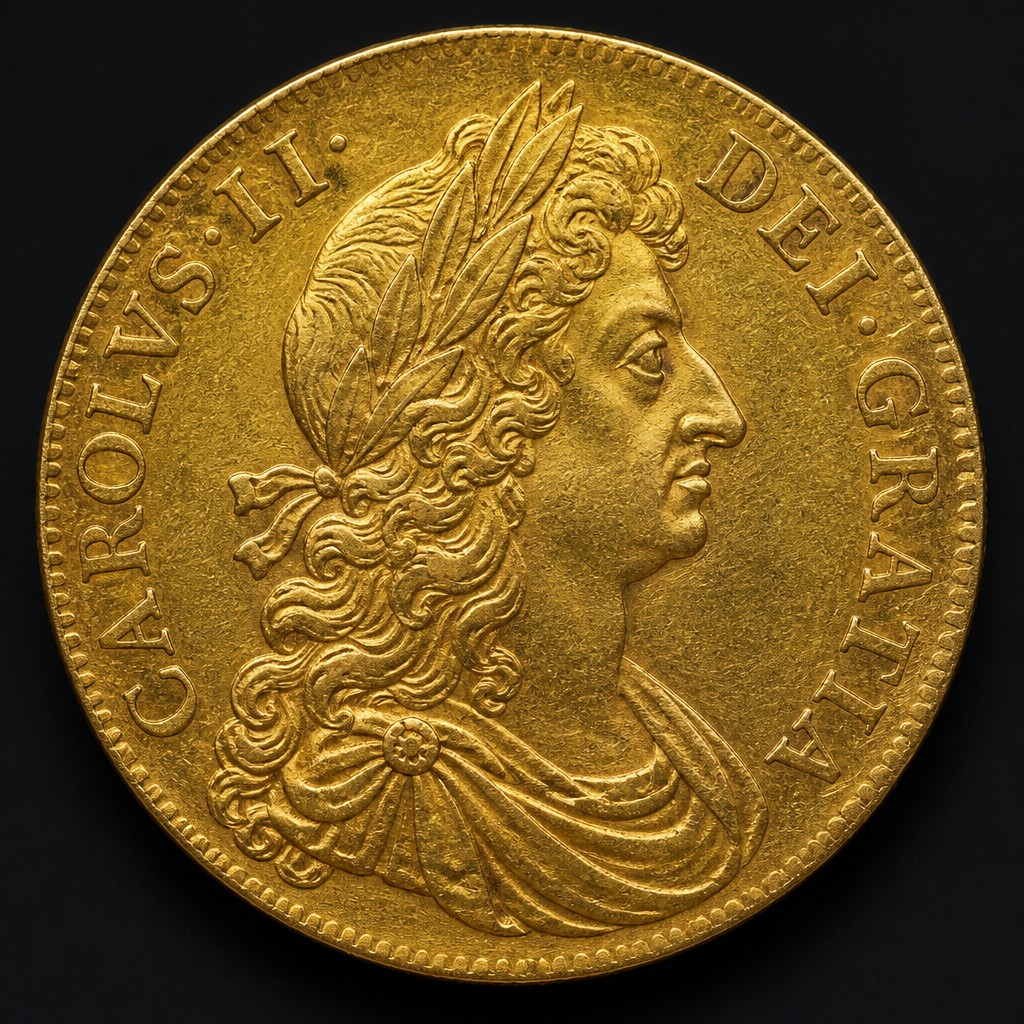
British Gold Guinea
Struck from 1663 to 1814 and named for the West African gold used in its earliest issues, the guinea was Britain's leading gold coin and gave its name to a unit of value still referenced today.
British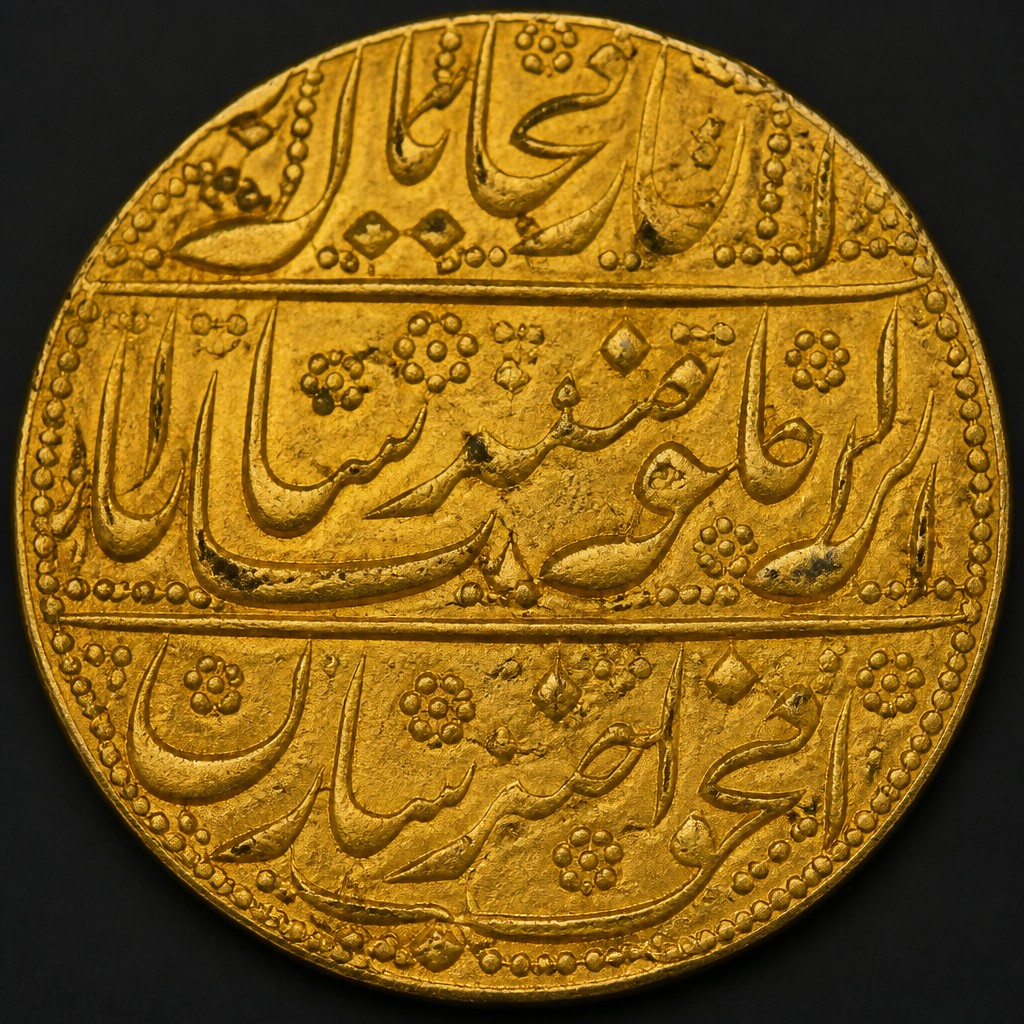
Indian Gold Mohur
The traditional high-value gold coin of the Indian subcontinent, struck for centuries by Mughal emperors, later by the British East India Company, British India, and various princely states.
Asian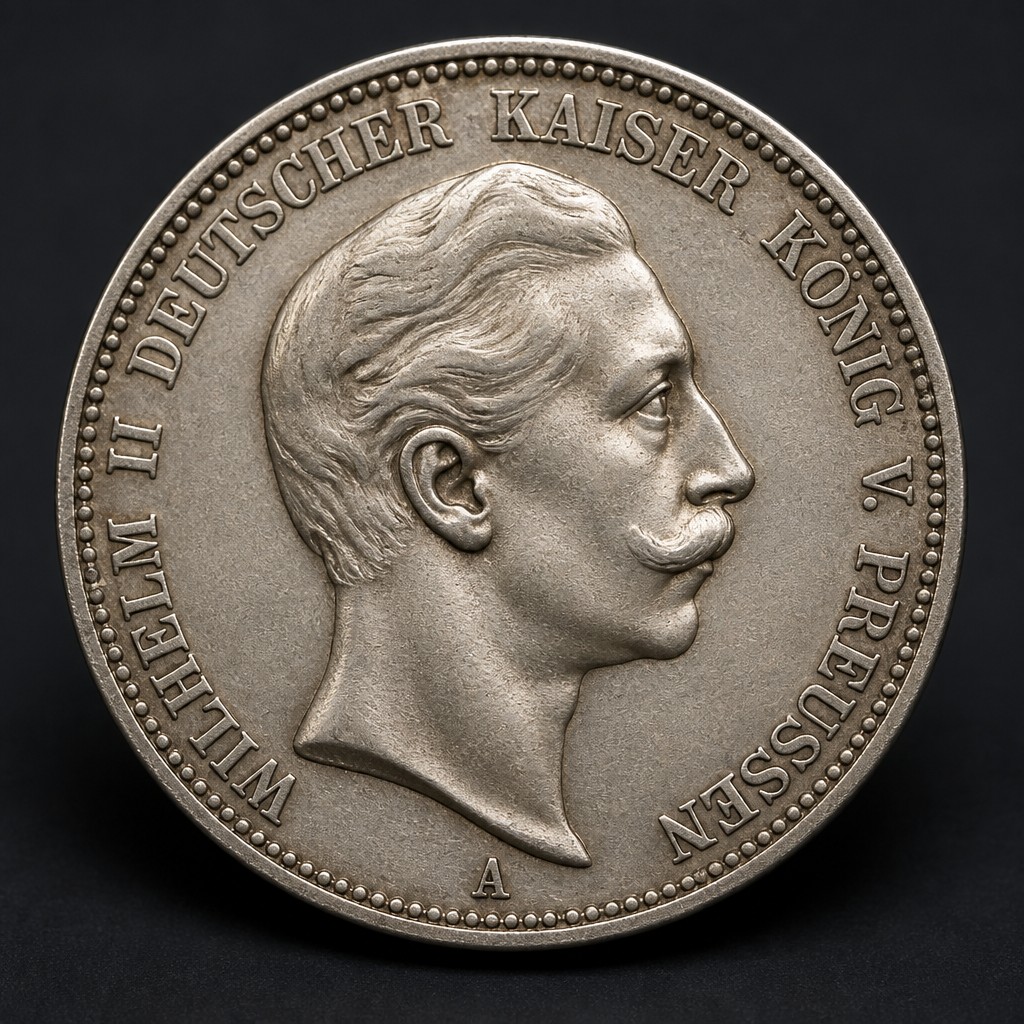
German 3 Mark Silver
A large silver coin of Imperial Germany, issued by the various constituent states with distinct rulers' portraits and commemorative designs.
European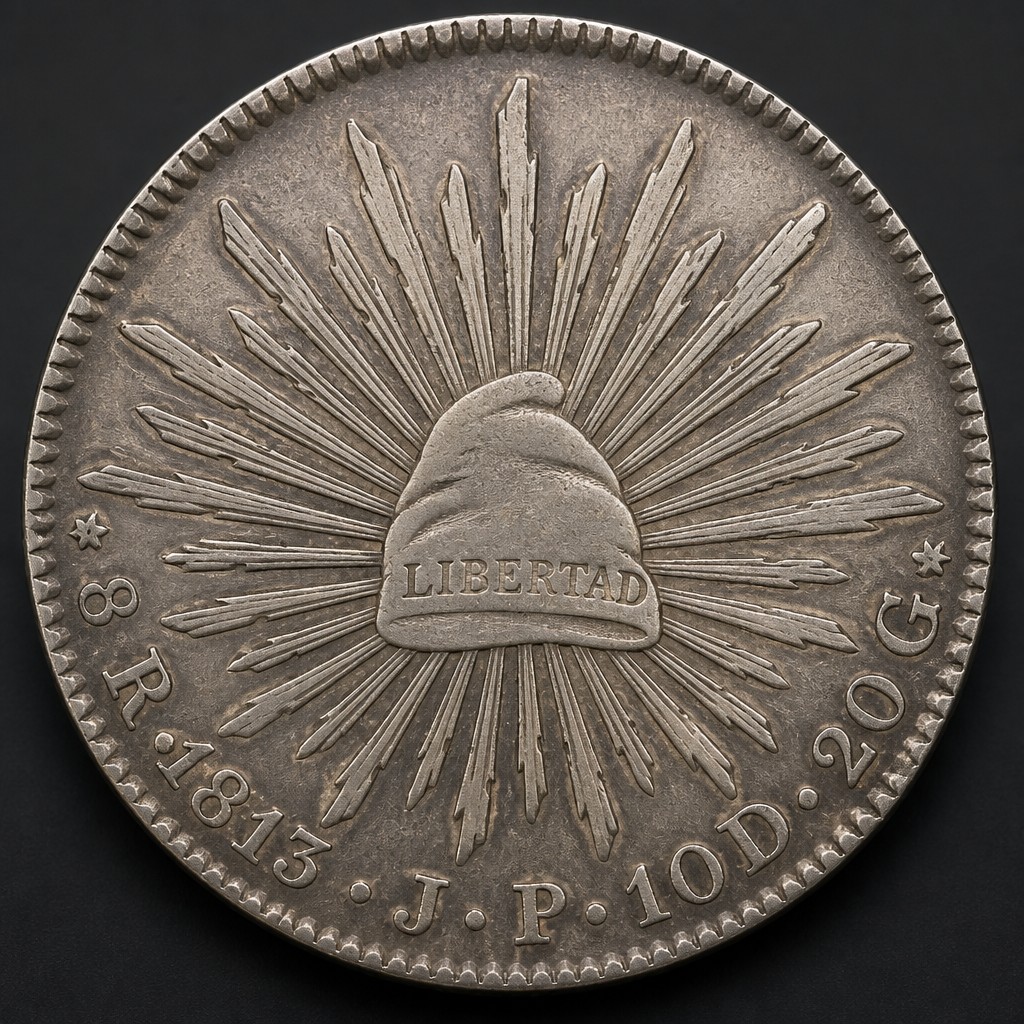
Argentina 8 Reales
Silver 8 reales struck after Argentina's 1810 independence movement, replacing the Spanish king's portrait with the revolutionary Sun of May and clasped hands design.
Latin American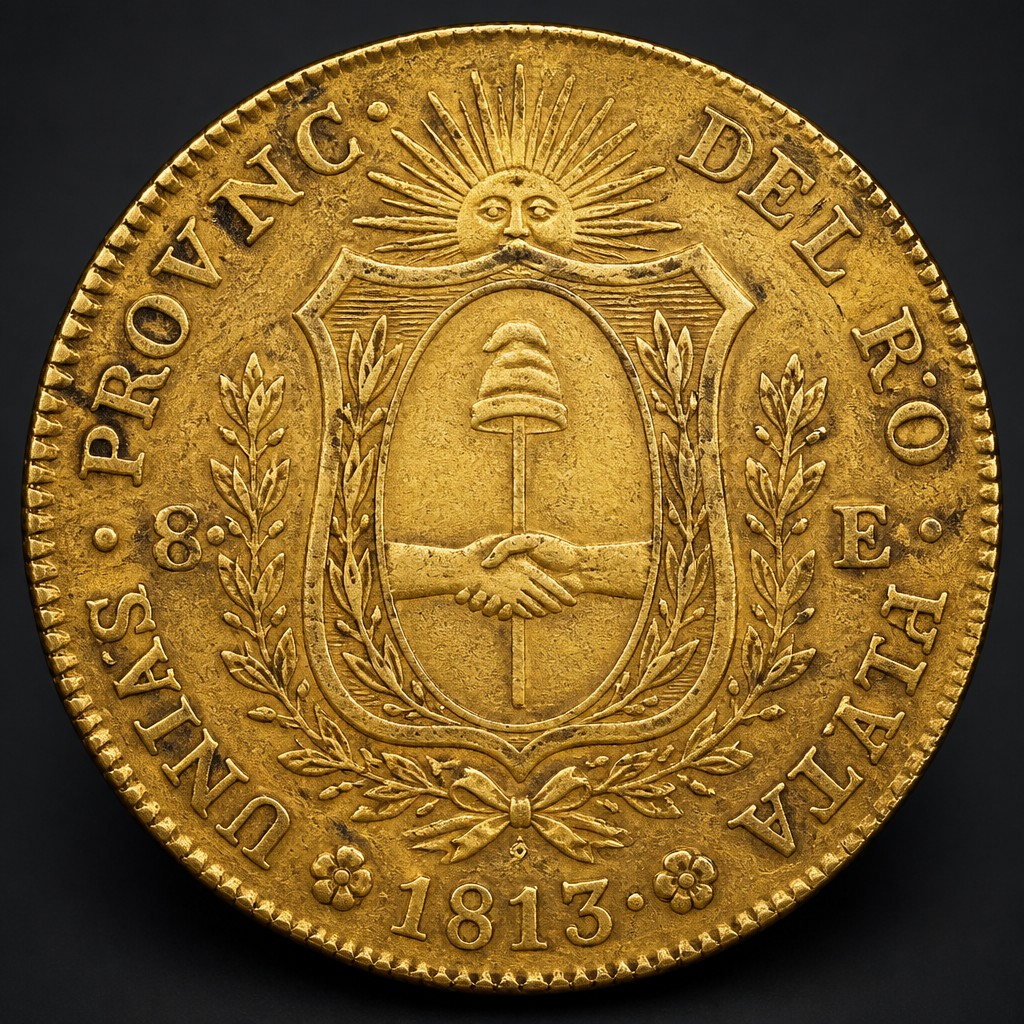
Argentine 8 Escudos Gold (1813)
An extremely rare gold coin from the earliest years of Argentine independence, struck briefly at Potosí under revolutionary authority and bearing the iconic Sun of May.
Latin American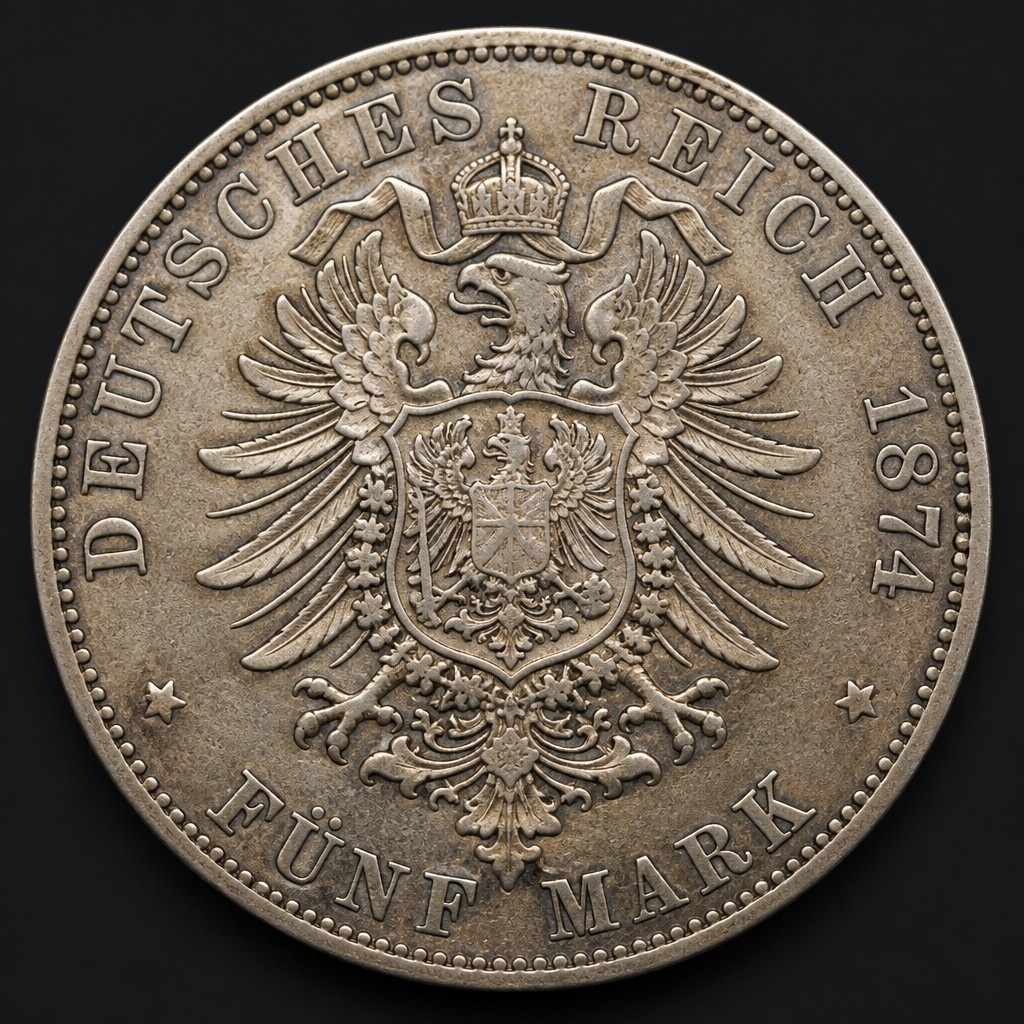
German Empire 5 Mark
A large silver crown of Imperial Germany bearing the portrait or arms of individual constituent states, unified under a common eagle reverse after German unification in 1871.
European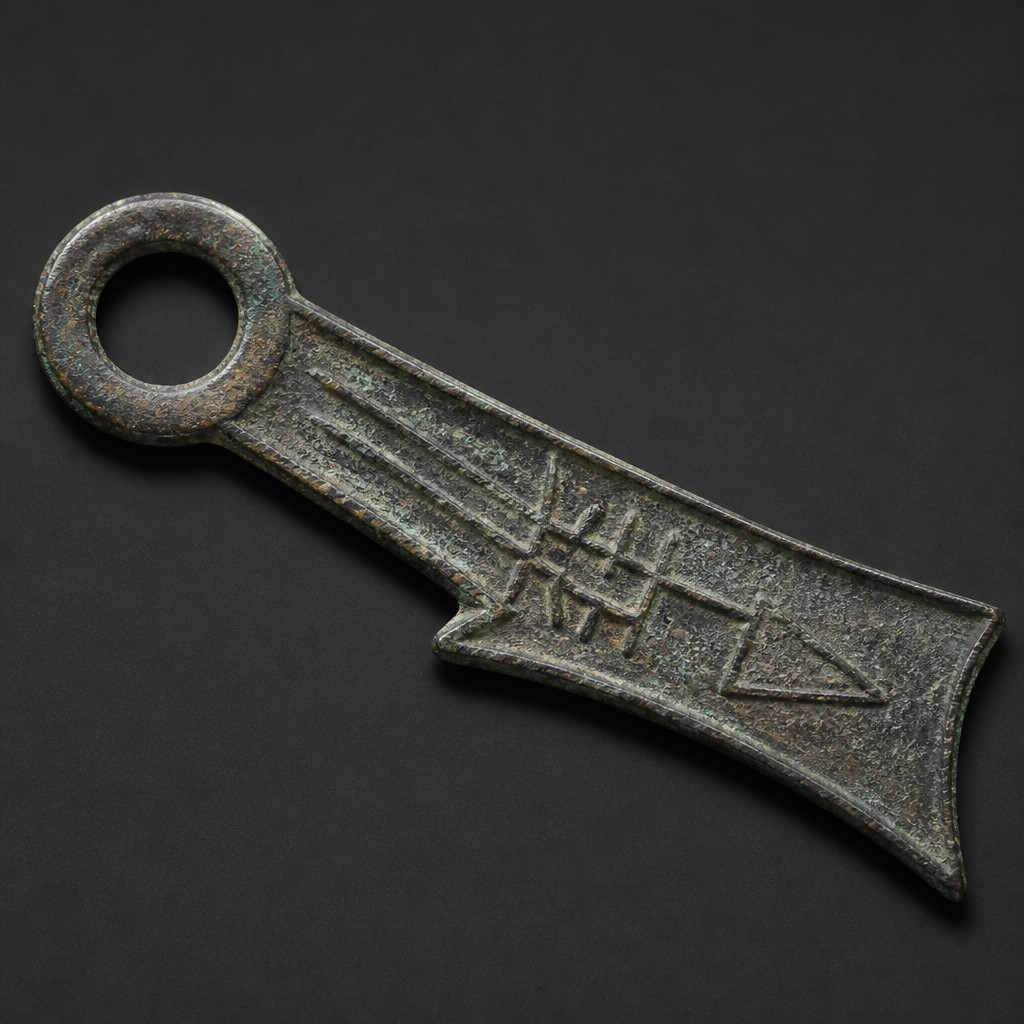
Chinese Knife Money (Ming Dao)
An ancient Chinese bronze currency cast in the shape of a knife, bearing a character often read as "Ming" on its blade, used mainly by the northern state of Yan before round coinage prevailed.
Asian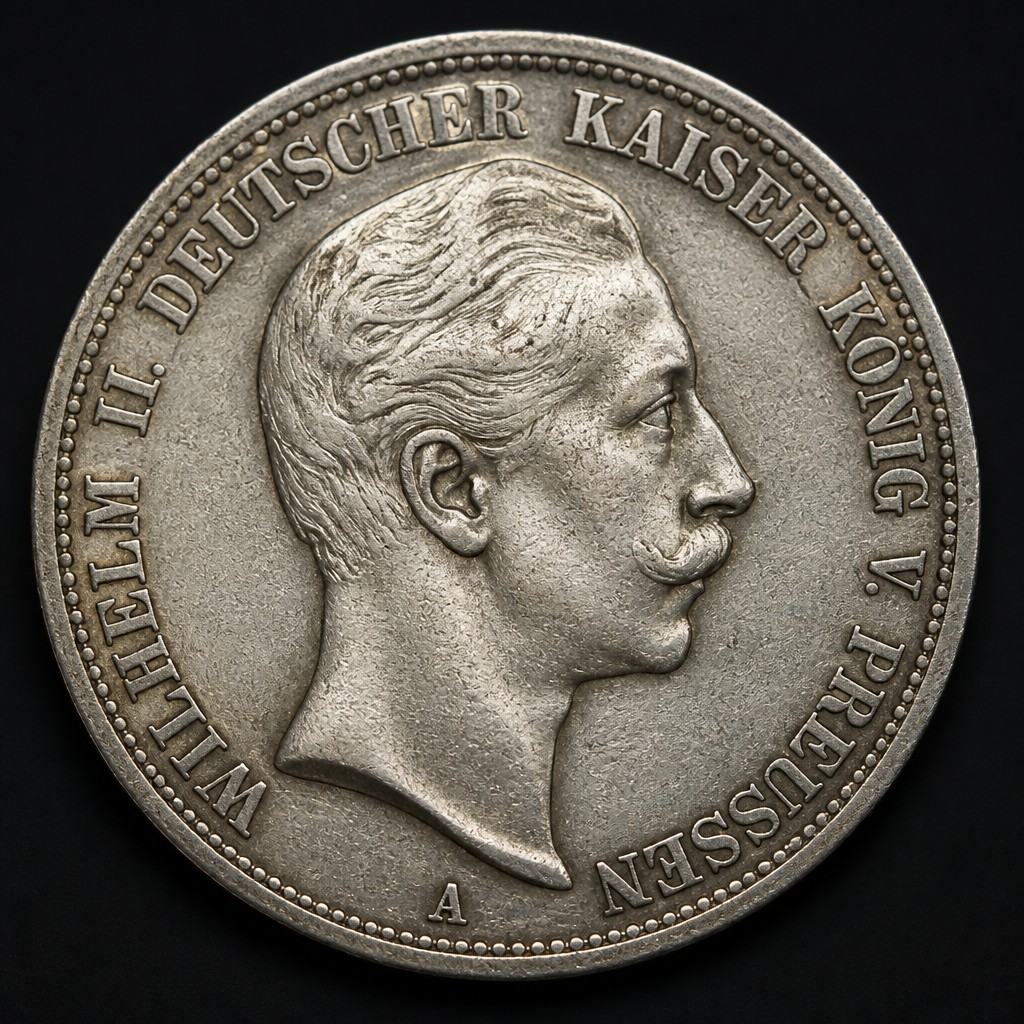
German 5 Mark Silver (Kaiserreich)
The 5 Mark was the largest circulating silver coin of the German Empire, issued by numerous constituent states and free cities, each with its own portrait or design under a common imperial system.
European