
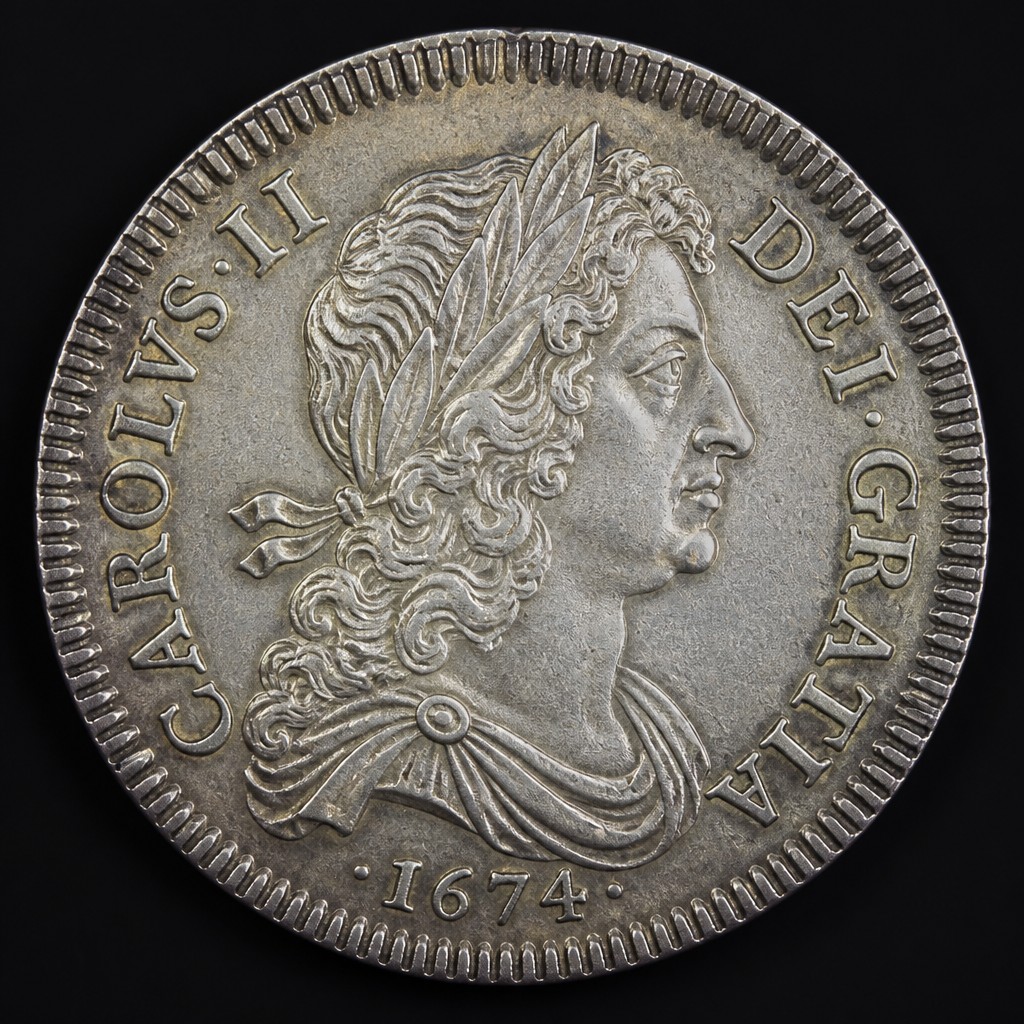
Maundy Fourpence
The largest of the four Royal Maundy coins, a small silver fourpence descended in value from the medieval groat, struck annually for the monarch's ceremonial Maundy Thursday alms distribution.
- Country
- United Kingdom
- Denomination
- Four Pence (Maundy)
- Metal
- Sterling/Fine Silver
Got a coin like this?
Identify any coin from a photo, free.
Overview
The Maundy Fourpence is the highest-denomination coin in the traditional Royal Maundy set of four (1d, 2d, 3d, 4d), and its face value echoes the historic groat, a coin that once circulated widely in medieval and early modern England. Today it exists solely as a ceremonial piece struck for the Royal Maundy service.
Collectors value the fourpence both on its own and as the largest, most detailed piece within a complete Maundy set, and its connection to the medieval groat gives it a particular appeal to collectors interested in the long history of small English silver denominations.
History & Background
The groat, or fourpence, has deep roots in English coinage reaching back to the 14th century, and it was eventually folded into the modern Royal Maundy tradition as the highest of the four ceremonial denominations alongside the penny, twopence, and threepence. This four-coin format was standardized over the 17th to 19th centuries and has been issued with only minor design changes since.
Because Maundy coinage is tied strictly to the annual royal ceremony rather than commerce, mintages of the fourpence, like its companion denominations, have always been modest, making complete date runs a genuine long-term collecting challenge.
How to Identify
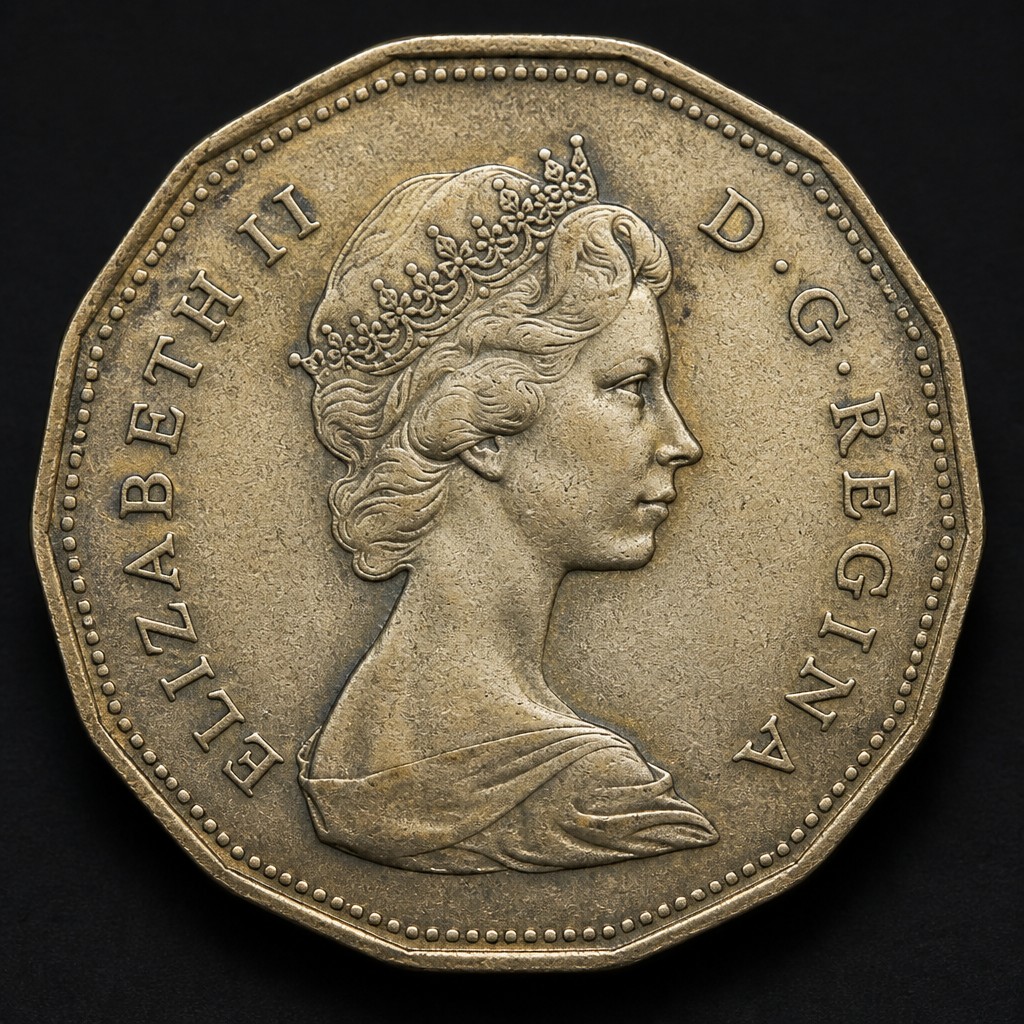
The obverse shows the reigning monarch's portrait matching the general coinage style of the period, while the reverse bears a crowned numeral '4' within a wreath, with the legend and date around the border, following the same design formula as the other three Maundy coins.
At approximately 18mm in diameter, the Maundy fourpence is the largest of the four Maundy denominations, making it comparatively easier to handle and examine. Its size and the '4' on the reverse are the clearest ways to distinguish it from the smaller penny, twopence, and threepence.
Value & Collectibility
As the largest and often most detailed Maundy coin, the fourpence can carry a modest premium over the smaller denominations in comparable grade, though overall value still depends heavily on date rarity and condition. Early or short-reign issues are typically the most sought after.
Complete Maundy sets in original cases generally bring more than the sum of individually sold coins, and the fourpence is a key component of that total. Individual pieces in typical collector grades often sell in the range of roughly $25 to $90, with exceptional or historically notable dates exceeding that range.
Frequently asked questions
Is the Maundy Fourpence the same as a medieval groat?
It shares the same four-penny value as the historic groat but is a modern ceremonial coin struck specifically for the Royal Maundy service.
Why is the fourpence the largest of the Maundy coins?
Maundy coins are sized roughly in proportion to their denomination, so the highest-value piece in the set is also the largest.
Can Maundy fourpences be bought individually?
Yes, though many collectors prefer to acquire full four-coin sets for a given year or reign.
What affects the value of a Maundy fourpence most?
Condition and date scarcity are the two biggest factors, along with whether it is part of an original matched set.
Other coins you may enjoy
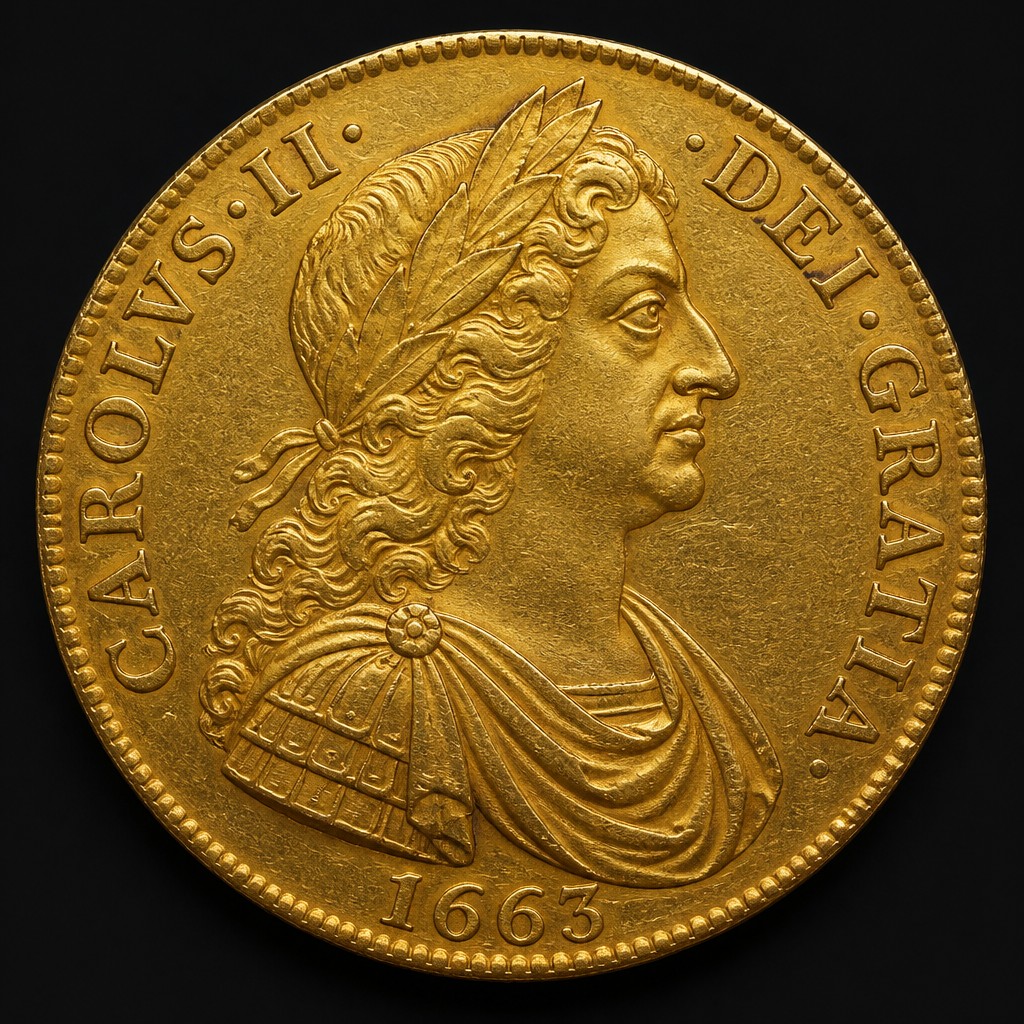
British Guinea
1663–1814
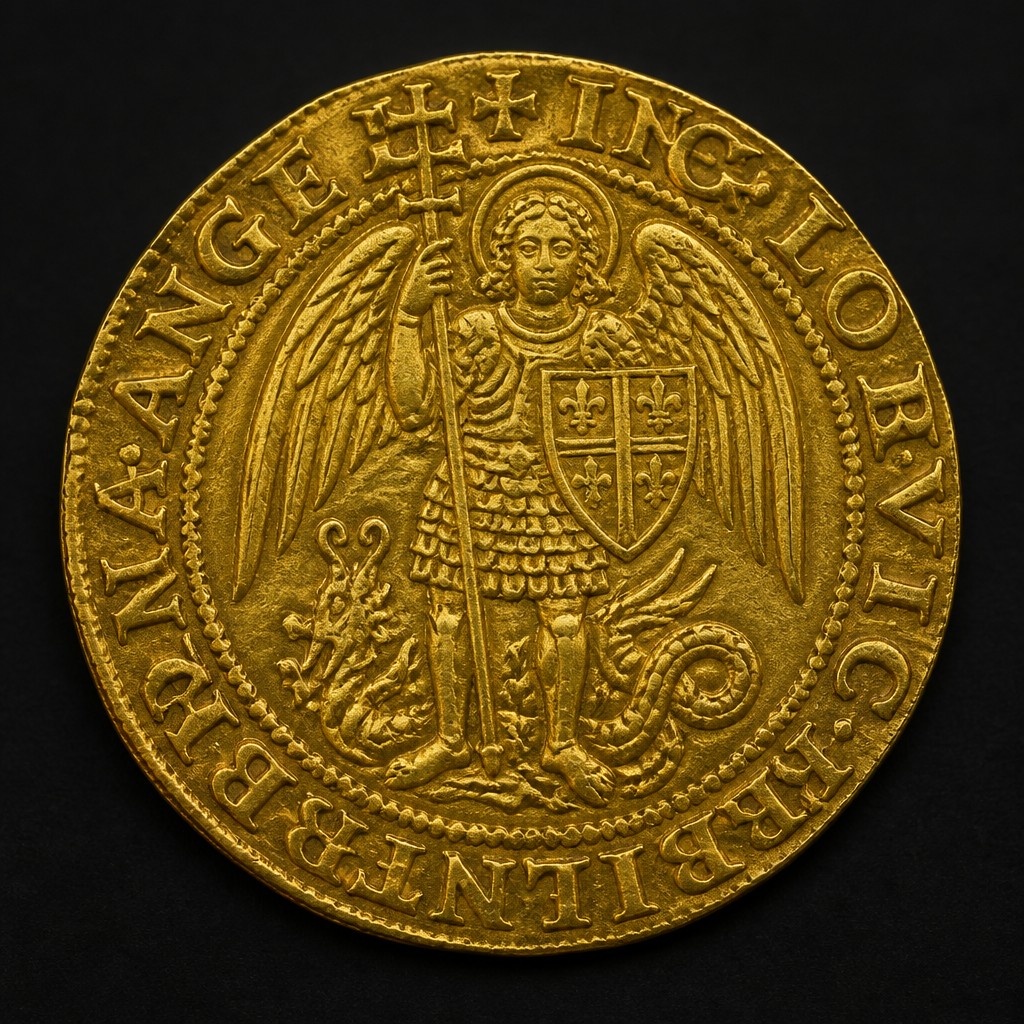
English Angel
1465–1642
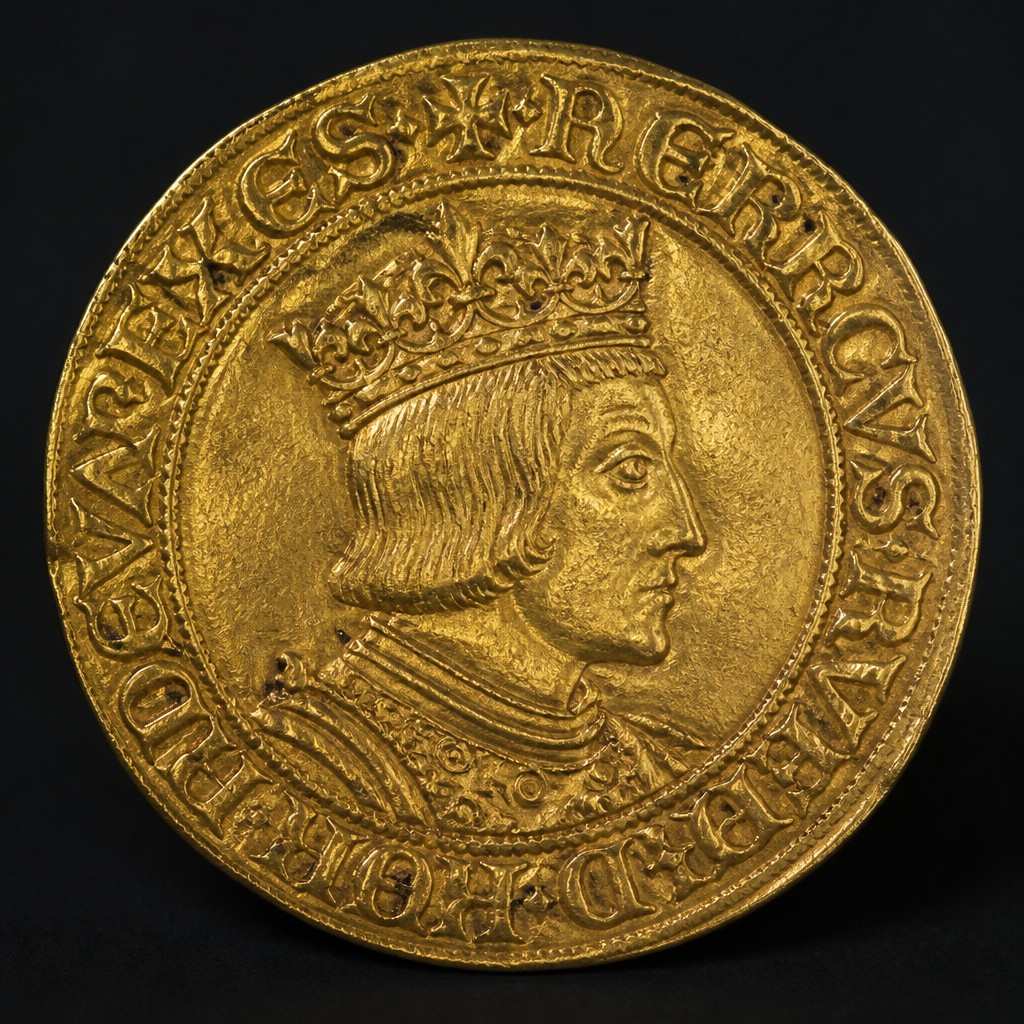
English Sovereign of Henry VII
1489–1509
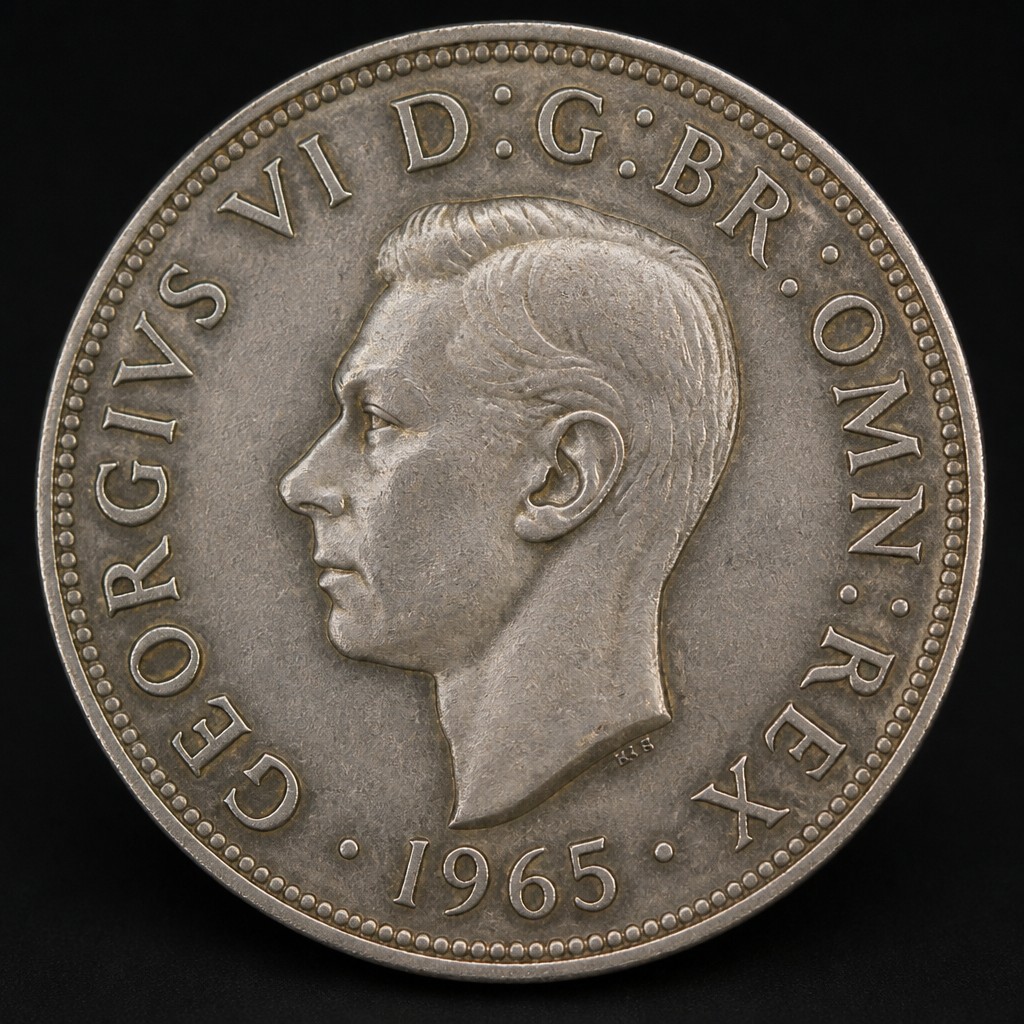
English Crown
1526–1965 (pre-decimal; commemorative crown-sized coins continue as five pound coins)
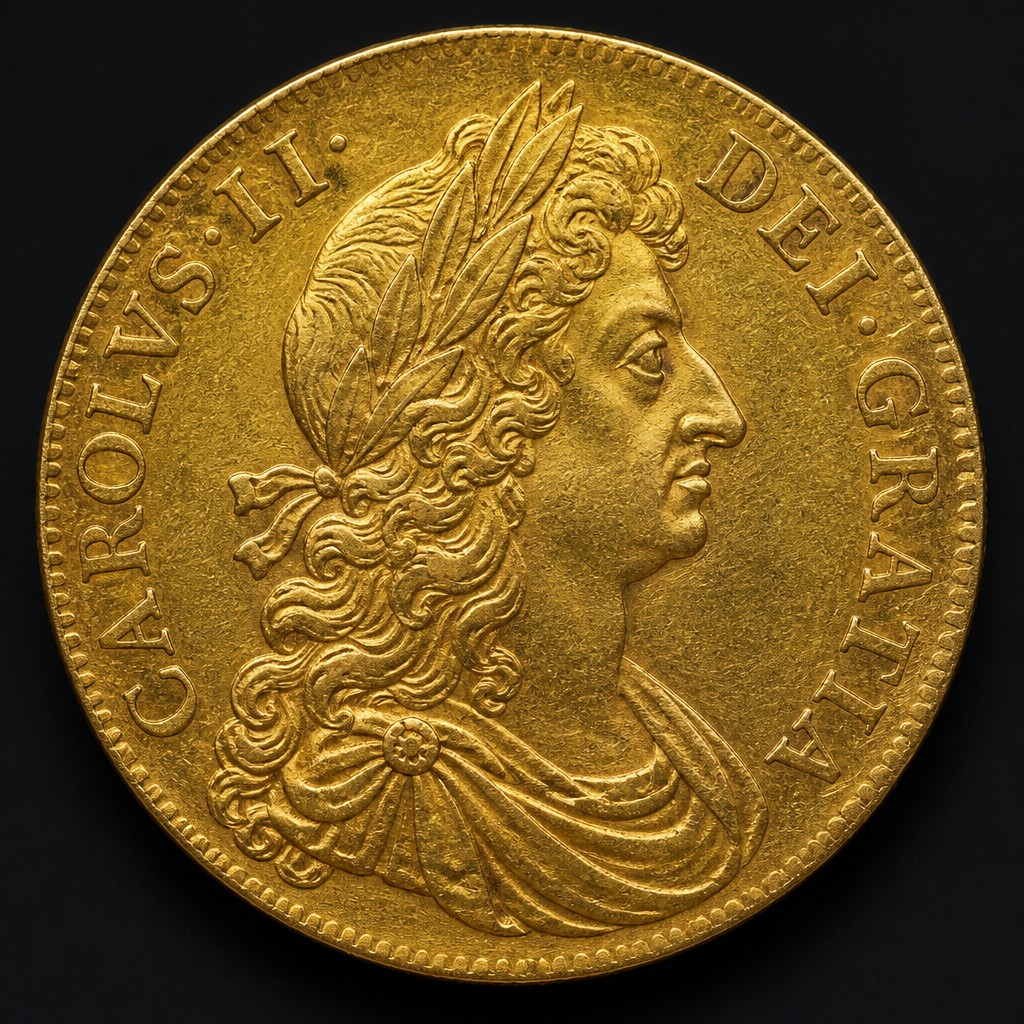
British Gold Guinea
1663–1814
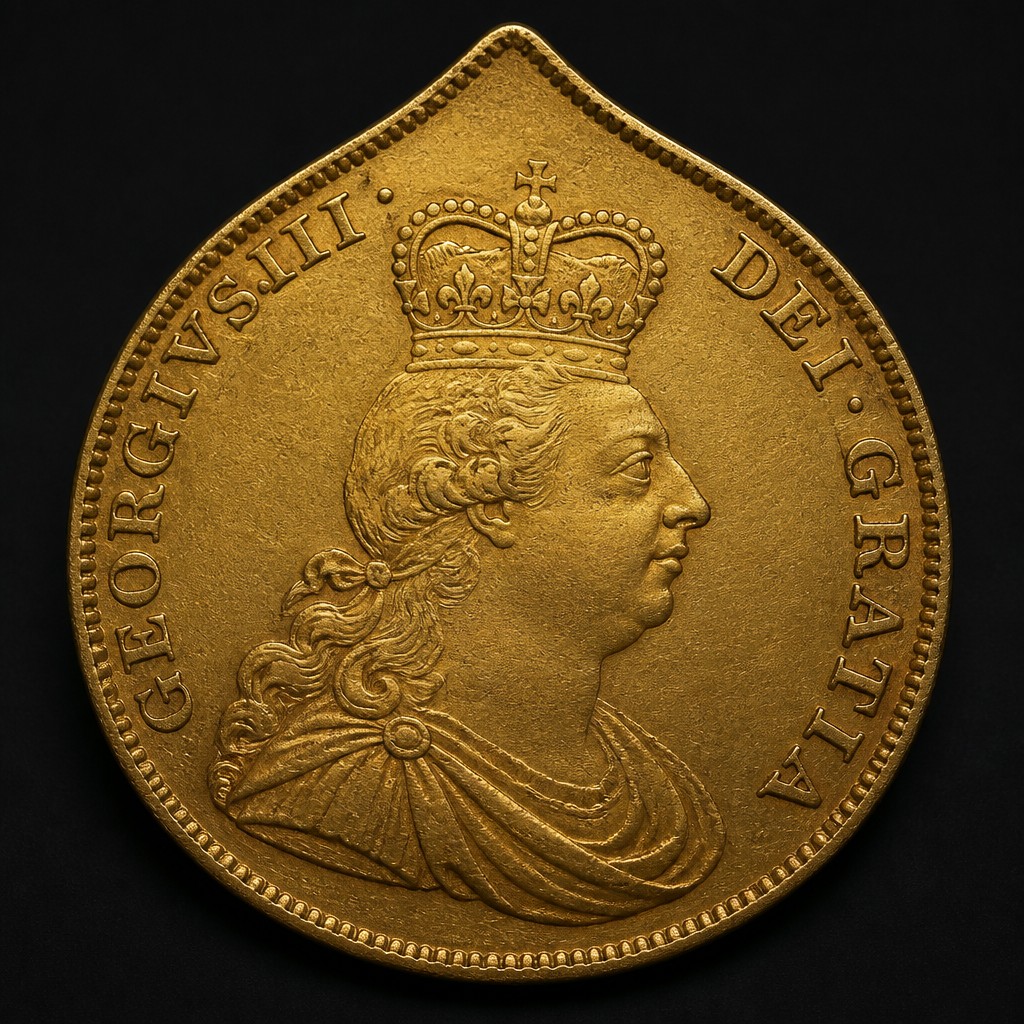
Spade Guinea
1787–1799
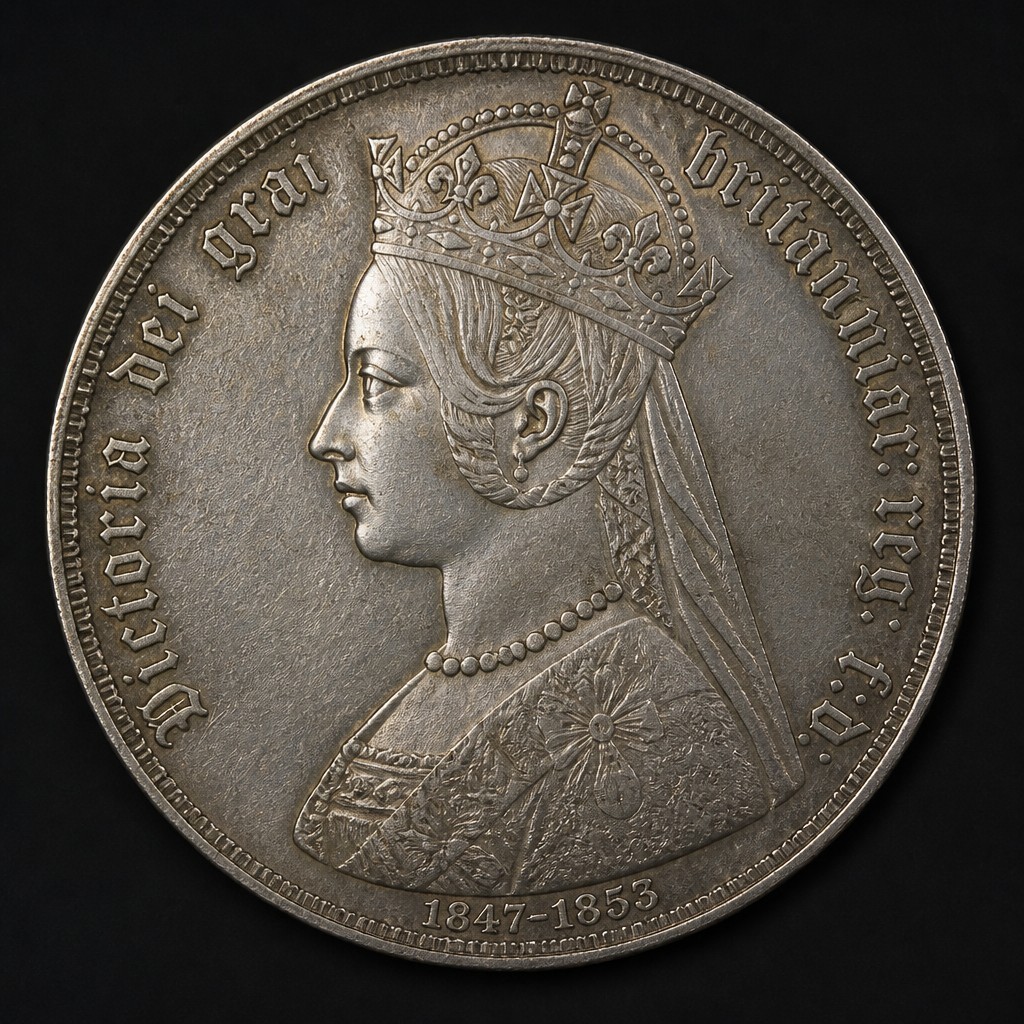
Gothic Crown
1847–1853
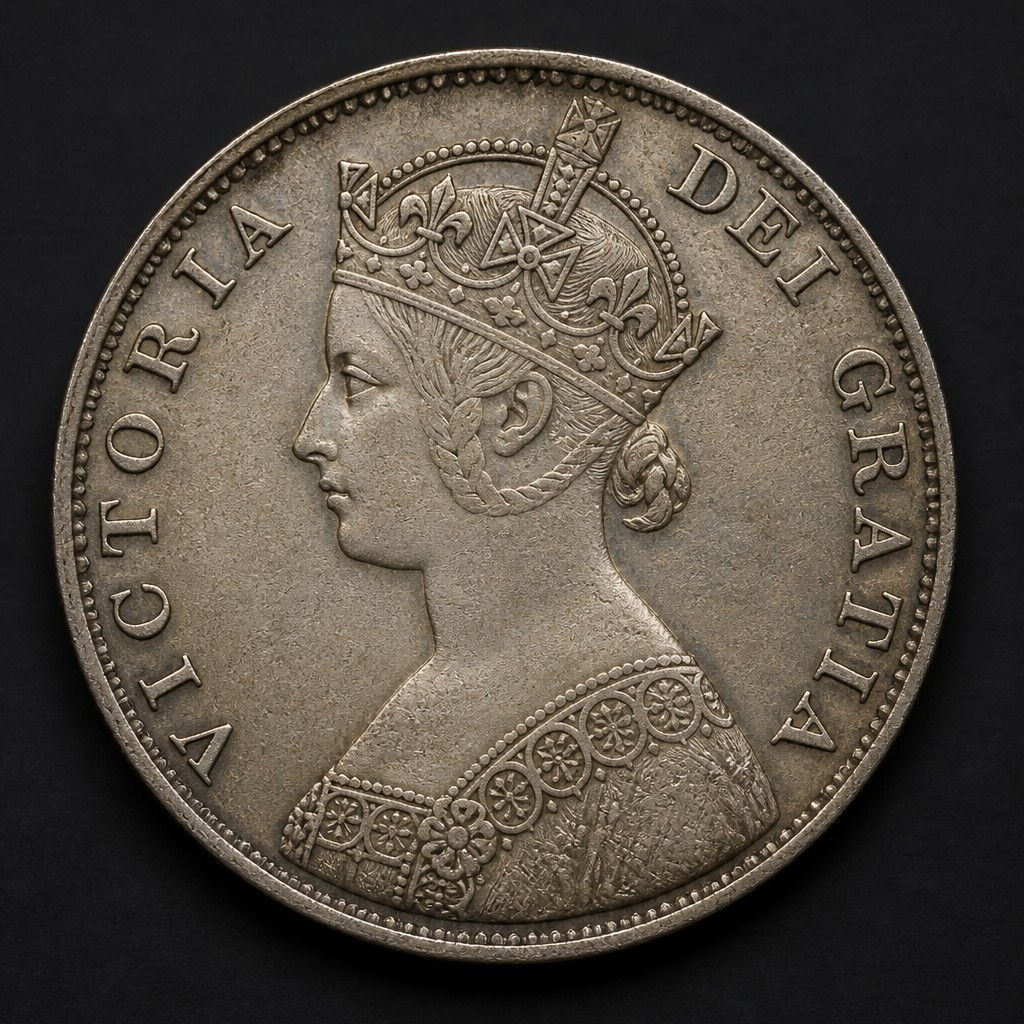
Groat (Fourpence)
1279–1888 (various revivals)
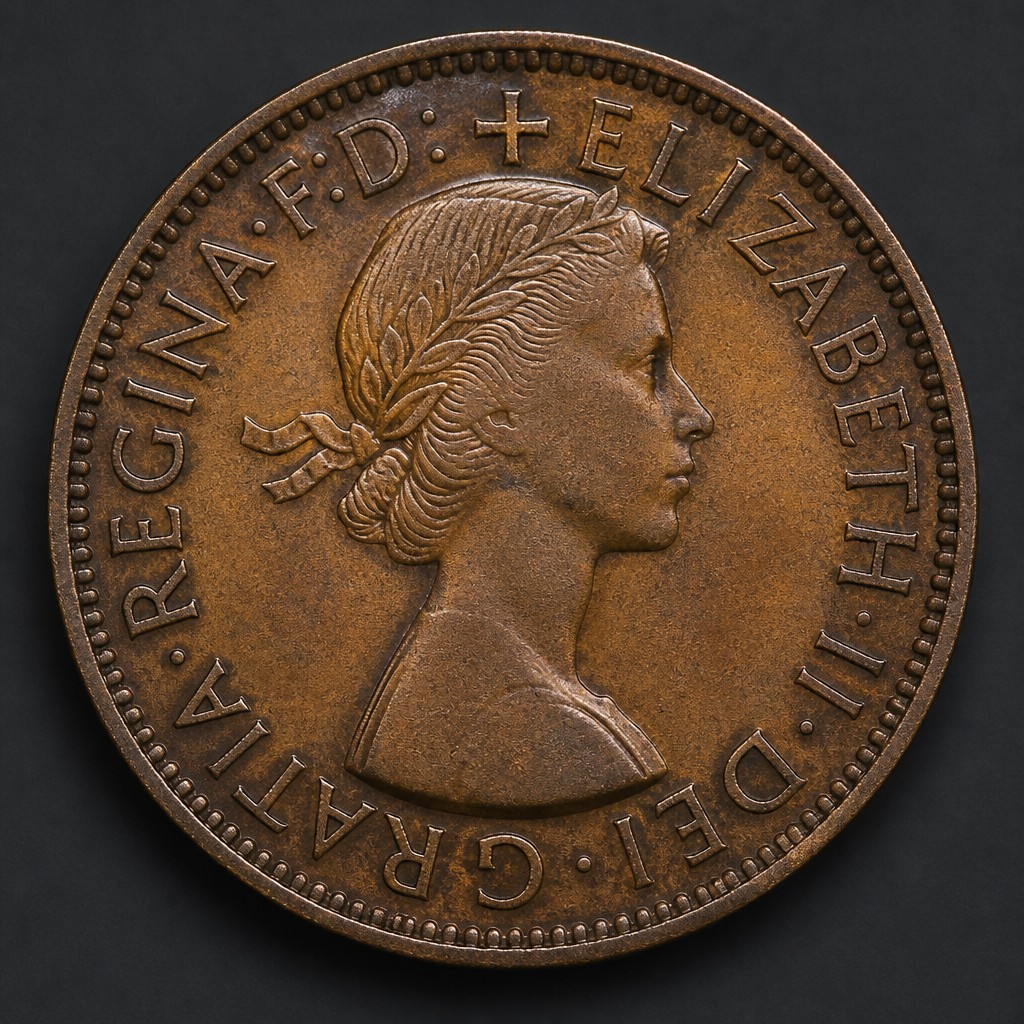
Farthing
13th century–1956
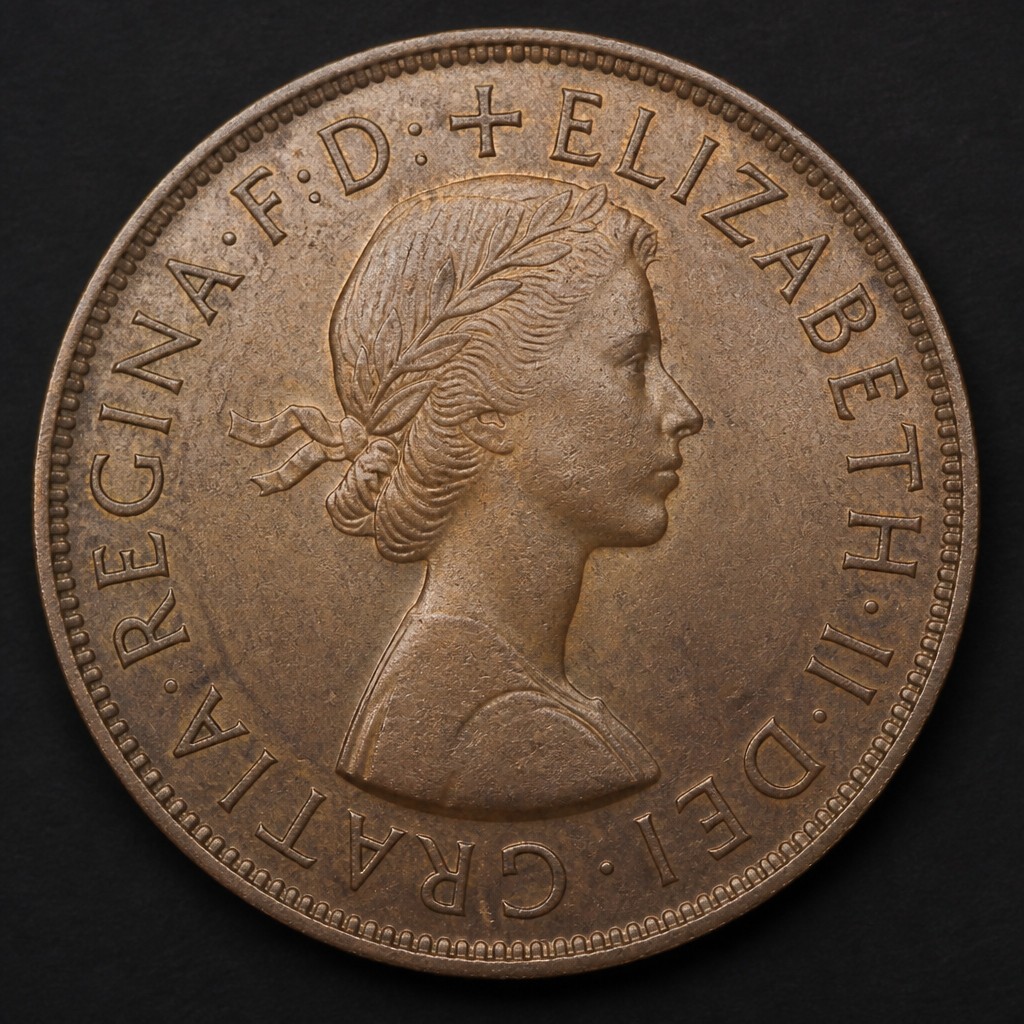
Halfpenny
c. 800s–1969
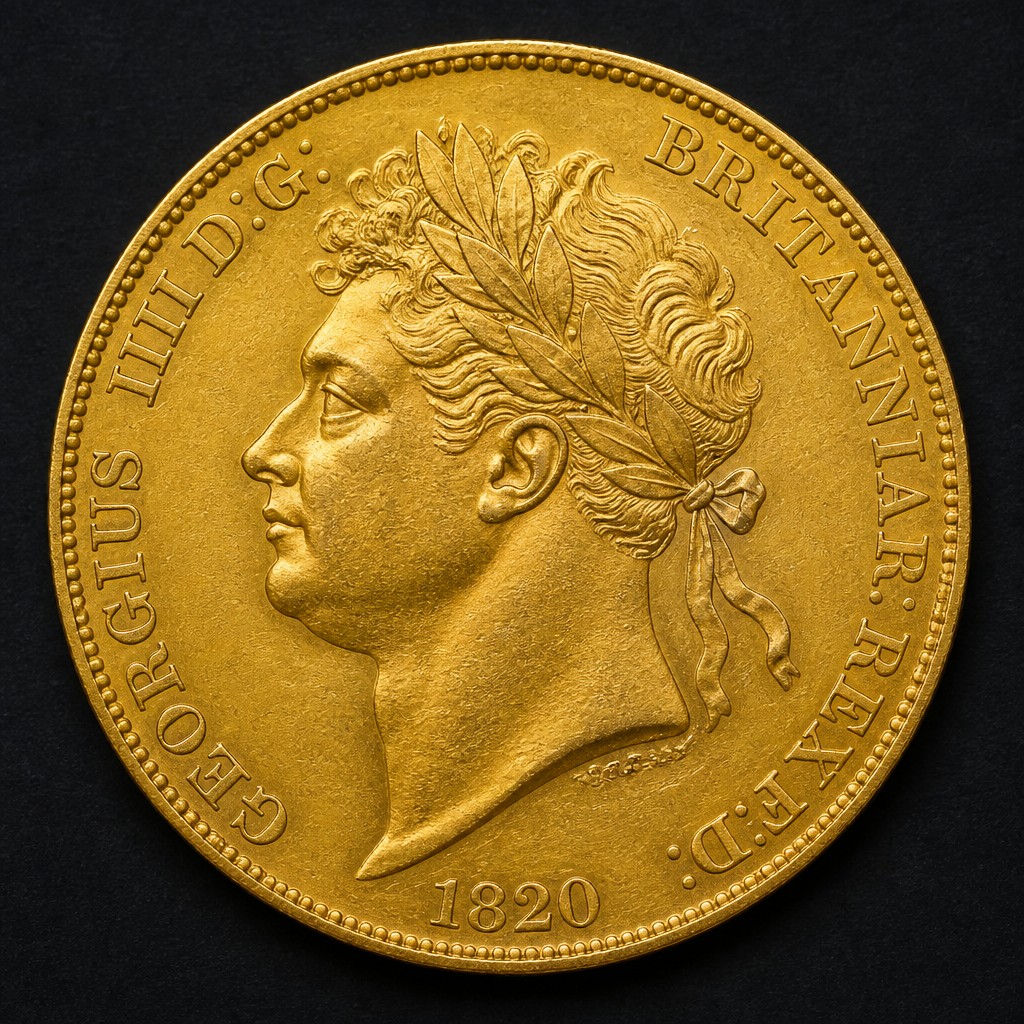
Five Pound Gold (Quintuple Sovereign)
1820–present (intermittent)
Threepence
1547–1970