
Coin Encyclopedia
Search and identify coins from around the world — with country, denomination, metal, mint, history, and how to tell them apart.
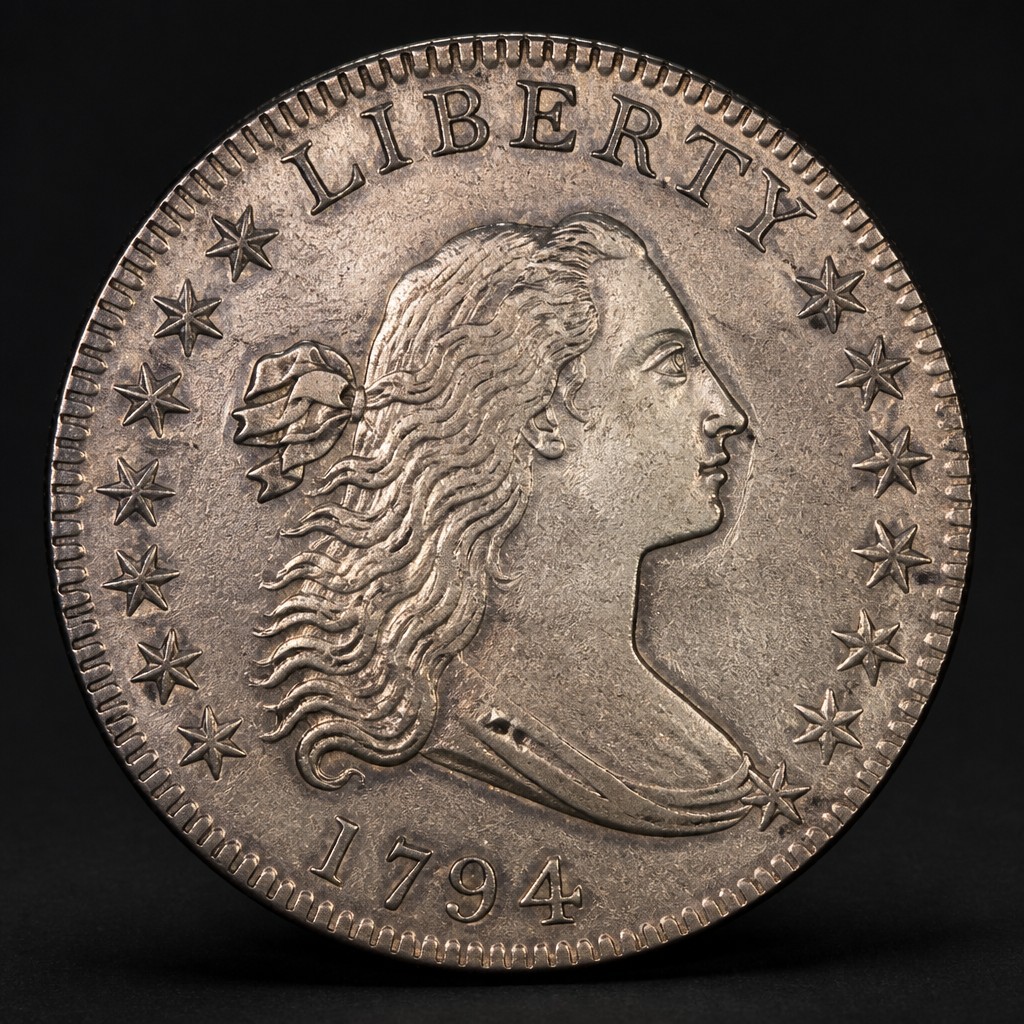
Flowing Hair Half Dime
One of the earliest United States silver coins, the Flowing Hair Half Dime was struck only in 1794 and 1795 and is a landmark rarity for early American coinage collectors.
United States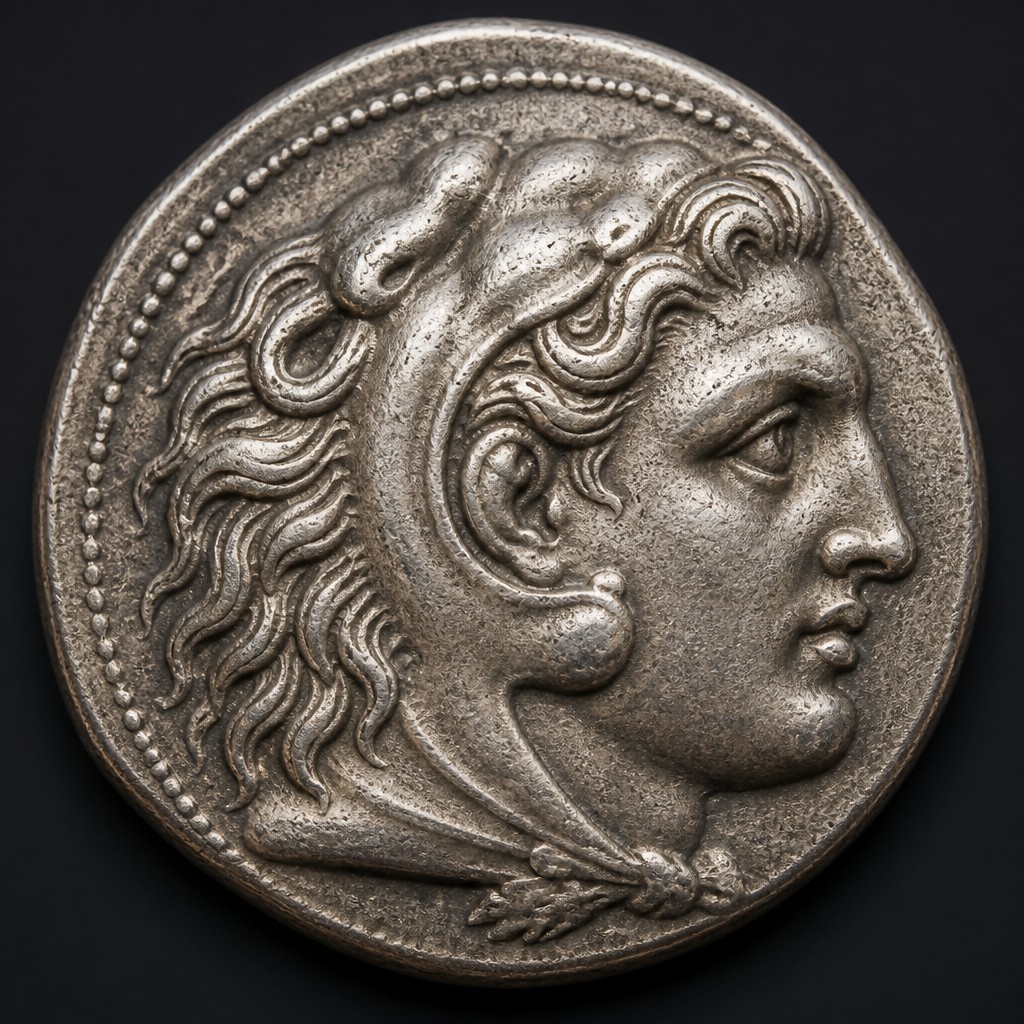
Alexander the Great Tetradrachm
The widely circulated silver coin of Alexander the Great, showing Herakles wearing a lion skin on the obverse and an enthroned Zeus on the reverse, struck across his empire and for generations after his death.
Ancient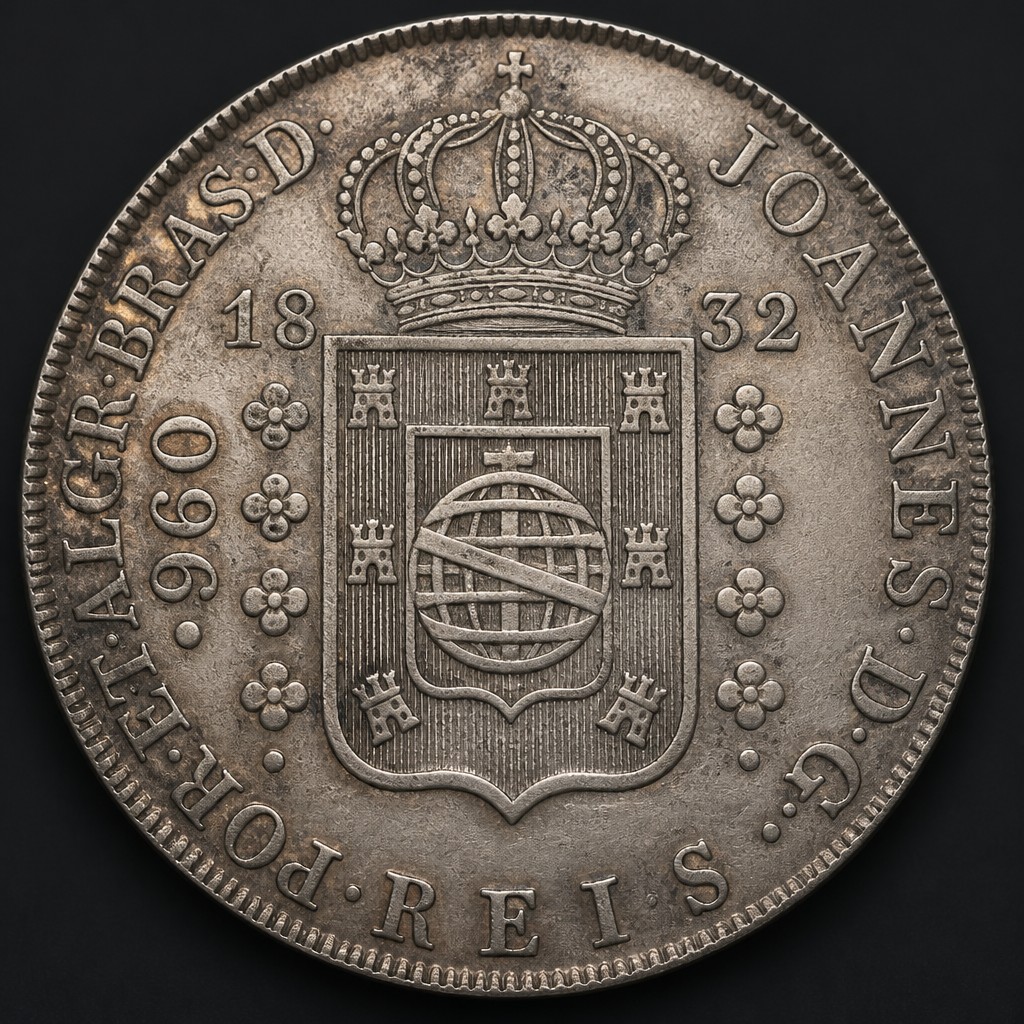
Brazil 960 Reis
Brazilian silver coin created by overstriking Spanish colonial 8 reales with new Portuguese royal dies, issued after the Portuguese royal court relocated to Brazil.
Latin American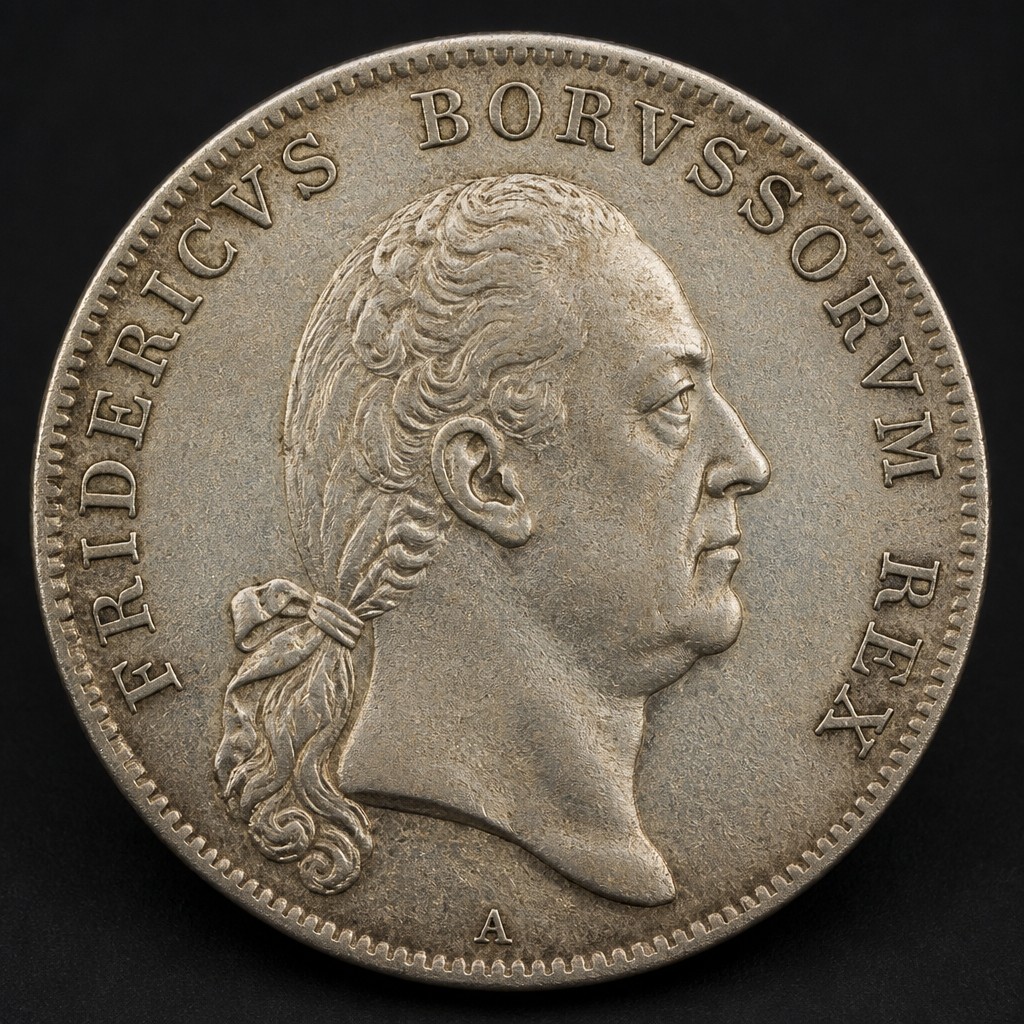
Prussian Thaler
The Prussian Thaler was the leading silver coin of the powerful Kingdom of Prussia, circulating from the mid-18th century until German unification replaced it with the mark in 1871–1873.
European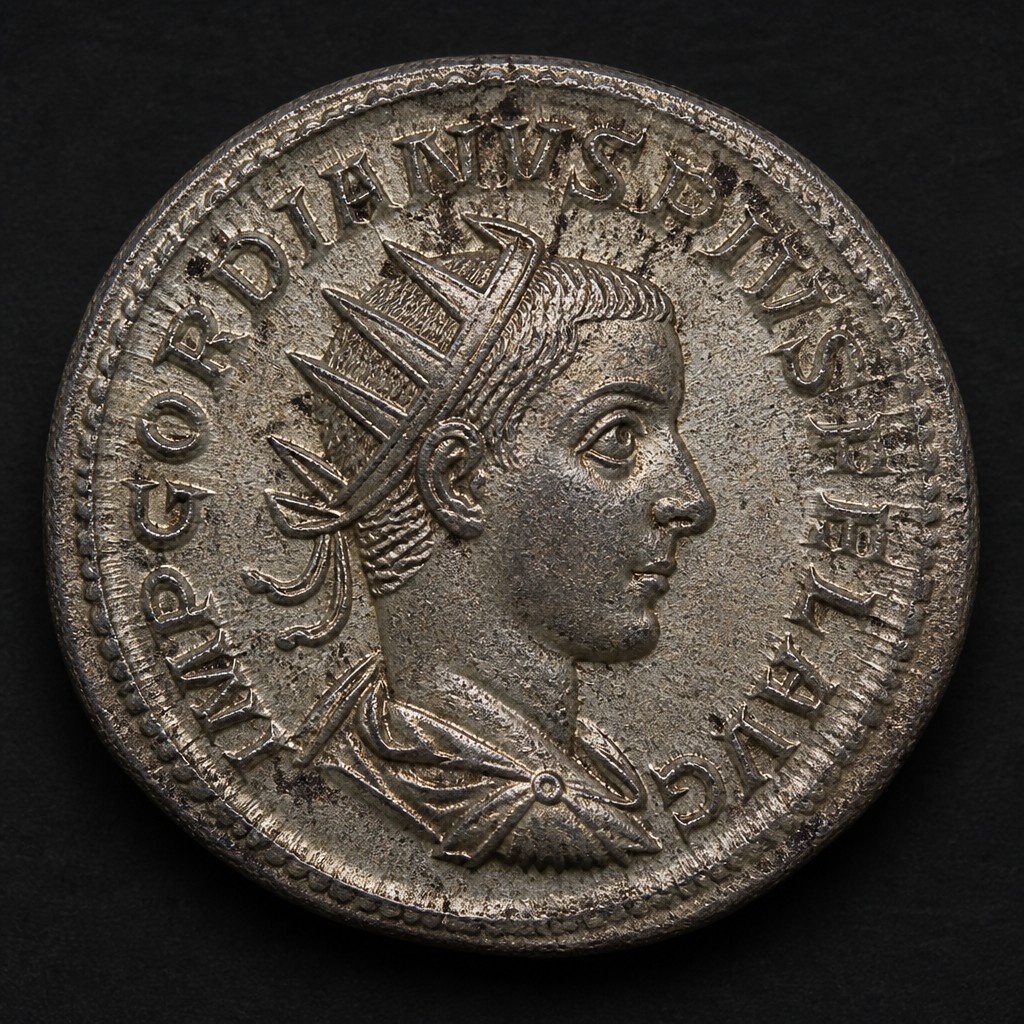
Gordian III Antoninianus
Radiate silver coin of Gordian III, who became sole emperor at about thirteen years old and reigned through Rome's costly war with Sassanid Persia.
Ancient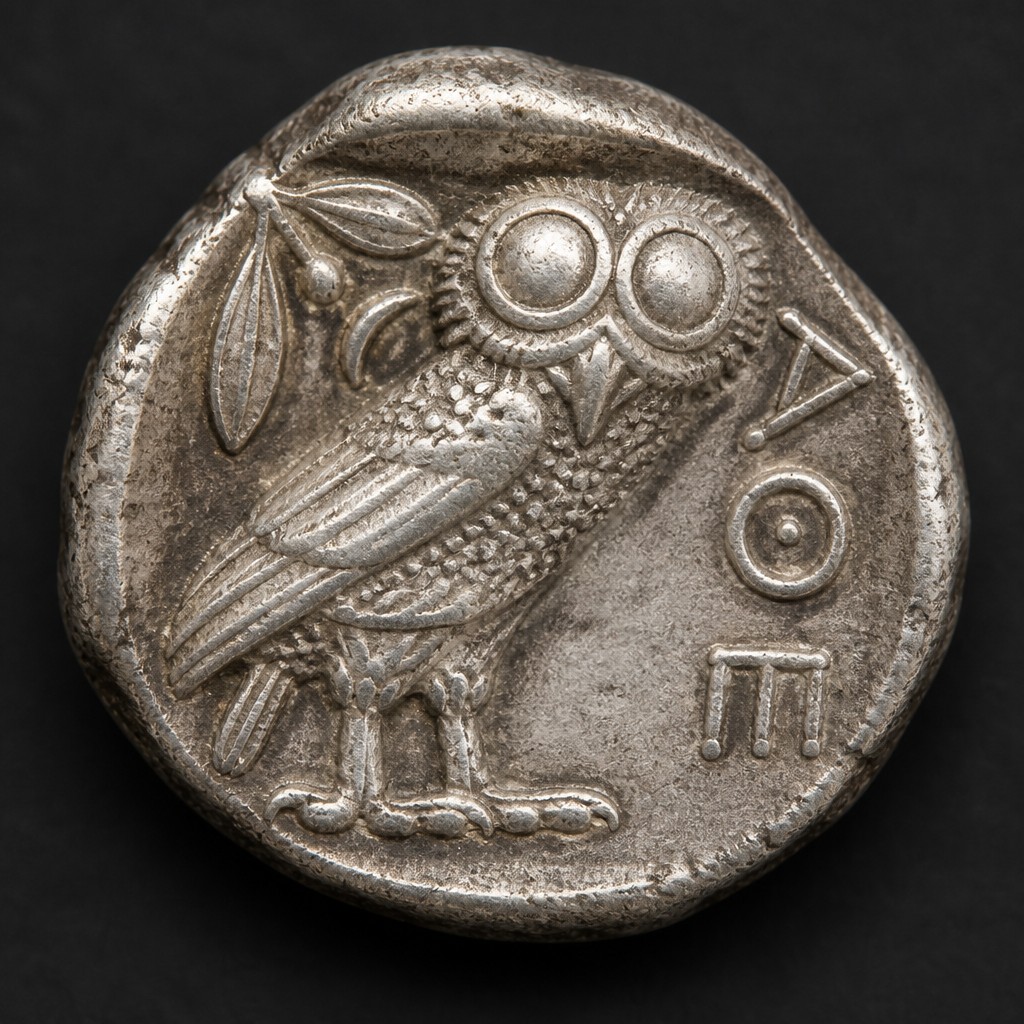
Athenian Owl Dekadrachm
An extremely rare large-format silver coin of classical Athens, struck in only a handful of surviving examples and prized as one of the great rarities of ancient Greek numismatics.
Ancient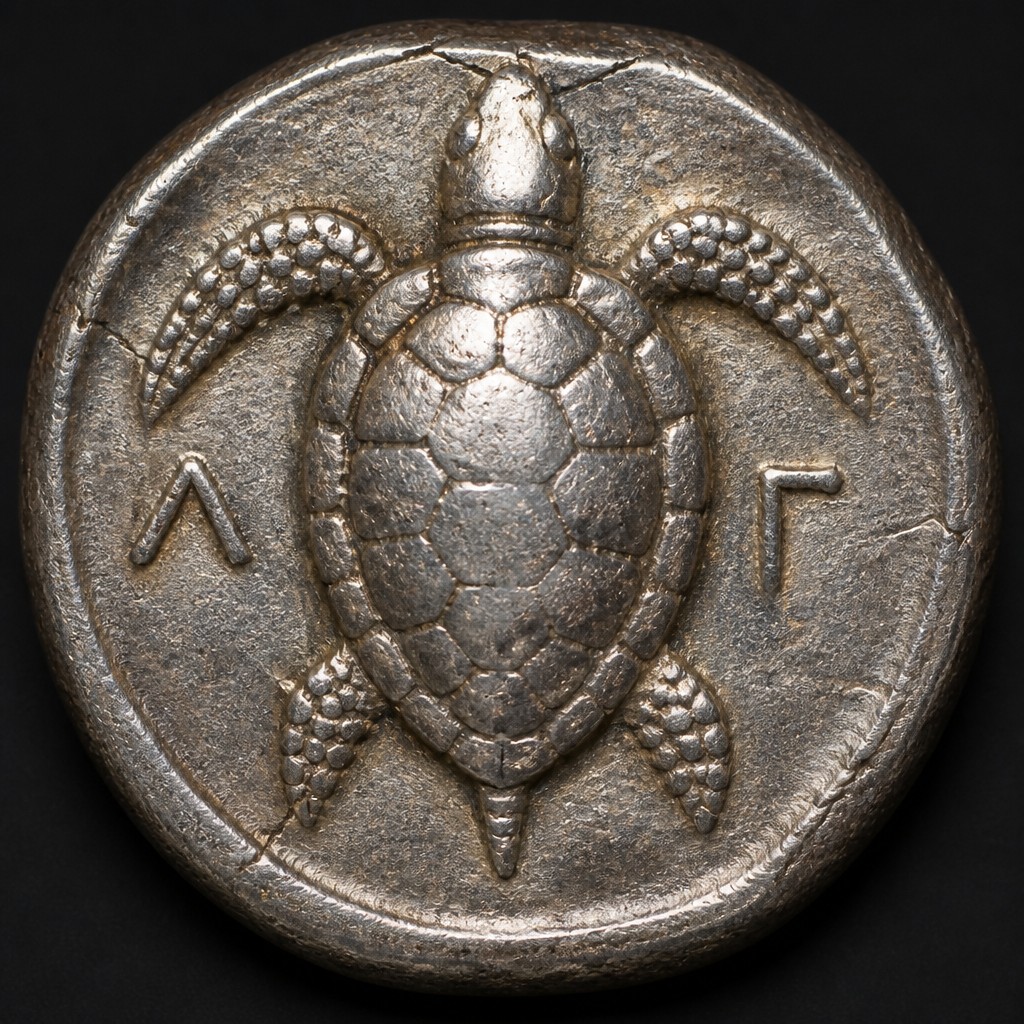
Aegina Sea Turtle Stater
One of the earliest widely circulated Greek silver coins, struck by the island city-state of Aegina, featuring a sea turtle and later a land tortoise, and nicknamed simply 'turtles' by ancient traders.
Ancient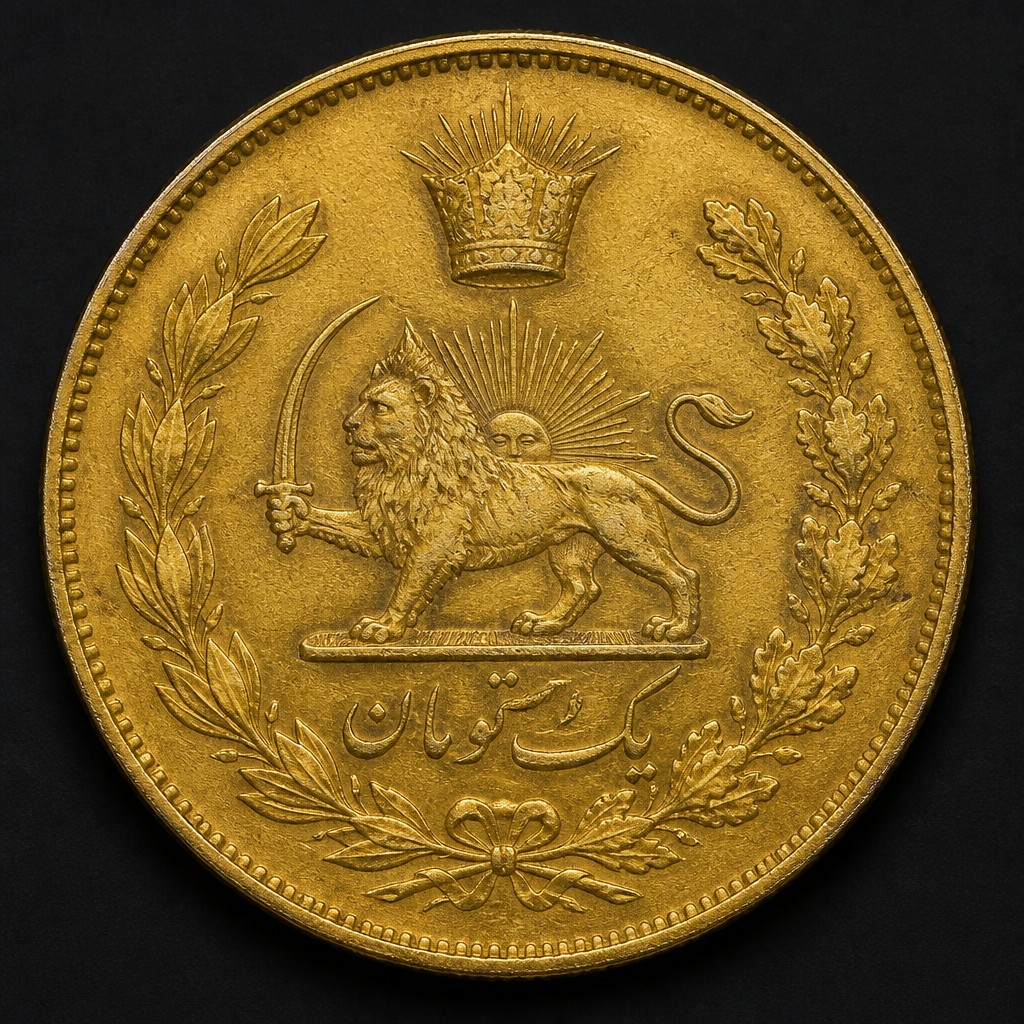
Persian Gold Toman (Qajar)
The principal gold coin of Qajar Persia, valued at ten silver kran, struck under a succession of shahs from the late 18th century until the dynasty's end in 1925.
Asian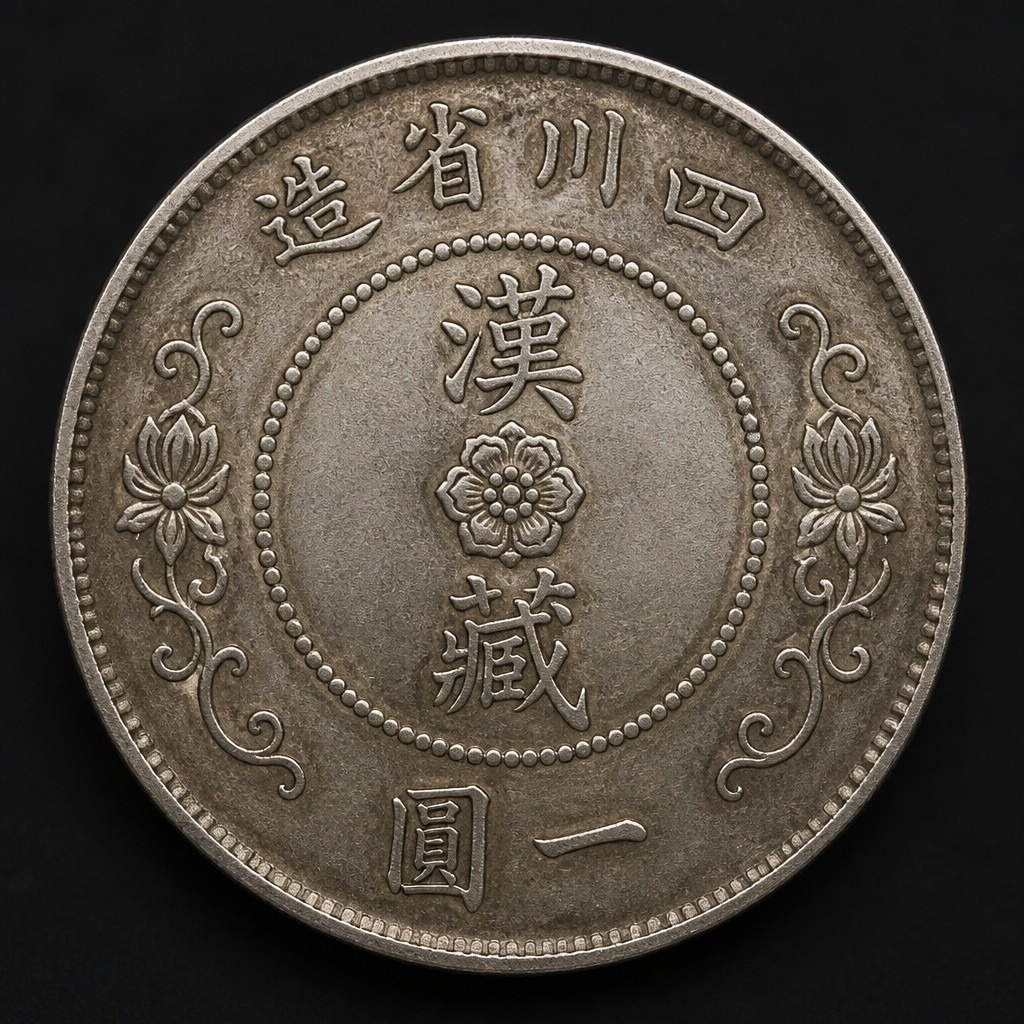
Chinese Szechuan Rupee (Tibet-related)
Silver rupee struck by China's Szechuan provincial mint to compete with British Indian rupees circulating in Tibet, blending a Chinese ruler's portrait with an Indian-style coin format.
Asian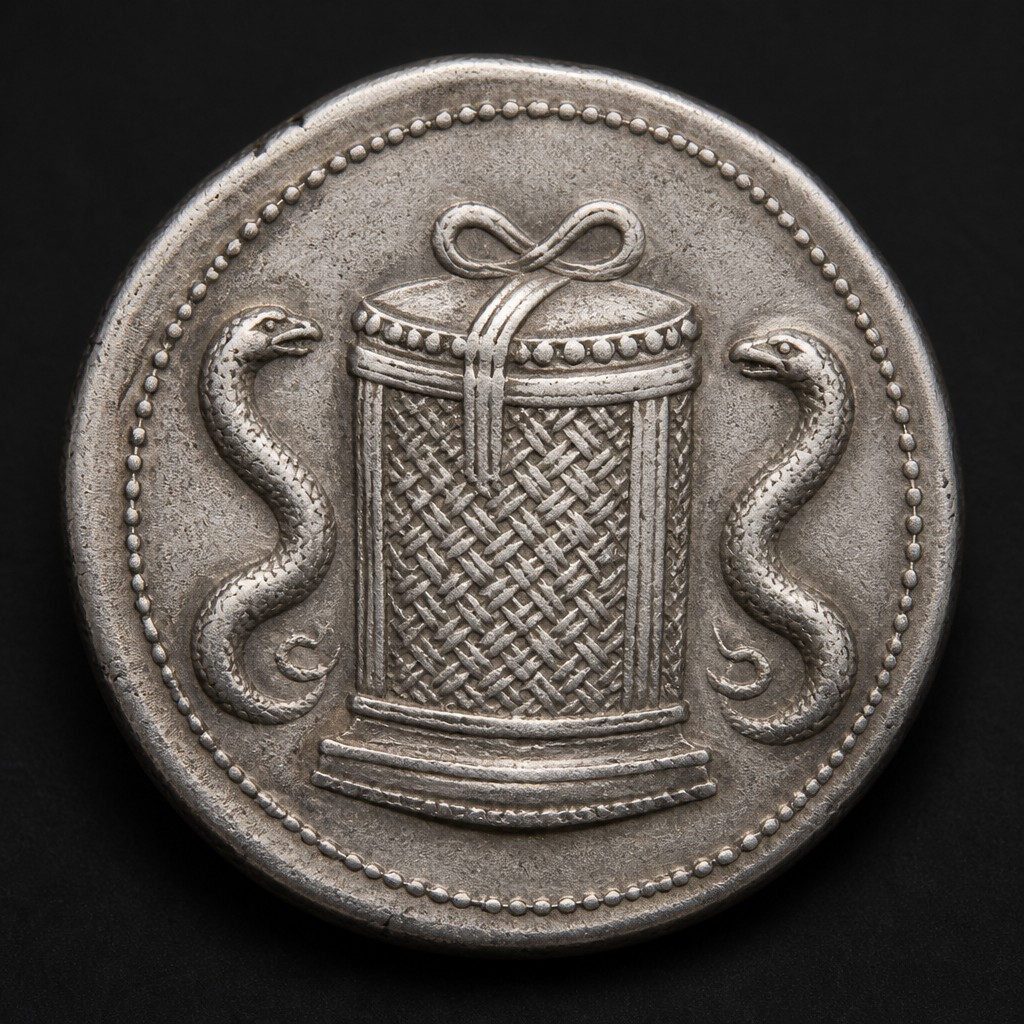
Pergamon Cistophoric Tetradrachm
A reduced-weight Hellenistic silver coin introduced by the Attalid kings of Pergamon, named for the sacred cista mystica chest depicted on the obverse and later adopted throughout Roman Asia.
Ancient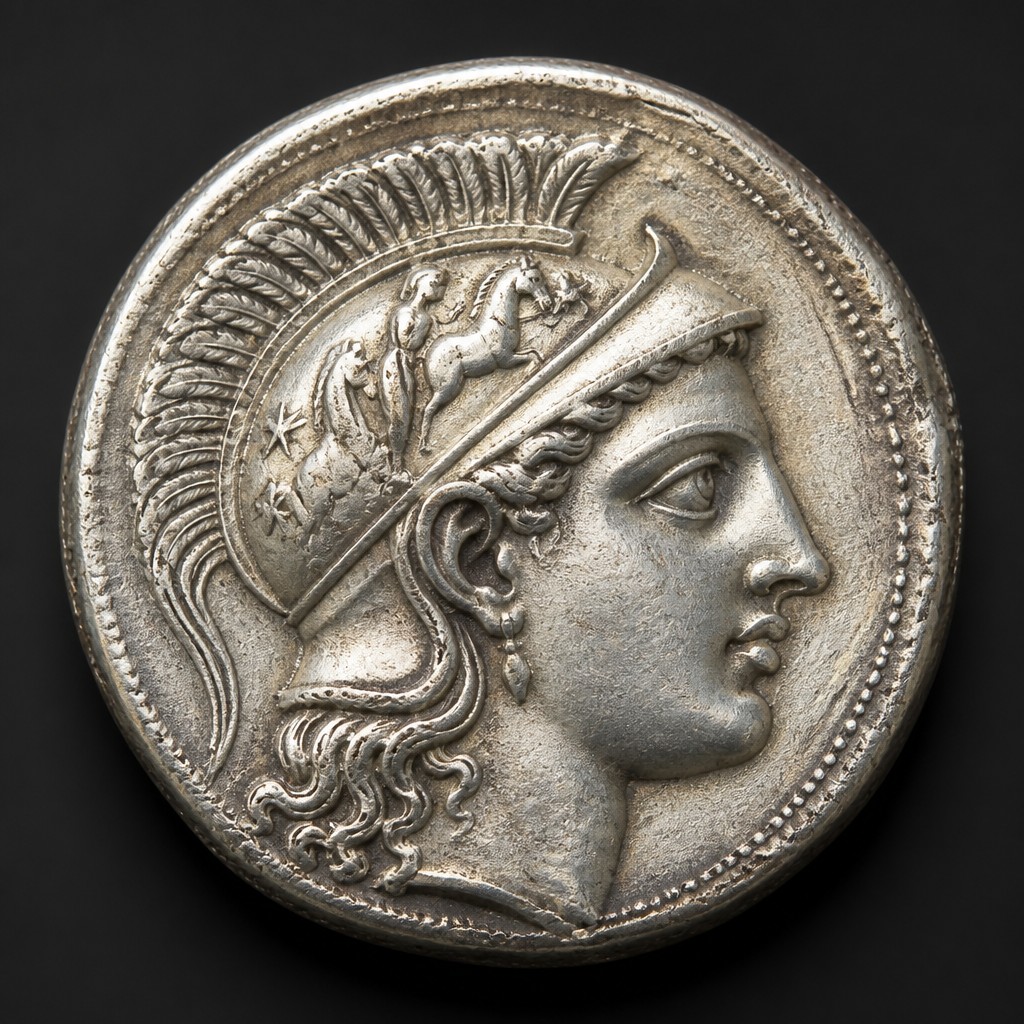
Syracuse Decadrachm
A large, exquisitely engraved silver coin from the Greek city of Syracuse, celebrated as one of the finest achievements of ancient Greek numismatic art, featuring the nymph Arethusa and a victorious chariot.
Ancient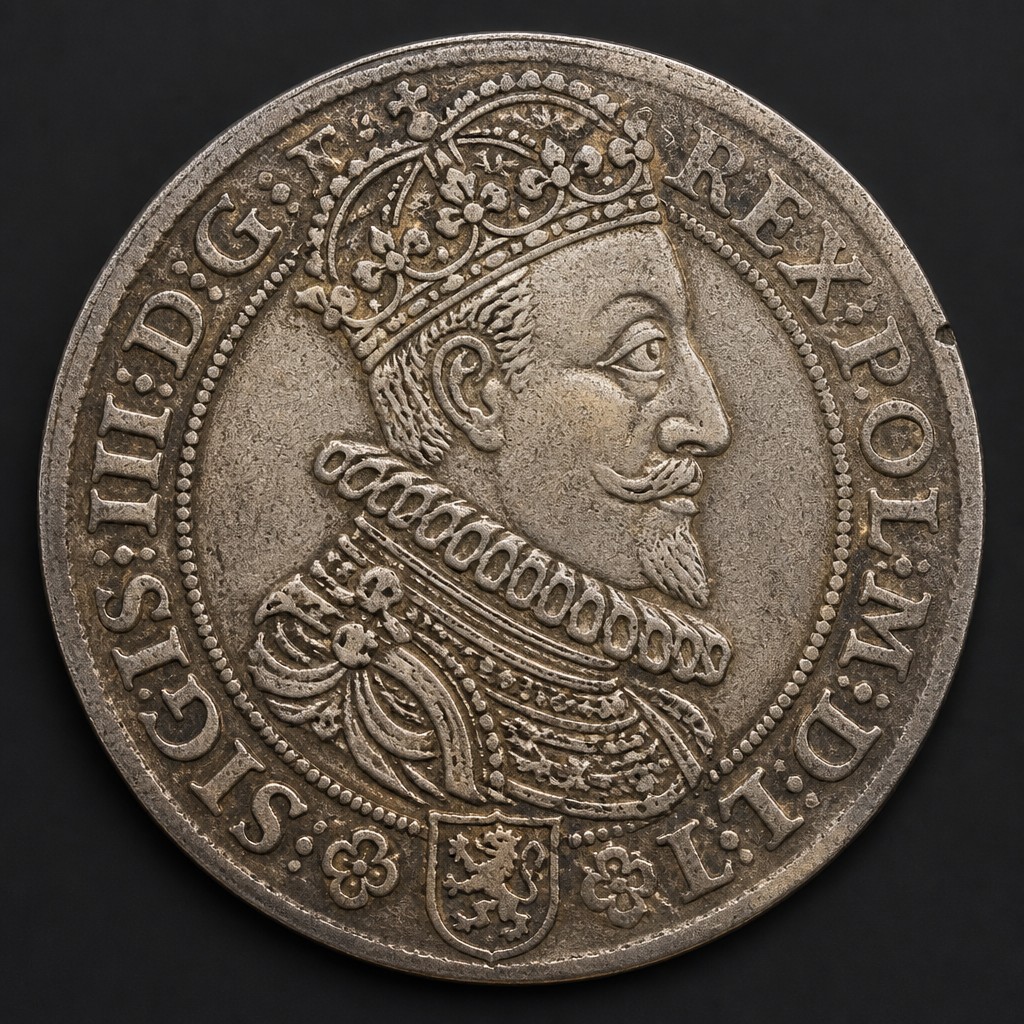
Polish-Lithuanian Thaler
The large silver trade coin of the Polish-Lithuanian Commonwealth, struck under successive kings from the 16th through 18th centuries, bearing royal portraits paired with the combined Polish eagle and Lithuanian Vytis arms.
European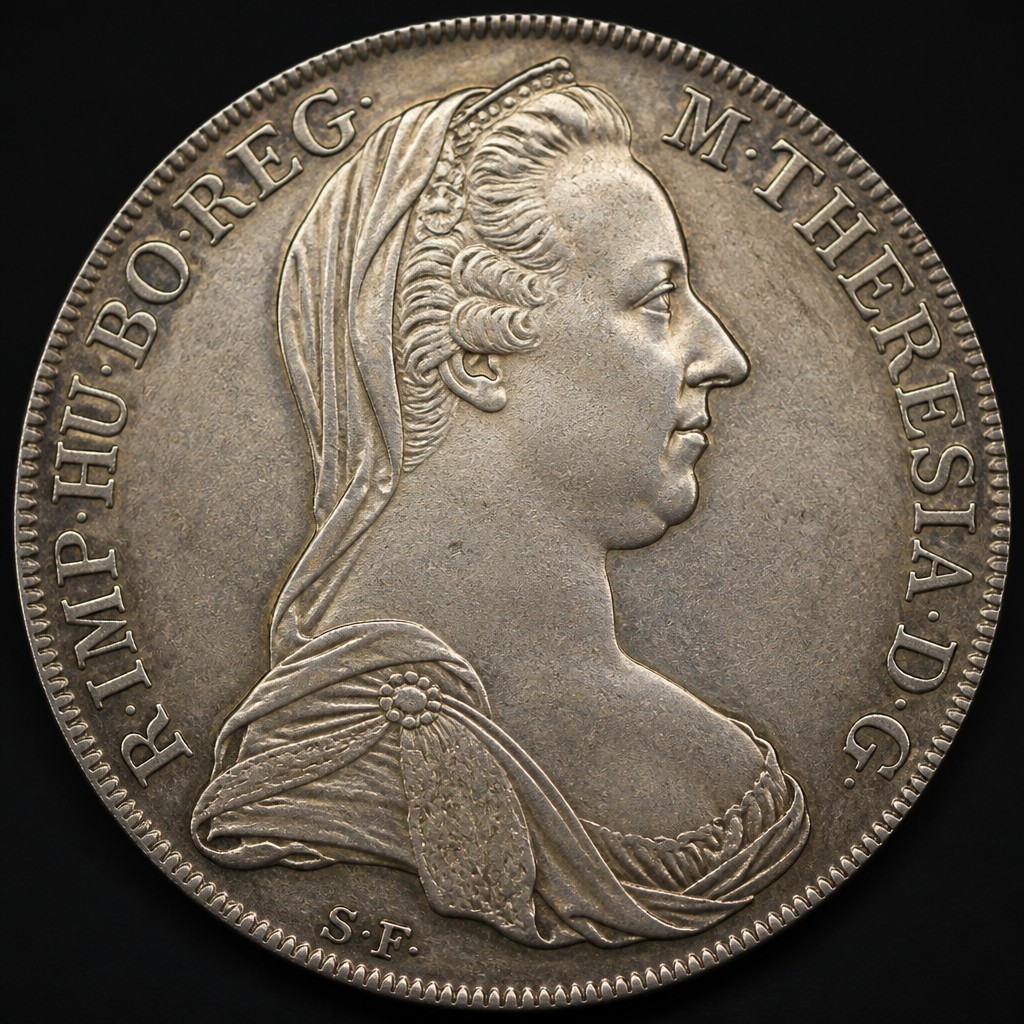
Austrian Levantine Thaler (Maria Theresa Thaler)
A famous silver trade coin bearing the portrait of Empress Maria Theresa, perpetually dated 1780 and restruck for centuries as a trusted trade currency across the Middle East, Arabia, and East Africa.
European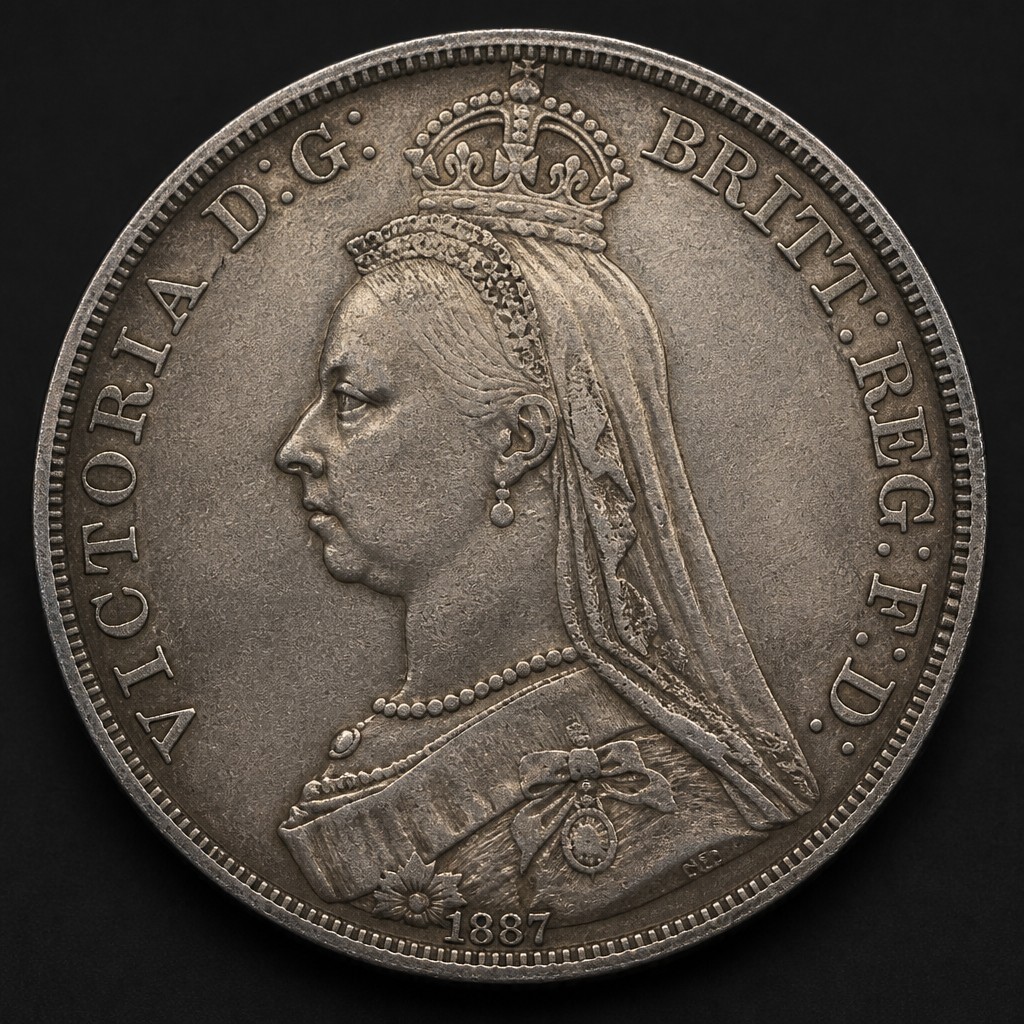
Double Florin
A large Victorian silver coin worth four shillings, struck for only four years; its close resemblance in size to the crown and half-crown caused everyday confusion and gave it a lasting nickname.
British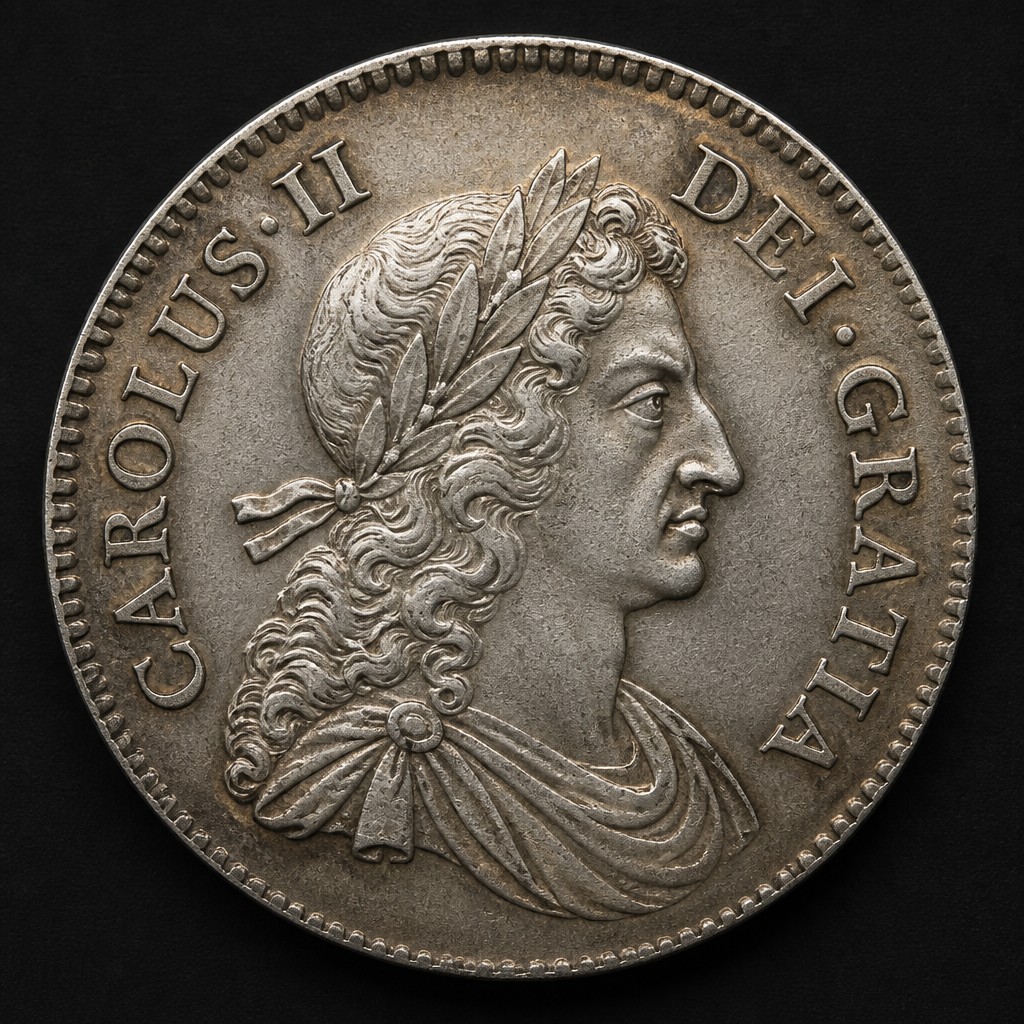
Maundy Penny
The smallest coin of the four-piece Royal Maundy set, a tiny silver penny given by the British monarch in an ancient Holy Thursday alms ceremony, minted every year in very limited numbers.
British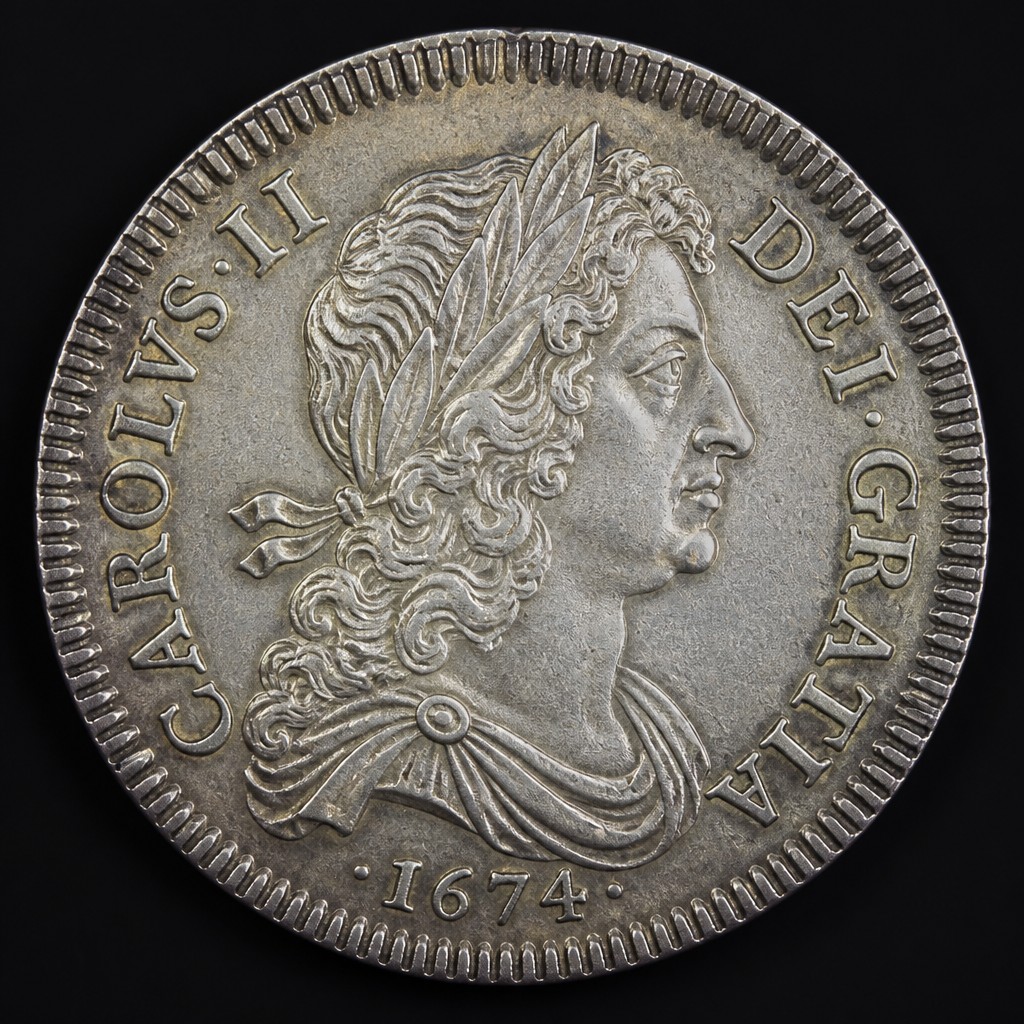
Maundy Fourpence
The largest of the four Royal Maundy coins, a small silver fourpence descended in value from the medieval groat, struck annually for the monarch's ceremonial Maundy Thursday alms distribution.
British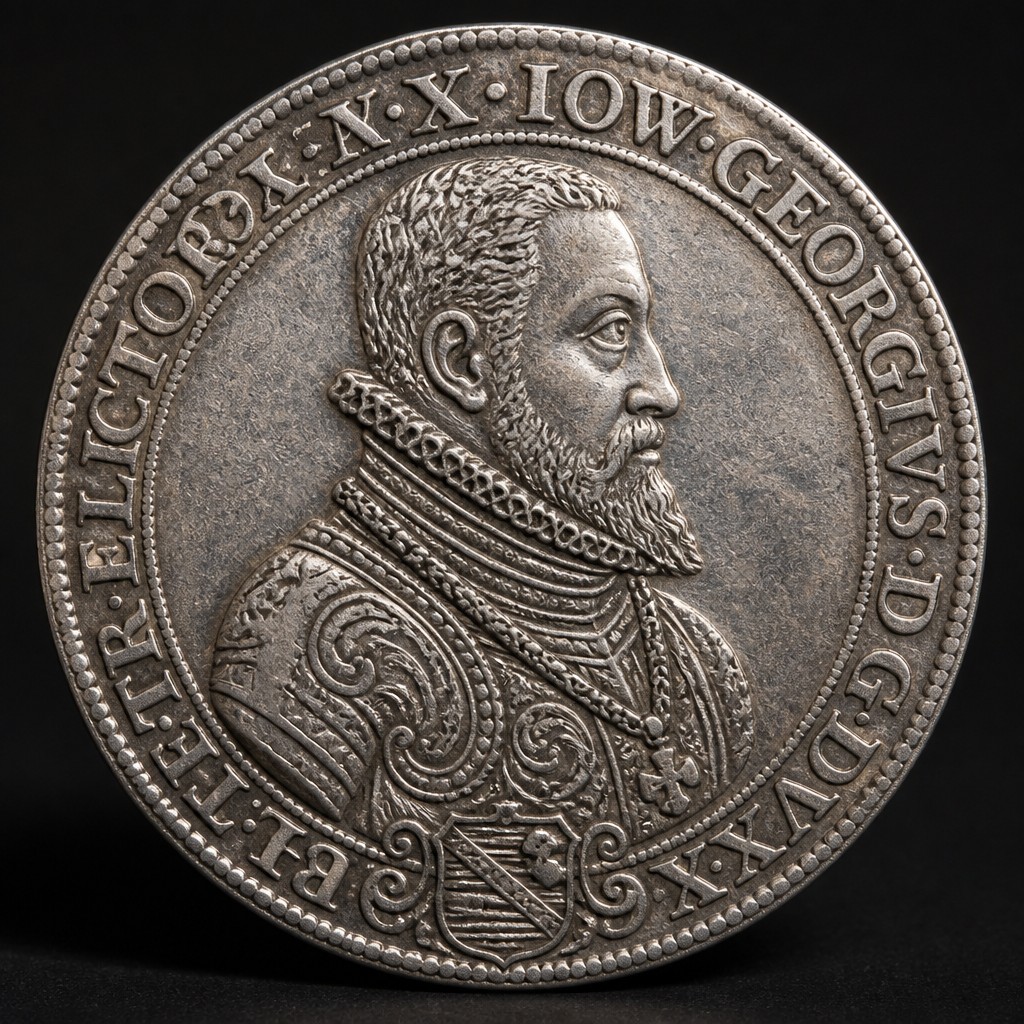
Saxony Thaler
Saxony was one of the earliest and most prolific issuers of thalers, with the electorate and later kingdom producing large silver coins from the 16th century until German unification.
European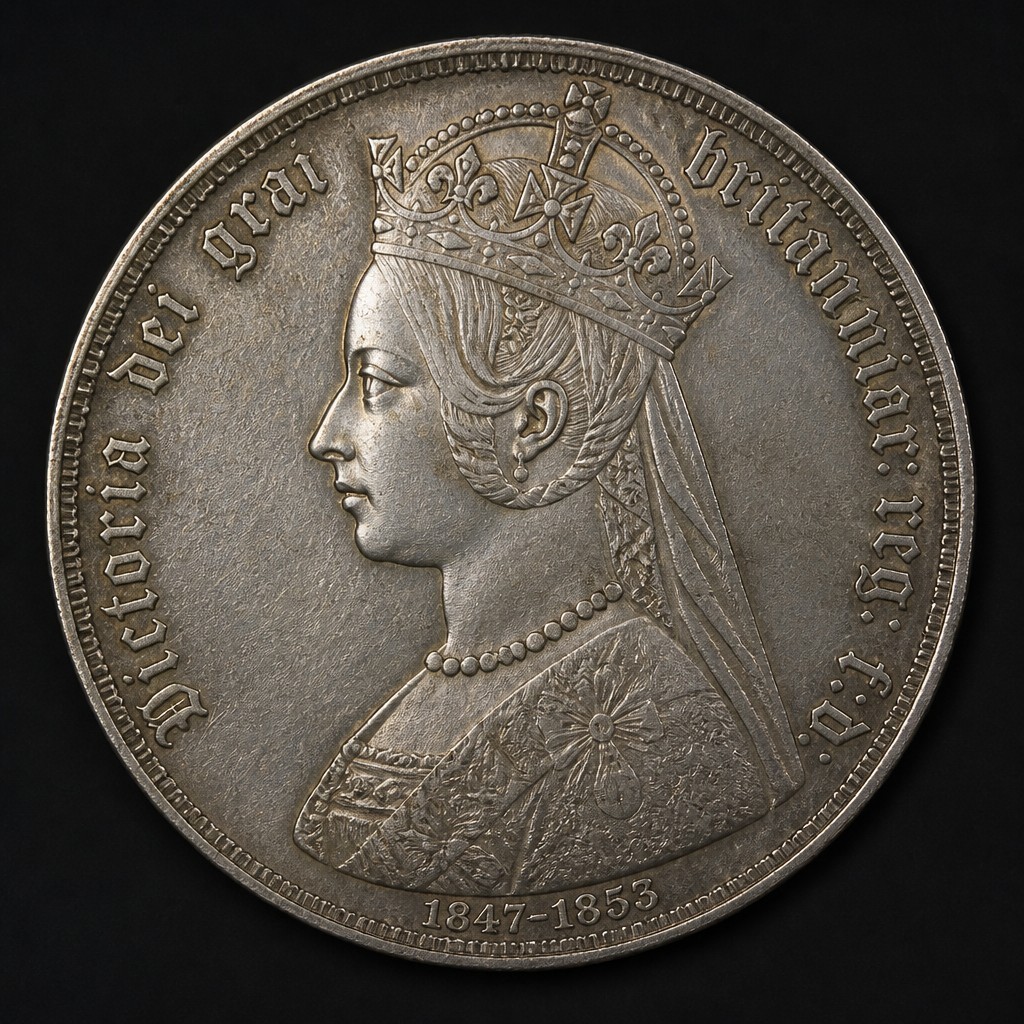
Gothic Crown
An ornate Victorian silver crown featuring a young Queen Victoria in Gothic-script lettering, widely admired as one of the most artistically accomplished coins in British history.
British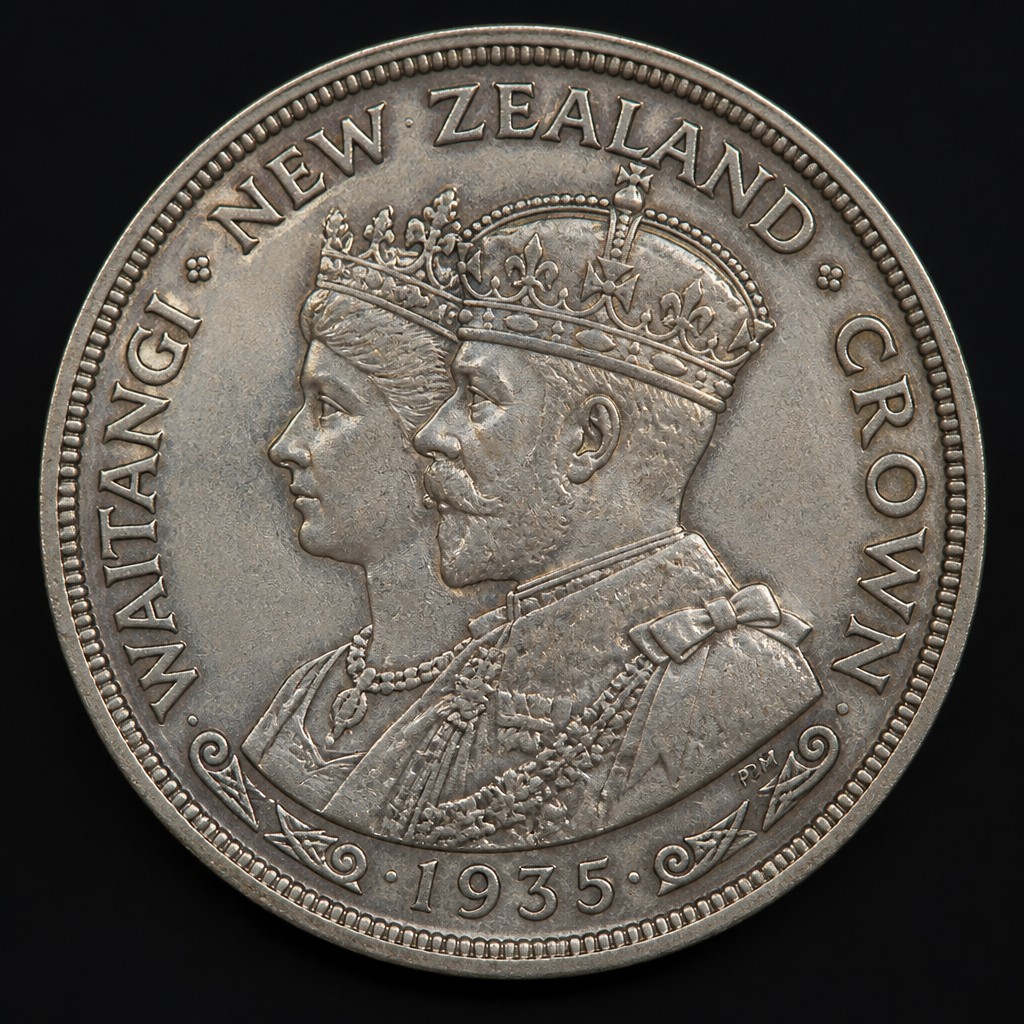
New Zealand Waitangi Crown (1935)
Rare 1935 New Zealand silver crown depicting the meeting between Governor Hobson and Maori chiefs, one of the most valuable coins in British Commonwealth crown collecting.
Africa & Oceania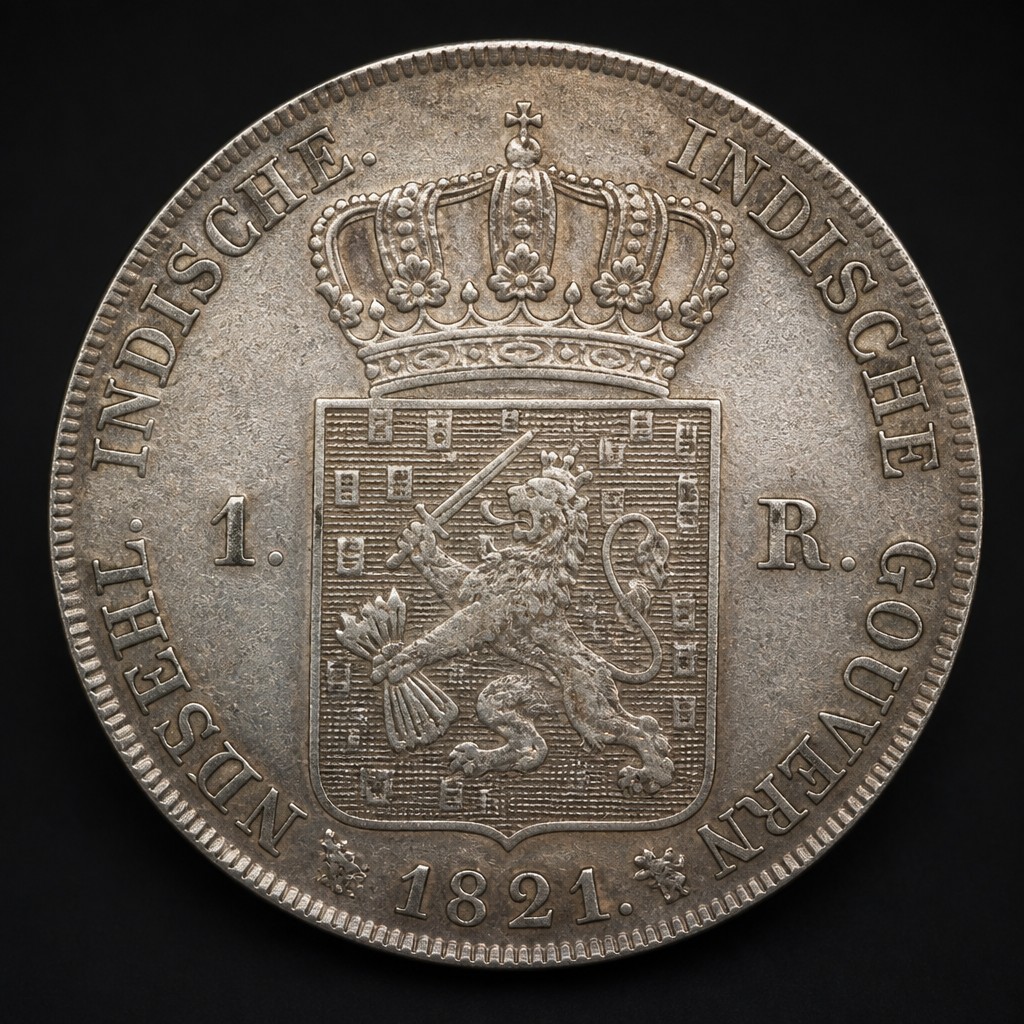
Netherlands East Indies Java Rupee
A Dutch colonial silver rupee struck specifically for the island of Java, issued to standardize local currency amid the many foreign trade coins circulating in the Dutch East Indies.
Asian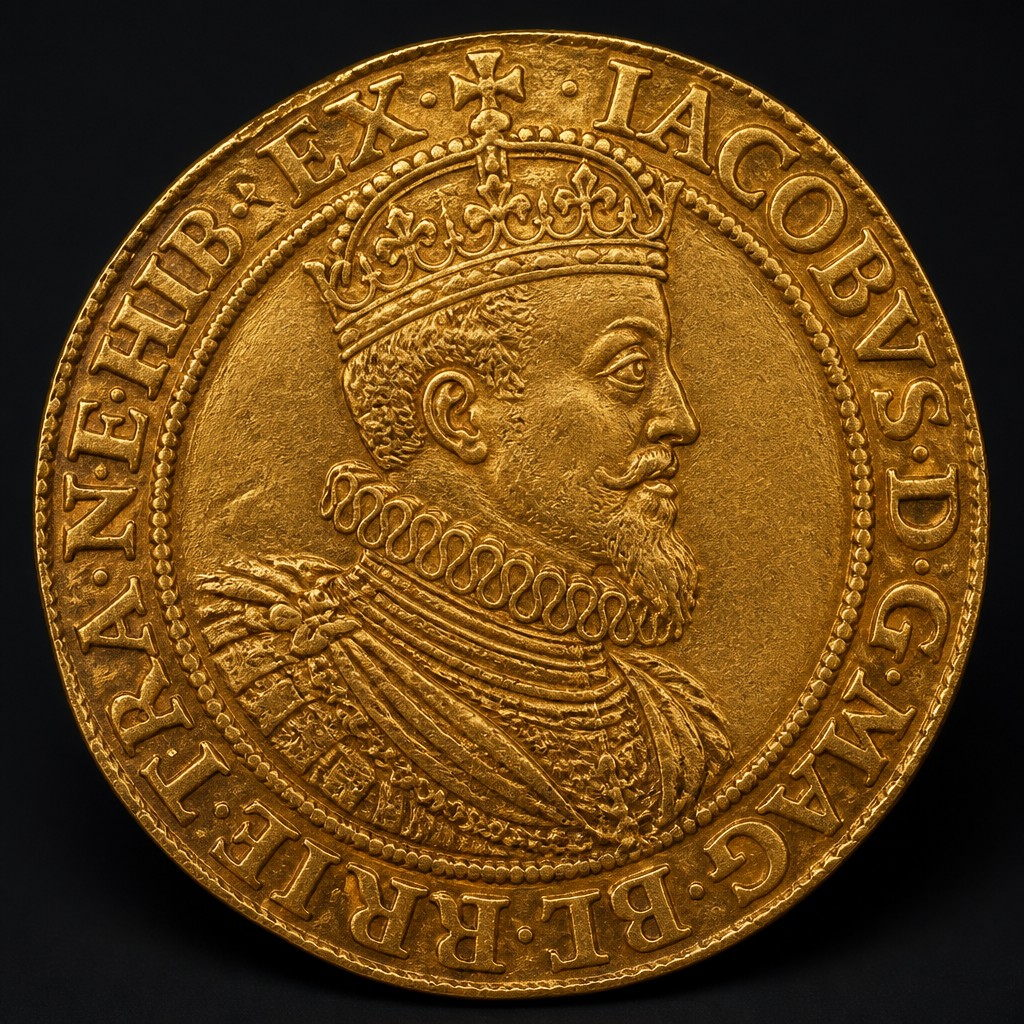
Half Crown Gold
A small gold coin worth half a gold crown, struck from the reign of Henry VIII through the English Civil War, distinct from the far more familiar silver half crown that circulated for centuries afterward.
British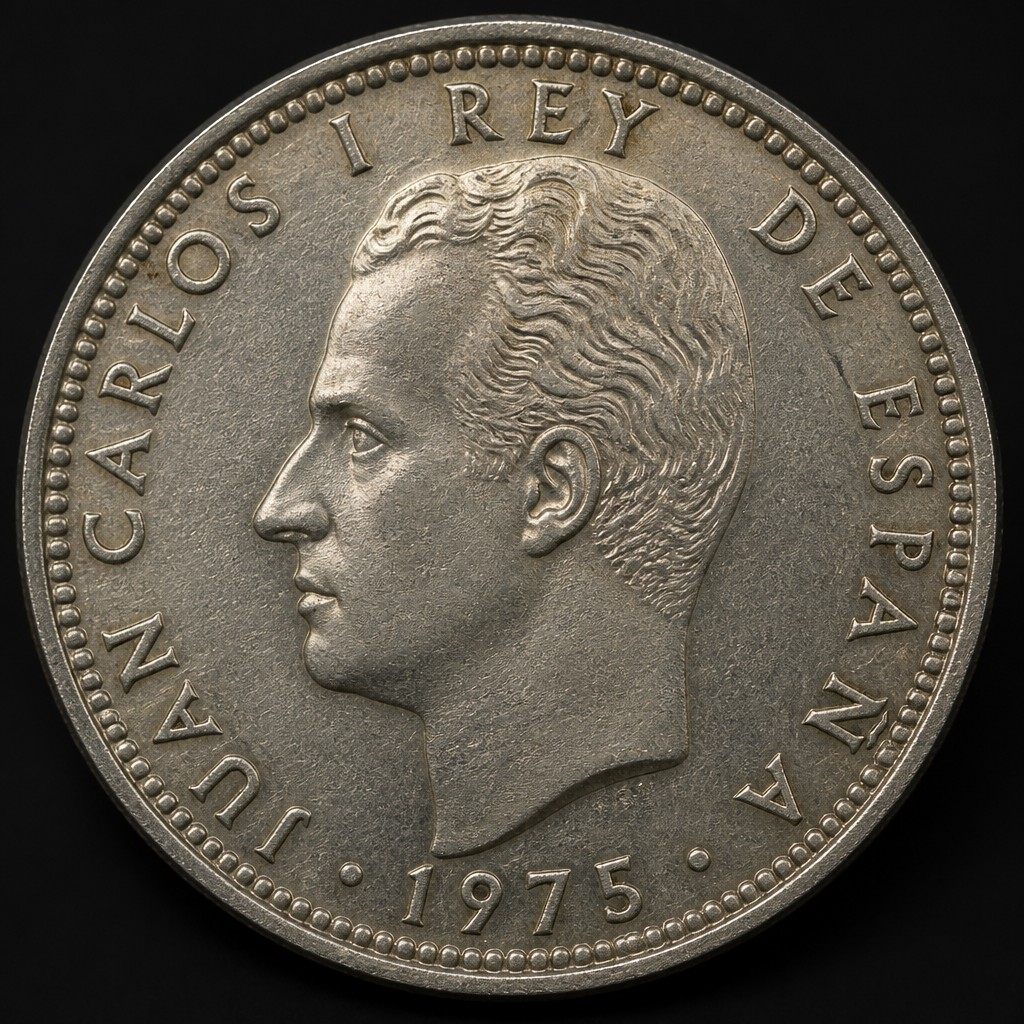
Spanish Peseta
The peseta was Spain's national currency for over 130 years, evolving from silver coinage under a provisional 19th-century government to copper-nickel coins used until the euro replaced it in 2002.
European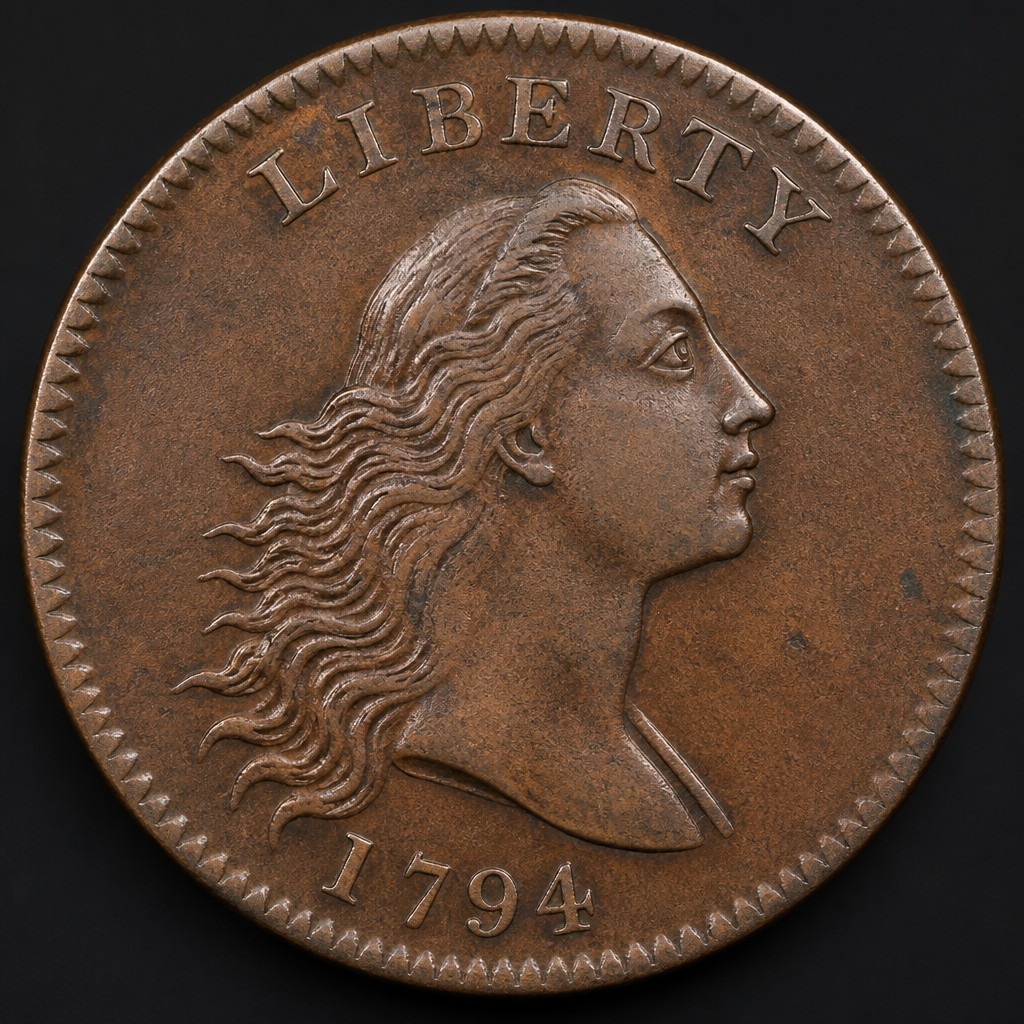
1794 Flowing Hair Cent
An early United States large copper cent from the first years of the Mint, associated with the Flowing Hair Liberty portrait used on the nation's earliest coinage.
United States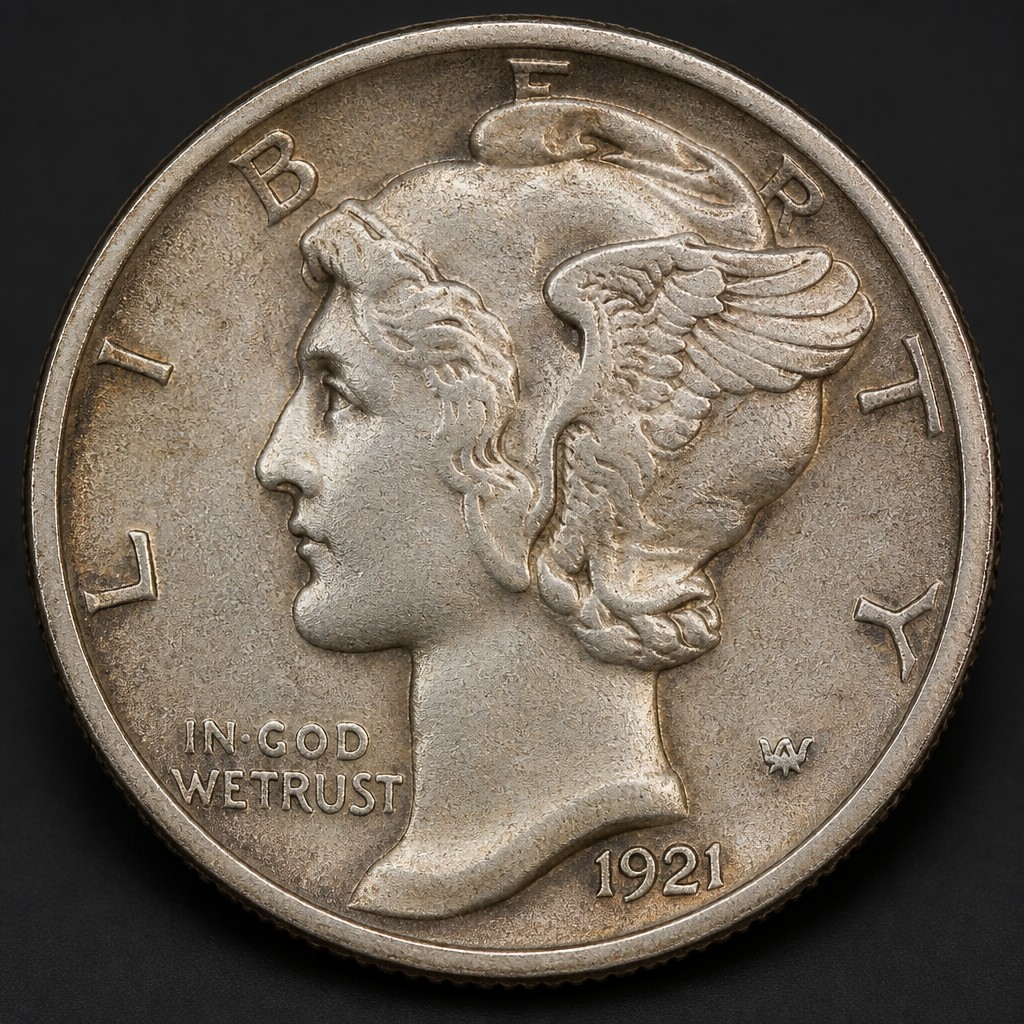
1921 Mercury Dime
A key date of the Mercury dime series, struck in unusually low numbers amid a post-World War I economic slowdown that reduced coinage demand nationwide.
United States