
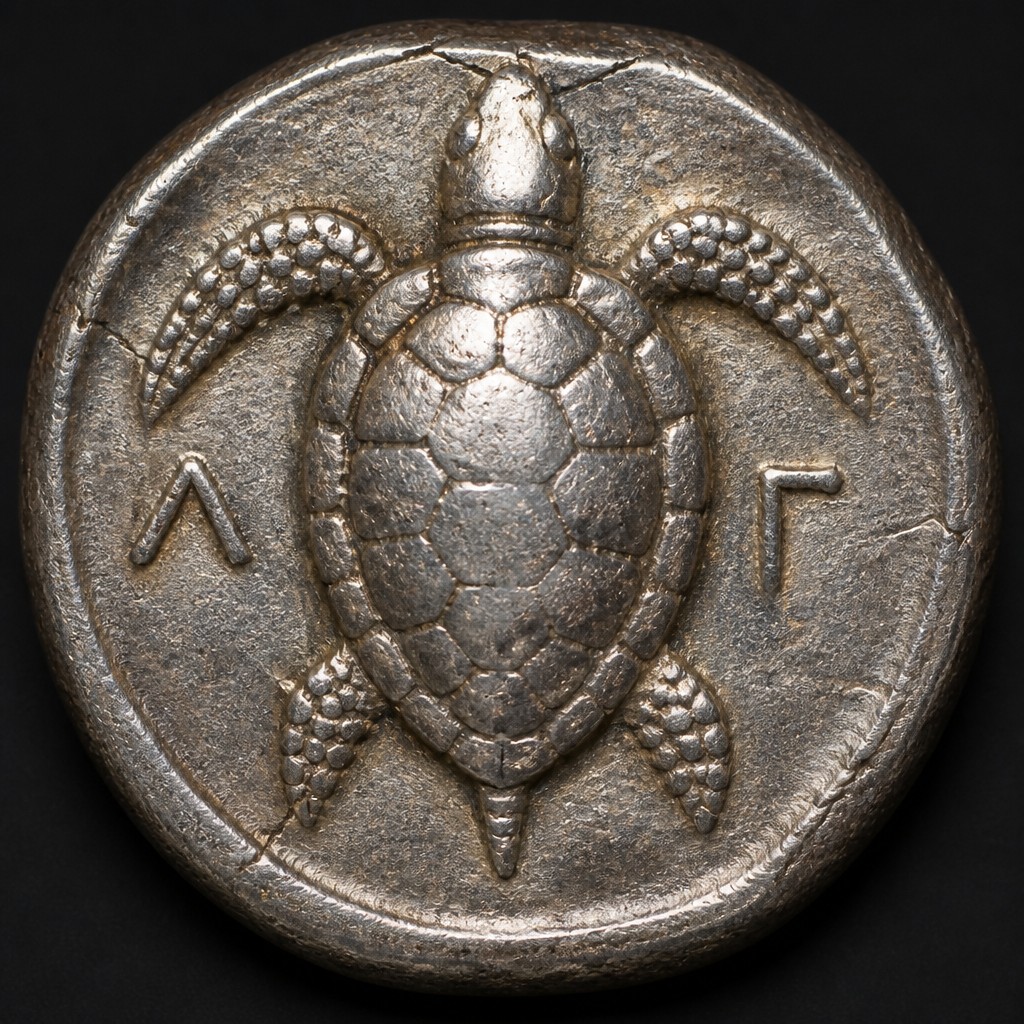
Aegina Sea Turtle Stater
One of the earliest widely circulated Greek silver coins, struck by the island city-state of Aegina, featuring a sea turtle and later a land tortoise, and nicknamed simply 'turtles' by ancient traders.
- Country
- Ancient Aegina (Greece)
- Denomination
- Stater
- Metal
- Silver
Got a coin like this?
Identify any coin from a photo, free.
Overview
The Aegina stater is among the oldest and most historically important Greek silver coin types, produced by the small but commercially powerful island city-state of Aegina beginning in the 7th century BC. Its consistent turtle design made it instantly recognizable, and the coin type was so dominant in early Greek trade that "turtles" became a common nickname for money itself in parts of the ancient Greek world.
Collectors value Aegina staters as tangible examples of some of the earliest true two-sided Greek coinage, predating the more elaborate pictorial styles that later became common across the Greek world.
History & Background
Aegina, a small island in the Saronic Gulf near Athens, developed into a major maritime trading power in the Archaic period and is traditionally credited as one of the first Greek city-states, alongside Aegina's neighbors on the Ionian coast, to strike silver coinage on a large scale, beginning around the 7th century BC. Its sea turtle design became one of the most widely recognized and trusted currencies in the early Greek world, circulating extensively due to Aegina's extensive trading networks.
Aegina's coinage type changed following its defeat and subjugation by its rival Athens in 456 BC, after which the sea turtle motif was replaced by a land tortoise design, a change some scholars interpret as symbolically marking Aegina's fall from maritime naval power to a more subdued status. Production continued in adjusted forms for a considerable time afterward as Aegina remained an active, if diminished, minting center.
How to Identify
The obverse of the earlier type shows a sea turtle depicted with a smooth, segmented shell and a distinct row of dots or a line down its back representing its spine, viewed from above. After 456 BC, the design changed to a land tortoise, generally recognizable by a different shell pattern with a more clearly segmented, dome-like carapace.
The reverse in the earliest issues consists of a simple incuse square divided into compartments by intersecting lines, sometimes called a "windmill" or "skew" pattern, reflecting the coin's early, minimalist stage in the development of two-sided coinage; later issues developed more refined incuse patterns.
The coin is struck in silver on the so-called Aeginetan weight standard, a distinct standard used across parts of the Greek mainland and Aegean islands, generally producing a stater somewhat heavier than the Attic standard tetradrachm used by Athens. Collectors distinguish the earlier sea turtle type from the later land tortoise type primarily through the shell pattern and, more broadly, date the coin by comparing incuse reverse style and overall die characteristics against established typological sequences.
Value & Collectibility
Aegina sea turtle and land tortoise staters are relatively available on the ancient coin market given their long production run and wide ancient circulation, making them accessible entry points for collectors interested in very early Greek coinage. Well-struck, well-centered examples with clear turtle or tortoise detail are more desirable.
Earlier, cruder sea turtle issues from the coin's earliest period of production can carry a premium for their historical importance as some of the very first widely circulated Greek silver coins, while exceptional condition and strong strikes across any period increase value.
Frequently asked questions
Why did the design change from a sea turtle to a land tortoise?
The change occurred after Aegina's defeat by Athens in 456 BC, and many scholars believe the shift from a sea creature to a land creature symbolically reflected the loss of Aegina's naval power.
Why is 'turtle' used as a nickname for money in ancient sources?
Because Aegina's turtle-type coinage circulated so widely and for so long across the early Greek world, the term became a colloquial way to refer to coined money more generally.
What does the reverse incuse pattern look like?
Early issues typically show a simple incuse square divided by lines into compartments, sometimes described as a windmill or skew pattern, characteristic of very early Greek coin reverses.
Is this one of the oldest Greek coin types?
Yes, Aegina's turtle coinage is considered one of the earliest widely circulated silver coinages in the Greek world, dating back to the 7th century BC.
Other coins you may enjoy
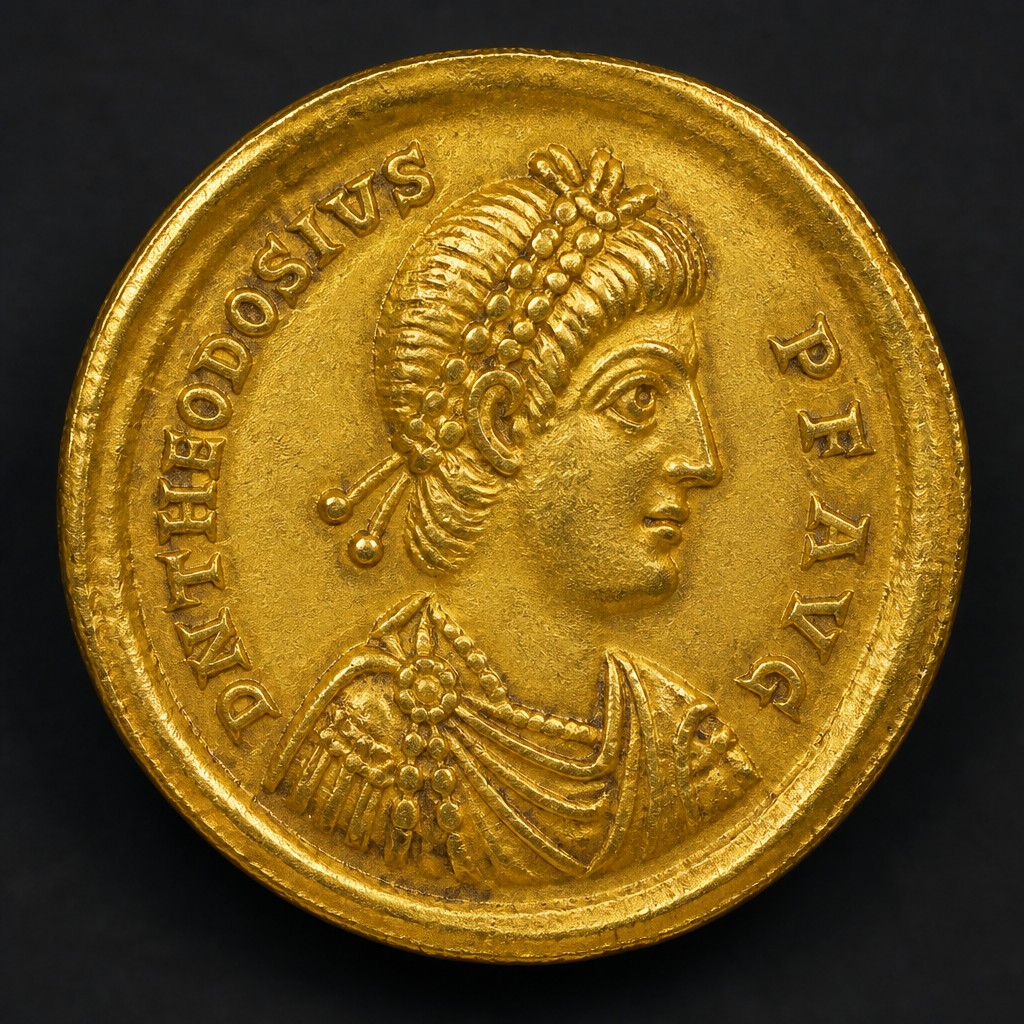
Theodosius I Solidus
379–395 AD
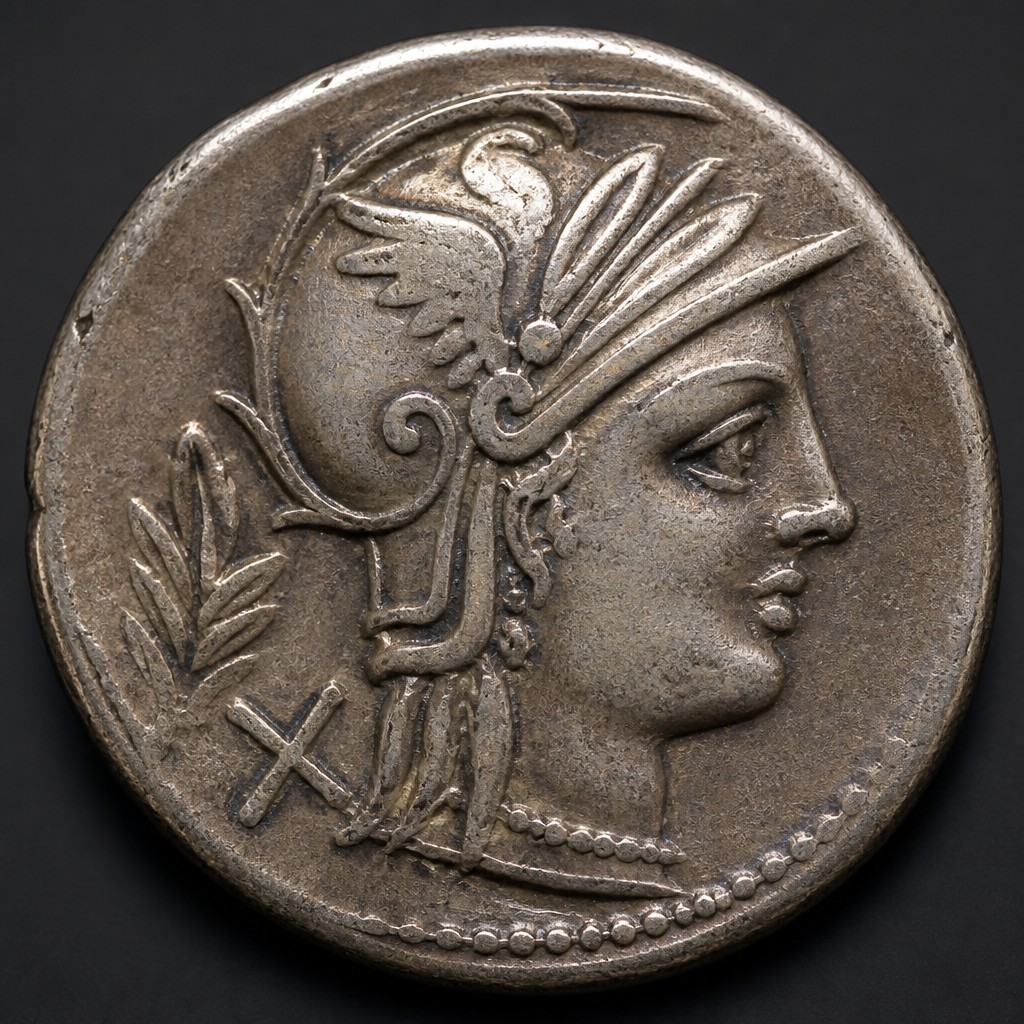
Republican Victoriatus
c. 211–170 BC
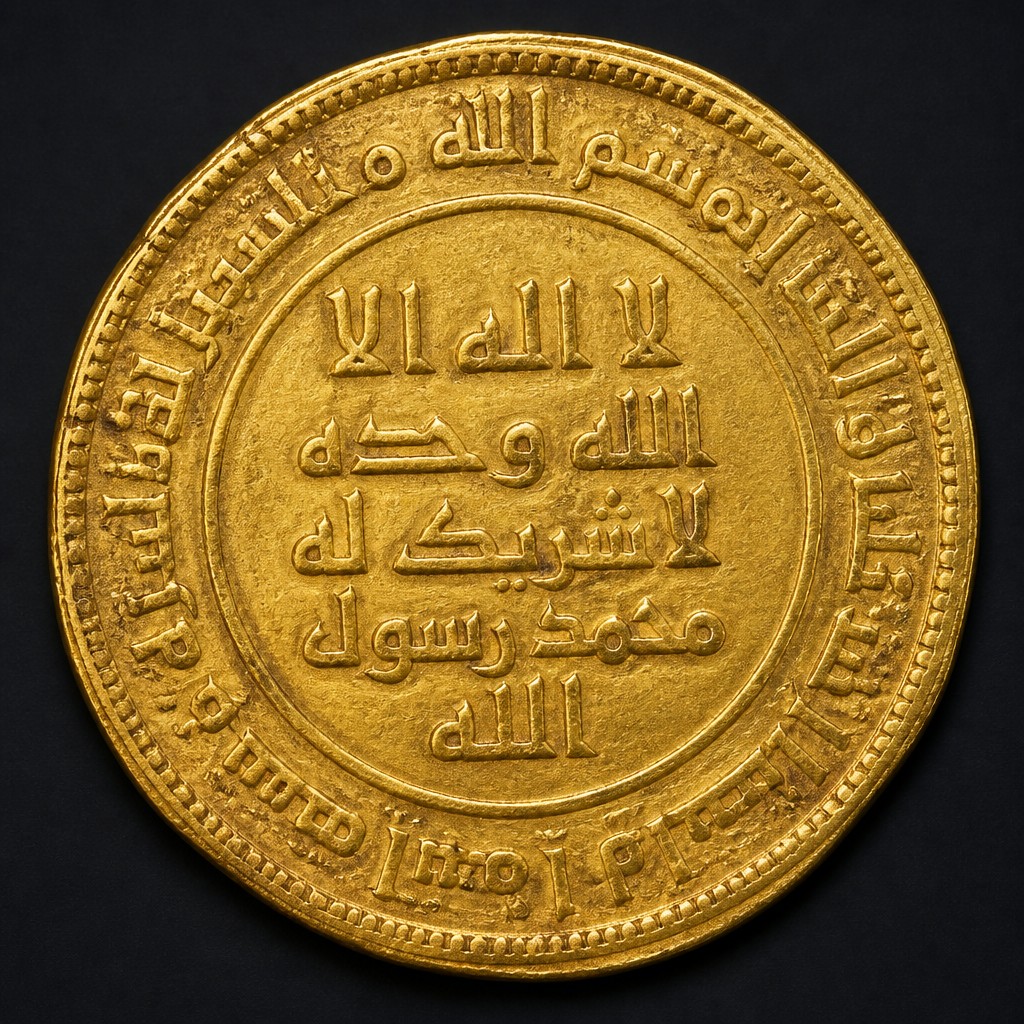
Islamic Gold Dinar (Umayyad)
c. 696–750 AD
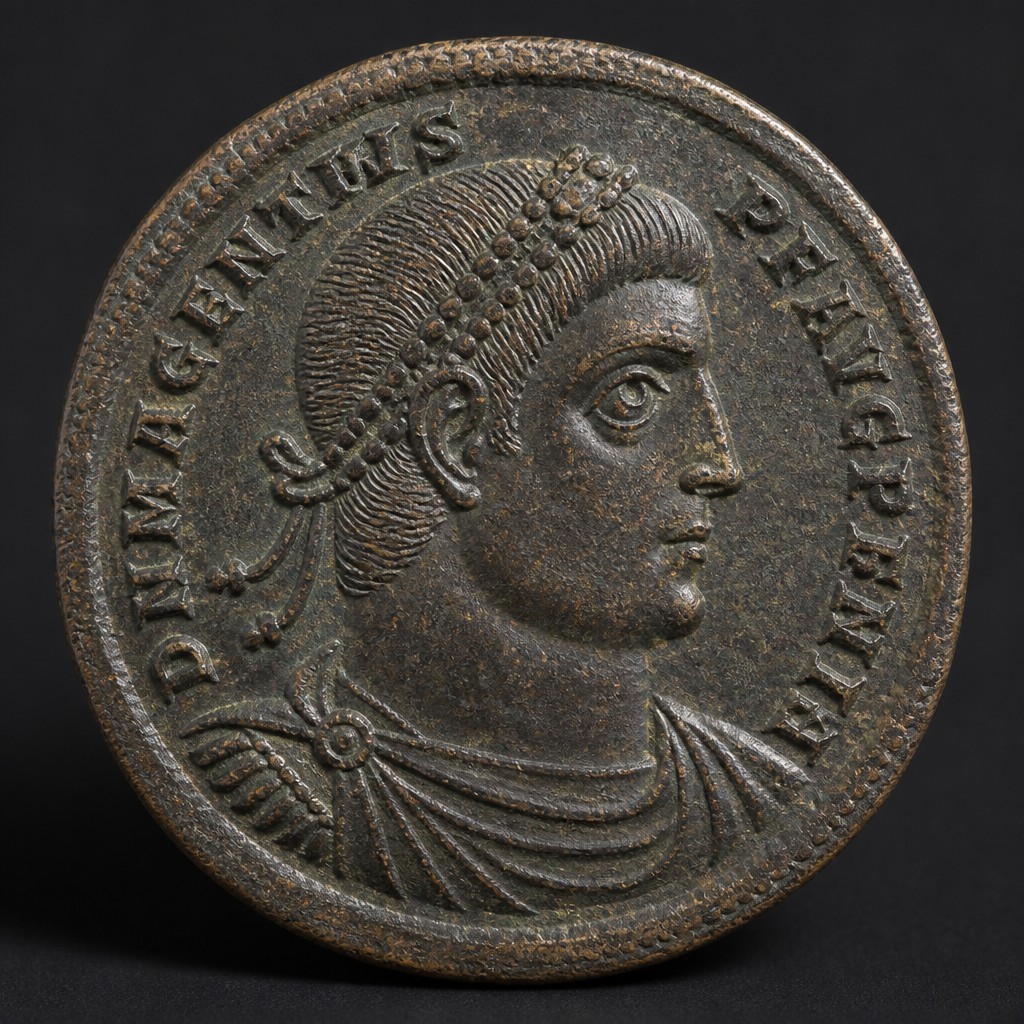
Magnentius Double Centenionalis
350–353 AD
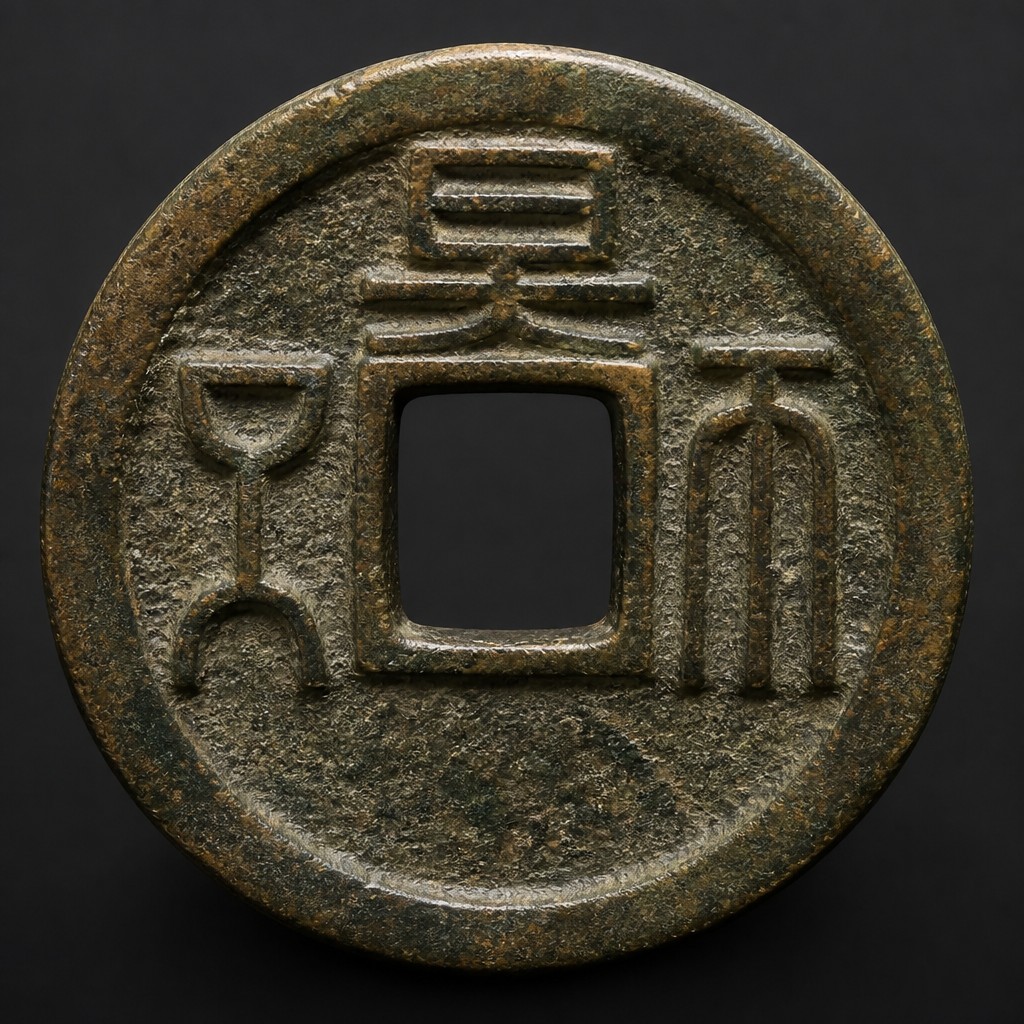
Chinese Wu Zhu Cash
118 BC – 618 AD
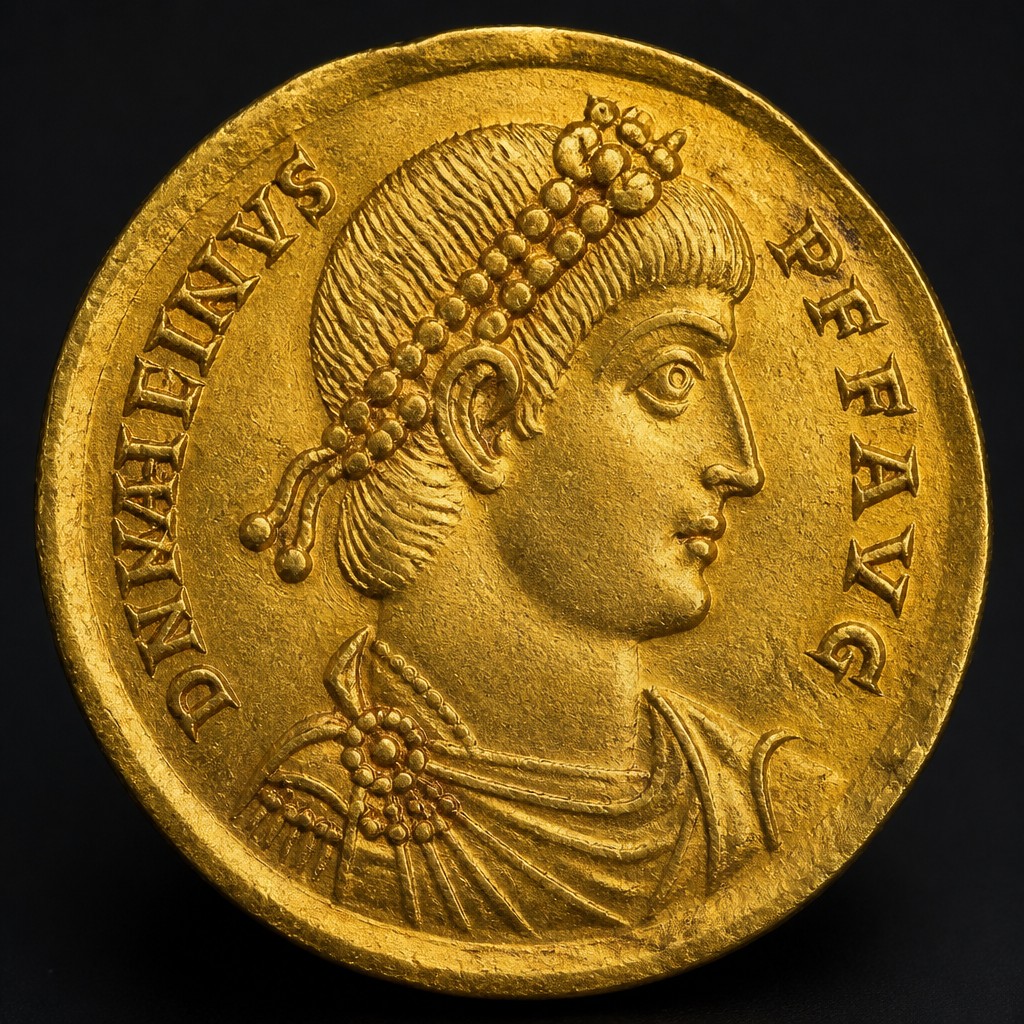
Valentinian I Solidus
364–375 AD
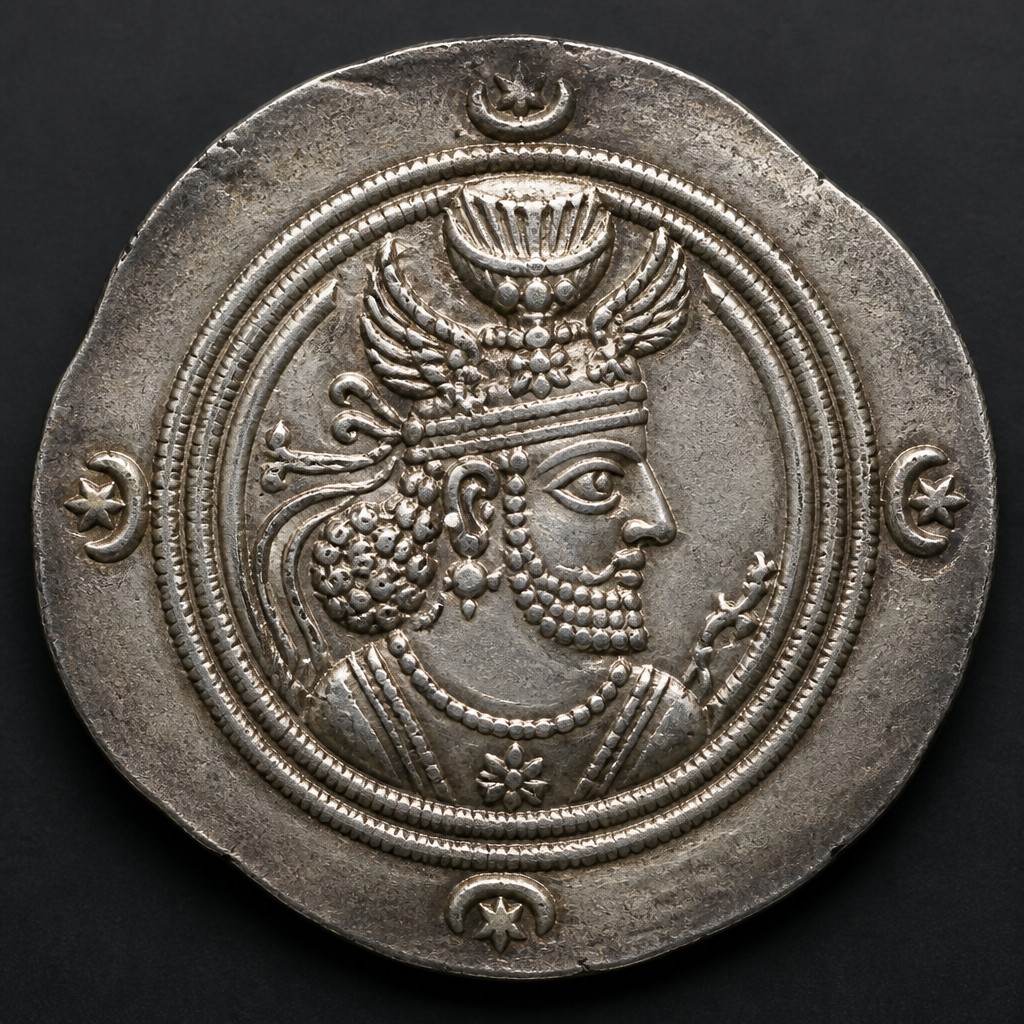
Sassanian Silver Drachm
c. 224–651 AD
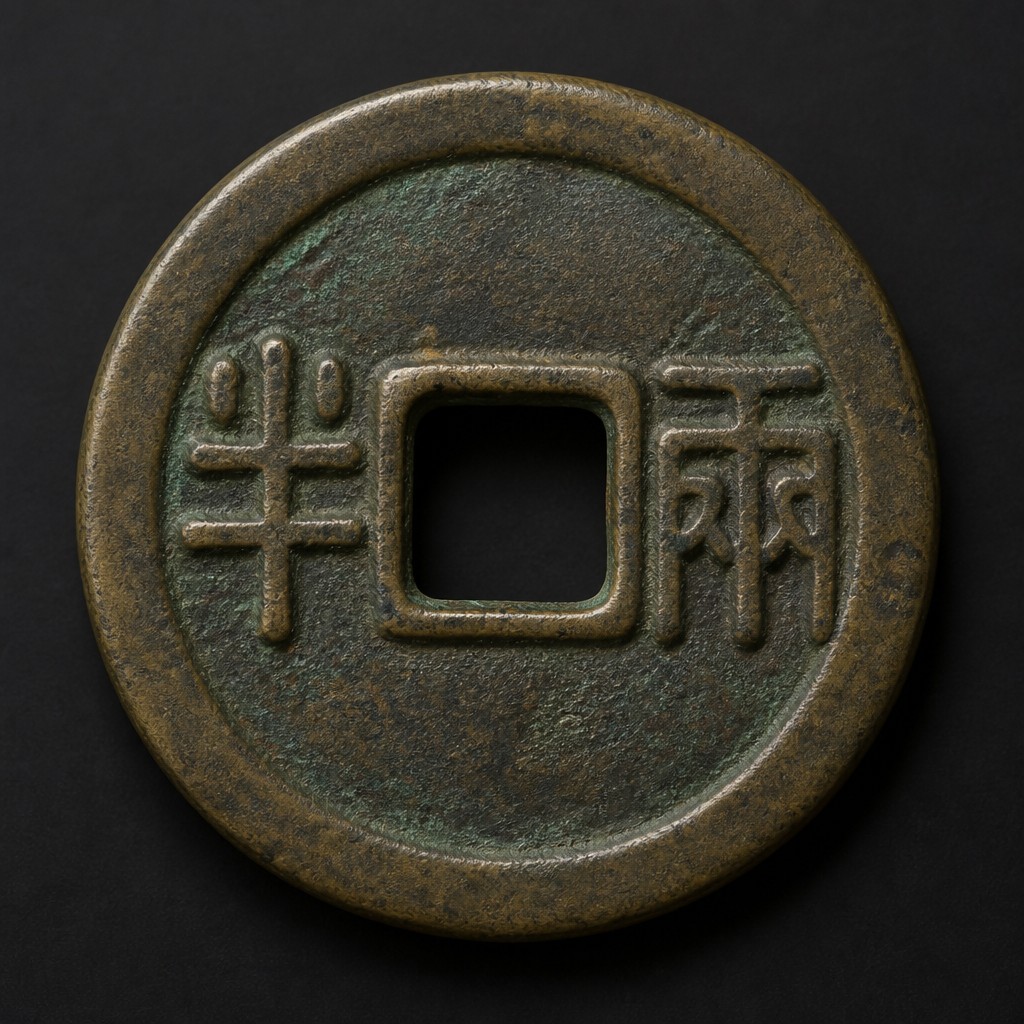
Chinese Ban Liang Cash
c. 221–118 BC
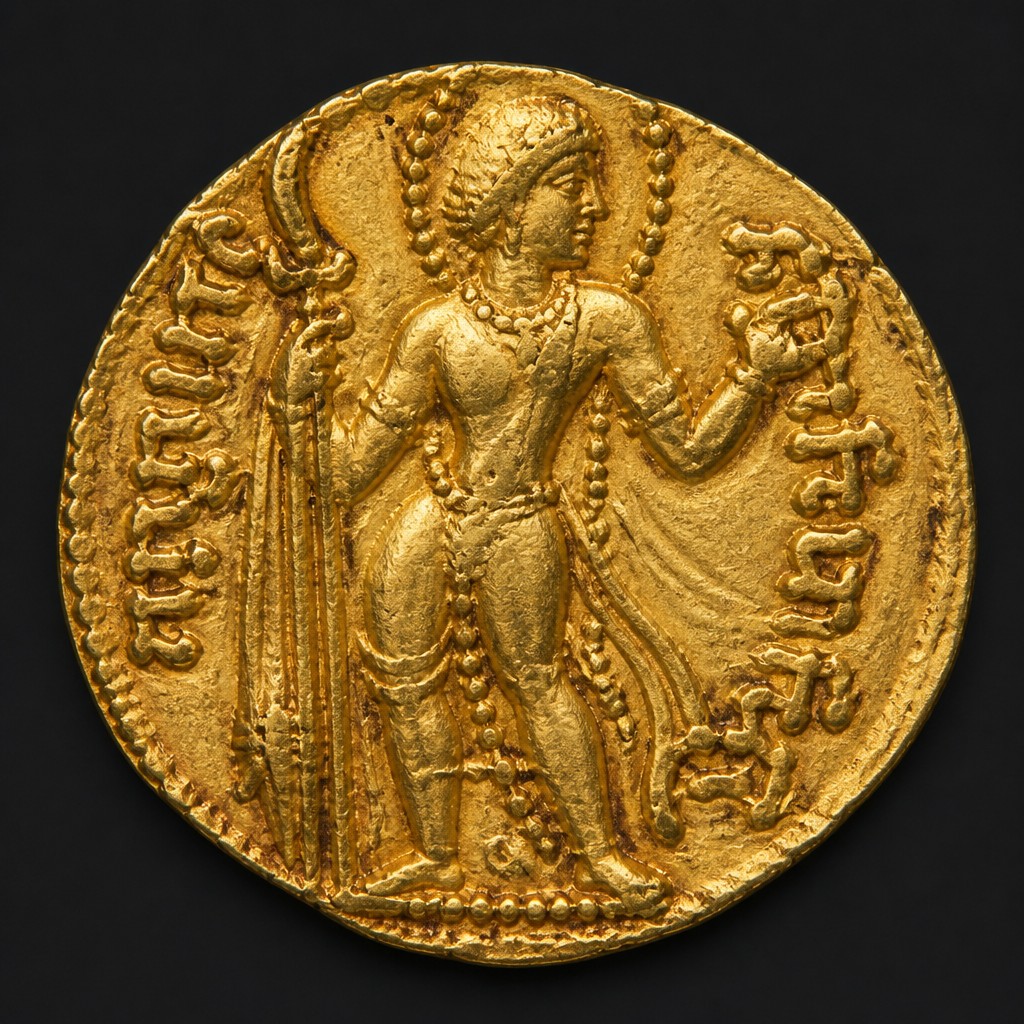
Gupta Empire Gold Dinar
c. 320–550 AD
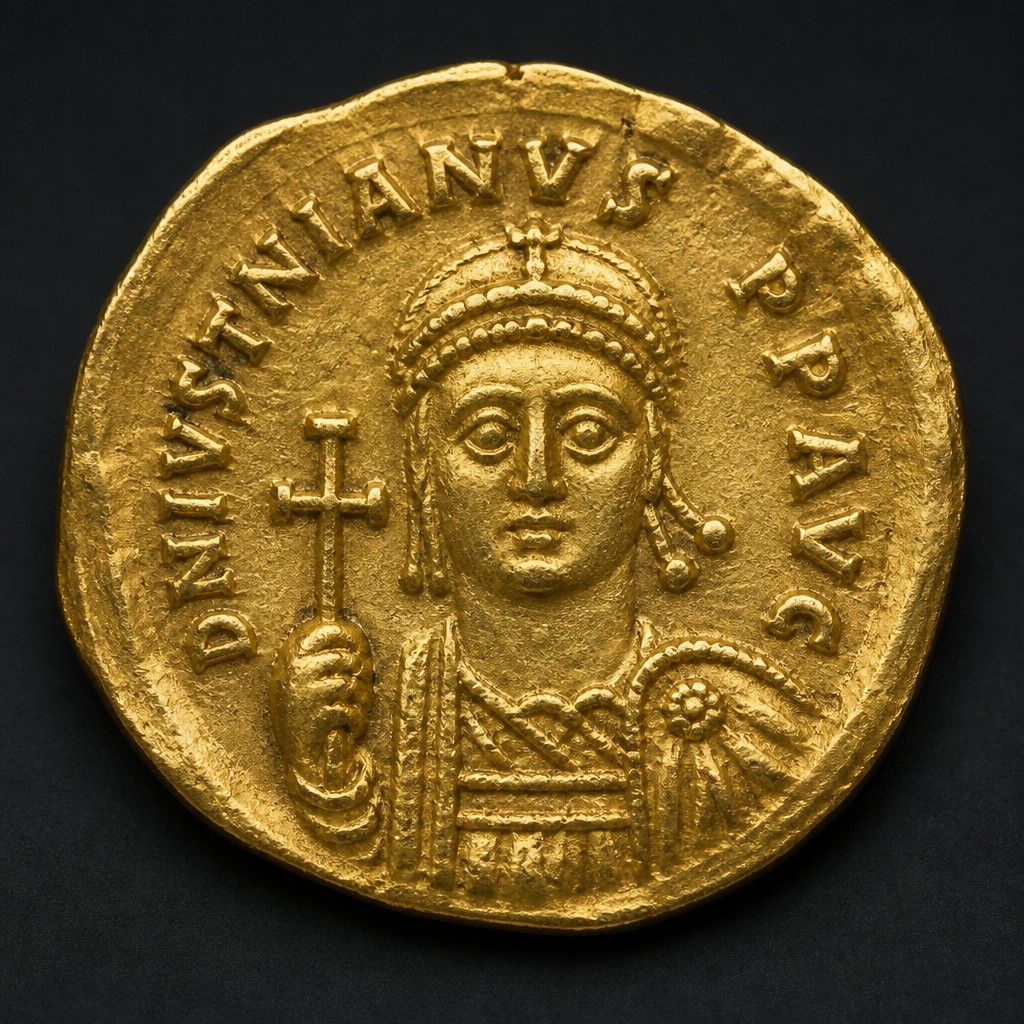
Byzantine Gold Tremissis
c. 4th–7th century AD
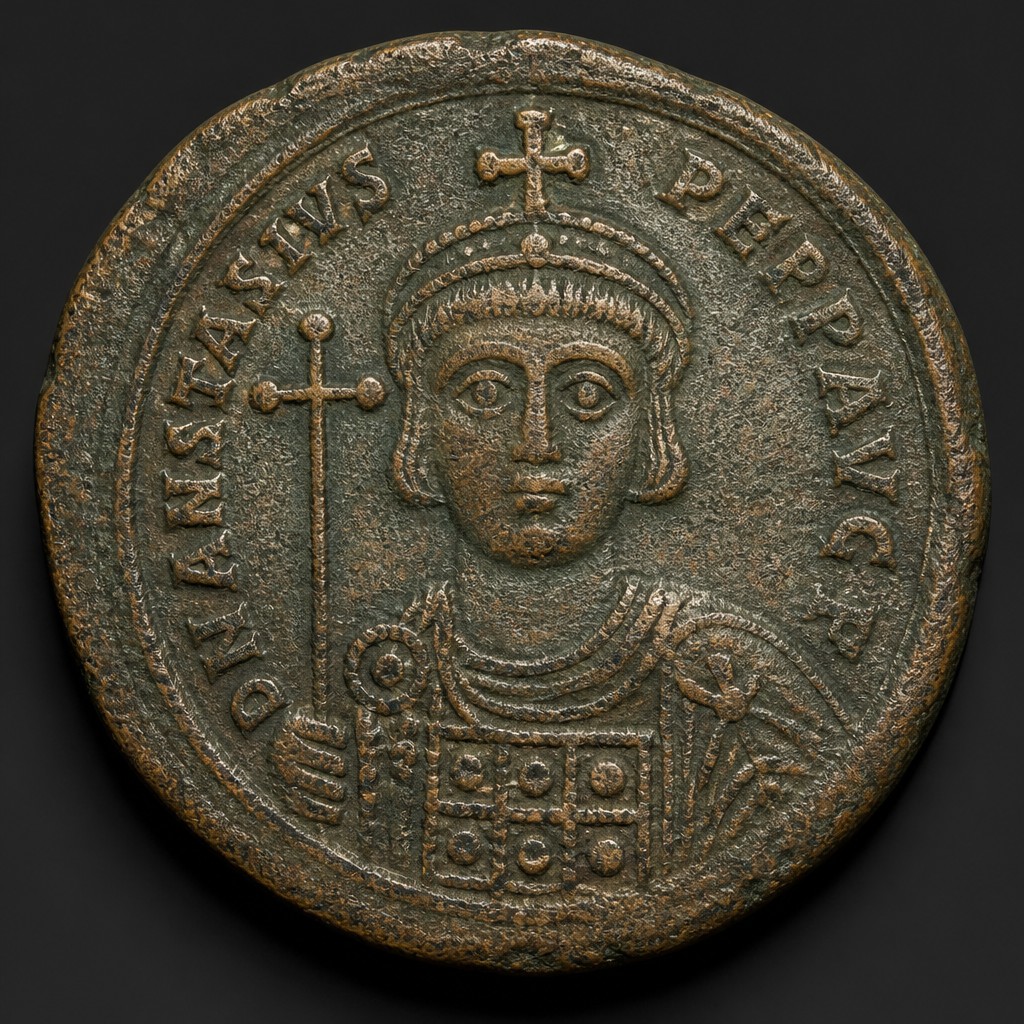
Byzantine Follis
498–c. 11th century AD
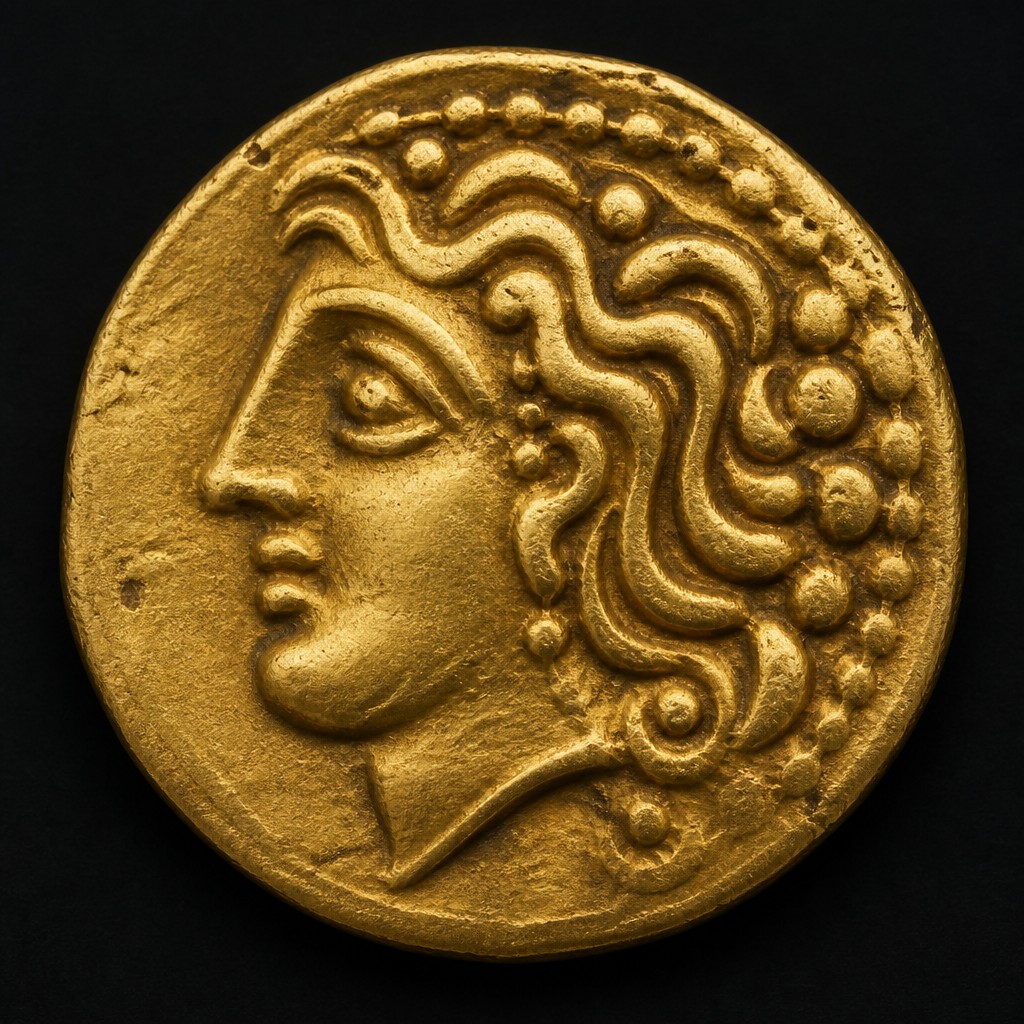
Celtic Gold Stater
c. 3rd century BC – 1st century AD