
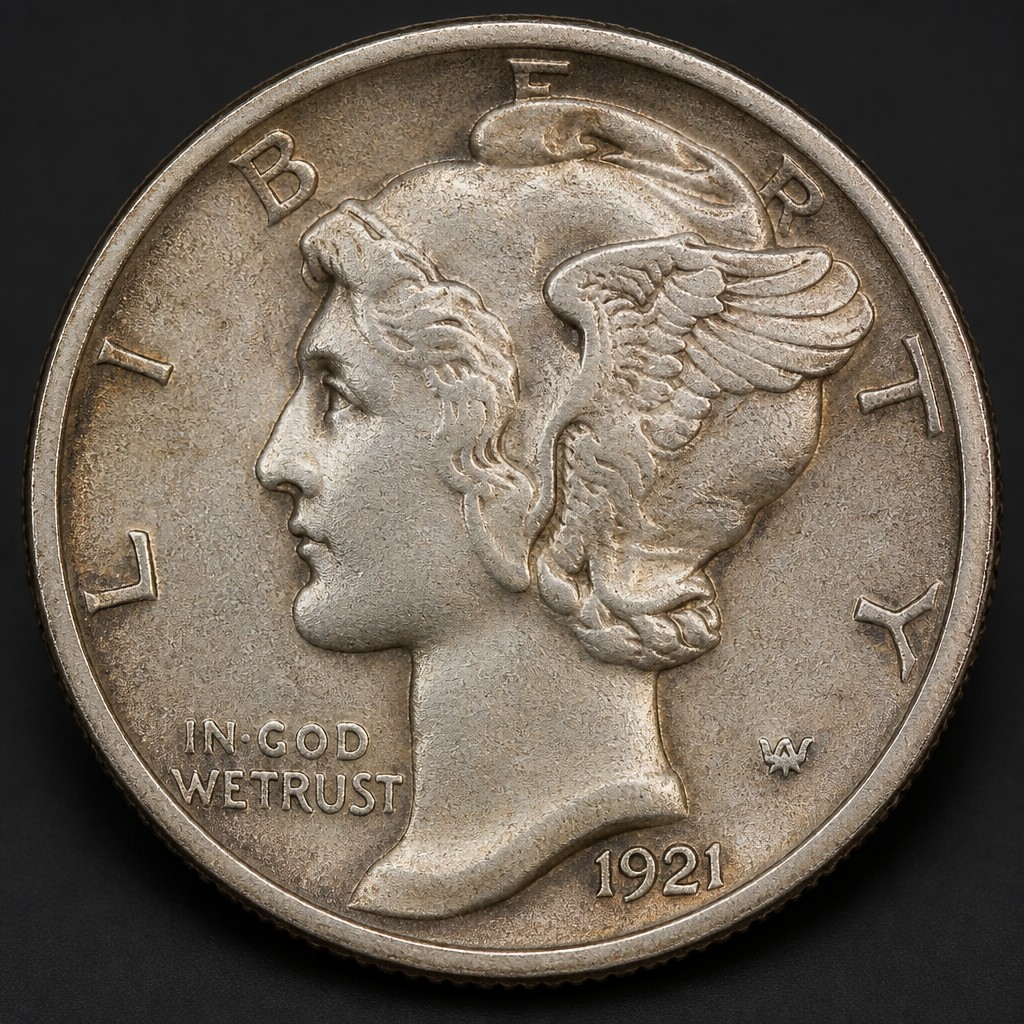
1921 Mercury Dime
A key date of the Mercury dime series, struck in unusually low numbers amid a post-World War I economic slowdown that reduced coinage demand nationwide.
- Country
- United States
- Denomination
- Dime (Ten Cents)
- Metal
- 90% Silver, 10% Copper
Got a coin like this?
Identify any coin from a photo, free.
Overview
The 1921 Mercury Dime, along with its Denver-minted counterpart the 1921-D, stands out as one of the two key dates within the otherwise plentiful Mercury dime series (1916-1945). A sharp post-World War I economic slowdown reduced the need for new coinage, leading the Mint to strike far fewer dimes that year than in most others in the series.
Adolph Weinman's iconic Winged Liberty Head design, often mistaken for the Roman god Mercury due to the winged cap symbolizing liberty of thought, is considered one of the most artistically admired coin designs in American history, making even common dates popular with collectors.
For those assembling a full Mercury dime set by date and mint, the 1921 (Philadelphia) and 1921-D (Denver) are consistently the two coins that require the most patience and budget to acquire in nice condition.
History & Background
The Mercury dime, officially the Winged Liberty Head dime, was designed by sculptor Adolph A. Weinman and introduced in 1916 to replace the long-running Barber design. Weinman depicted Liberty wearing a winged cap symbolizing freedom of thought, a design so evocative of the Roman messenger god that the nickname "Mercury dime" stuck permanently in popular usage.
By 1921, the United States economy was experiencing a sharp postwar recession, with reduced commercial activity translating into lower demand for newly minted coinage across denominations. As a result, the Philadelphia Mint (along with Denver) struck dramatically fewer dimes that year compared to the robust mintages seen both before and after.
This dip in production, driven by broad economic conditions rather than any special commemorative purpose, left the 1921 and 1921-D as lasting anomalies within an otherwise well-supplied series, remembered today as the definitive key dates of Mercury dime collecting.
How to Identify
The obverse shows Liberty's head facing left wearing a winged Phrygian cap, with LIBERTY along the upper border and the motto IN GOD WE TRUST beside her, and the date below. The reverse depicts a fasces (a bound bundle of rods with a protruding axe, symbolizing strength through unity) crossed by an olive branch, with UNITED STATES OF AMERICA around the border and ONE DIME below.
Struck in 90% silver and 10% copper with a reeded edge, the coin follows standard dime specifications of the era. Because Philadelphia coins carry no mint mark, the absence of a mint mark combined with the 1921 date identifies this particular key date; the 1921-D variant shows a small D mint mark to the left of the fasces on the reverse.
Collectors look for full, well-struck bands on the fasces (known as "Full Bands") as a mark of exceptional strike quality, which significantly increases value for Mercury dimes generally, including the 1921 date.
Value & Collectibility
As one of the two key dates of the Mercury dime series, the 1921 dime commands a strong premium over common dates even in worn condition, typically starting in the low hundreds of dollars for well-circulated examples and increasing substantially for coins in extremely fine or better grades. Mint State examples, particularly those with sharp Full Bands, can bring prices well into four figures or more.
Because the coin genuinely circulated during a period before collectors specifically targeted key dates for preservation, high-grade survivors are proportionally scarce relative to the coin's overall rarity ranking within the broader series.
Given its recognized status as a key date, buyers commonly seek examples certified by a major third-party grading service, both to confirm grade and to verify any Full Bands designation that significantly affects value.
Frequently asked questions
Why is 1921 a key date for Mercury dimes?
A postwar economic slowdown reduced coinage demand, leading to a much smaller mintage that year compared to most other Mercury dime dates.
What is the difference between the 1921 and 1921-D dime?
The 1921 was struck in Philadelphia with no mint mark, while the 1921-D was struck in Denver and carries a small D mint mark on the reverse; both are considered key dates.
Why is it called the Mercury dime?
The winged cap on Liberty's head, symbolizing freedom of thought, resembles the winged helmet of the Roman god Mercury, giving rise to the popular nickname.
What are 'Full Bands' on a Mercury dime?
It refers to fully separated, well-struck horizontal bands on the fasces on the reverse, a mark of strong strike quality that increases a coin's collector value.
Other coins you may enjoy
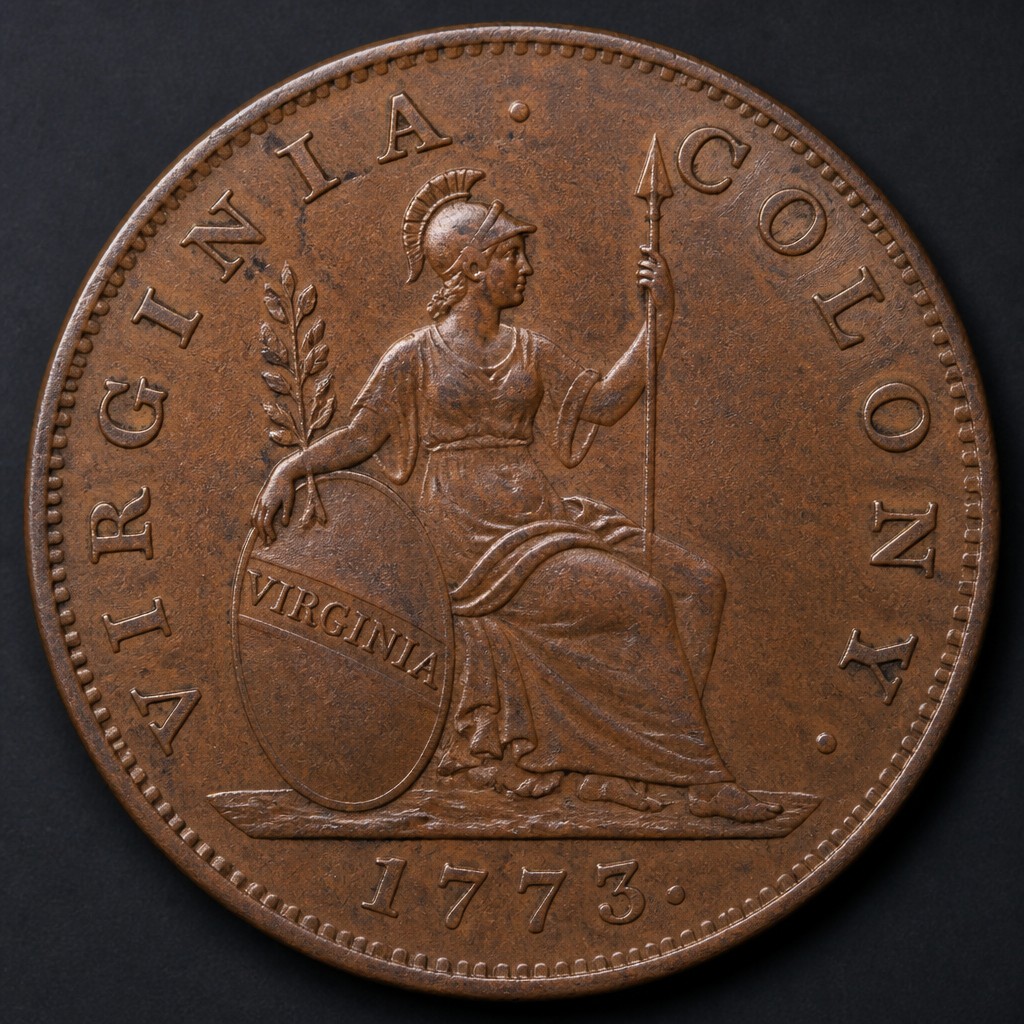
Virginia Halfpenny
1773
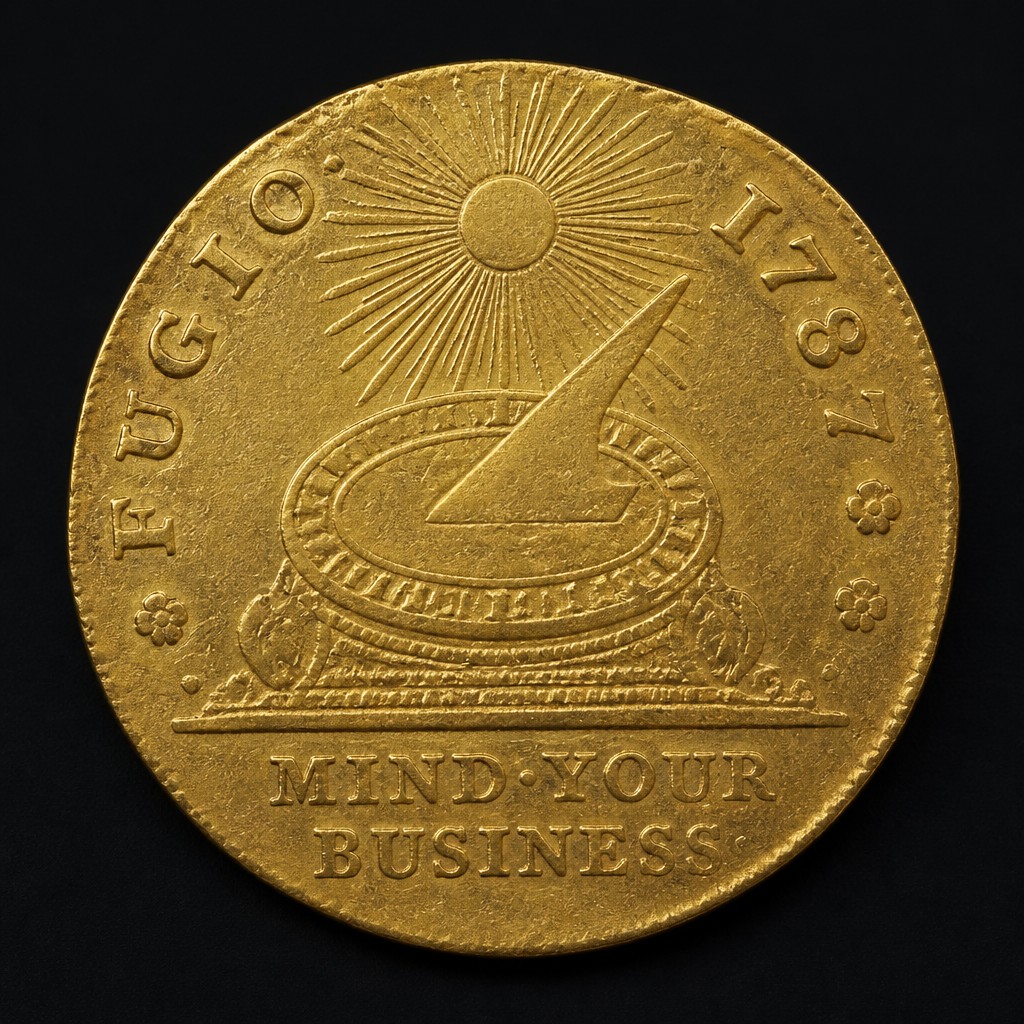
Brasher Doubloon
1787
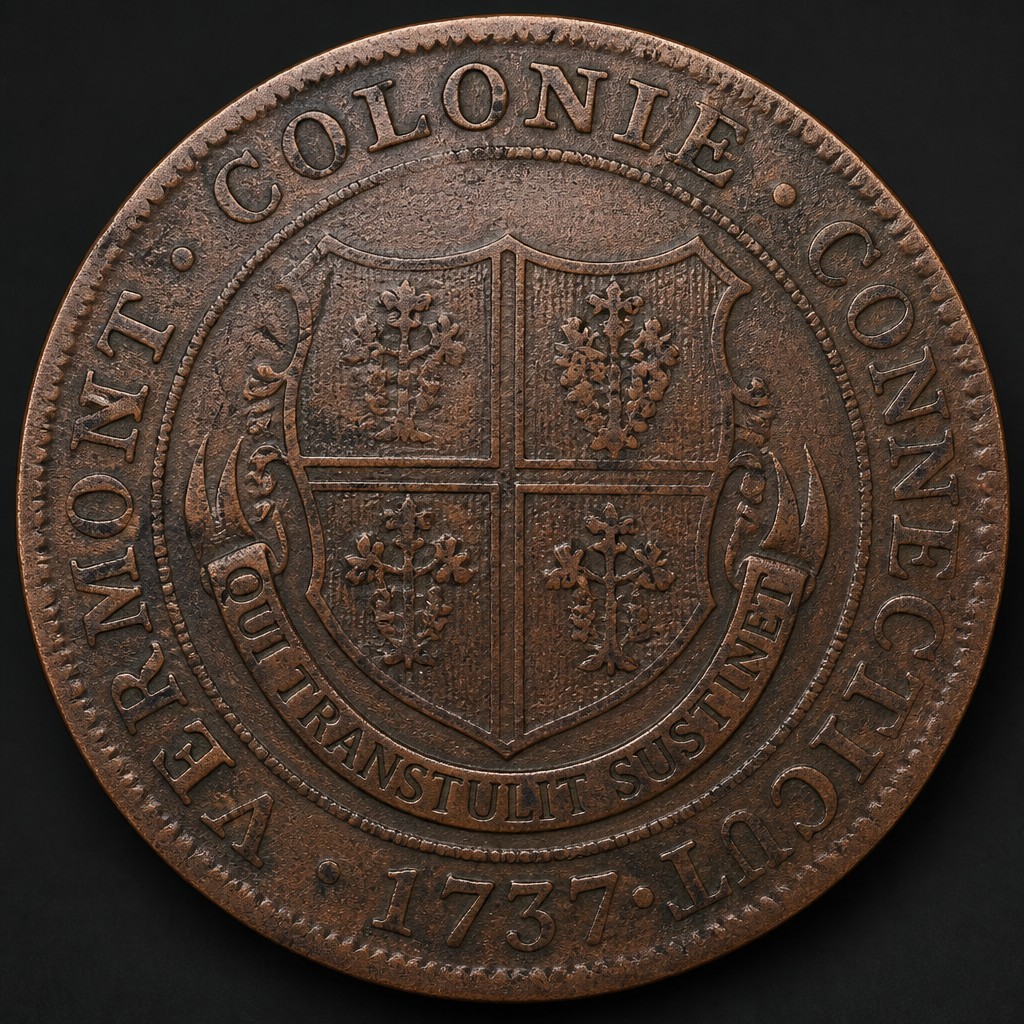
Higley Copper
1737–1739
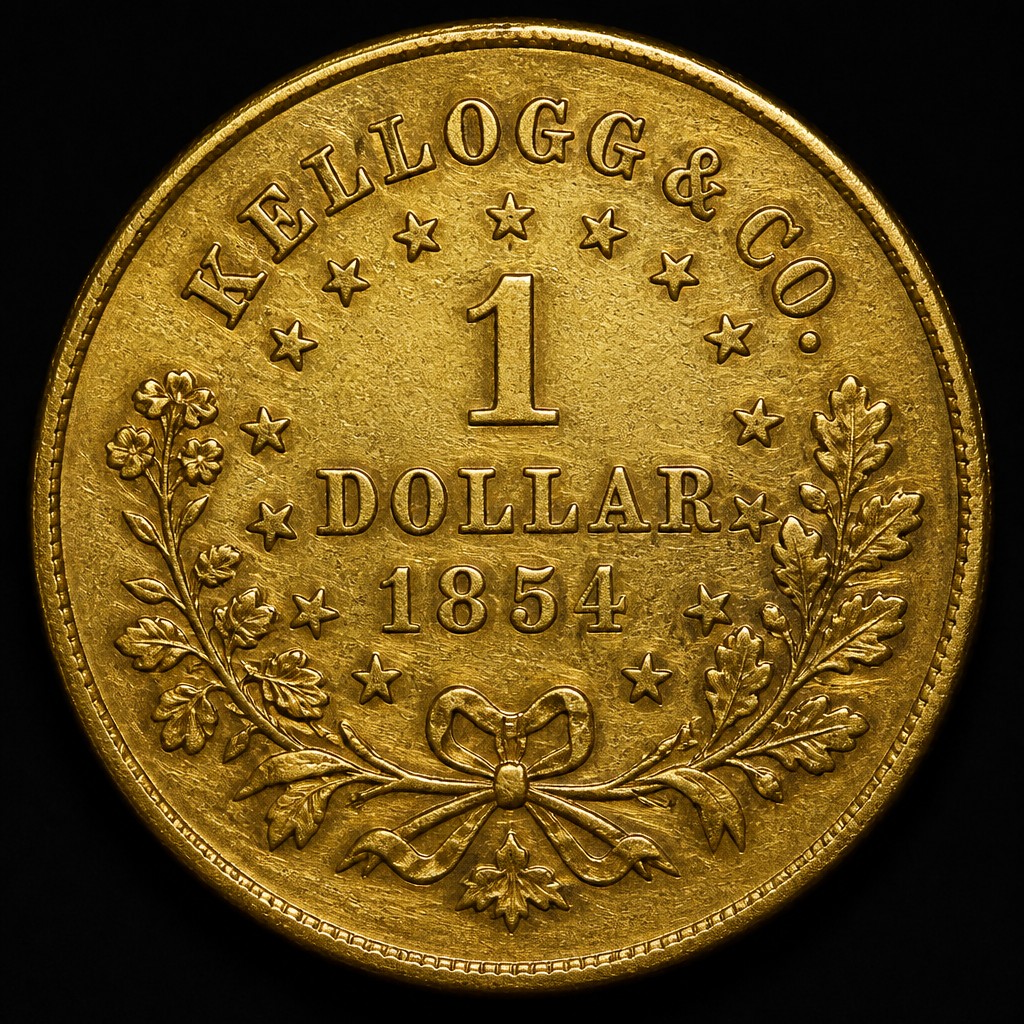
Kellogg & Co. Gold Piece
1854–1855
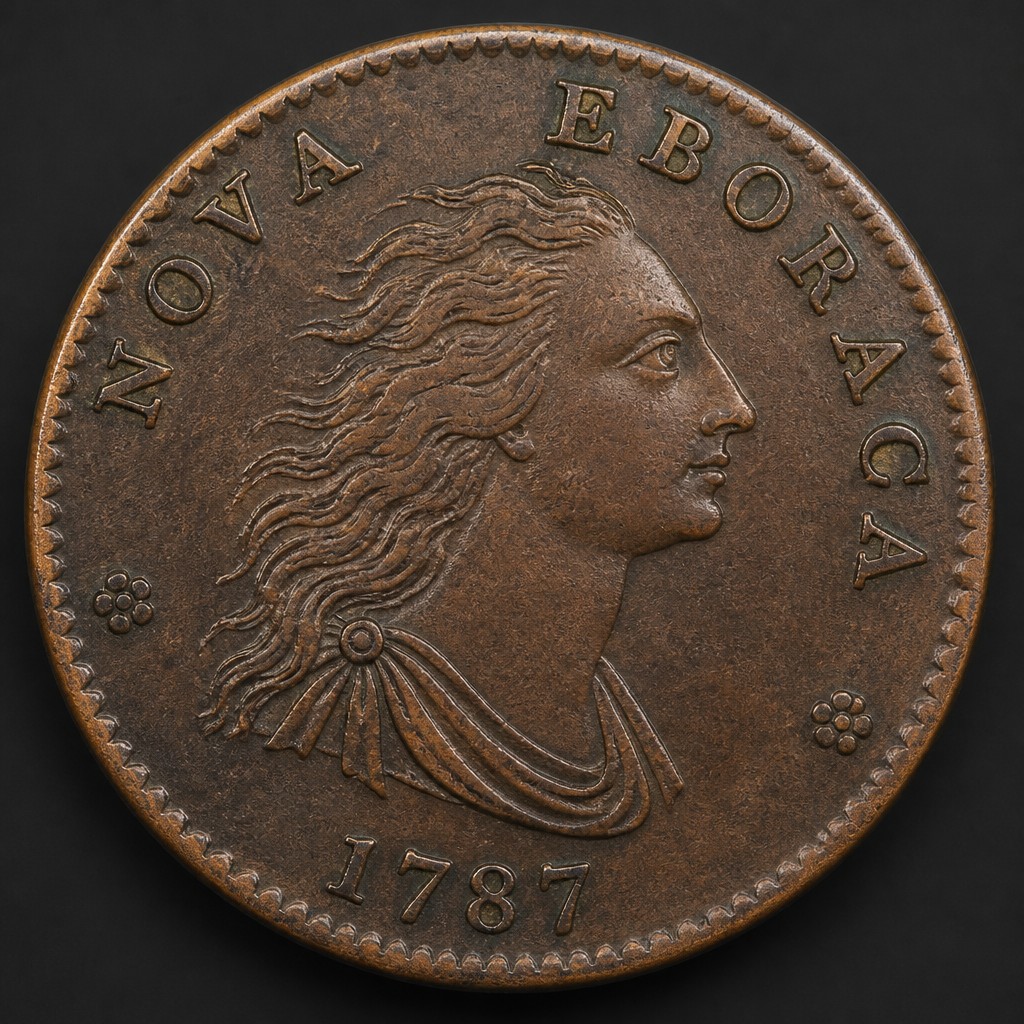
Nova Eborac Copper
1787
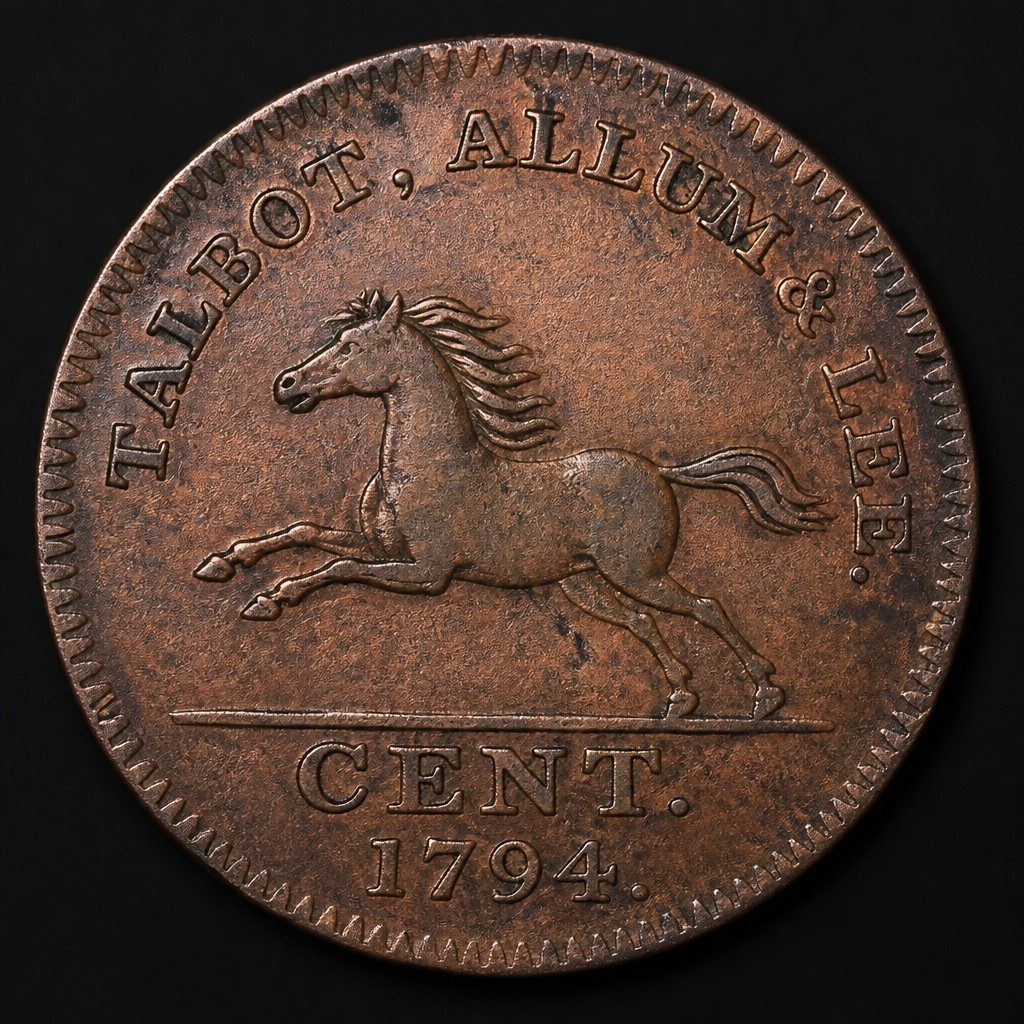
Talbot, Allum & Lee Cent
1794–1795
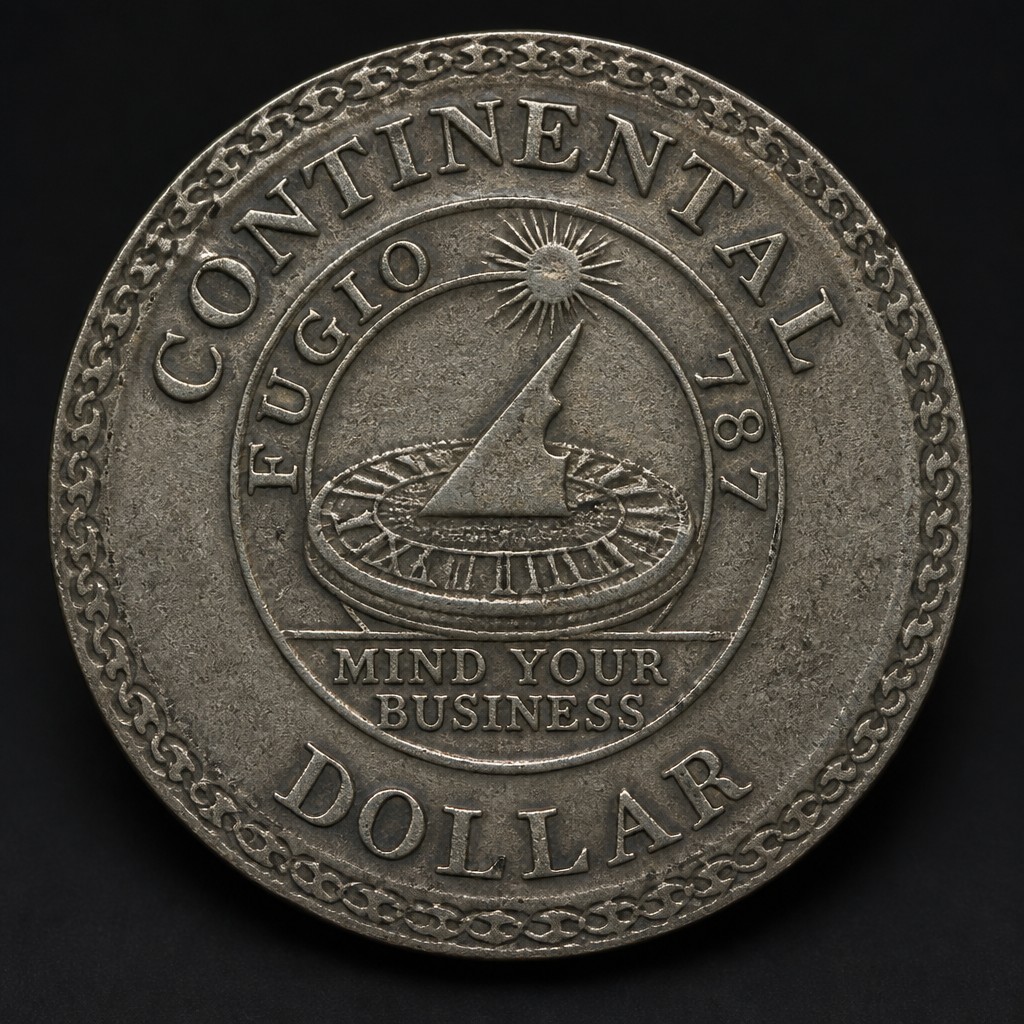
Continental Dollar
1776
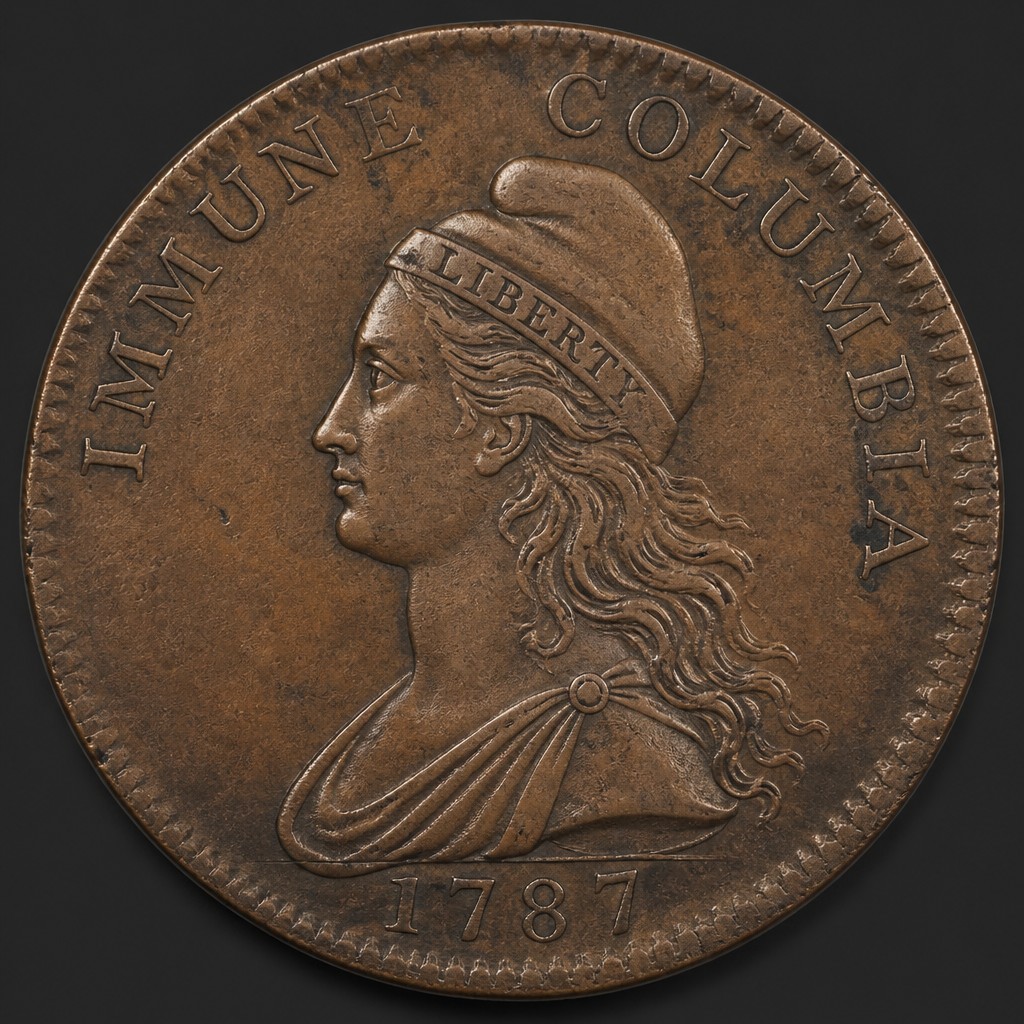
Immune Columbia Copper
circa 1785–1787
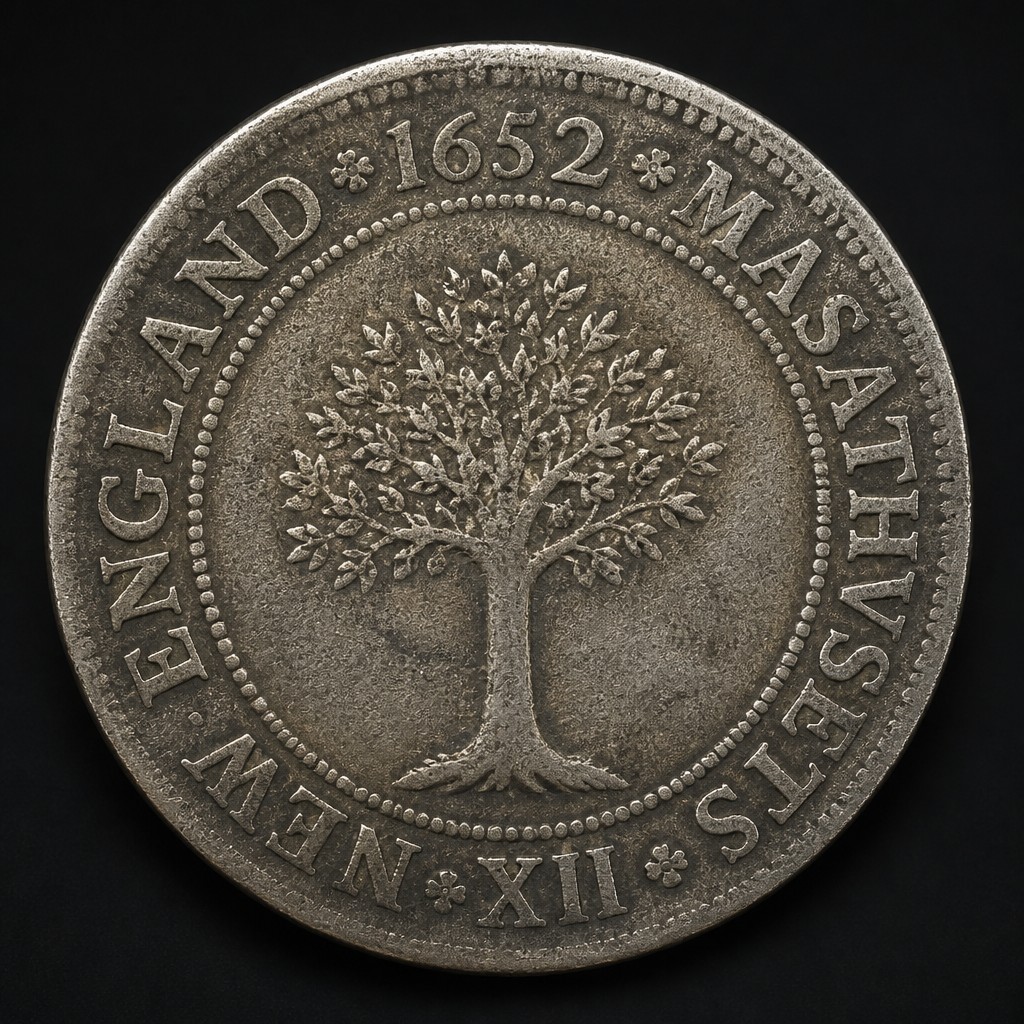
Massachusetts Oak Tree Shilling
Dated 1652, struck circa 1660–1667
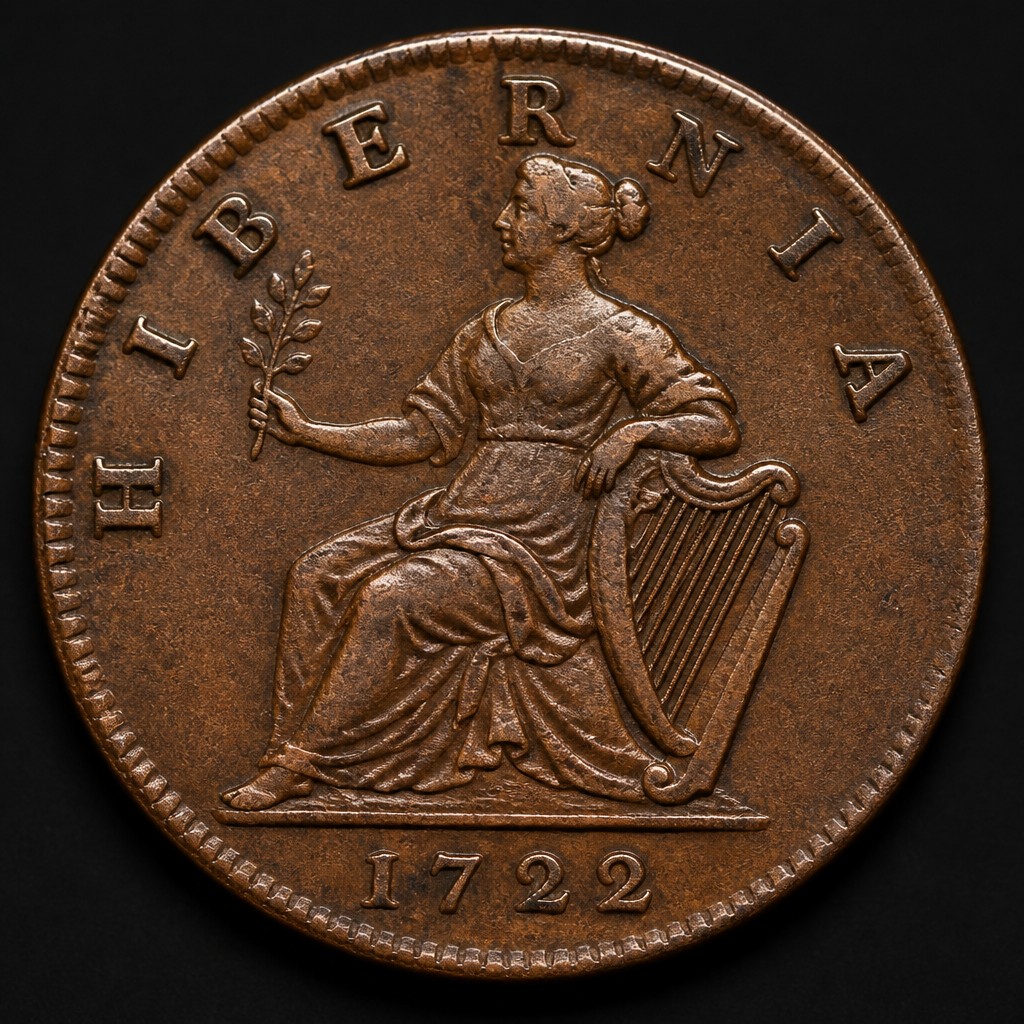
Wood's Hibernia Halfpenny
1722–1724
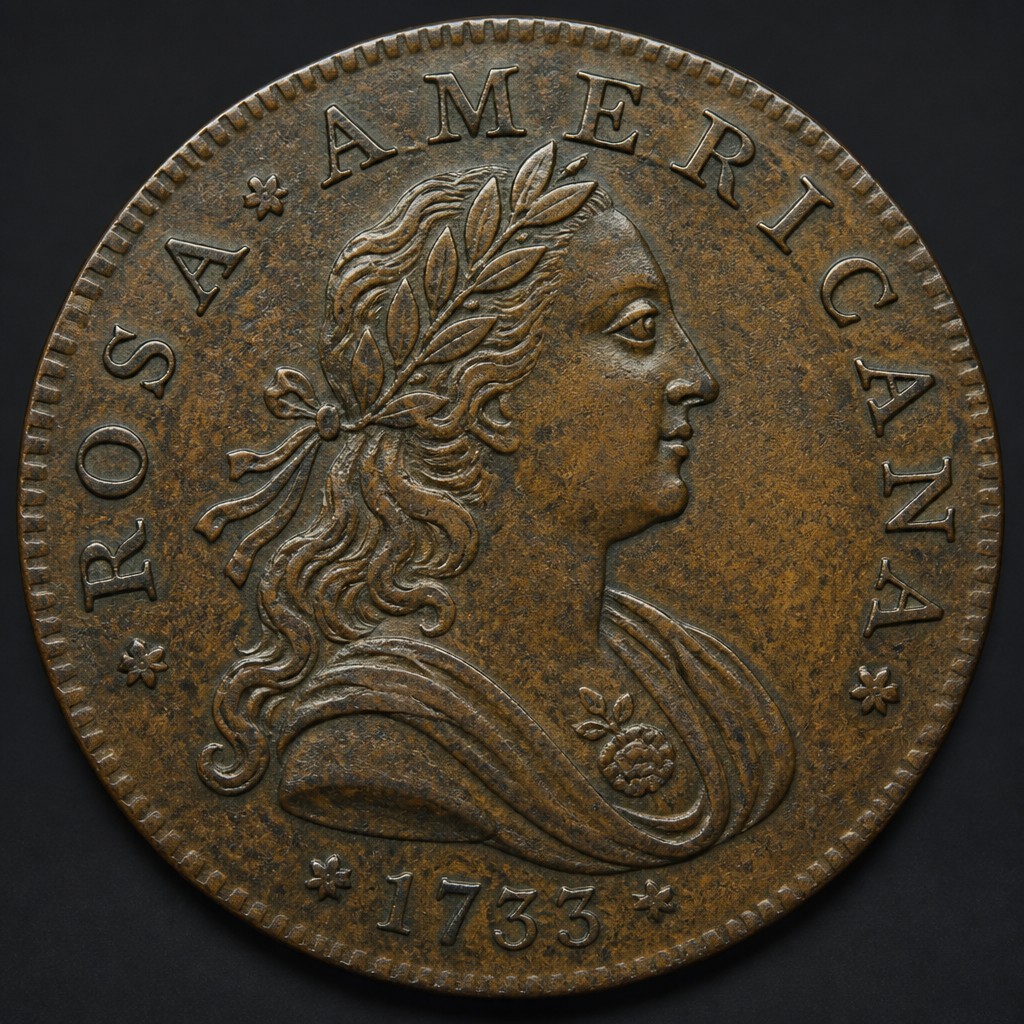
Rosa Americana Coinage
1722–1724 (with pattern issues dated 1733)
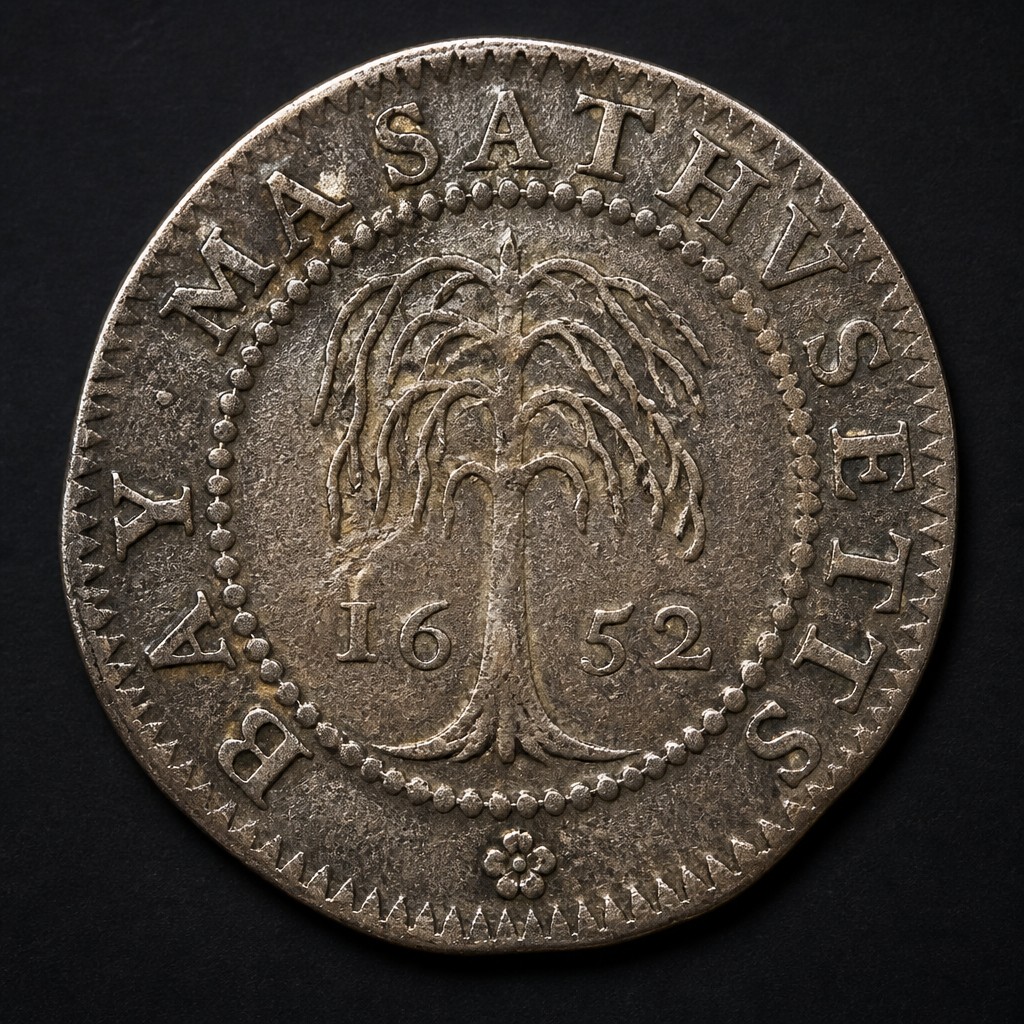
Massachusetts Willow Tree Shilling
Dated 1652, struck circa 1653–1660