
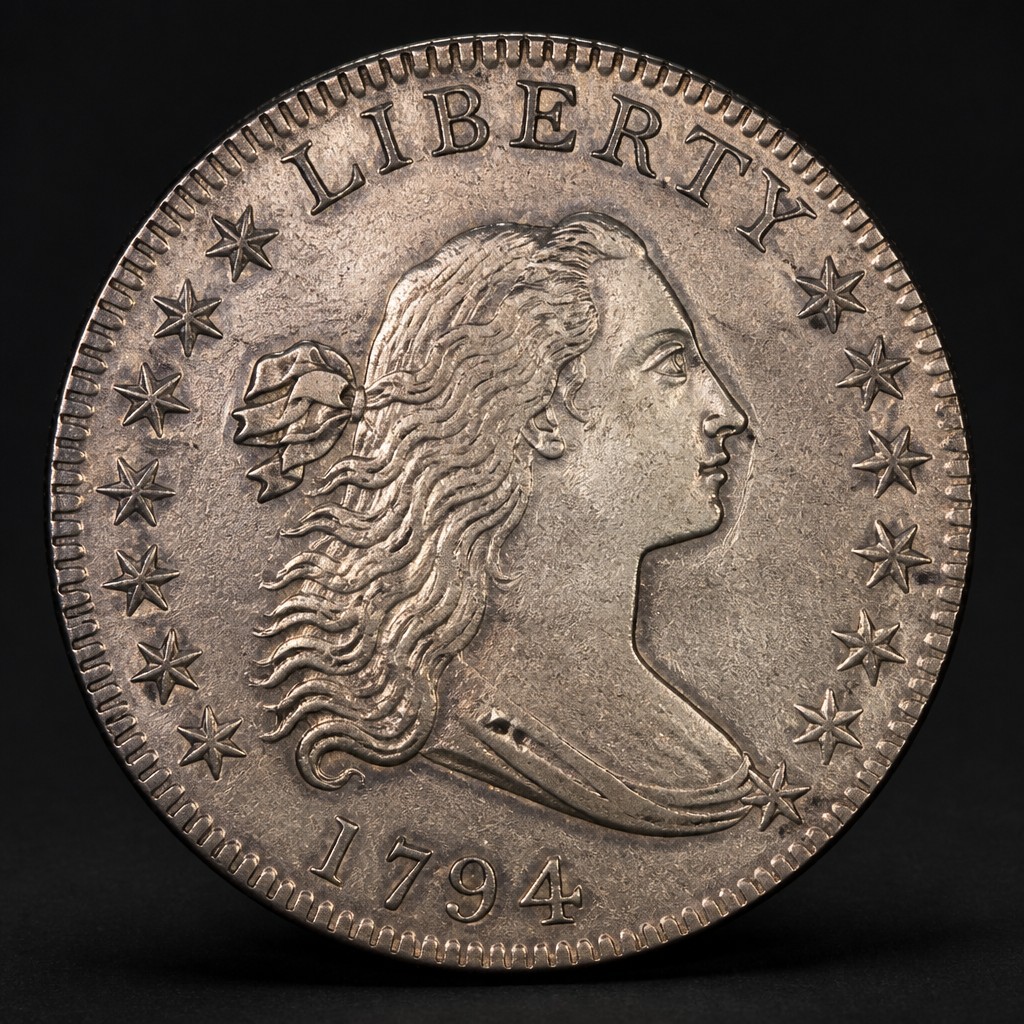
Flowing Hair Half Dime
One of the earliest United States silver coins, the Flowing Hair Half Dime was struck only in 1794 and 1795 and is a landmark rarity for early American coinage collectors.
- Country
- United States
- Denomination
- Half Dime (Five Cents)
- Metal
- Silver
Got a coin like this?
Identify any coin from a photo, free.
Overview
The Flowing Hair Half Dime is among the very first coins struck for circulation by the young United States Mint, making it a foundational piece for anyone collecting early American numismatics. Its brief, two-year production window and low surviving population place it firmly in the realm of advanced and well-funded collectors.
Because so few high-quality examples survive, even modestly worn Flowing Hair Half Dimes attract strong interest at auction. The coin is often collected alongside its companion Flowing Hair Dollar and Half Dollar, all sharing the same obverse portrait style by engraver Robert Scot.
Owning one connects a collector directly to the earliest years of the U.S. Mint, when coinage technology, die engraving, and even planchet preparation were still being refined.
History & Background
Authorized under the Mint Act of 1792, the half dime was one of the first denominations the fledgling U.S. Mint attempted to produce, following experimental 1792 half dismes that some accounts associate with silver supplied from the household of President George Washington, though the regular Flowing Hair Half Dime series proper began in 1794. Robert Scot engraved the obverse portrait of Liberty with flowing, unbound hair, a design shared across the era's silver coinage.
Mintages were modest and coins were struck only in 1794 and 1795 before the design was replaced by the Draped Bust type. Striking quality was often inconsistent due to the young Mint's limited equipment and experience, and surviving examples frequently show weak strikes or adjustment marks from hand-filing of underweight planchets.
Because the coin circulated actively in a cash-poor early American economy, most surviving pieces show significant wear, and well-preserved examples are quite scarce relative to demand from collectors of early U.S. type coins.
How to Identify
The obverse depicts a right-facing bust of Liberty with loose, flowing hair, surrounded by stars and the word "LIBERTY" above, with the date below. The reverse shows a small, delicate eagle with outstretched wings within a wreath, encircled by "UNITED STATES OF AMERICA"; this early eagle design lacks a shield, unlike later small-eagle types.
The coin is struck in silver, has a reeded edge, and is small, around 16.5 mm in diameter, noticeably smaller than a modern dime. Because early Mint technology could not always fully strike up the design, weakness is common at the centers, and file marks from adjusting planchet weight are frequently seen on the surfaces.
Collectors distinguish the 1794 and 1795 Flowing Hair type from the subsequent Draped Bust Half Dime primarily by the obverse portrait style, loose flowing hair versus a draped bust with ribbon-tied hair, since both share a similarly sized planchet and small eagle reverse in their earliest form.
Value & Collectibility
Flowing Hair Half Dimes are rare in any condition and command strong prices even in heavily worn grades, reflecting their status as one of the first coins struck by the United States Mint. Well-preserved or attractively toned examples reach considerably higher levels at auction.
Both the 1794 and 1795 dates are considered scarce, with total surviving populations across all grades numbering only in the low thousands or fewer, and choice, problem-free coins are especially hard to locate. Because of their age and historical importance, authentication and careful grading are particularly important for this series.
Given their rarity and specialized collector base, these coins generally trade in the thousands of dollars even in modest circulated grades, with exceptional examples reaching far higher figures at major auctions.
Frequently asked questions
How is the Flowing Hair Half Dime different from the 1792 half disme?
The 1792 half dismes are considered separate early pattern-era pieces, while the true Flowing Hair Half Dime series for circulation began in 1794.
How can I tell a Flowing Hair Half Dime from a Draped Bust Half Dime?
Check the obverse portrait: the Flowing Hair type shows loose, unbound hair, while the Draped Bust type shows Liberty with a ribbon in her hair and drapery over her bust.
Why do these coins often show file marks?
Mint workers sometimes hand-filed overweight silver planchets before striking to meet legal weight standards, leaving adjustment marks still visible on many surviving coins.
Is this coin rare in all grades?
Yes, even well-worn examples are considered scarce and valuable due to the coin's very limited two-year production and age.
Other coins you may enjoy
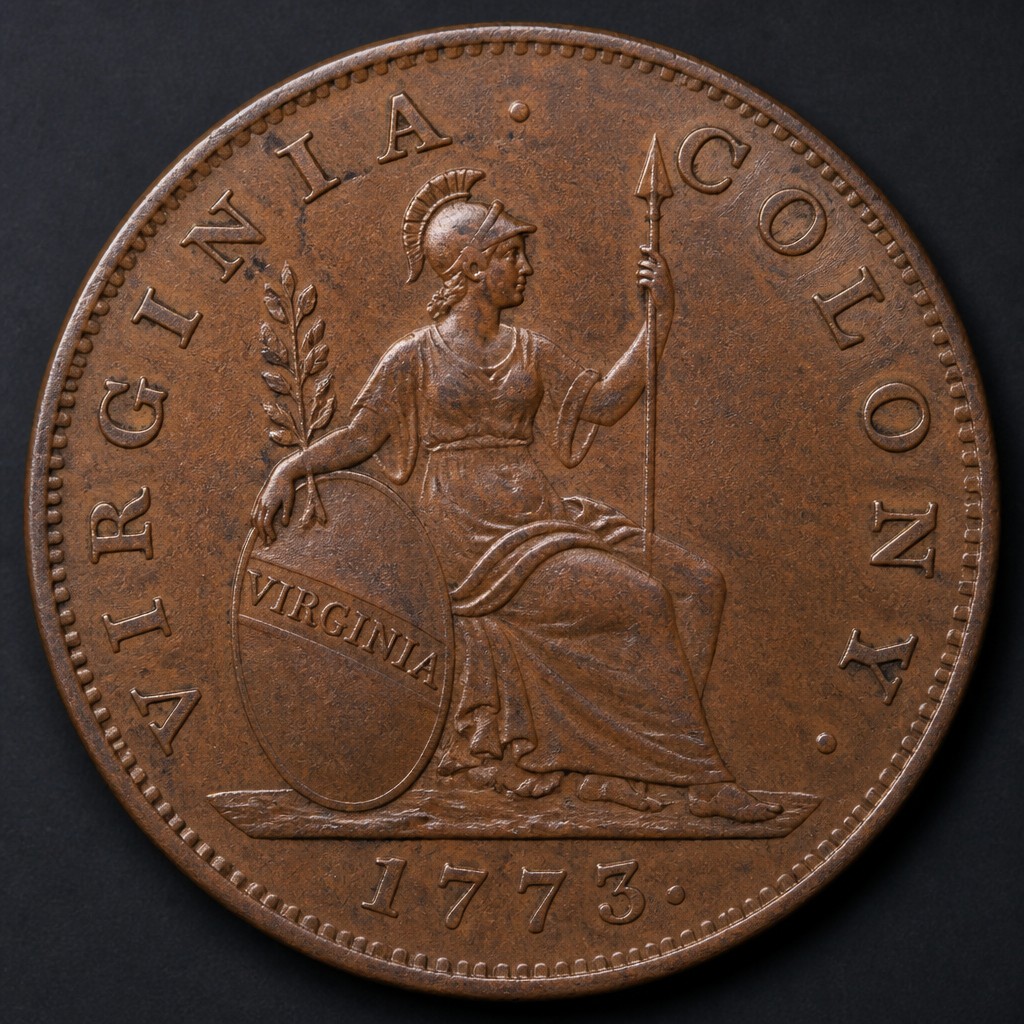
Virginia Halfpenny
1773

Brasher Doubloon
1787
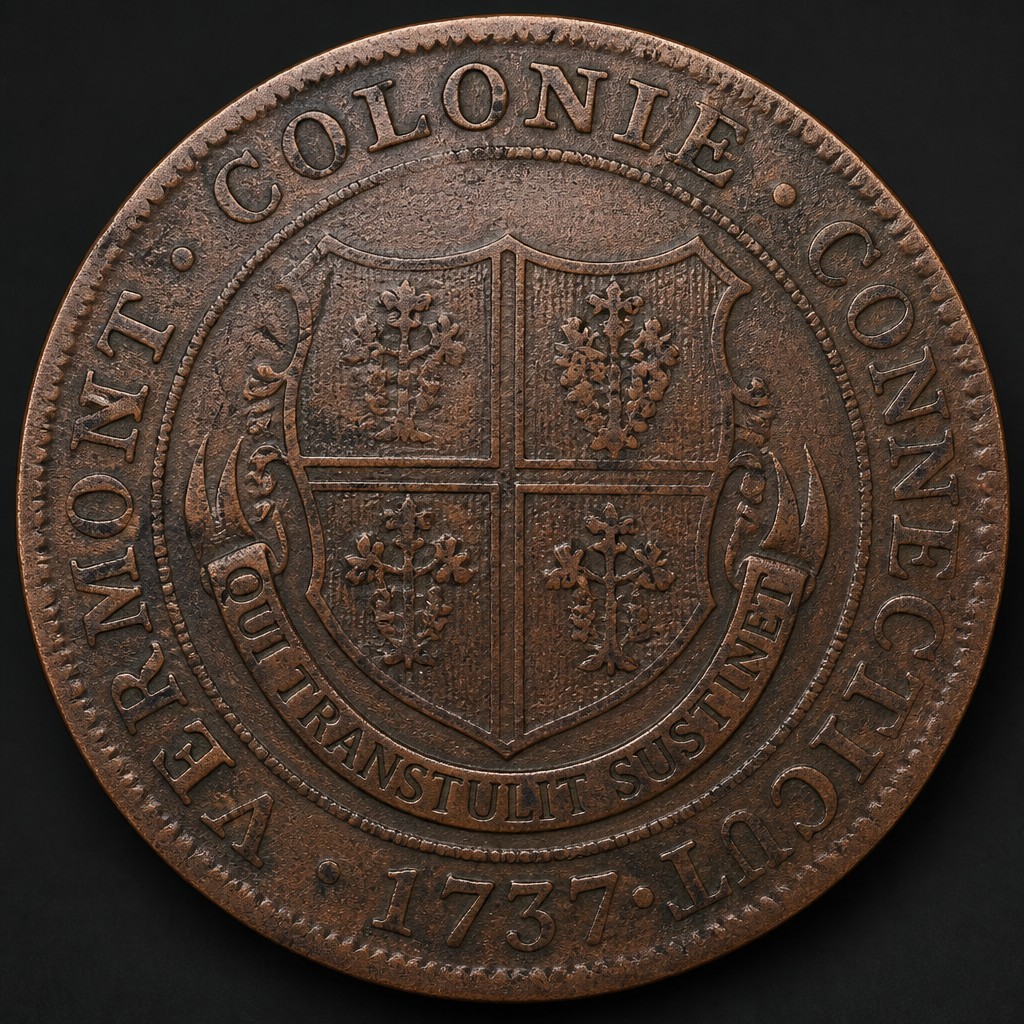
Higley Copper
1737–1739
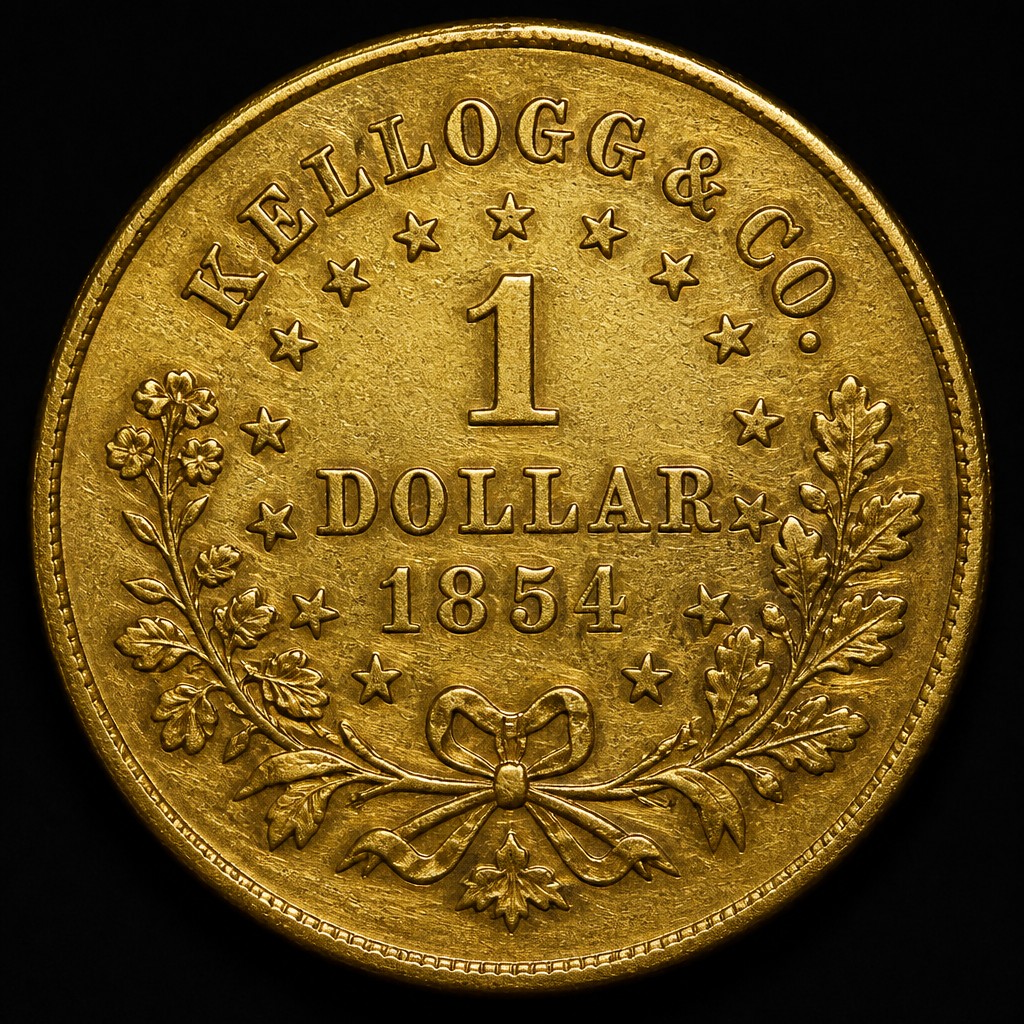
Kellogg & Co. Gold Piece
1854–1855
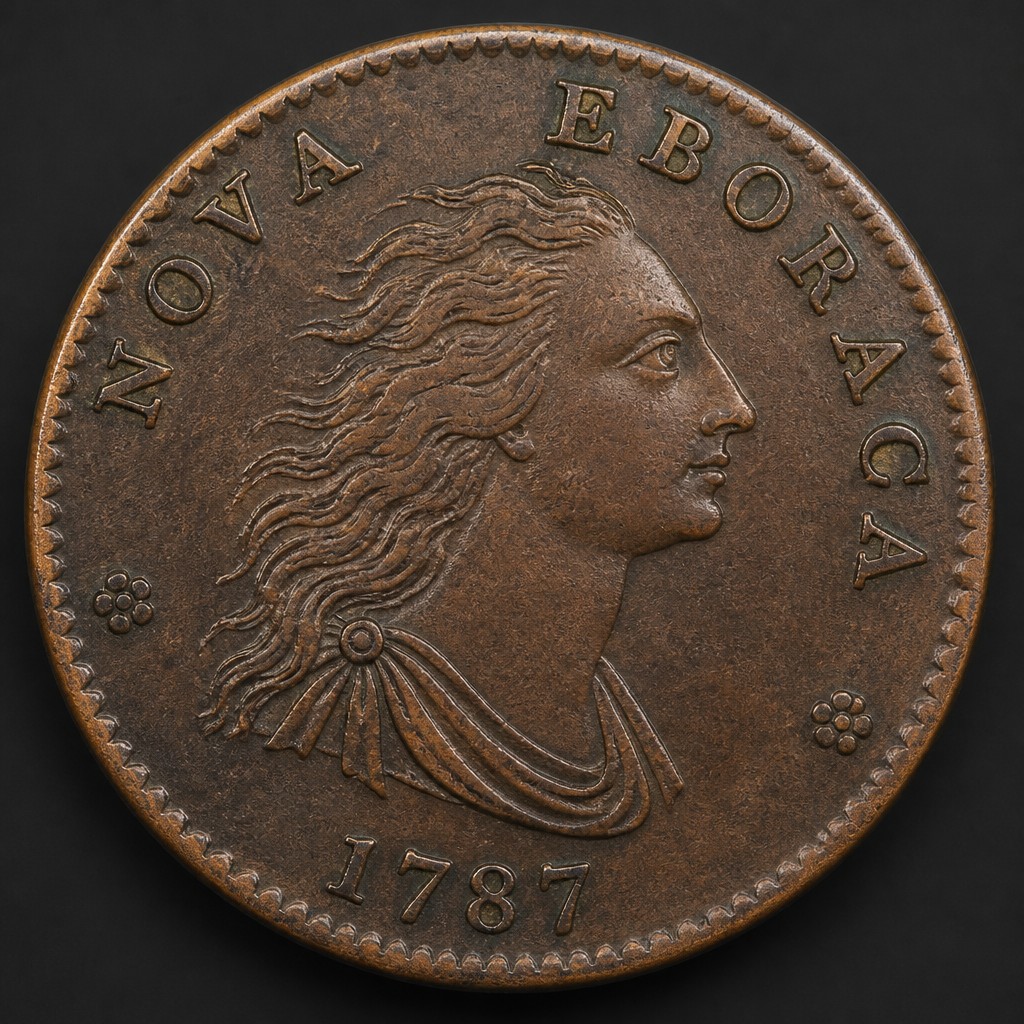
Nova Eborac Copper
1787
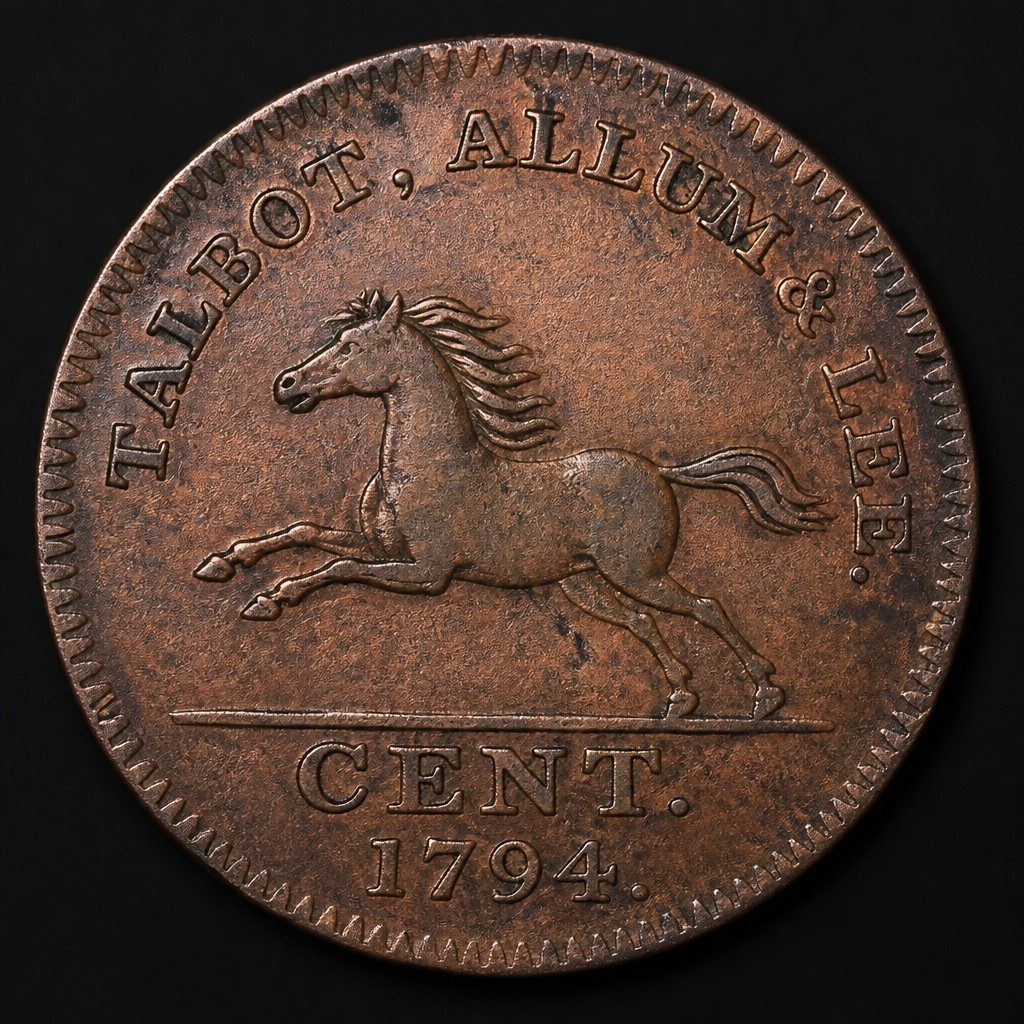
Talbot, Allum & Lee Cent
1794–1795
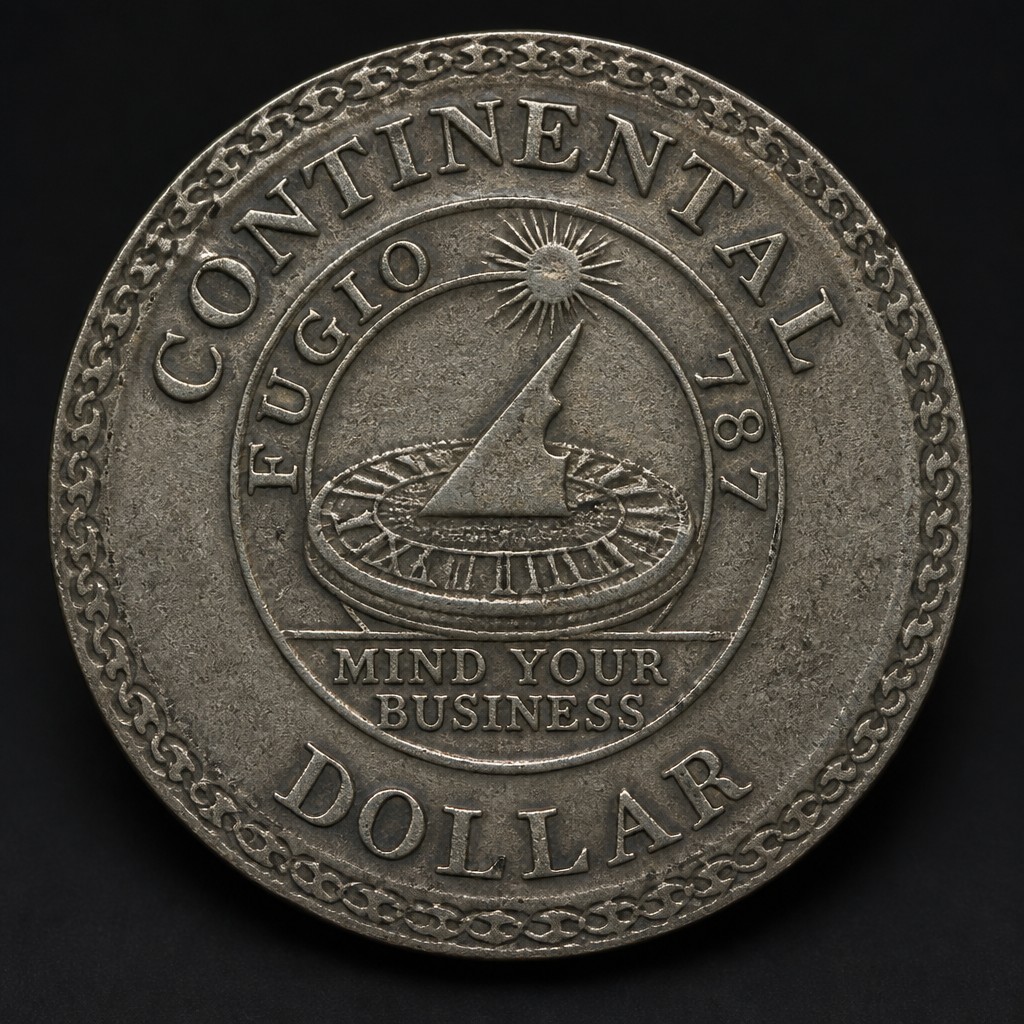
Continental Dollar
1776
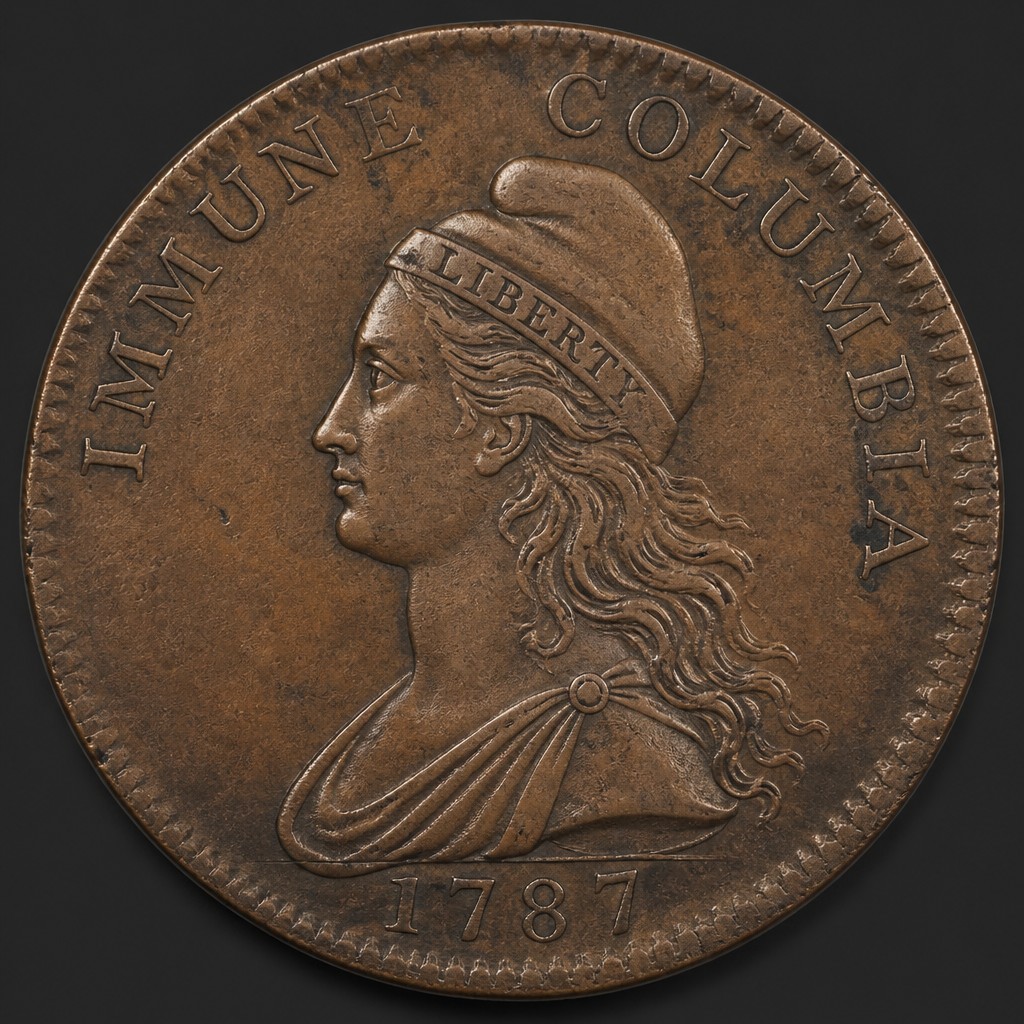
Immune Columbia Copper
circa 1785–1787
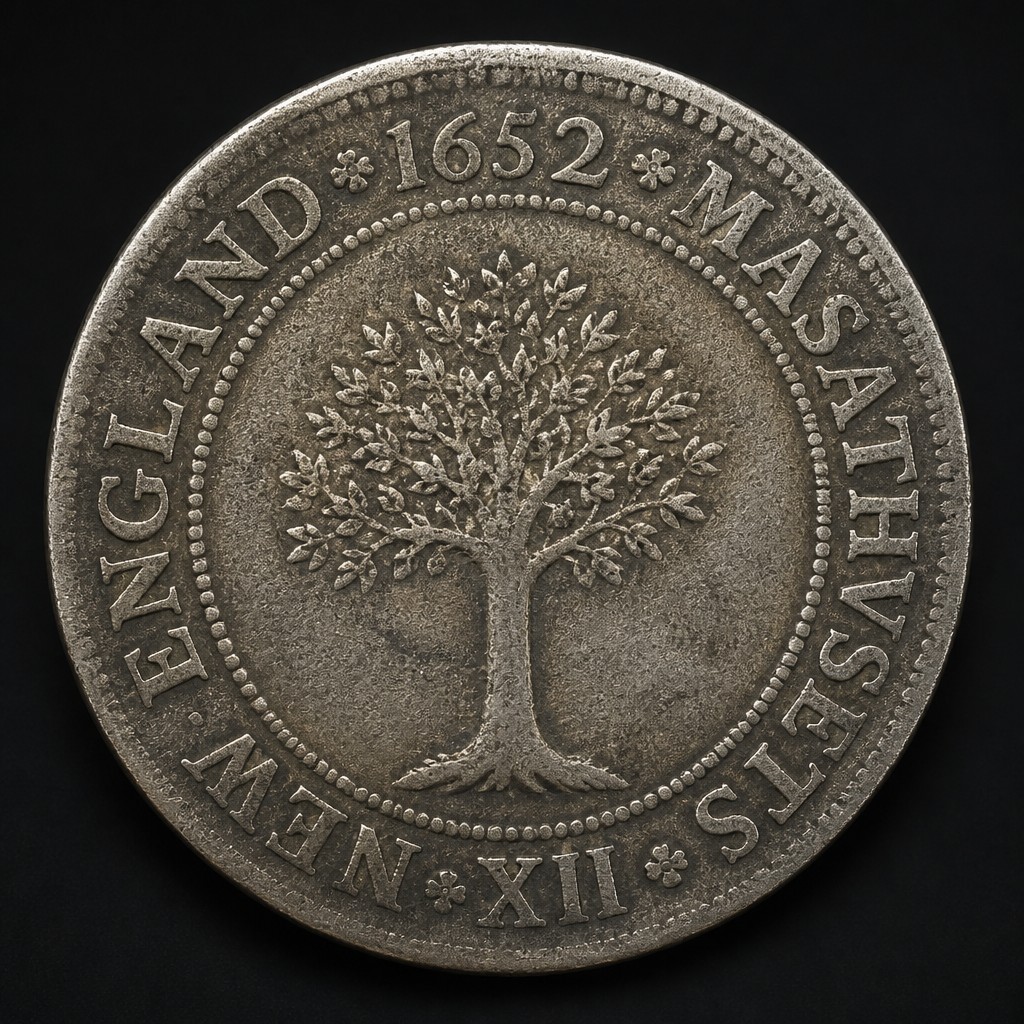
Massachusetts Oak Tree Shilling
Dated 1652, struck circa 1660–1667
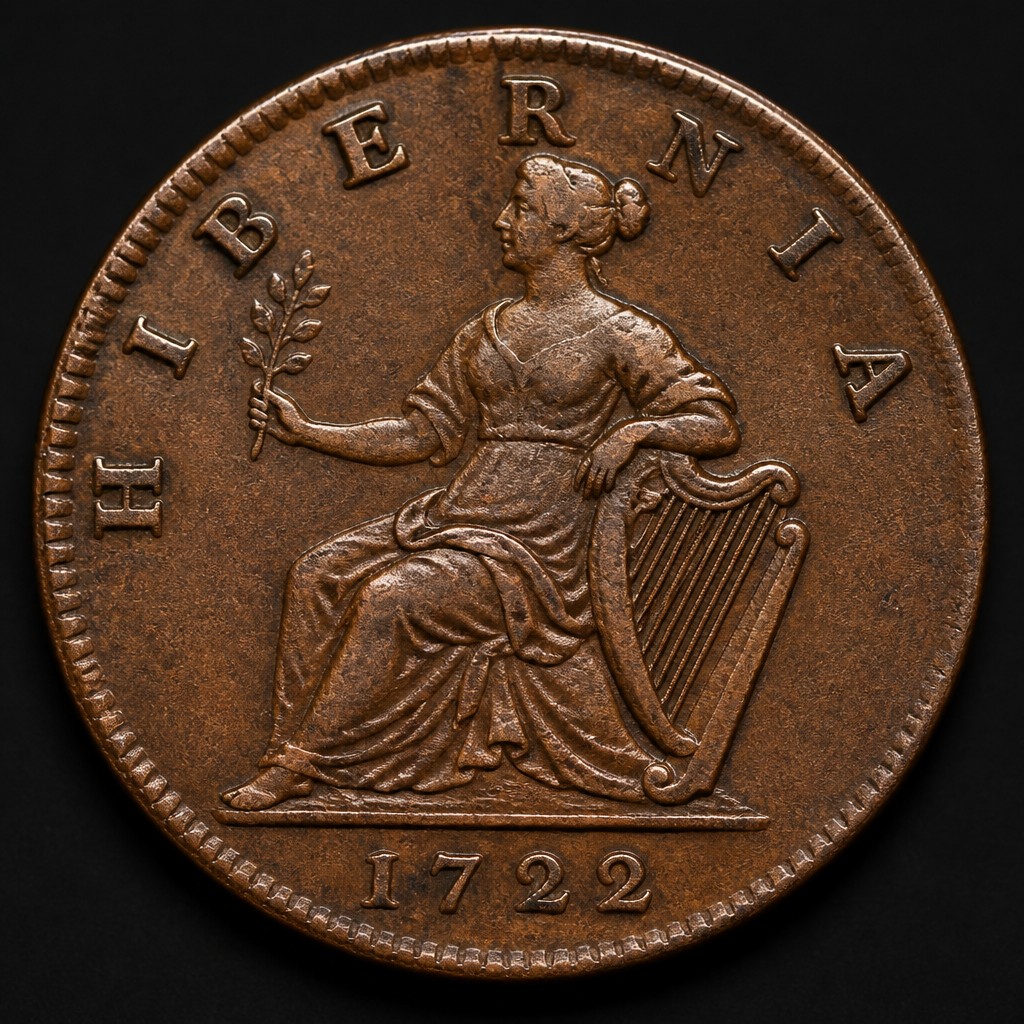
Wood's Hibernia Halfpenny
1722–1724
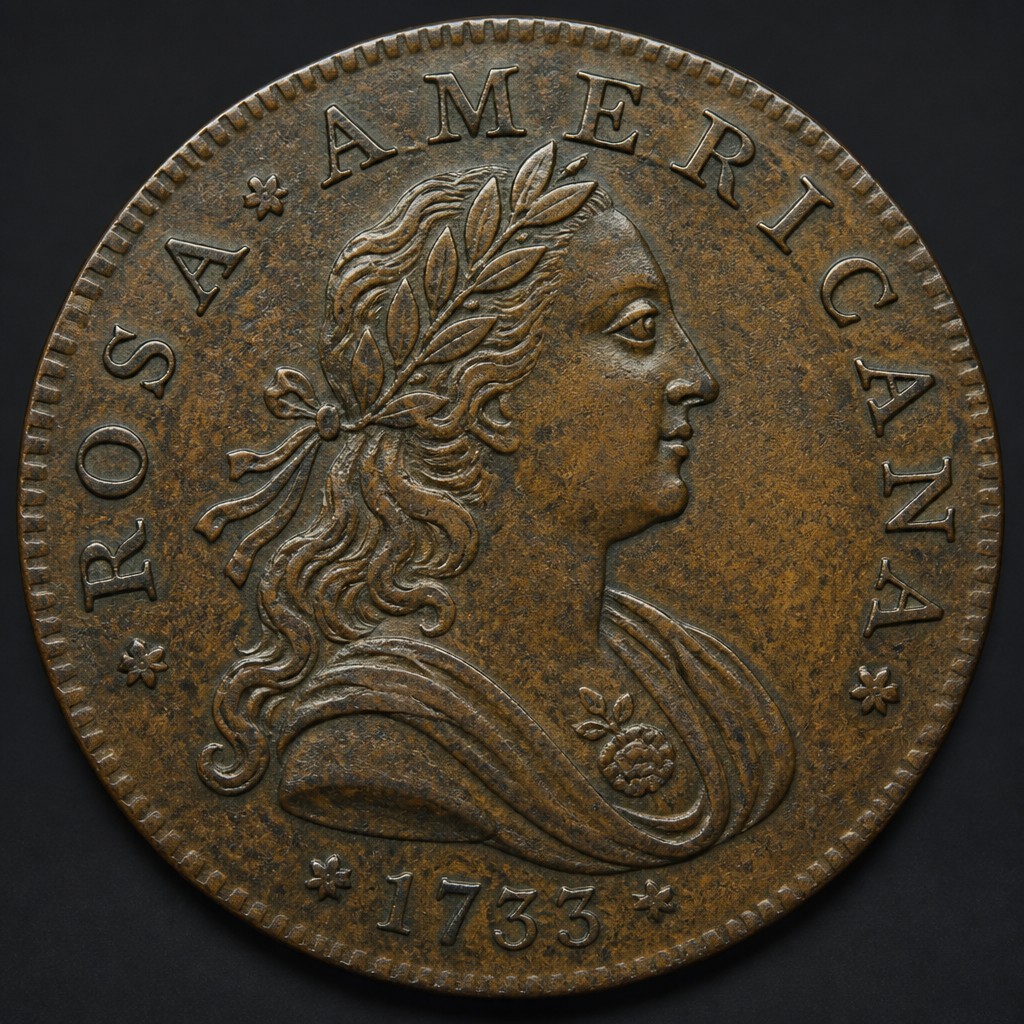
Rosa Americana Coinage
1722–1724 (with pattern issues dated 1733)
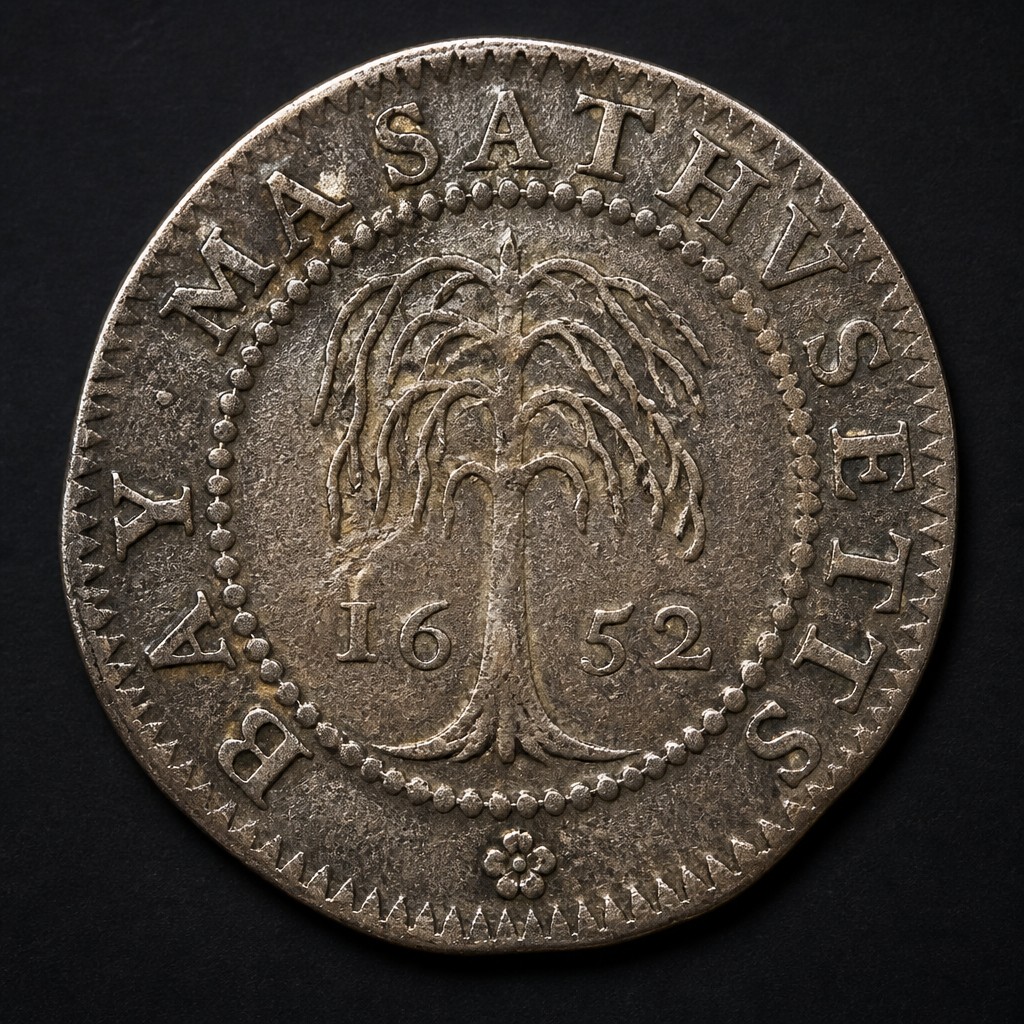
Massachusetts Willow Tree Shilling
Dated 1652, struck circa 1653–1660