
Coin Encyclopedia
Search and identify coins from around the world — with country, denomination, metal, mint, history, and how to tell them apart.
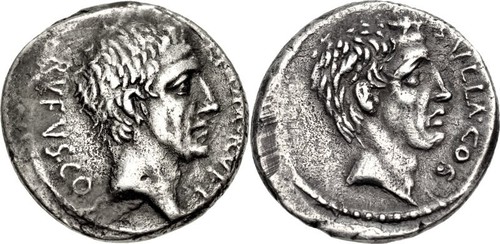
Denarius of the Pompeia Family
Silver Roman Republican denarius of the Pompeia family, with a male portrait head and a Victory driving a chariot on the reverse.
Ancient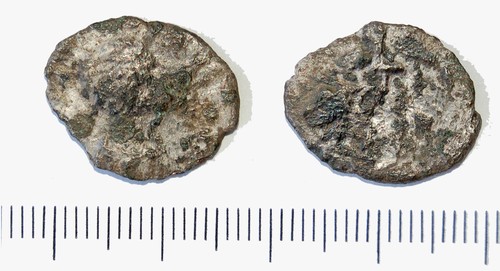
Denarius of Faustina the Elder
A silver Roman denarius honoring Faustina the Elder, wife of Antoninus Pius, with her draped bust and a seated Fortuna reverse, struck c. 141–161 AD.
Ancient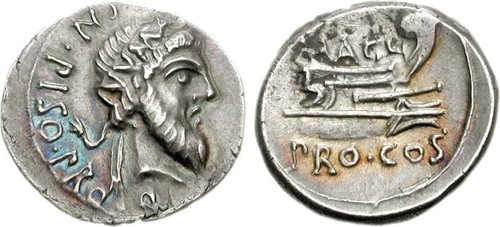
Denarius of Cn. Pompeius Magnus
Silver Roman Republican denarius of the Pompeian party (46–45 BC), with a bearded portrait of Pompey the Great and a galley reverse reading PRO COS.
Ancient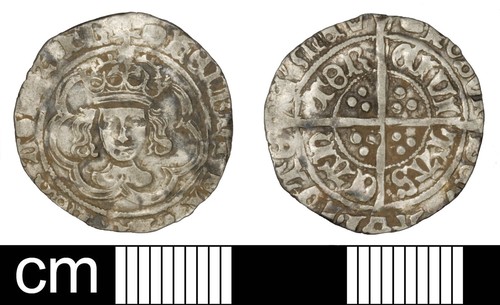
Medieval Halfgroat of Henry VII
Hammered silver twopence of England's first Tudor king, with a crowned royal portrait and a long-cross reverse over a shield.
British Isles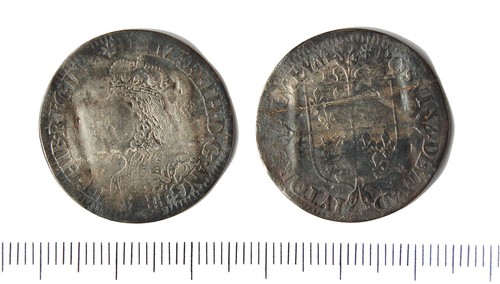
Milled Sixpence of Elizabeth I
An early machine-struck English silver sixpence of Elizabeth I, showing her crowned draped bust with a rose and the royal shield above a date.
Milled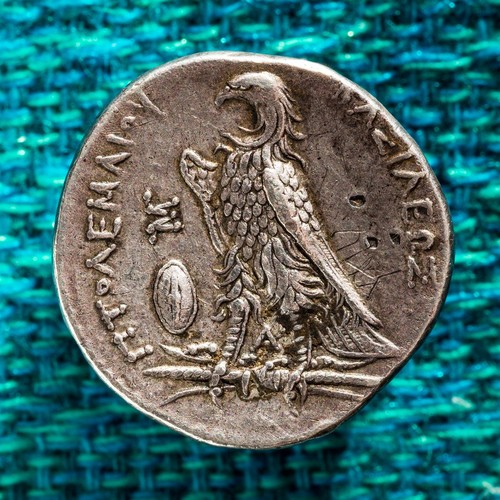
Tetradrachm of Ptolemy I
Silver tetradrachm of Ptolemy I Soter of Egypt, c. 305-283 BC, with his diademed portrait and the Ptolemaic eagle standing on a thunderbolt.
Ancient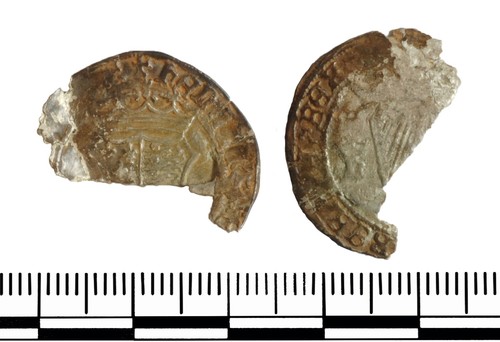
Irish Groat of Henry VIII
A hand-hammered silver fourpence struck for Ireland under Henry VIII, famed for introducing the crowned harp to Irish coinage.
Hammered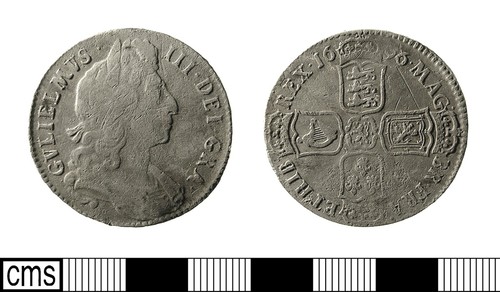
Halfcrown of William III
A silver two-shilling-and-sixpence coin of William III showing his laureate profile facing right and crowned cruciform shields of arms, dated 1696.
Milled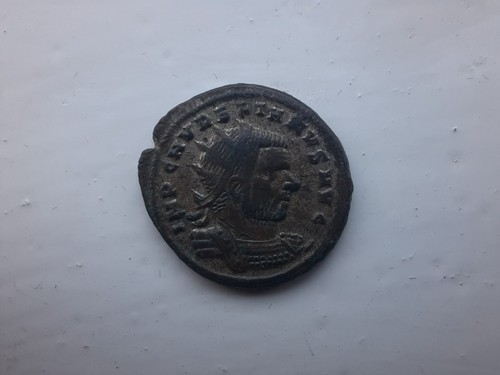
Antoninianus of Aurelian
Late Roman billon coin of Emperor Aurelian, showing his radiate-crowned bust and a standing deity or personification on the reverse.
Ancient Coins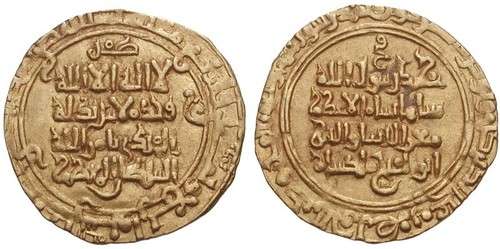
Gold Dinar of Malik Shah I
A hand-struck Seljuk gold dinar naming Malik Shah I (r. 1072–1092), covered in Arabic inscriptions with the ruler's titles and genealogy and an ornamental cartouche.
Islamic (Medieval)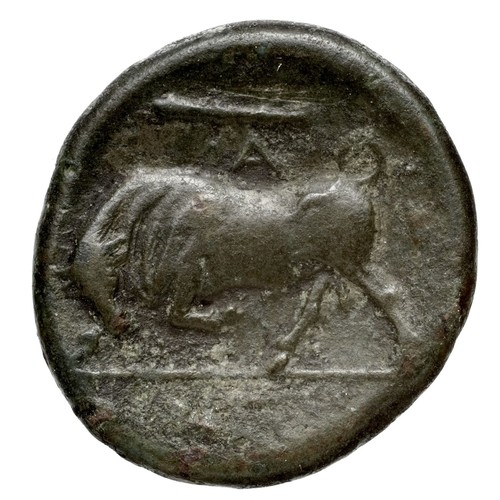
Syracuse Bronze Coin of Hiero II
Ancient Greek bronze of Syracuse struck under King Hieron II, c. 275-215 BC, bearing a Hellenistic profile head; a very common Sicilian city bronze.
Ancient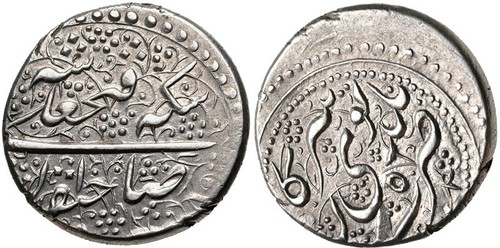
Gold Toman of Fath-Ali Shah Qajar
A hand-struck Qajar gold toman of Fath-Ali Shah dated AH 1226–1227 (1811–1812), covered in ornate Persian calligraphy with no portrait or figural imagery.
Persia / Iran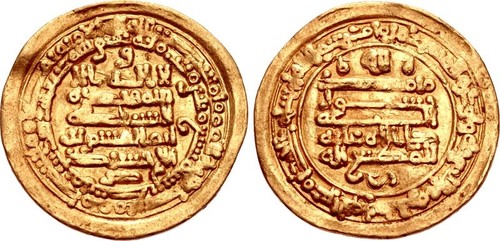
Gold Dinar of Abu'l-Qasim Unujur
An Ikhshidid gold dinar of Abu'l-Qasim Unujur, dated AH 337, with purely calligraphic Arabic legends inside ornamental borders on both faces.
Islamic (Medieval)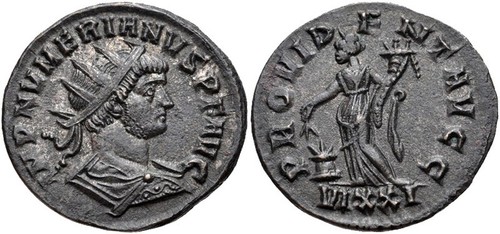
Antoninianus of Numerian
Late Roman radiate coin of the short-lived emperor Numerian (283-284 AD), showing his spiked crown and a Victory or standing deity on the reverse.
Ancient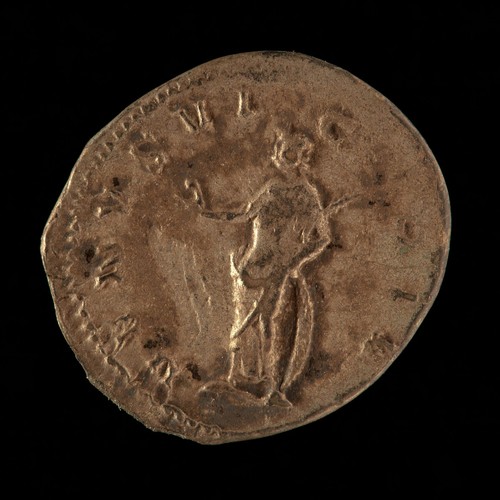
Antoninianus of Salonina
Billon antoninianus of the empress Salonina, wife of Gallienus, showing her draped bust and a standing deity on the reverse (256-257 AD).
Ancient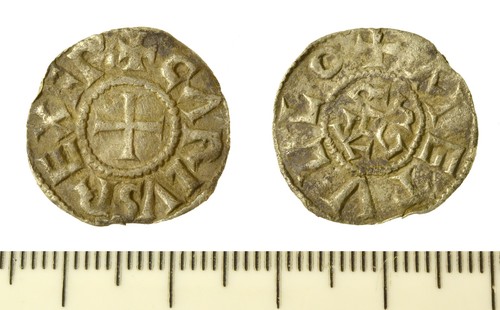
Denier of Charles the Bald
A small hammered silver denier of the Carolingian king Charles the Bald (r. 840–877), pairing a cross or monogram design with a ruler's profile.
Medieval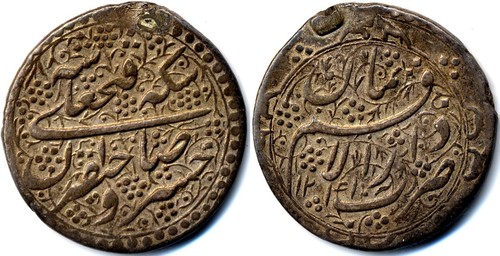
Qiran of Fath-Ali Shah Qajar
A hand-struck silver qiran of the Qajar shah Fath-Ali, carrying Persian calligraphy, a decorative border and crown motif, dated AH 1240–1241 (AD 1825–1826).
Persia / Iran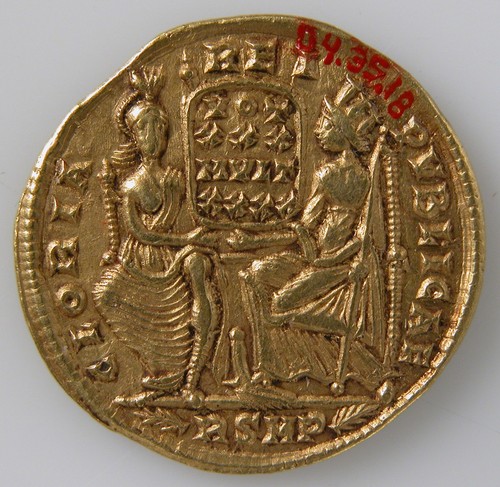
Solidus of Constantine II
Late Roman gold solidus of Constantine II, showing his ornately crowned bust and a seated figural reverse type.
Ancient Coins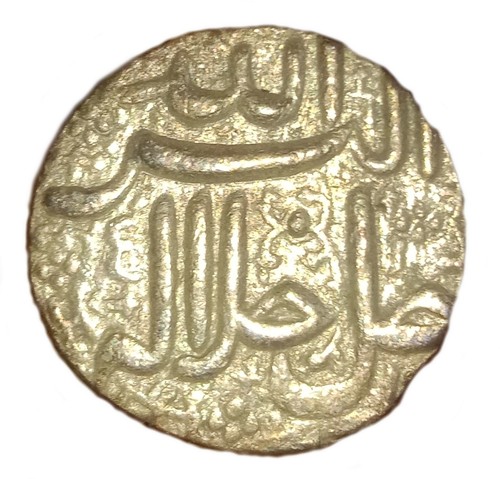
Silver Rupee of Ahmadabad
Hand-struck Mughal silver rupee of Emperor Akbar from the Ahmadabad mint in Gujarat, dated Regnal Year 47.
Mughal India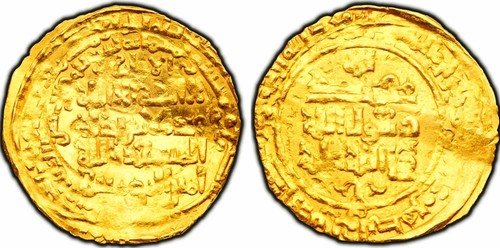
Gold Dinar of al-Mustanjid
A hand-struck Abbasid gold dinar of Caliph al-Mustanjid, bearing only Arabic calligraphy within concentric ring borders and dated AH 557.
Islamic (Medieval)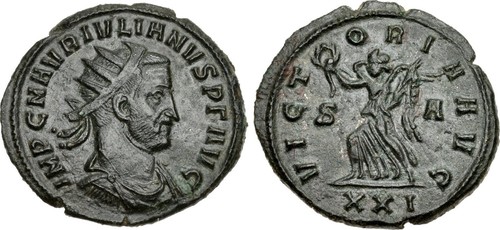
Antoninianus of Julian of Pannonia
Copper-alloy radiate antoninianus attributed to Julian of Pannonia, with a spiked-crown portrait and an ORIENTIS RESTIT standing-figure reverse.
Ancient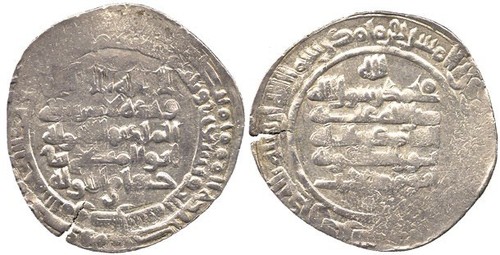
Dirham of Qirwash ibn al-Muqallad
Silver dirham struck under the Uqaylid amir Qirwash ibn al-Muqallad of Mosul, dated 393 AH (1003 CE), with three-line Arabic legends.
Medieval Islamic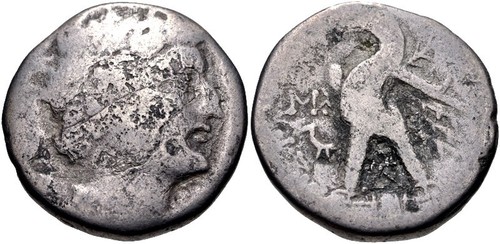
Tetradrachm of Ptolemy XII
Silver tetradrachm struck under Ptolemy XII of Egypt, father of Cleopatra VII, bearing a diademed royal Ptolemaic head and the dynasty's eagle-on-thunderbolt reverse.
Ancient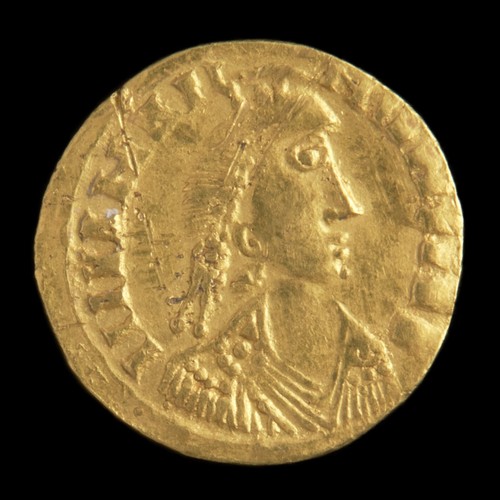
Solidus of Valentinian III
A gold solidus of the Western Roman emperor Valentinian III (AD 425-455), with his diademed profile and an imperial or military reverse.
Ancient