
Coin Encyclopedia
Search and identify coins from around the world — with country, denomination, metal, mint, history, and how to tell them apart.
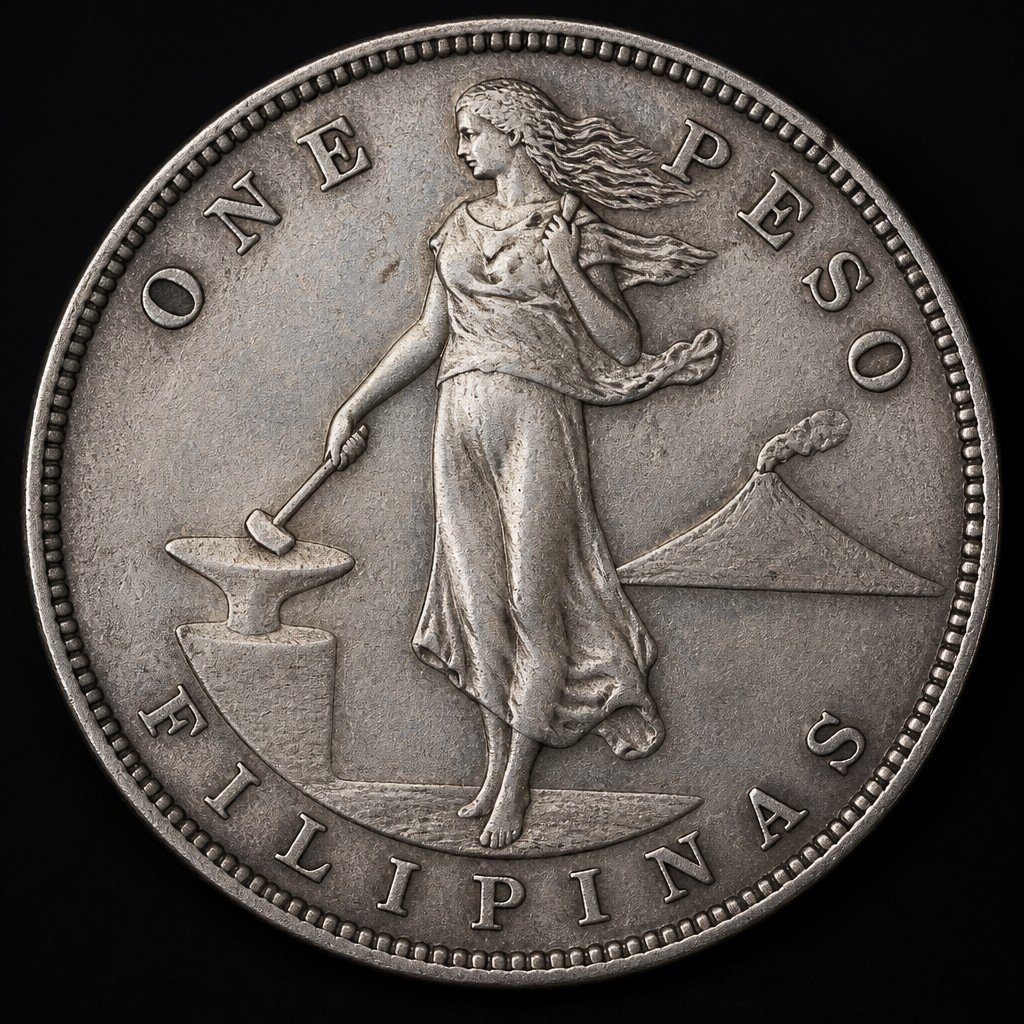
Philippine Peso (US Administration, 1903)
Silver one-peso coin struck for the Philippines under early American colonial administration, part of a new US-designed coinage system introduced in 1903.
Asian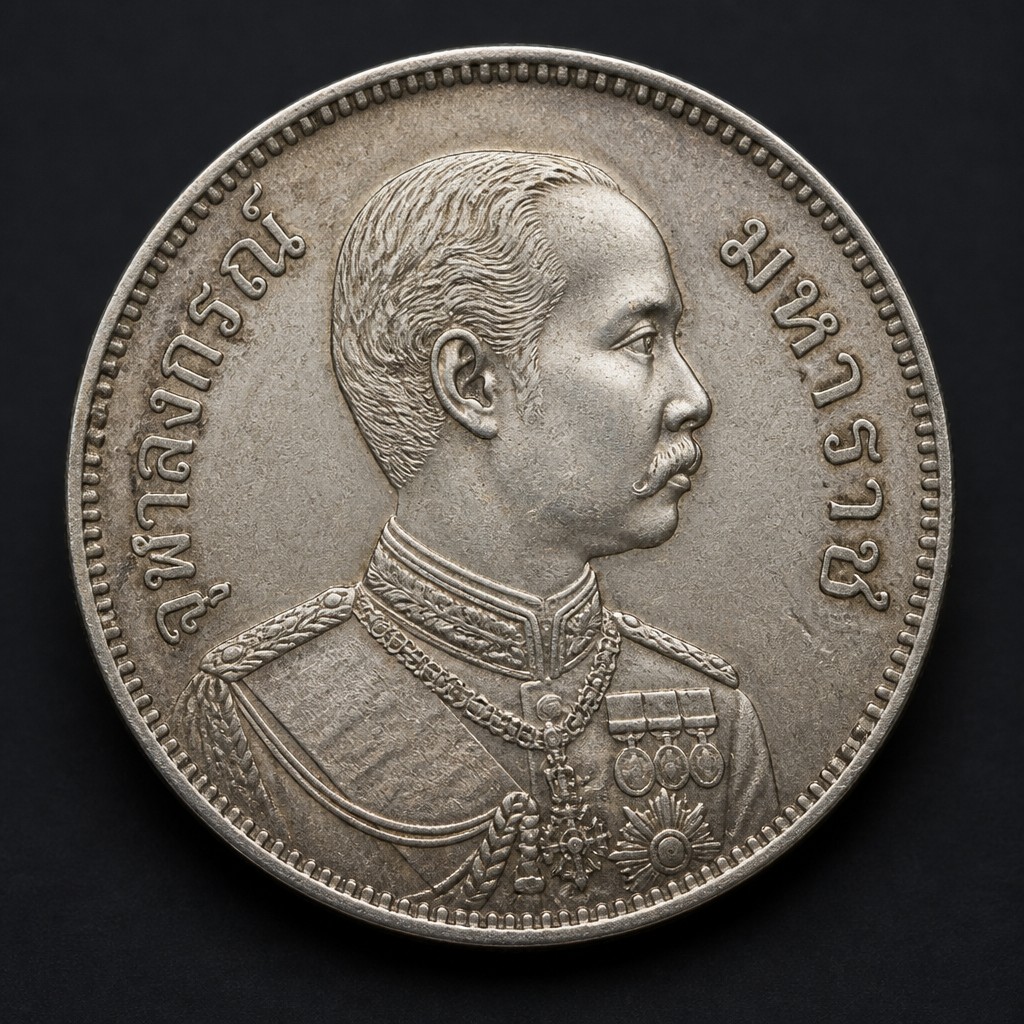
Siamese Rama V Silver Baht
Western-style silver baht introduced under King Chulalongkorn (Rama V) of Siam, replacing centuries-old bullet money with modern flat coinage.
Asian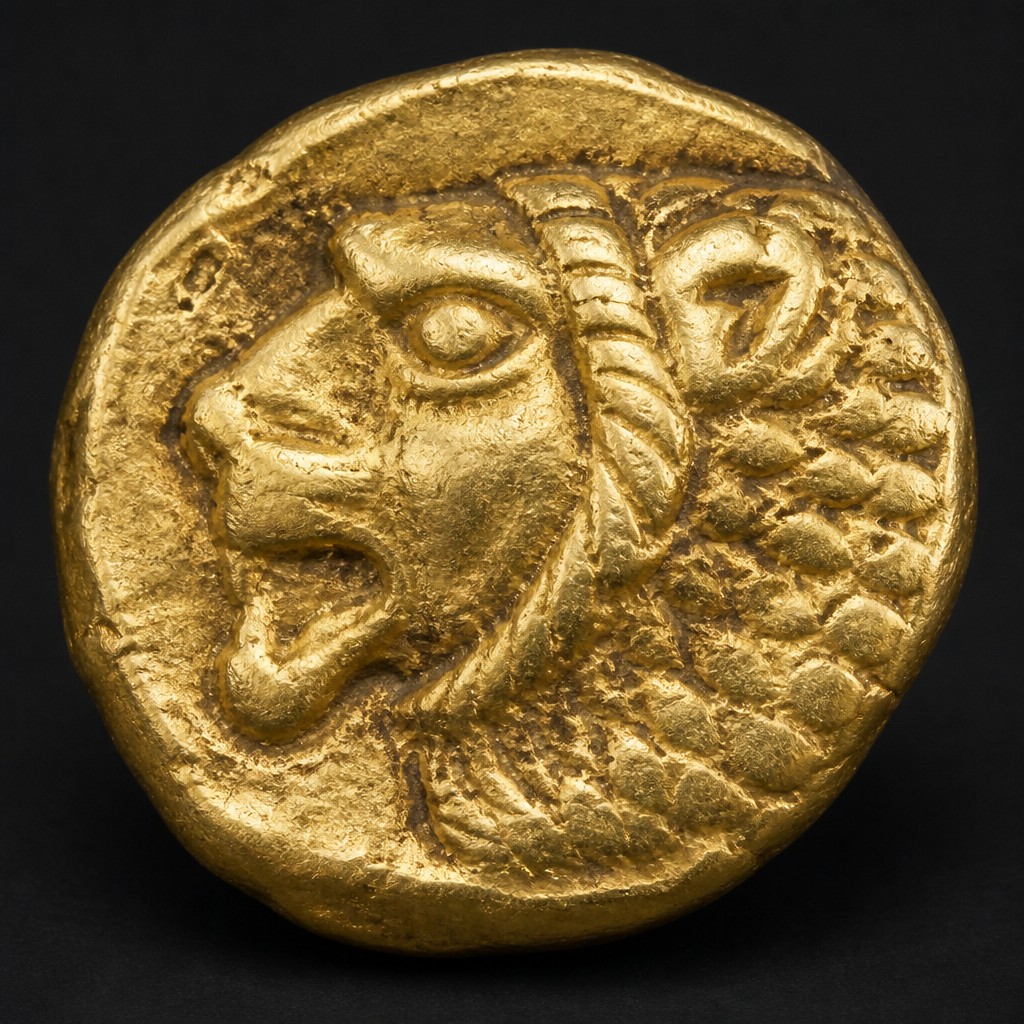
Kroisos (Croeseid) Gold Stater of Lydia
A pure gold stater struck under King Croesus of Lydia, part of history's first coinage issued in separate fixed-purity gold and silver denominations.
Ancient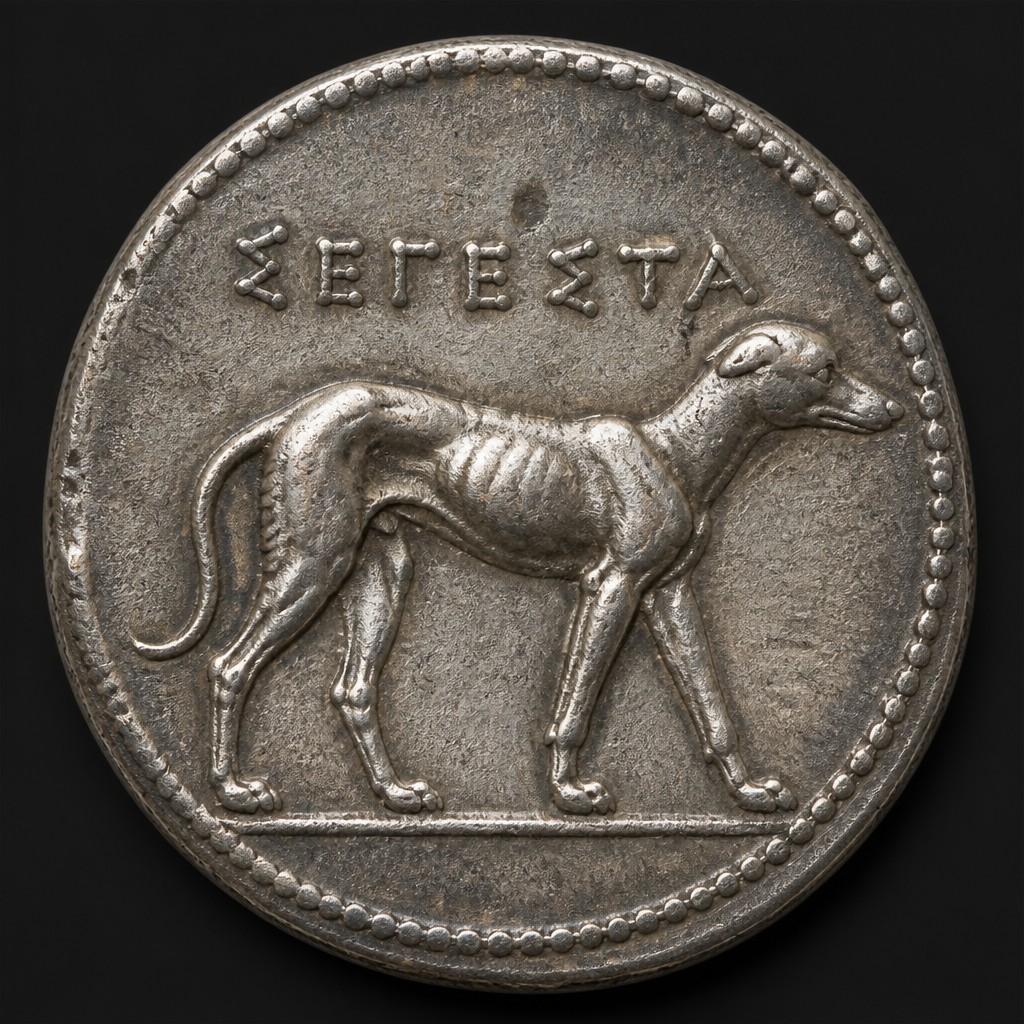
Segesta Hound Tetradrachm
Silver coin of Segesta in western Sicily, an Elymian city whose coinage features a hunting hound, linked to local legend of the river god Krimisos.
Ancient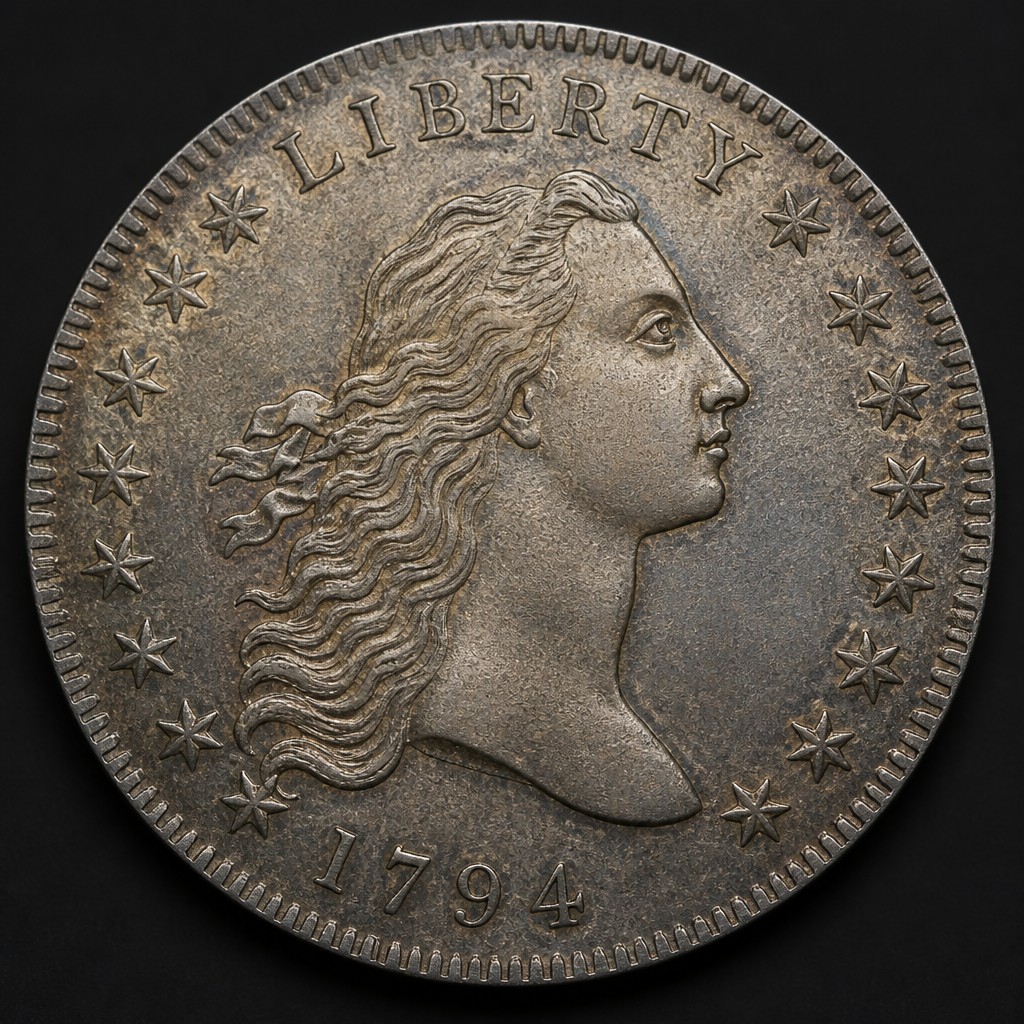
1794 Flowing Hair Half Dollar
The first half dollar ever struck by the United States Mint, produced in tiny numbers and ranking among the most desirable early American silver coins.
United States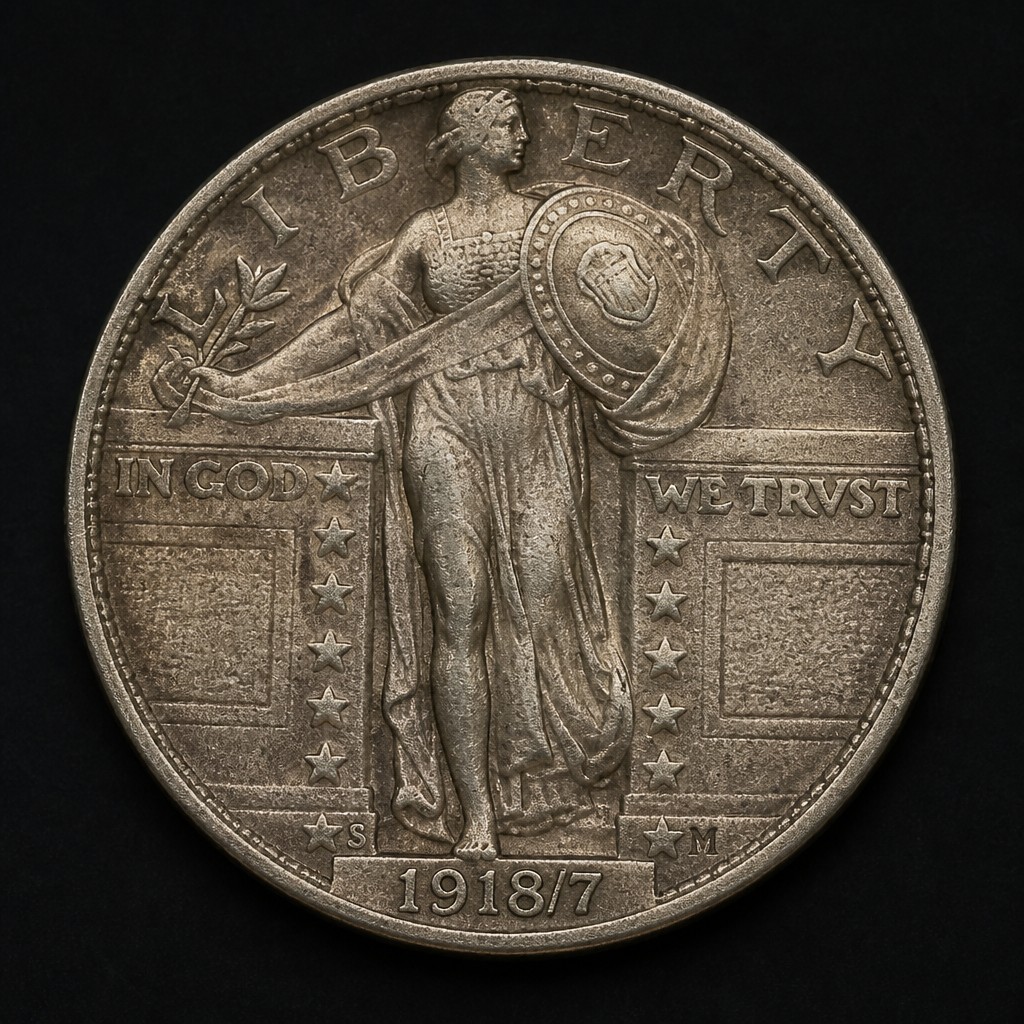
1918/7-S Standing Liberty Quarter Overdate
One of the most famous overdate varieties in U.S. coinage, where a leftover 1917 die was re-punched with an 1918 date, leaving remnants of the 7 visible beneath the 8.
Errors & Varieties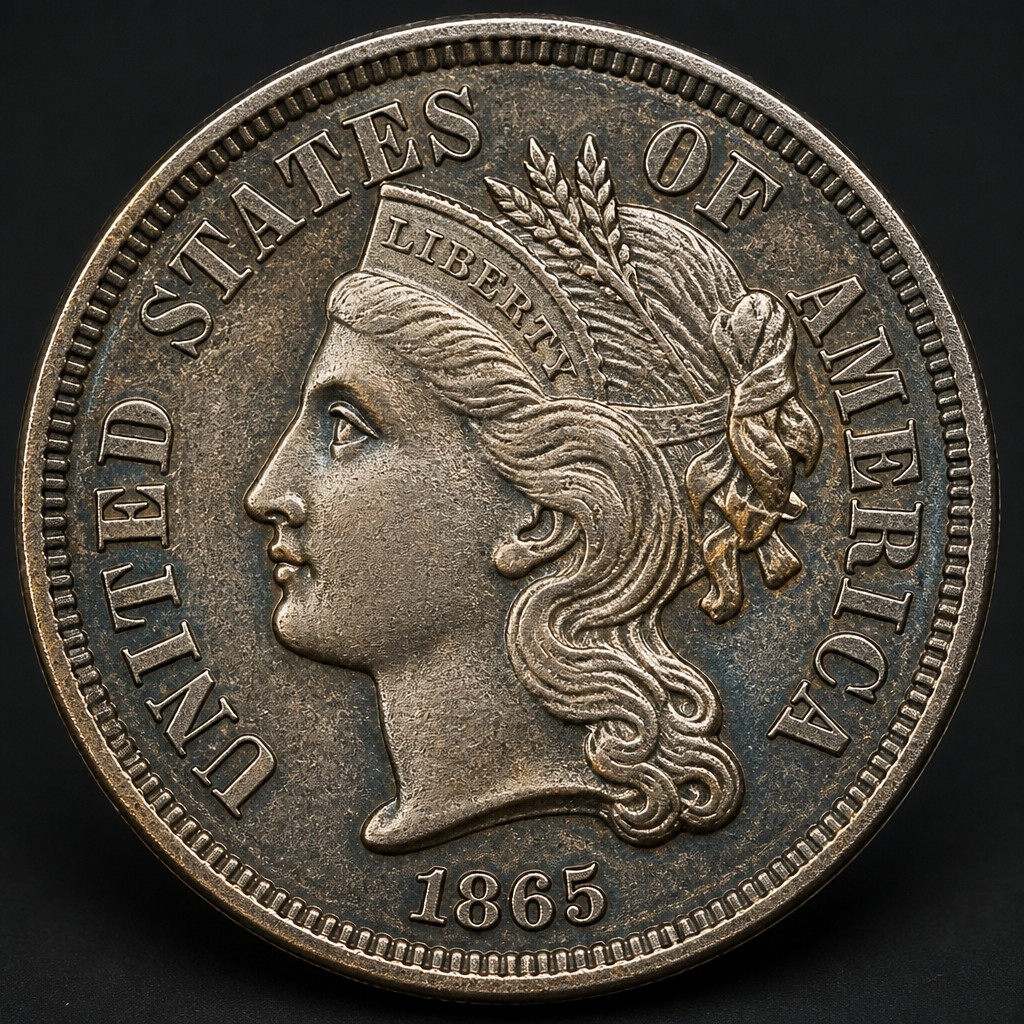
Nickel Three-Cent Piece
A post-Civil War small coin struck in copper-nickel to replace the fragile silver three-cent piece and small-denomination paper currency then in circulation.
United States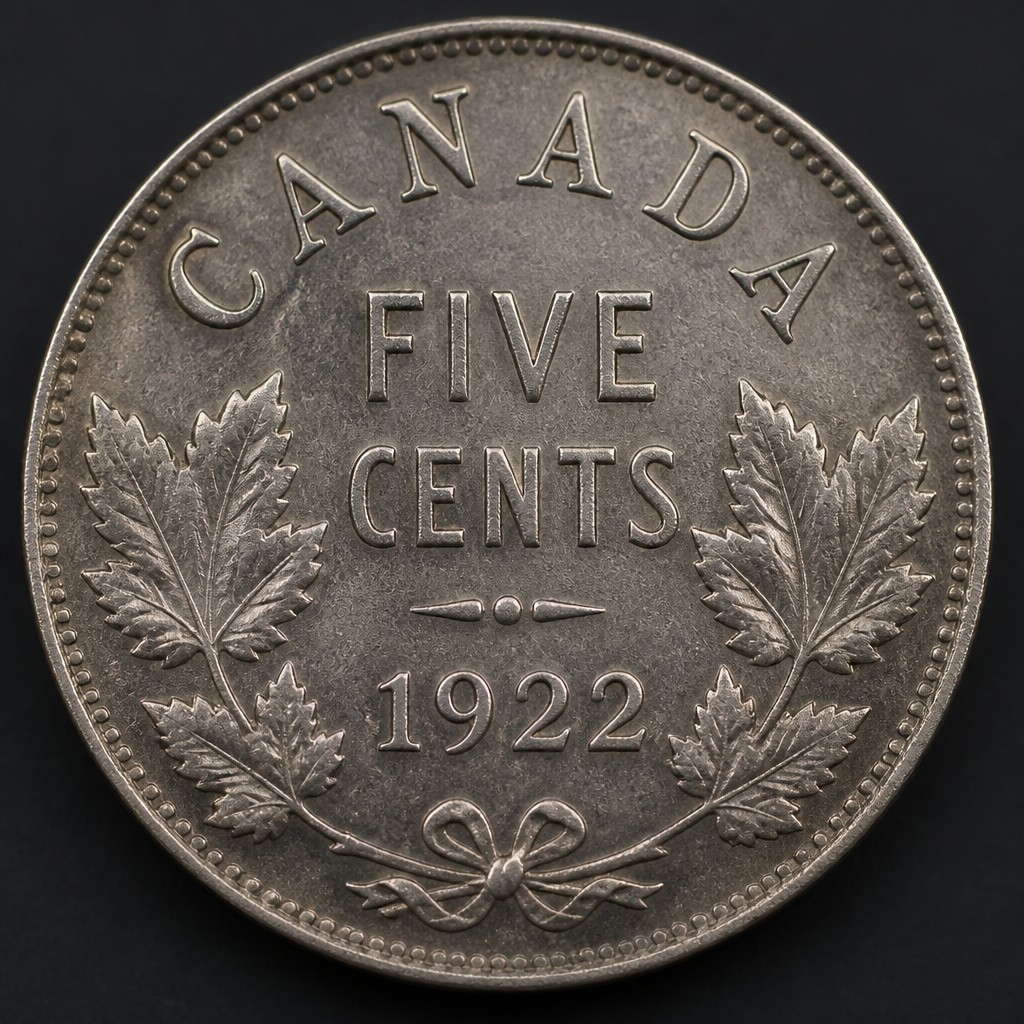
1922 Canadian Nickel Five Cents
The first year Canada's five-cent coin was struck in solid nickel rather than silver, introducing the beaver reverse design that would define the coin for decades.
Canadian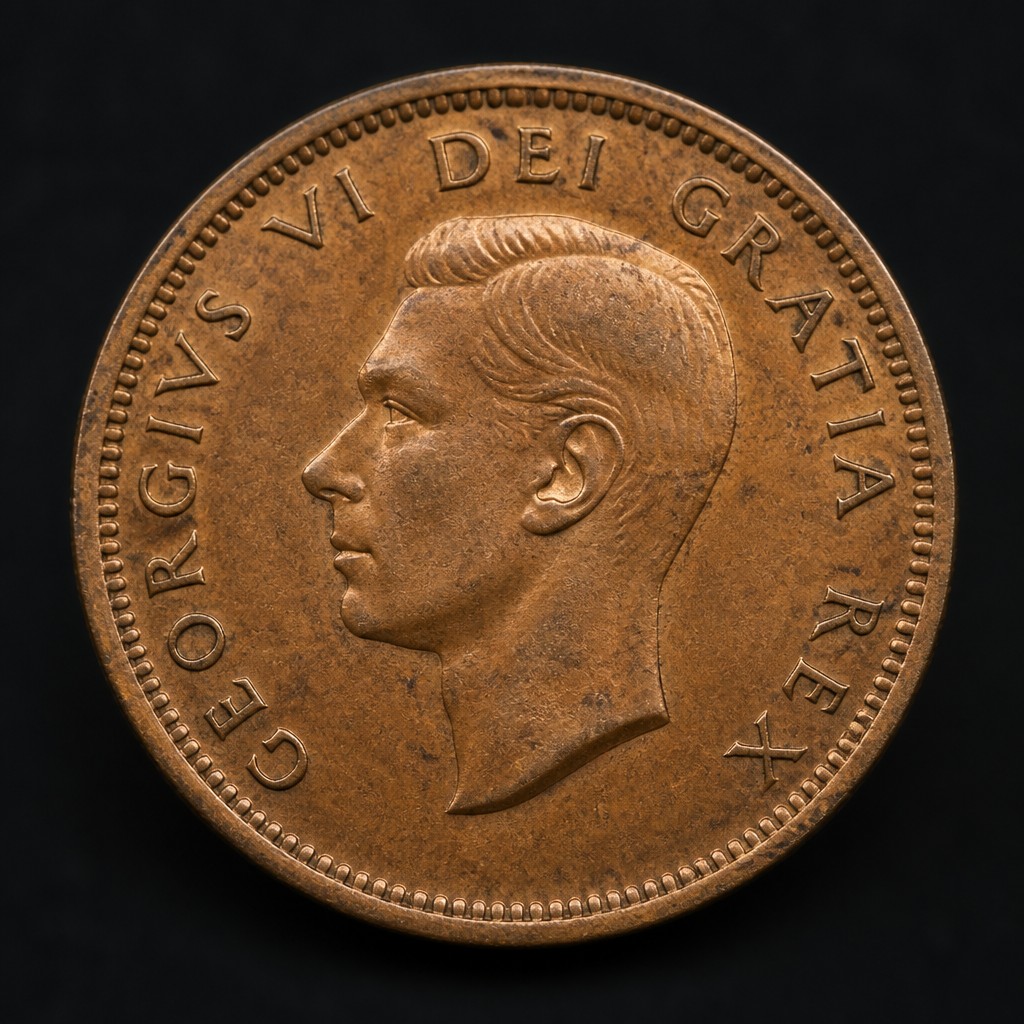
George VI Small Cent (Maple Twig)
Canada's bronze one-cent coin issued under King George VI, featuring two maple leaves on a twig, a design that helped modernize Canadian coinage in the late 1930s.
Canadian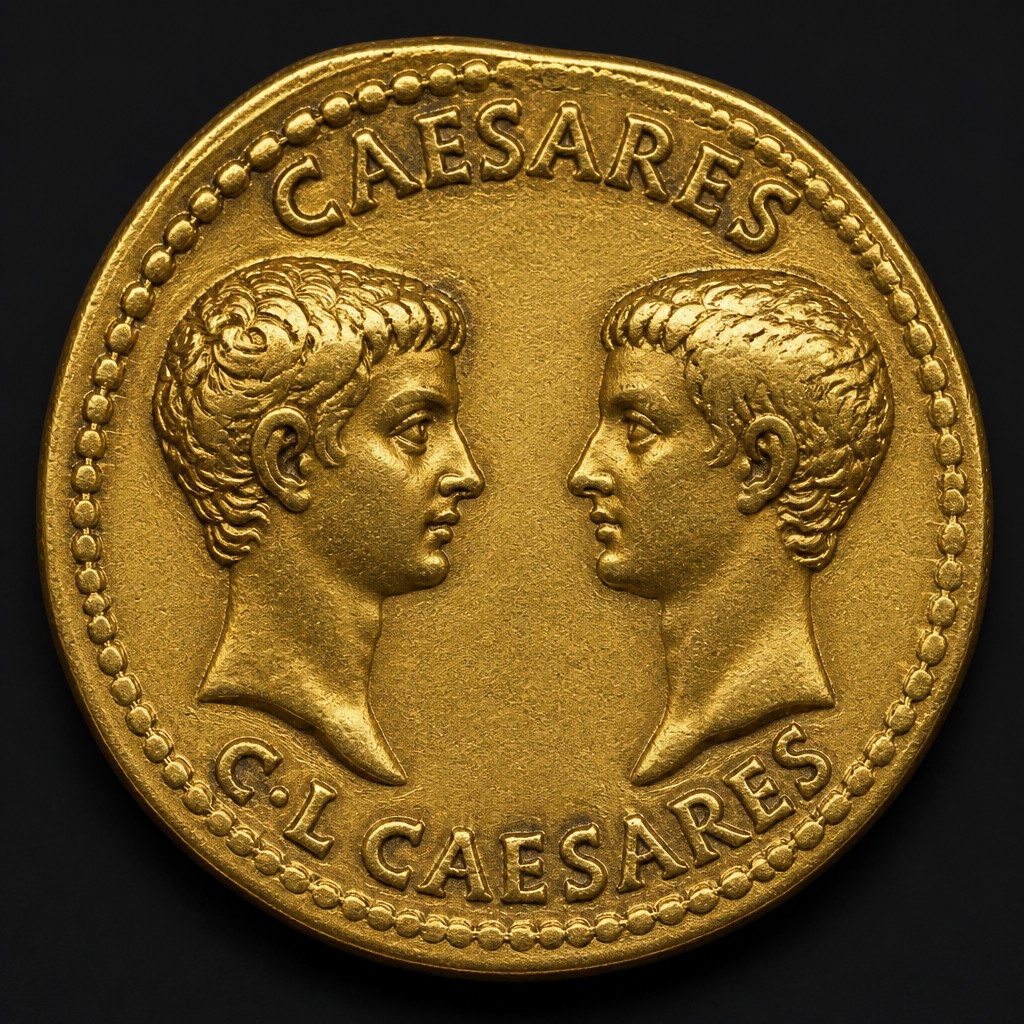
Augustus Aureus Gaius and Lucius Caesar
One of the most common ancient gold coins, an Augustus aureus honoring his grandsons and intended heirs Gaius and Lucius Caesar, both of whom died young.
Ancient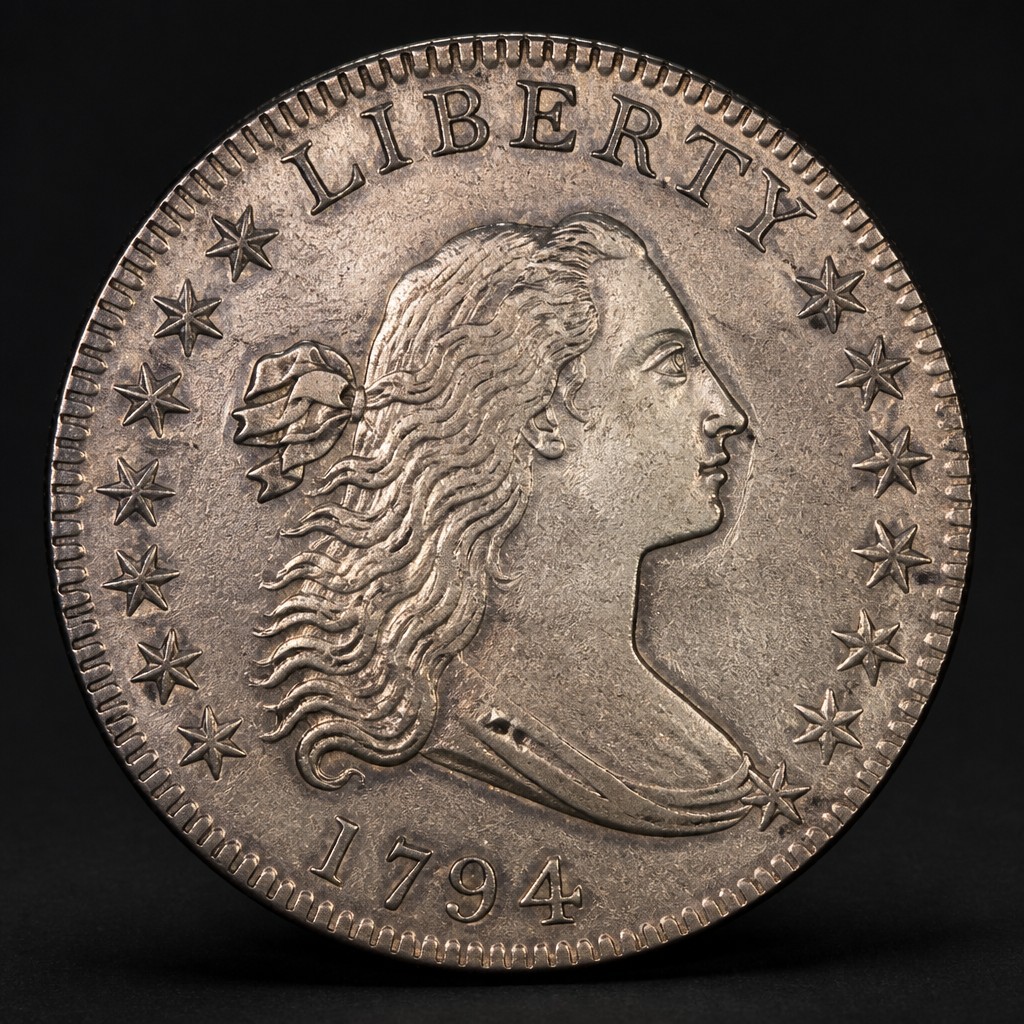
Flowing Hair Half Dime
One of the earliest United States silver coins, the Flowing Hair Half Dime was struck only in 1794 and 1795 and is a landmark rarity for early American coinage collectors.
United States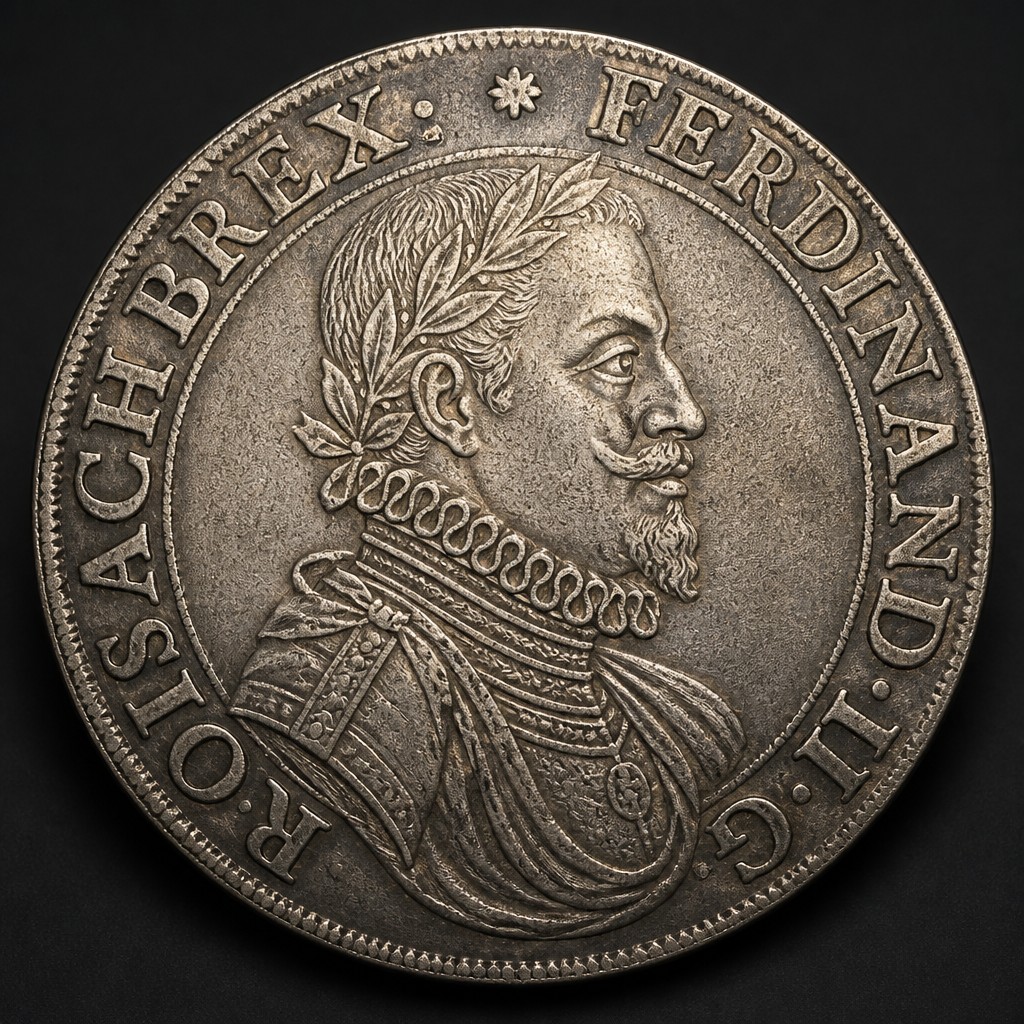
German States Thaler
A large silver coin struck by the many independent states of the German-speaking world for over three centuries, and the direct linguistic ancestor of the word 'dollar.'
European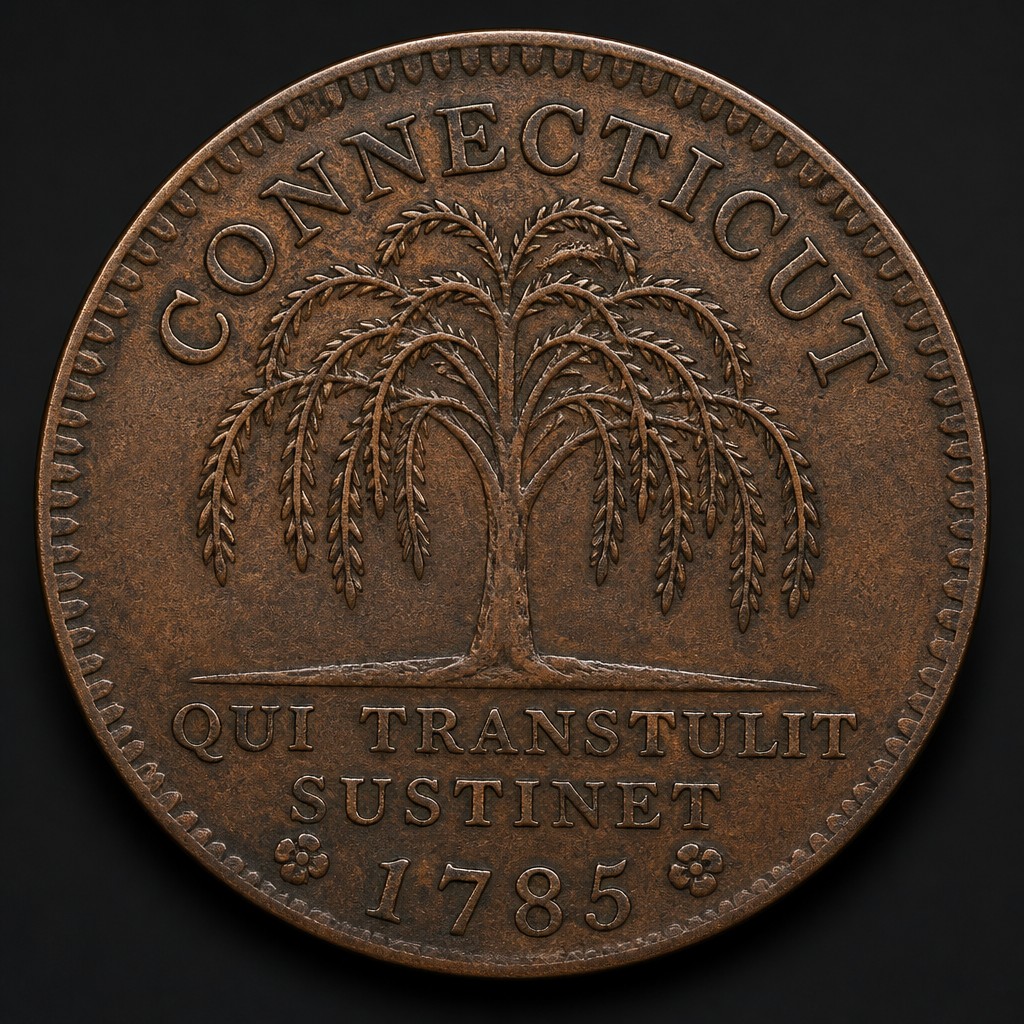
Connecticut Copper
State-authorized copper coinage struck for Connecticut in the mid-1780s, featuring a bust obverse and seated Liberty reverse across numerous die varieties.
United States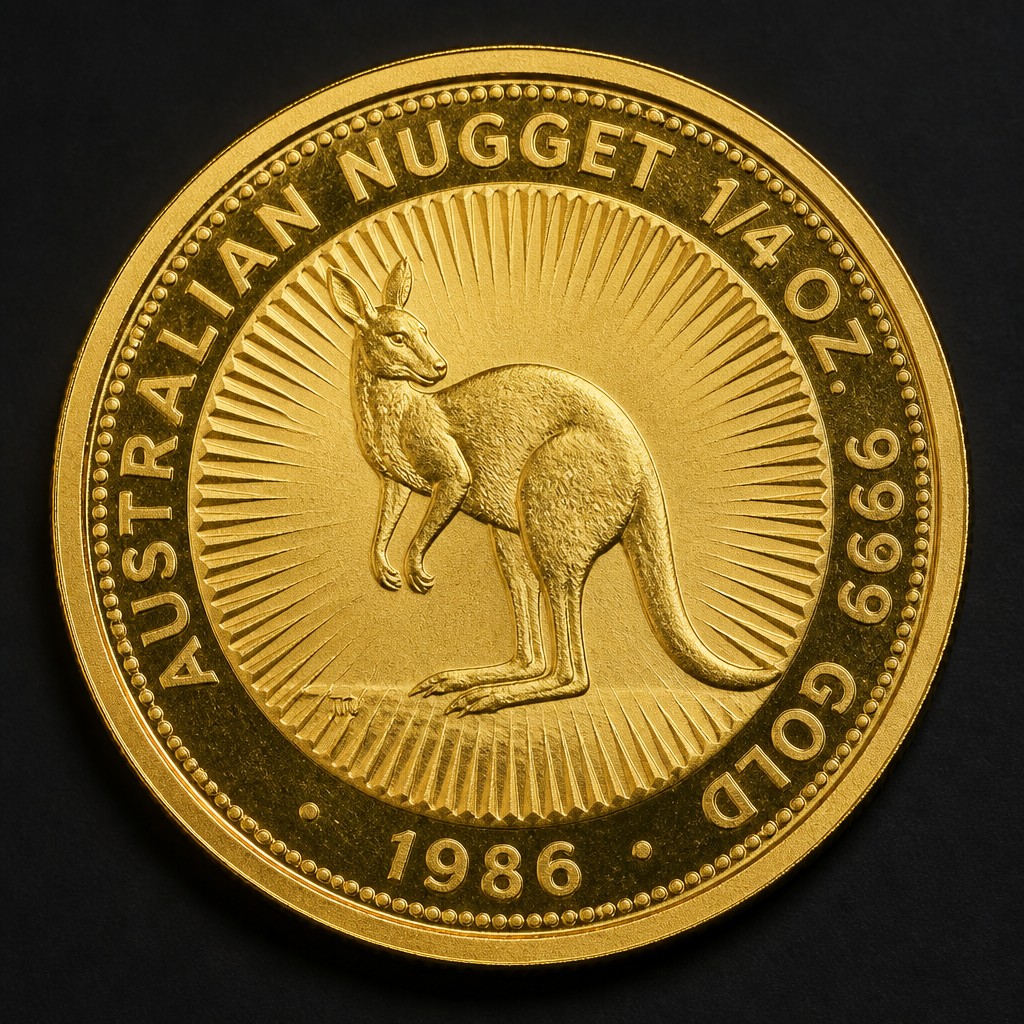
Australian Kangaroo Gold Nugget
Modern Australian gold bullion coin from the Perth Mint, launched in 1986 with changing nugget designs before adopting an annually updated kangaroo reverse.
Bullion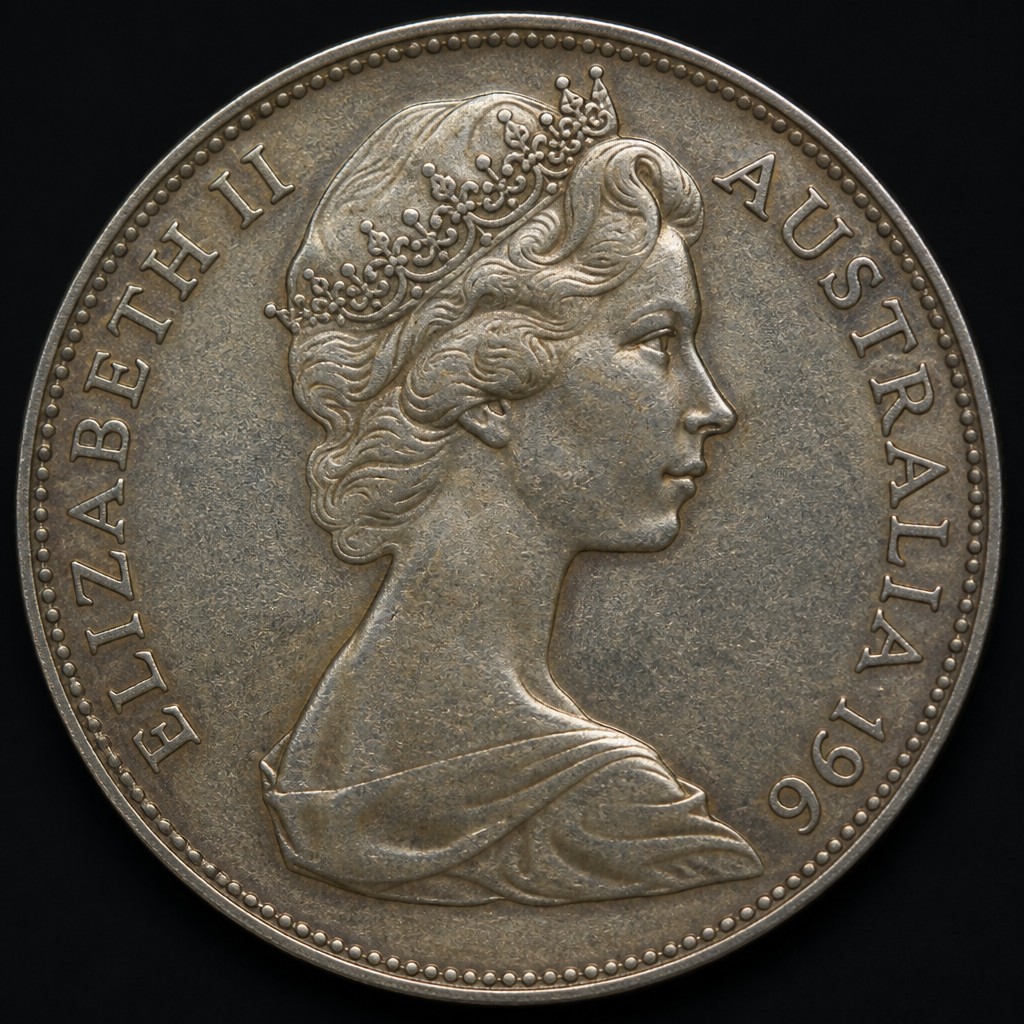
Australian 50 Cent (round 1966 silver)
Australia's original round 50-cent coin from the 1966 decimal changeover, struck in 80% silver and withdrawn the same year once its bullion value exceeded face value.
Africa & Oceania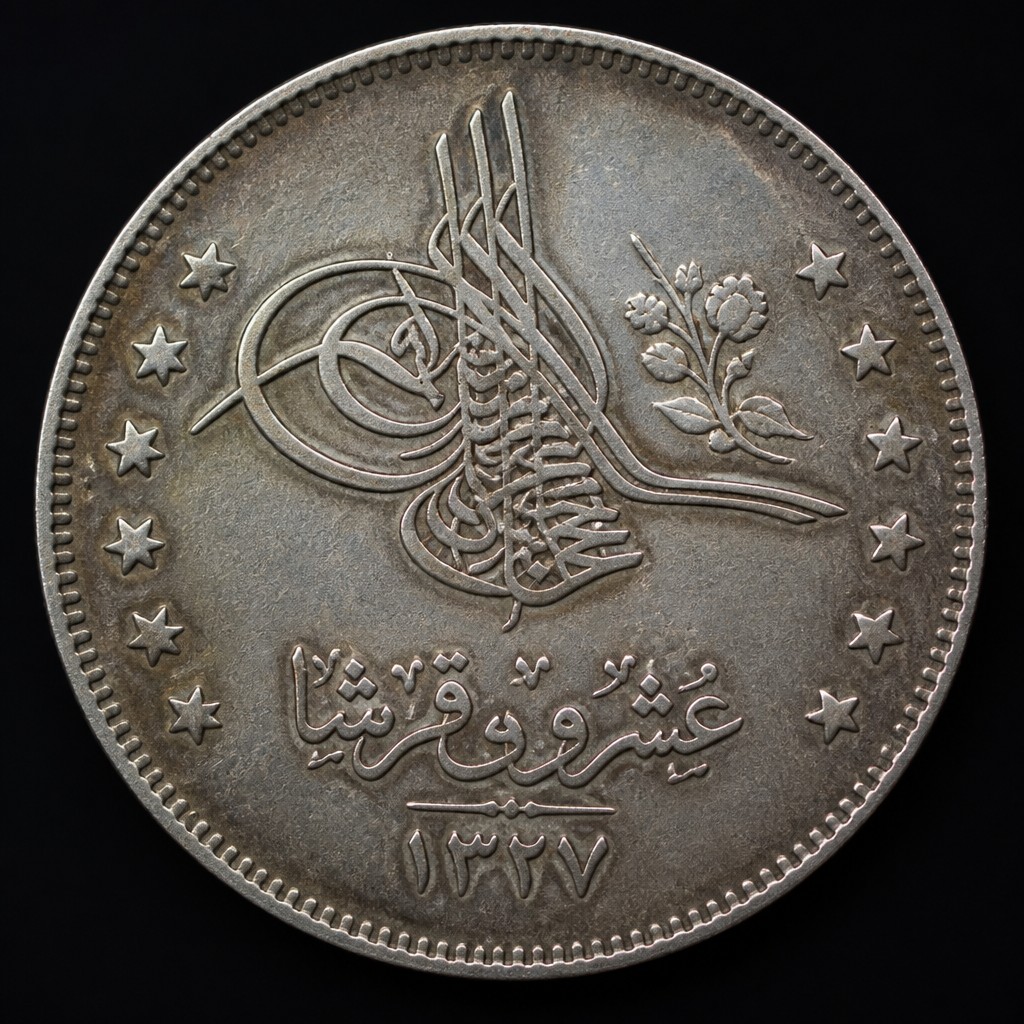
Ottoman 20 Kurus
Ottoman silver coin denominated in kuruş, bearing the sultan's ornate calligraphic tughra rather than a portrait, in keeping with Islamic artistic tradition.
World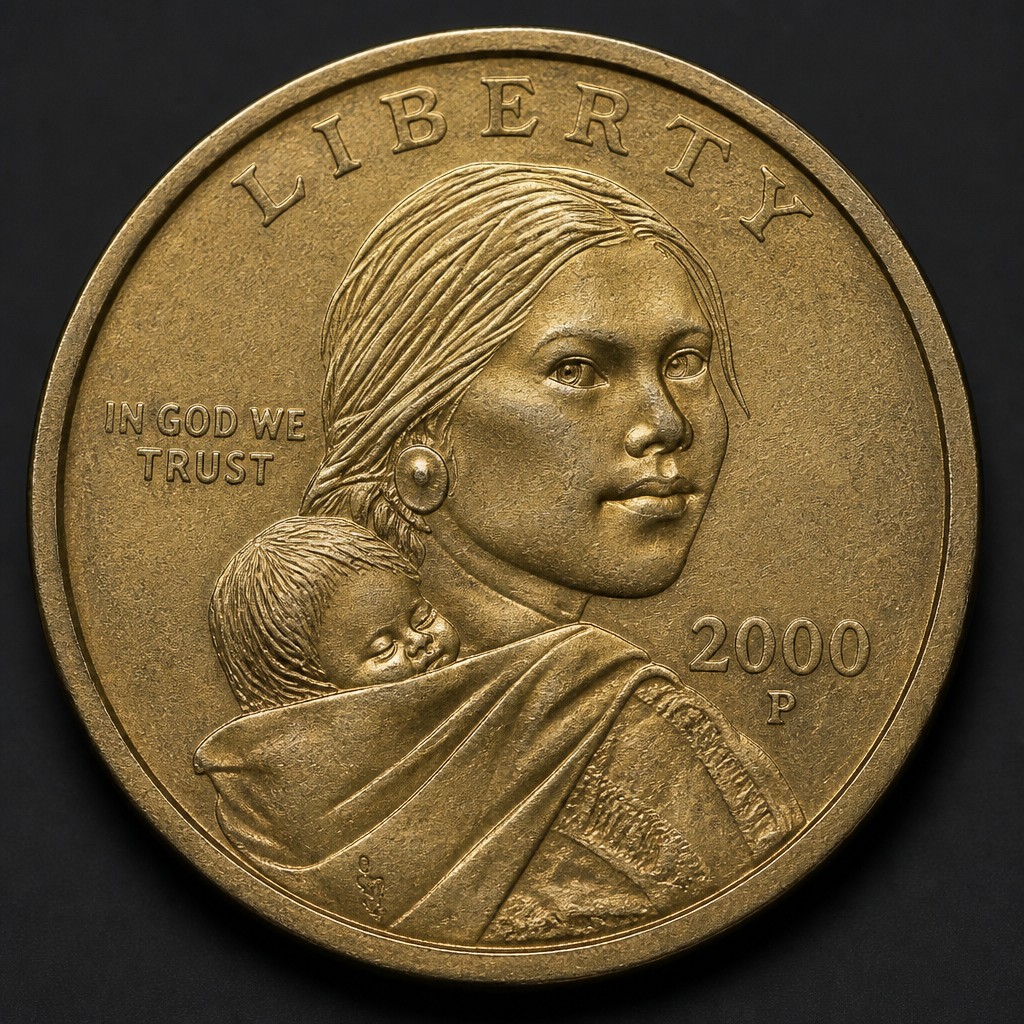
2000-P Sacagawea/Washington Quarter Mule
An extraordinarily rare mint error pairing the golden Sacagawea dollar obverse with a Washington quarter reverse die, one of the most famous modern mule errors in U.S. coinage.
Errors & Varieties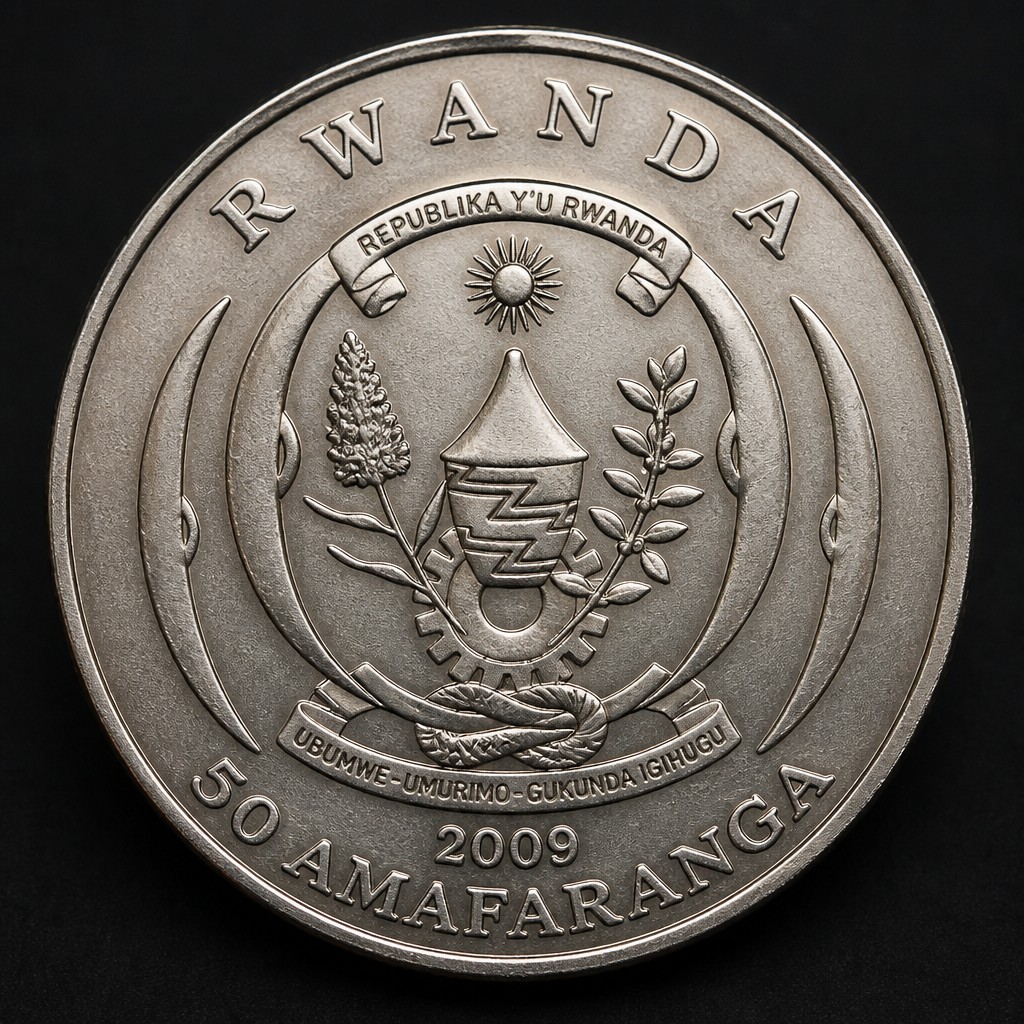
Rwandan Silver African Wildlife
A modern bullion coin series issued under Rwandan sovereignty depicting various African animals, minted in Germany and produced in different subseries by animal theme.
Africa & Oceania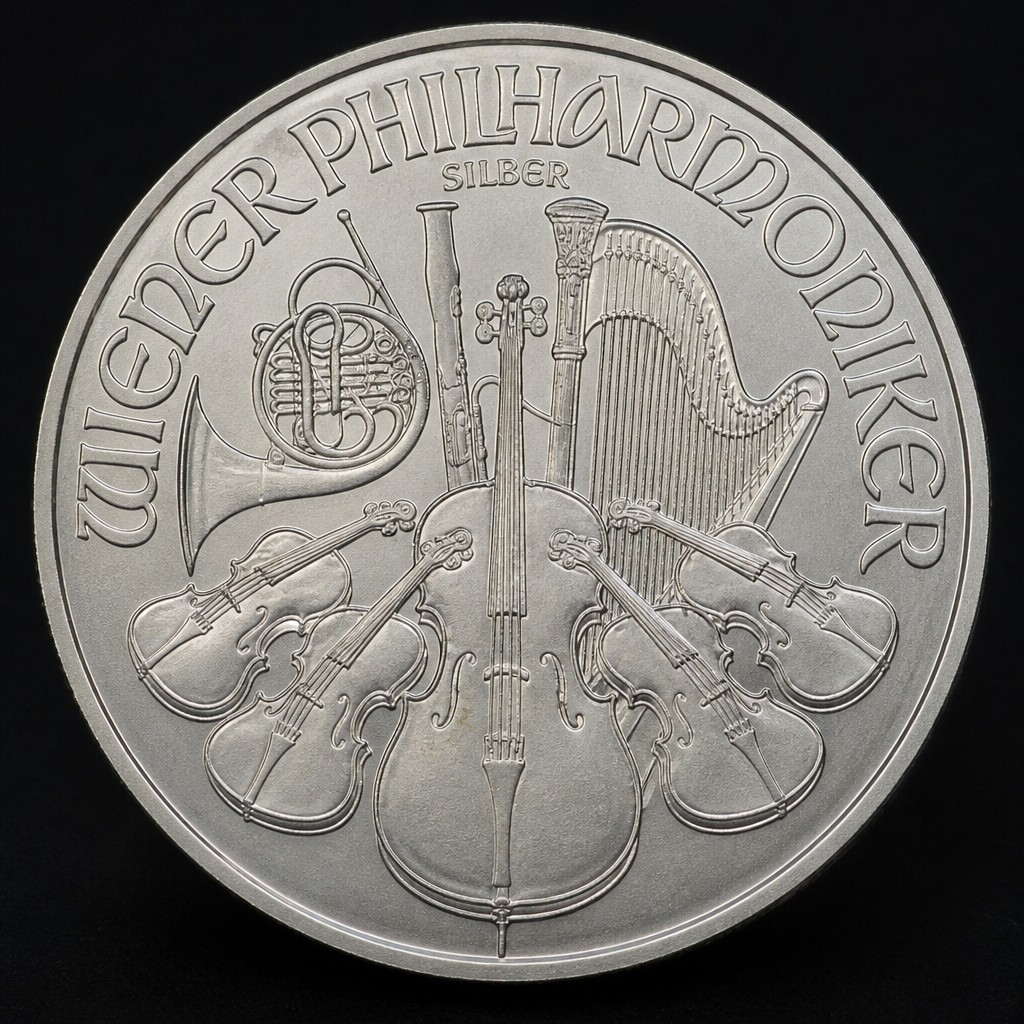
Austrian Silver Philharmonic
Austria's modern one-ounce silver bullion coin, launched in 2008 as a companion to the long-running gold Philharmonic, featuring the instruments of the Vienna Philharmonic Orchestra.
Bullion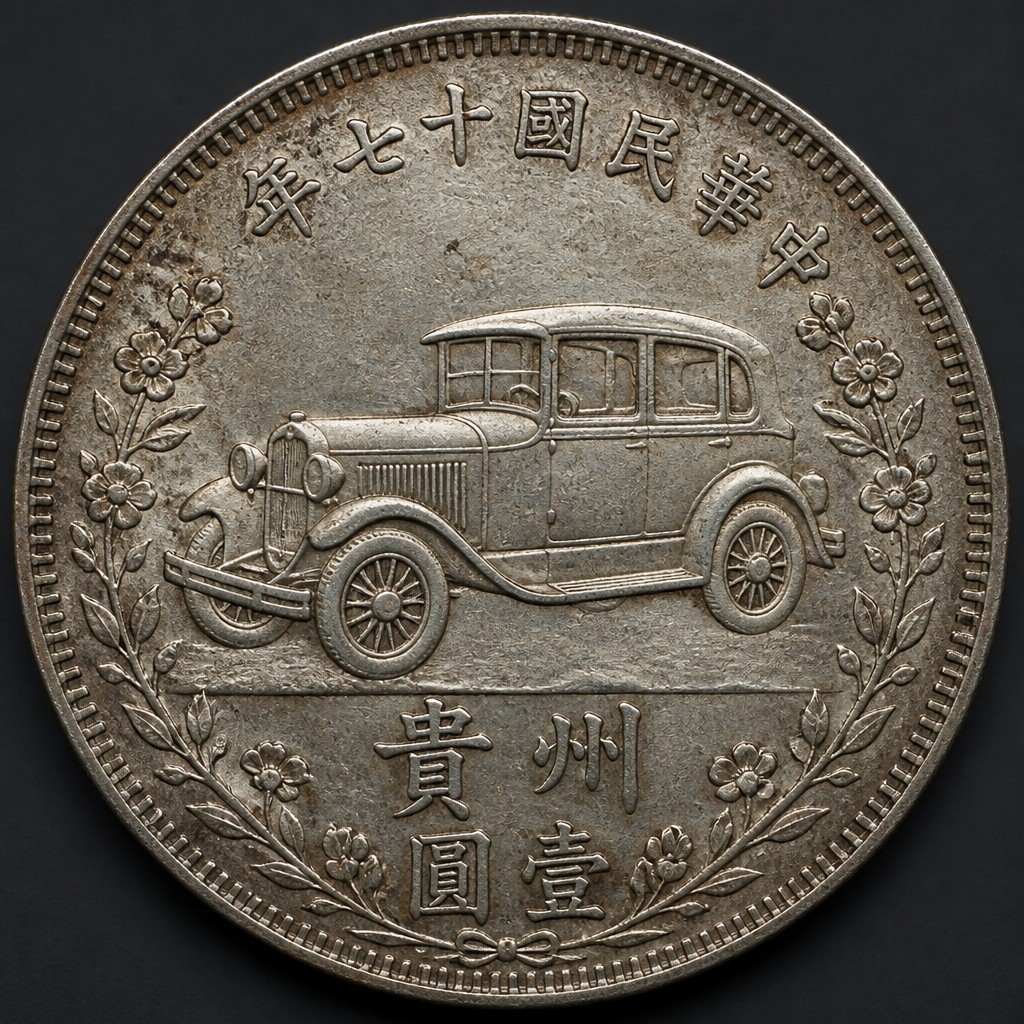
Chinese Auto Dollar (Kweichow, 1928)
Famous Chinese provincial silver dollar depicting an automobile, struck in Kweichow province in 1928 and celebrated by collectors as one of the most distinctive Chinese coin designs.
Asian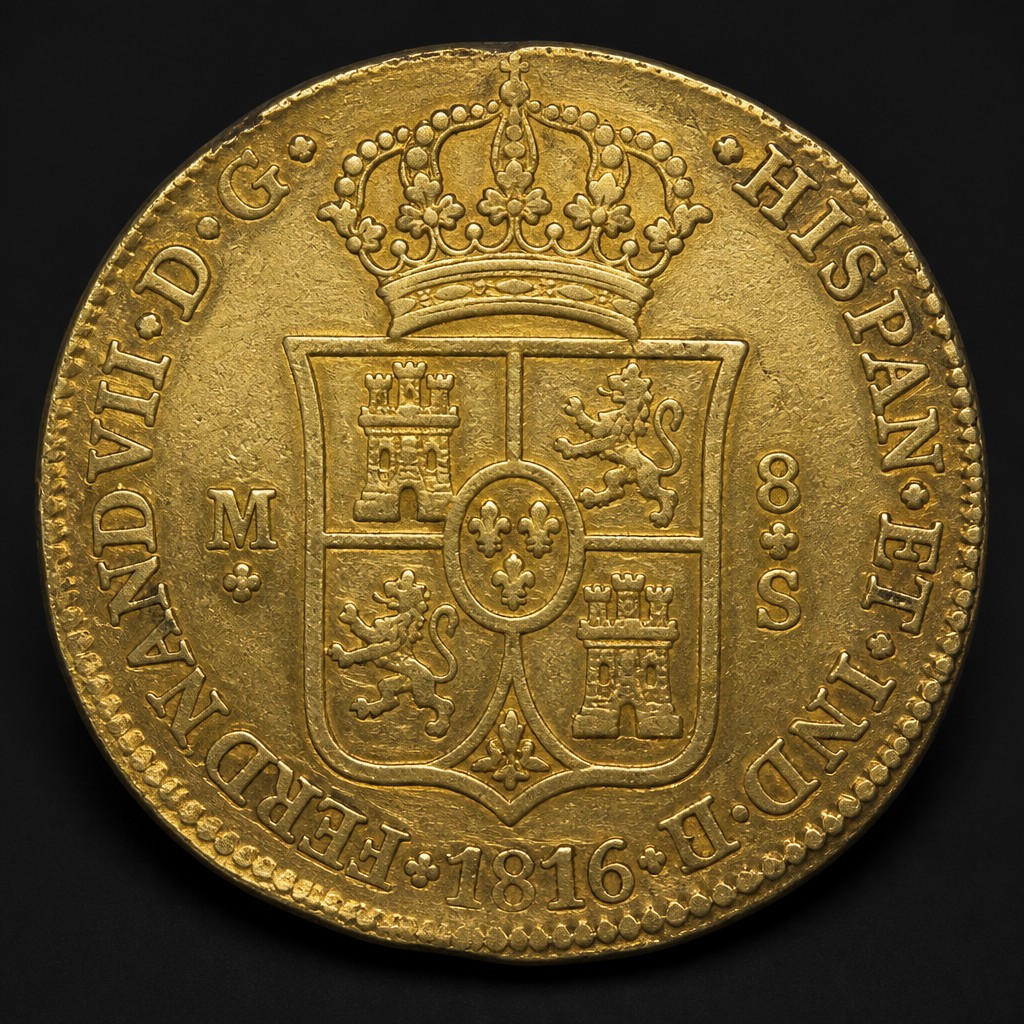
Spanish Colonial Gold Escudo (Doubloon)
The gold coinage of the Spanish American colonies, popularly nicknamed the doubloon, struck in denominations up to 8 escudos and famous from pirate and shipwreck lore.
Latin American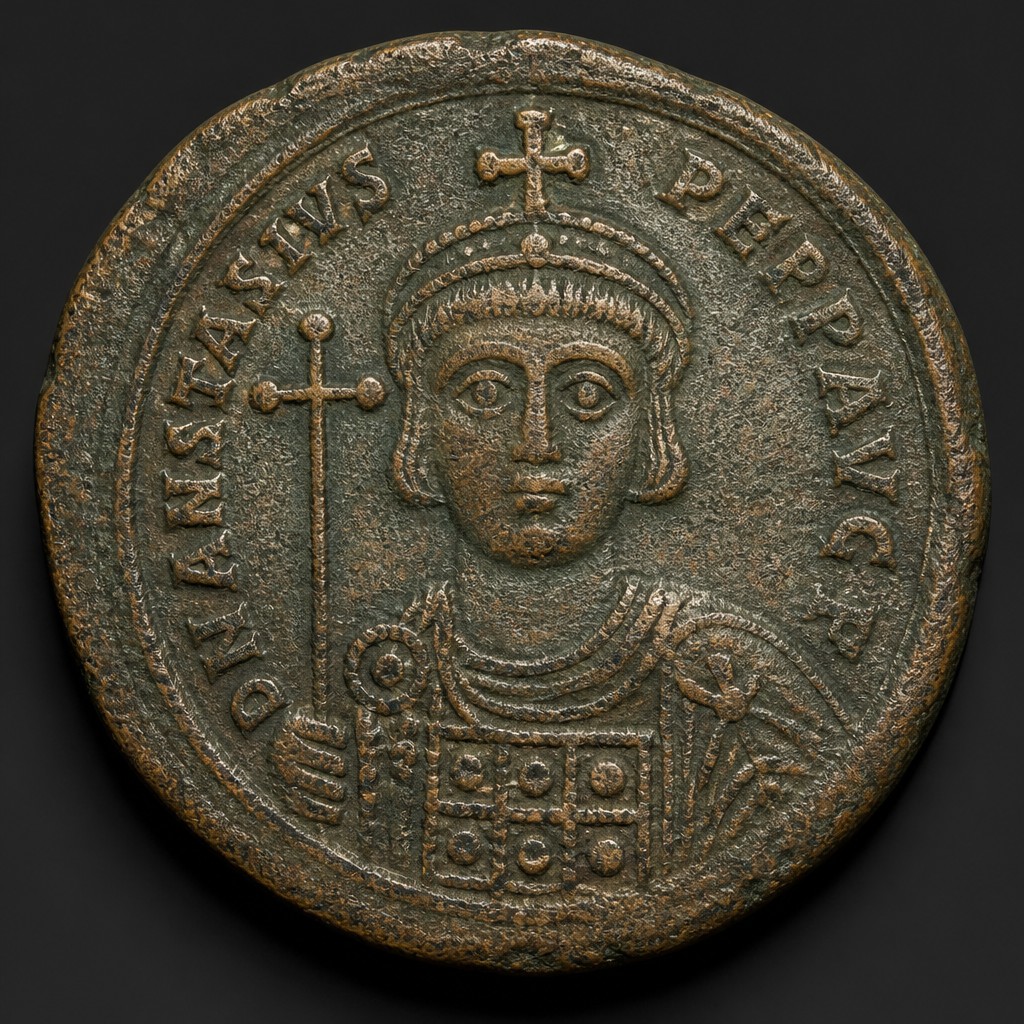
Byzantine Follis
The large bronze workhorse coin of everyday Byzantine commerce, reformed by Emperor Anastasius I in 498 AD with a prominent Greek numeral denoting its value of 40 nummi.
Ancient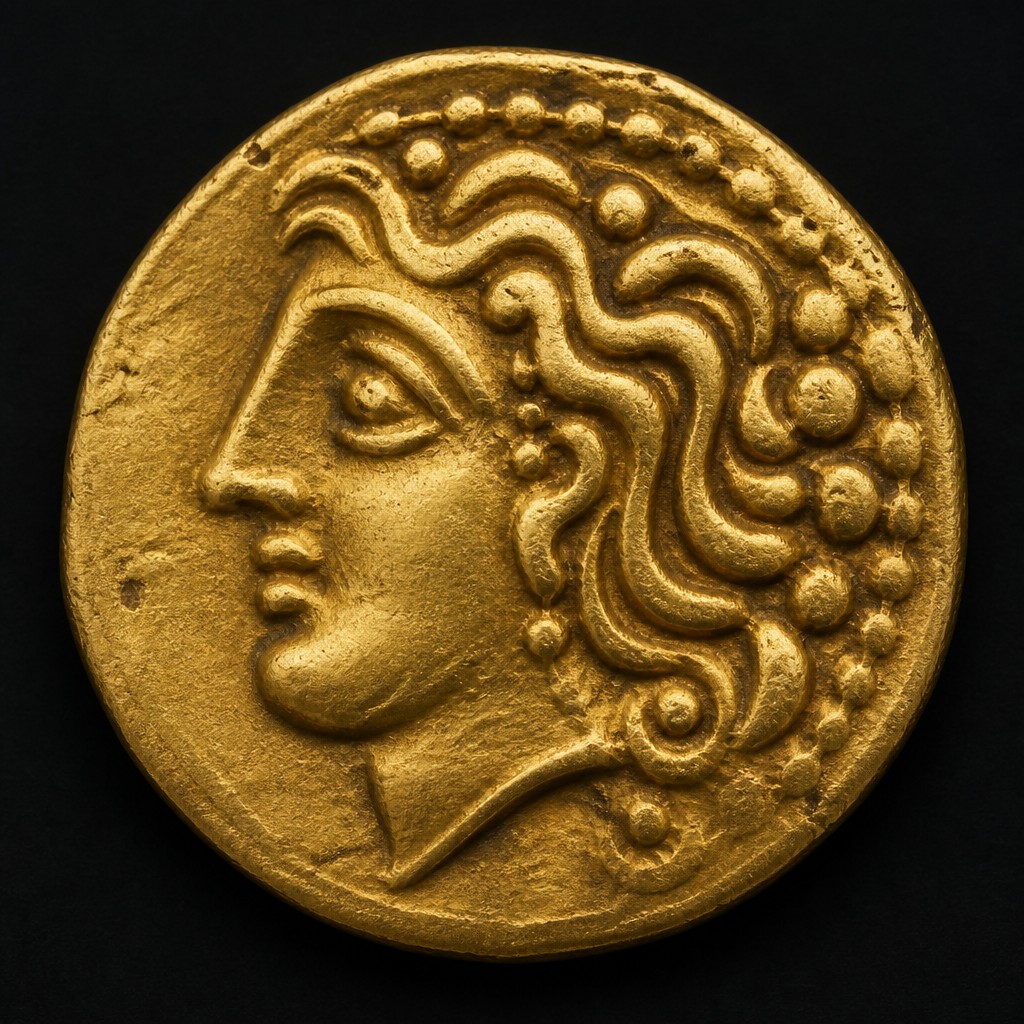
Celtic Gold Stater
Iron Age gold coins struck by Celtic tribes across Gaul and Britain, evolving from close imitations of Macedonian staters into strikingly abstract, stylized designs.
Ancient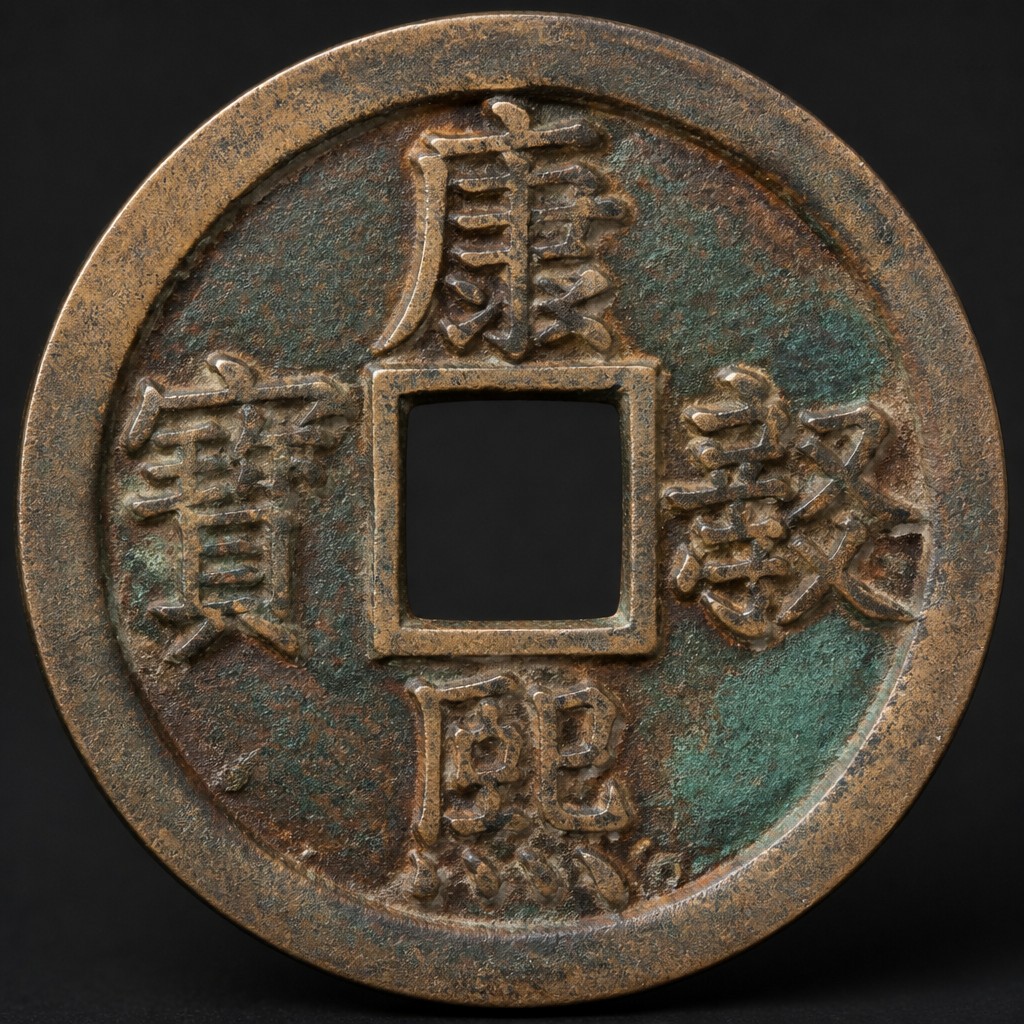
Chinese Tang Dynasty Cash
The influential bronze cash coin introduced in the Tang Dynasty, inscribed "Kai Yuan Tong Bao," that established the round-with-square-hole design copied for over a thousand years.
Asian