
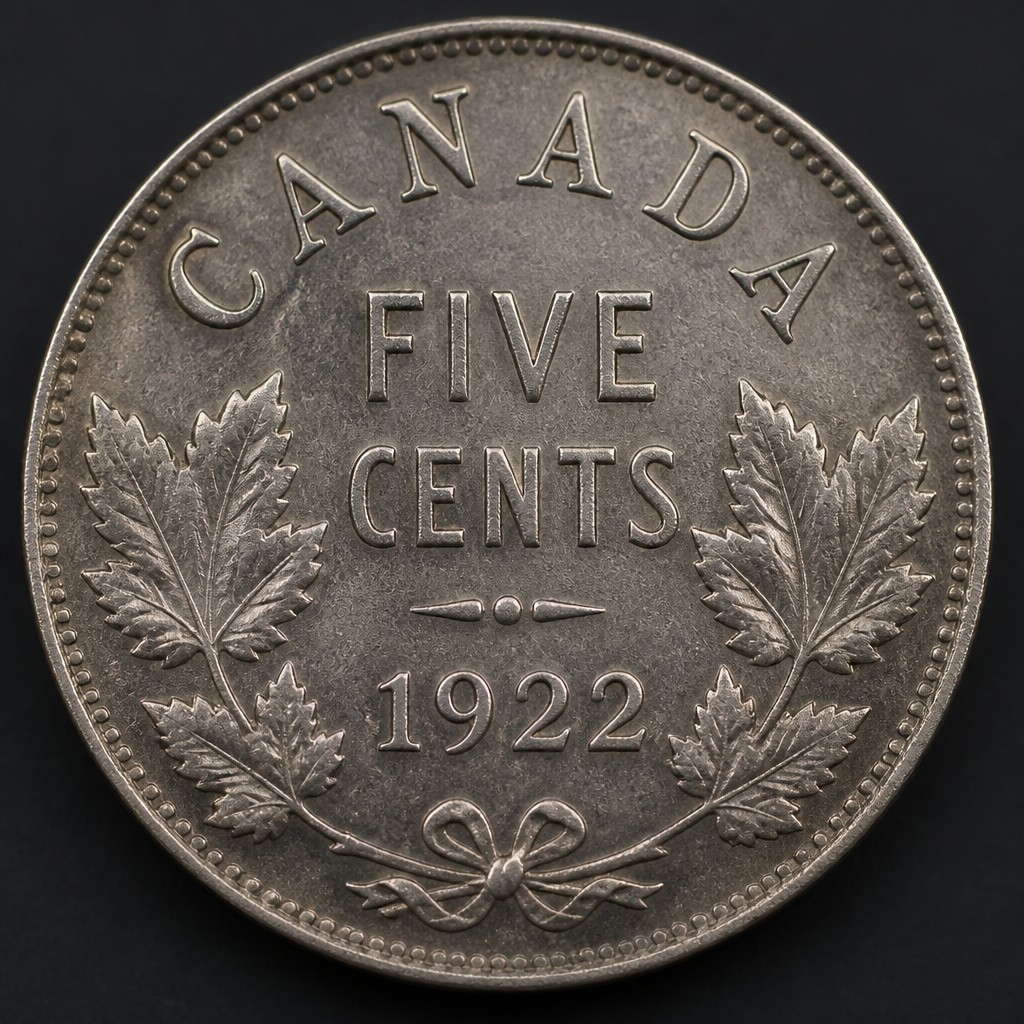
1922 Canadian Nickel Five Cents
The first year Canada's five-cent coin was struck in solid nickel rather than silver, introducing the beaver reverse design that would define the coin for decades.
- Country
- Canada
- Denomination
- Five Cents
- Metal
- Nickel (99.9%)
Got a coin like this?
Identify any coin from a photo, free.
Overview
The 1922 five-cent piece marked a turning point for Canadian coinage: the tiny silver "fish scale" coin used since 1858 was replaced by a larger, more durable coin struck in pure nickel metal, fittingly reflecting Canada's status as a major world nickel producer. The new coin also introduced the beaver reverse design that would become one of the most recognizable and long-lived images in Canadian numismatics.
As a first-year-of-type coin, 1922 holds special significance for collectors building a Canadian five-cent type set or a complete beaver-nickel date run.
History & Background
By the early 1920s, rising silver prices made the traditional tiny silver five-cent coin increasingly impractical and easy to confuse with other small silver denominations. The Royal Canadian Mint responded by introducing a larger coin struck in solid nickel, a metal in which Canada, particularly Ontario's Sudbury region, was a dominant global producer.
The new coin's reverse was designed by W.H.J. Blakemore and depicted a beaver on a rock beside a log, an image intended to symbolize Canadian industry and natural resources. The obverse continued to carry the crowned portrait of King George V used on other Canadian coinage of the period.
This basic beaver design, with only minor detail modifications over the decades, would remain in use on Canada's five-cent coin for the remainder of the 20th century and into the 21st, making 1922 the starting point of one of the most enduring coin designs in the world.
How to Identify
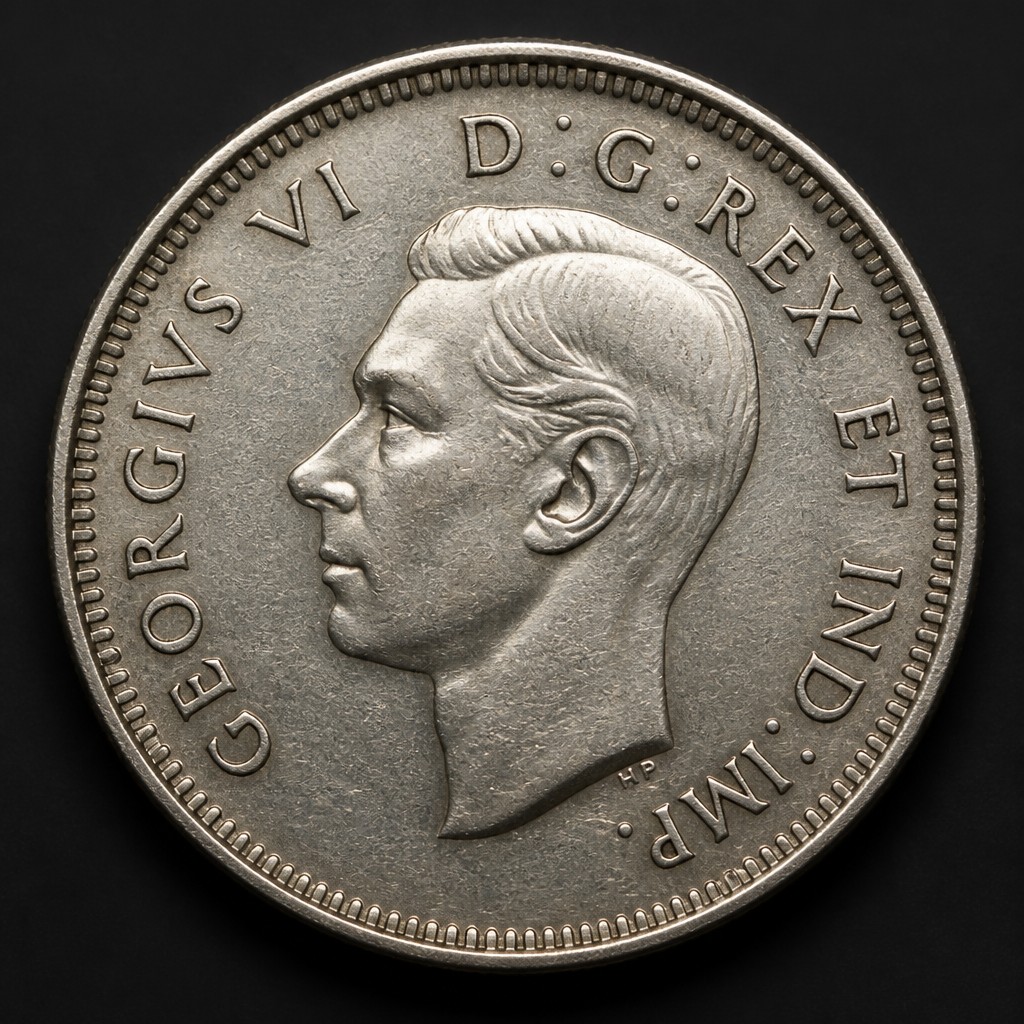
The obverse shows King George V crowned and facing left, with the legend GEORGIVS V DEI GRA REX ET IND IMP around the border. The reverse depicts a beaver standing on a rock beside a log or mound, with CANADA above, the date below, and 5 CENTS integrated into the design.
The coin is noticeably larger and thicker than the silver five-cent pieces that preceded it, with a distinctive light gray nickel color and a smooth or lightly reeded edge depending on striking specifics. No mint mark appears, as all Canadian coinage of this era was produced at the Ottawa mint.
Collectors distinguish 1922 from later beaver-nickel dates primarily by the date itself, since the overall design remained essentially unchanged for many following decades; some later years also used different metals due to wartime shortages, unlike the pure nickel composition of 1922.
Value & Collectibility
The 1922 five-cent is a scarcer early date in the beaver-nickel series and, as the first year of the new type, is actively sought by date collectors and type collectors alike. Well-struck, lustrous uncirculated examples command a solid premium over the common worn pieces typically found in circulated collections.
While not among Canada's legendary rarities, the 1922 date is meaningfully harder to find in top condition than many later beaver-nickel dates, giving it above-average demand within an otherwise accessible and affordable series.
Frequently asked questions
Why did Canada switch from silver to nickel for the five-cent coin?
Rising silver prices and Canada's status as a major nickel producer made a larger nickel coin a practical and symbolically fitting replacement.
Who designed the beaver reverse?
The beaver design was created by W.H.J. Blakemore and introduced with the 1922 coin.
How long was the beaver design used?
With only minor refinements, the beaver reverse remained in use on Canadian five-cent coins for most of the rest of the 20th century and beyond.
Is the 1922 five-cent rare?
It is not extremely rare, but it is a scarcer early date within the beaver-nickel series, especially in high grade.
What metal is the coin made of?
It is struck in nearly pure nickel metal.
Other coins you may enjoy
1953 Coronation Voyageur Dollar
1953
1911 Canadian Silver Dollar (Pattern)
1911
George V Twenty-Five Cents (silver)
1911–1936
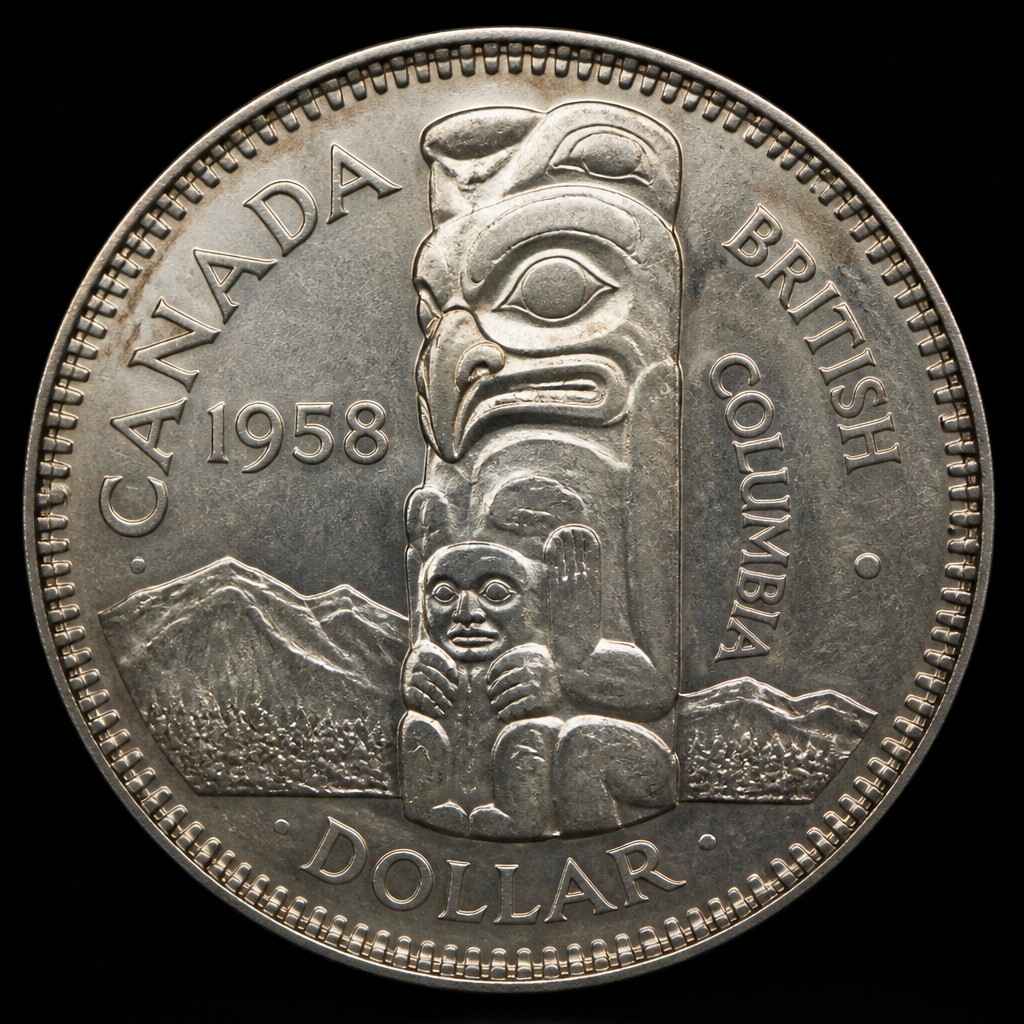
1958 British Columbia Totem Pole Dollar
1958
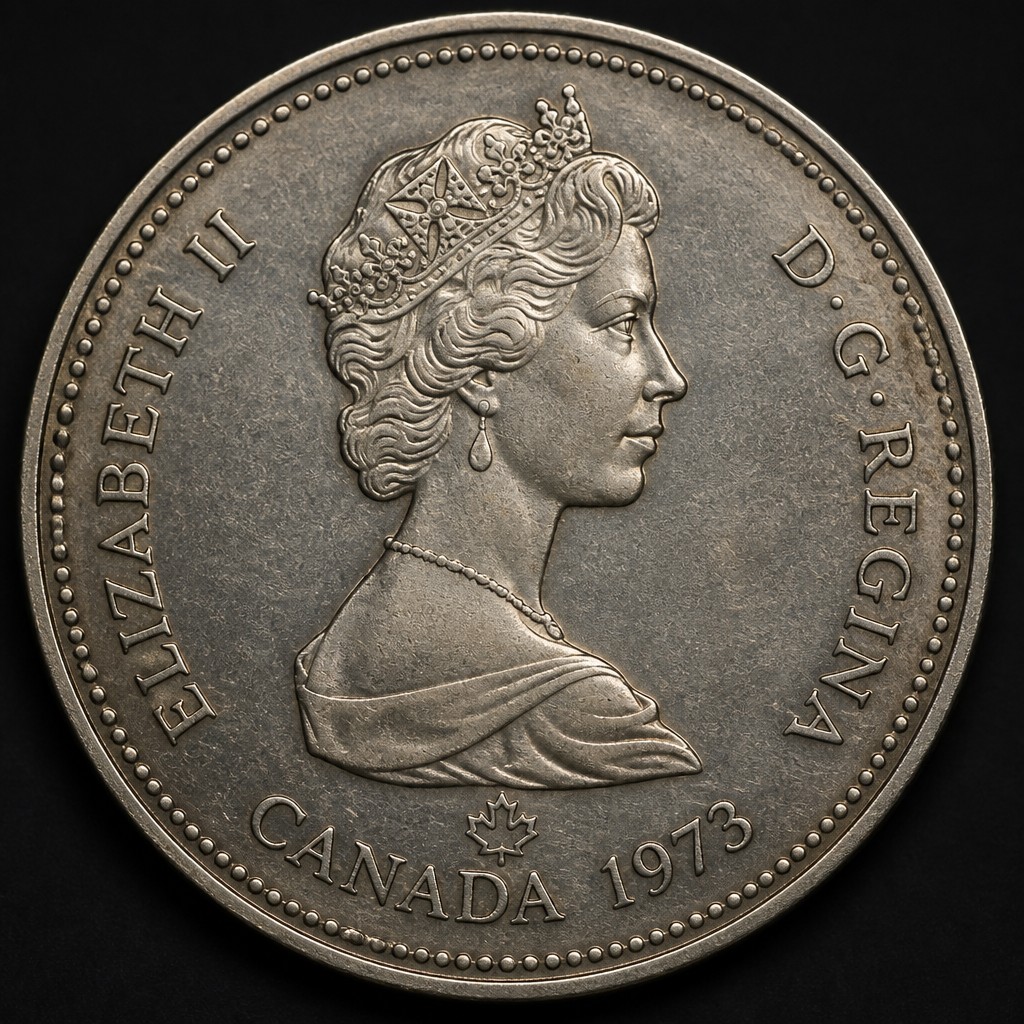
1973 RCMP Centennial Dollar
1973
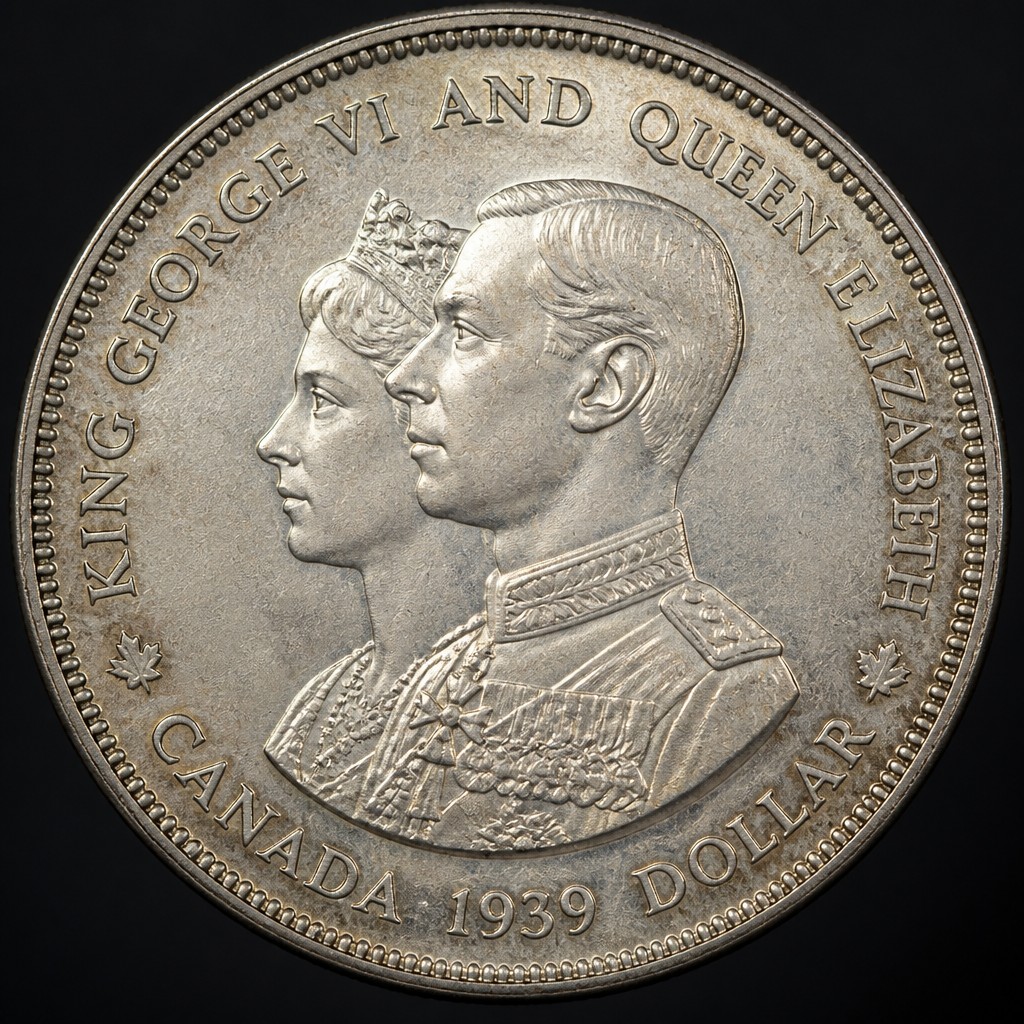
1939 Royal Visit Silver Dollar (Parliament)
1939
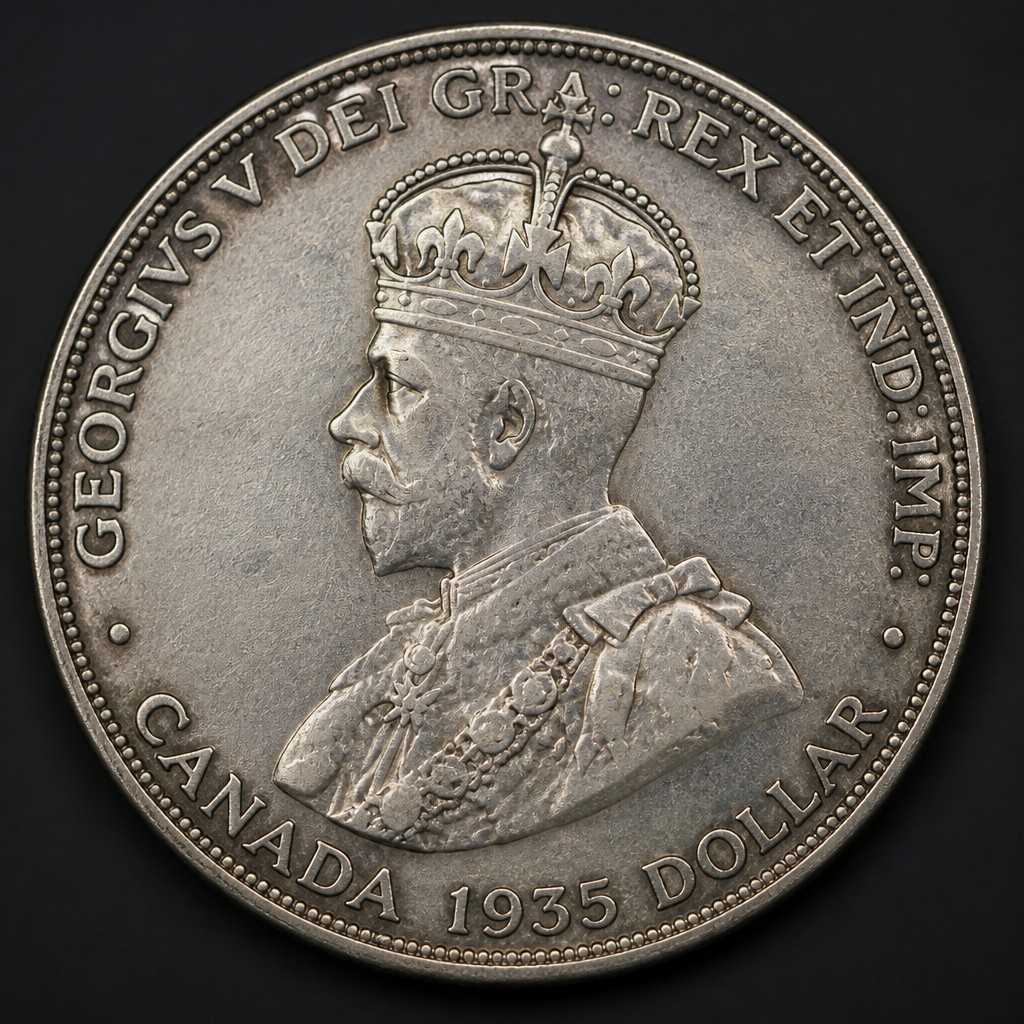
1935 George V Silver Jubilee Dollar (Voyageur)
1935
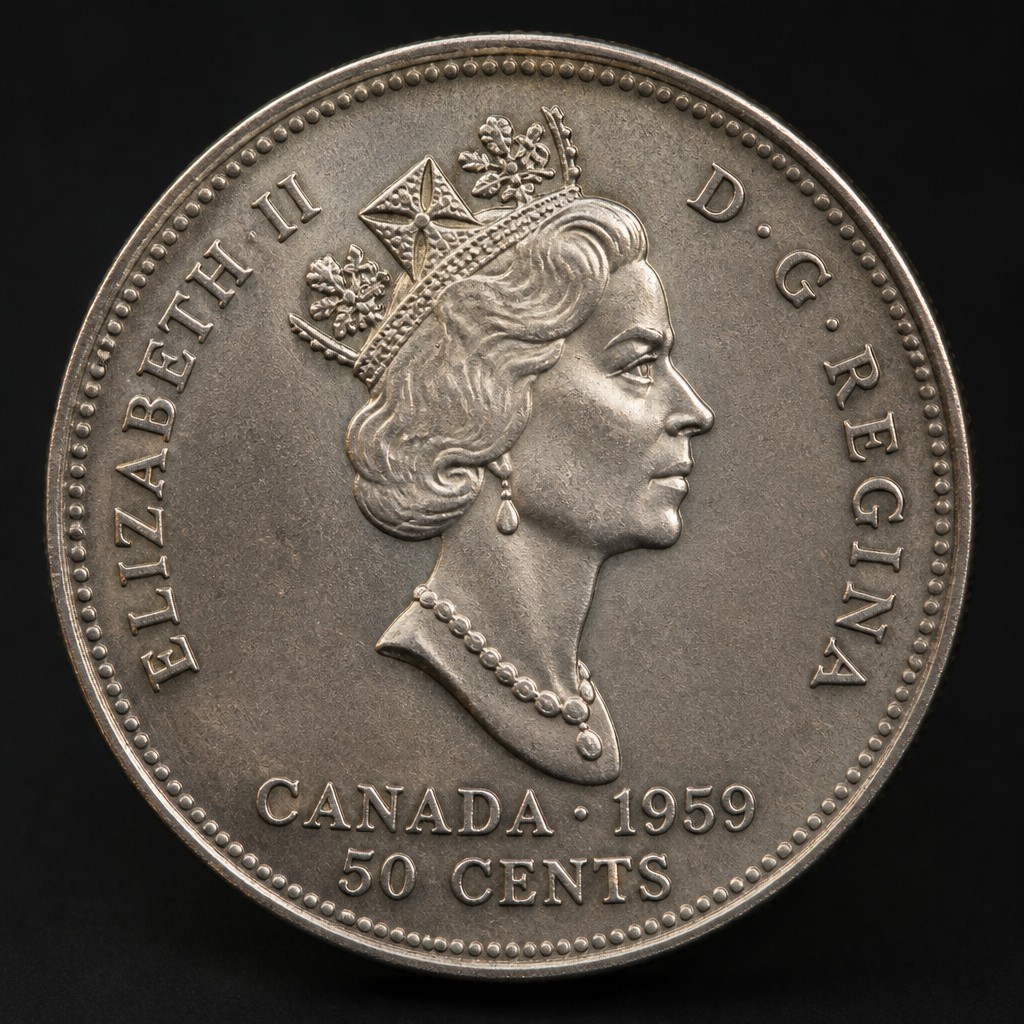
Coat of Arms Fifty Cents (Elizabeth II)
1959–present
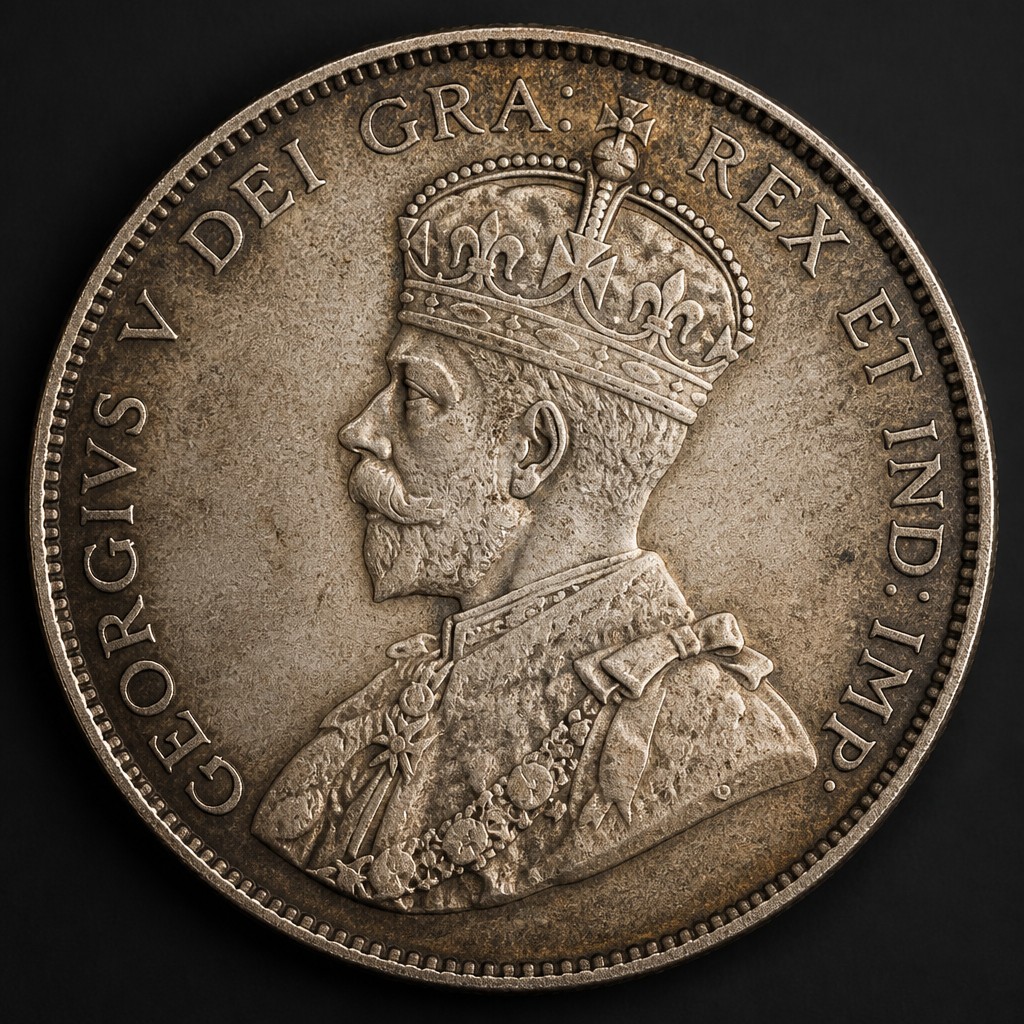
1921 Fifty Cents (King of Canadian Coins)
1921
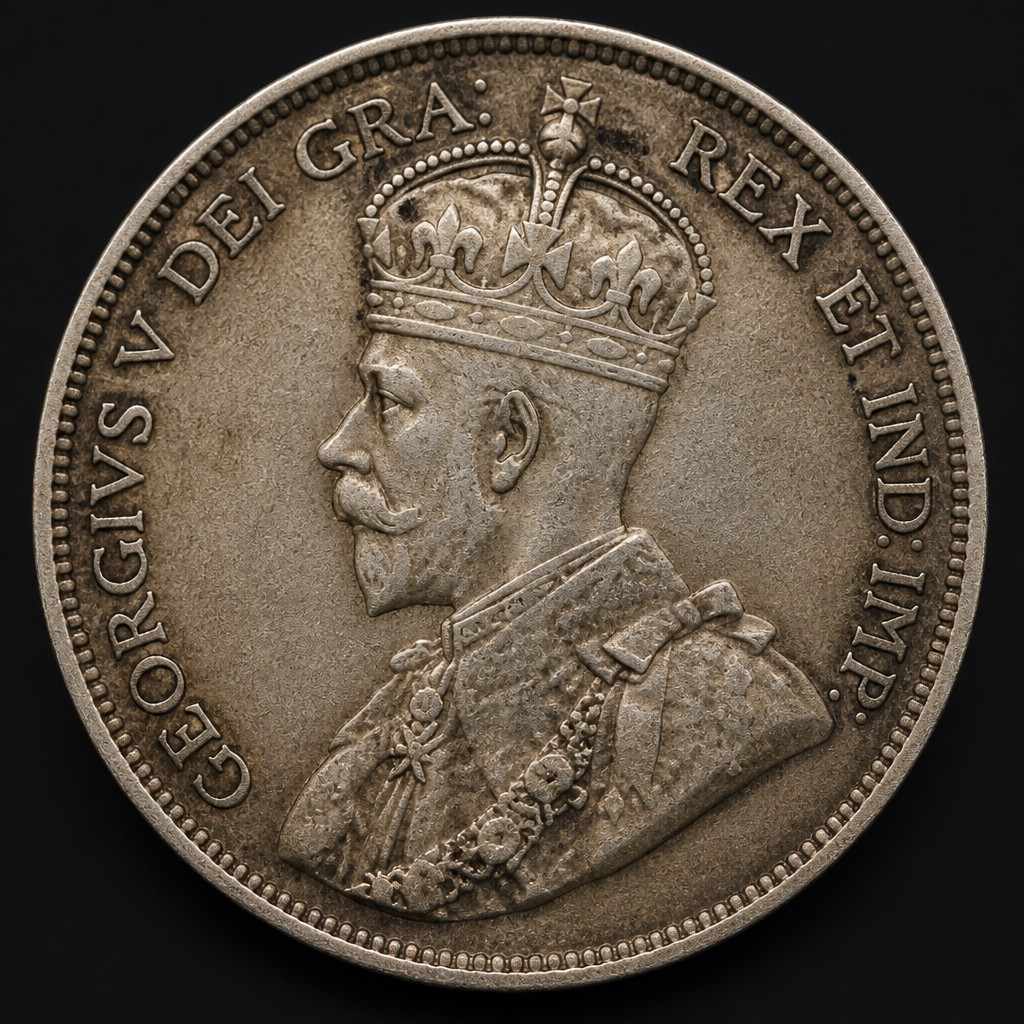
George V Fifty Cents
1911–1936
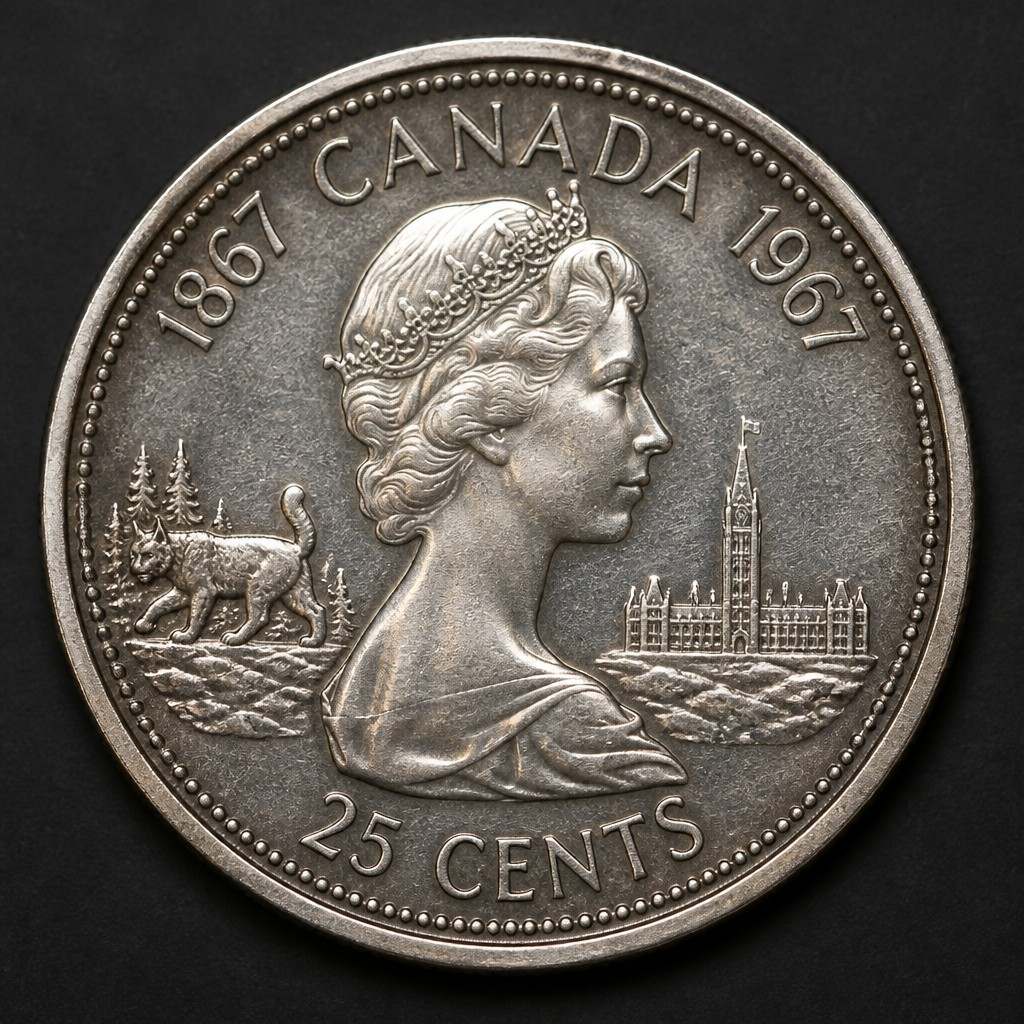
1967 Bobcat Centennial Quarter
1967
Caribou Twenty-Five Cents (quarter)
1937–present