
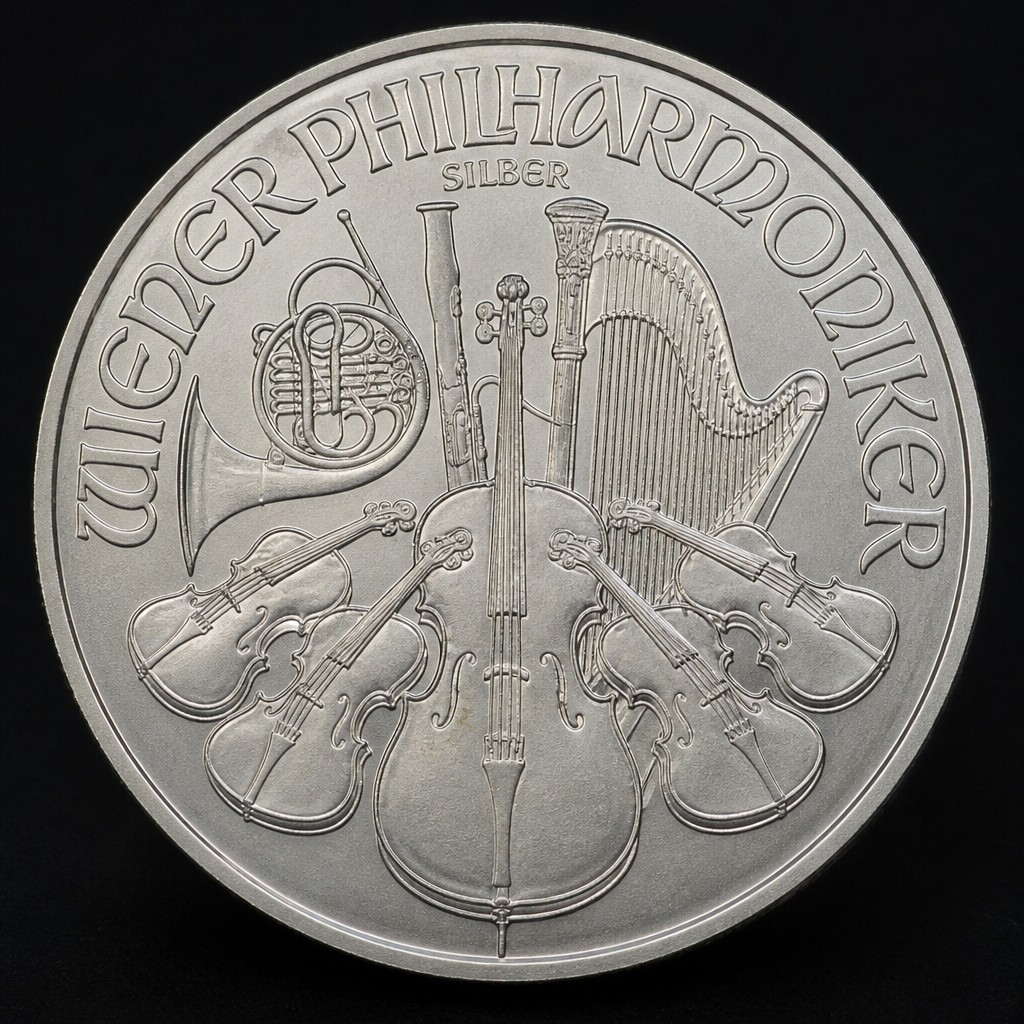
Austrian Silver Philharmonic
Austria's modern one-ounce silver bullion coin, launched in 2008 as a companion to the long-running gold Philharmonic, featuring the instruments of the Vienna Philharmonic Orchestra.
- Country
- Austria
- Denomination
- 1.50 Euro (bullion face value)
- Metal
- .999 fine silver
Got a coin like this?
Identify any coin from a photo, free.
Overview
The Austrian Silver Philharmonic is a modern bullion coin produced by the Austrian Mint, first issued in 2008 to complement the long-established gold Philharmonic series that debuted in 1989. It quickly became one of the most popular silver bullion coins in Europe, prized by investors and collectors alike for its classic design and reliable purity.
Each coin is struck in one troy ounce of .999 fine silver and carries a nominal face value in euros, though its market value is driven almost entirely by the prevailing price of silver plus a modest premium for minting and distribution. Larger and smaller weight versions have also been produced in various years to expand the product line.
The design shared with its gold counterpart, celebrating the world-famous Vienna Philharmonic Orchestra, gives the coin broad appeal beyond typical bullion buyers, including those with an interest in classical music and Austrian culture.
History & Background
The Austrian Mint introduced the gold Philharmonic coin in 1989 to compete with other national gold bullion programs such as the American Eagle and Canadian Maple Leaf, choosing the Vienna Philharmonic Orchestra as a distinctly Austrian and internationally recognized cultural symbol for the design. The coin's popularity led the Austrian Mint to introduce a silver version in 2008, applying the same design to a more accessible and widely traded bullion product.
The silver Philharmonic quickly grew into one of the best-selling silver bullion coins worldwide, competing directly with coins such as the American Silver Eagle, Canadian Silver Maple Leaf, and Chinese Silver Panda in the global precious metals market.
Production has continued annually since its introduction, with the design remaining essentially unchanged aside from the date, reflecting its role as a standardized, easily recognizable bullion product rather than an annually redesigned commemorative issue.
How to Identify
The obverse of the Silver Philharmonic features the great pipe organ of Vienna's Musikverein concert hall, along with the denomination and country name REPUBLIK OSTERREICH.
The reverse displays an arrangement of orchestral instruments associated with the Vienna Philharmonic, including a cello, bassoons, a harp, and French horns, symbolizing the orchestra's identity.
The standard coin is struck in one troy ounce of .999 fine silver with a diameter and reeded edge typical of modern bullion coins; the design is identical in composition and layout to the long-running gold Philharmonic, differing mainly in metal content, denomination, and the numeral or wording indicating silver rather than gold.
Value & Collectibility
As a bullion coin, the Silver Philharmonic's value is driven almost entirely by the current spot price of silver, with a modest premium reflecting minting, distribution, and dealer costs rather than numismatic rarity.
Because it is produced in large quantities annually without significant year-to-year design variation, older dates generally do not carry a meaningful collector premium over current-year coins in similar condition, though certain low-mintage years or special finishes can attract modest additional interest.
Buyers typically purchase this coin for its silver content and its recognized, easily verified purity rather than for numismatic rarity, and prices should always be compared against the live silver spot price when evaluating a purchase.
Frequently asked questions
When was the Silver Philharmonic first issued?
It was introduced in 2008 as a silver companion to the gold Philharmonic, which began in 1989.
What is depicted on the coin?
The obverse shows the pipe organ of Vienna's Musikverein concert hall, and the reverse shows a grouping of orchestral instruments representing the Vienna Philharmonic.
How pure is the silver in this coin?
The standard issue is struck in .999 fine silver, typically weighing one troy ounce.
Is this coin valuable beyond its silver content?
Generally no; as a widely produced modern bullion coin, its value tracks the silver market closely rather than commanding significant numismatic premiums, aside from special limited finishes.
Other coins you may enjoy
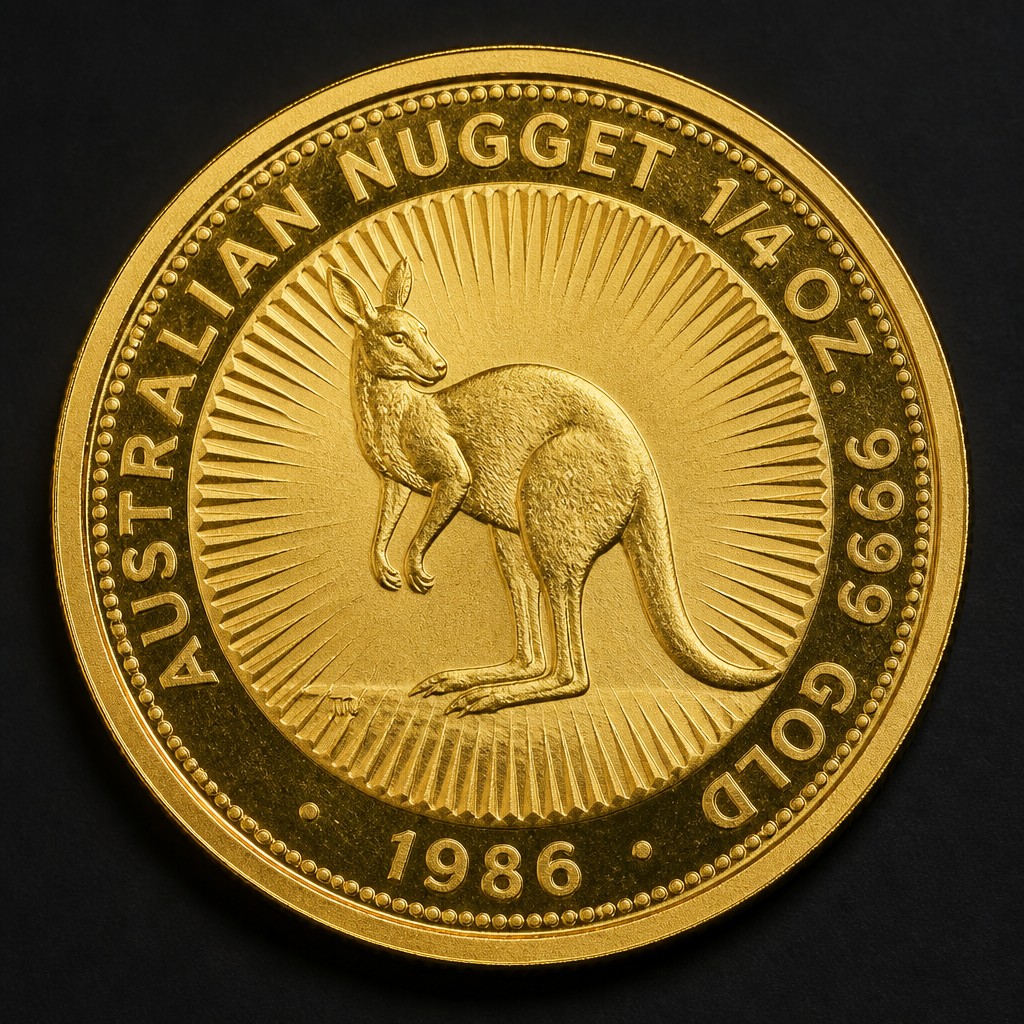
Australian Kangaroo Gold Nugget
1986-present
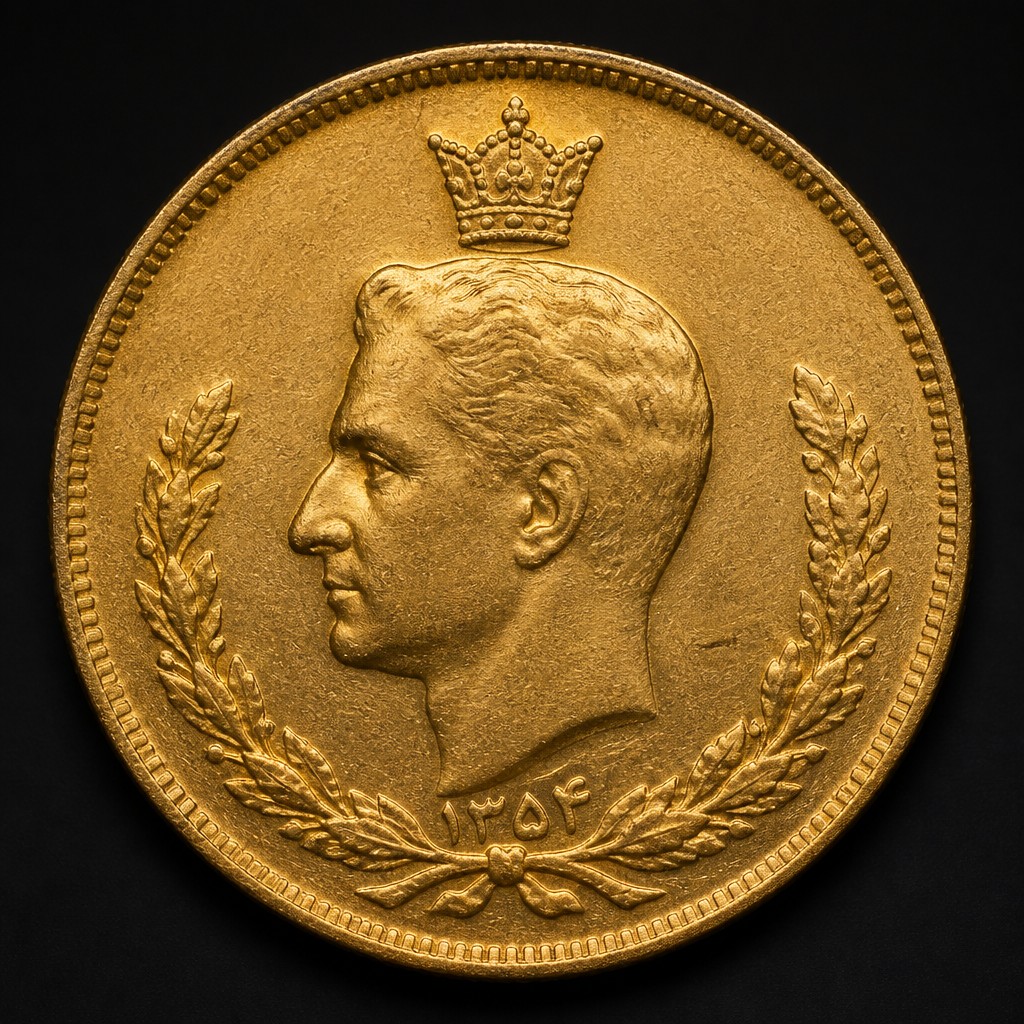
Iranian Pahlavi Gold Coin
1925–1979
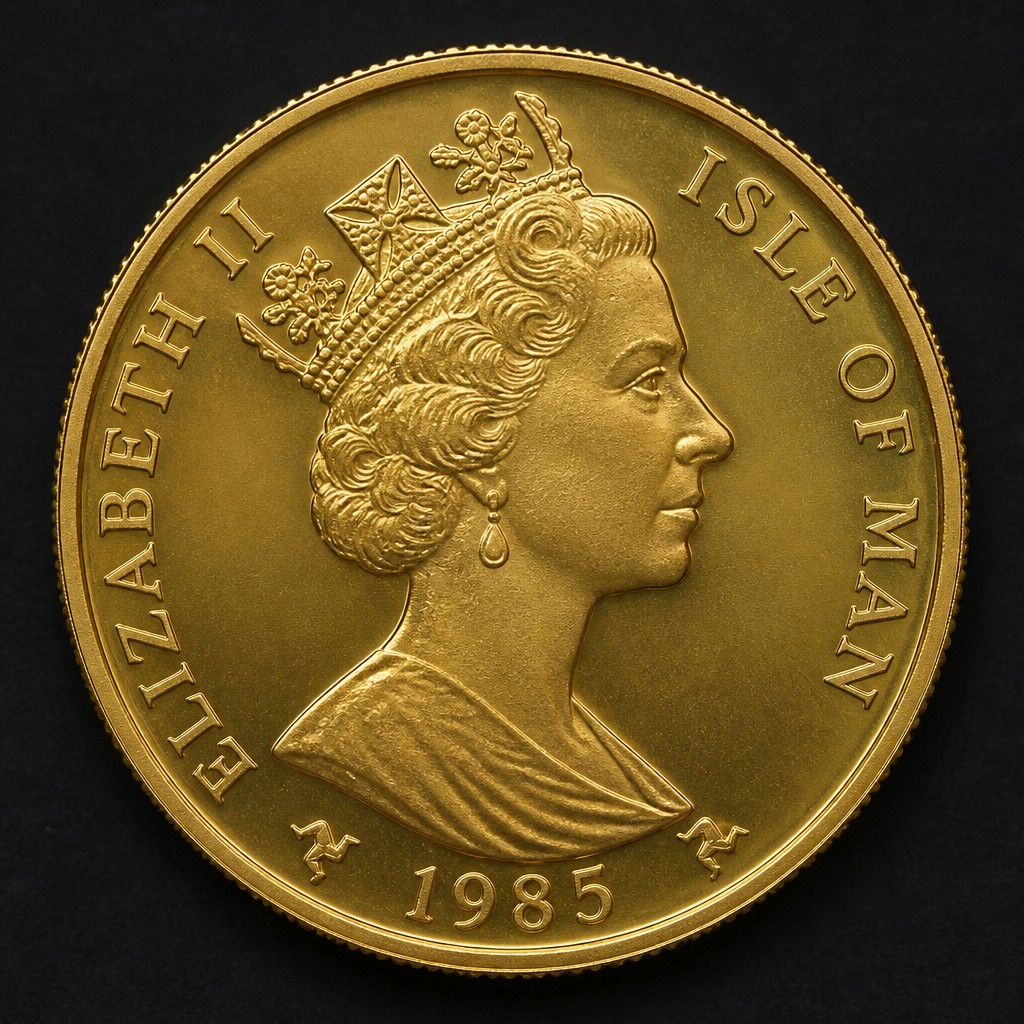
Isle of Man Angel Gold Coin
1984–present
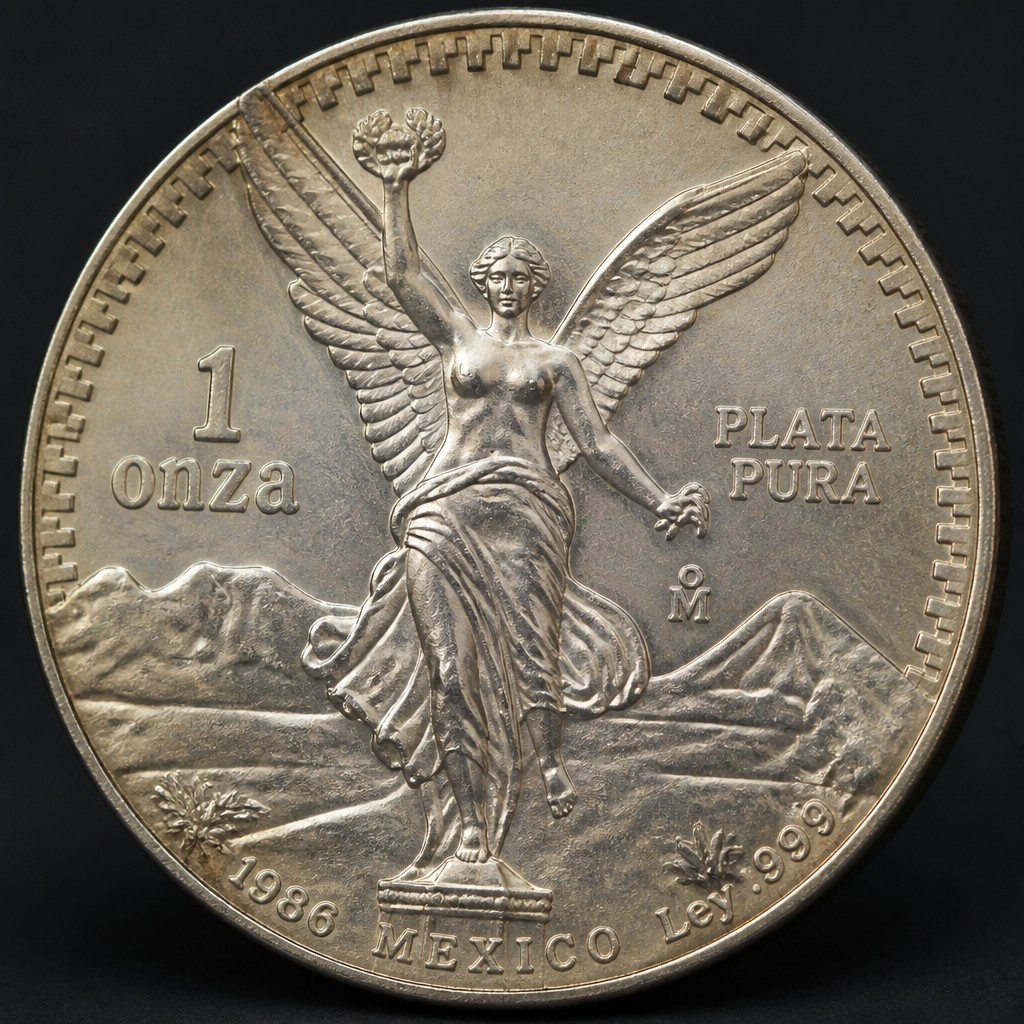
Mexican Libertad
1981-present (gold); 1982-present (silver)
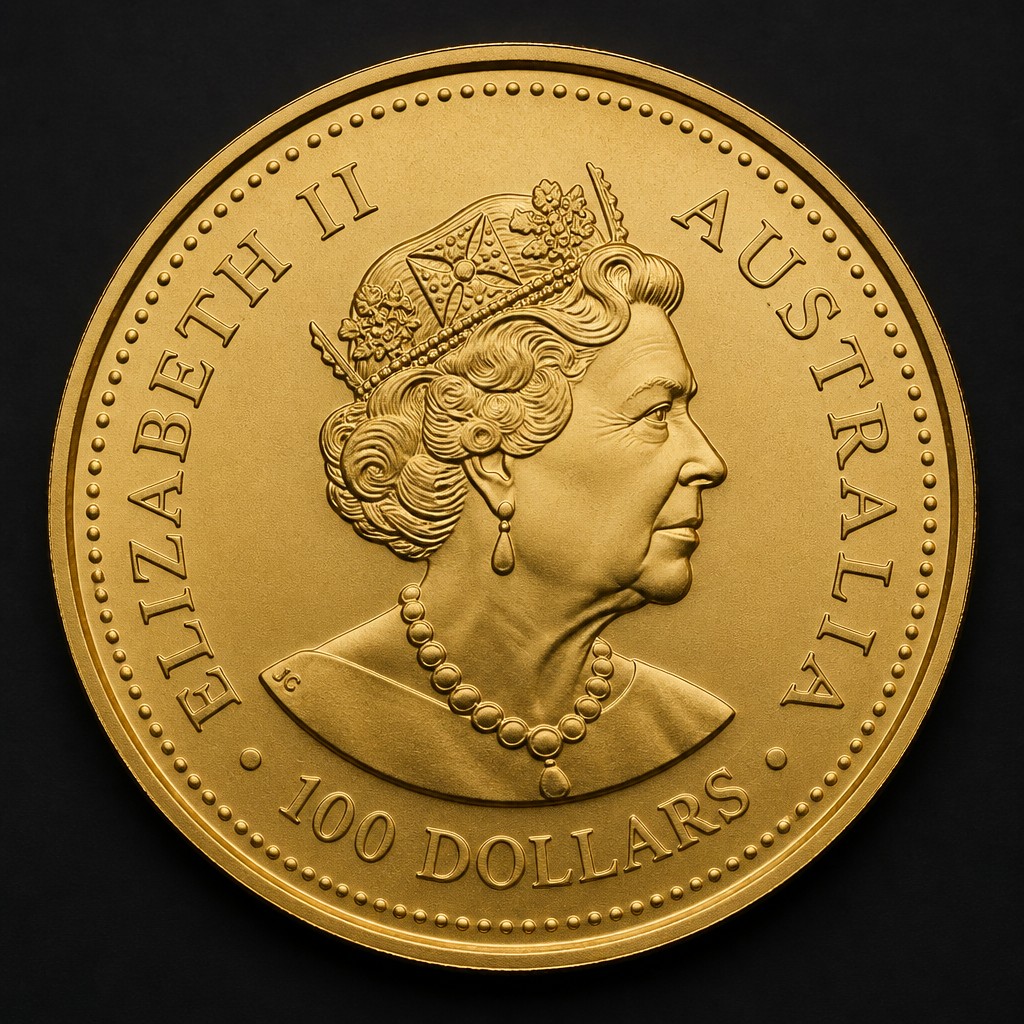
Australian Lunar Series (Perth Mint)
1996–present
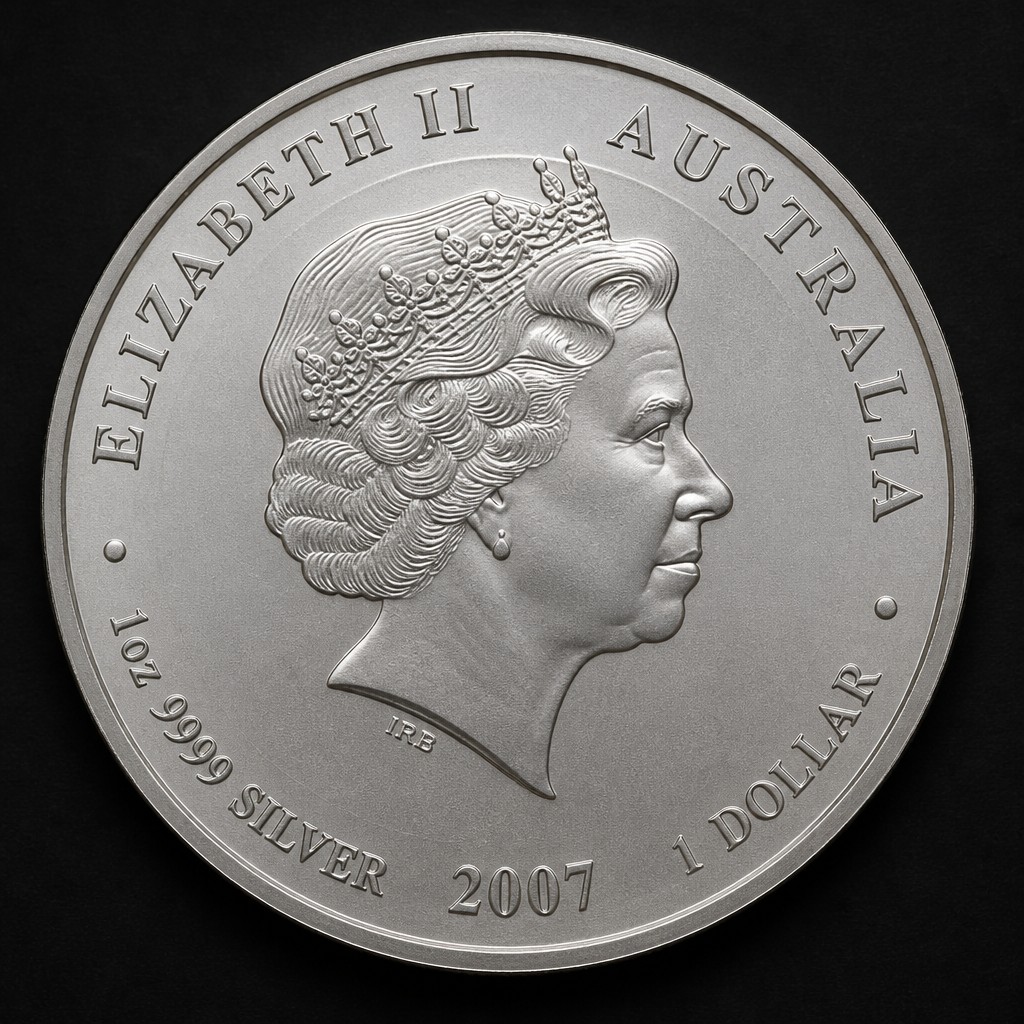
Australian Koala (Perth Mint)
1990-present (gold); 2007-present (silver)
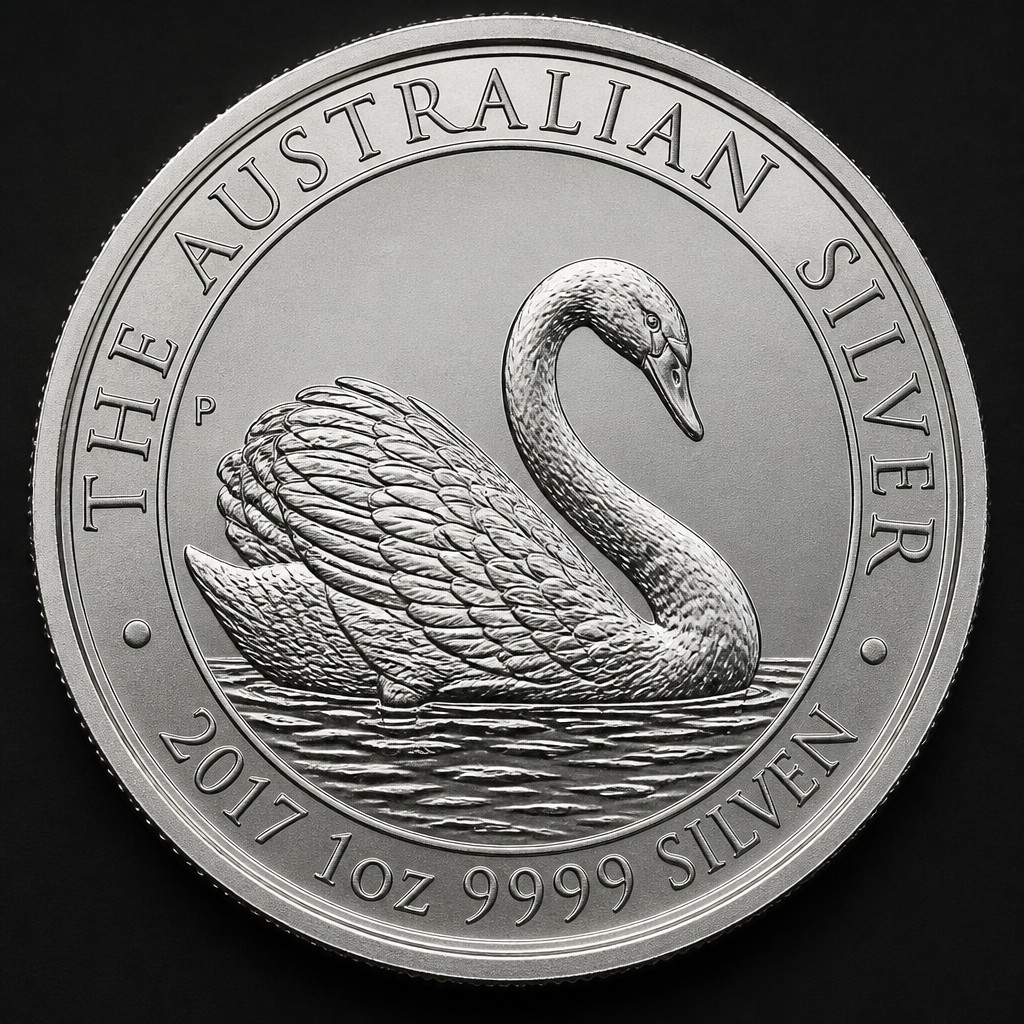
Perth Mint Silver Swan
2017–present
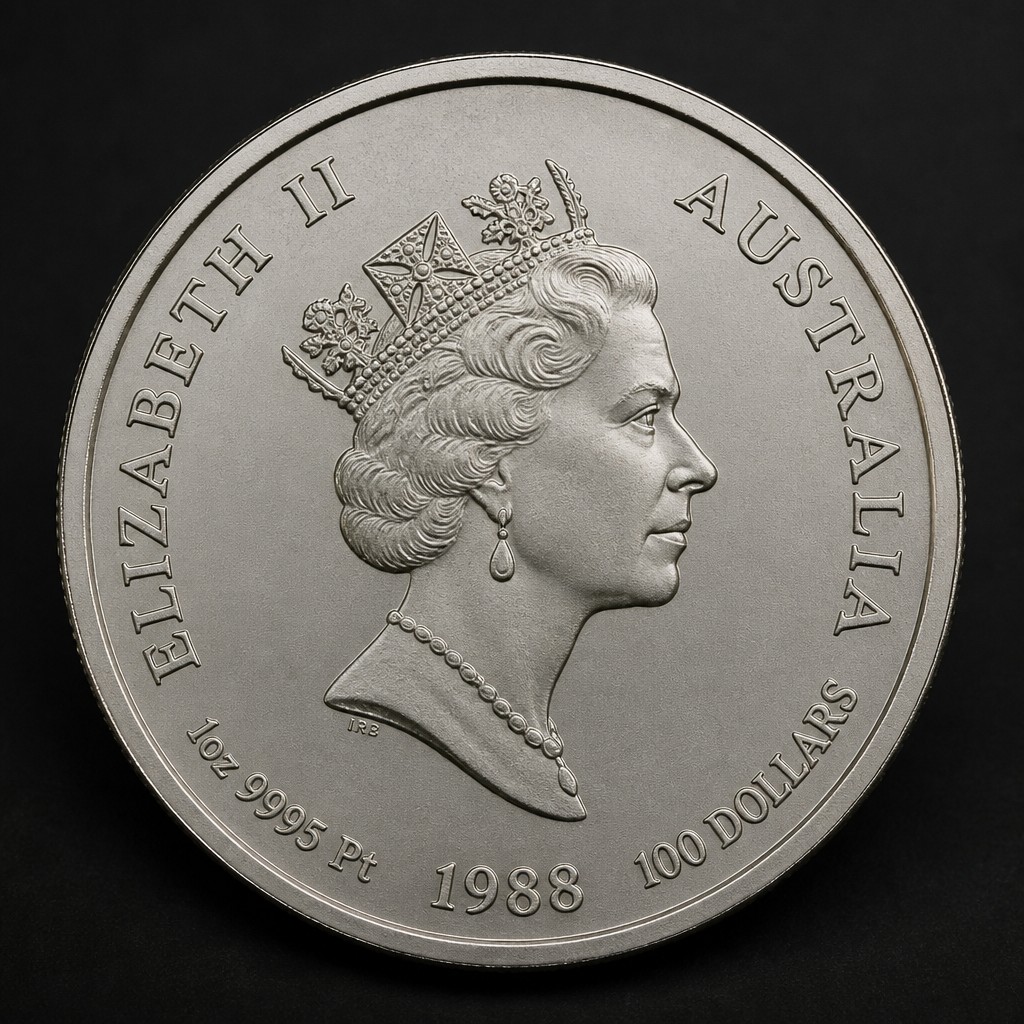
Australian Platinum Koala
1988–present
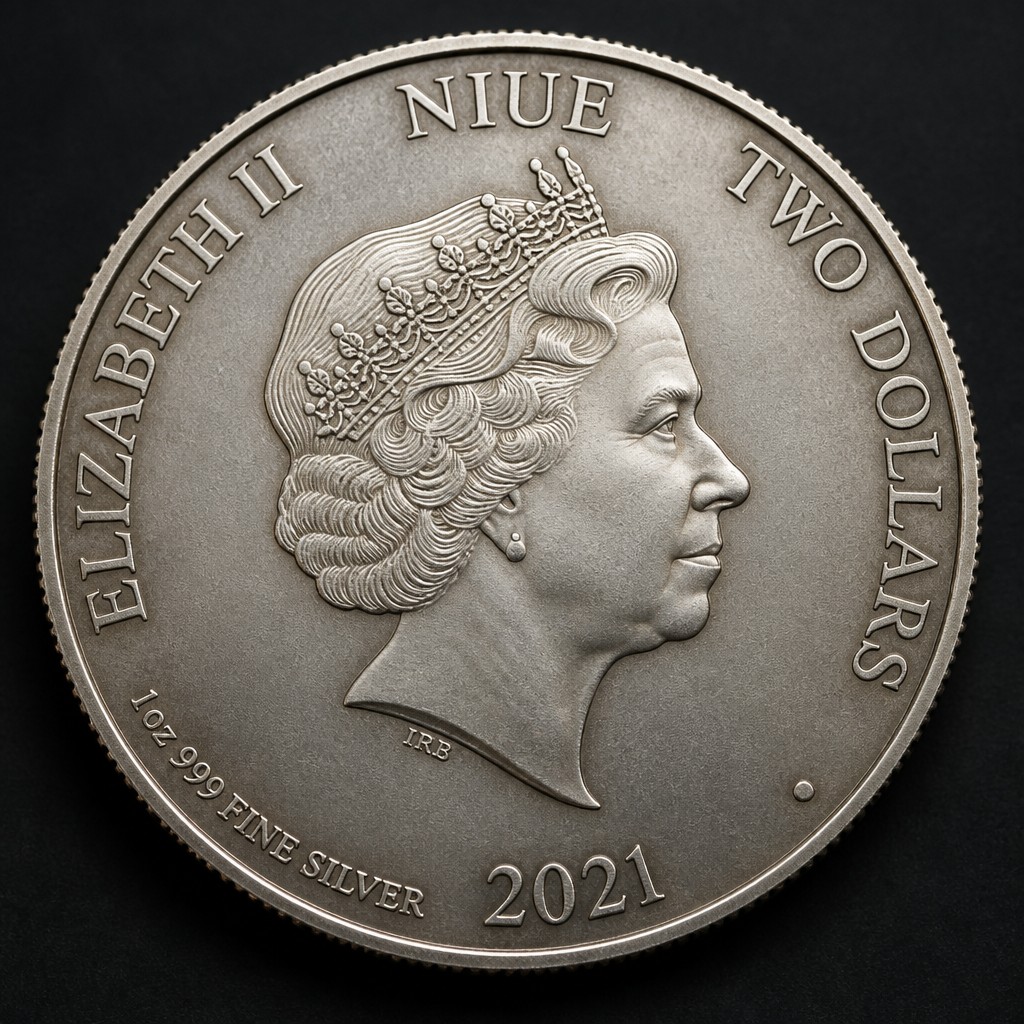
New Zealand Mint Silver Kiwi
2006–present
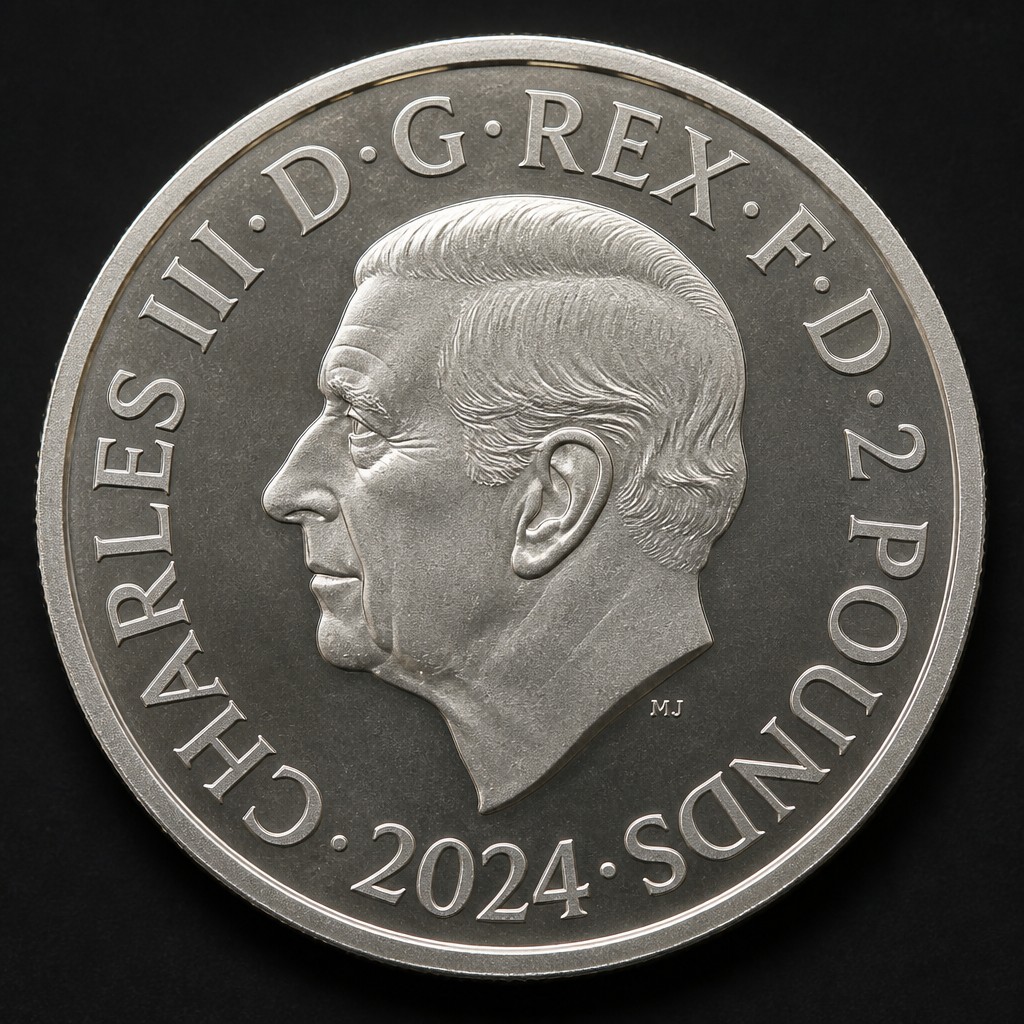
British Silver Landmarks of Britain
2020s–present
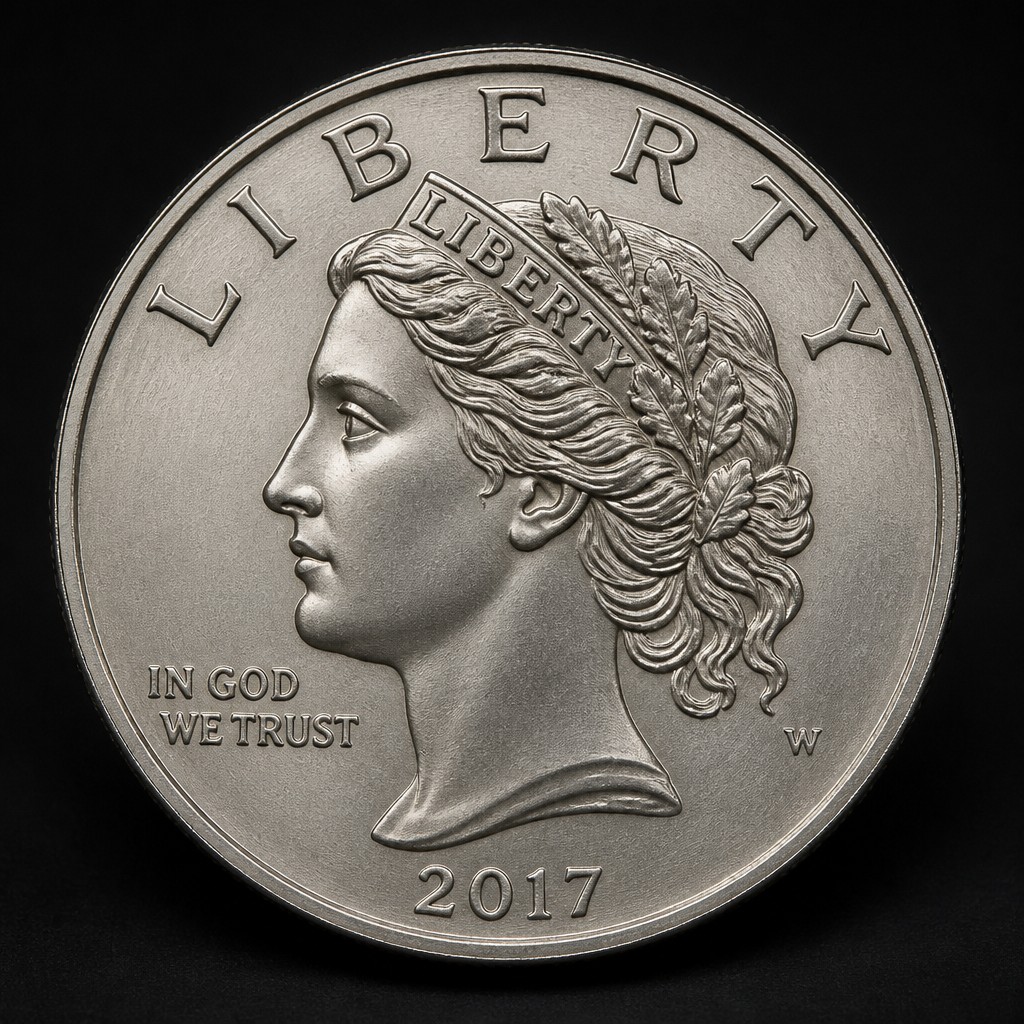
American Palladium Eagle
2017–present
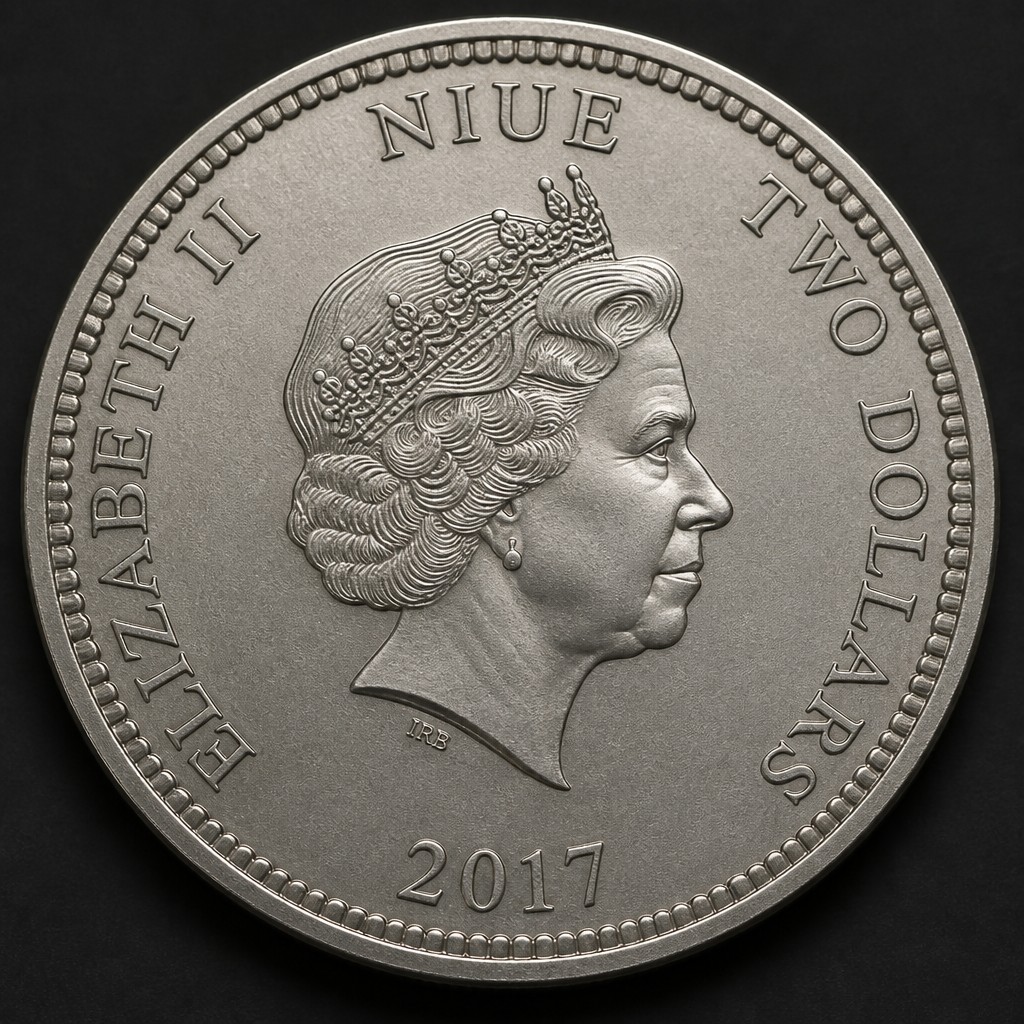
Niue Silver Owl (Athenian)
2010s–present