
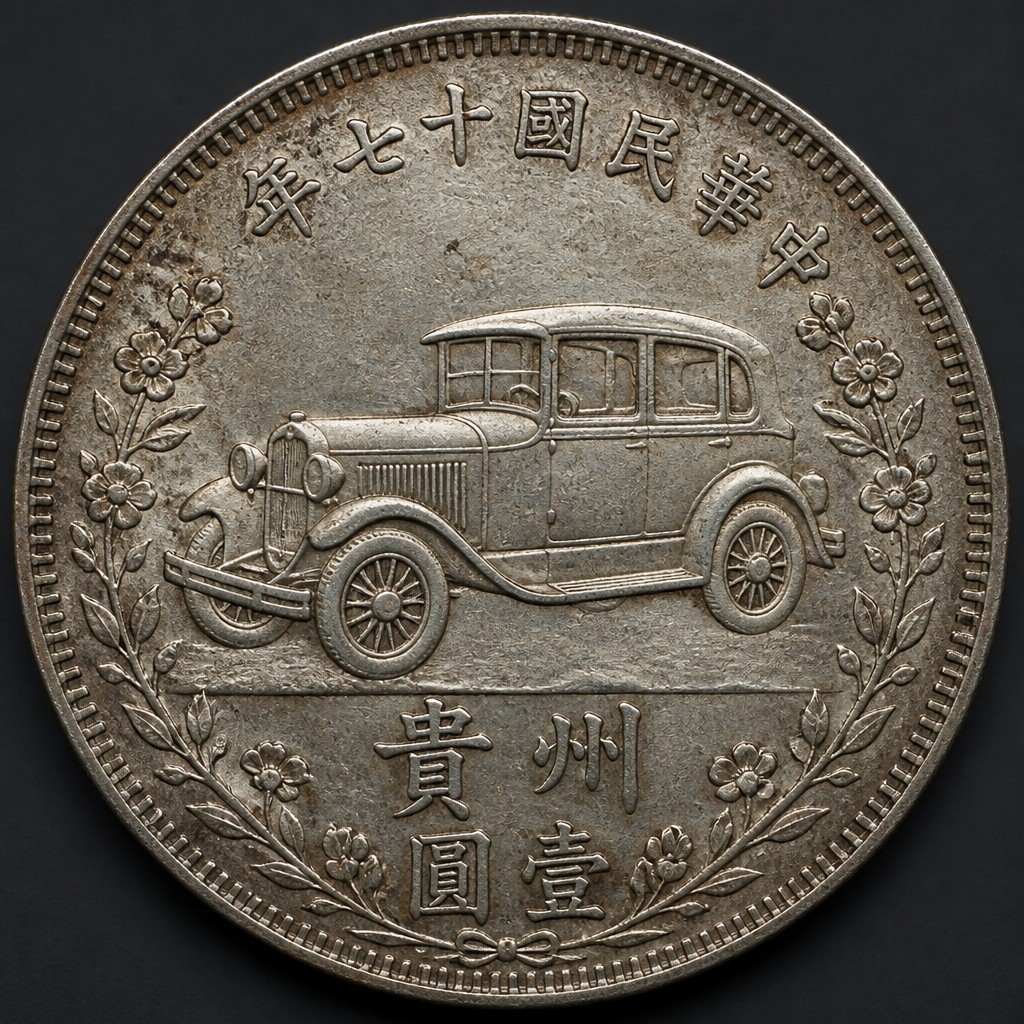
Chinese Auto Dollar (Kweichow, 1928)
Famous Chinese provincial silver dollar depicting an automobile, struck in Kweichow province in 1928 and celebrated by collectors as one of the most distinctive Chinese coin designs.
- Country
- China (Republic Era)
- Denomination
- 1 Dollar (Yuan)
- Metal
- Silver
Got a coin like this?
Identify any coin from a photo, free.
Overview
The Kweichow Auto Dollar is a striking silver coin from Guizhou (Kweichow) province in southwestern China, notable for the unusual depiction of an automobile on its reverse rather than the dragon or sun motifs typical of other provincial issues. Struck in 1928, corresponding to the seventeenth year of the Republic of China, it is one of the most visually distinctive and celebrated coins in Chinese numismatics.
The automobile design is generally understood to commemorate the construction of a motor road connecting the provincial capital to other parts of the region, reflecting the modernizing ambitions of the local warlord government that controlled Kweichow at the time. Because the province was remote and its coinage production limited, genuine examples are relatively scarce compared to dragon dollars from larger, more industrialized provinces.
The coin's charm and rarity have made it one of the most sought-after Republican-era Chinese dollars among collectors internationally, and it is frequently reproduced, making careful authentication essential.
History & Background
During the Republican era, China's provinces were frequently controlled by regional military governors, or warlords, who often issued their own currency reflecting local priorities. In Kweichow, a mountainous and historically isolated province, the local government issued a silver dollar in 1928 featuring an automobile, widely believed to commemorate the completion or promotion of a new motor road that improved the province's connection to the outside world.
The design broke sharply from the imperial dragon and republican sun motifs used elsewhere in China, instead celebrating a modern technological achievement, a road suitable for motor vehicles, which was a significant milestone for a province with difficult terrain and limited infrastructure.
Production of the coin appears to have been limited, and Kweichow's continuing political and economic instability through the following years meant that later provincial coinage from the region remained scarce, further boosting the historical and collector interest in this particular issue.
How to Identify
The obverse typically bears Chinese characters identifying the Kweichow provincial government and the year of issue (Year 17 of the Republic), sometimes with a wreath or floral border. The reverse is the coin's defining feature: a depiction of an early automobile, resembling a boxy touring car of the 1920s, shown facing left or right, often set against a simple ground line with the denomination inscribed nearby.
The coin is silver, roughly crown-sized in diameter, with a reeded edge typical of Chinese silver dollars of the era. Genuine specimens should show sharp, well-defined details in the automobile's wheels, body lines, and windows, along with correct weight and diameter matching reference standards for the type.
Because the Auto Dollar's fame and value have made it a frequent target for counterfeiters, including cast fakes and altered common coins, collectors are strongly advised to have any example authenticated by a recognized grading service or Chinese coin specialist before purchase.
Value & Collectibility
The Kweichow Auto Dollar is one of the most desirable and valuable Republican-era Chinese silver dollars, prized for both its rarity and its unique, historically evocative design. Even well-worn, clearly genuine examples can command a meaningful premium over ordinary Chinese dollars of the period, while high-grade or certified specimens can reach substantial sums at auction.
Because counterfeits are widespread, unauthenticated examples carry considerable risk and should be priced accordingly conservatively until verified. Prices for certified genuine coins have historically ranged from several hundred dollars for lower grades to many thousands of dollars for well-preserved, professionally graded pieces, with condition, originality, and confirmed authenticity as the dominant value drivers.
Frequently asked questions
Why does this Chinese coin show a car?
The design is generally believed to commemorate a new motor road built in Kweichow province, reflecting the local government's pride in the achievement.
Is the Auto Dollar rare?
Yes, genuine examples are considered scarce relative to many other Chinese provincial dollars, and demand from collectors is high.
Are fakes common for this coin?
Very much so; because of its fame and value, the Auto Dollar is one of the most frequently counterfeited Chinese coins, so professional authentication is important.
What year was it struck?
It is dated to Year 17 of the Republic of China, corresponding to 1928 in the Western calendar.
Other coins you may enjoy
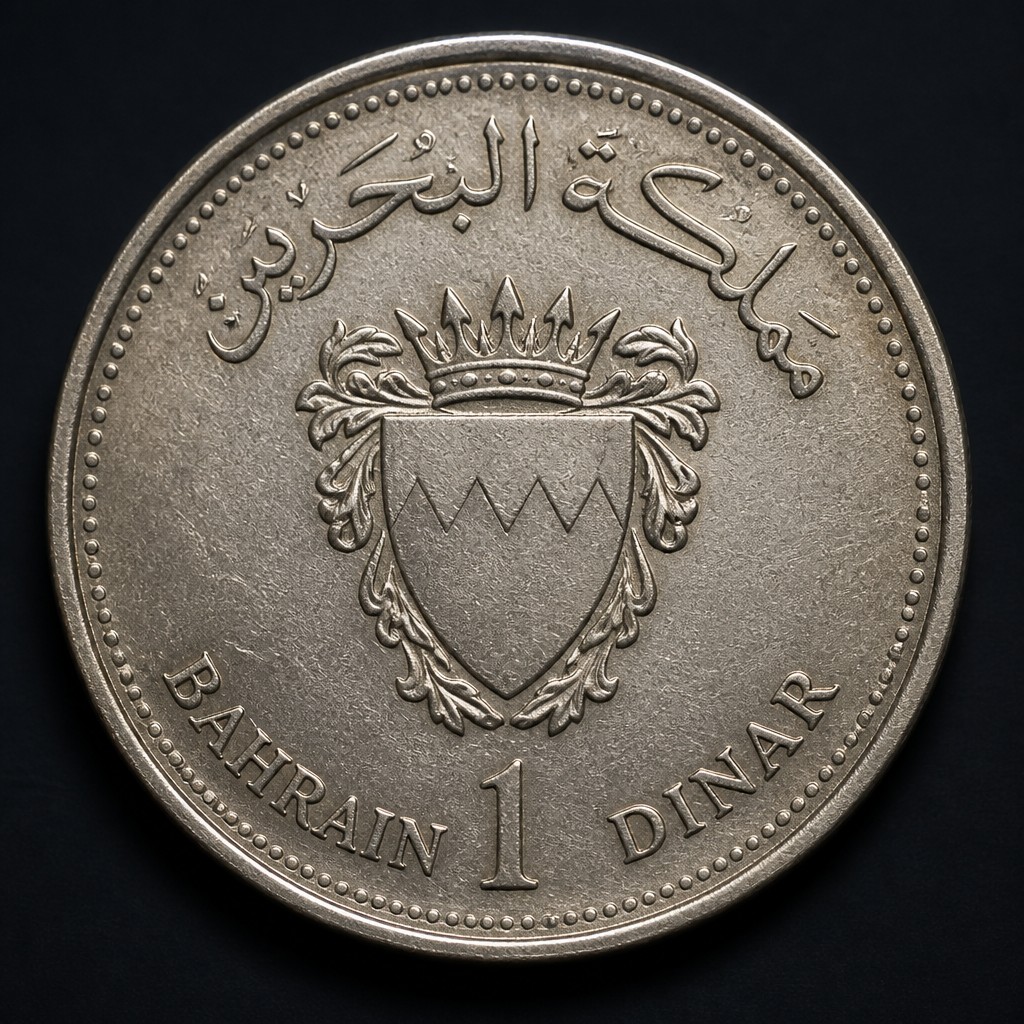
Bahraini Dinar
1965–present
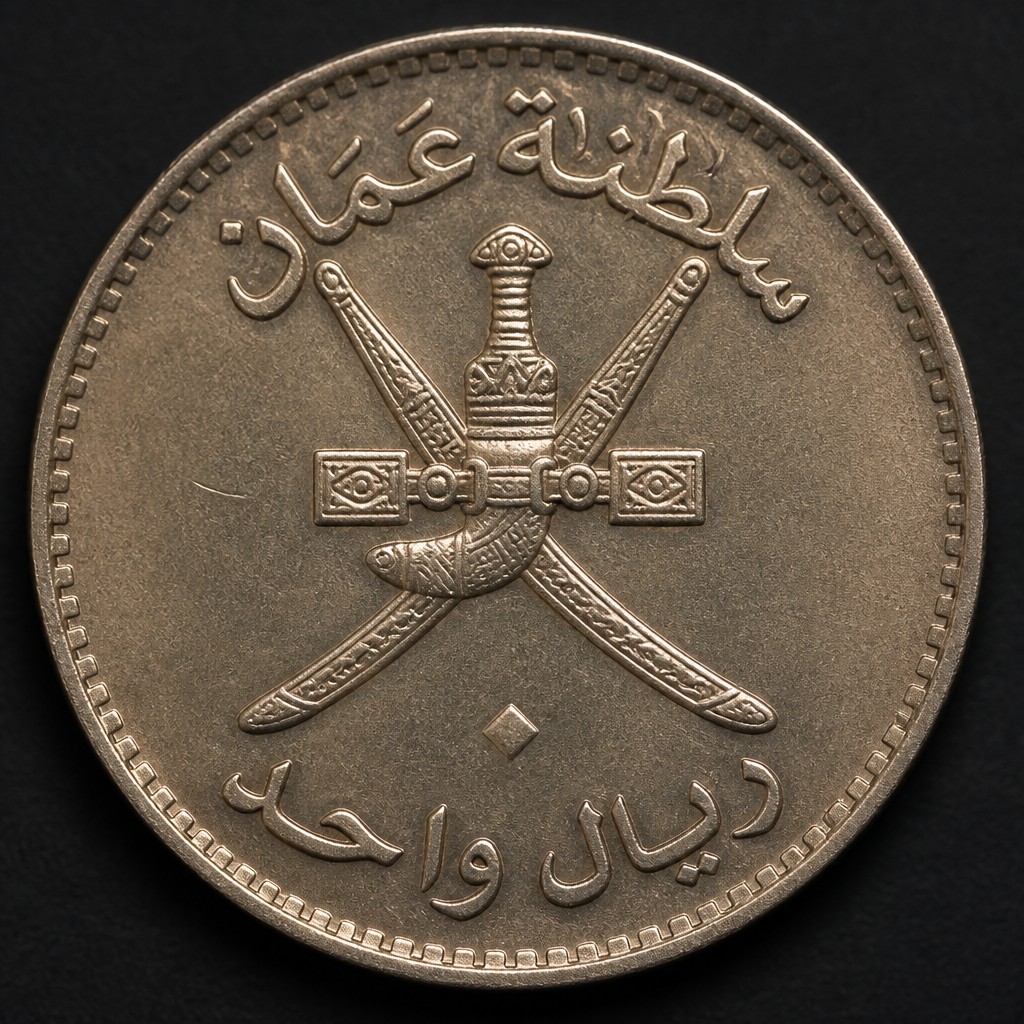
Omani Rial (Baisa Coinage)
1970–present
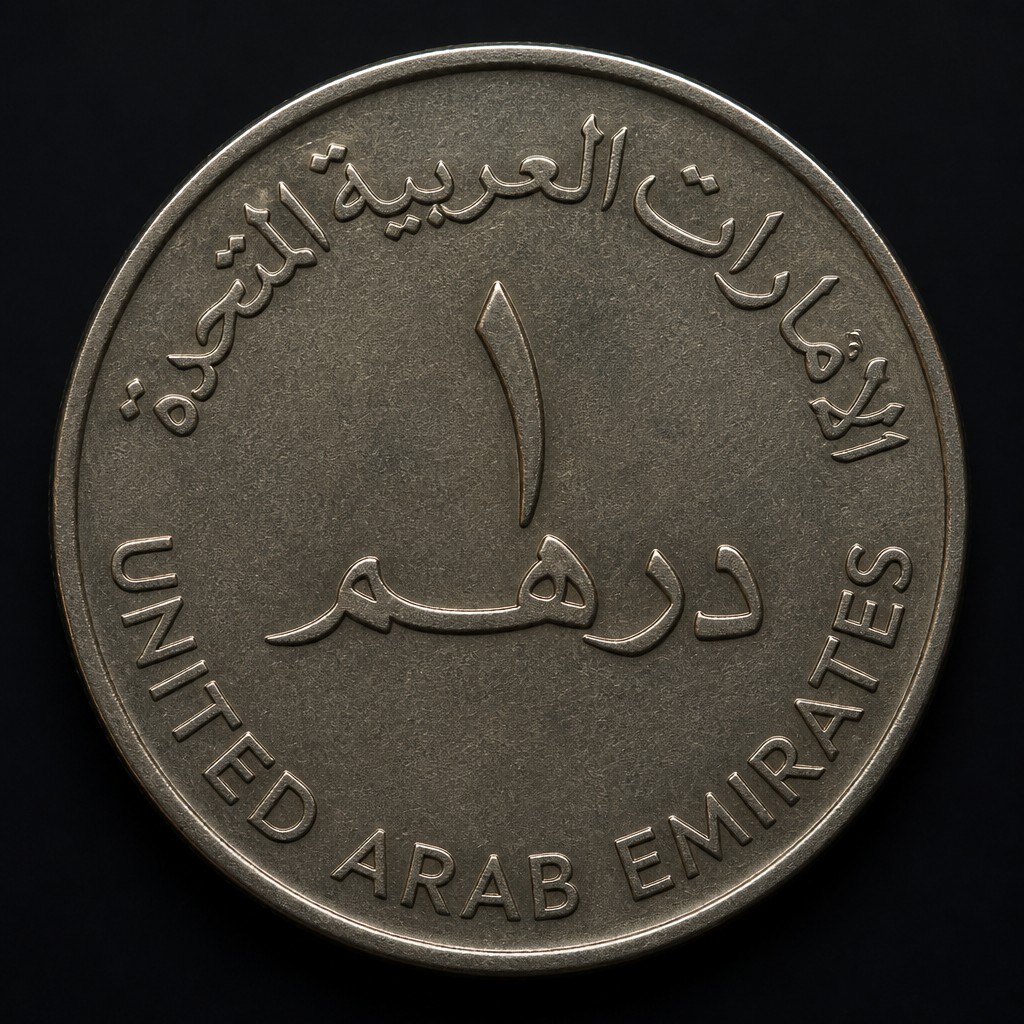
United Arab Emirates Dirham
1973–present
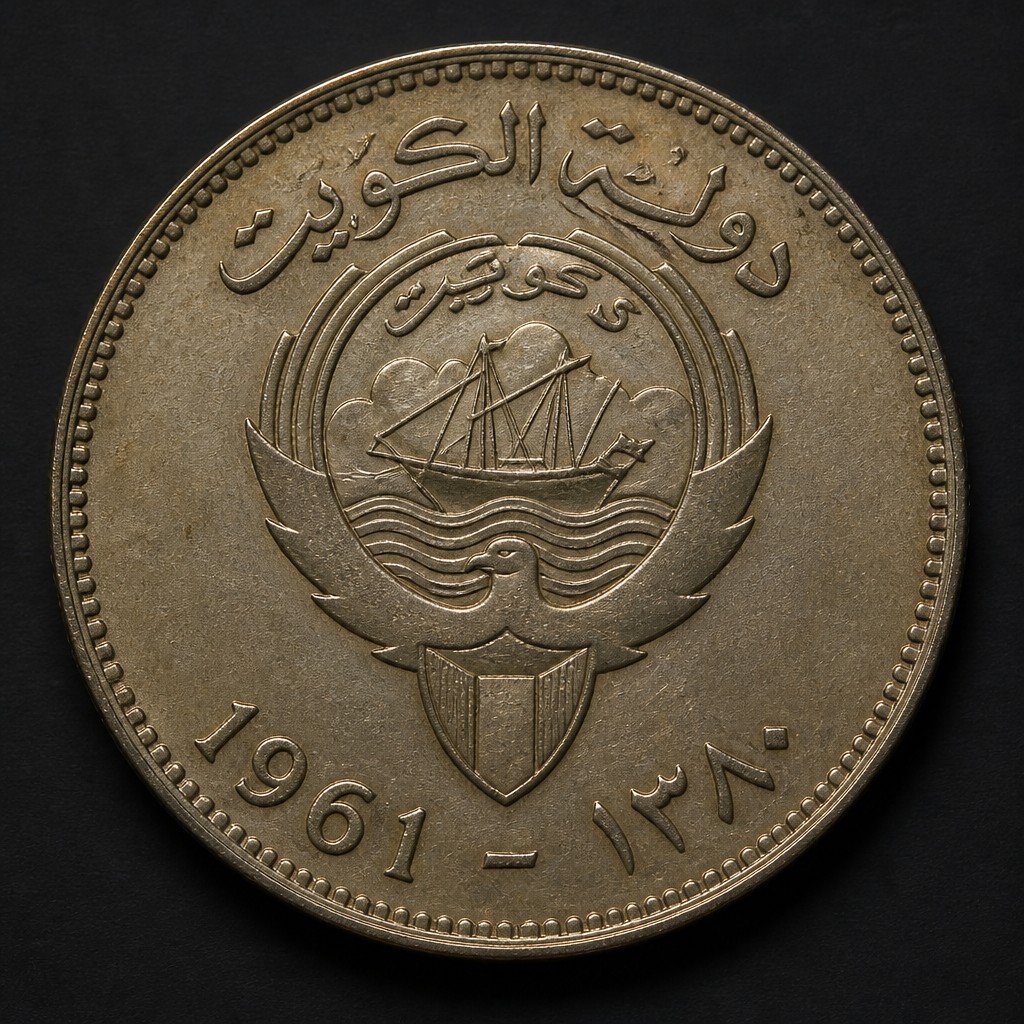
Kuwaiti Fils
1961–present
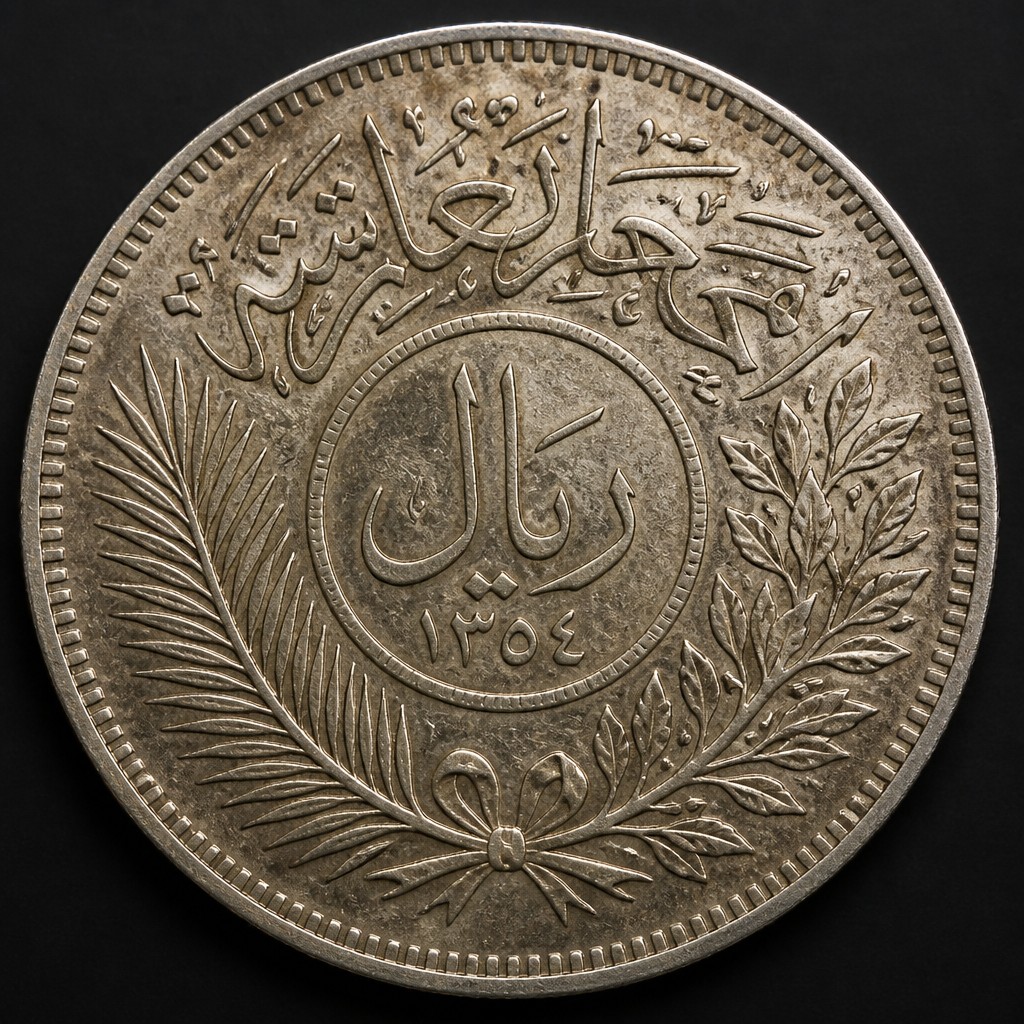
Saudi Arabian Riyal (silver)
1935 (Kingdom-wide standardization) and related issues
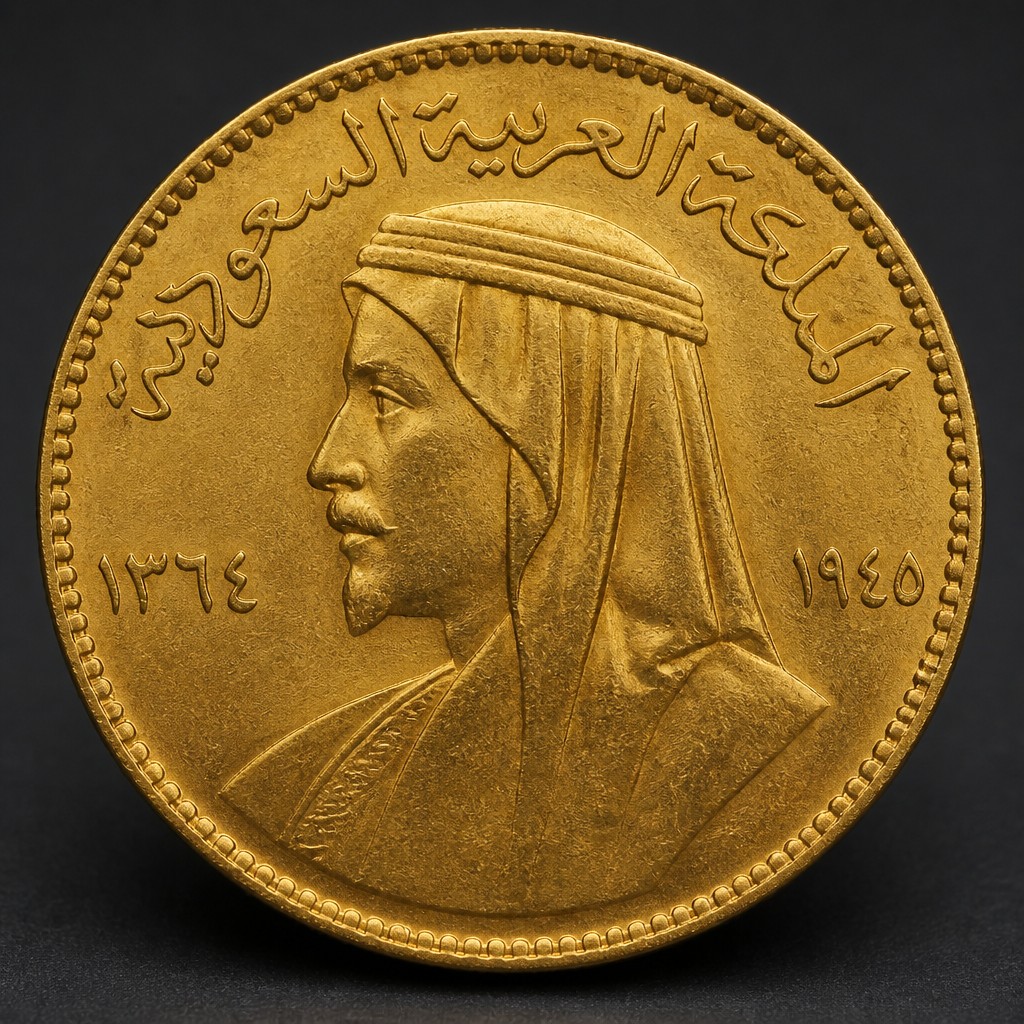
Saudi Arabian Gold Guinea (Sovereign)
1945 and later issues
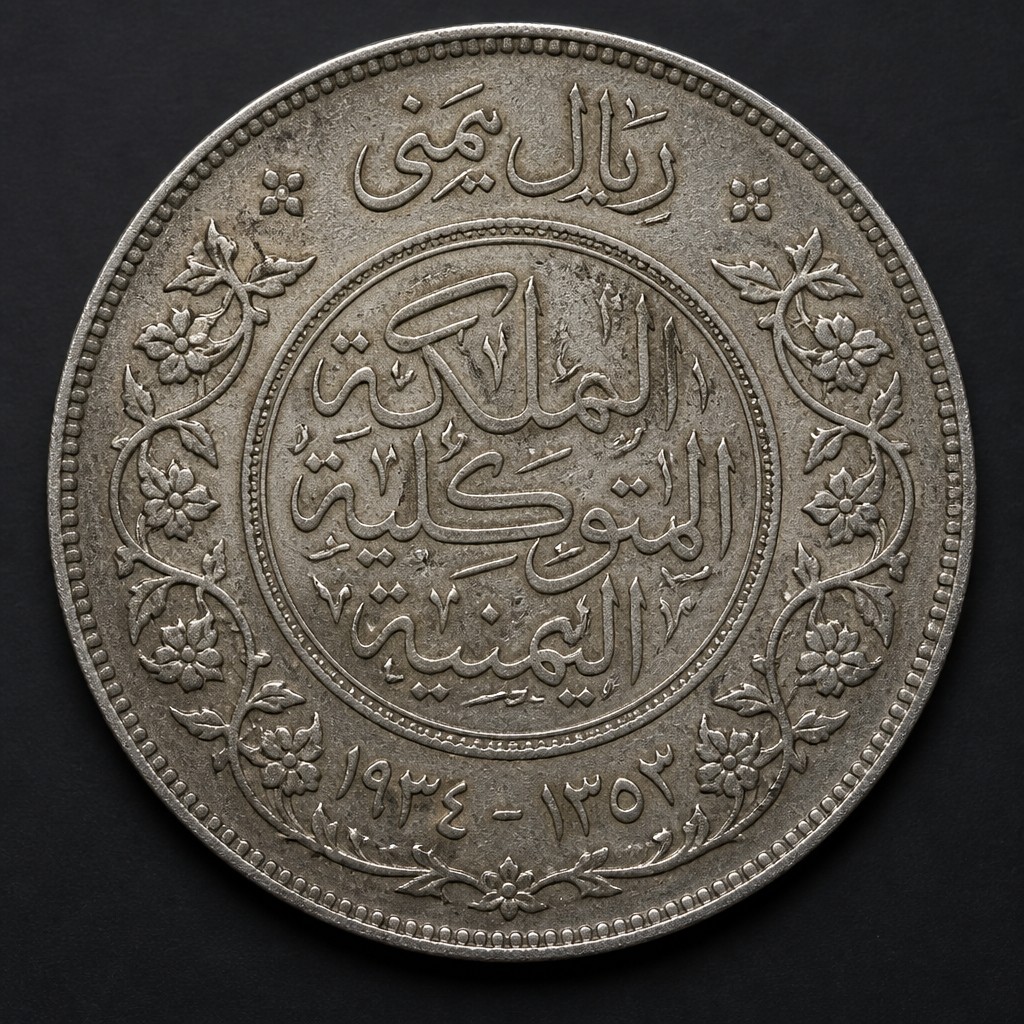
Yemeni Riyal (Ahmadi/Imadi Kingdom Coinage)
Early-to-mid 20th century
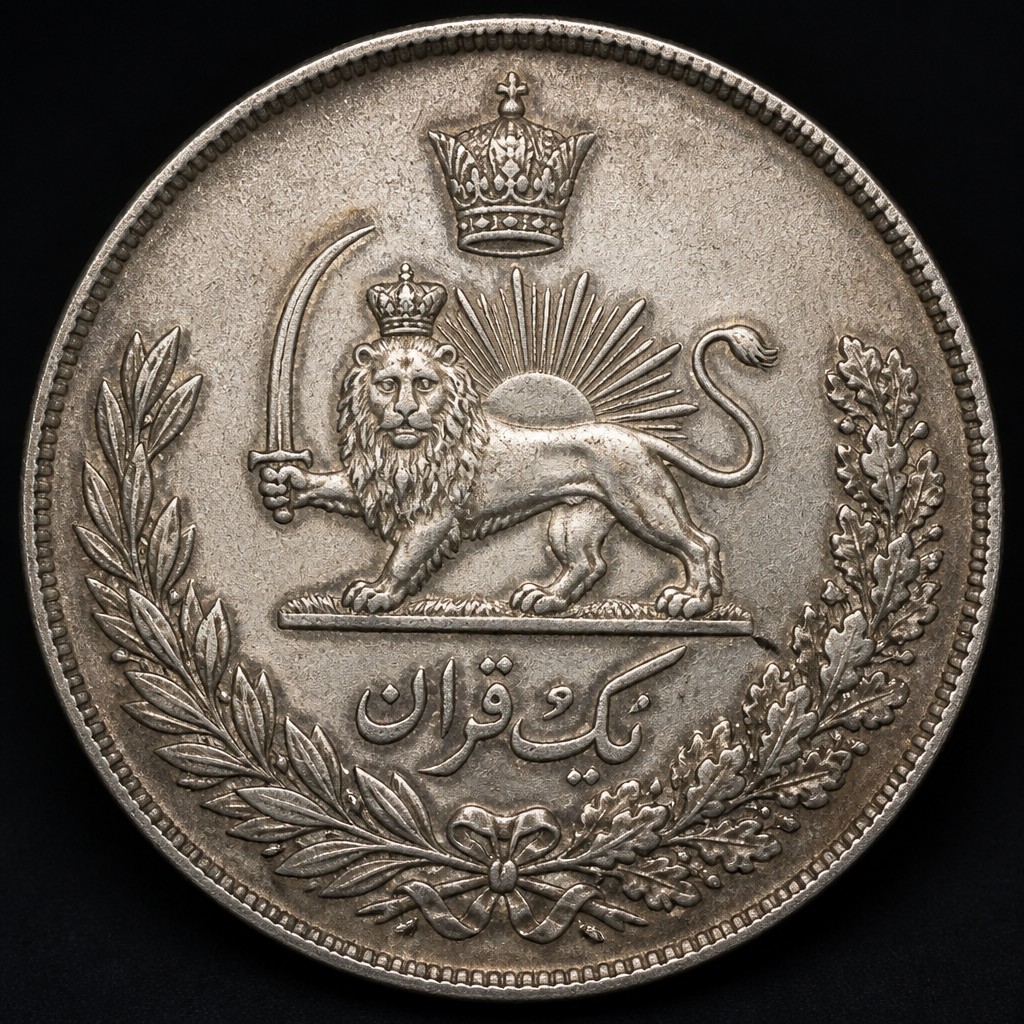
Persian Kran (Qajar silver)
Mid-19th century–1925
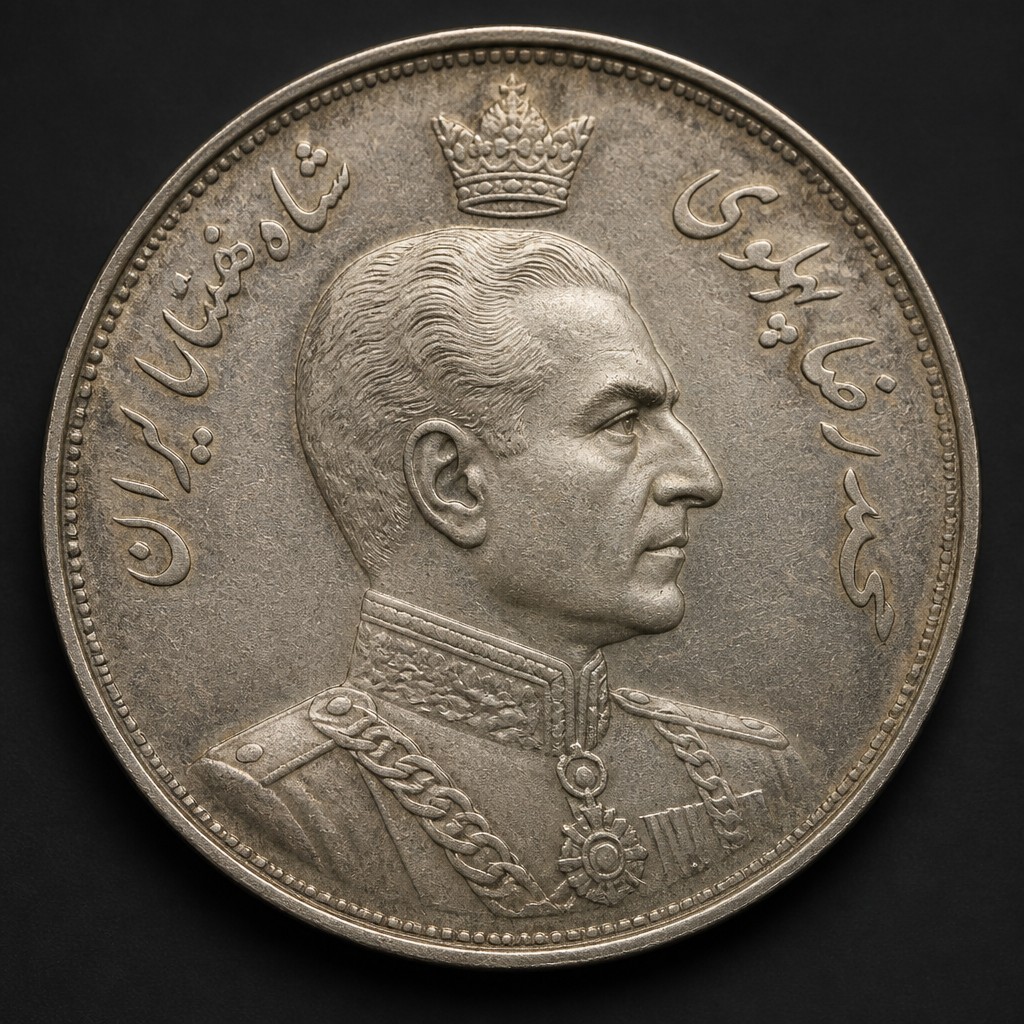
Iranian Rial
1932–present
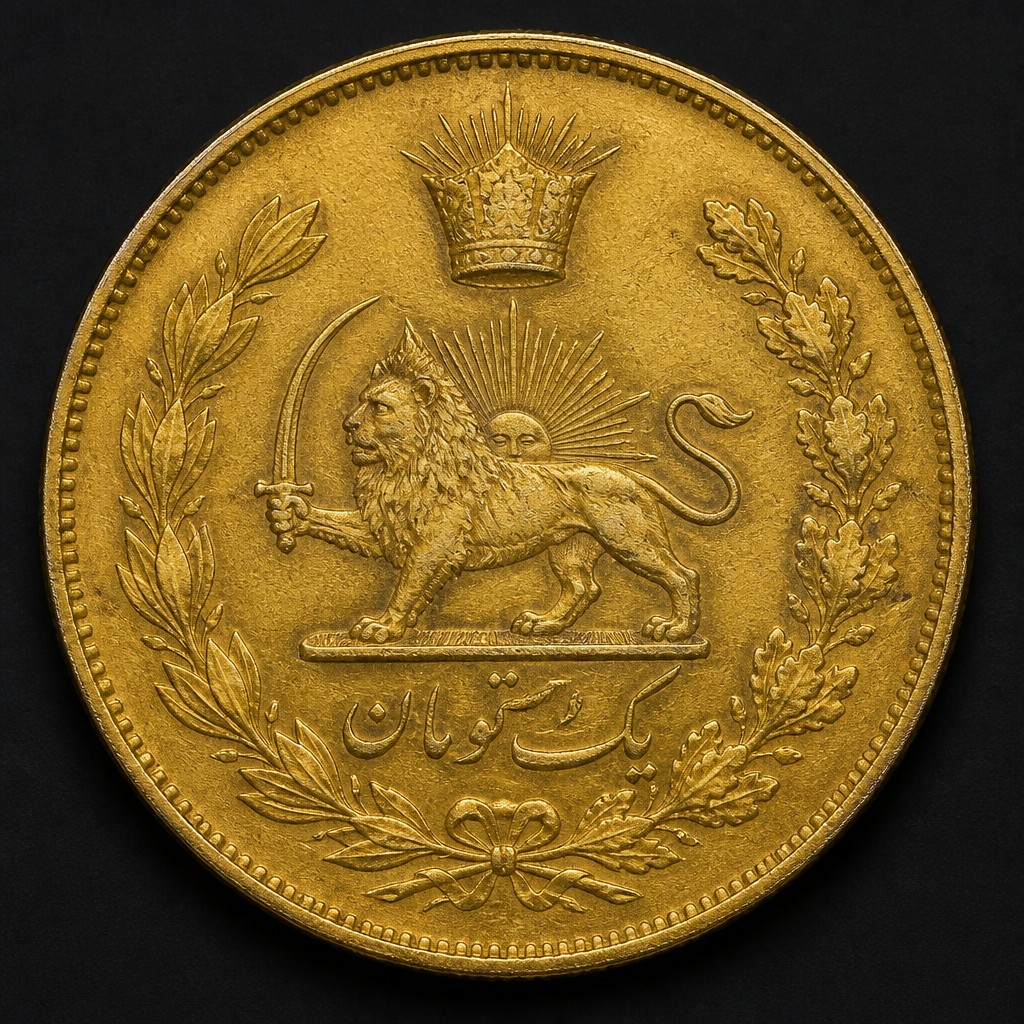
Persian Gold Toman (Qajar)
1796–1925
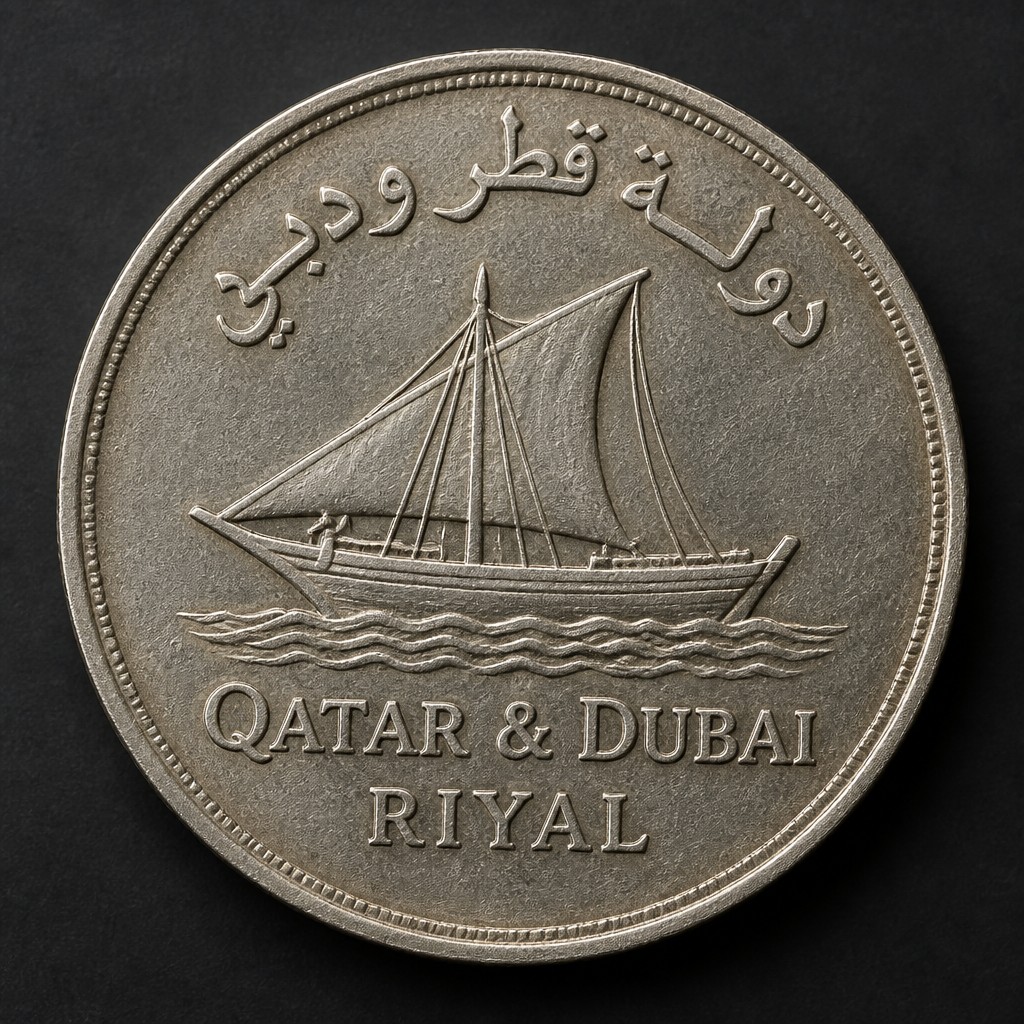
Qatar and Dubai Riyal
1966–1973
British India Rupee (Silver)
1835–1947