
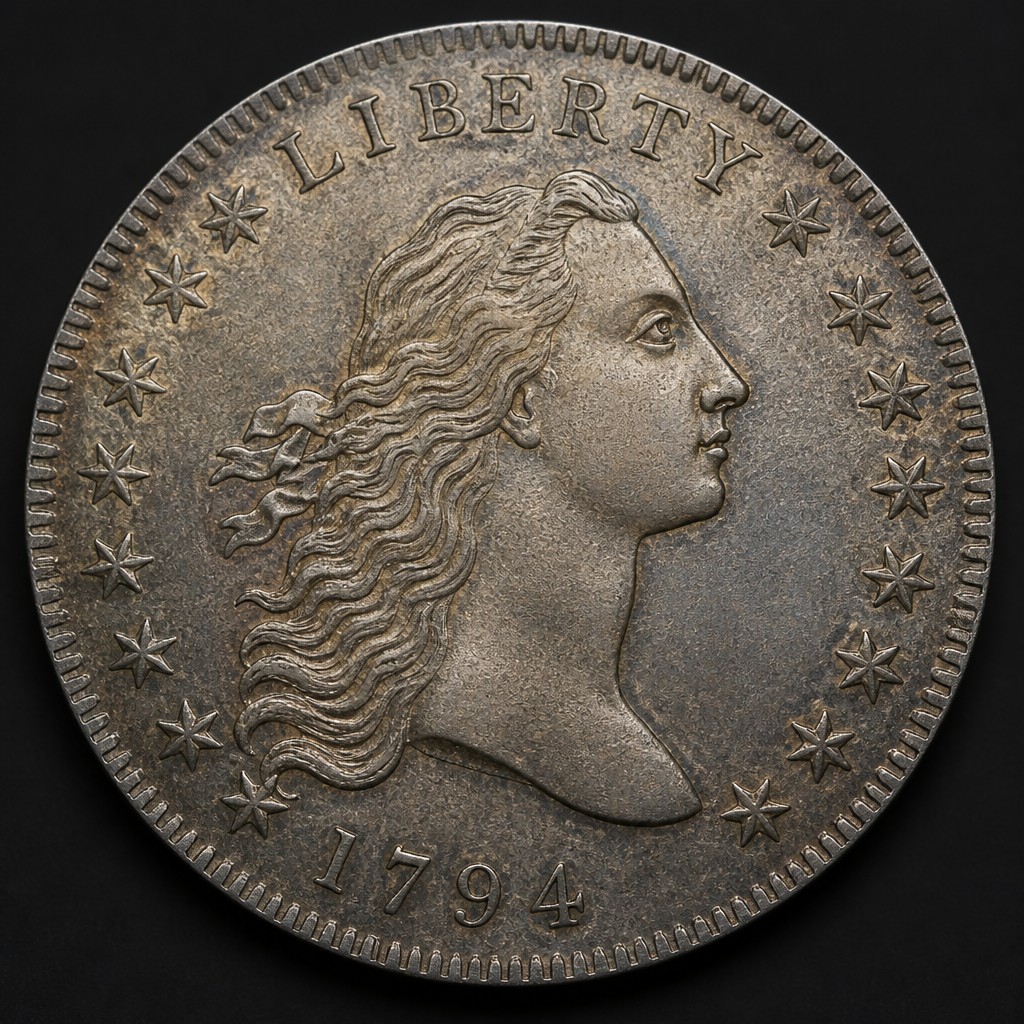
1794 Flowing Hair Half Dollar
The first half dollar ever struck by the United States Mint, produced in tiny numbers and ranking among the most desirable early American silver coins.
- Country
- United States
- Denomination
- Half Dollar
- Metal
- 90% Silver, 10% Copper
Got a coin like this?
Identify any coin from a photo, free.
Overview
The 1794 half dollar represents the very beginning of US half dollar coinage, struck in the Mint's earliest years when equipment, dies, and planchets were all still primitive by later standards. Only 1794 carries this specific first-year status, since the same Flowing Hair design continued briefly into 1795 as well.
Survivors are few, and most show the adjustment marks, weak strikes, and planchet flaws typical of the Mint's earliest silver output, all of which are accepted and even expected features rather than defects that disqualify a coin.
History & Background
The US Mint, established in Philadelphia in 1792, began striking silver coinage in earnest in 1794 after resolving early struggles with die-making, bullion supply, and depositor requirements under the Mint Act of 1792. Chief Engraver Robert Scot created the Flowing Hair design used on the half dollar, half dime, and dollar of this period.
Production of half dollars in 1794 was extremely limited, reflecting the young Mint's modest capacity, and the design was already being refined by the following year.
How to Identify
Obverse: A right-facing Liberty head with loosely flowing hair, surrounded by stars, with the date below.
Reverse: A small, delicate eagle perched within a wreath, surrounded by "UNITED STATES OF AMERICA." No denomination appears on the coin's faces; value was instead conveyed through weight and the coin's lettered edge, which reads something to the effect of "FIFTY CENTS OR HALF A DOLLAR."
Because early Mint technology could not strike full detail evenly across the coin, weak or missing details in certain areas are typical and do not necessarily indicate a lower-grade coin.
Value & Collectibility
The 1794 half dollar is a landmark rarity of American numismatics. Even well-worn, honestly graded examples typically bring tens of thousands of dollars, and choice or exceptional pieces can reach into the low hundreds of thousands, reflecting both its historic status as the first-year issue and its inherently tiny surviving population.
Frequently asked questions
Why is the 1794 half dollar so valuable?
It was the first half dollar struck by the US Mint, produced in very small numbers, and few survive today in any condition.
What does the edge of the coin say?
Early half dollars of this design carried a lettered edge stating the coin's value, since no denomination appears on the coin's obverse or reverse.
Is weak strike a sign of a fake?
Not necessarily; the Mint's early equipment often produced unevenly struck coins, so some softness of detail is normal and expected on genuine examples.
Other coins you may enjoy
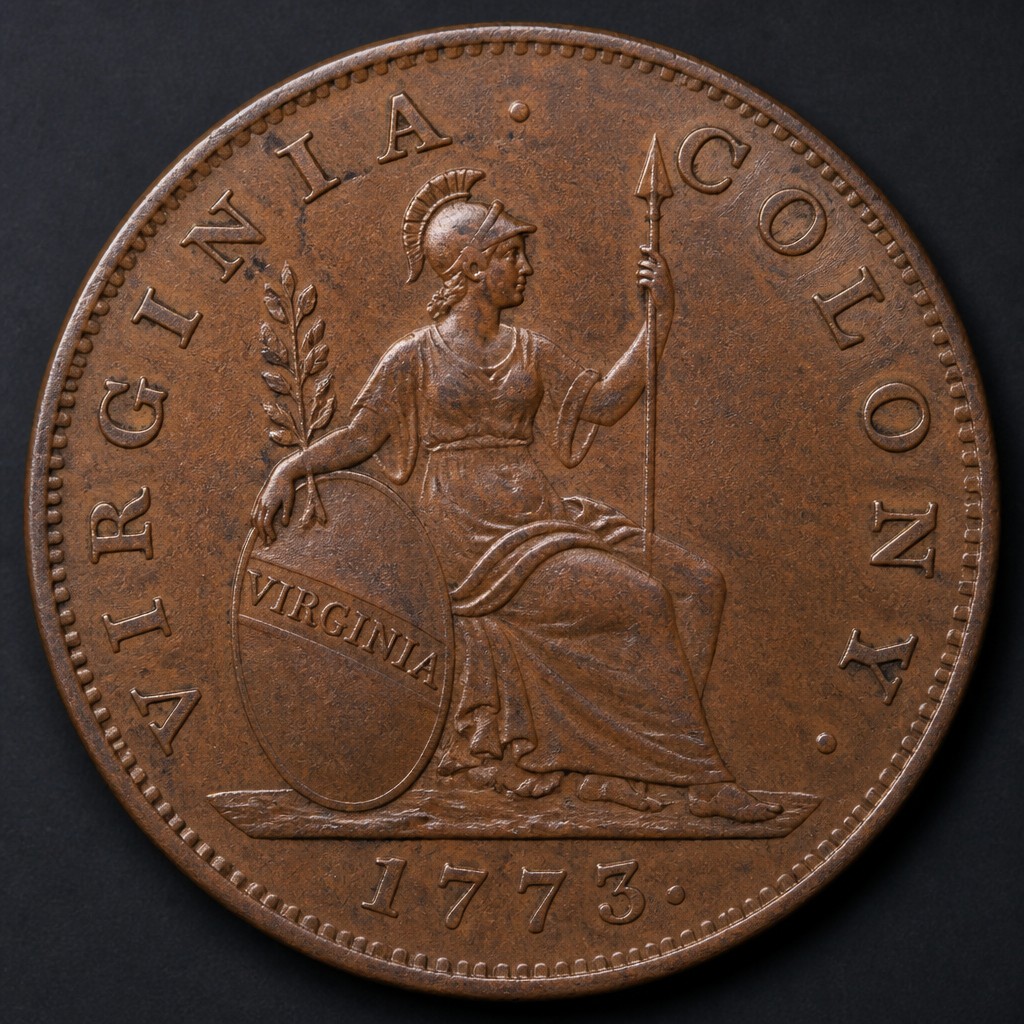
Virginia Halfpenny
1773
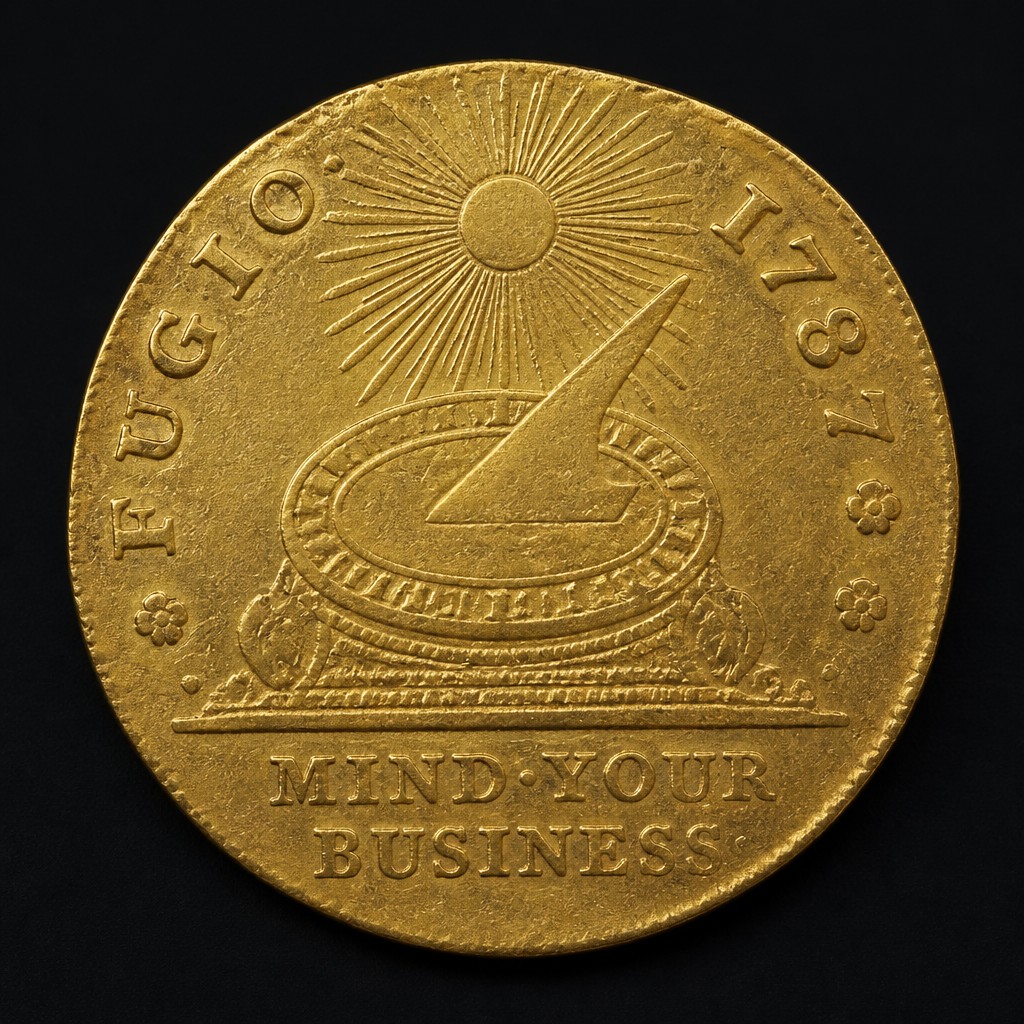
Brasher Doubloon
1787
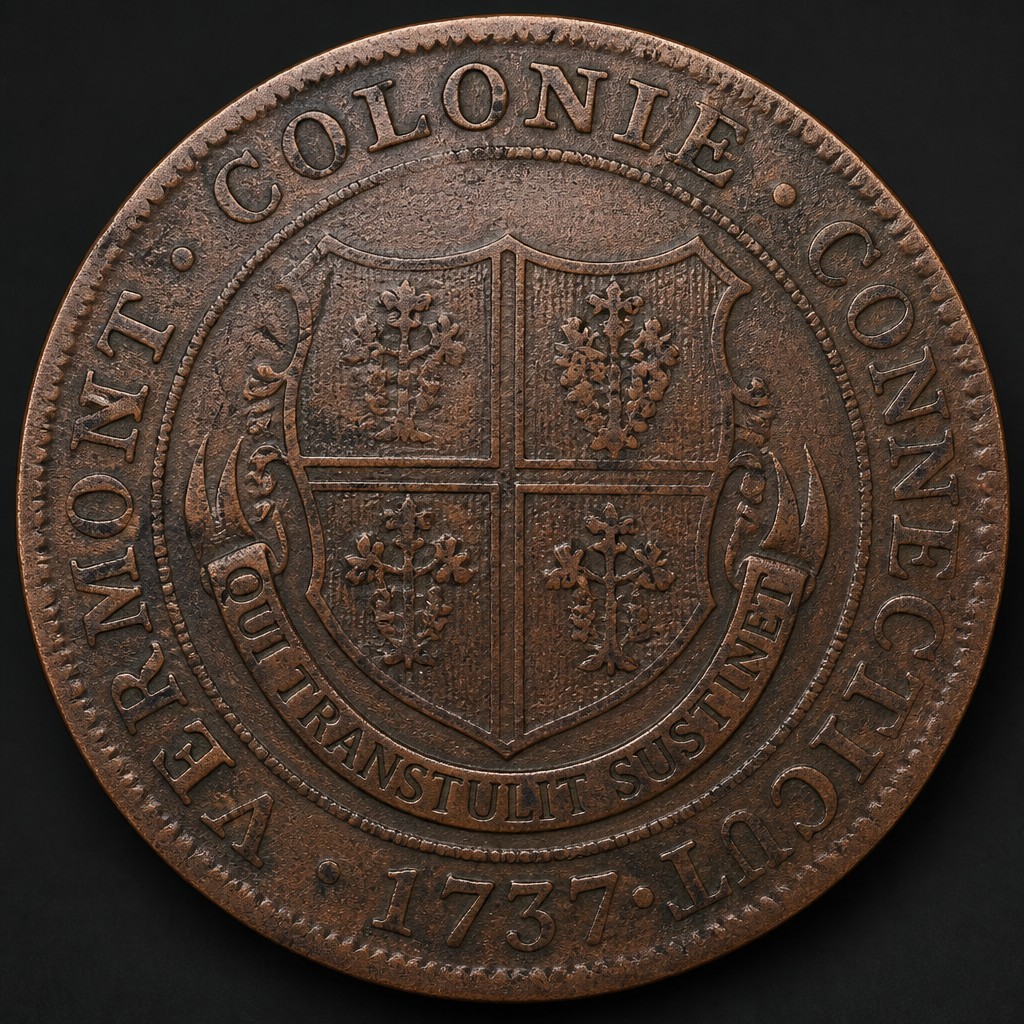
Higley Copper
1737–1739
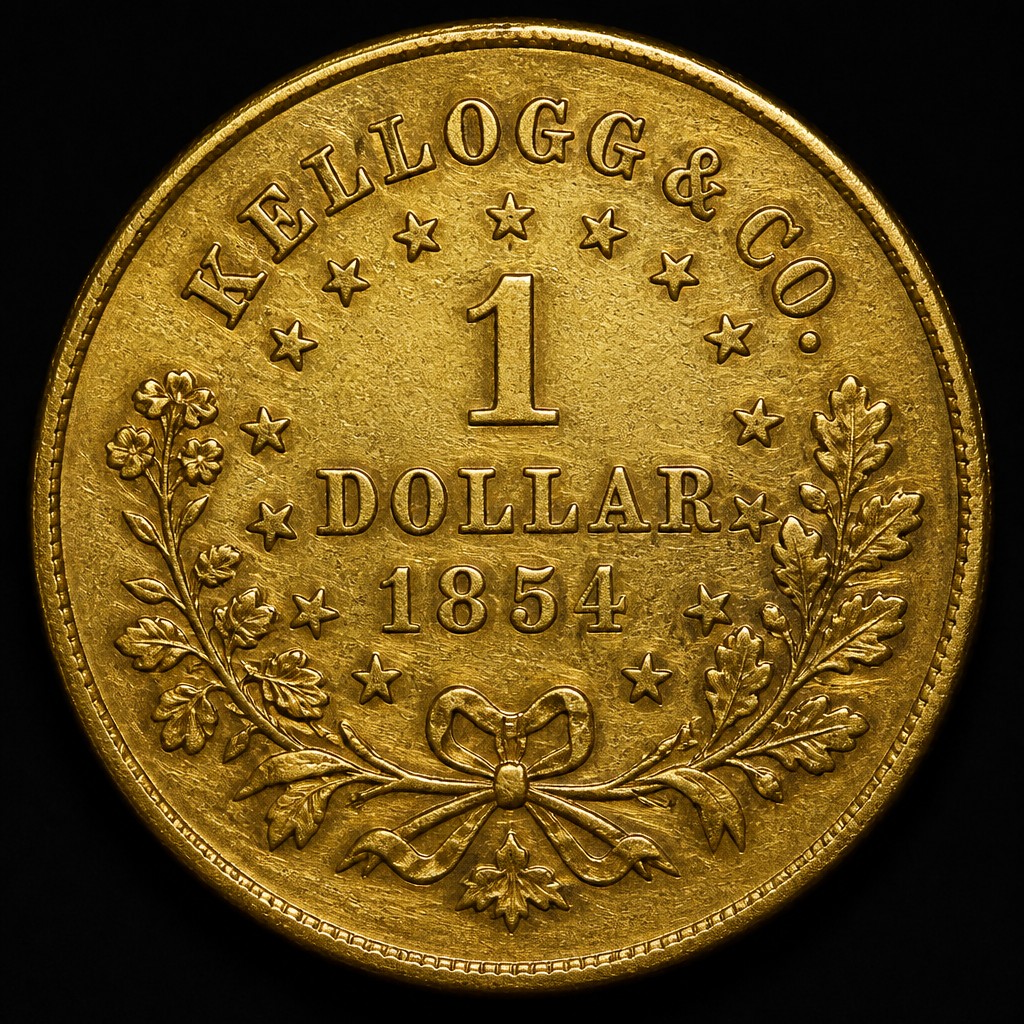
Kellogg & Co. Gold Piece
1854–1855
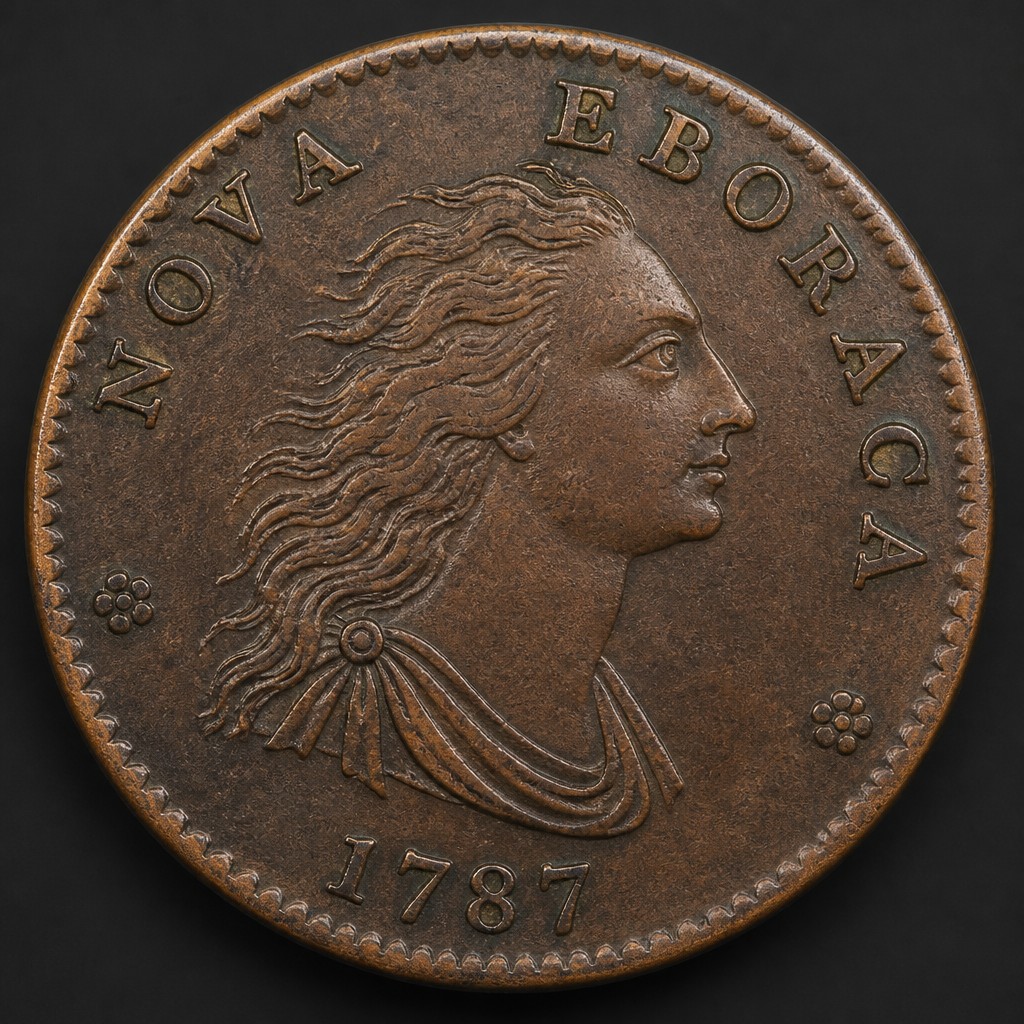
Nova Eborac Copper
1787
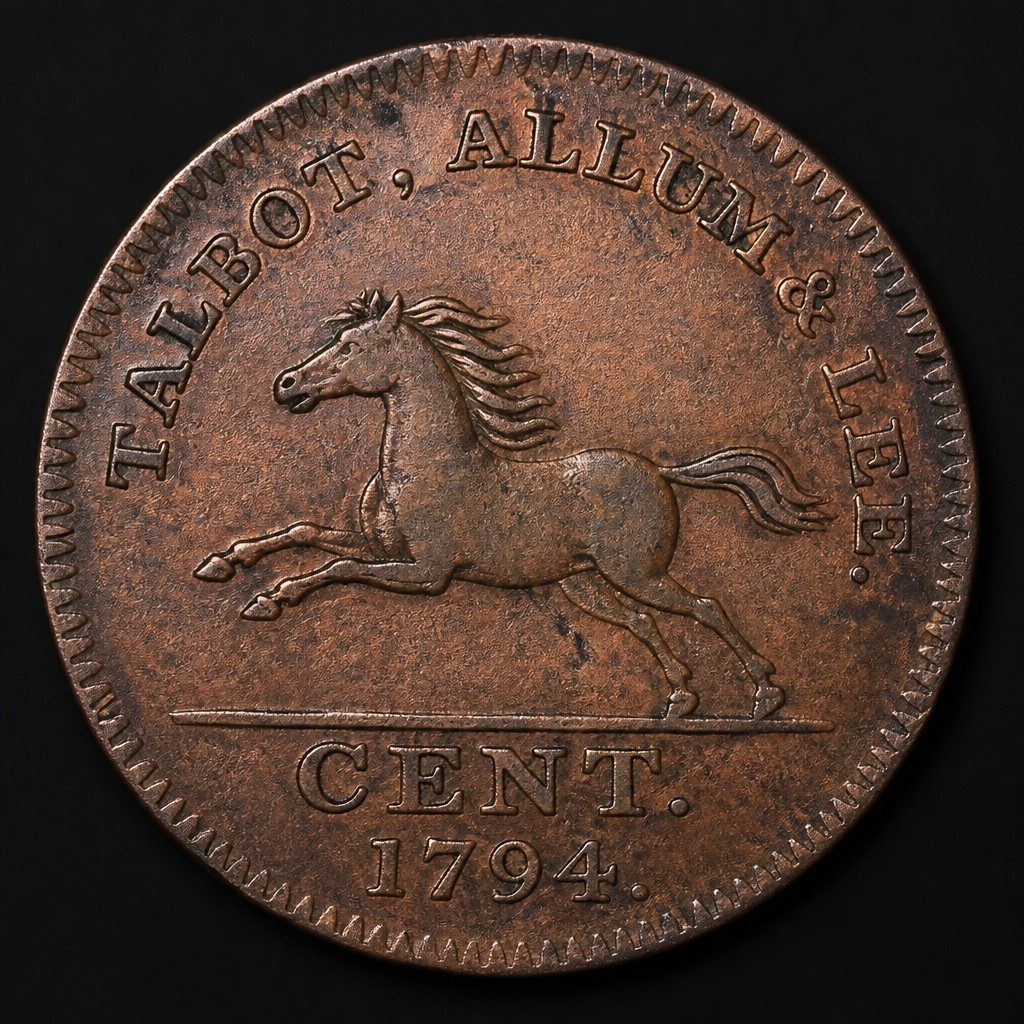
Talbot, Allum & Lee Cent
1794–1795
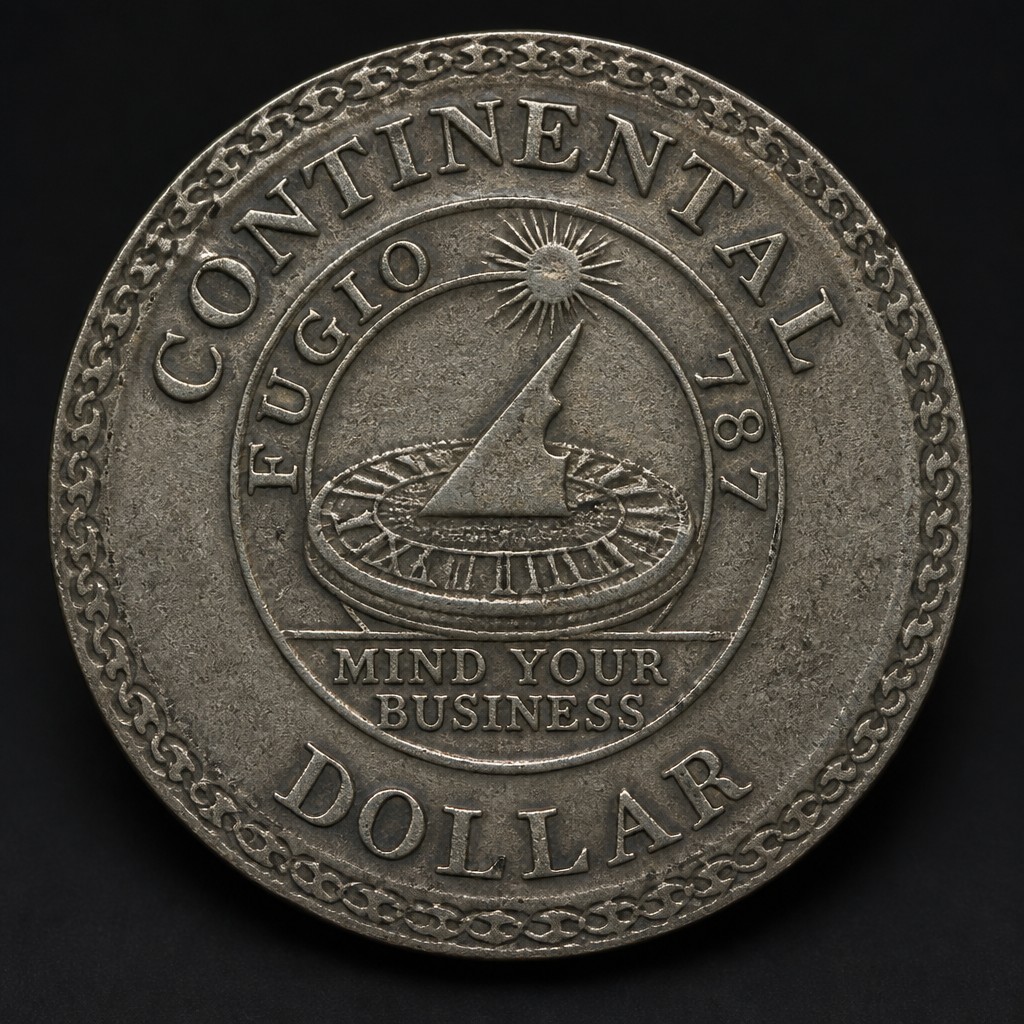
Continental Dollar
1776
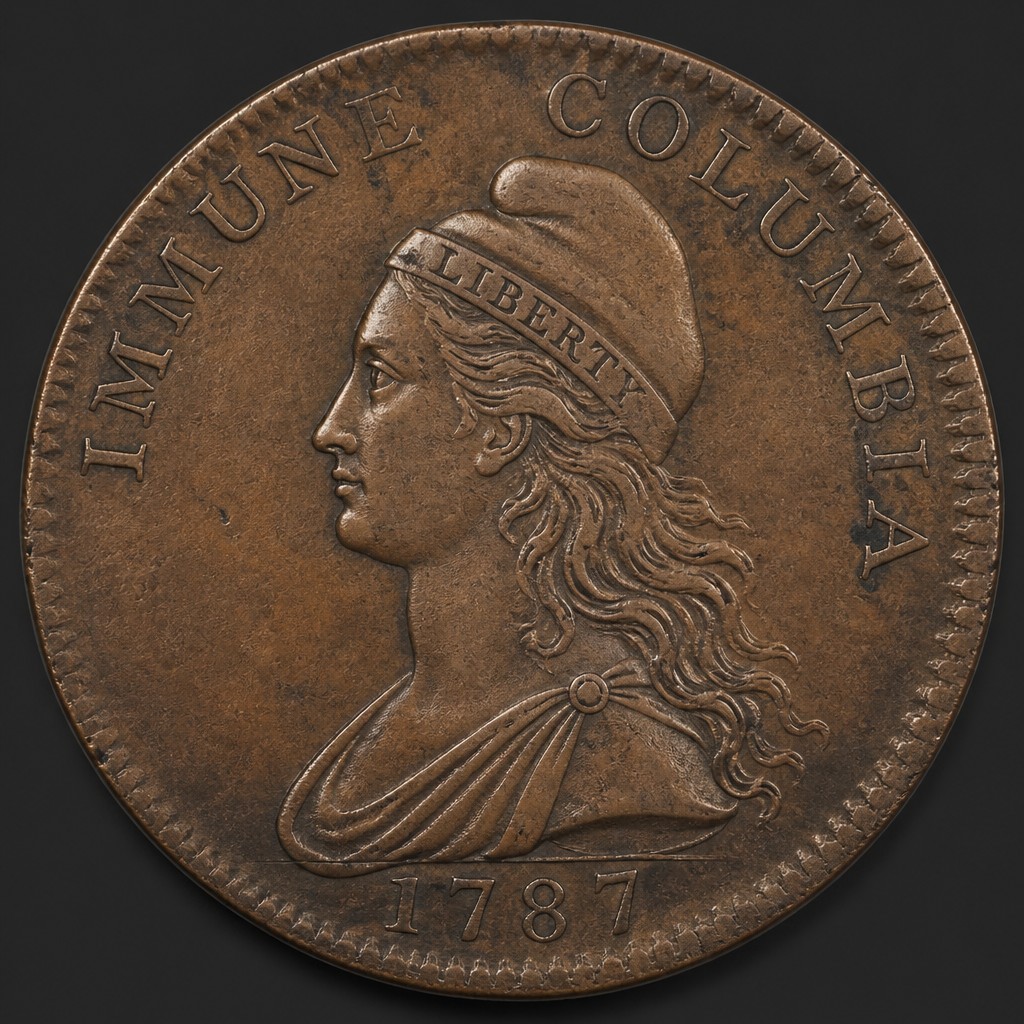
Immune Columbia Copper
circa 1785–1787
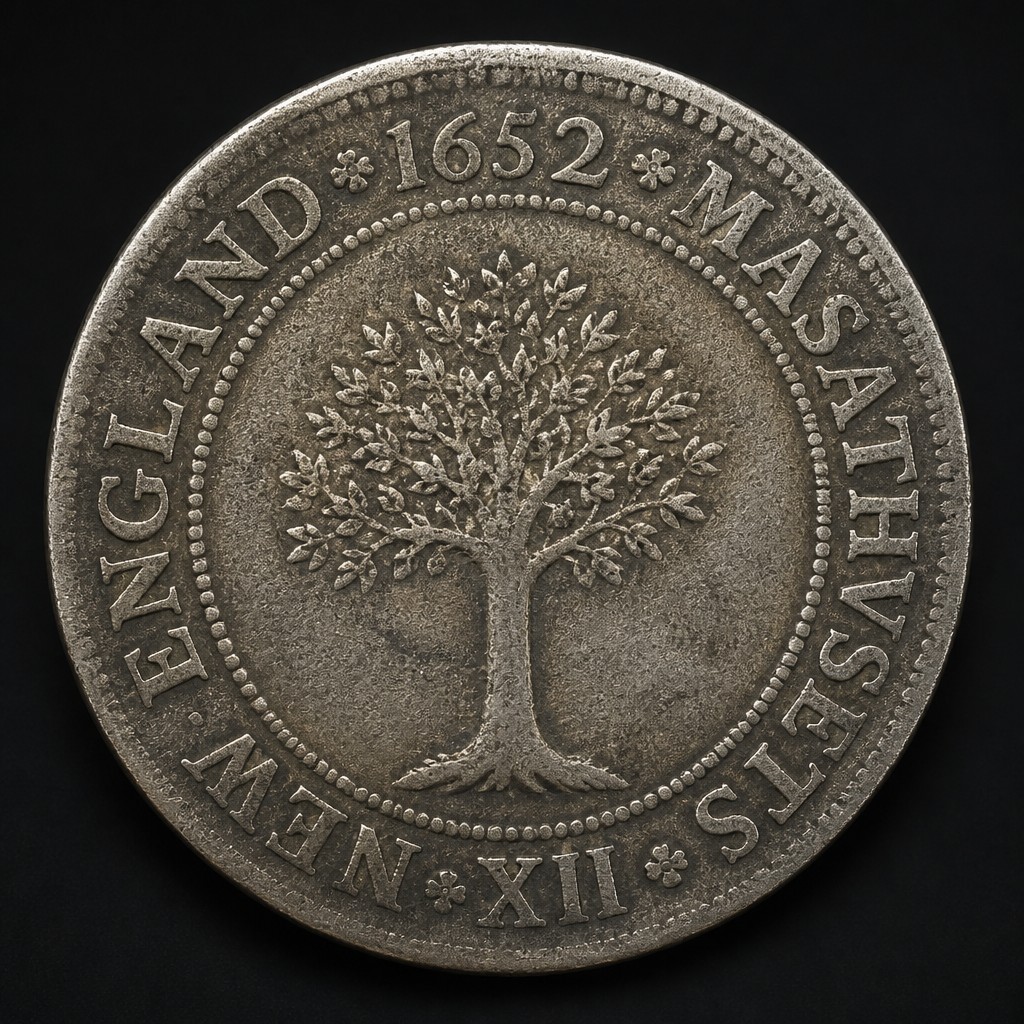
Massachusetts Oak Tree Shilling
Dated 1652, struck circa 1660–1667
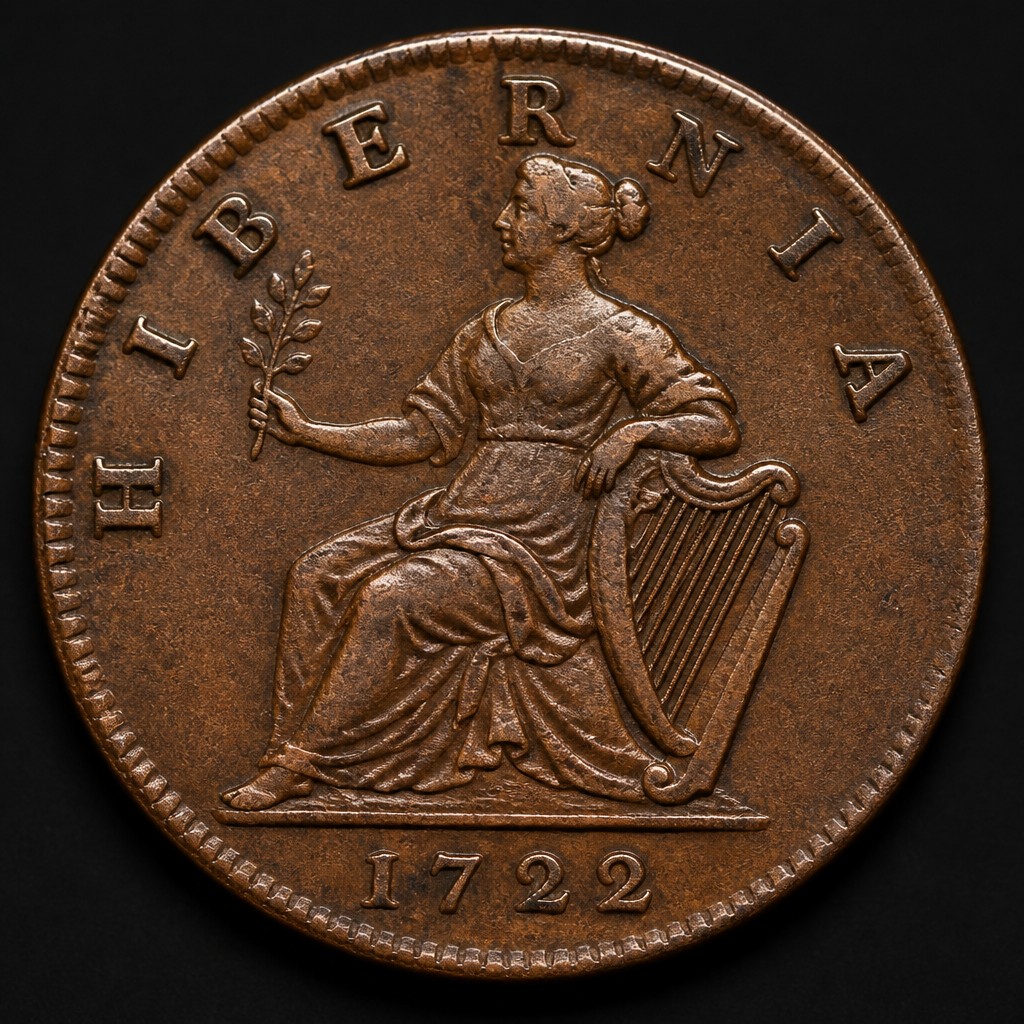
Wood's Hibernia Halfpenny
1722–1724
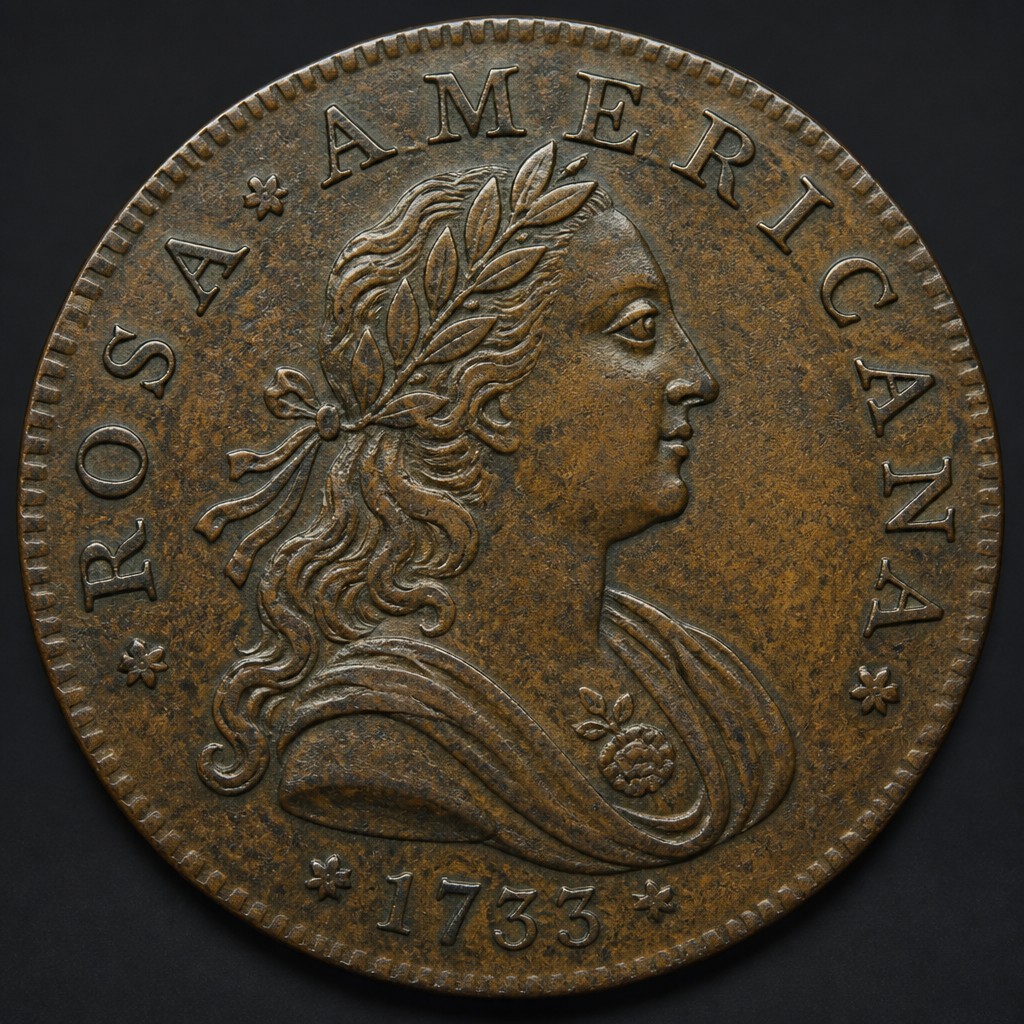
Rosa Americana Coinage
1722–1724 (with pattern issues dated 1733)
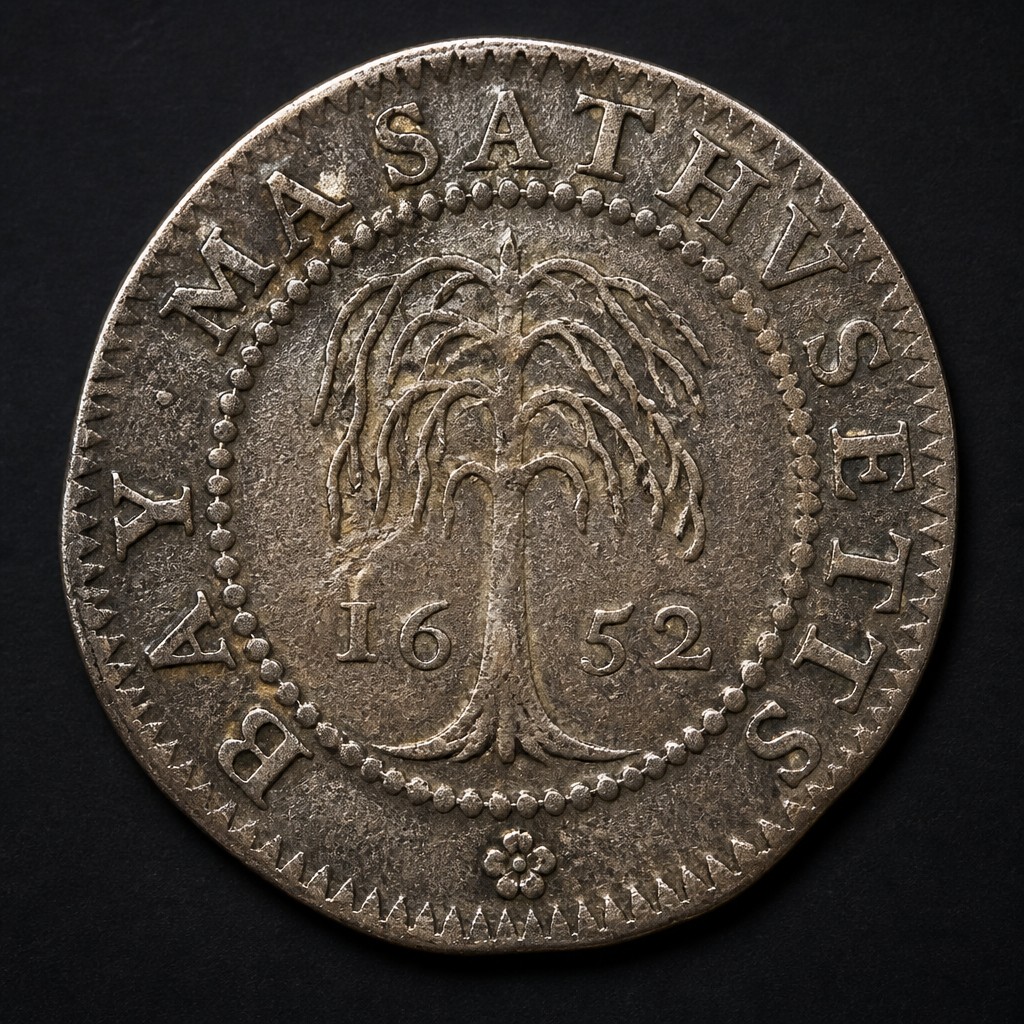
Massachusetts Willow Tree Shilling
Dated 1652, struck circa 1653–1660