
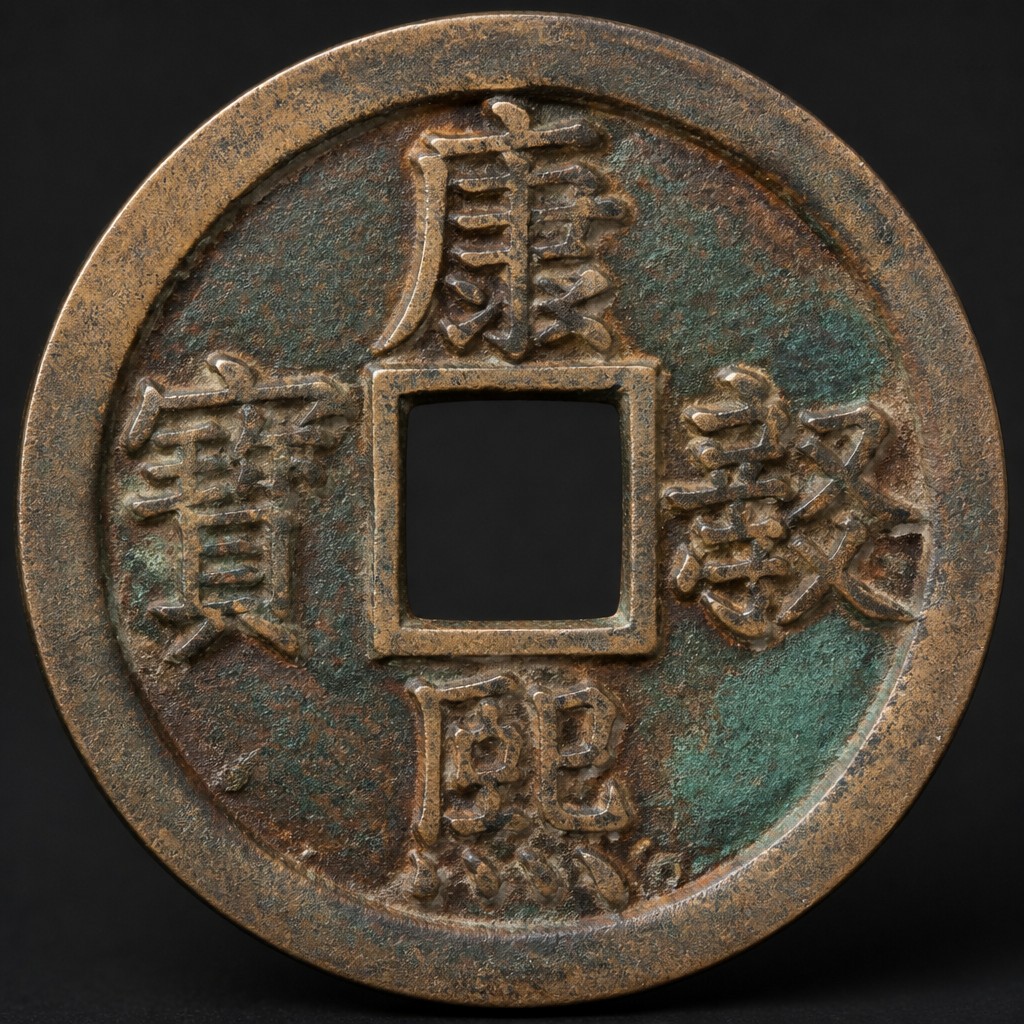
Chinese Tang Dynasty Cash
The influential bronze cash coin introduced in the Tang Dynasty, inscribed "Kai Yuan Tong Bao," that established the round-with-square-hole design copied for over a thousand years.
- Country
- China (Tang Dynasty)
- Denomination
- Cash (Wen)
- Metal
- Bronze
Got a coin like this?
Identify any coin from a photo, free.
Overview
The Kai Yuan Tong Bao is one of the most historically important coins in East Asian numismatics, introduced early in the Tang Dynasty and setting a design and naming template that Chinese dynasties, and neighboring countries such as Japan, Korea, and Vietnam, would follow for centuries afterward. Its four-character inscription format, read top-bottom-right-left, became the standard style for later Chinese cash coins.
For collectors, the coin represents a foundational piece of Chinese monetary history: relatively affordable, widely available, and directly tied to one of China's most celebrated imperial dynasties.
History & Background
The Kai Yuan Tong Bao was introduced in 621 AD, early in the Tang Dynasty, replacing the weight-based coin naming conventions of earlier dynasties (which had typically named coins by their weight, such as "five-grain" coins) with a new format naming an era or concept rather than a weight. The inscription is generally translated as expressing the idea of "inaugurating a new era, circulating treasure."
Produced in vast quantities throughout the Tang Dynasty's roughly three centuries of rule, the coin's format proved so successful that it became the model copied, with variations, by essentially all subsequent Chinese dynasties' cash coins, as well as by early Japanese, Korean, and Vietnamese coinage that emulated the Chinese system.
How to Identify
The coin is round with a square center hole, cast in bronze, generally around 24 to 25mm in diameter. The obverse carries the four characters "Kai Yuan Tong Bao" arranged in the order top, bottom, right, left, typically rendered in a clerical or seal script style characteristic of Tang calligraphy.
The reverse is usually plain on common examples, though certain scarcer varieties display a small crescent, dot, or star mint mark, which specialists use to help attribute production to particular mints or periods within the long Tang production run.
Value & Collectibility
Given the coin's enormous original production and long circulation life, most Kai Yuan Tong Bao examples are common and quite affordable, typically available for just a few dollars in worn condition. This makes it one of the more accessible genuinely ancient coins for new collectors.
Well-preserved examples with sharp characters, or scarcer varieties bearing mint marks such as crescents or stars, can bring modest premiums over the most common types. Overall, value remains driven primarily by condition and the presence of any special mint-mark variety rather than by inherent rarity of the basic type.
Frequently asked questions
What does the inscription mean?
"Kai Yuan Tong Bao" is generally translated as expressing the idea of inaugurating a new era with circulating treasure, marking a fresh start in Chinese coin-naming convention.
Why is this coin historically important?
It established the design and naming format that essentially all later Chinese dynasties, and several neighboring East Asian coinages, would follow for centuries.
Are these coins rare?
The basic type is common and affordable; certain mint-mark varieties on the reverse are scarcer and more sought after.
What do the small marks on some reverses mean?
Crescents, dots, or stars found on some examples are thought to relate to particular mints or production batches, and specialists use them for finer attribution.
Did other countries copy this coin's design?
Yes, early Japanese, Korean, and Vietnamese coinages adapted the round, square-holed, four-character format pioneered by this Tang coin.
Other coins you may enjoy
Nepal Silver Mohar
c. 16th–19th century
Korean 5 Yang Silver Dollar (1892)
1892
Nguyen Dynasty Gold Bar (Vietnam)
19th century
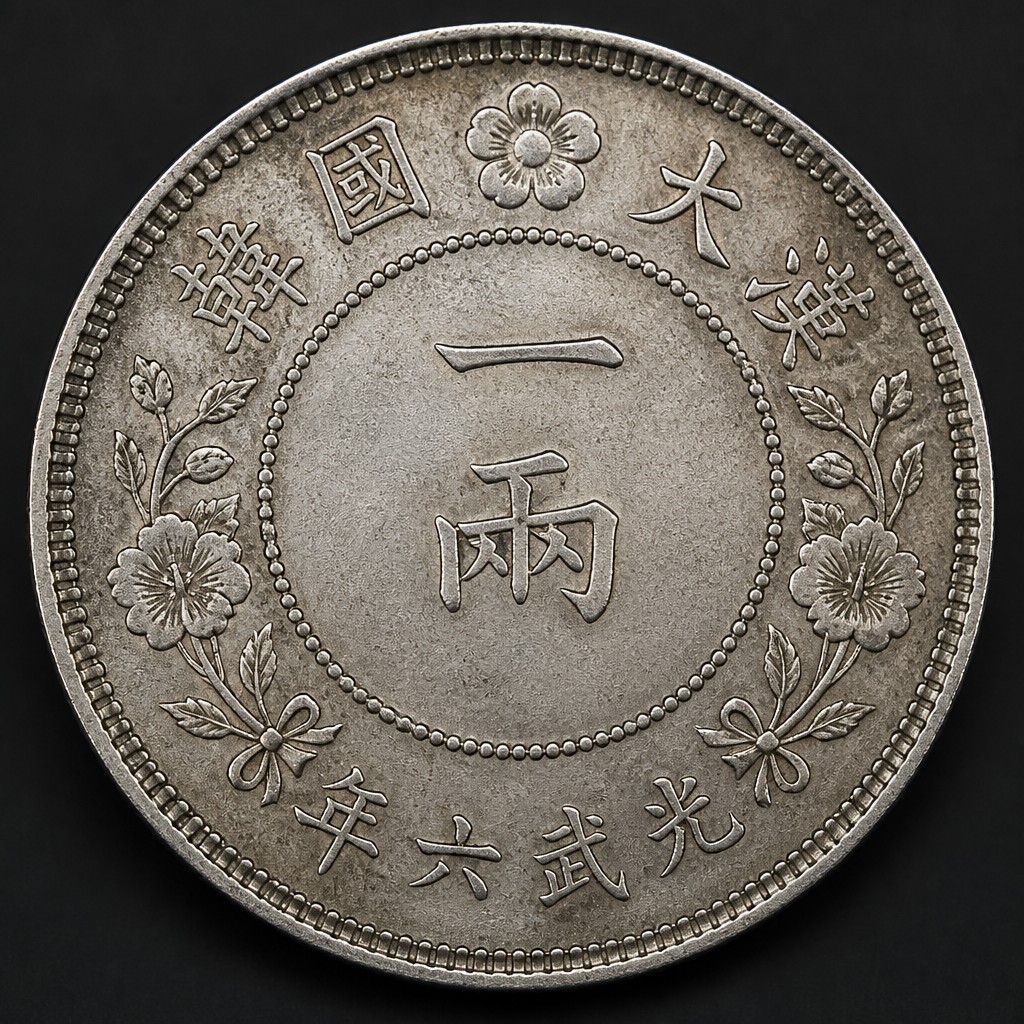
Korean 1 Yang Silver (Joseon/Great Han Empire)
1892–1902
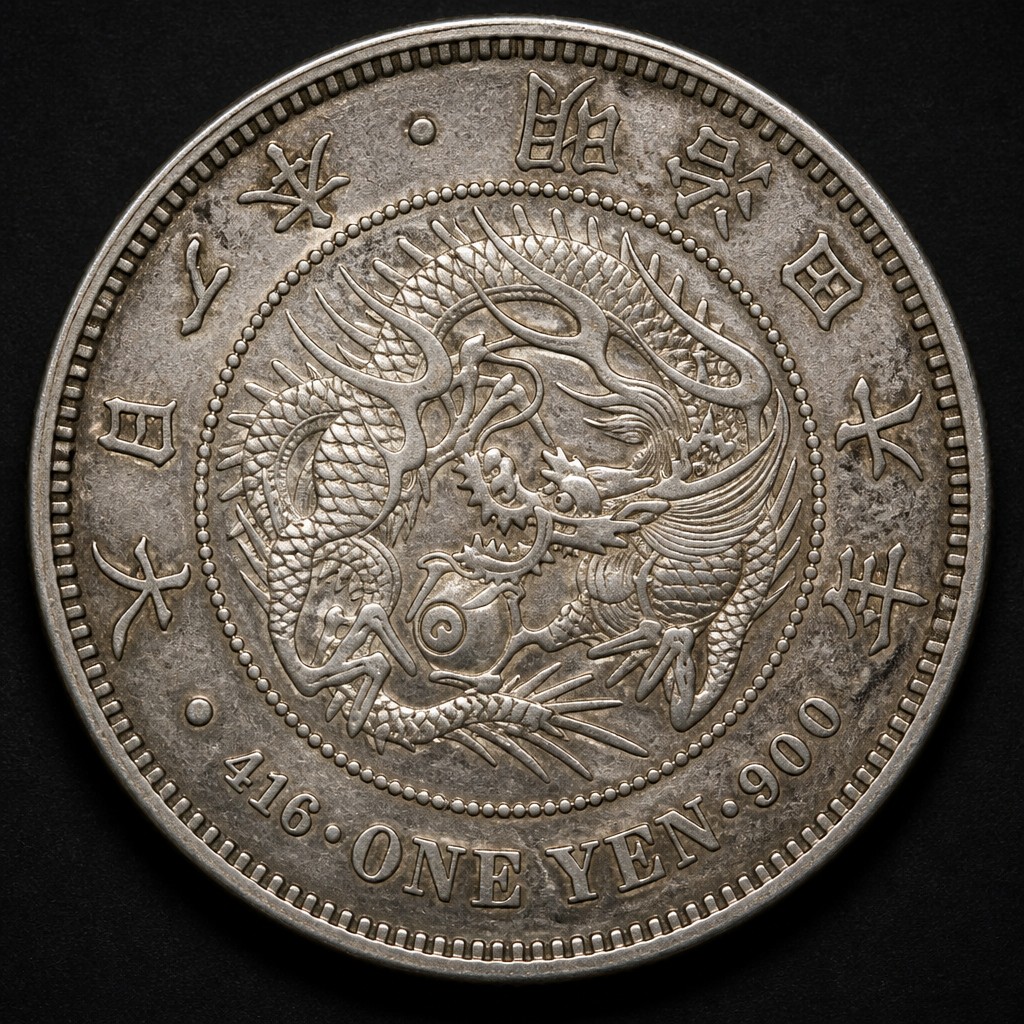
Japanese 1 Yen Silver 'Dragon' Trade Dollar
1870–1914 (trade dollar variant 1875–1877)
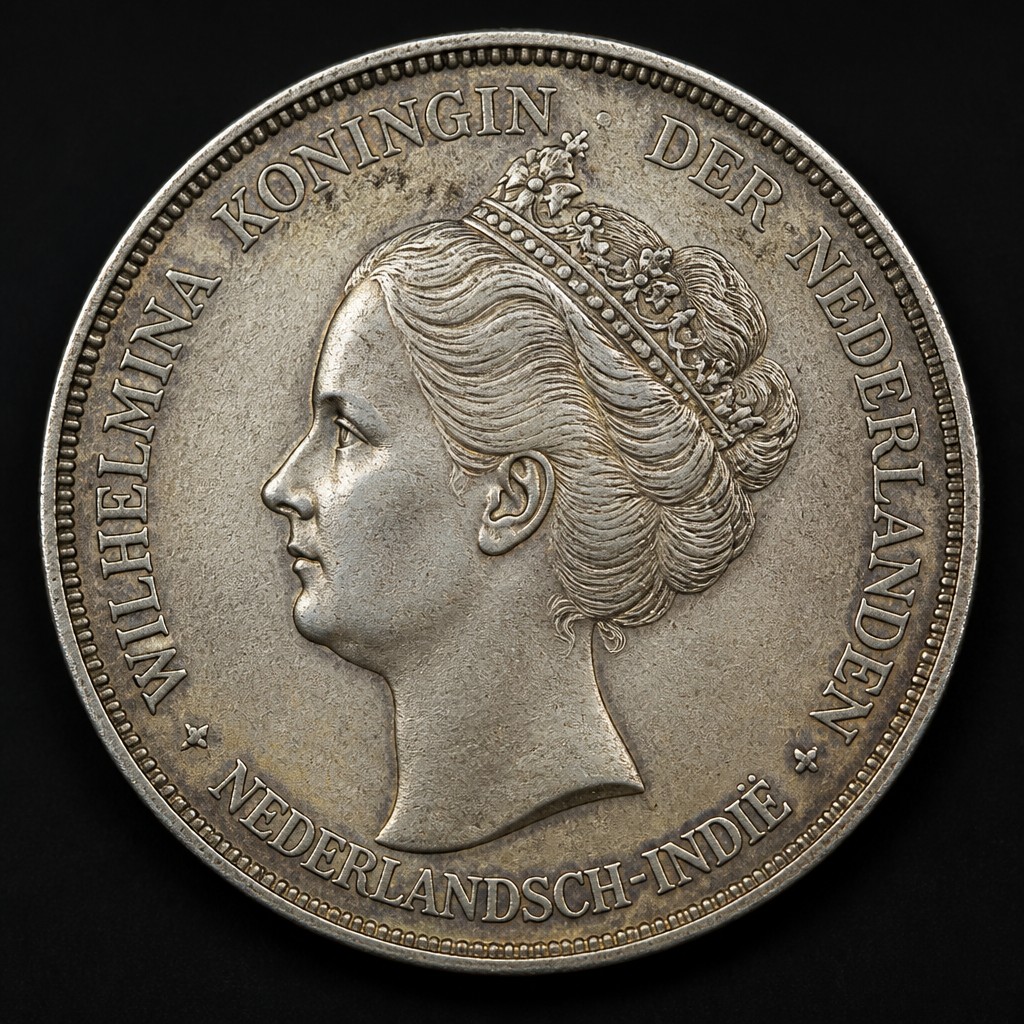
Netherlands East Indies Gulden (Wilhelmina)
1897–1945
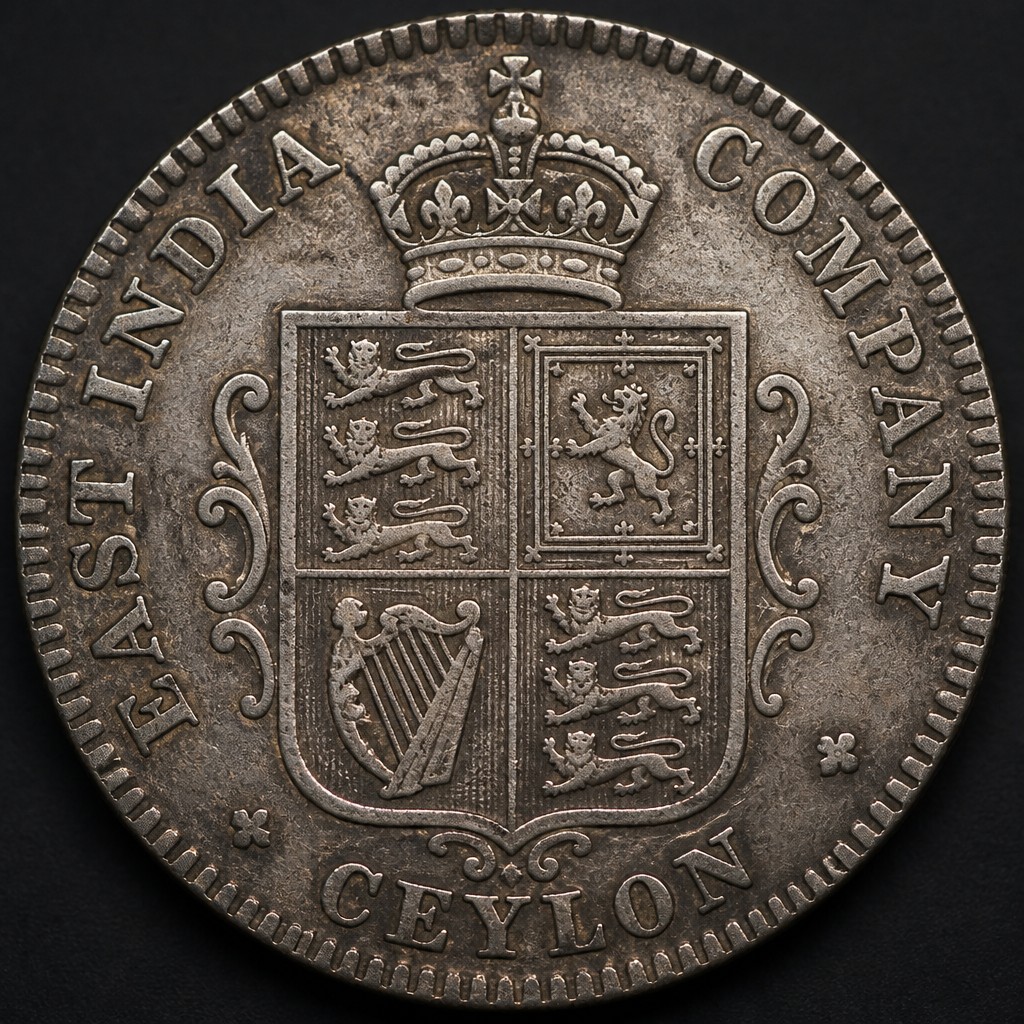
Ceylon (Sri Lanka) EIC Rixdollar
c. 1802–1821
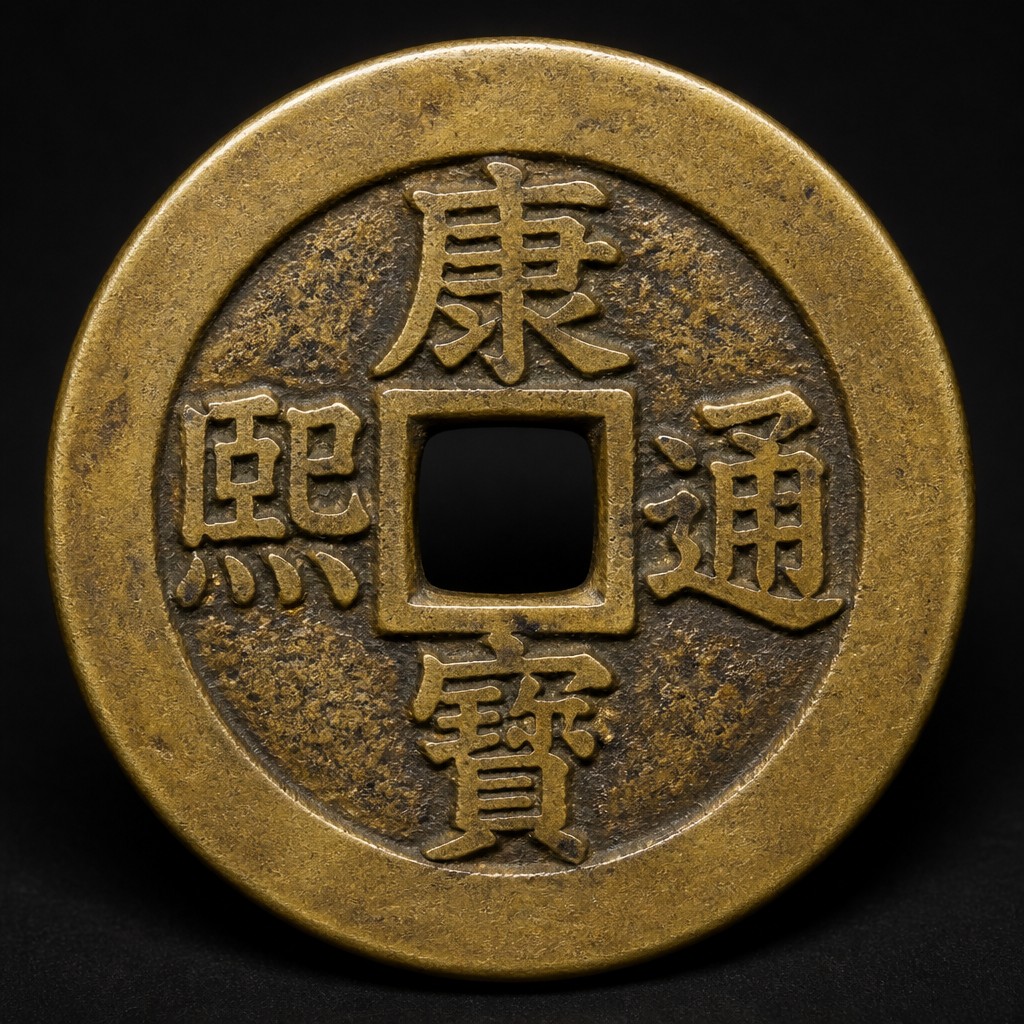
Chinese Cash Coin (Qing Dynasty 'Kangxi Tongbao')
1662–1722
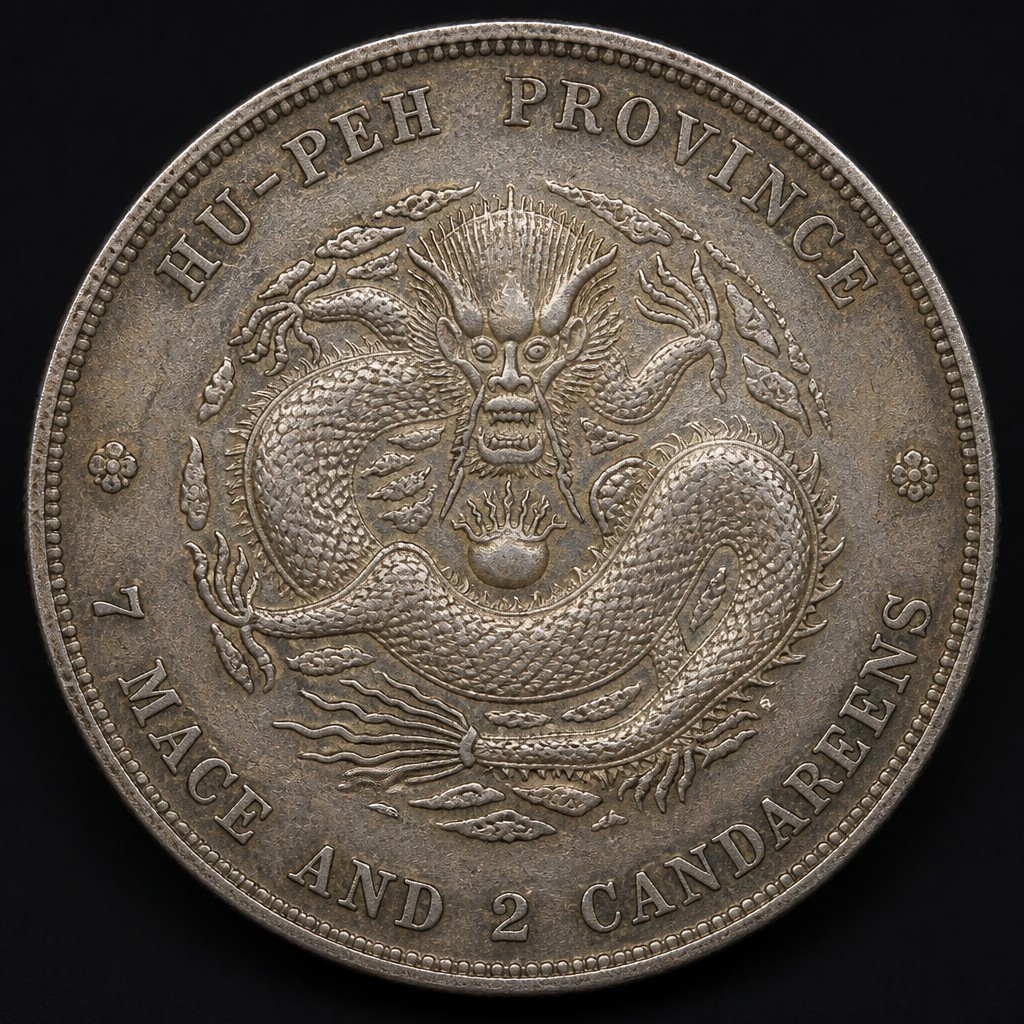
Chinese Hupeh Province Dragon Dollar
c. 1895–1909
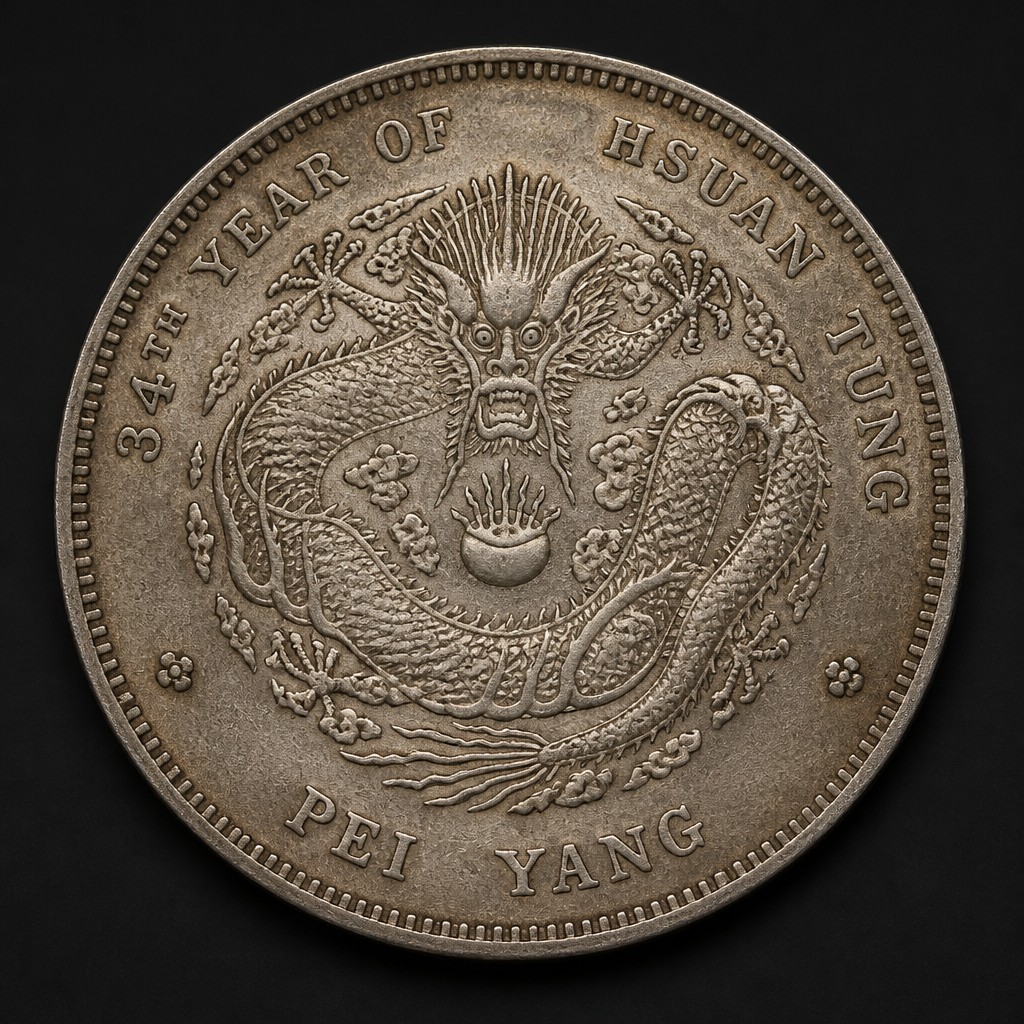
Chinese Empire Silver Dollar (Hsuan Tung Dragon)
1909–1911
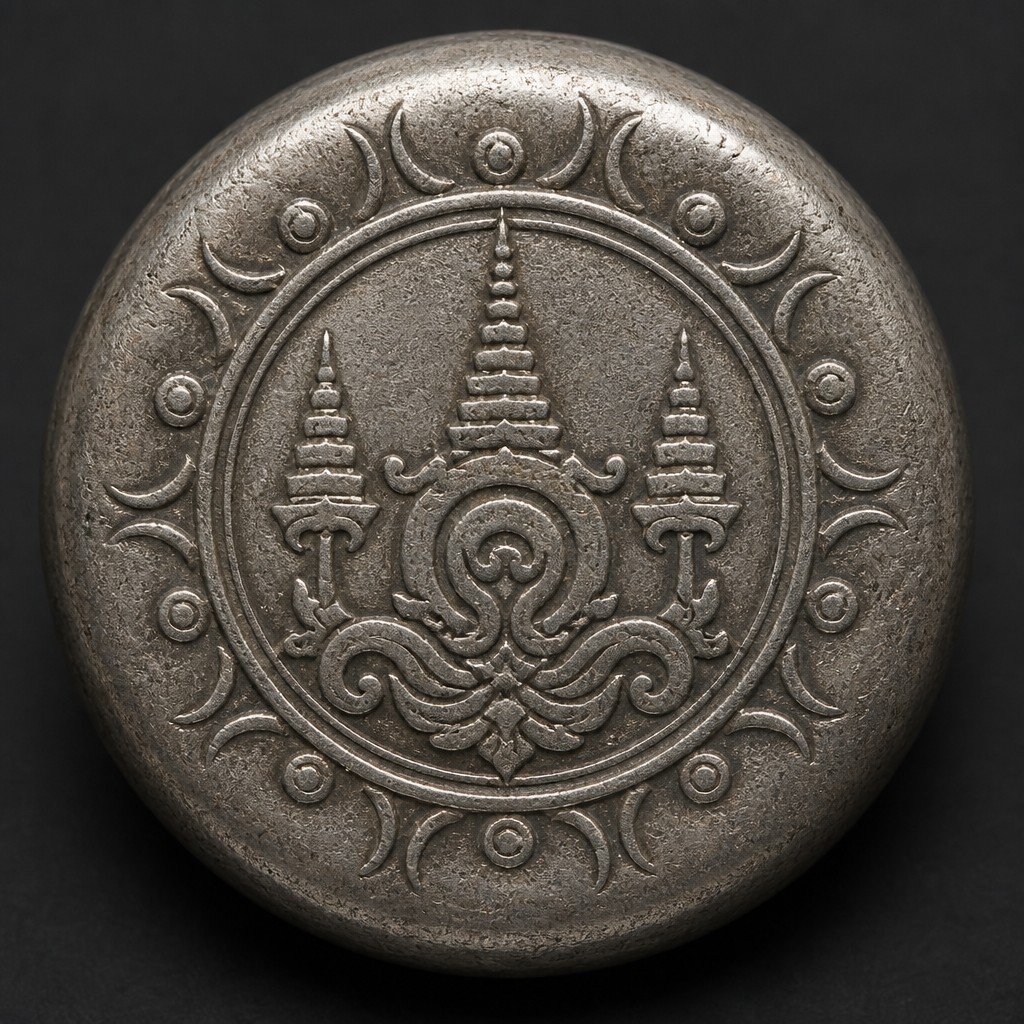
Thailand (Siam) Silver Baht 'Bullet Money' (Pod Duang)
c. 13th century – late 19th century
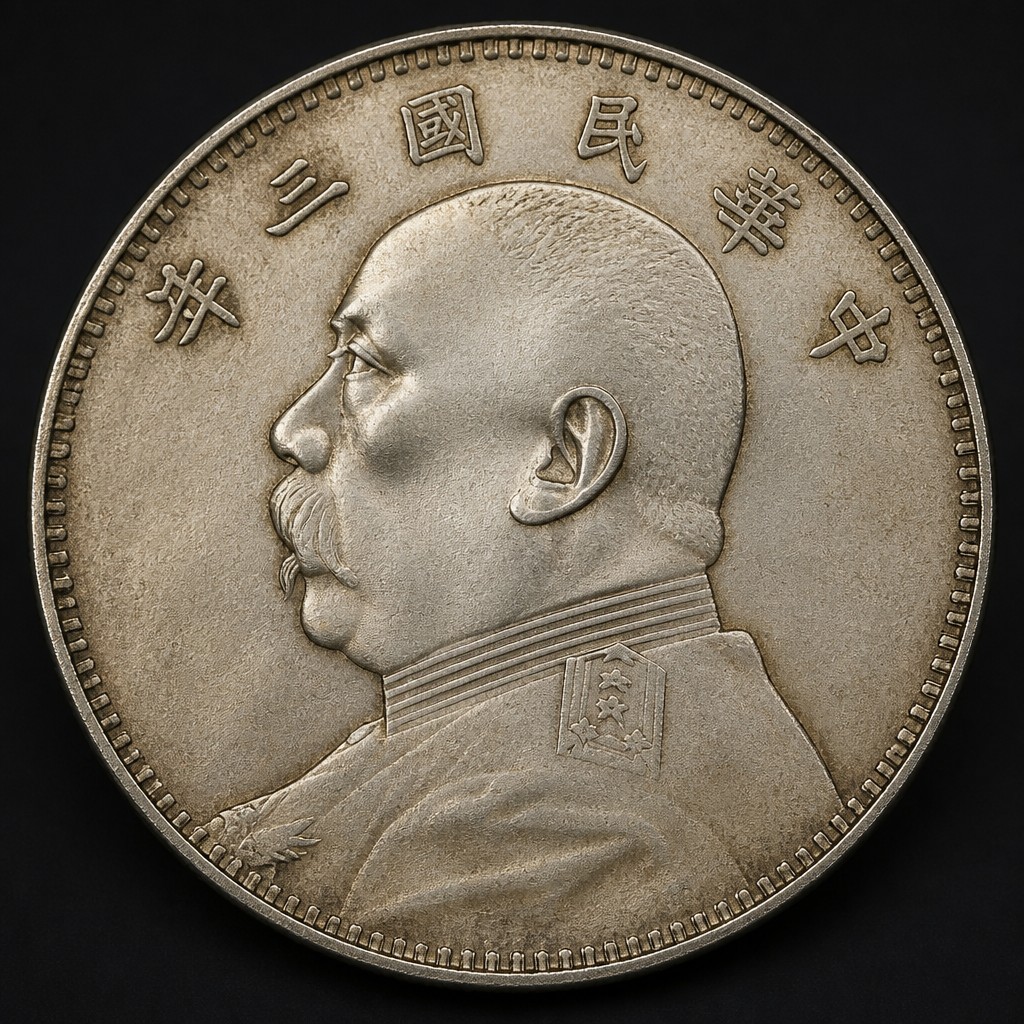
Yuan Shikai 'Fatman' Dollar (1914)
Dated 1914, struck into the early 1920s