
Coin Encyclopedia
Search and identify coins from around the world — with country, denomination, metal, mint, history, and how to tell them apart.
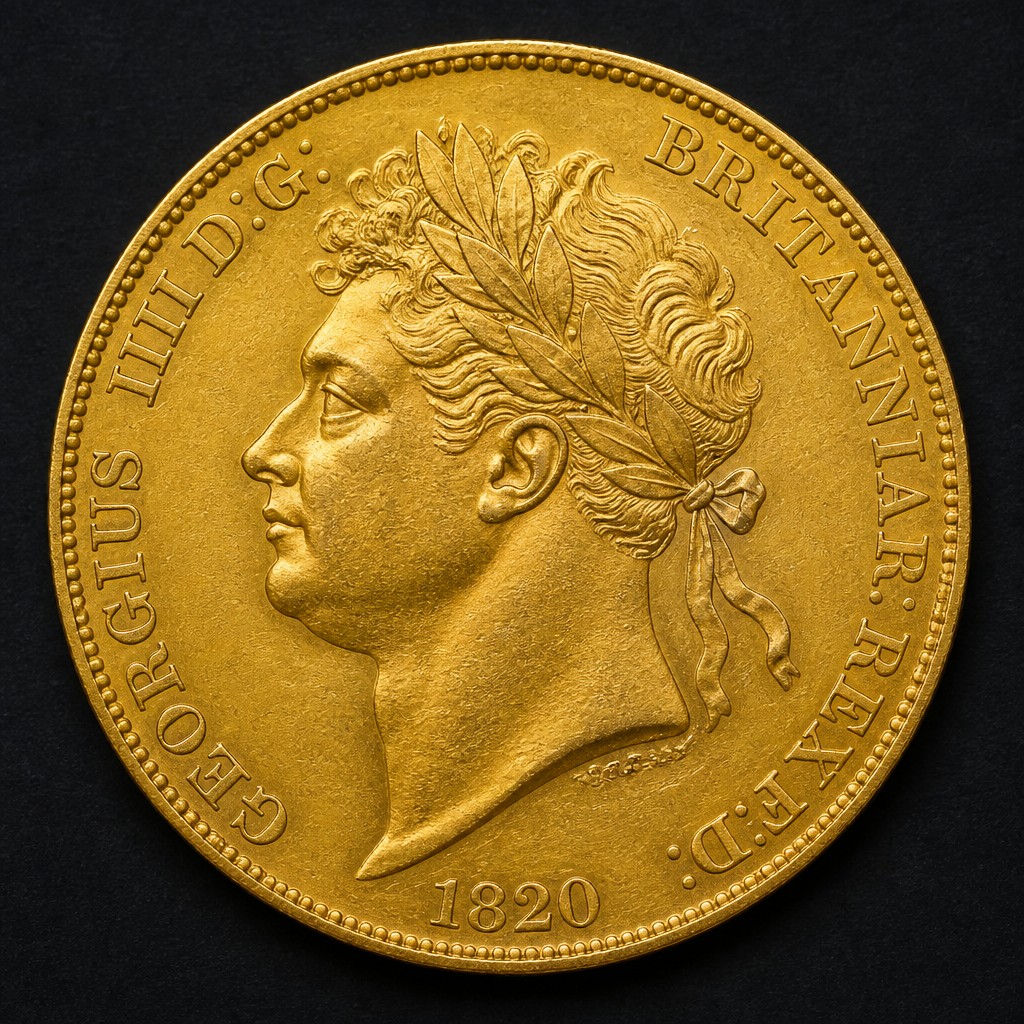
Five Pound Gold (Quintuple Sovereign)
The largest standard gold coin in the British sovereign family, worth five pounds and equal to five sovereigns, struck intermittently since 1820 for commemorative and collector purposes.
British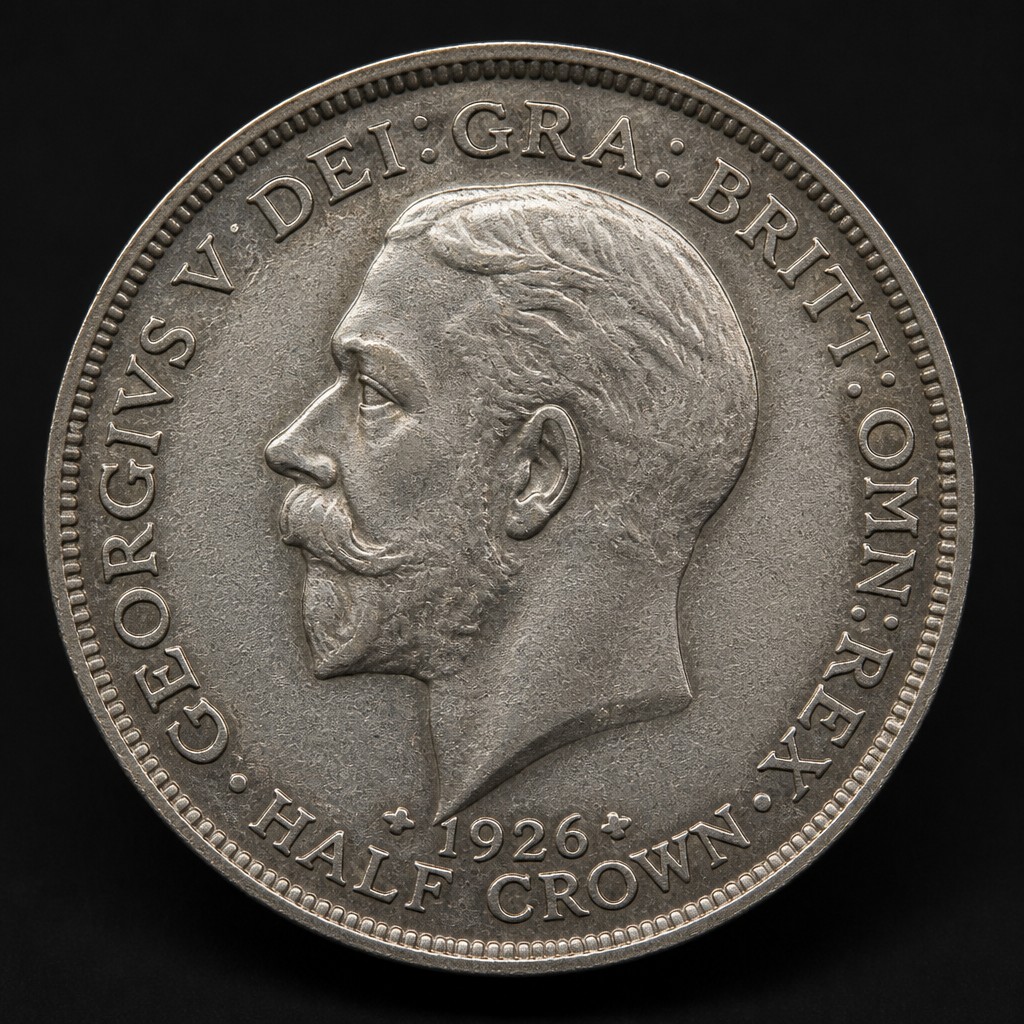
Half Crown
A long-lived British coin worth one-eighth of a pound, struck from the Tudor era until decimalisation in 1970, valued today mainly for its portraits and design variety.
British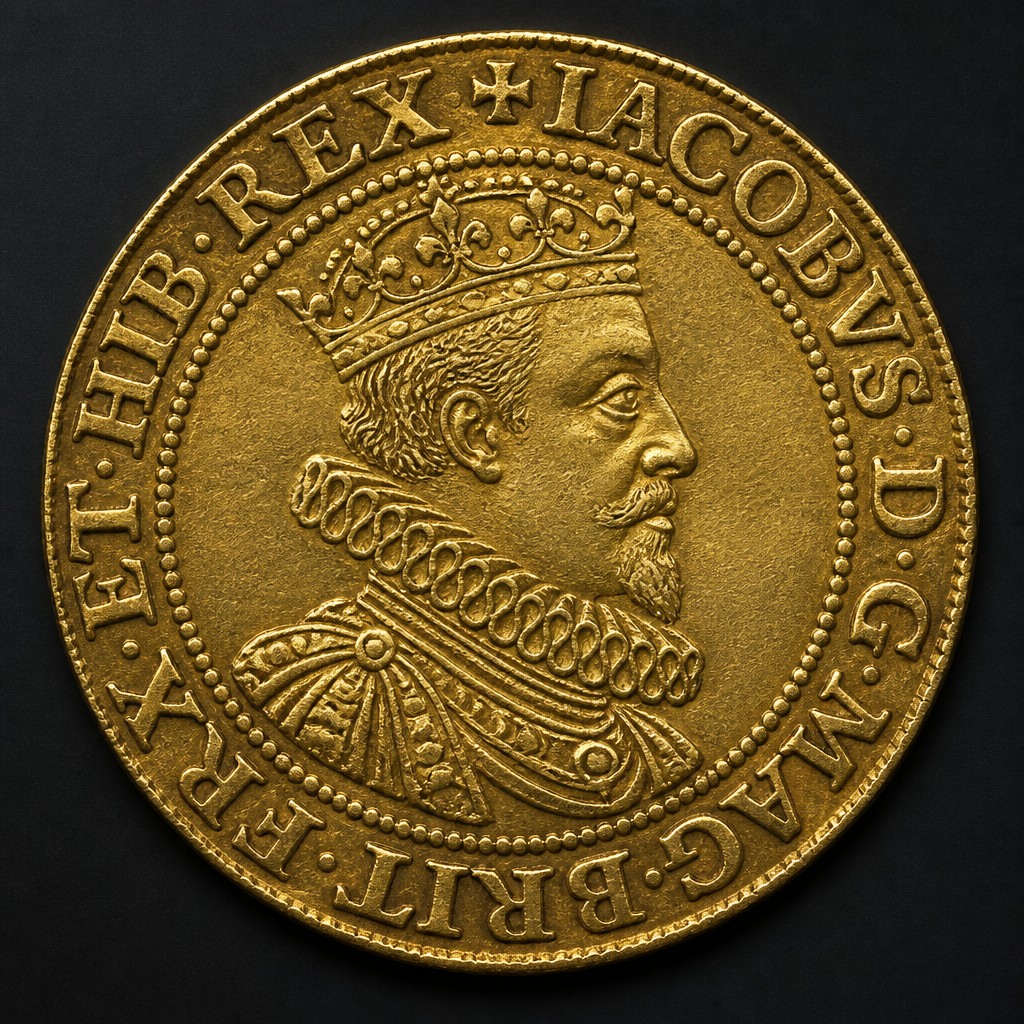
Unite
A gold twenty-shilling coin introduced by James I in 1604 to celebrate the union of the English and Scottish crowns, its name literally symbolizing the joining of the two kingdoms.
British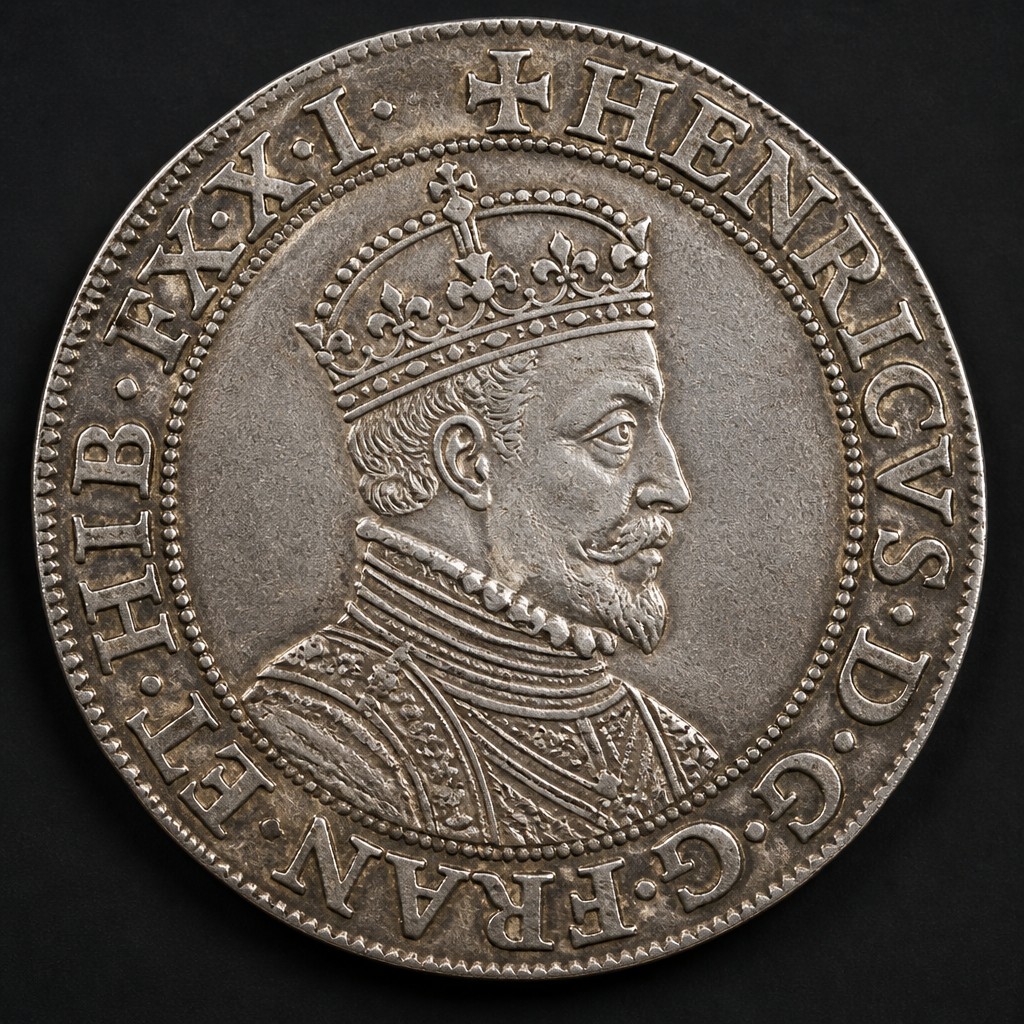
Testoon
The earliest English coin to carry a realistic royal portrait, introduced under Henry VII around 1487 as the forerunner of the shilling, later continued and debased under Henry VIII.
British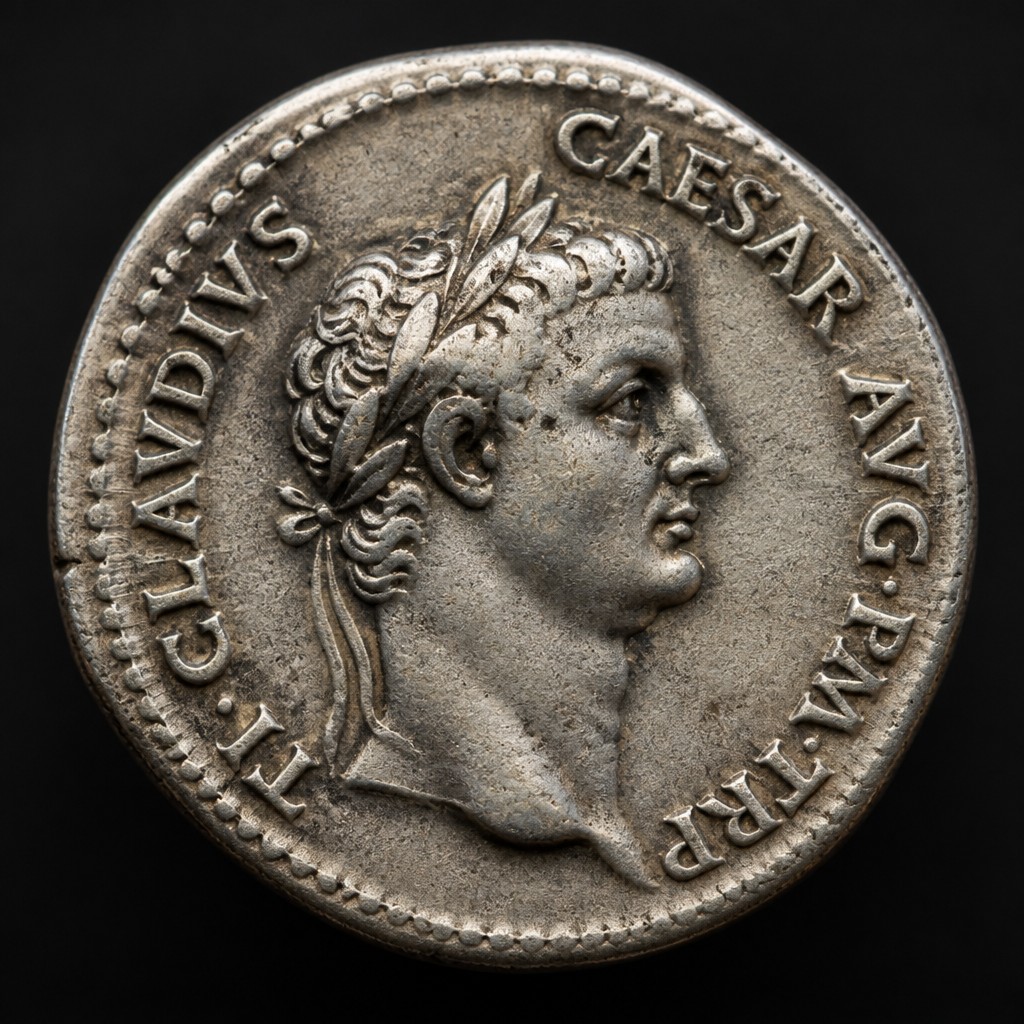
Claudius Denarius
A silver denarius of Emperor Claudius, whose unexpected rise to power after Caligula's assassination was famously secured with the support of the Praetorian Guard.
Ancient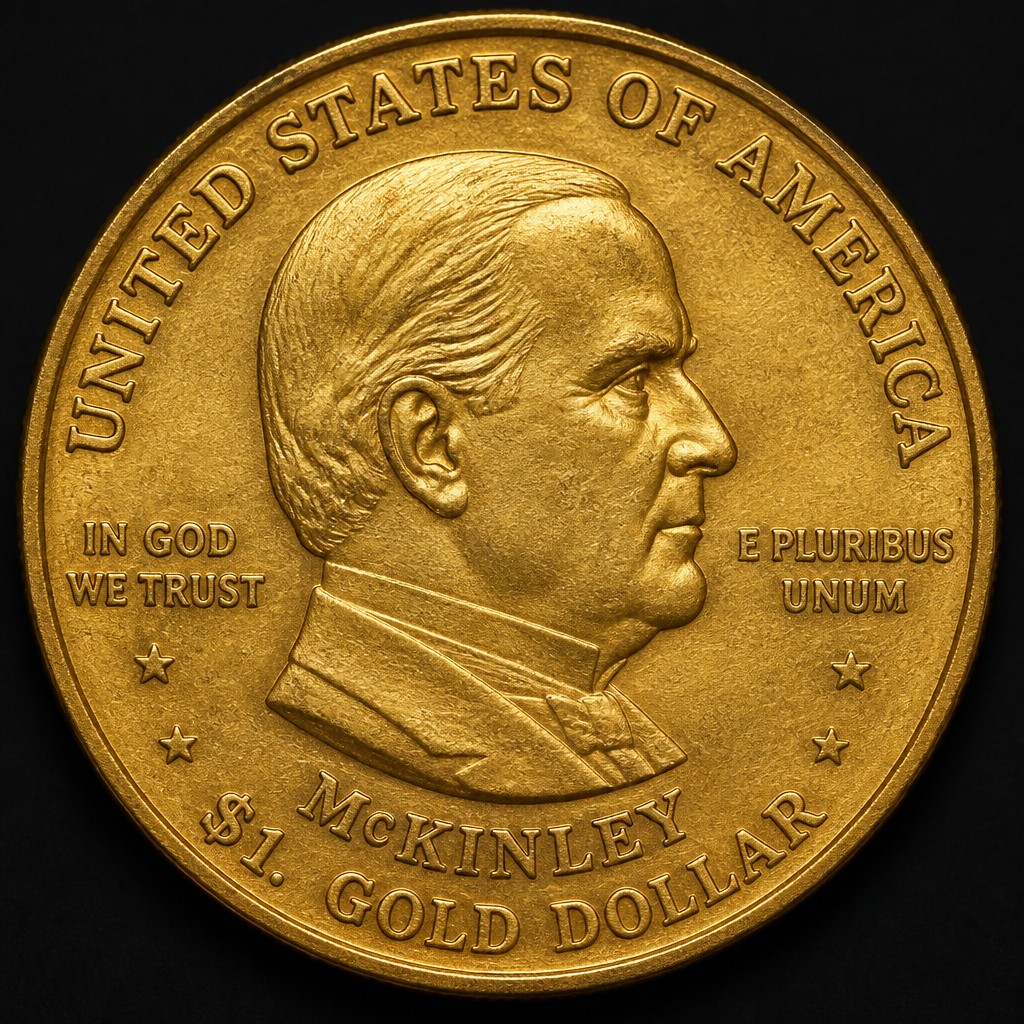
McKinley Memorial Gold Dollar
A small commemorative gold dollar honoring assassinated President William McKinley, sold to raise funds for a memorial building in his Ohio birthplace.
Commemorative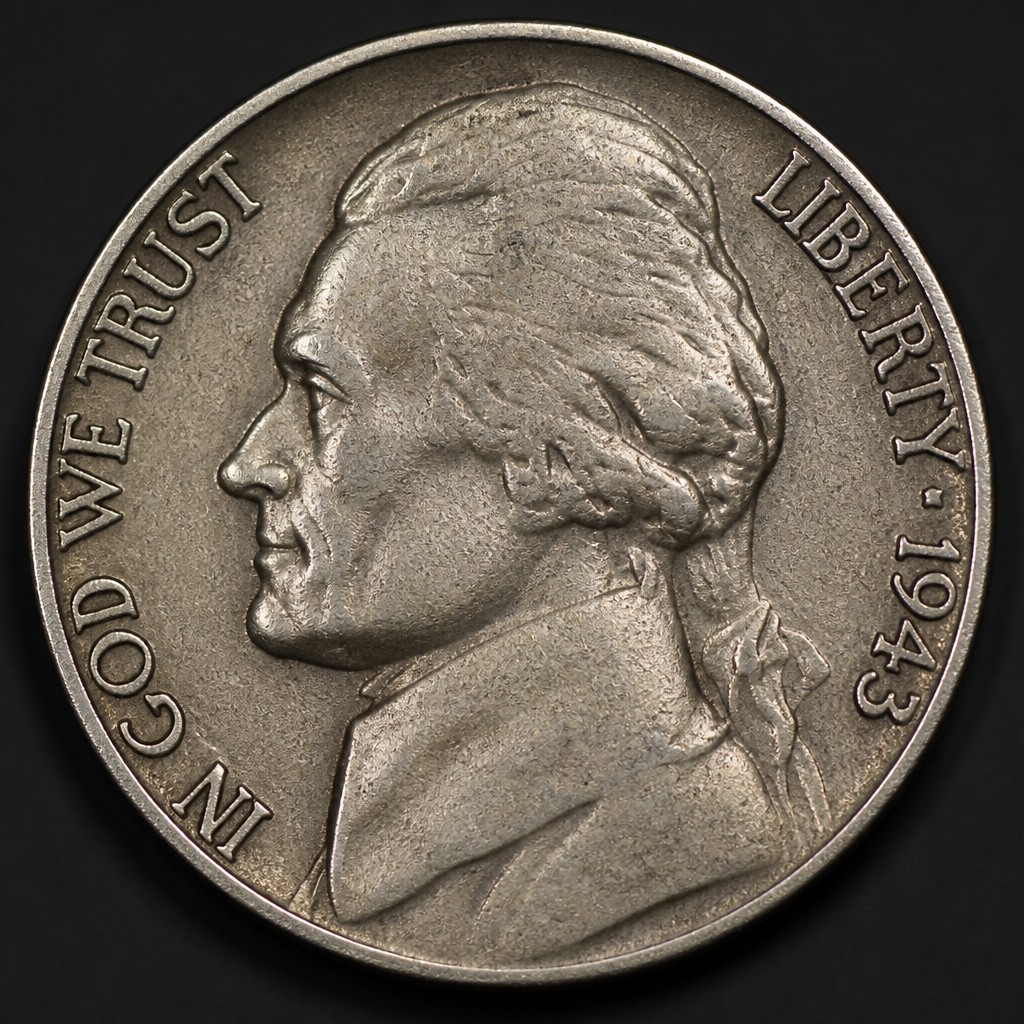
War Nickel (Silver 1942-1945 Jefferson Nickel)
A special wartime Jefferson Nickel alloy struck without nickel metal to conserve it for military use, identifiable by a large mintmark placed above Monticello's dome.
United States
British Gold Sovereign
Historic British gold coin featuring Saint George slaying the dragon, minted since 1817 and still struck today as both a circulation-era relic and modern bullion/collector coin.
British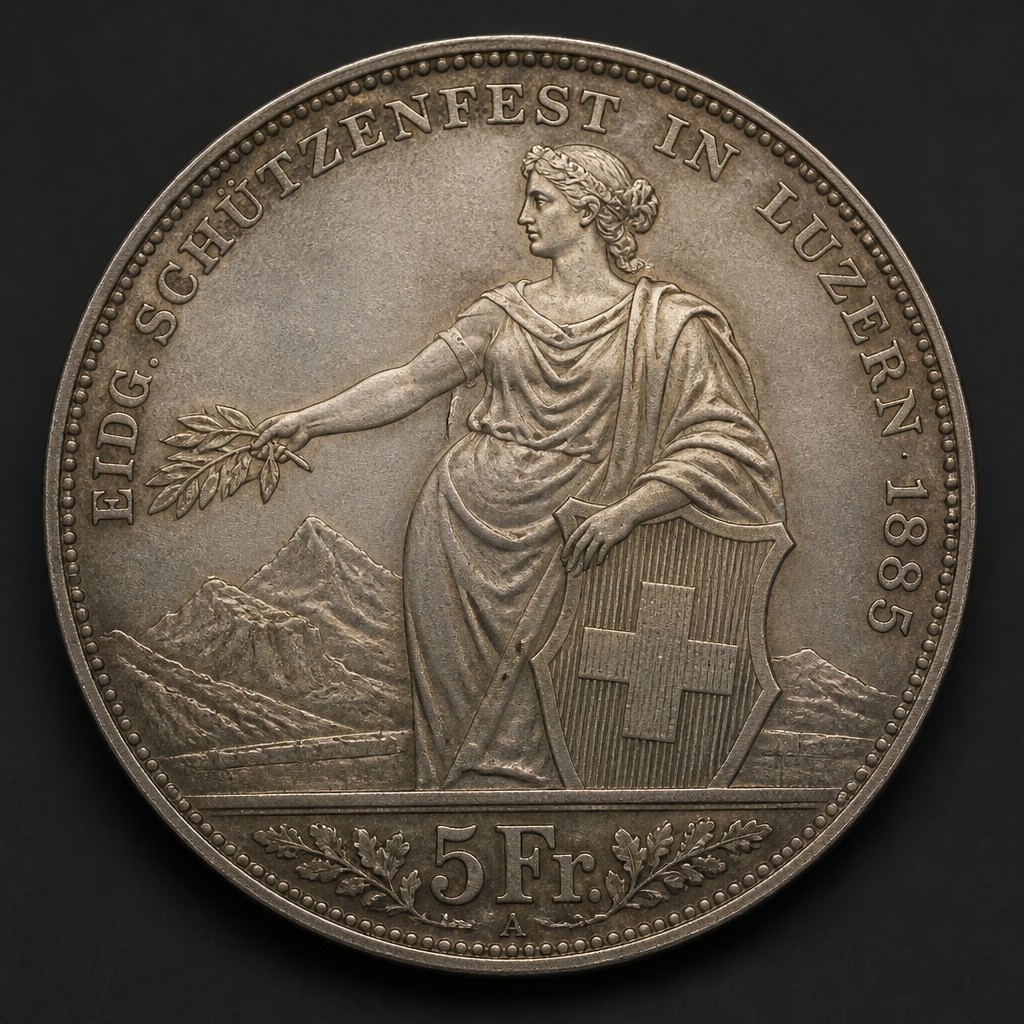
Swiss 5 Francs Shooting Thaler
A series of commemorative Swiss silver crowns struck to mark the national Federal Shooting Festival, celebrating Switzerland's civic militia tradition through distinctive cantonal designs.
European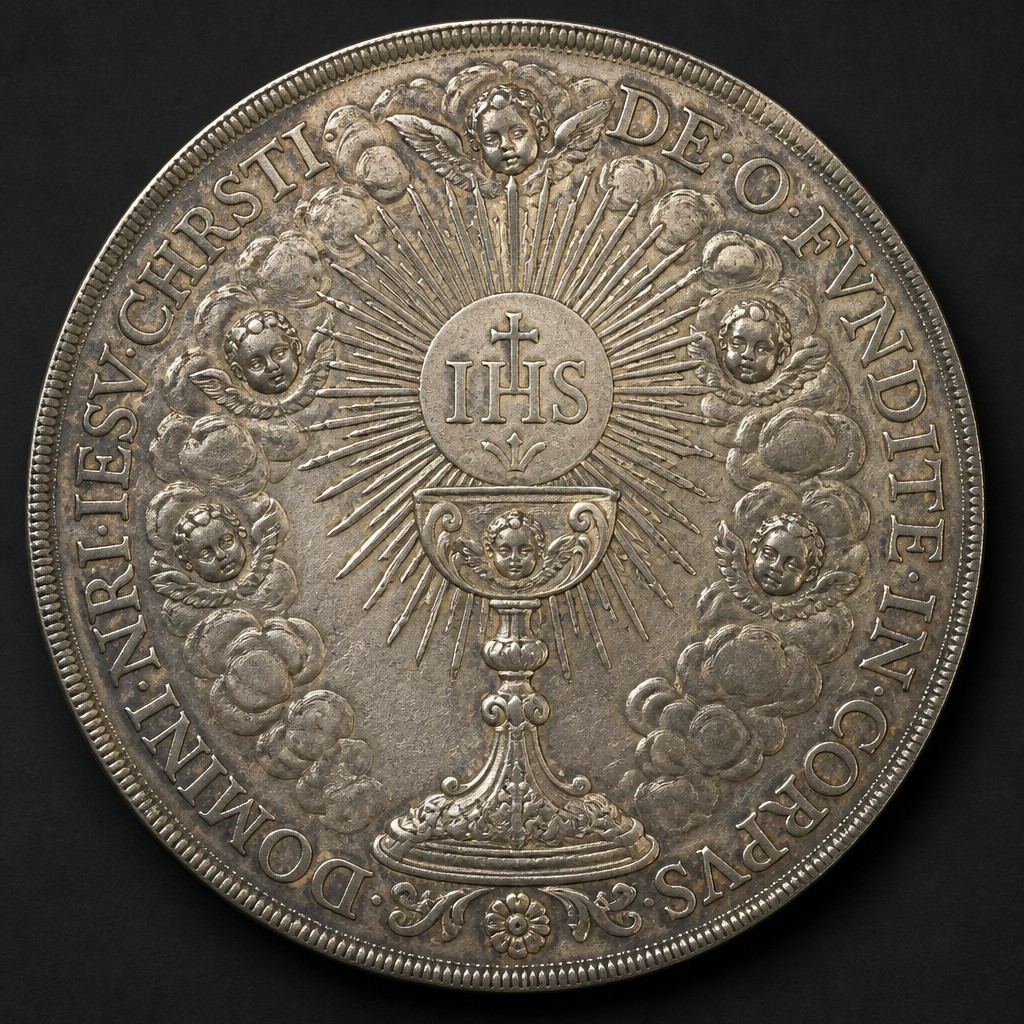
Austrian Corpus Christi Thaler
A devotional silver thaler struck by Austrian ecclesiastical authorities to mark the feast of Corpus Christi, blending religious procession imagery with the standard large-thaler format of the era.
European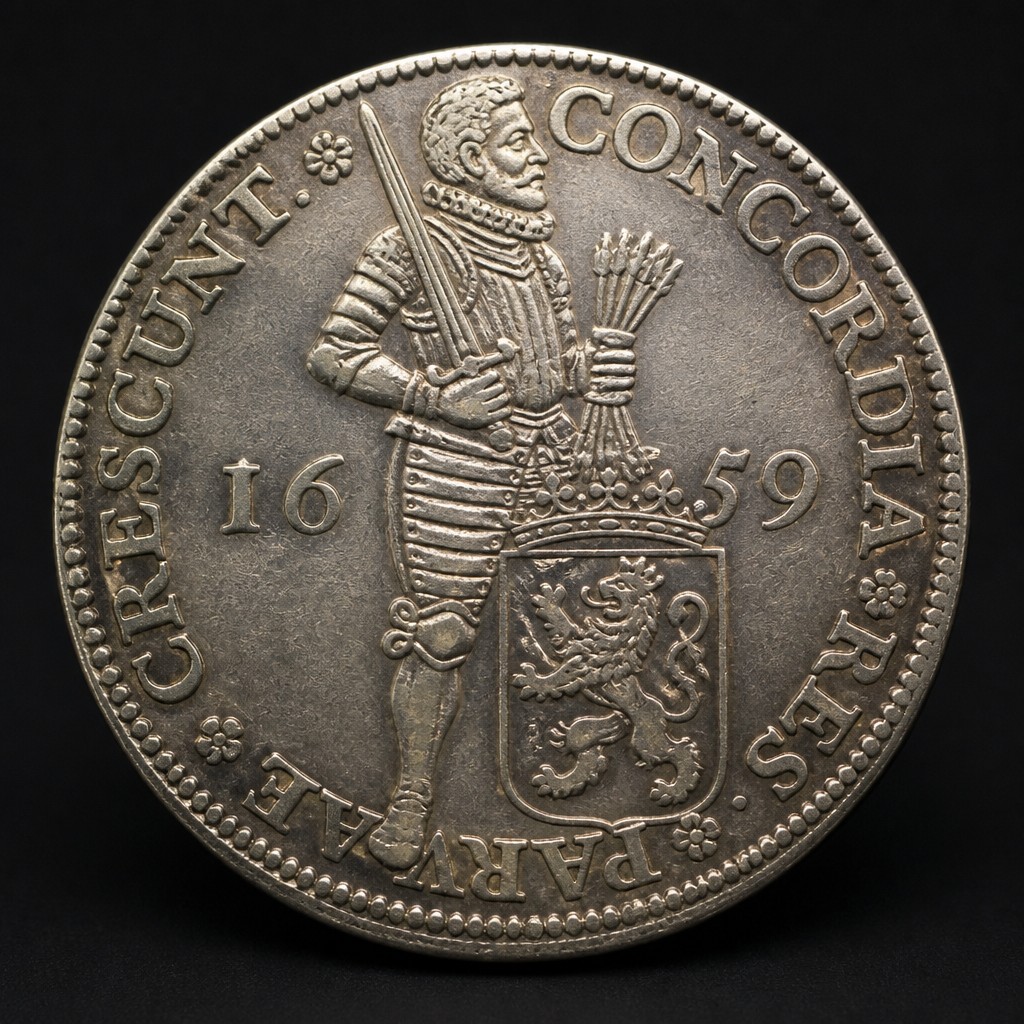
Dutch Silver Ducat
A historic Dutch trade silver coin first struck in 1659, depicting a standing knight, that has been minted continuously for centuries and remains a popular silver bullion and collector piece today.
European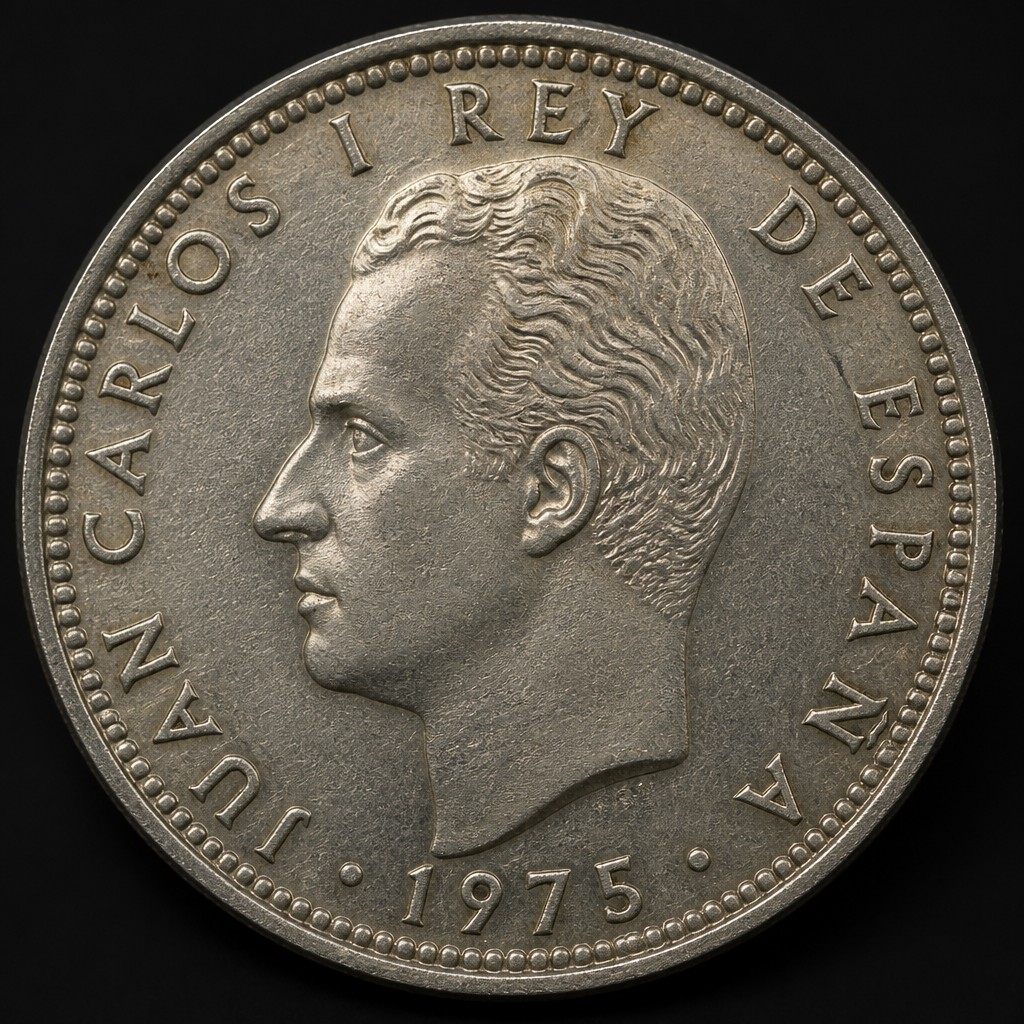
Spanish Peseta
The peseta was Spain's national currency for over 130 years, evolving from silver coinage under a provisional 19th-century government to copper-nickel coins used until the euro replaced it in 2002.
European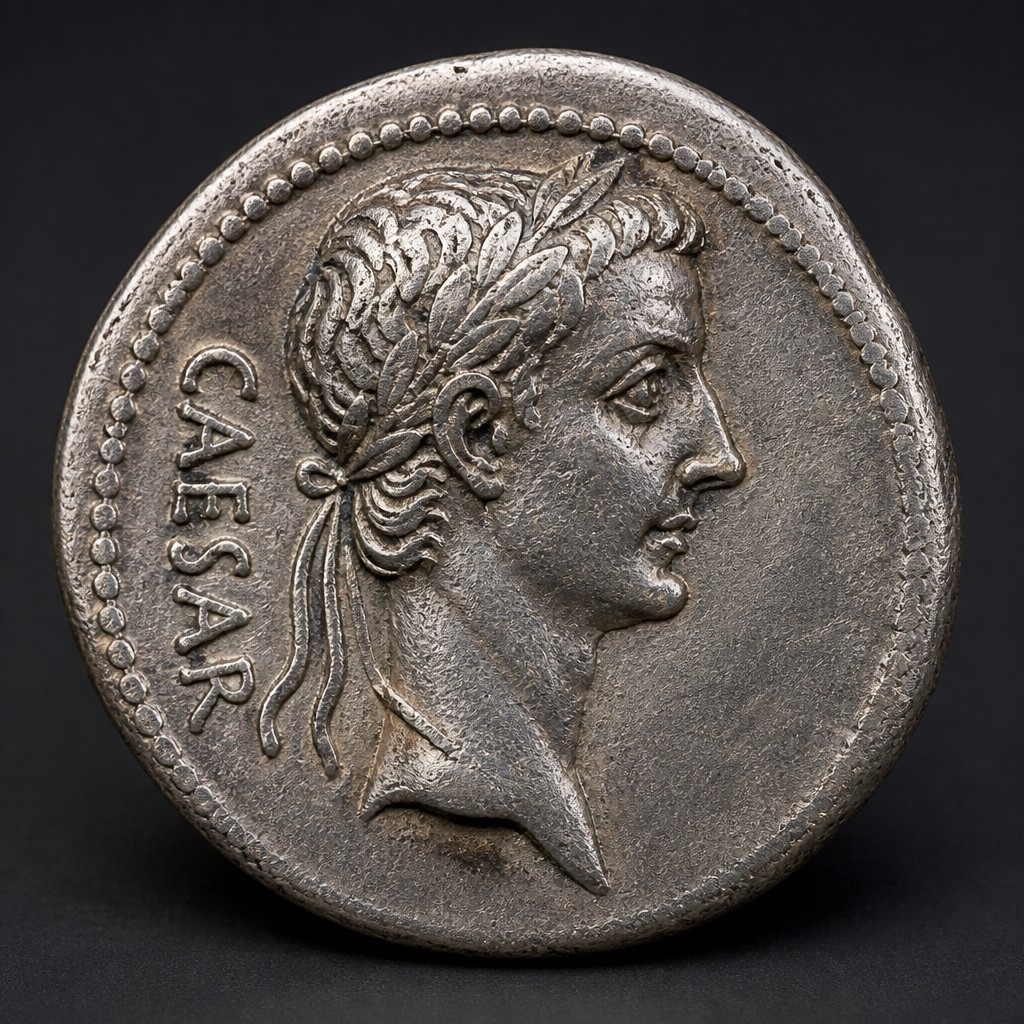
Julius Caesar Elephant Denarius
One of the most widely recognized ancient Roman coins, struck under Julius Caesar's authority and depicting an elephant trampling a serpent, likely a symbolic image tied to Caesar's political struggles.
Ancient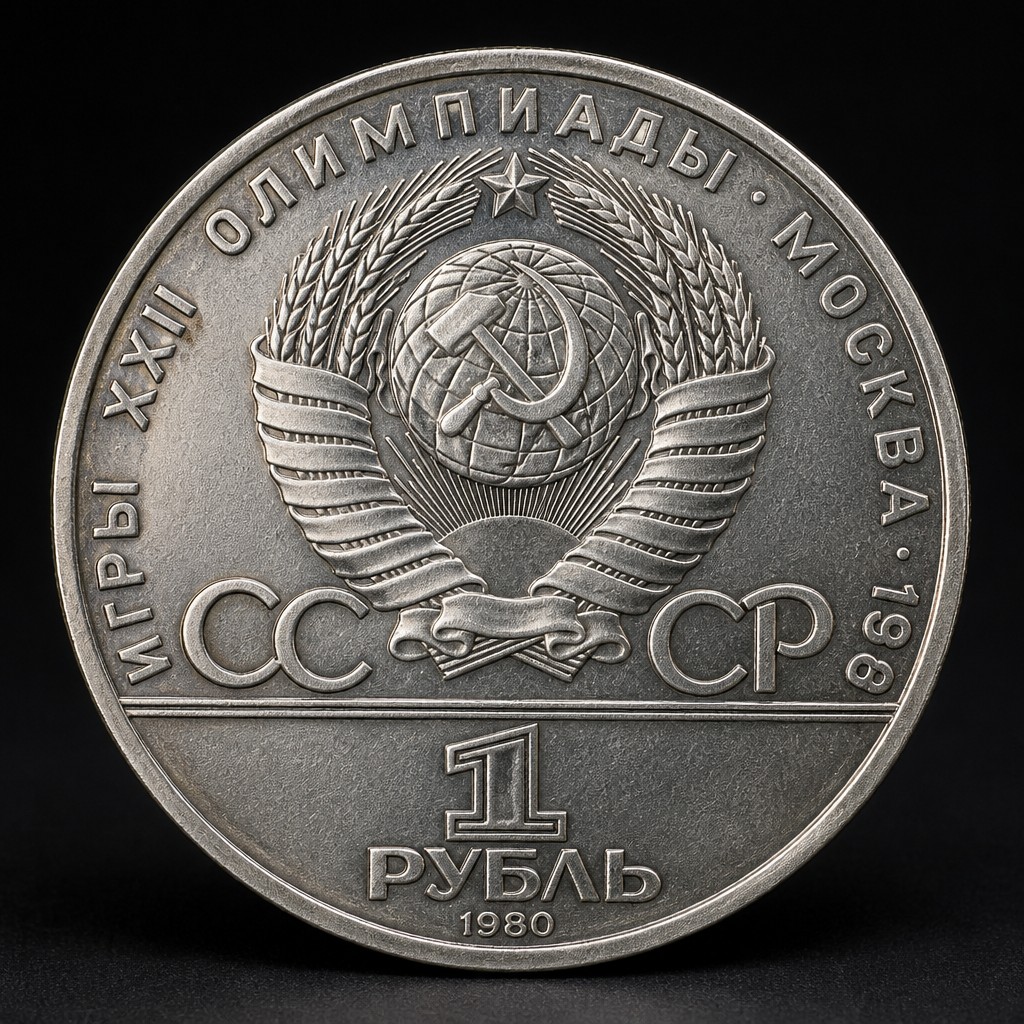
1980 Moscow Olympics Silver Rouble
The Soviet Union struck an extensive multi-denomination coin program from 1977 to 1980 celebrating the Moscow Summer Olympics, including widely collected silver 1 rouble coins.
Commemorative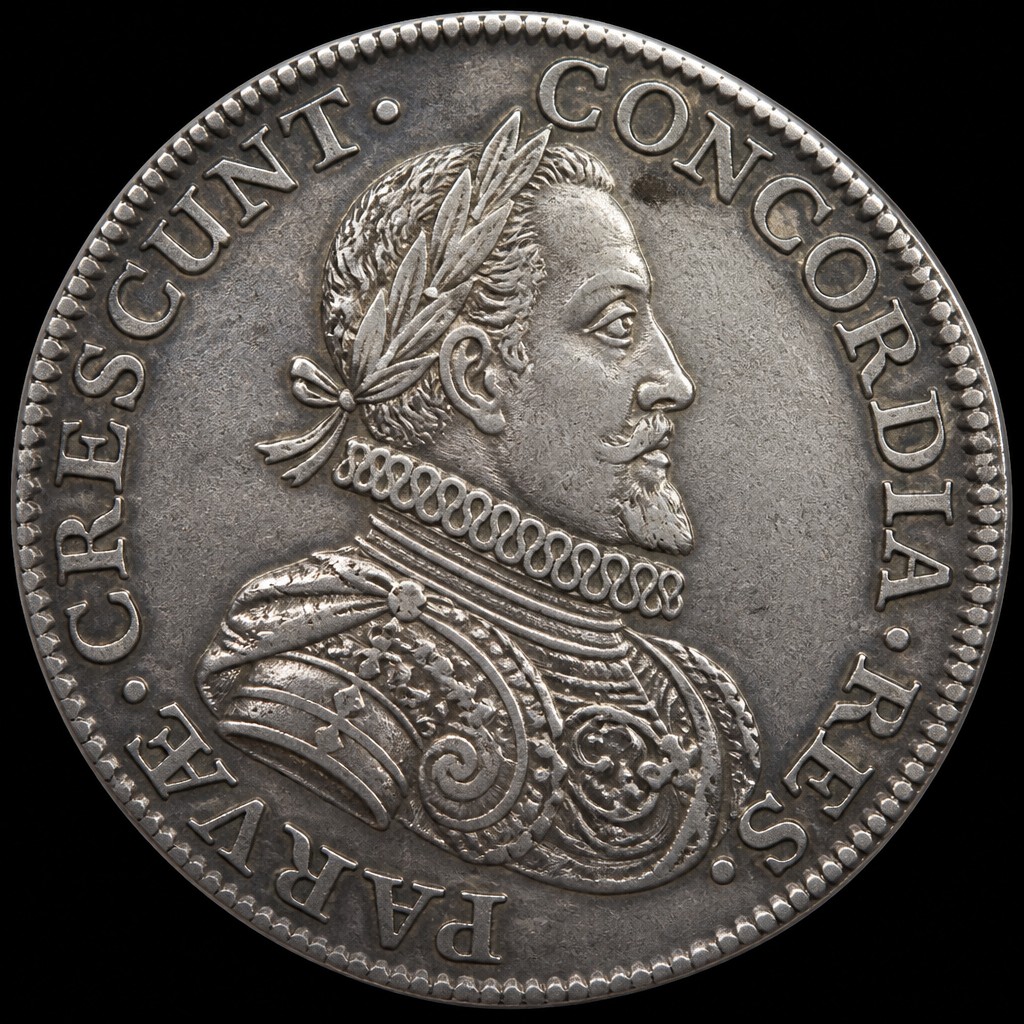
Netherlands Rijksdaalder
A historic large silver crown-sized coin of the Low Countries, the rijksdaalder became a trusted trade coin across Europe for centuries and lent its name to the modern Dutch 2½-guilder piece.
European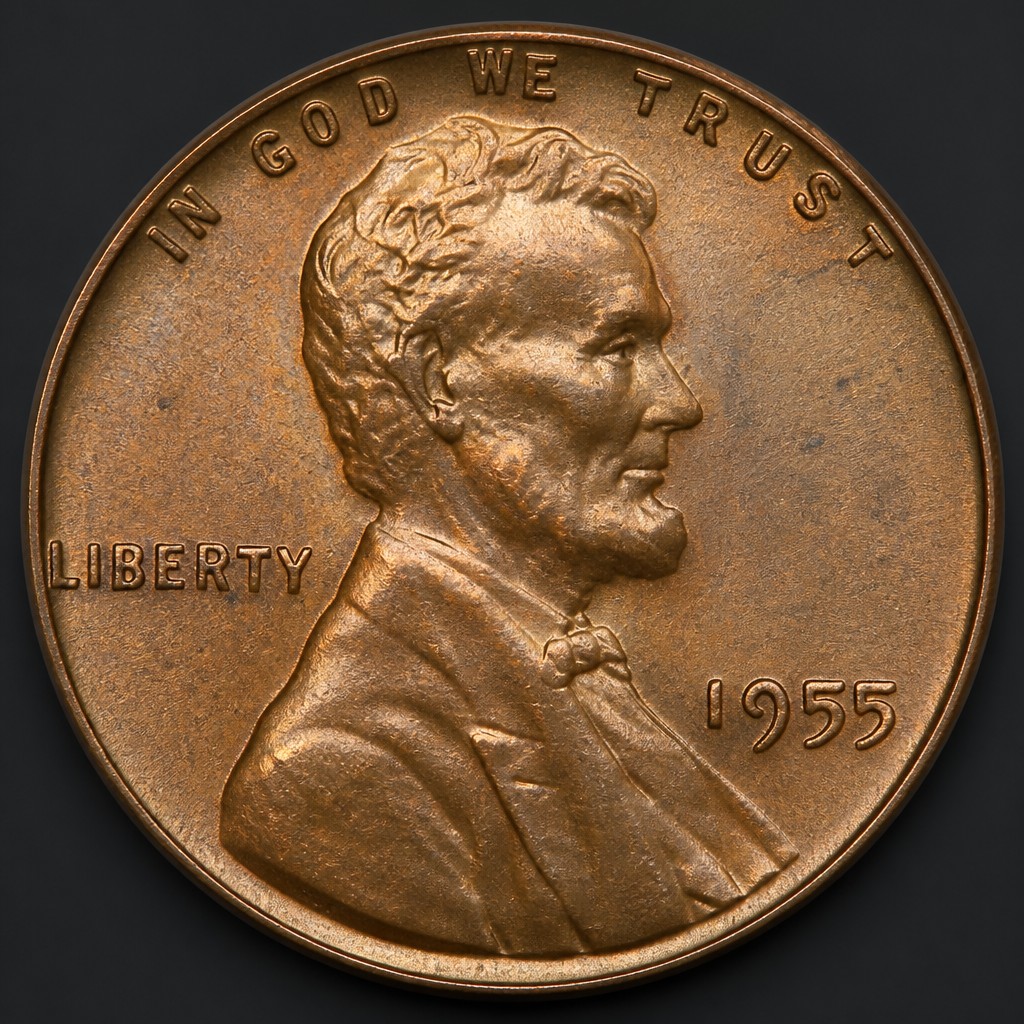
1955 Poor Man's Doubled Die Lincoln Cent
A more common, lower-value doubled die variety on the 1955 Lincoln cent, nicknamed the 'poor man's' version because it offers a similar doubled-image look to the famous 1955 Doubled Die Obverse at a fraction of the price.
Errors & Varieties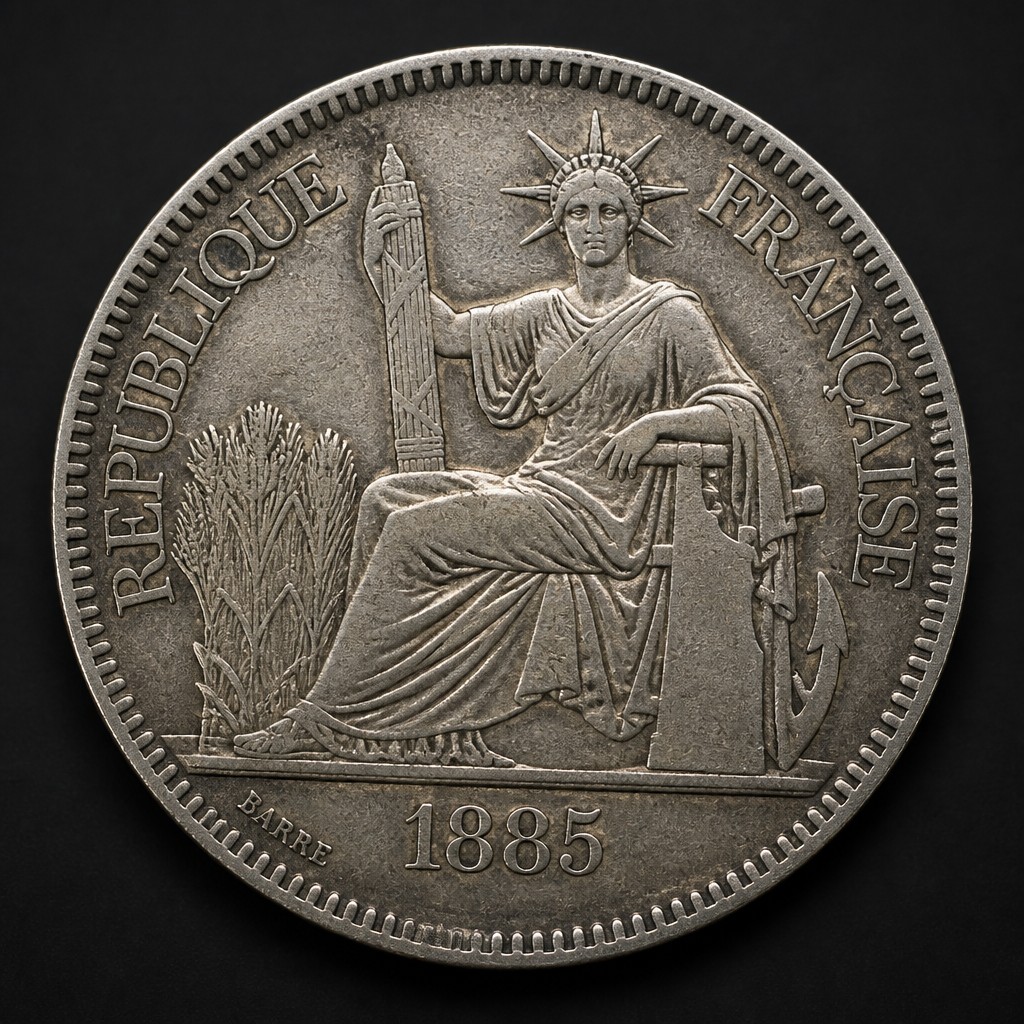
French Indochina Piastre de Commerce
A large silver trade dollar issued by colonial French Indochina, weighted to match the Mexican and Spanish trade dollars already circulating throughout Southeast Asian and Chinese commerce.
Asian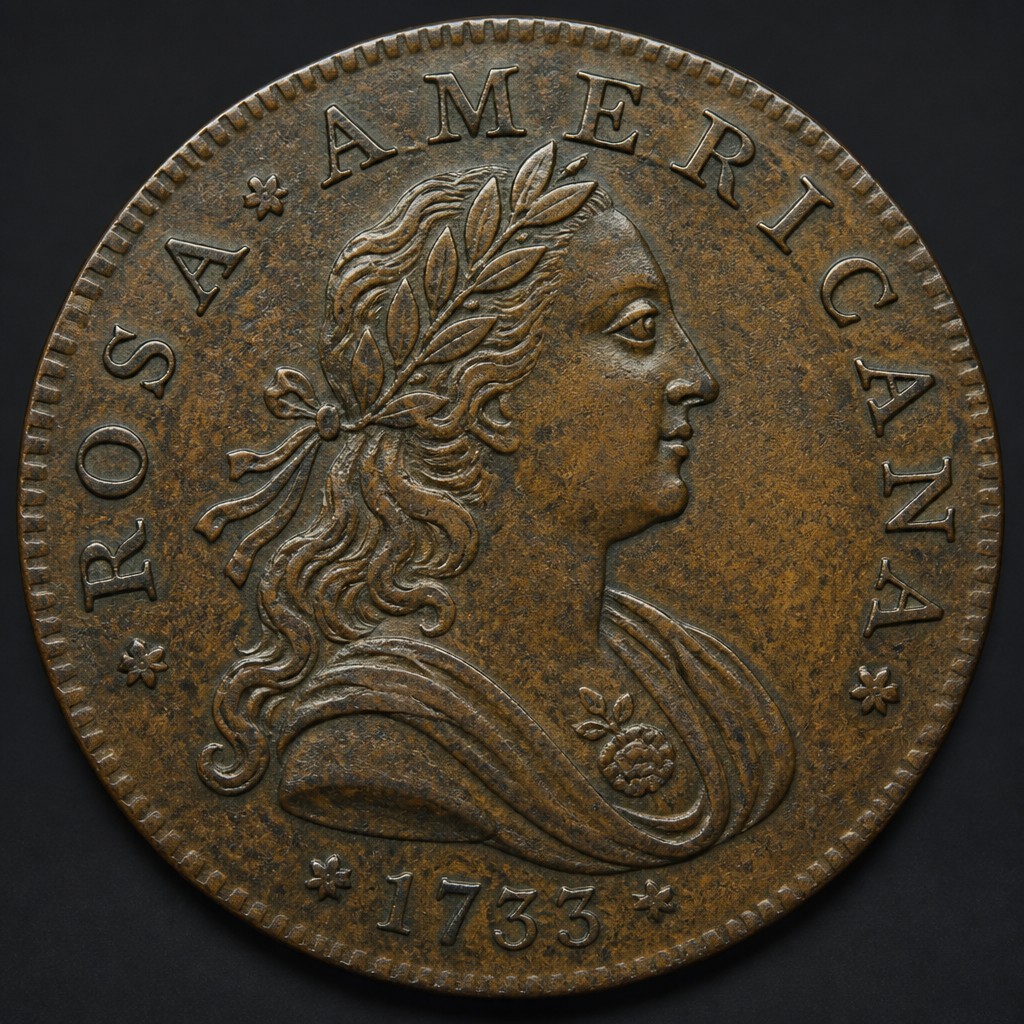
Rosa Americana Coinage
A British-issued colonial coinage for America under a patent granted to William Wood, showing a rose and King George I, that was widely rejected by colonists for its poor metal and overvaluation.
United States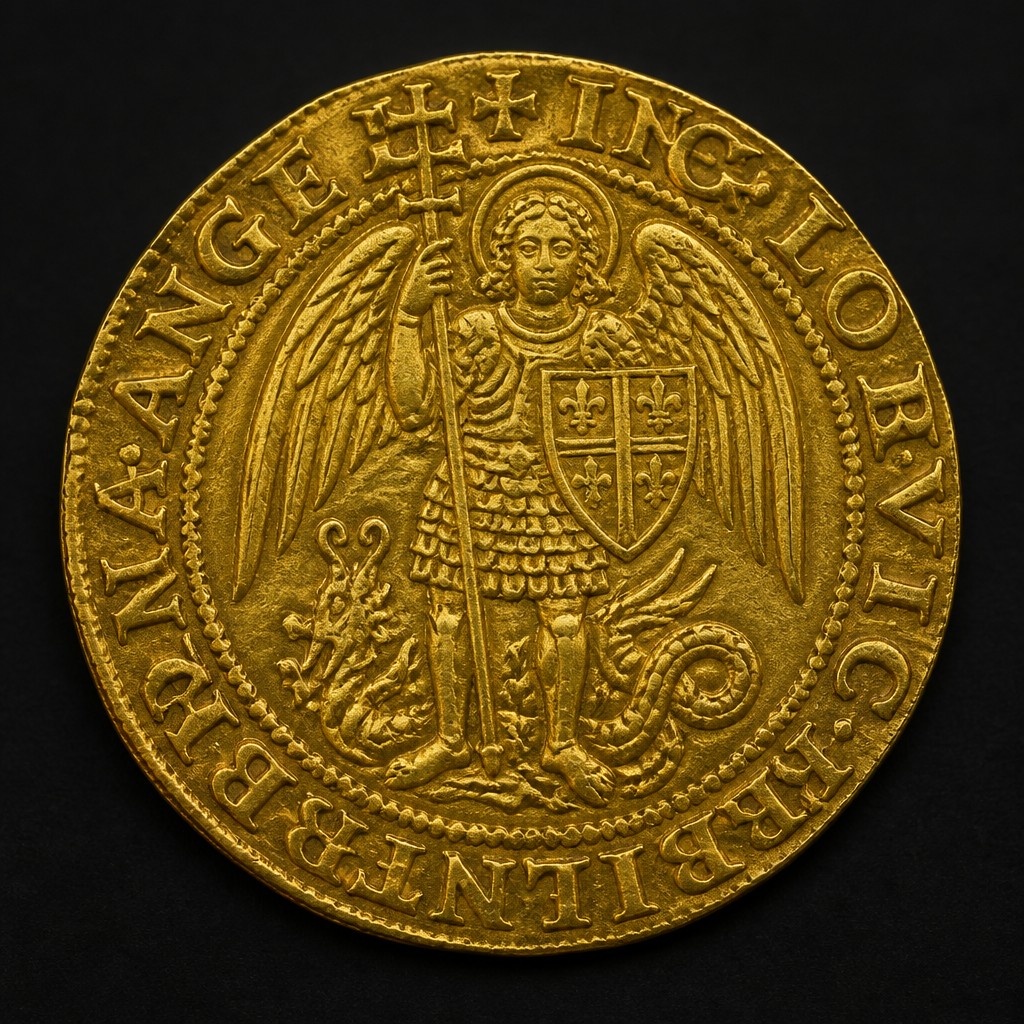
English Angel
A gold coin depicting the Archangel Michael slaying a dragon, issued for nearly two centuries and later famous for its use as a royal 'touch-piece' for the healing ceremony of the King's Evil.
British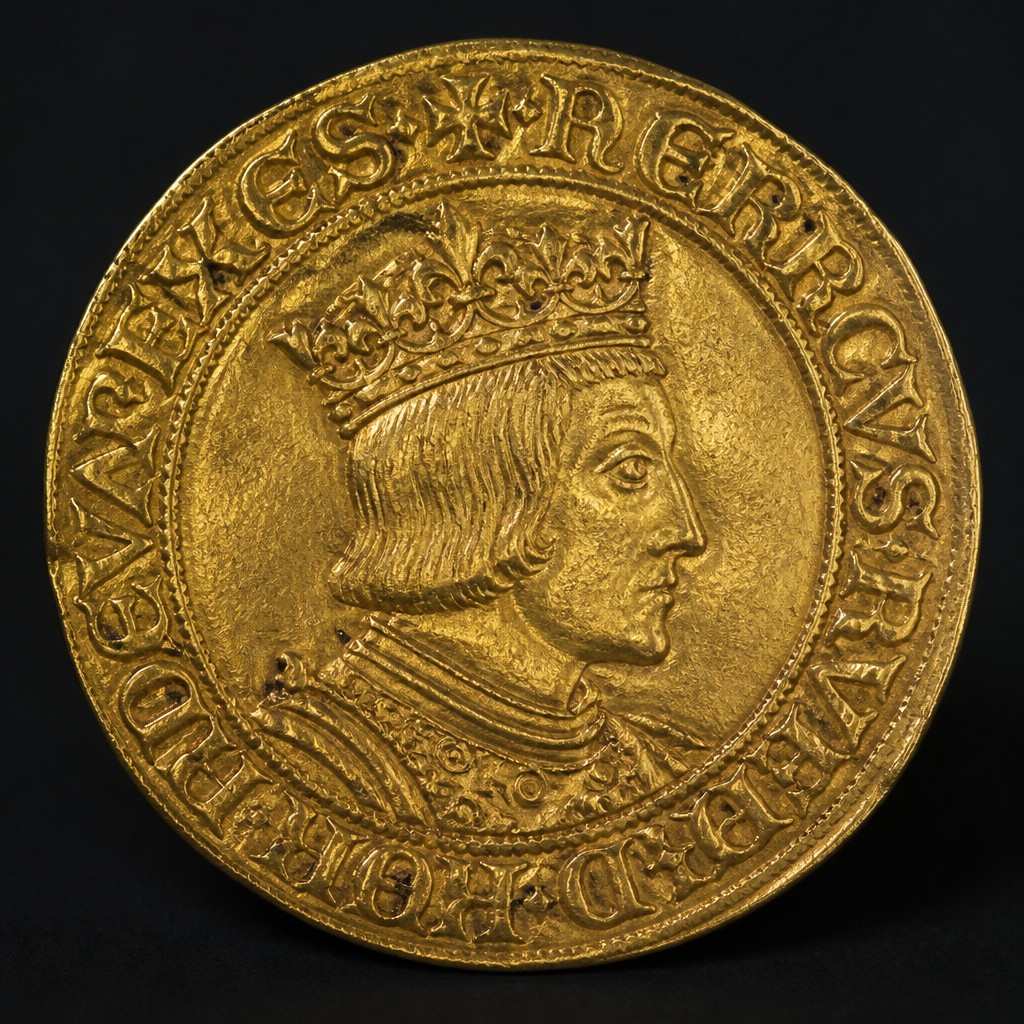
English Sovereign of Henry VII
The first English sovereign, introduced by Henry VII in 1489 as a large, prestigious gold coin showing the king enthroned in majesty, meant to project royal power after the Wars of the Roses.
British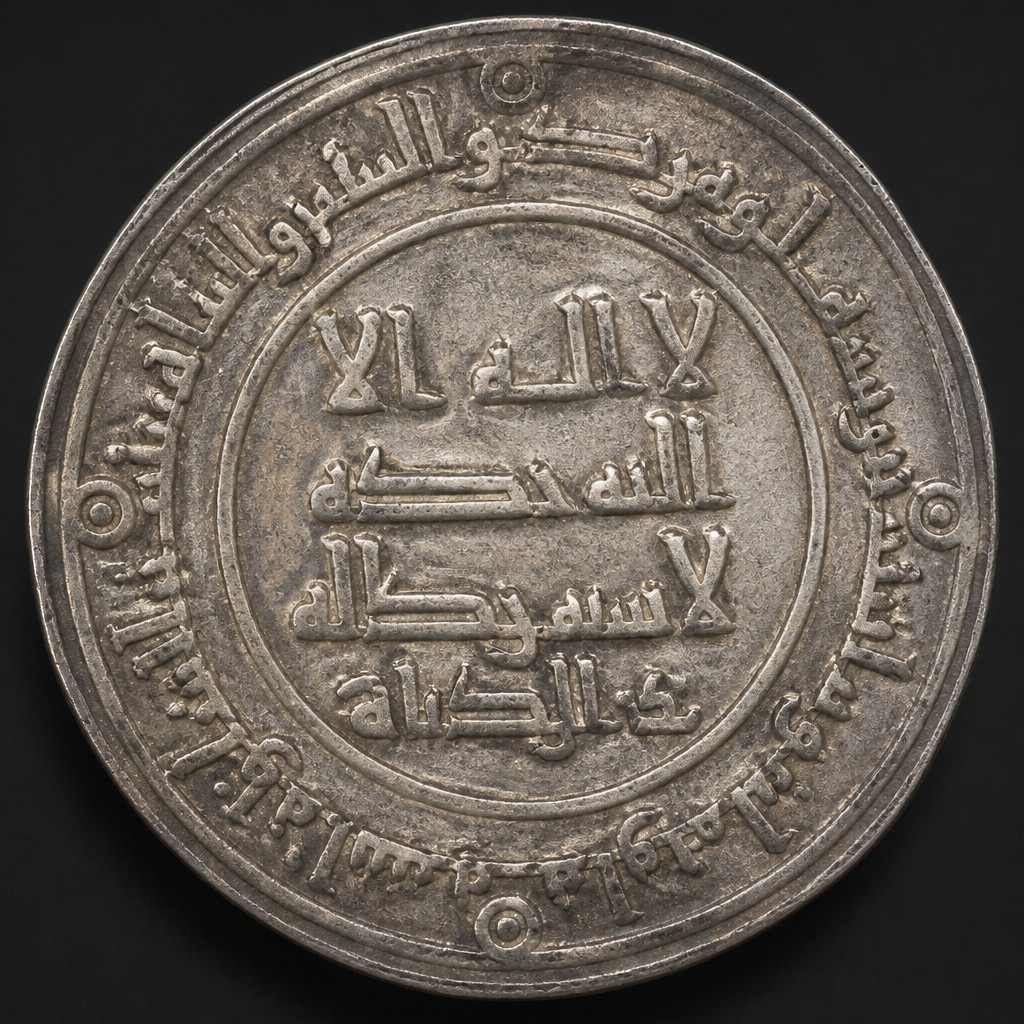
Islamic Silver Dirham (Abbasid)
The standard silver coin of the Abbasid Caliphate, continuing the text-only Kufic script tradition and widely used across a vast medieval trade network stretching from Europe to Central Asia.
Ancient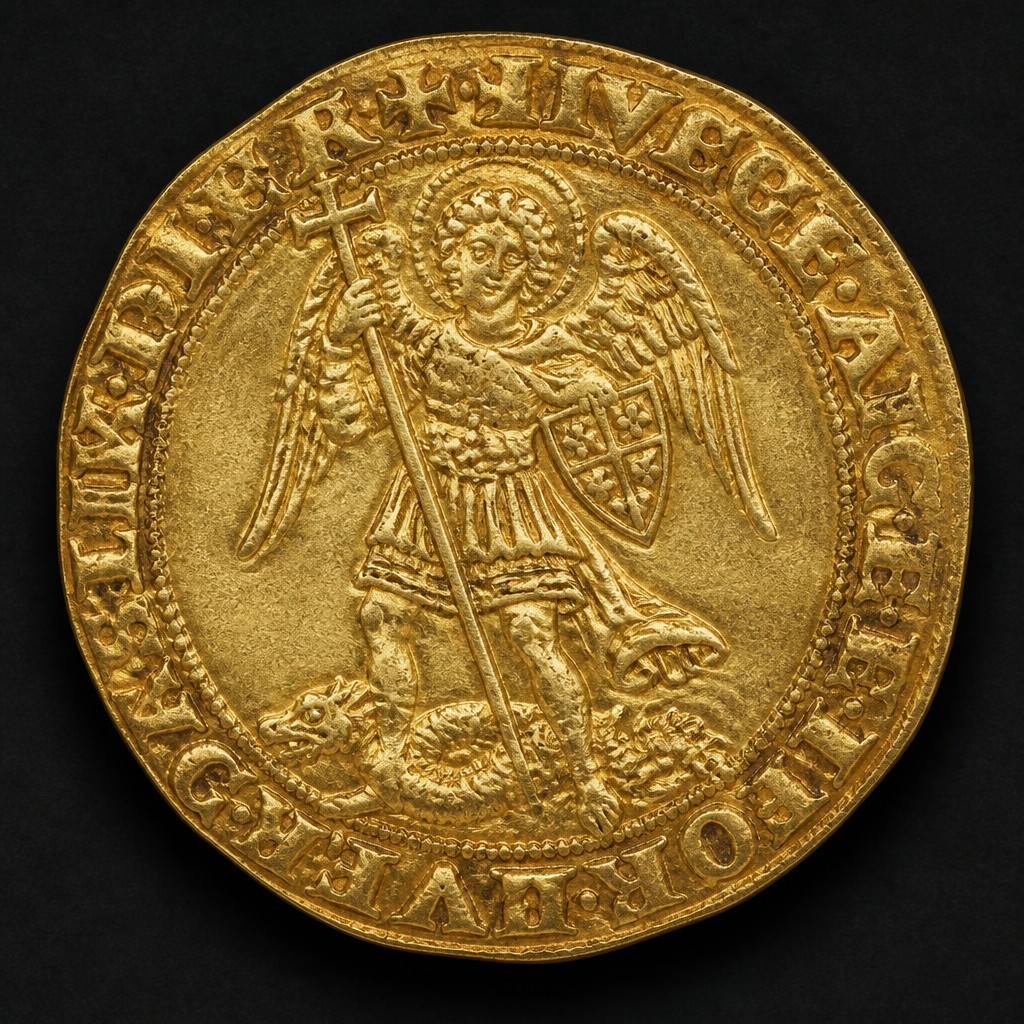
Half Angel (Angelet)
A small English gold coin worth half the value of the Angel, sharing its famous design of the Archangel Michael slaying a dragon, issued across several reigns from Edward IV to James I.
British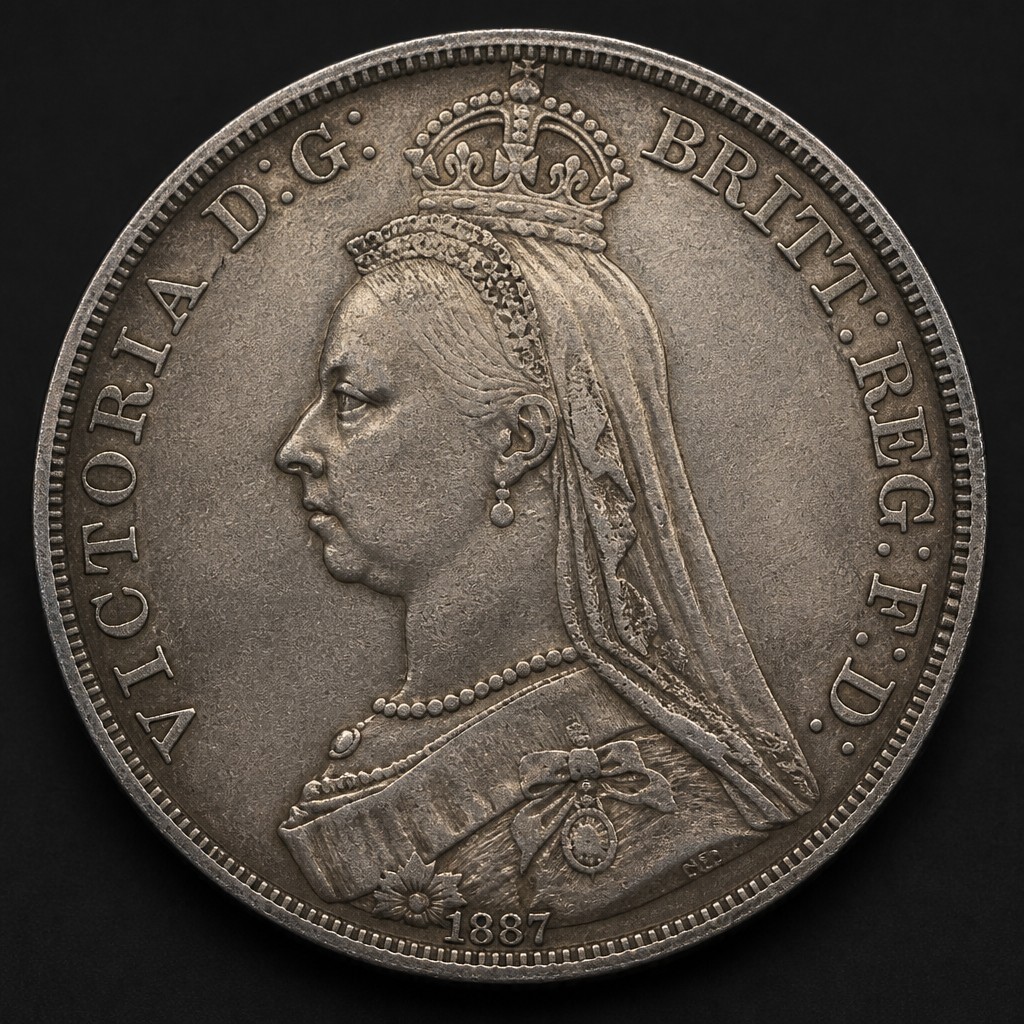
Double Florin
A large Victorian silver coin worth four shillings, struck for only four years; its close resemblance in size to the crown and half-crown caused everyday confusion and gave it a lasting nickname.
British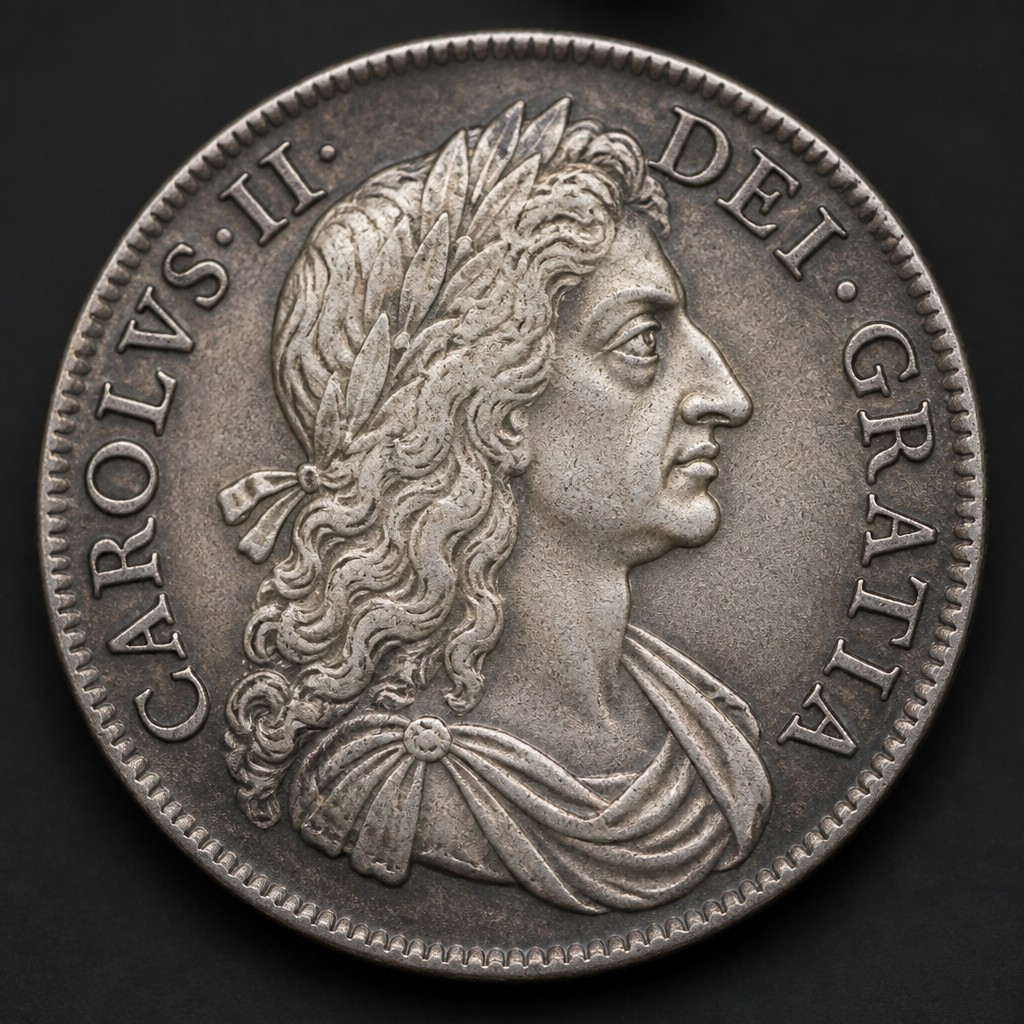
Maundy Money Set
A set of tiny sterling silver coins in four denominations, specially struck each year for the monarch to distribute personally to elderly recipients in the Royal Maundy ceremony on Maundy Thursday.
British