
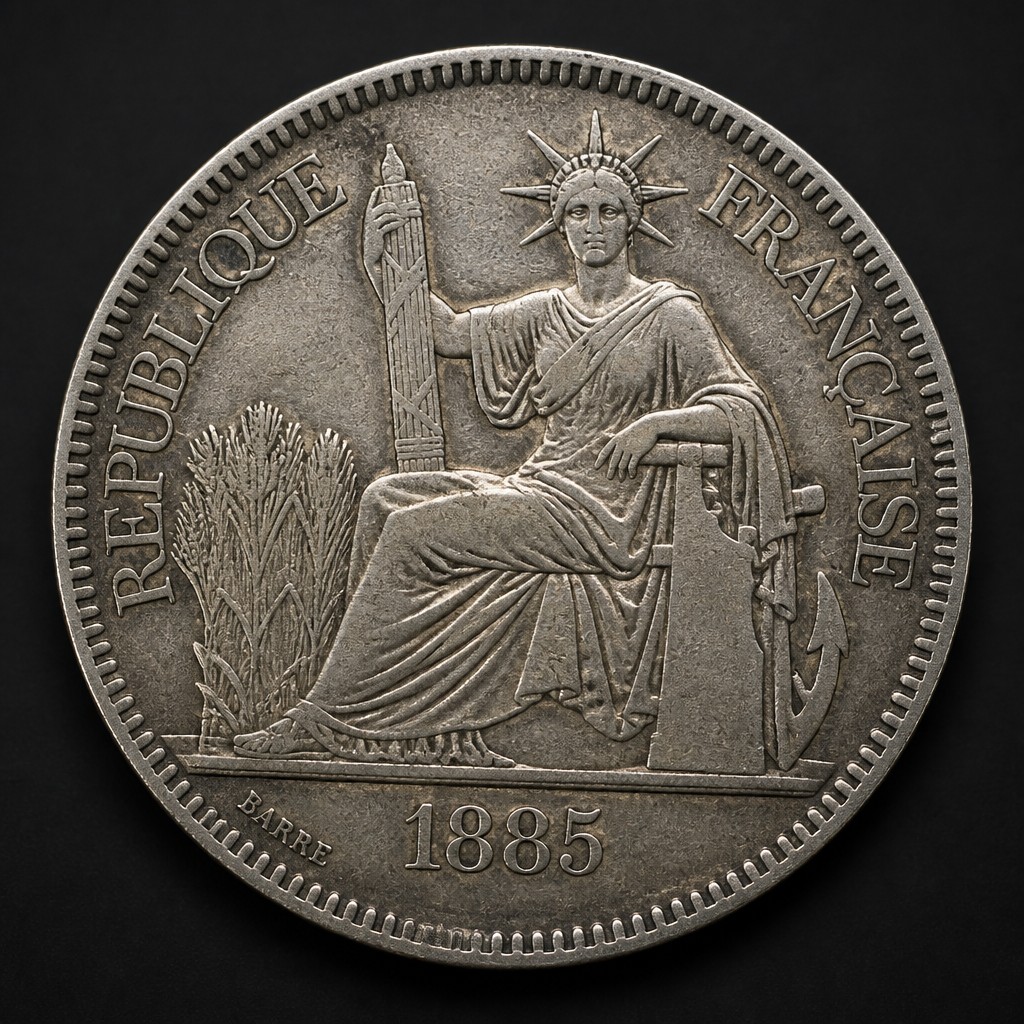
French Indochina Piastre de Commerce
A large silver trade dollar issued by colonial French Indochina, weighted to match the Mexican and Spanish trade dollars already circulating throughout Southeast Asian and Chinese commerce.
- Country
- French Indochina
- Denomination
- 1 Piastre
- Metal
- Silver (.900 fine)
Got a coin like this?
Identify any coin from a photo, free.
Overview
The Piastre de Commerce was the principal silver trade coin of French Indochina, covering modern-day Vietnam, Cambodia, and Laos under French colonial administration. It was struck to the same general weight and fineness as the widely trusted Mexican and Spanish-American trade dollars that already dominated commerce across East and Southeast Asia, allowing it to circulate confidently alongside them.
Issued from the mid-1880s through the late 1920s, the piastre became the backbone of the colonial monetary system, used for everything from local trade to government transactions, and it remains one of the most recognizable large silver coins of colonial Southeast Asia.
Collectors prize the piastre both for its impressive size and heft and for its role documenting French colonial commercial ambitions in a region where silver trade coins from multiple nations competed for acceptance.
History & Background
France established colonial control over Cochinchina, Annam, Tonkin, Cambodia, and later Laos through the latter half of the nineteenth century, unifying these territories administratively as French Indochina. To support trade and government finance, French authorities introduced the Piastre de Commerce in 1885, deliberately matching the weight and silver fineness of the Mexican trade dollar, the dominant trade coin across Chinese and Southeast Asian ports at the time.
The piastre was struck in large numbers at the Paris Mint, later supplemented by production at San Francisco and the Hanoi mint established in Indochina itself, reflecting the colony's growing economic importance. It remained the standard silver trade coin of French Indochina for over four decades until the rising world price of silver in the early 1930s made its bullion value exceed its face value, prompting a redesign into a reduced-weight version known as the Sarraut piastre.
How to Identify
The obverse of the Piastre de Commerce typically bears an allegorical figure representing the French Republic, seated or standing, with the legend "RÉPUBLIQUE FRANÇAISE" around the border. The reverse displays the denomination "UNE PIASTRE DE COMMERCE" within or beneath a wreath, along with "INDO-CHINE FRANÇAISE" and the date.
The coin is large and heavy, roughly 38 to 40 mm in diameter and about 27 grams, struck in .900 fine silver, deliberately matched to the size of Mexican and Spanish-American trade dollars that circulated in the same markets. The edge is reeded, consistent with a coin meant for high-value commercial trade rather than everyday small change.
Mint marks distinguishing Paris, San Francisco, and Hanoi production appear in small letters near the date, and collectors use these along with subtle date and design variations to identify specific mint and year combinations. The coin's larger size and heavier weight compared to the later reduced Sarraut piastre of 1931 is the easiest way to tell the two apart.
Value & Collectibility
Common-date Piastre de Commerce coins in worn, circulated grades are widely available and priced not far above their silver bullion value, since large quantities were struck over more than forty years of production. Well-struck, lightly circulated, or uncirculated examples bring meaningfully higher premiums from collectors of French colonial coinage.
Certain dates and mint combinations, particularly earlier issues and coins from the San Francisco mint, are scarcer and more sought after than the more common Paris and Hanoi issues, often commanding stronger prices in choice condition. Overall values for typical circulated pieces generally range from modest bullion-related prices up into the low hundreds of dollars for scarce dates in top condition.
As with most large silver trade coins, cleaning, edge damage, or holes (sometimes added historically for jewelry or stringing) significantly reduce value, while original luster and sharp strikes are prized by specialists.
Frequently asked questions
Why was the piastre made the same size as the Mexican dollar?
French authorities matched its weight and silver fineness to the widely trusted Mexican trade dollar so it would be readily accepted in Asian markets already accustomed to that standard.
What is the difference between this and the Sarraut piastre?
The original Piastre de Commerce is larger and heavier than the reduced-weight Sarraut piastre introduced in 1931, when rising silver prices forced a smaller redesign.
Where were these coins minted?
Production took place at the Paris Mint, the San Francisco Mint, and later the Hanoi mint within Indochina itself.
Is the coin pure silver?
No, it is struck in .900 fine silver, the same standard commonly used for large trade dollars of the era, not pure silver.
Are these coins rare today?
Common dates are relatively available to collectors, but certain mint marks and early dates in high grade are considerably scarcer and more valuable.
Other coins you may enjoy
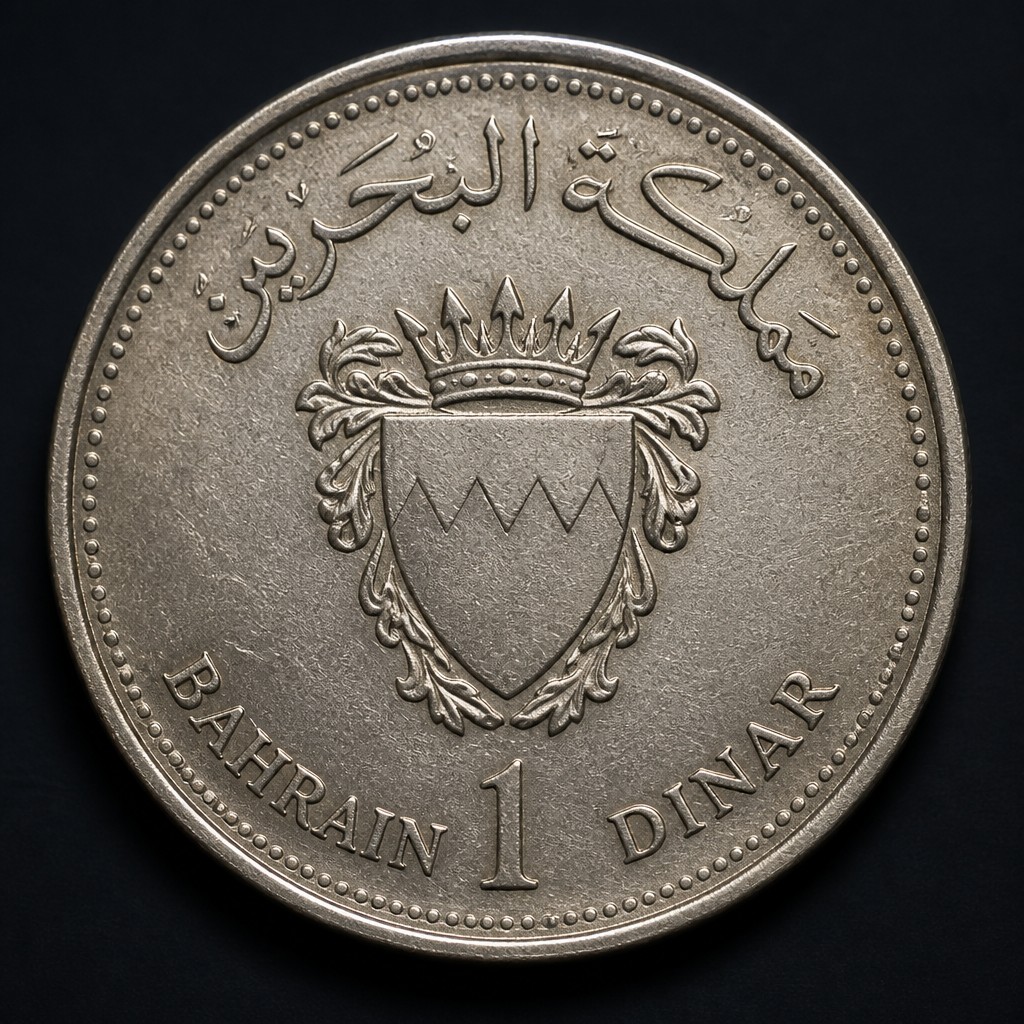
Bahraini Dinar
1965–present
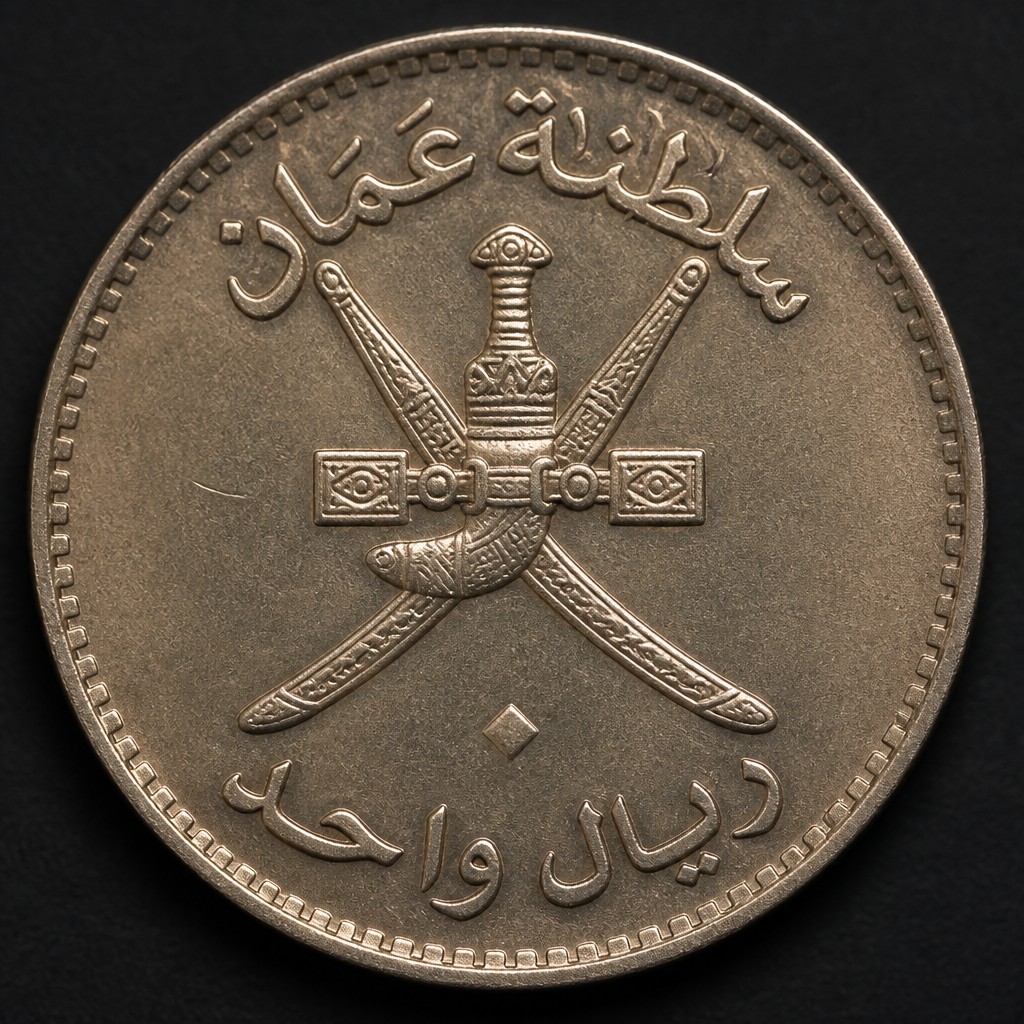
Omani Rial (Baisa Coinage)
1970–present
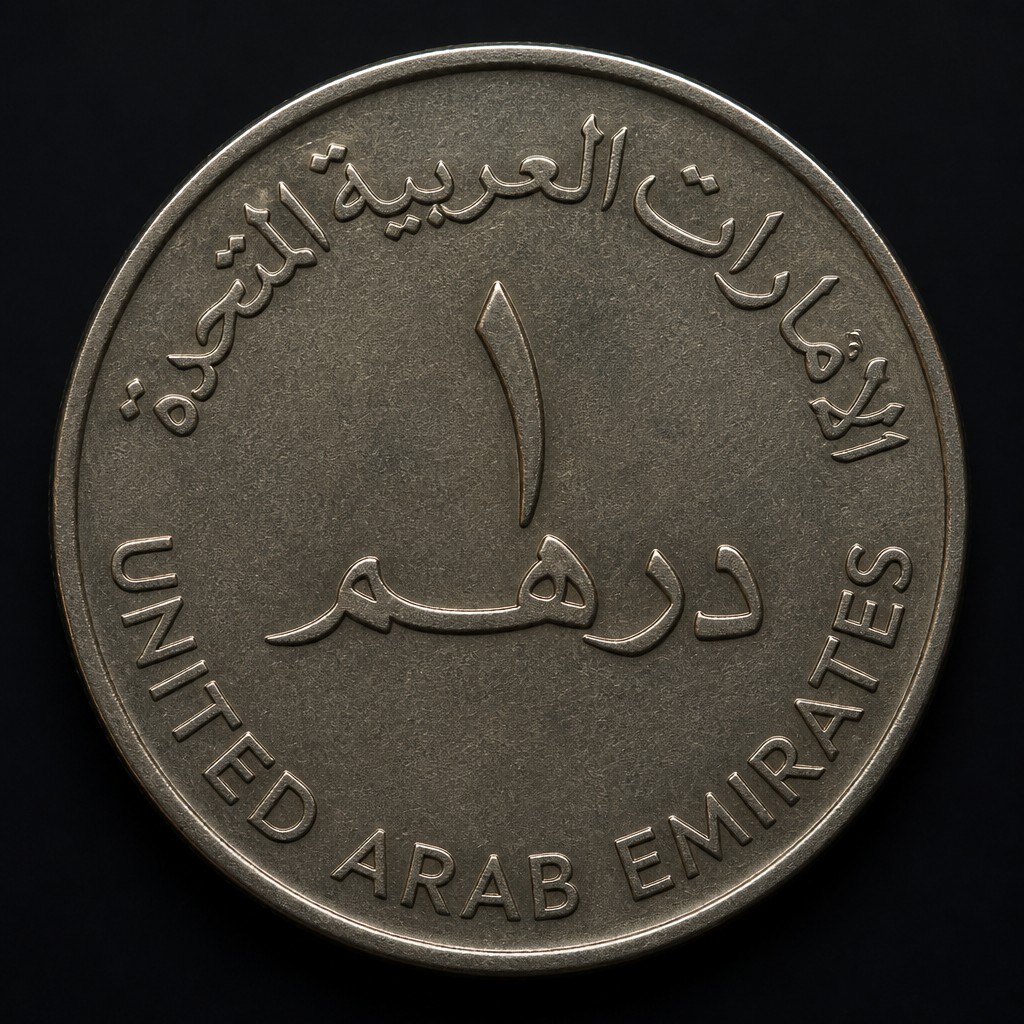
United Arab Emirates Dirham
1973–present
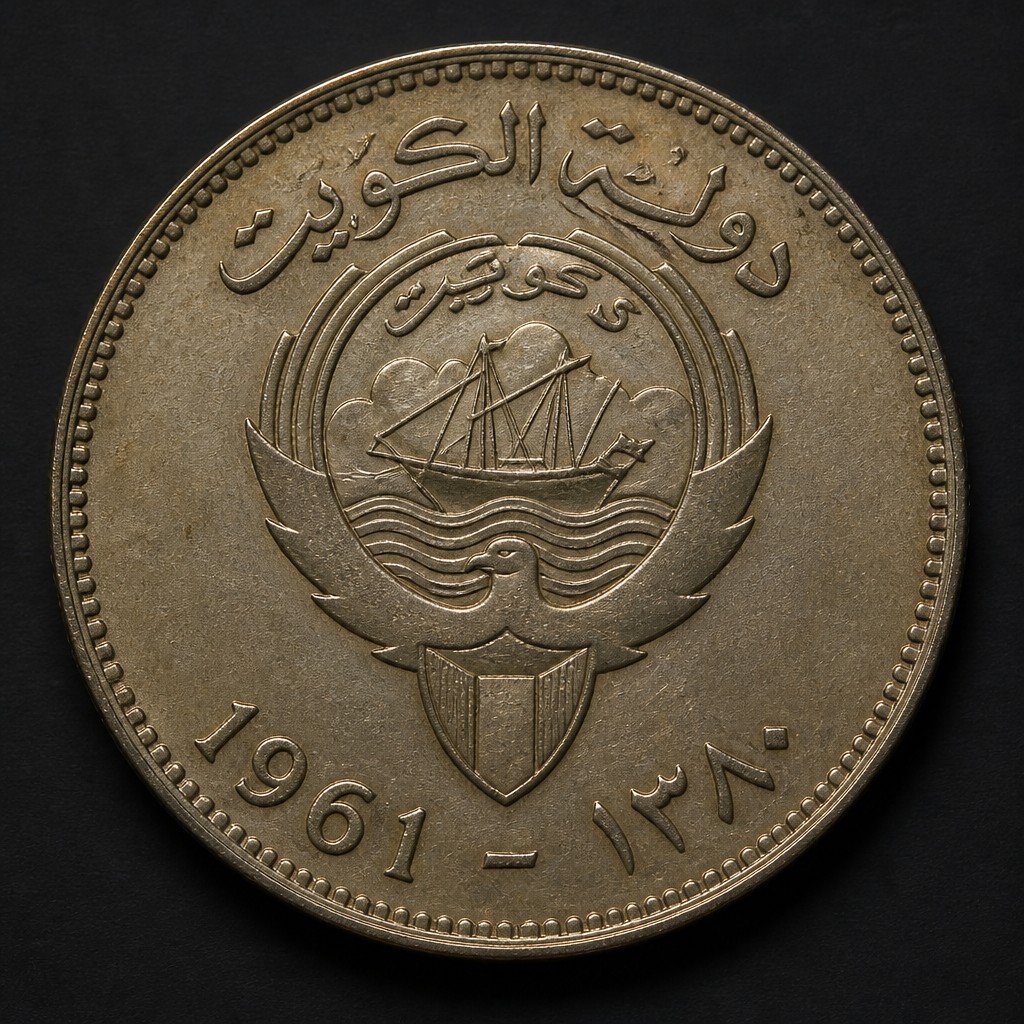
Kuwaiti Fils
1961–present
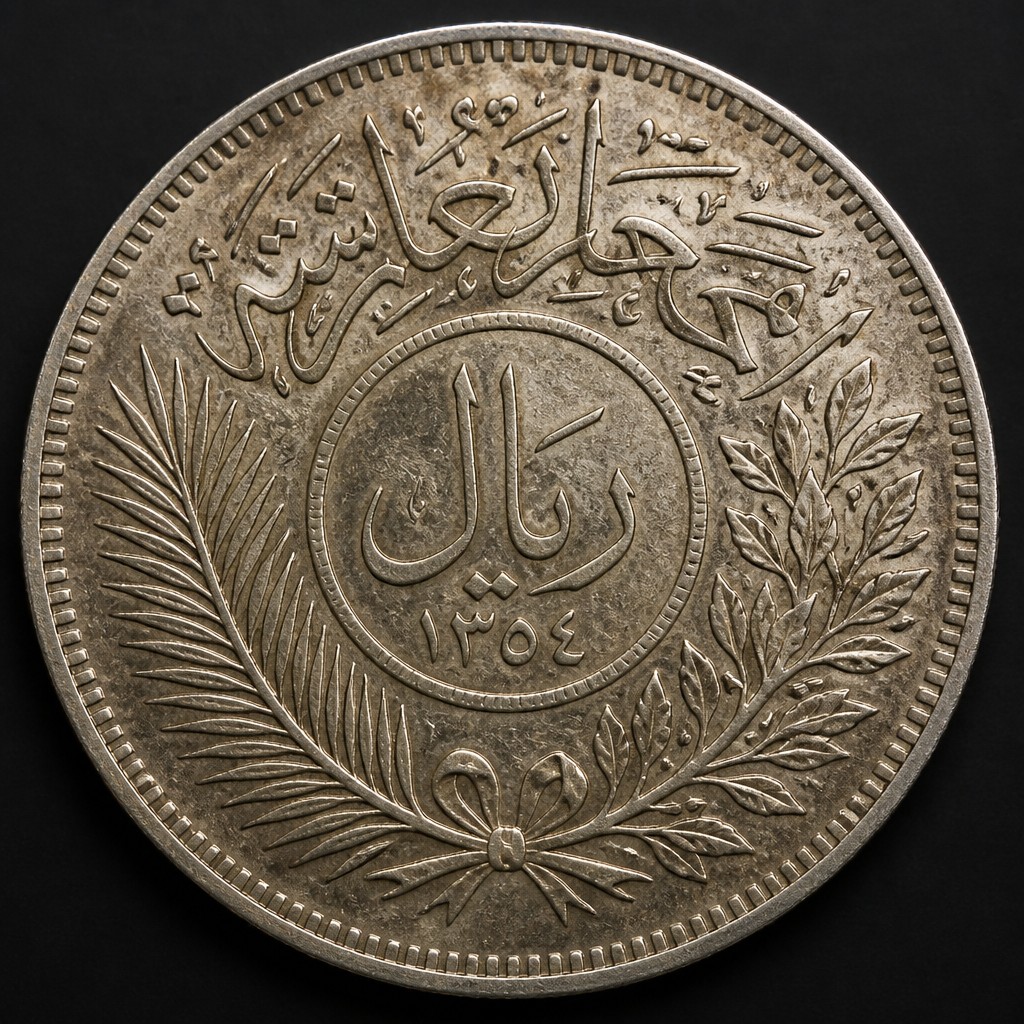
Saudi Arabian Riyal (silver)
1935 (Kingdom-wide standardization) and related issues
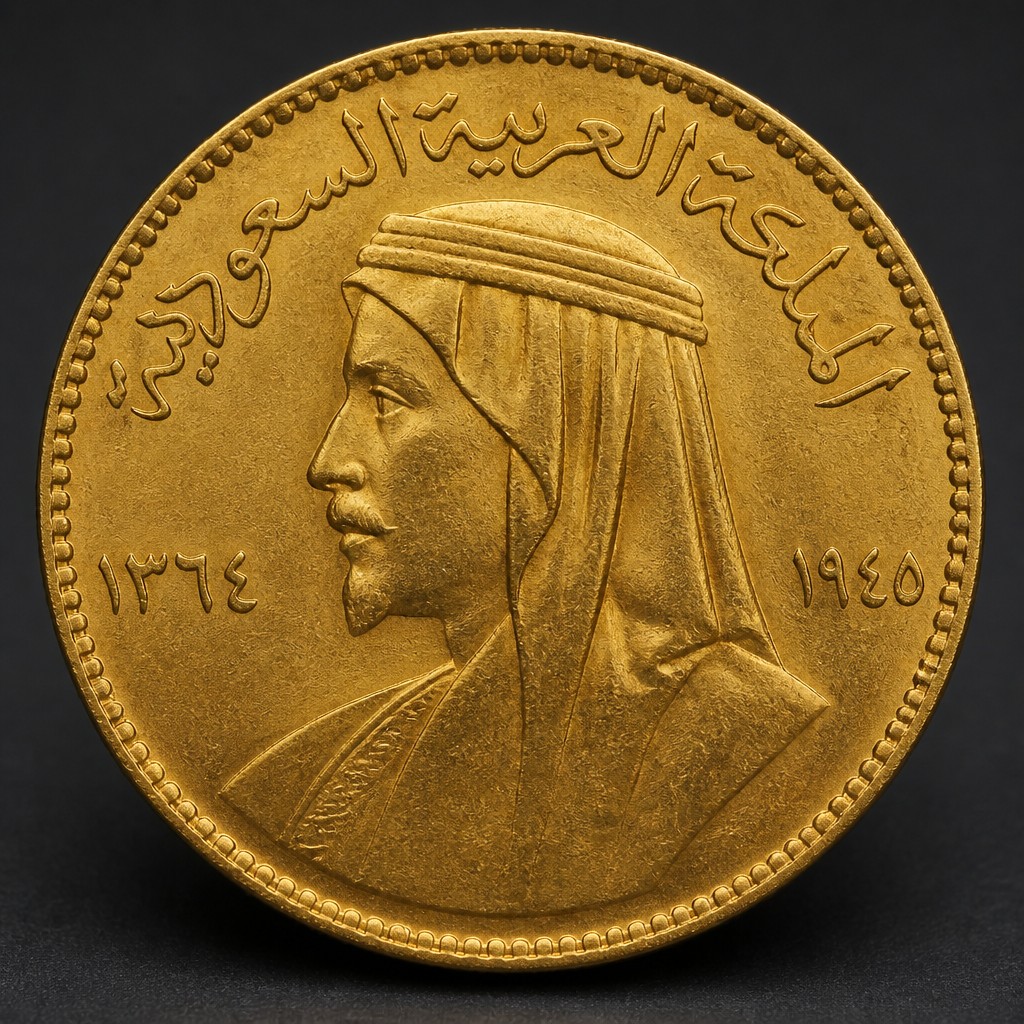
Saudi Arabian Gold Guinea (Sovereign)
1945 and later issues
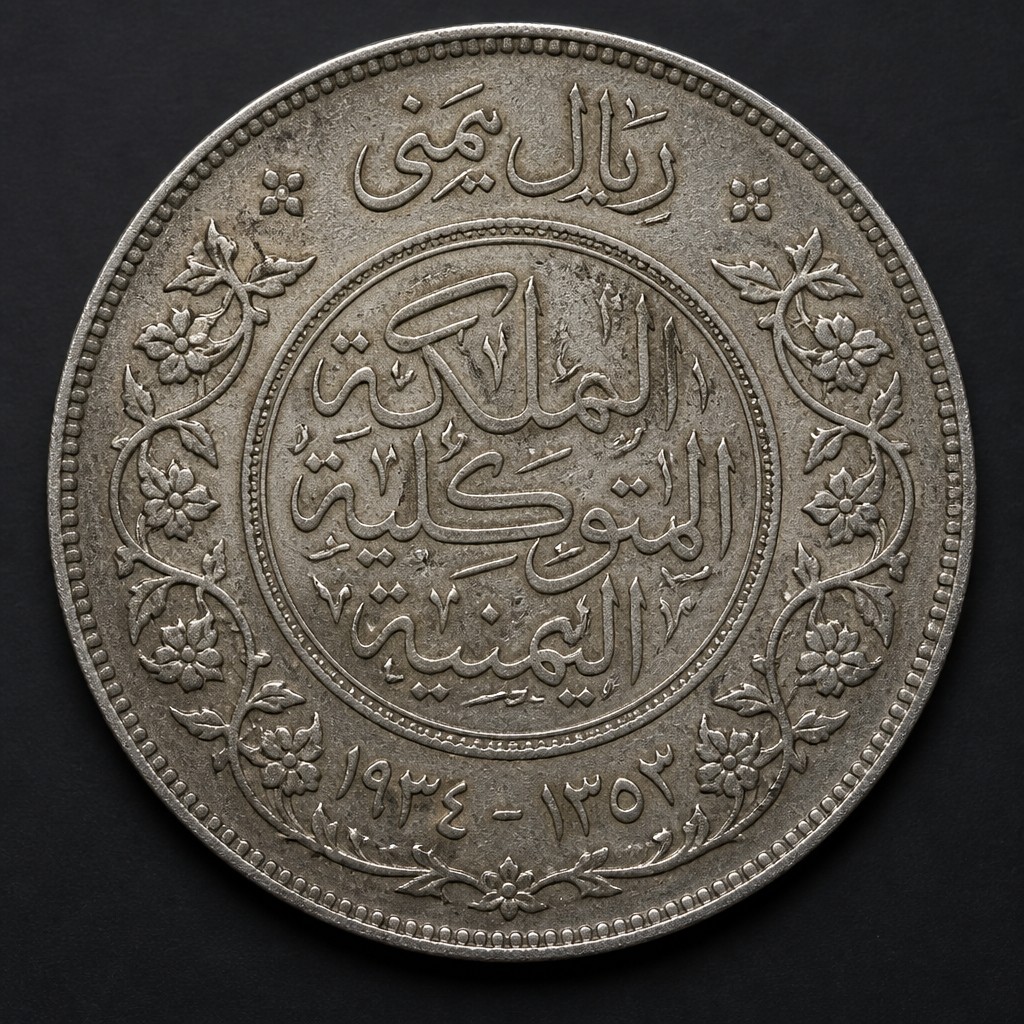
Yemeni Riyal (Ahmadi/Imadi Kingdom Coinage)
Early-to-mid 20th century
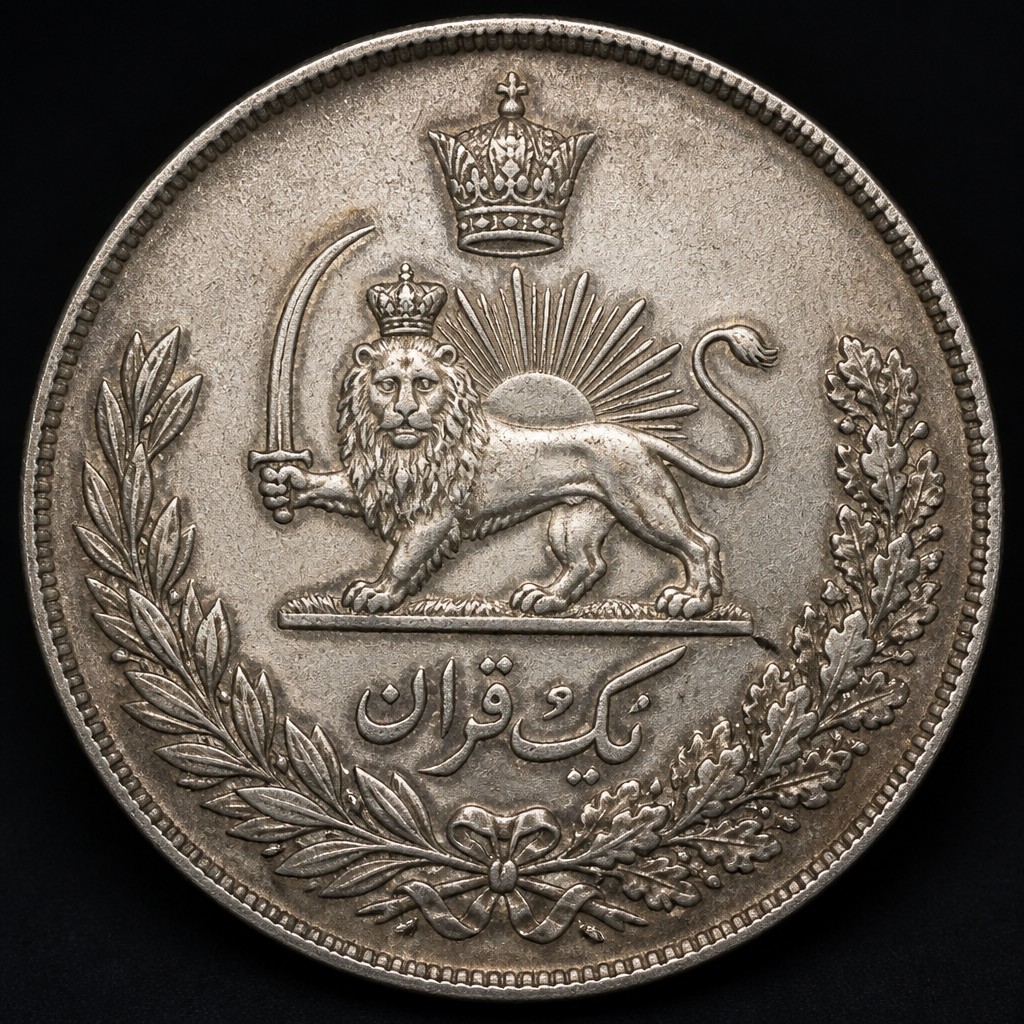
Persian Kran (Qajar silver)
Mid-19th century–1925
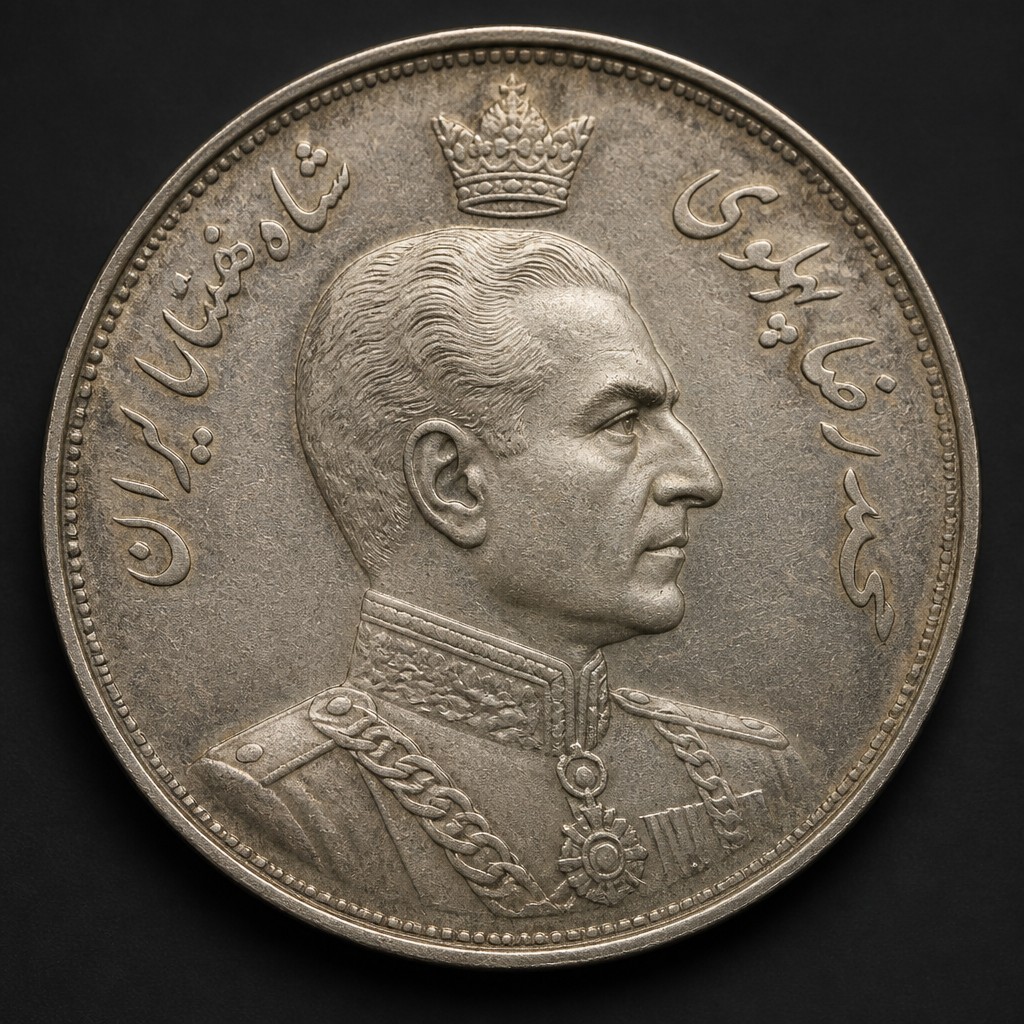
Iranian Rial
1932–present
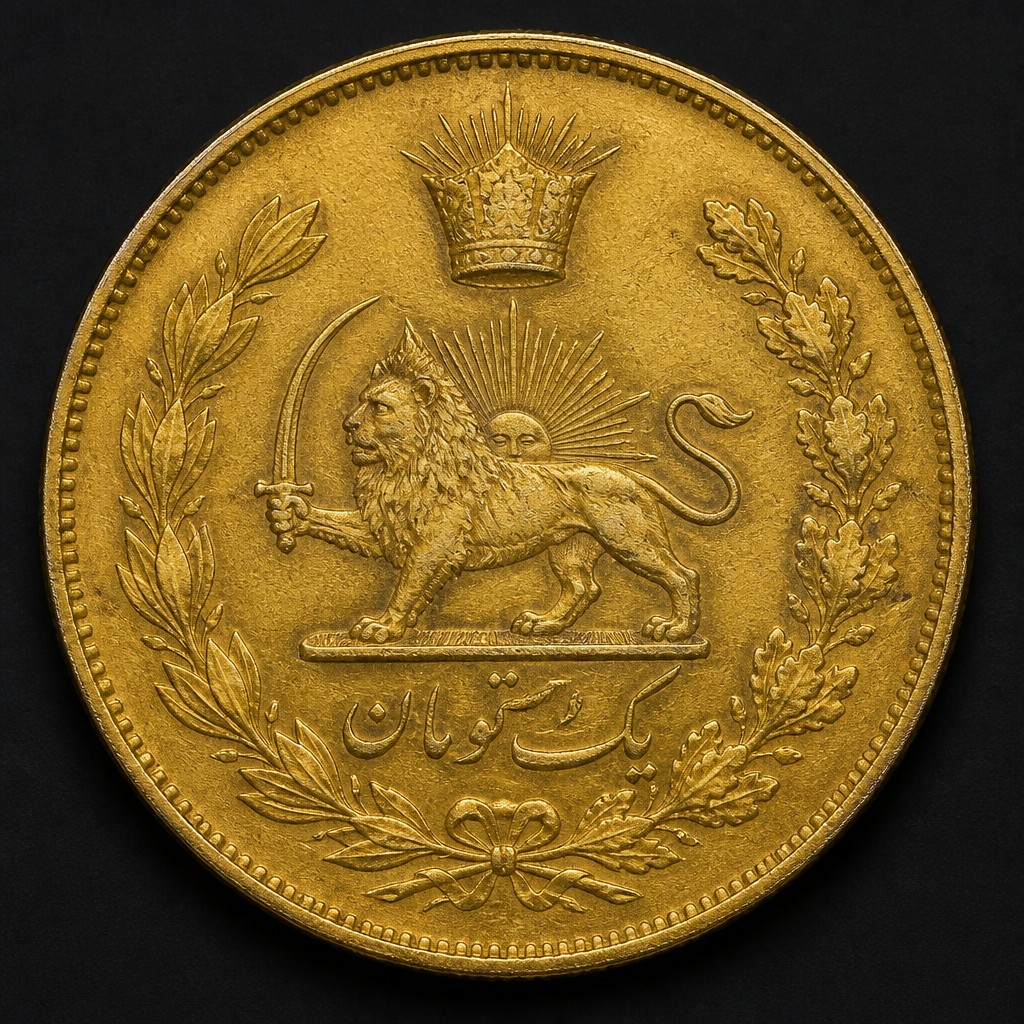
Persian Gold Toman (Qajar)
1796–1925
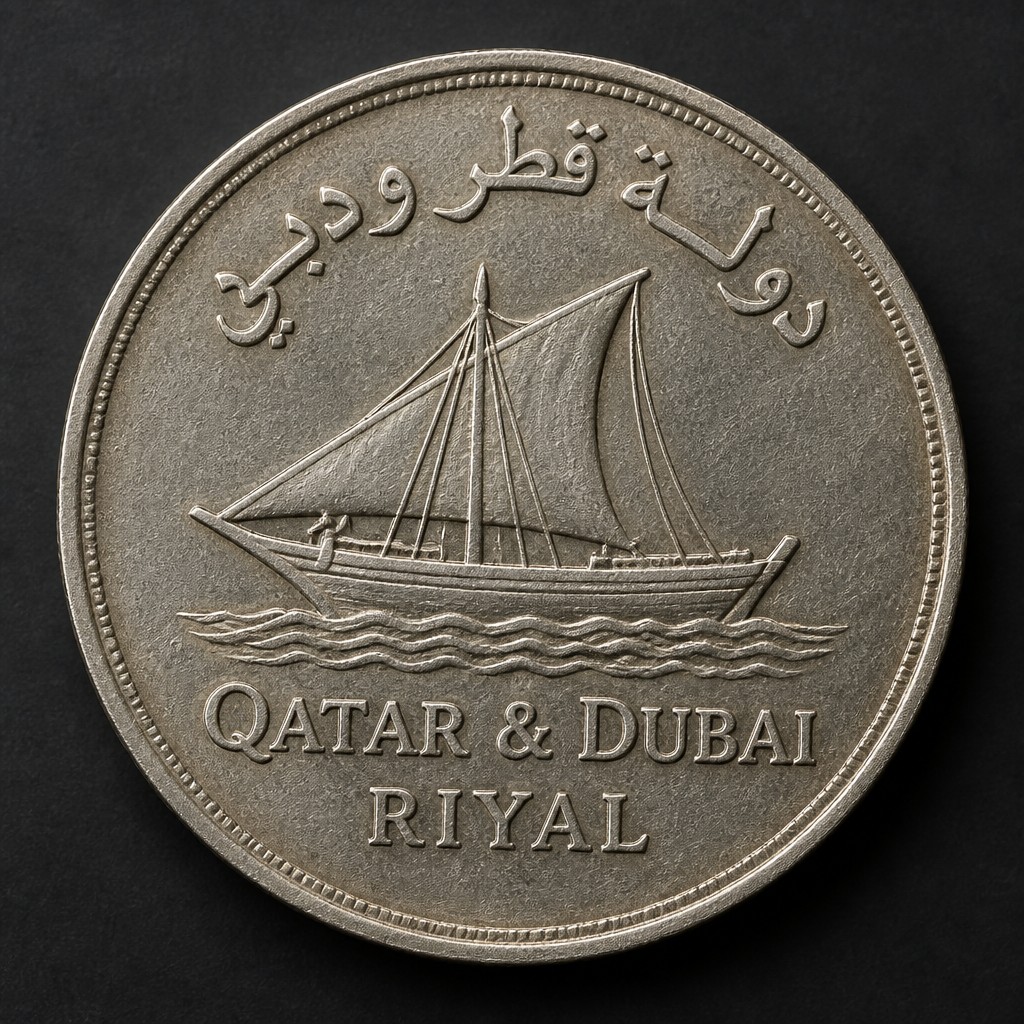
Qatar and Dubai Riyal
1966–1973
British India Rupee (Silver)
1835–1947