
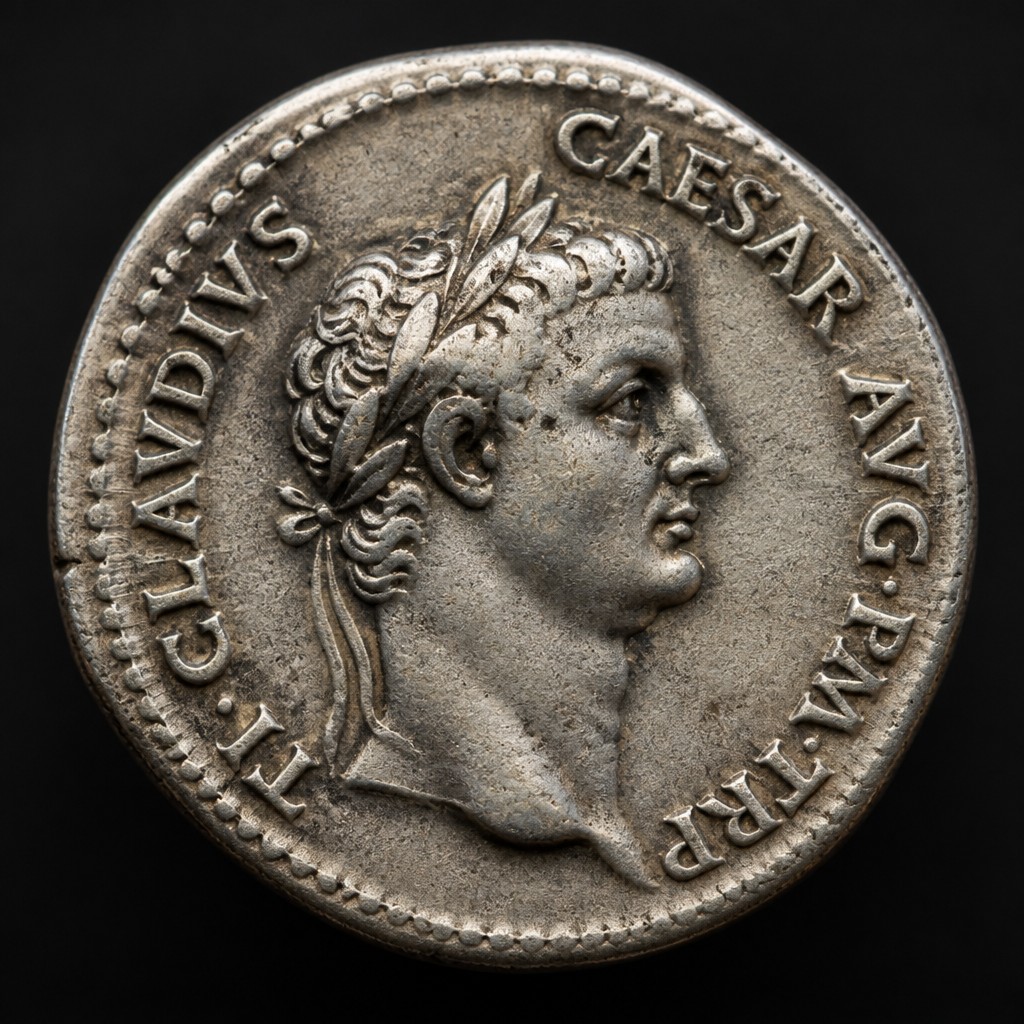
Claudius Denarius
A silver denarius of Emperor Claudius, whose unexpected rise to power after Caligula's assassination was famously secured with the support of the Praetorian Guard.
- Country
- Ancient Rome
- Denomination
- Denarius
- Metal
- Silver
Got a coin like this?
Identify any coin from a photo, free.
Overview
This silver denarius was struck during the reign of Claudius, an emperor whose unlikely path to power, following the assassination of his nephew Caligula, has fascinated historians and collectors alike. Long dismissed by his own family as an unlikely candidate for rule due to physical infirmities, Claudius went on to preside over significant territorial expansion, including the Roman conquest of Britain.
Collectors value Claudius's denarii for their historical connection to this dramatic succession story, as well as for their generally well-executed portraiture and the variety of meaningful reverse types issued during his reign, including designs referencing his relationship with the military that had installed him in power.
History & Background
Claudius became emperor in 41 AD under highly unusual circumstances: after Caligula's assassination, the Praetorian Guard reportedly discovered Claudius hiding in the palace and proclaimed him emperor, largely to secure their own position and the substantial monetary donative he promised them. This dependence on military support for his legitimacy is directly referenced in some of his coinage.
During his reign, Claudius pursued an active program of territorial expansion, most notably overseeing the Roman invasion and conquest of Britain beginning in 43 AD, and he also undertook significant administrative and infrastructure projects. He died in 54 AD, reportedly poisoned, and was succeeded by his adopted son Nero, whose mother Agrippina the Younger had married Claudius.
How to Identify
The obverse shows the laureate head of Claudius facing right, with a legend such as TI CLAVD CAESAR AVG P M TR P (reflecting his imperial and priestly titles). Reverse types vary and include a personification of Constantia standing holding a spear, with the legend CONSTANTIAE AVGVSTI, as well as types referencing his relationship with the Praetorian Guard, such as scenes depicting a triumphal arch with the legend DE BRITANN, commemorating the British conquest.
The coin is a standard Roman silver denarius, roughly 18–19mm in diameter, generally well-struck with clear, competent portraiture typical of mid-1st-century imperial coinage. The specific reverse legend and design are key to identifying the particular issue and its historical reference, whether to civic virtues, military support, or the British campaign.
Value & Collectibility
Denarii of Claudius are reasonably available to collectors, as his reign of roughly thirteen years saw substantial coin production, though certain reverse types, especially those referencing the British conquest, are more sought after than generic civic-virtue types. Condition, strike quality, and centering are the primary drivers of value within common types.
Special or scarcer reverse varieties can command meaningful premiums over the most common Constantia-type denarii, and well-preserved examples with sharp portraits remain popular among collectors focused on Julio-Claudian coinage.
Frequently asked questions
How did Claudius become emperor?
After Caligula's assassination in 41 AD, the Praetorian Guard found Claudius in hiding and proclaimed him emperor, largely to secure a substantial monetary payment and their own influence.
What historical event does the British-themed reverse commemorate?
It references the Roman conquest of Britain, which began under Claudius in 43 AD and was one of the major military achievements of his reign.
Who succeeded Claudius?
His adopted son Nero succeeded him as emperor in 54 AD after Claudius's death, reportedly by poisoning.
Are Claudius denarii hard to find?
No, common types are widely available to collectors, though certain reverse varieties referencing specific historical events are scarcer and more sought after.
Other coins you may enjoy
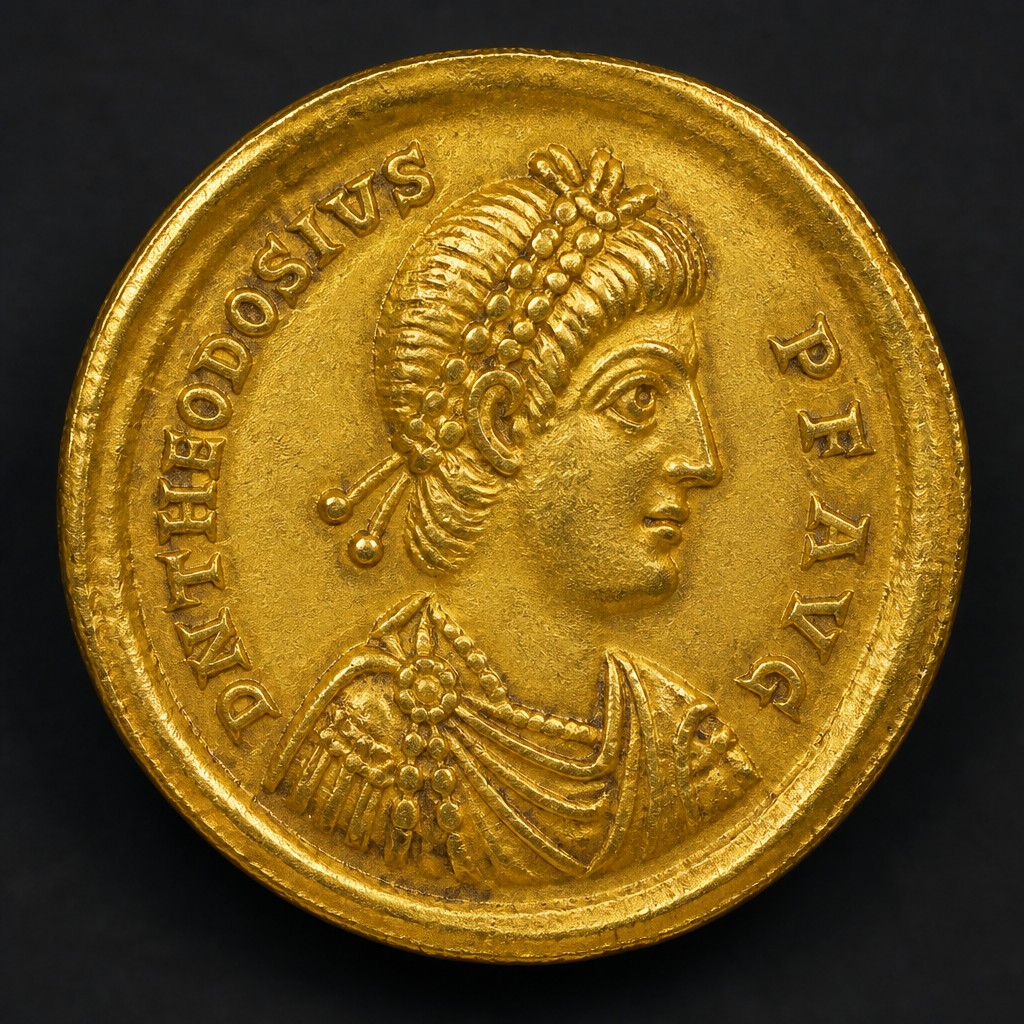
Theodosius I Solidus
379–395 AD
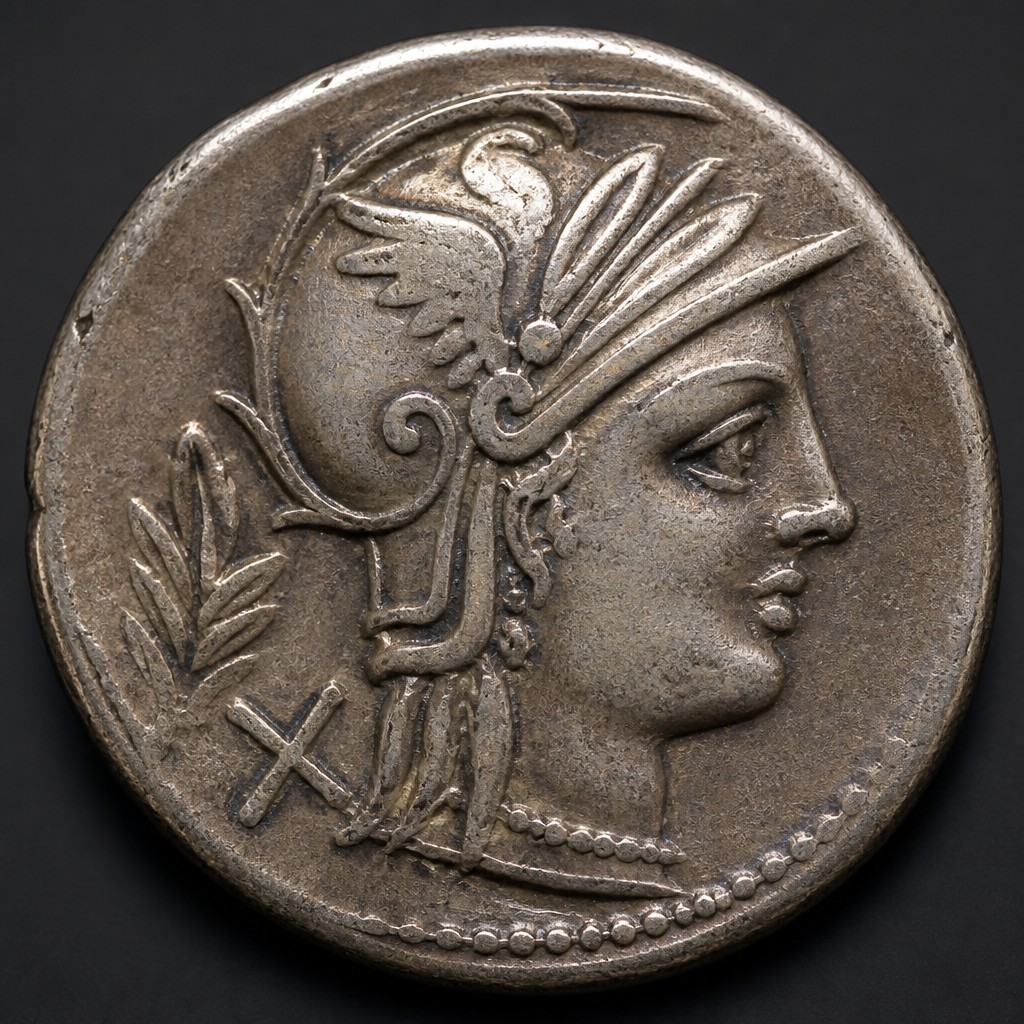
Republican Victoriatus
c. 211–170 BC
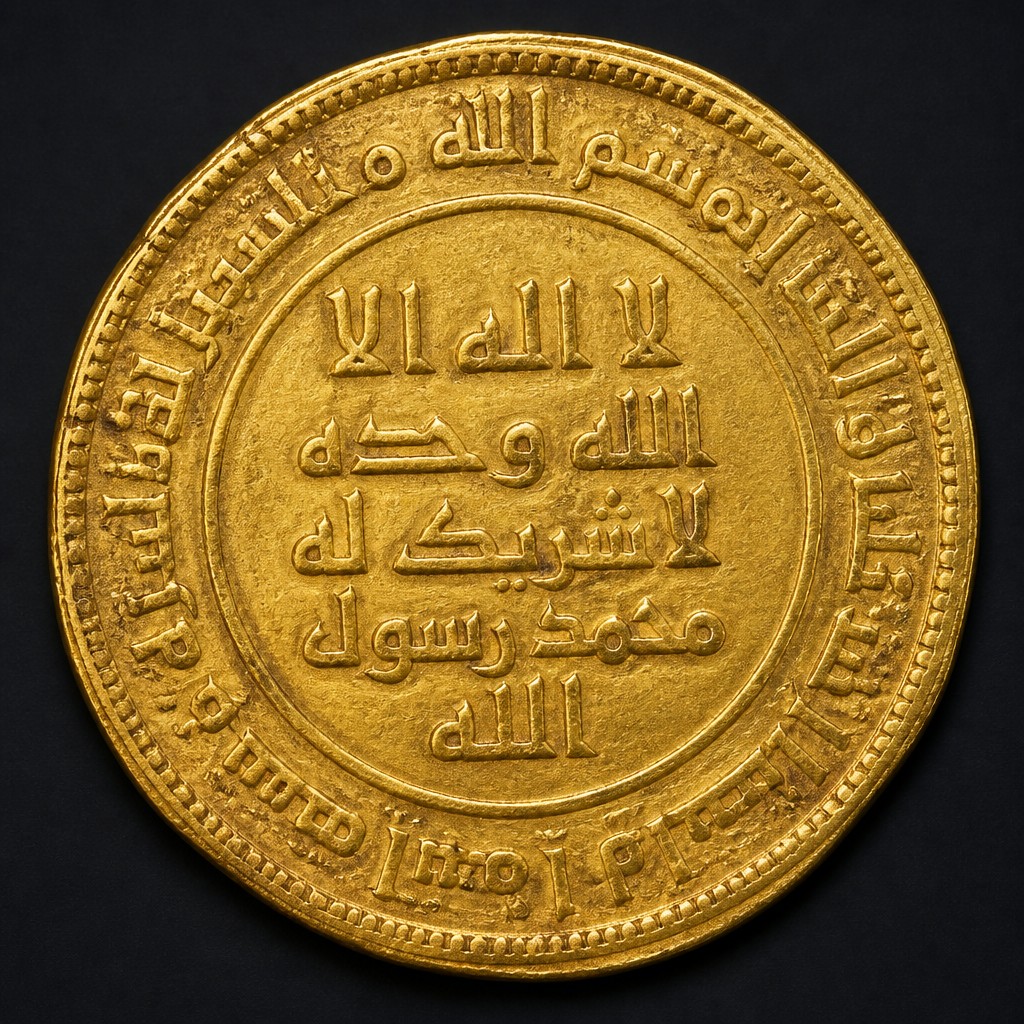
Islamic Gold Dinar (Umayyad)
c. 696–750 AD
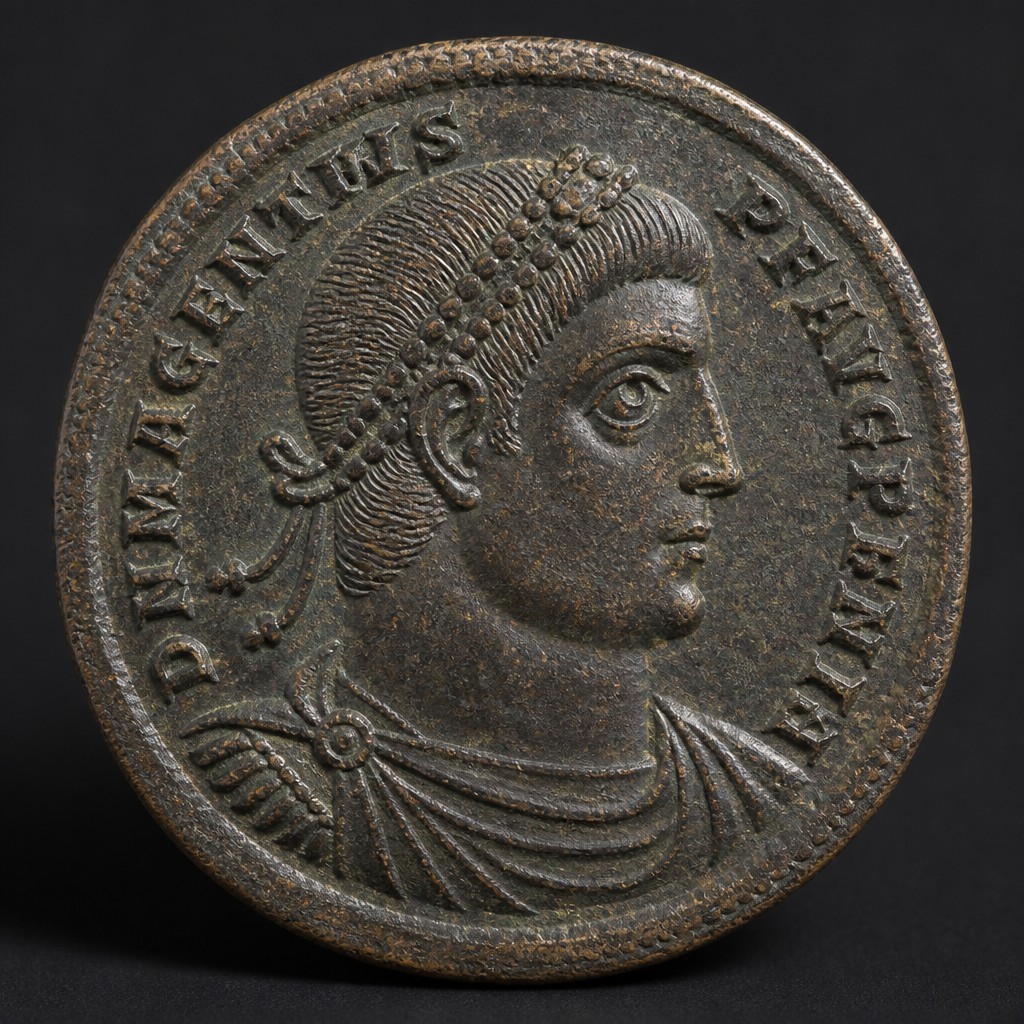
Magnentius Double Centenionalis
350–353 AD
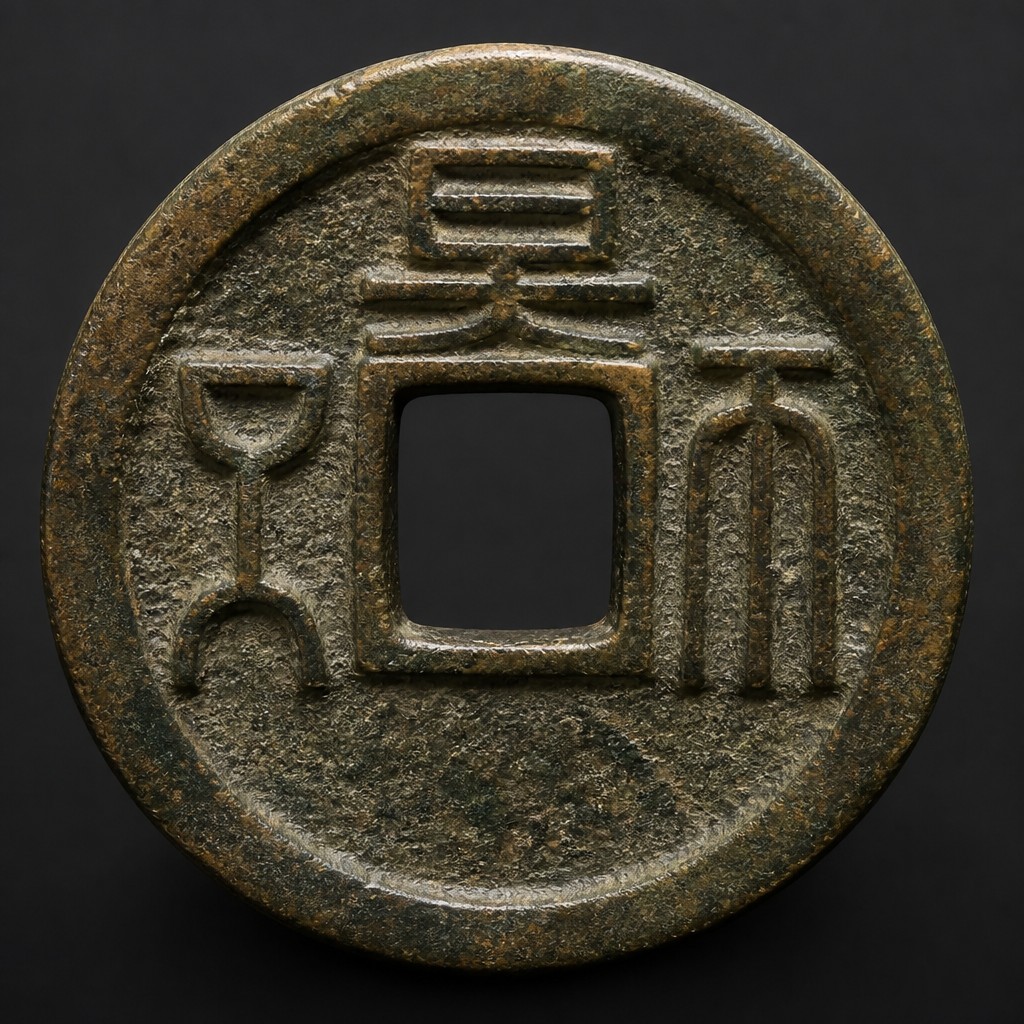
Chinese Wu Zhu Cash
118 BC – 618 AD
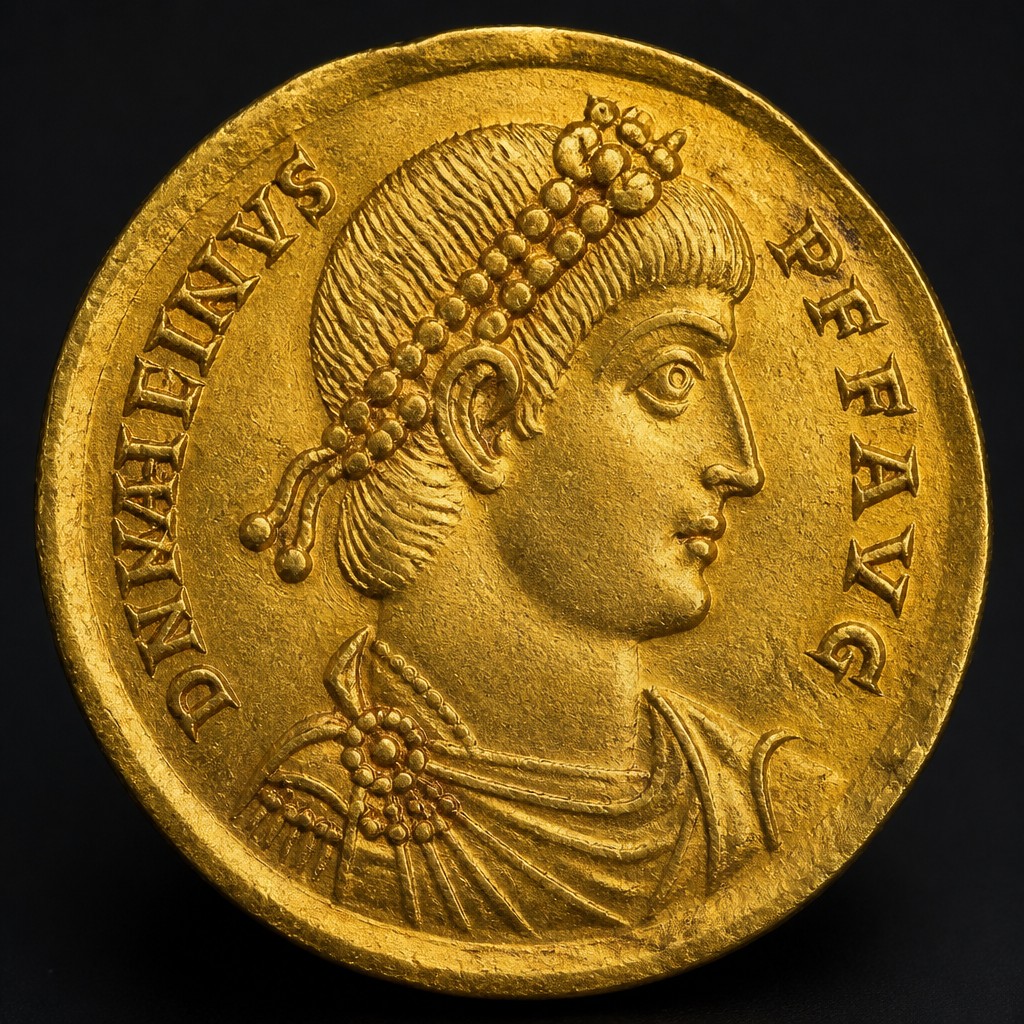
Valentinian I Solidus
364–375 AD
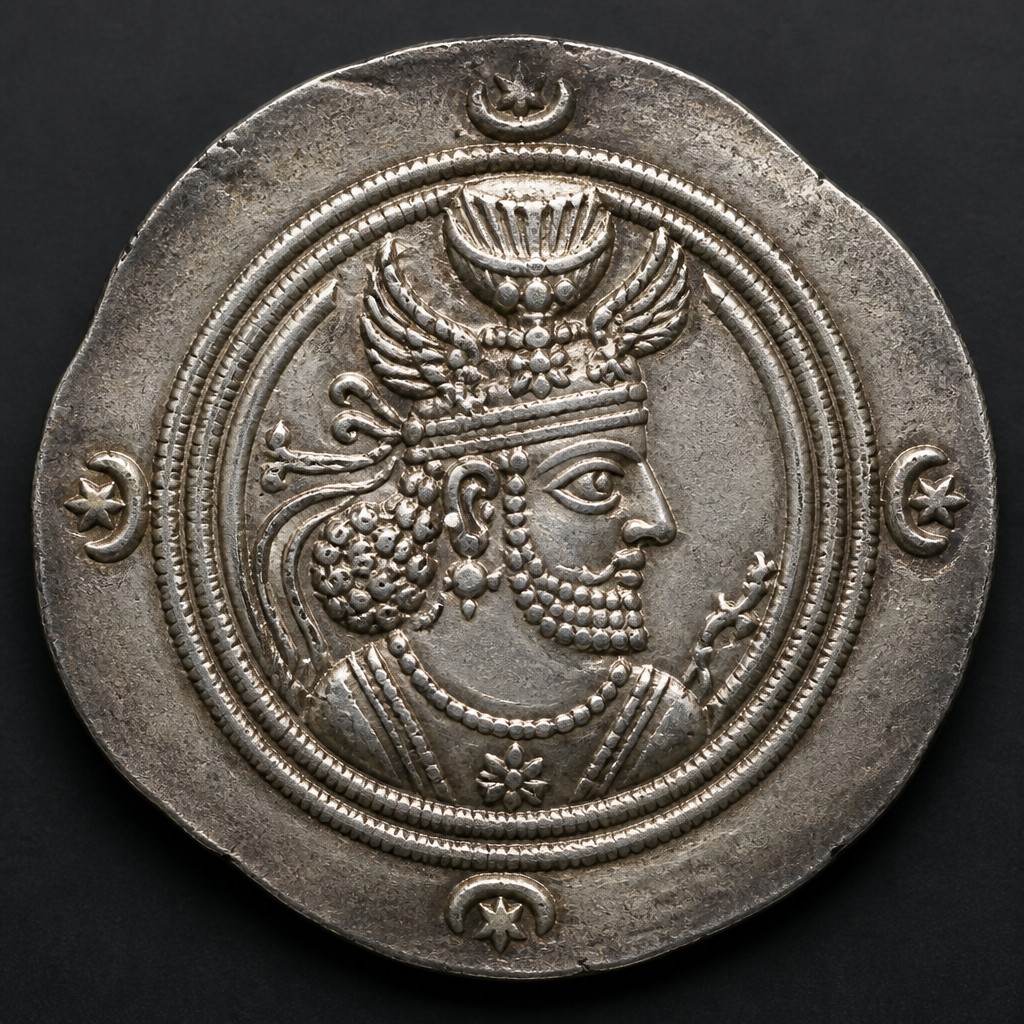
Sassanian Silver Drachm
c. 224–651 AD
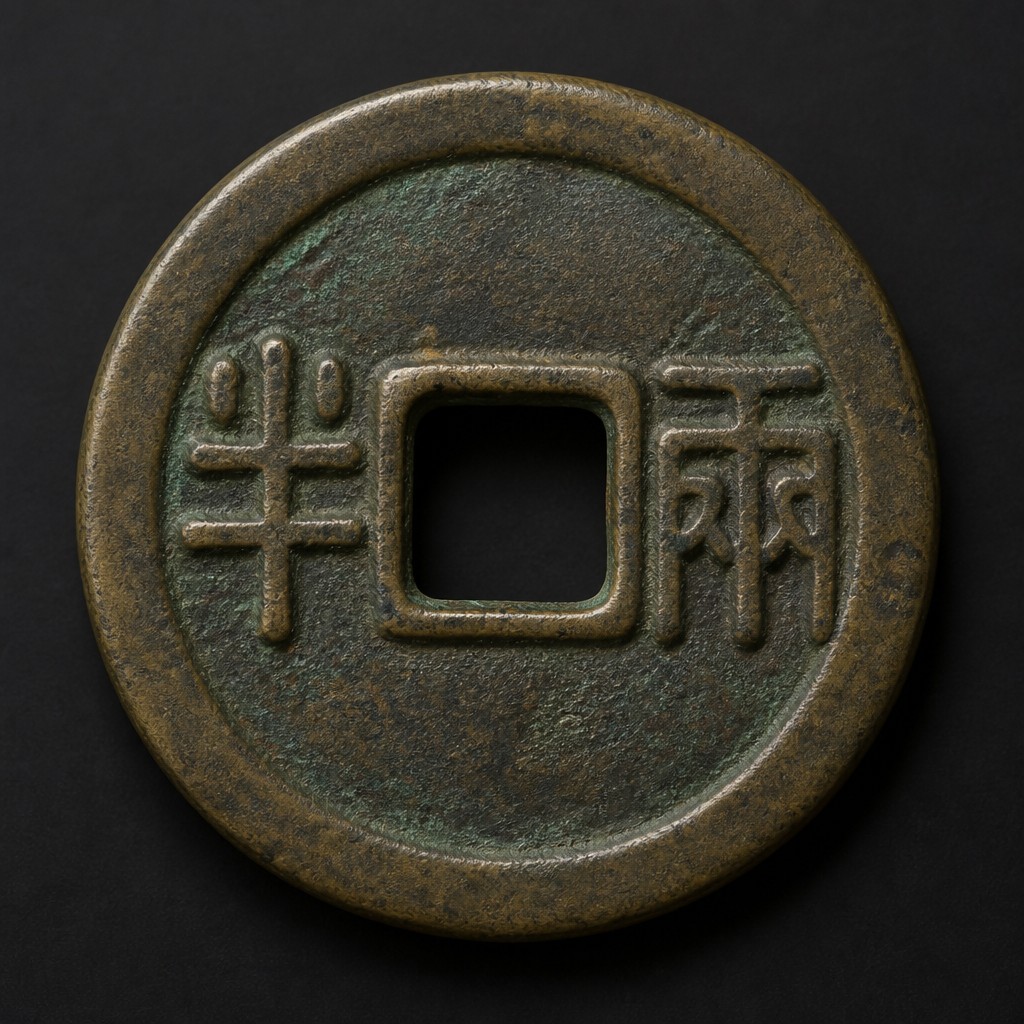
Chinese Ban Liang Cash
c. 221–118 BC
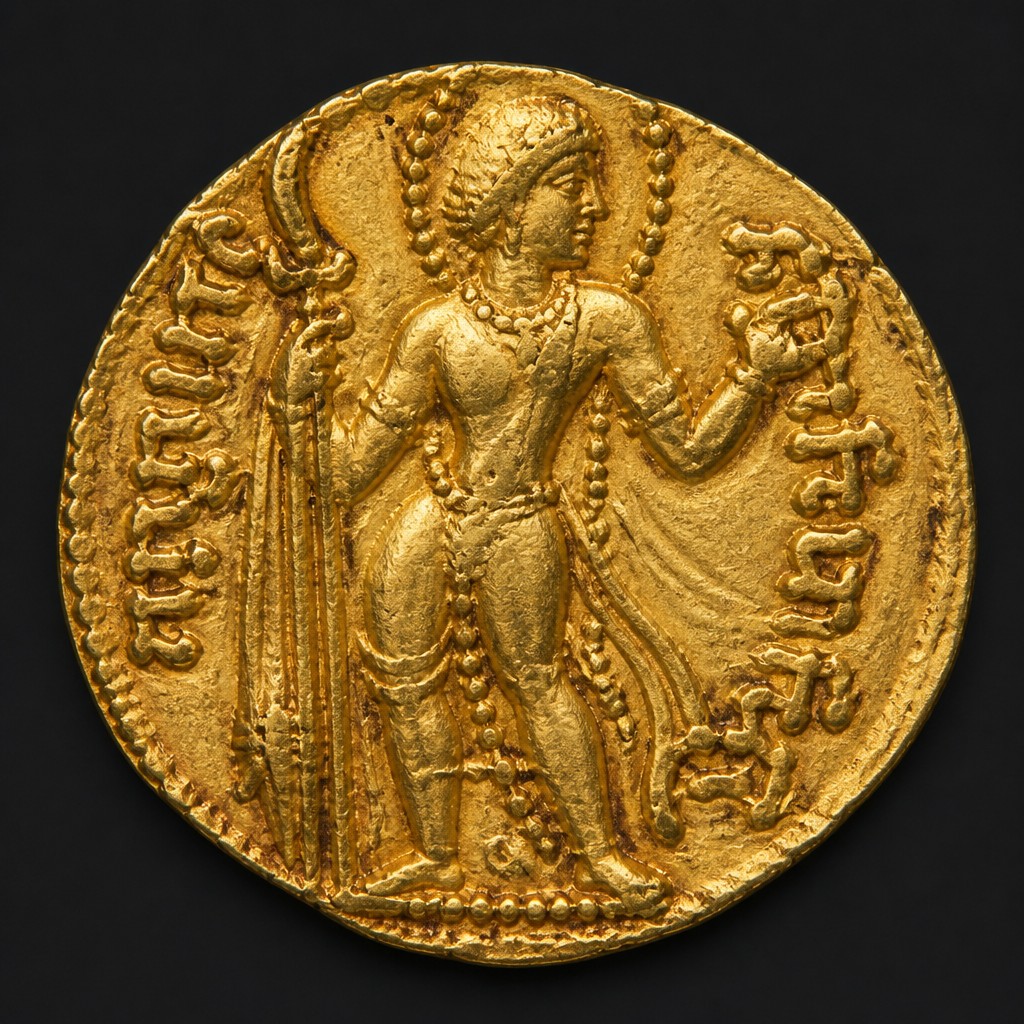
Gupta Empire Gold Dinar
c. 320–550 AD
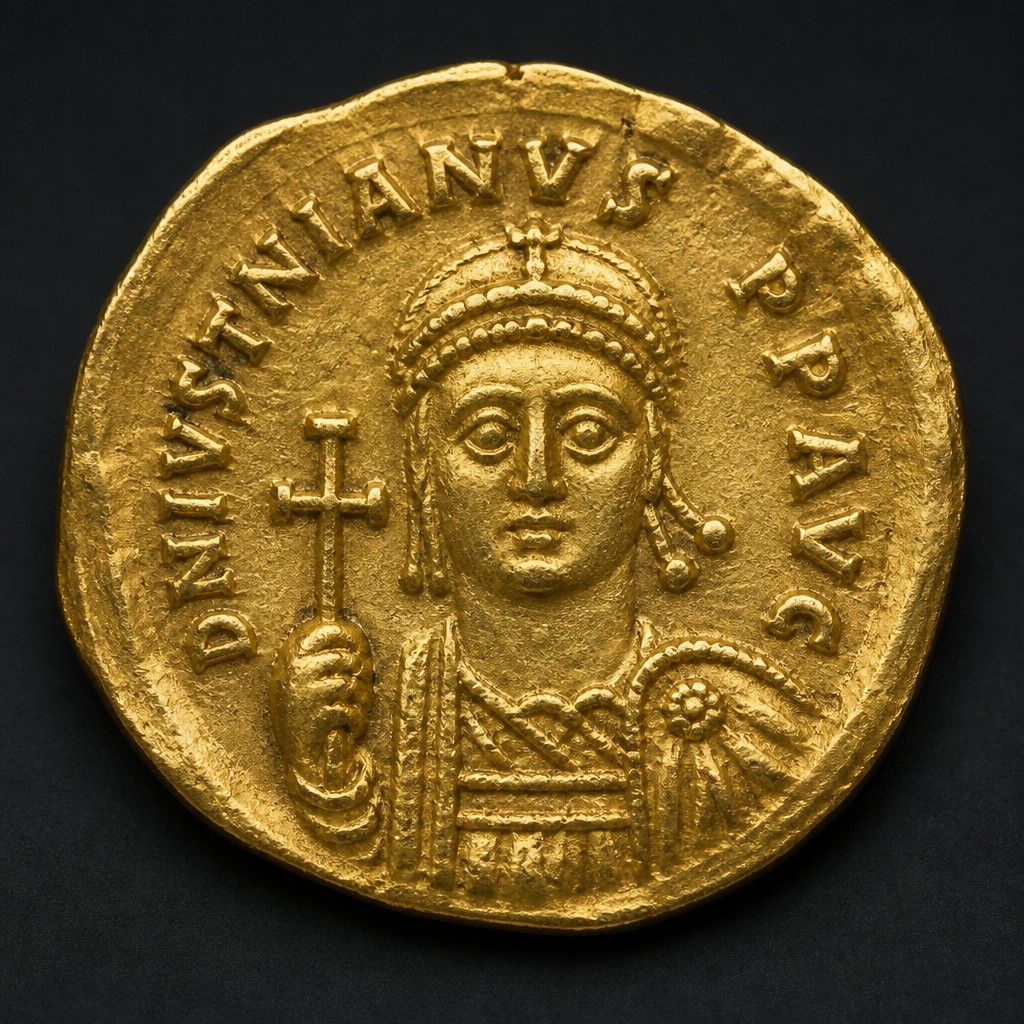
Byzantine Gold Tremissis
c. 4th–7th century AD
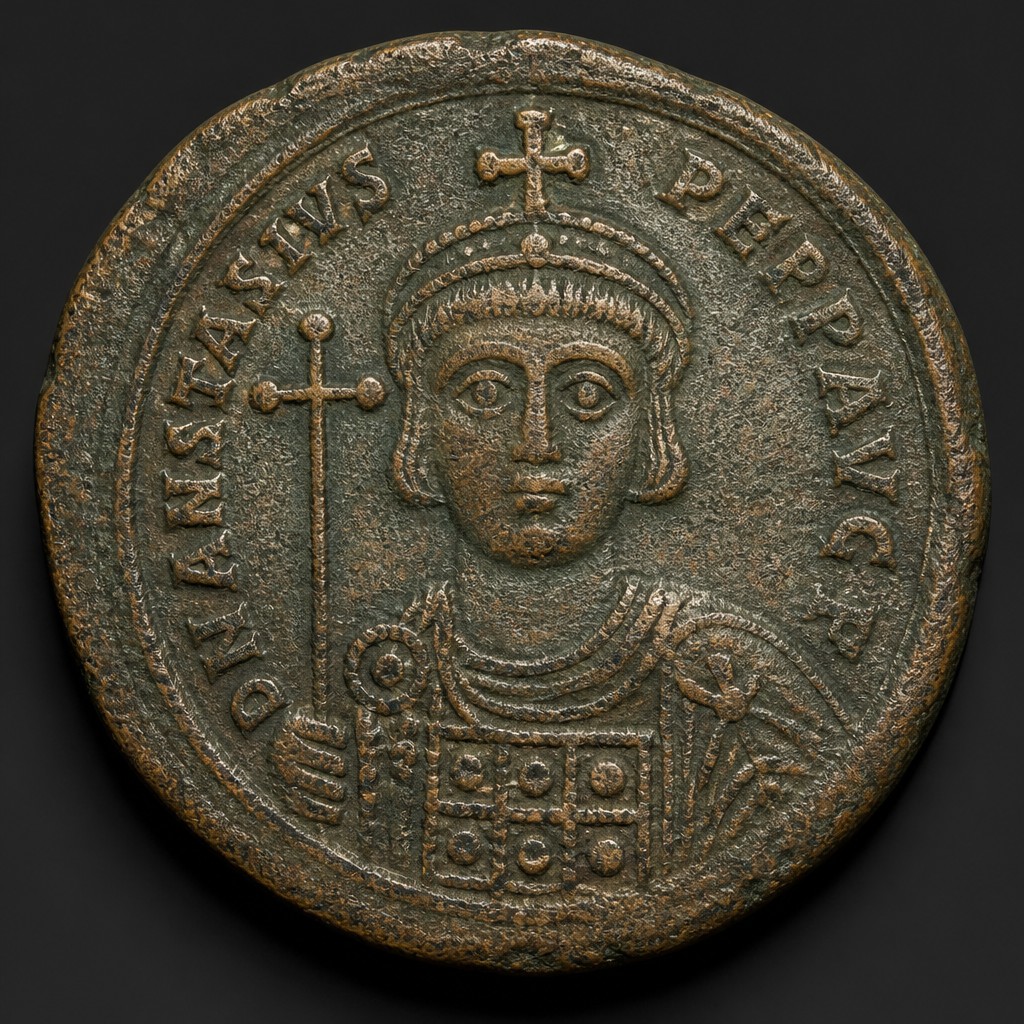
Byzantine Follis
498–c. 11th century AD
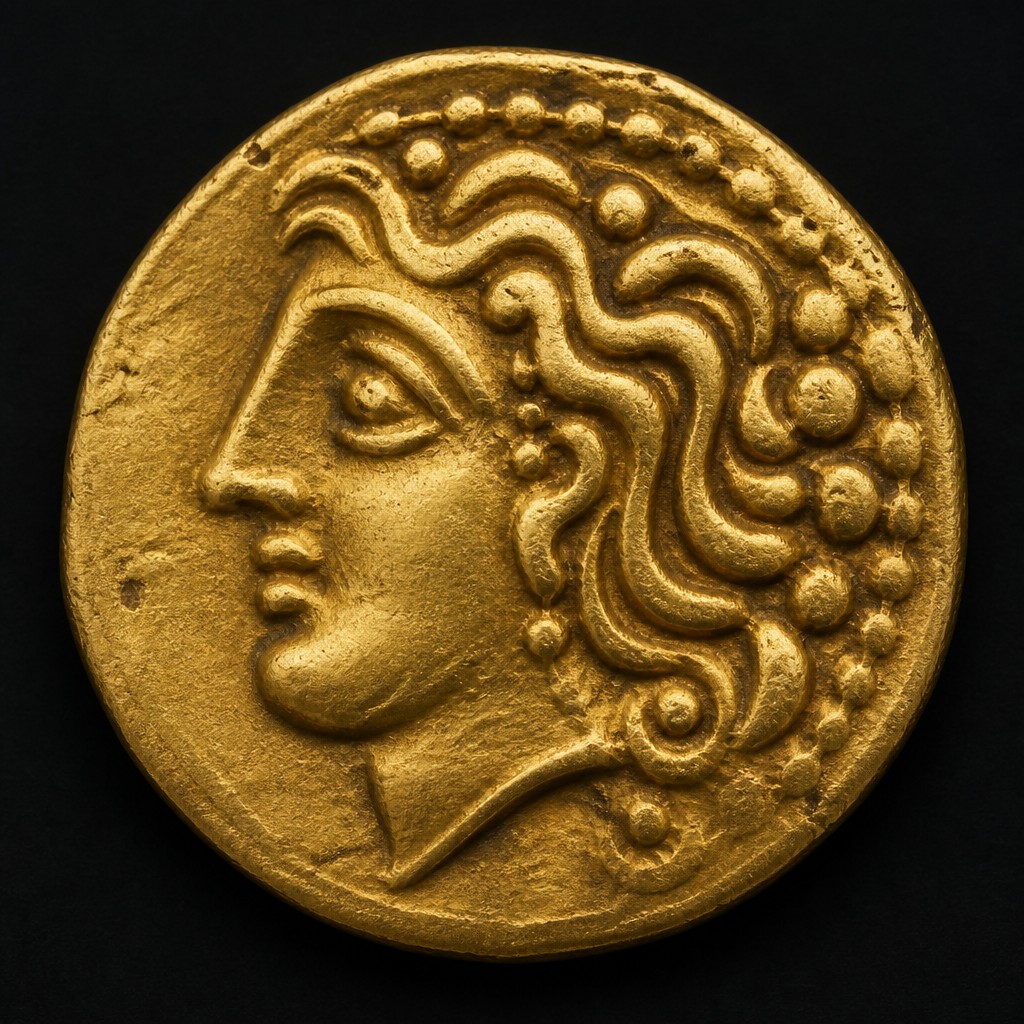
Celtic Gold Stater
c. 3rd century BC – 1st century AD