
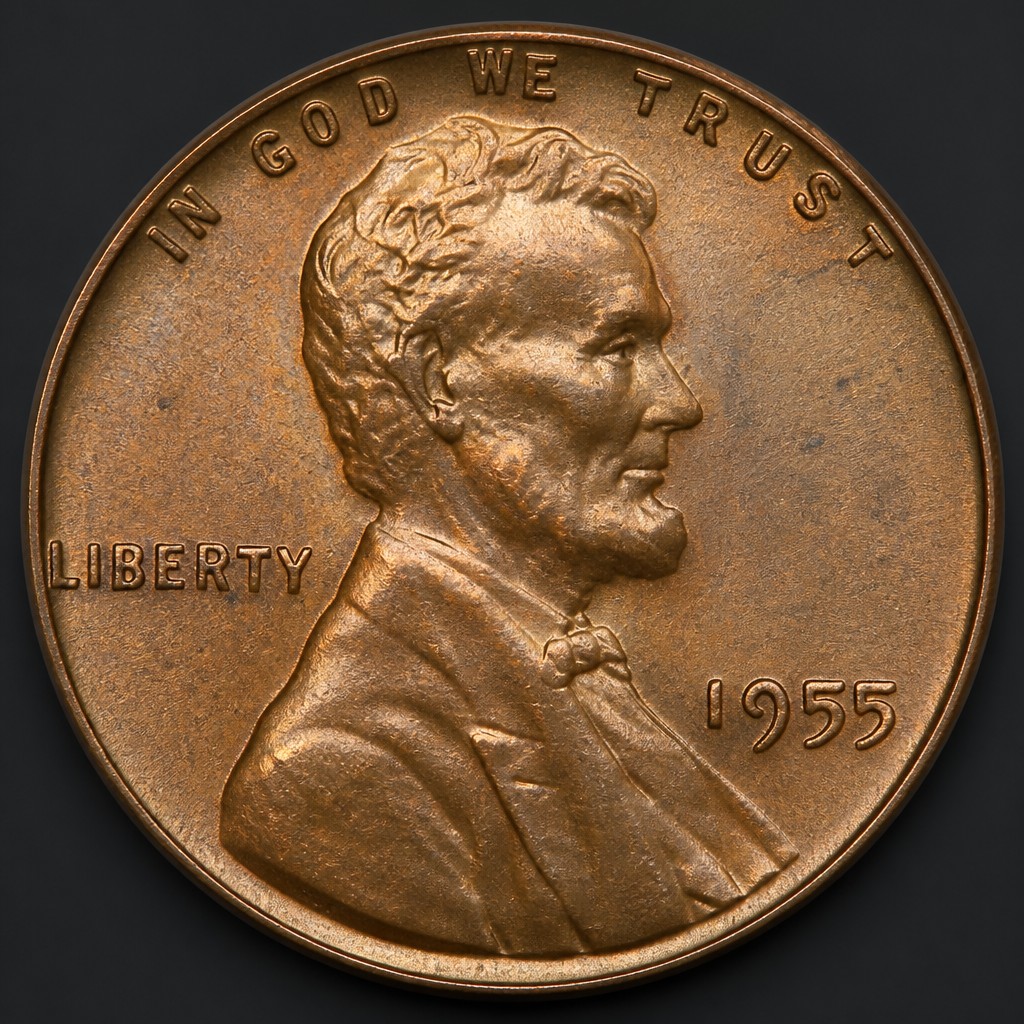
1955 Poor Man's Doubled Die Lincoln Cent
A more common, lower-value doubled die variety on the 1955 Lincoln cent, nicknamed the 'poor man's' version because it offers a similar doubled-image look to the famous 1955 Doubled Die Obverse at a fraction of the price.
- Country
- United States
- Denomination
- 1 cent
- Metal
- Bronze (95% copper, 5% tin/zinc)
Got a coin like this?
Identify any coin from a photo, free.
Overview
The 1955 Lincoln cent is best known for its dramatic Doubled Die Obverse, a valuable and famous error showing bold doubling across the date and legends. Alongside that famous coin, collectors also recognize a separate, more modest doubling variety from the same year that shows a milder doubled appearance, typically involving the reverse lettering or minor design elements rather than the sharp obverse doubling seen on the true DDO.
Because this lesser variety is far more available and inexpensive than the legendary 1955 DDO, it earned the affectionate nickname 'poor man's doubled die,' letting budget-minded collectors own a 1955 cent with visible doubling without paying the substantial premium commanded by the famous error.
It remains a popular entry point for collectors interested in doubled die varieties, since it demonstrates how doubling can occur to varying degrees of strength within the same production year.
History & Background
Doubled dies occur when a coin die receives more than one misaligned impression from a hub during the die-making process, leaving doubled elements on every coin struck from that die. In 1955, at least one Philadelphia die produced the famous, strongly doubled obverse that became one of the most celebrated error coins in American numismatics.
Separately, other dies used that year exhibited weaker, less dramatic doubling, a phenomenon not uncommon in mid-20th-century coinage before modern hubbing techniques reduced such errors. Collectors and dealers, noting the visual similarity but vast price gap between the famous doubled die and these lesser varieties, began referring to the more affordable examples informally as the 'poor man's' doubled die.
The nickname reflects a broader pattern in variety collecting, where informal names help distinguish between coins that look superficially similar but differ enormously in rarity and market value.
How to Identify
The coin carries the standard 1955 Lincoln wheat cent design, with Brenner's portrait, LIBERTY, and IN GOD WE TRUST on the obverse, and the wheat ears reverse with ONE CENT and UNITED STATES OF AMERICA.
On the 'poor man's' variety, doubling is typically visible under magnification on select letters or numerals, often more subtle than the bold, easily seen doubling of the true 1955 DDO, where the date and legend nearly split into two distinct images visible to the naked eye. Careful side-by-side comparison with reference images of the famous DDO is the best way to tell the two apart.
Collectors should use a loupe and compare against published variety attributions in standard references, since informal doubling on lesser dies can sometimes be confused with mechanical or strike doubling, which is not a true doubled die and carries no premium.
Value & Collectibility
Because it is considerably more common than the true 1955 Doubled Die Obverse, the 'poor man's' version trades for modest premiums over a normal 1955 cent, generally in the range of a few dollars to several tens of dollars depending on strength of doubling and condition, rather than the thousands commanded by the famous DDO.
Value is driven mainly by how clearly the doubling shows and by overall coin condition, with well-preserved, sharply doubled examples bringing the strongest premiums among variety specialists.
Frequently asked questions
Is the 'poor man's' doubled die the same as the famous 1955 Doubled Die cent?
No, it is a separate, weaker doubling variety from the same year that looks similar at a glance but is far more common and less valuable.
Why is it called the 'poor man's' doubled die?
Because it offers a doubled-die look reminiscent of the famous 1955 DDO cent at a much lower price, making it accessible to collectors on a budget.
How do I tell the two varieties apart?
The true 1955 DDO shows bold, easily visible doubling on the date and legends, while the 'poor man's' version shows subtler doubling, often requiring magnification to confirm.
Is this variety rare?
It is considerably more available than the famous doubled die, though well-struck, clearly doubled examples still attract collector interest.
Other coins you may enjoy
1900-O/CC Morgan Dollar
1900
1970-S Small Date Lincoln Cent
1970
1918/7-D Buffalo Nickel
1918
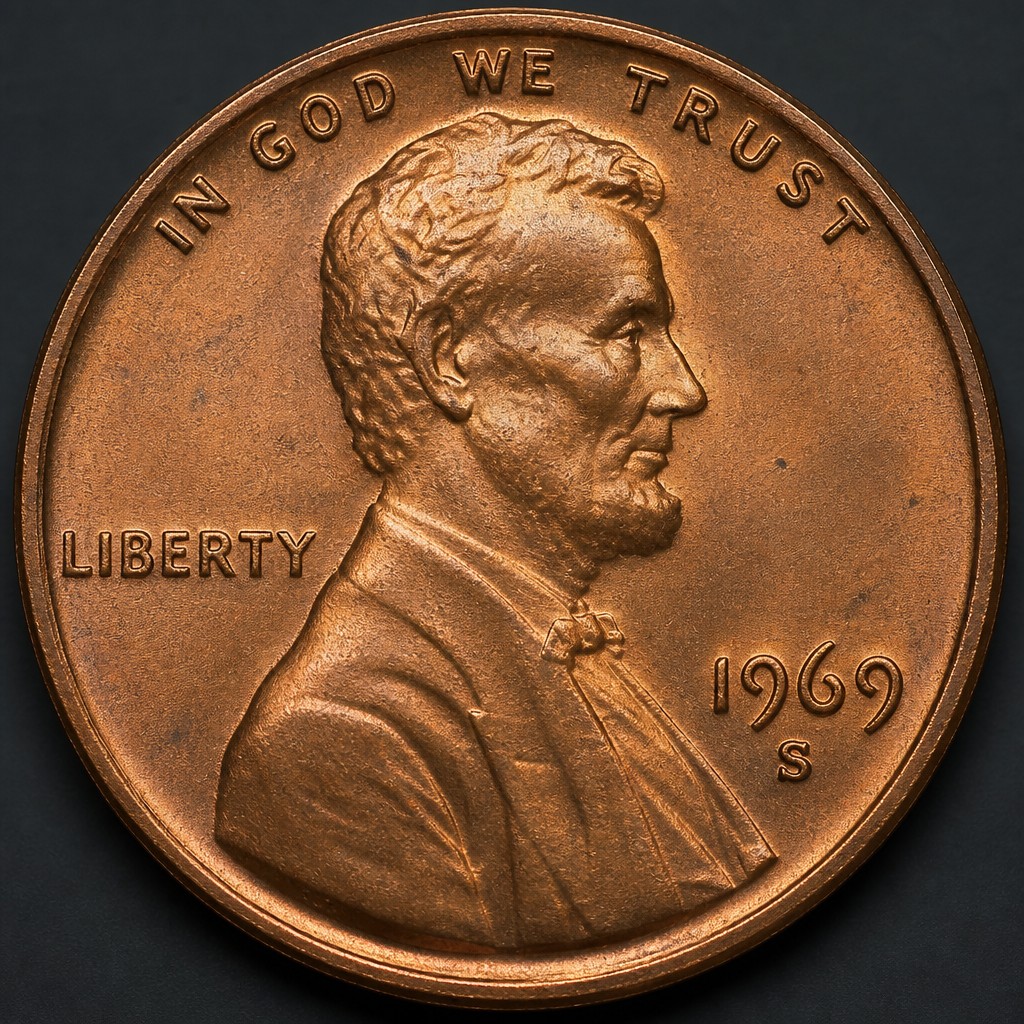
1969-S Doubled Die Obverse Lincoln Cent
1969
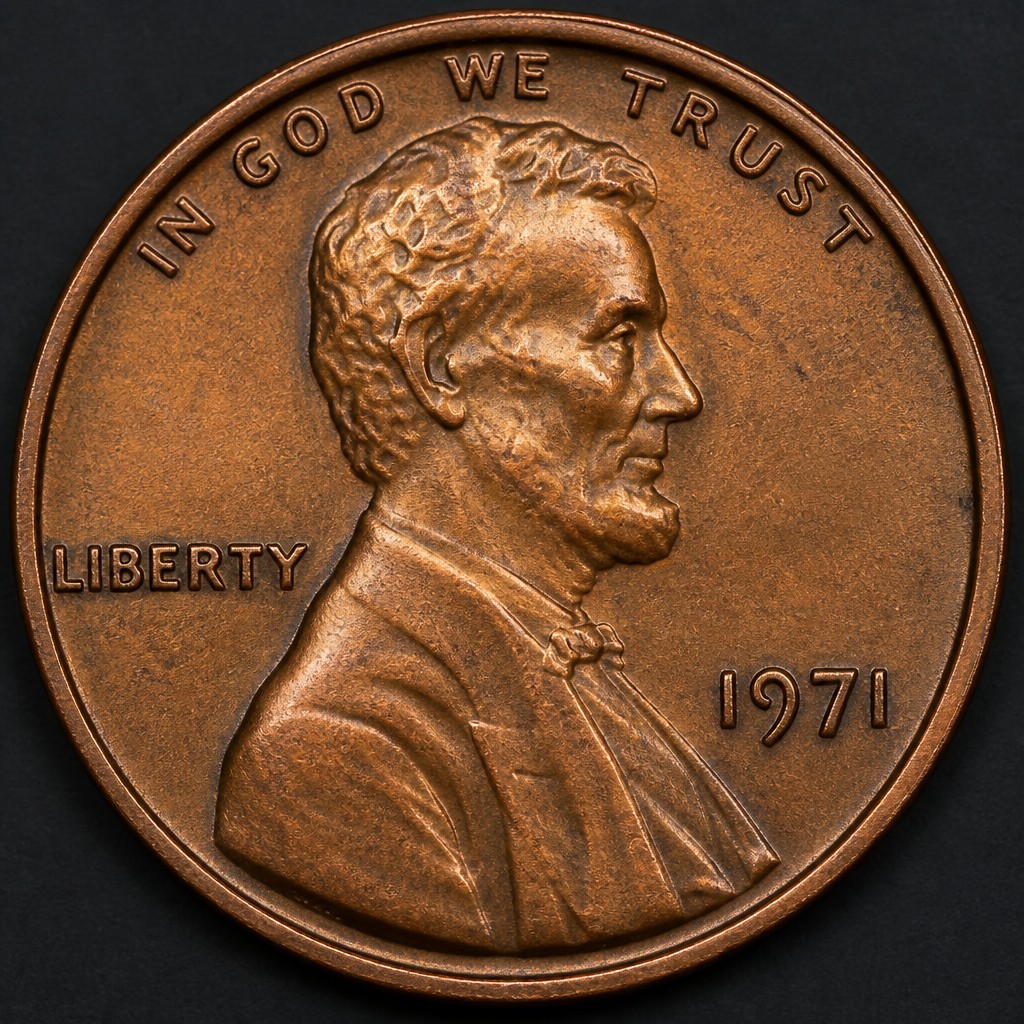
1971 Doubled Die Obverse Lincoln Cent
1971
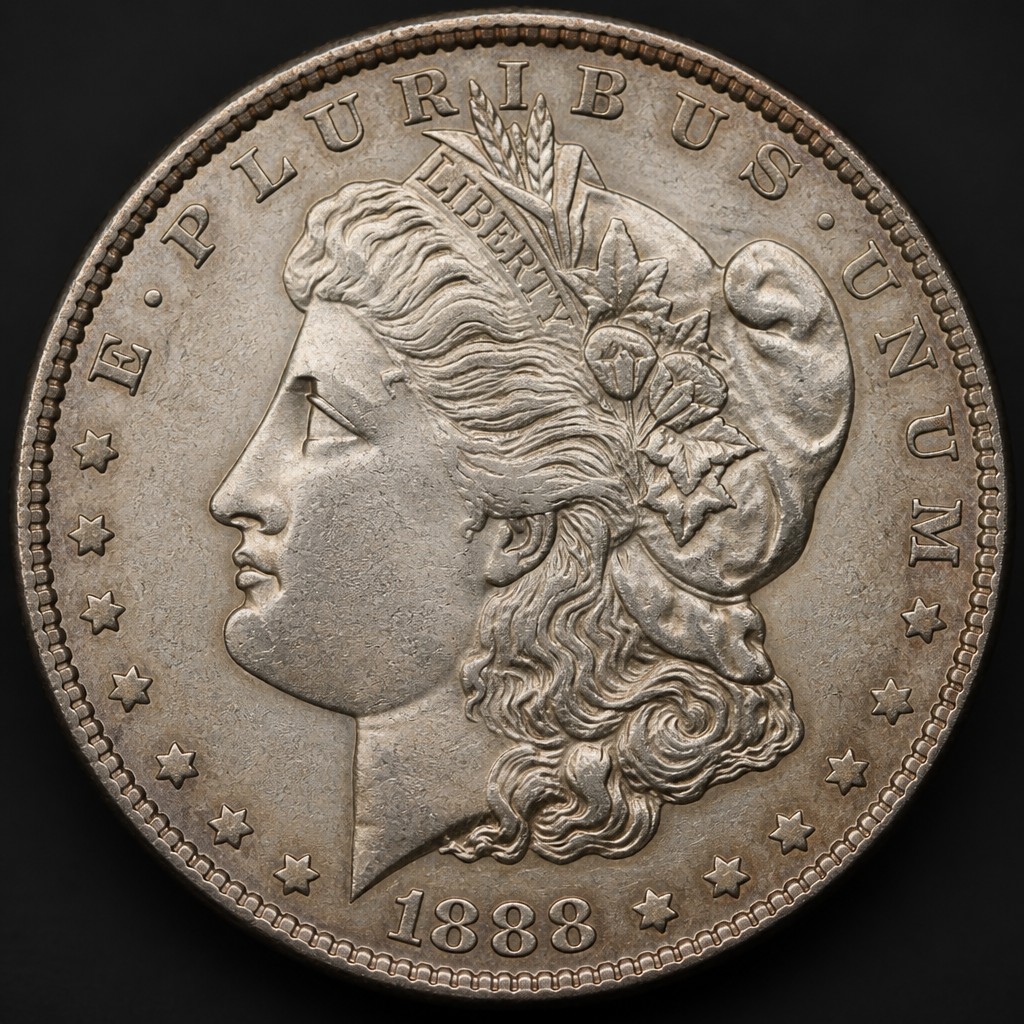
1888/7 Morgan Dollar Overdate
1888
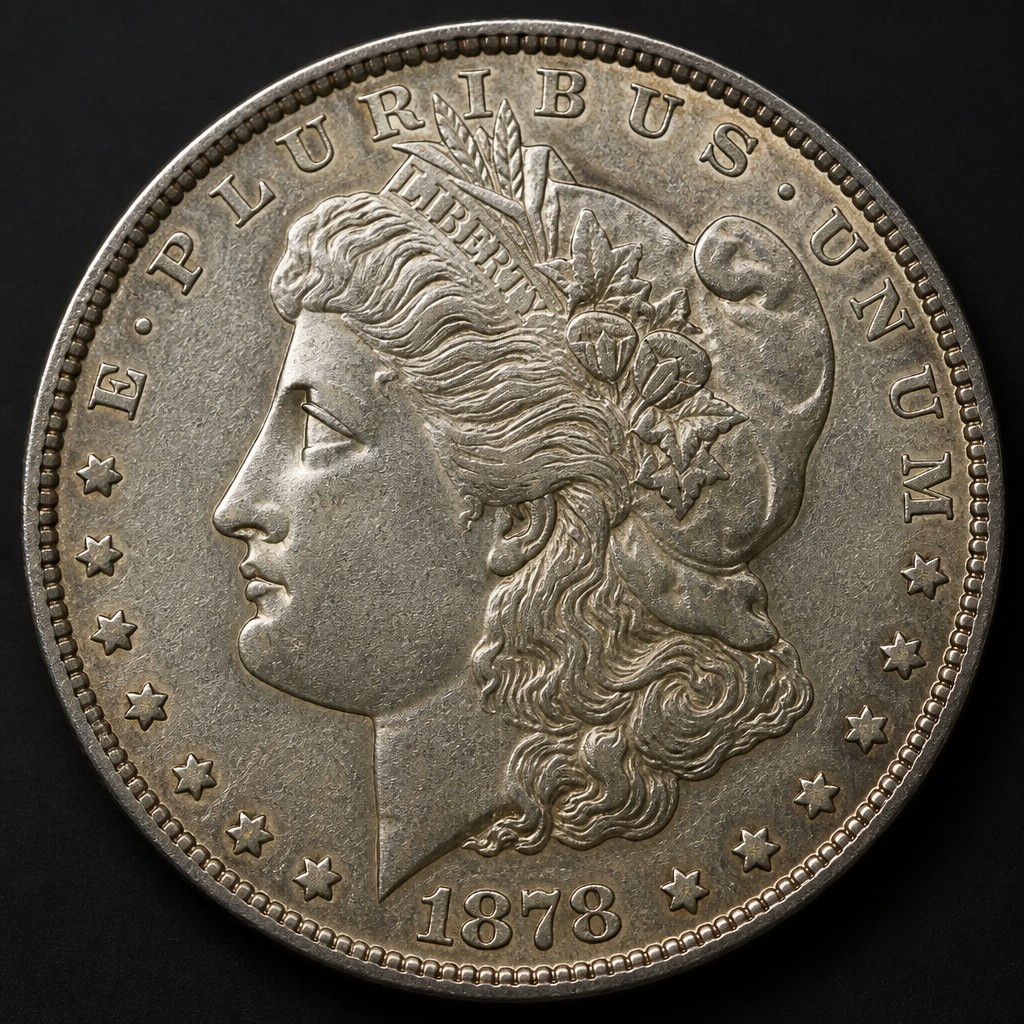
1878 7/8 Tail Feathers Morgan Dollar
1878
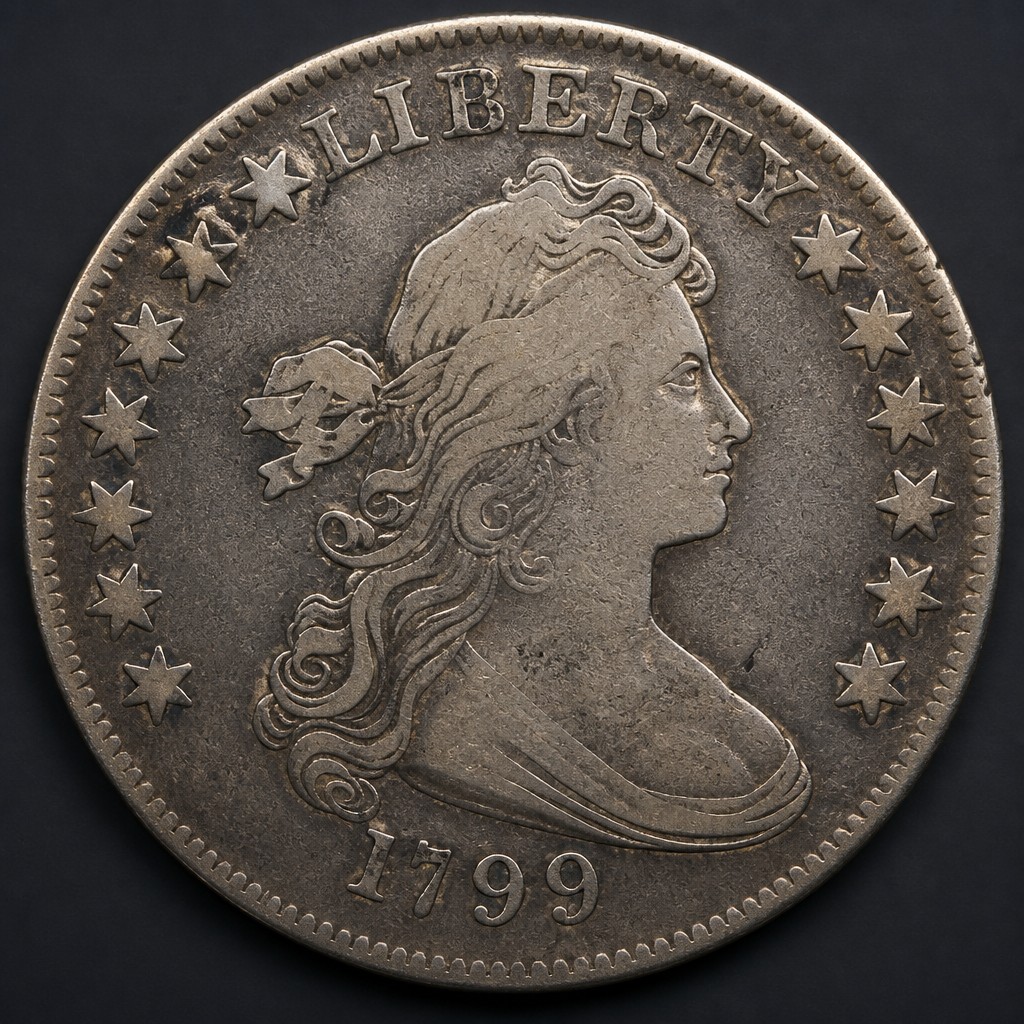
1799/8 Draped Bust Silver Dollar Overdate
1799 (die dated over 1798)
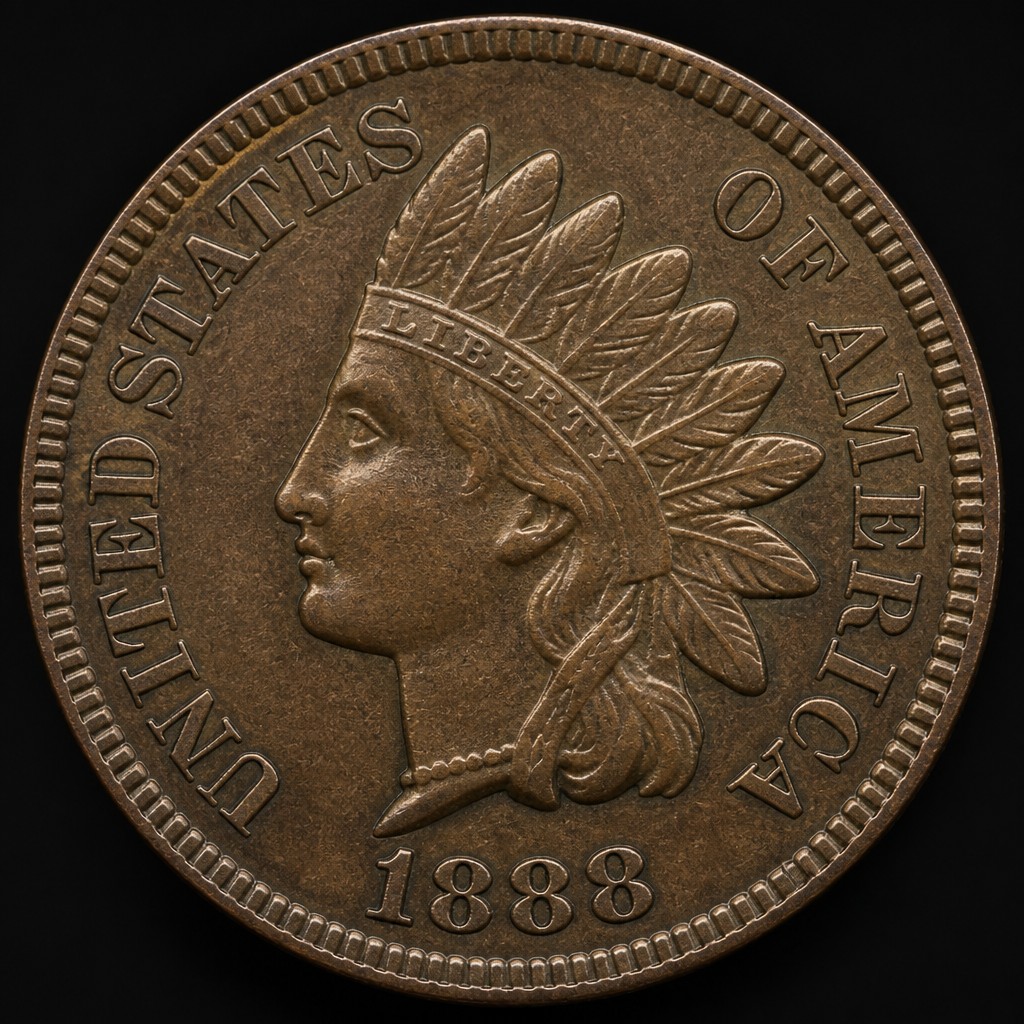
1888/7 Indian Head Cent Overdate
1888
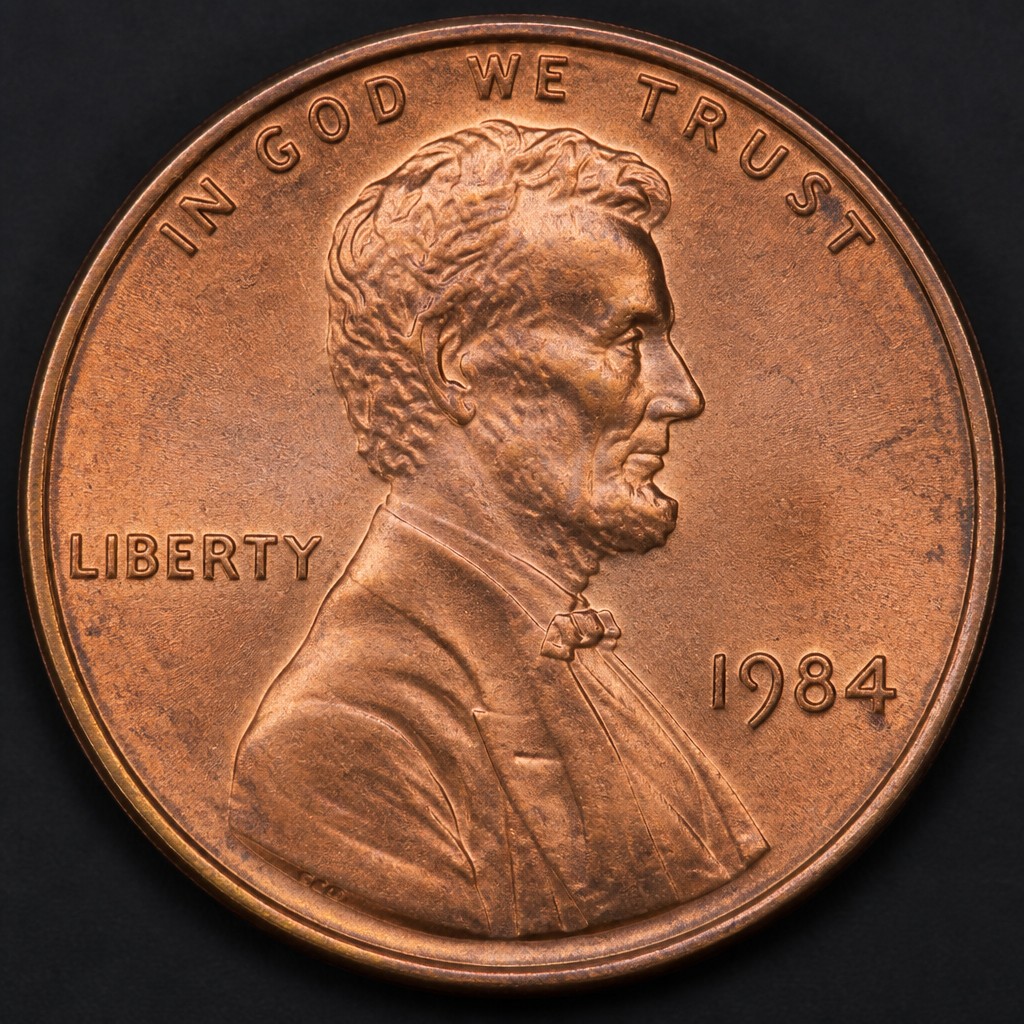
1984 Doubled Ear Lincoln Cent
1984
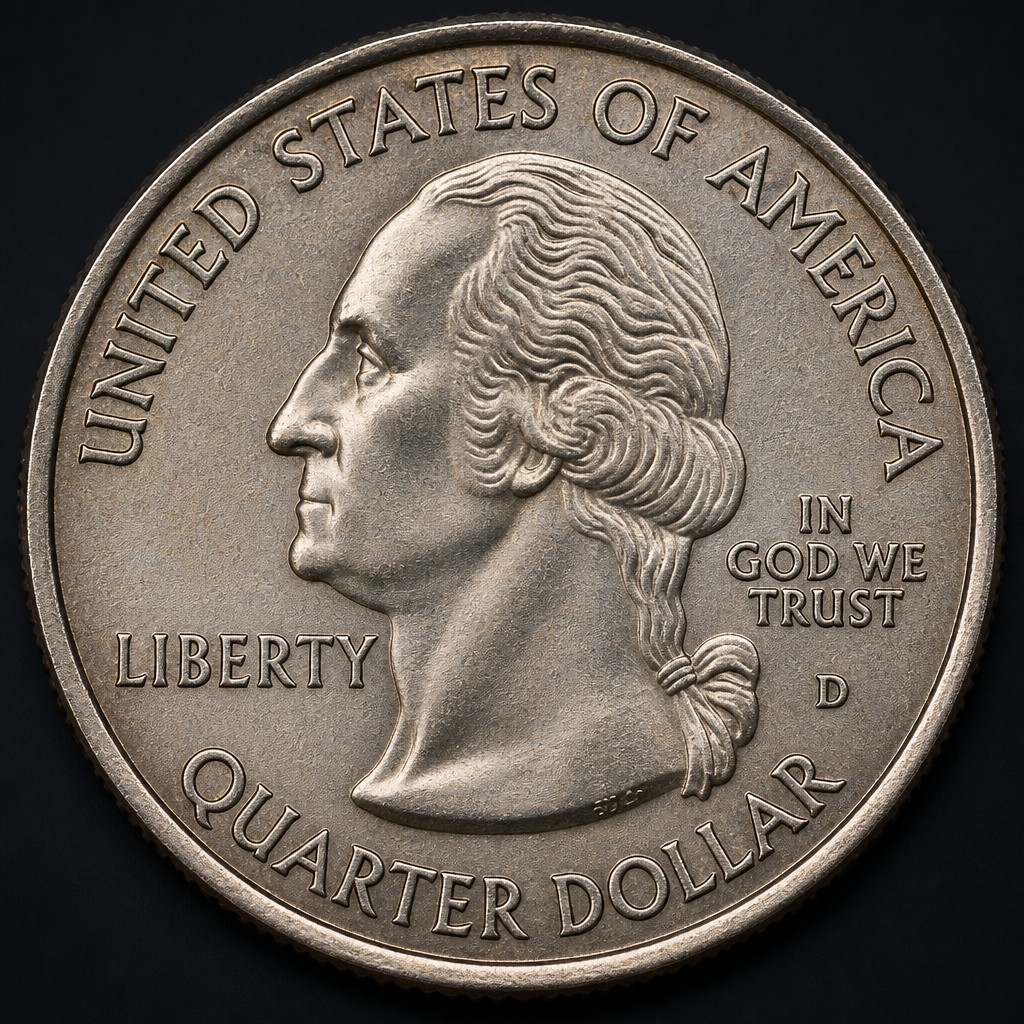
2004-D Wisconsin State Quarter Extra Leaf
2004
1873 Doubled Die Two-Cent Piece
1873