
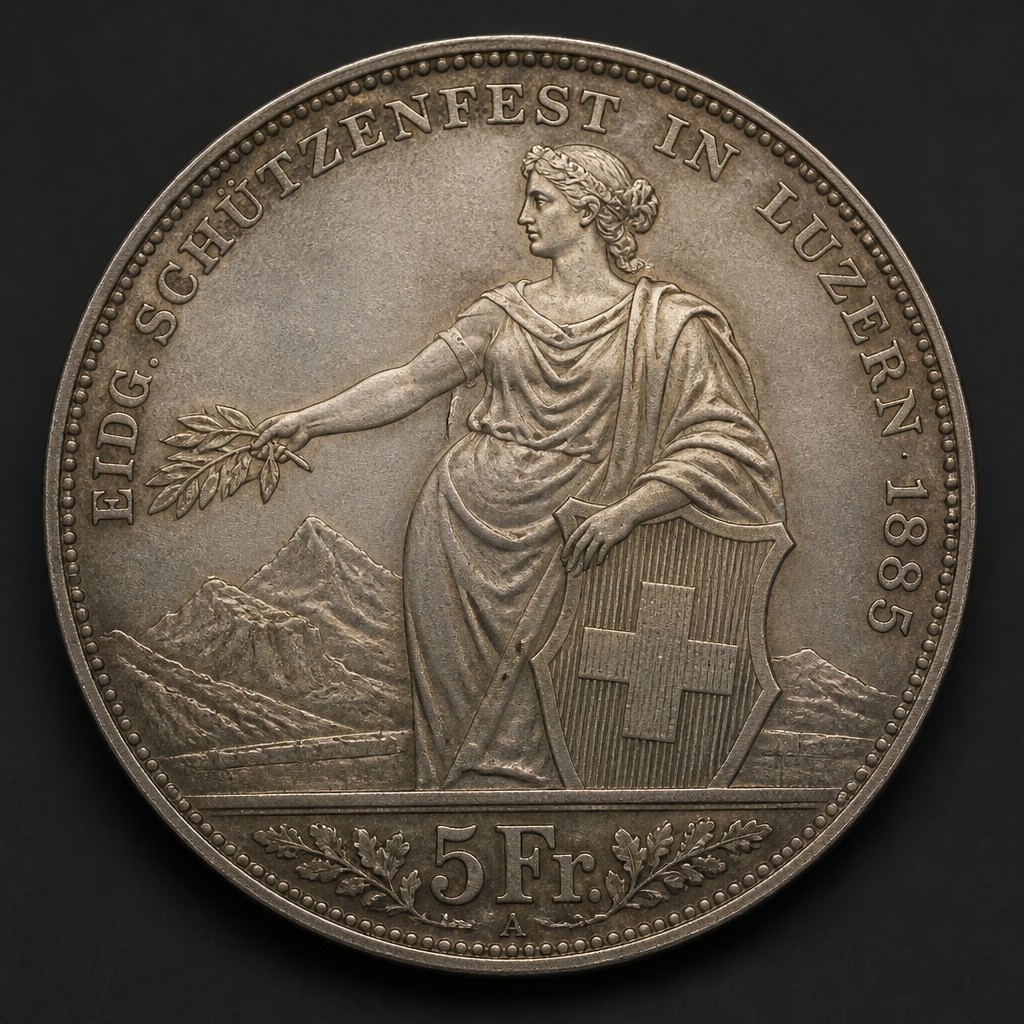
Swiss 5 Francs Shooting Thaler
A series of commemorative Swiss silver crowns struck to mark the national Federal Shooting Festival, celebrating Switzerland's civic militia tradition through distinctive cantonal designs.
- Country
- Switzerland
- Denomination
- 5 Francs
- Metal
- .900 silver
Got a coin like this?
Identify any coin from a photo, free.
Overview
The Swiss Shooting Thaler, struck in the denomination of 5 Francs, refers to a celebrated series of 19th-century commemorative silver coins issued to mark Switzerland's Eidgenössisches Schützenfest, the national Federal Shooting Festival held periodically in different host cantons. These large silver crowns celebrated Switzerland's long tradition of citizen marksmanship and civic militia culture, a practice deeply tied to Swiss identity and its historical model of a nation defended by its own armed citizenry rather than a large standing army.
Each shooting festival issue bears a design specific to its host canton and year, often featuring cantonal arms, allegorical figures, alpine scenery, or festival emblems, making the series a visually rich record of 19th-century Swiss regional pride within the framework of the young federal state, since Switzerland had only adopted its modern federal constitution in 1848. Host cities and cantons represented in the series include Solothurn, Zurich, Bern, Basel, Fribourg, Lugano, and others across the several decades the series ran.
Because the coins were legal tender at the 5 Franc denomination alongside being commemorative in nature, they occupy a distinctive niche as circulating collector coins, struck in relatively limited numbers compared to standard federal coinage, and remain very popular with collectors of Swiss and European crown-sized silver.
History & Background
Switzerland's tradition of organized shooting festivals dates back centuries, tied to the country's historic reliance on citizen militias for defense, a practice celebrated as central to Swiss republican and cantonal identity. After the formation of the modern Swiss federal state in 1848, the national umbrella shooting association began organizing large-scale Federal Shooting Festivals hosted by different cantons on a rotating basis, drawing marksmen and spectators from across the country in a major expression of national unity and civic pride.
Beginning in the mid-1850s, festival organizers arranged for commemorative silver coins denominated at 5 Francs to be struck to mark individual festivals, giving each host canton an opportunity to showcase local heraldry, scenery, or symbolism on an officially sanctioned piece of national currency. This practice continued intermittently through the 1880s, with festivals in cities such as Solothurn, Stans, Schaffhausen, Zurich, Basel, Fribourg, Lugano, and Bern each producing their own distinct 5 Francs shooting commemoratives.
The series ended in the mid-1880s as Switzerland's federal coinage system matured and standardized, but the shooting festival tradition itself continued as a significant cultural institution, with later festivals sometimes marked by medals rather than legal-tender coinage.
How to Identify
Designs vary significantly by year and host canton, but common elements include the host canton's coat of arms, allegorical figures (such as a seated Helvetia or local historical figures), alpine landscape or scenery elements, and festival-specific inscriptions naming the host city and the words "EIDGENÖSSISCHES SCHÜTZENFEST" or similar wording. The denomination "5 FRANCS" or "5 FR." and the year of the specific festival appear prominently, along with "HELVETIA" or "SCHWEIZERISCHE EIDGENOSSENSCHAFT" referencing the Swiss Confederation.
The coin is struck in .900 fine silver, approximately 37mm in diameter, comparable in size to the standard Swiss federal 5 Francs coin of the era, with a reeded or lettered edge depending on the specific issue. Because each shooting festival issue is essentially its own distinct one-time design, collectors typically identify individual pieces by host city and year rather than by a single unified type description.
Collectors should distinguish these commemorative shooting thalers from the regular circulating Swiss 5 Francs coin (which features a standardized Helvetia head or similar national design without festival-specific imagery), and should be aware that because these are popular, well-documented commemoratives, restrikes and later reproductions exist in the market for some dates; verifying against known genuine specifications and, where warranted, seeking certification is advisable.
Value & Collectibility
Values vary by specific host city and year, with some festival issues struck in relatively larger numbers and more affordable in worn to average circulated grades, while others are notably scarcer and can command significant premiums, particularly in higher mint-state grades with strong original luster. As with most 19th-century commemorative crowns, well-preserved, problem-free examples are considerably more desirable than cleaned or heavily worn survivors.
Because the series is compact and well cataloged, dedicated collectors often pursue complete date-and-city sets, which can drive up demand and pricing for the scarcer entries needed to complete such a collection; overall type popularity keeps demand for the series broadly strong relative to other 19th-century commemorative crowns.
Frequently asked questions
What is the Eidgenössisches Schützenfest?
It is Switzerland's national Federal Shooting Festival, a periodic event celebrating the country's historic tradition of citizen marksmanship and civic militia culture.
Why does each Shooting Thaler look different?
Each coin was struck to commemorate a specific festival hosted by a different canton, and host cantons typically featured their own local arms, scenery, or symbolism.
What denomination are these coins?
They were struck as legal-tender 5 Francs coins, distinct from purely commemorative medals of similar theme.
When was this series produced?
Individual Shooting Thaler issues were struck periodically from the mid-1850s through the mid-1880s to mark specific Federal Shooting Festivals.
Are these coins rare?
Rarity varies by specific host city and year; some issues are relatively available, while others are considerably scarcer and sought after by collectors building complete sets.
Other coins you may enjoy
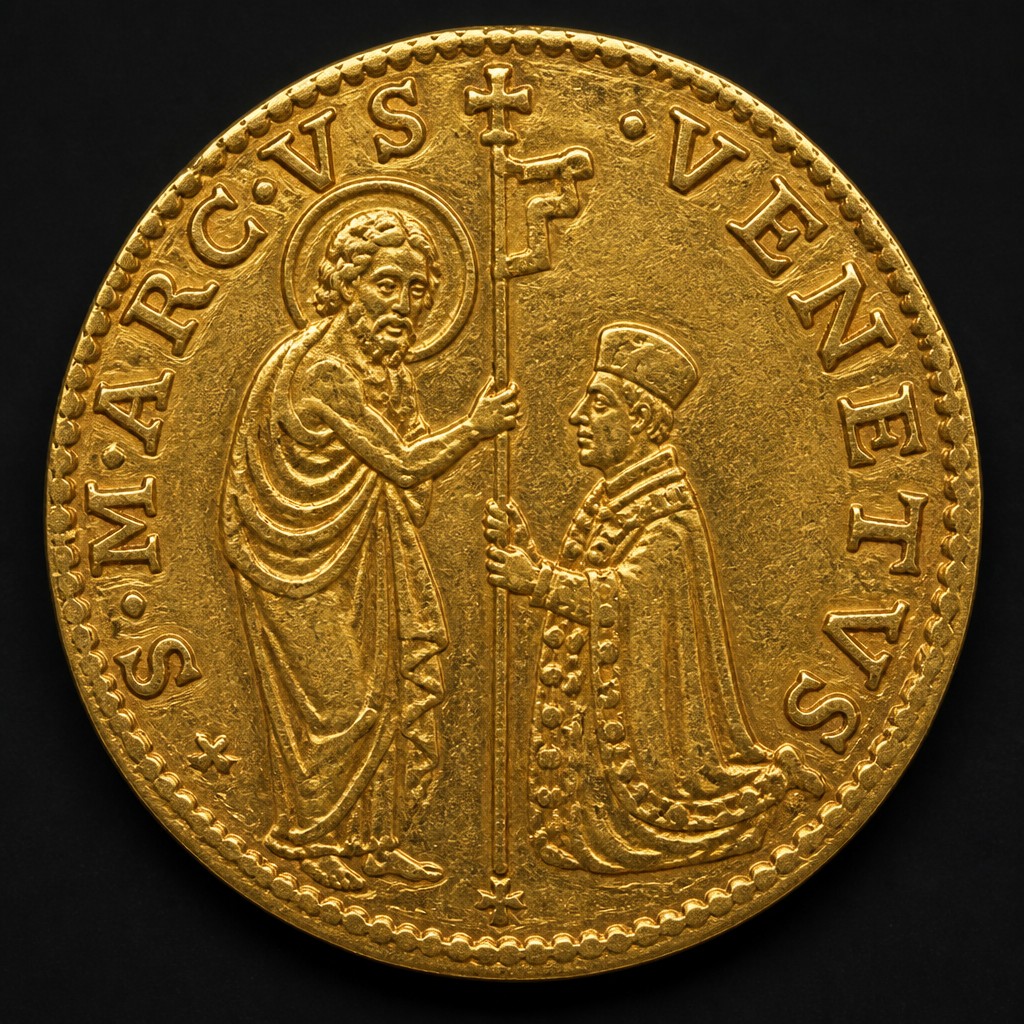
Venetian Ducat
1284–1797
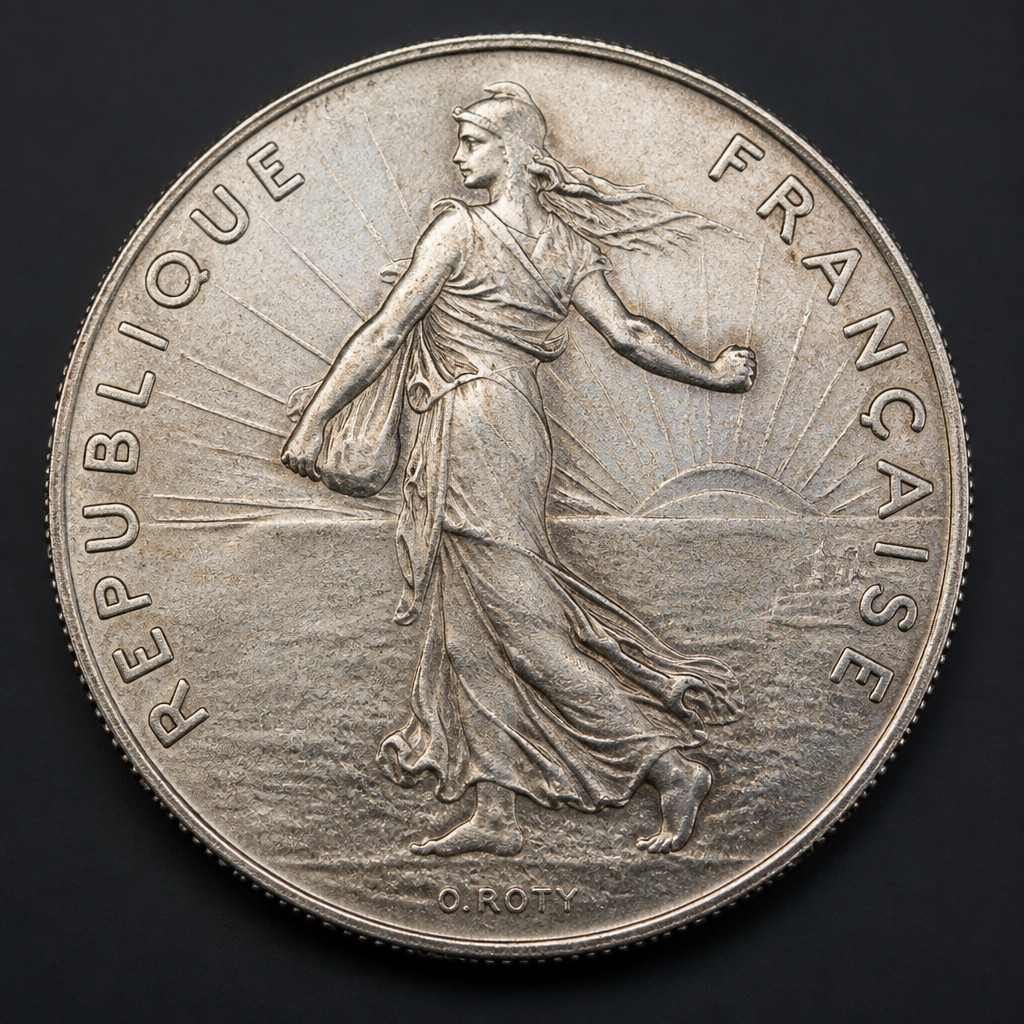
French 100 Francs Silver
1980s–2001 (pre-euro era)
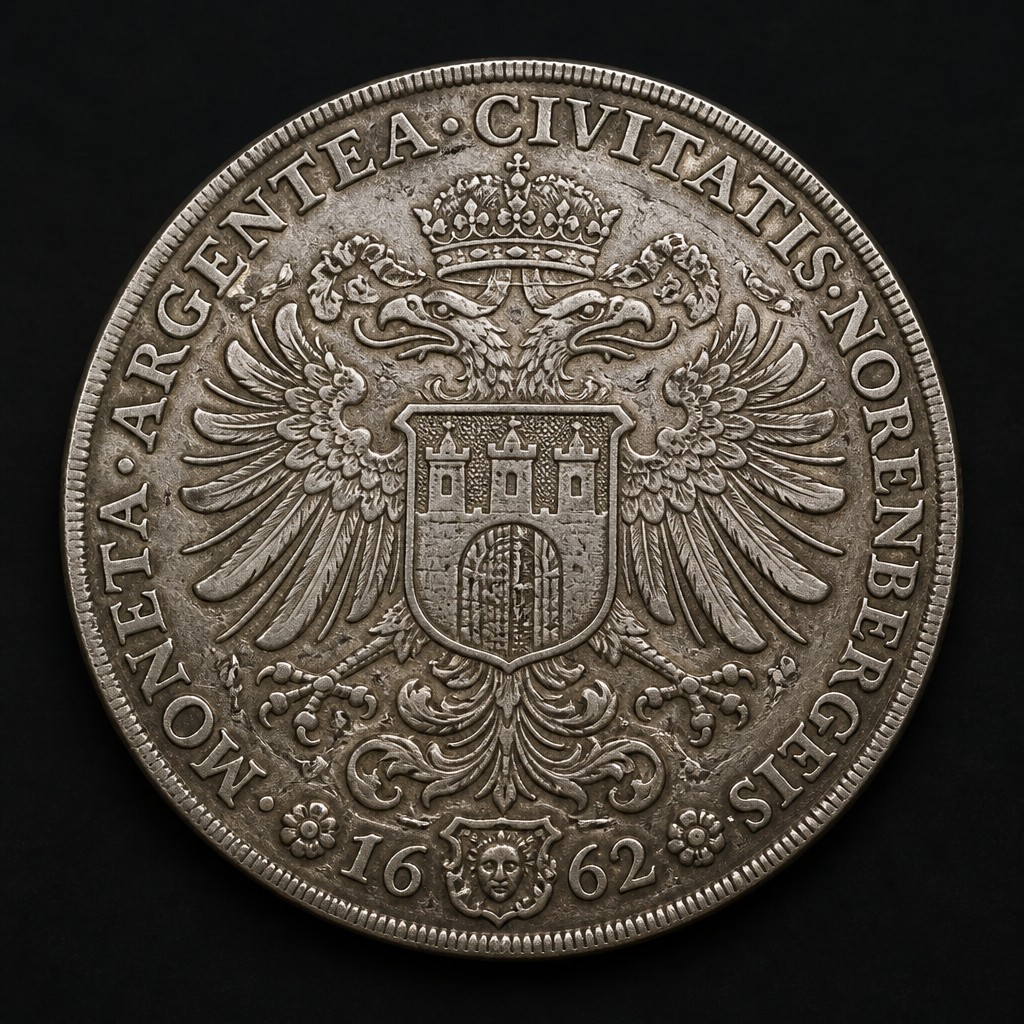
Nuremberg Thaler
16th–18th century
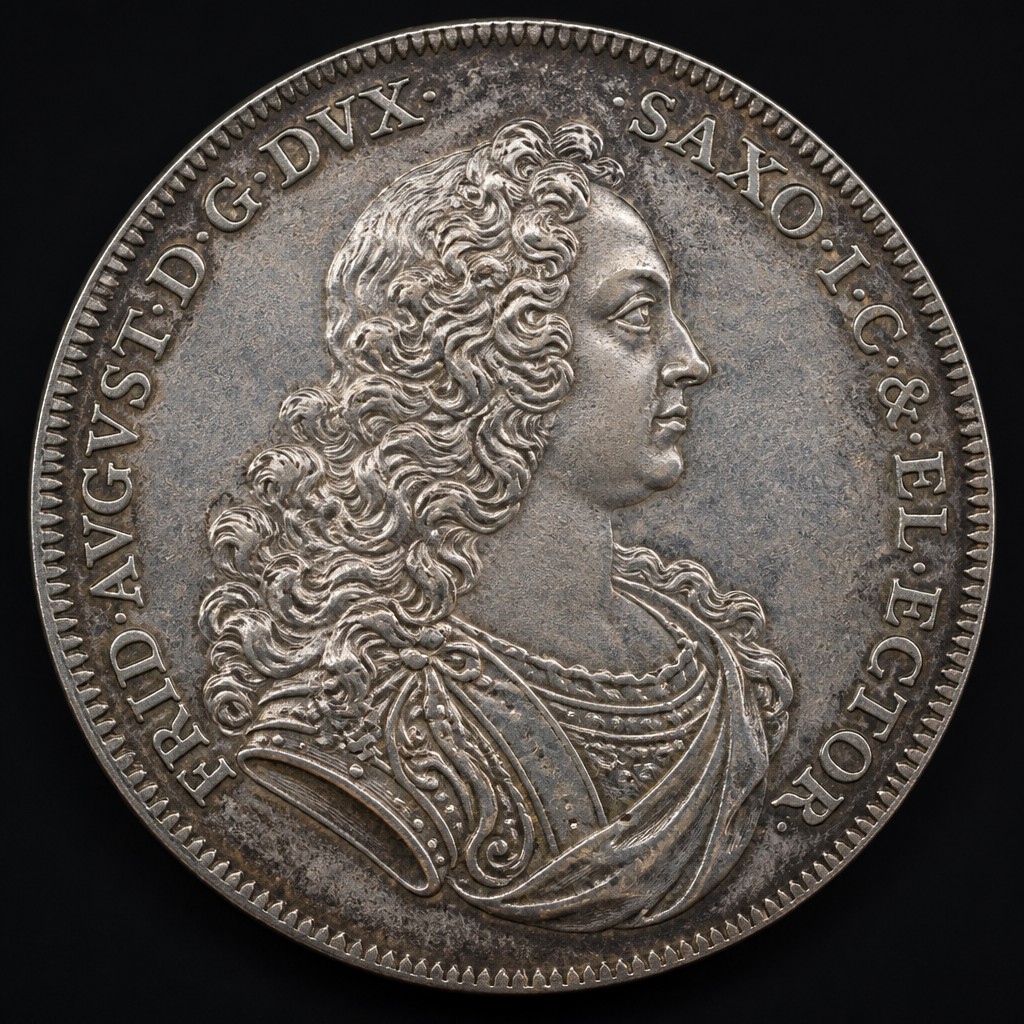
Saxon Speciestaler
17th–19th century
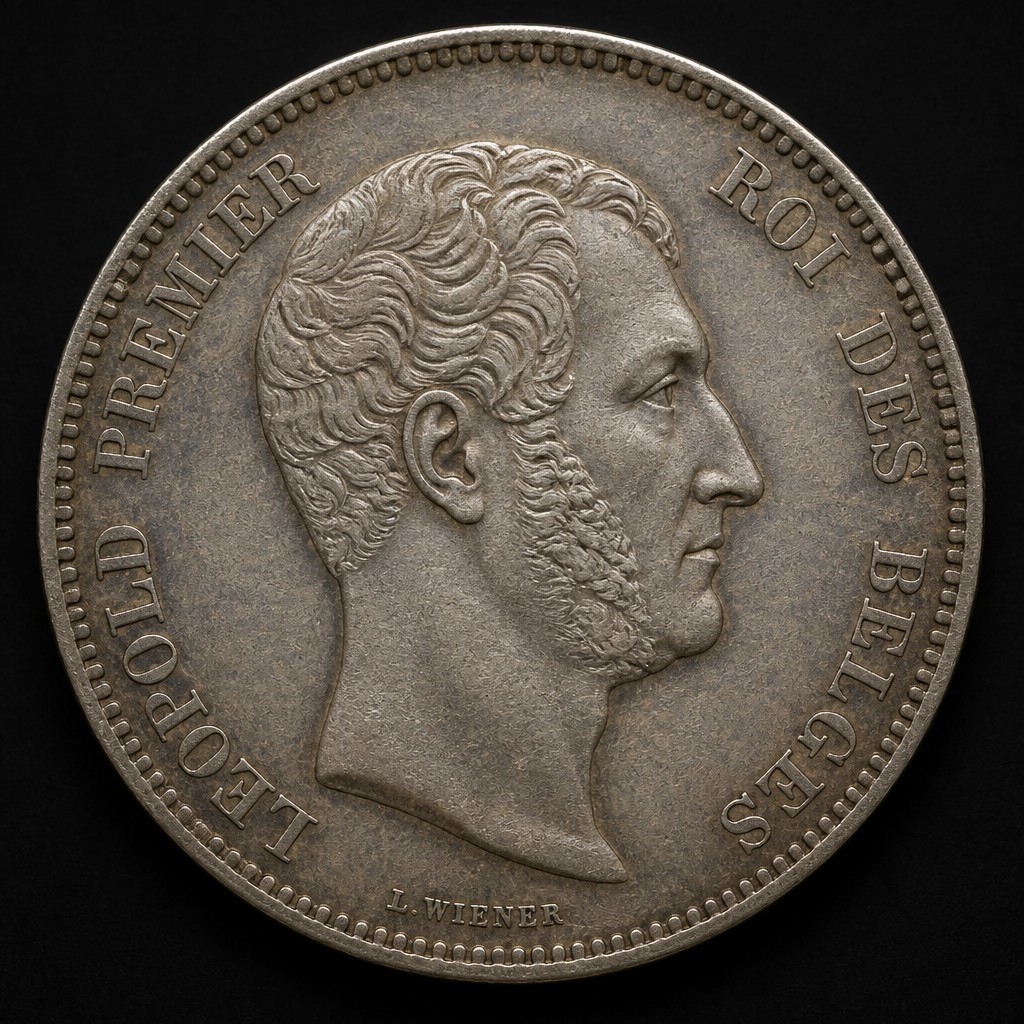
Belgian 5 Francs
1832–1876 (large silver type); later reduced-size and later-metal issues into the 20th century
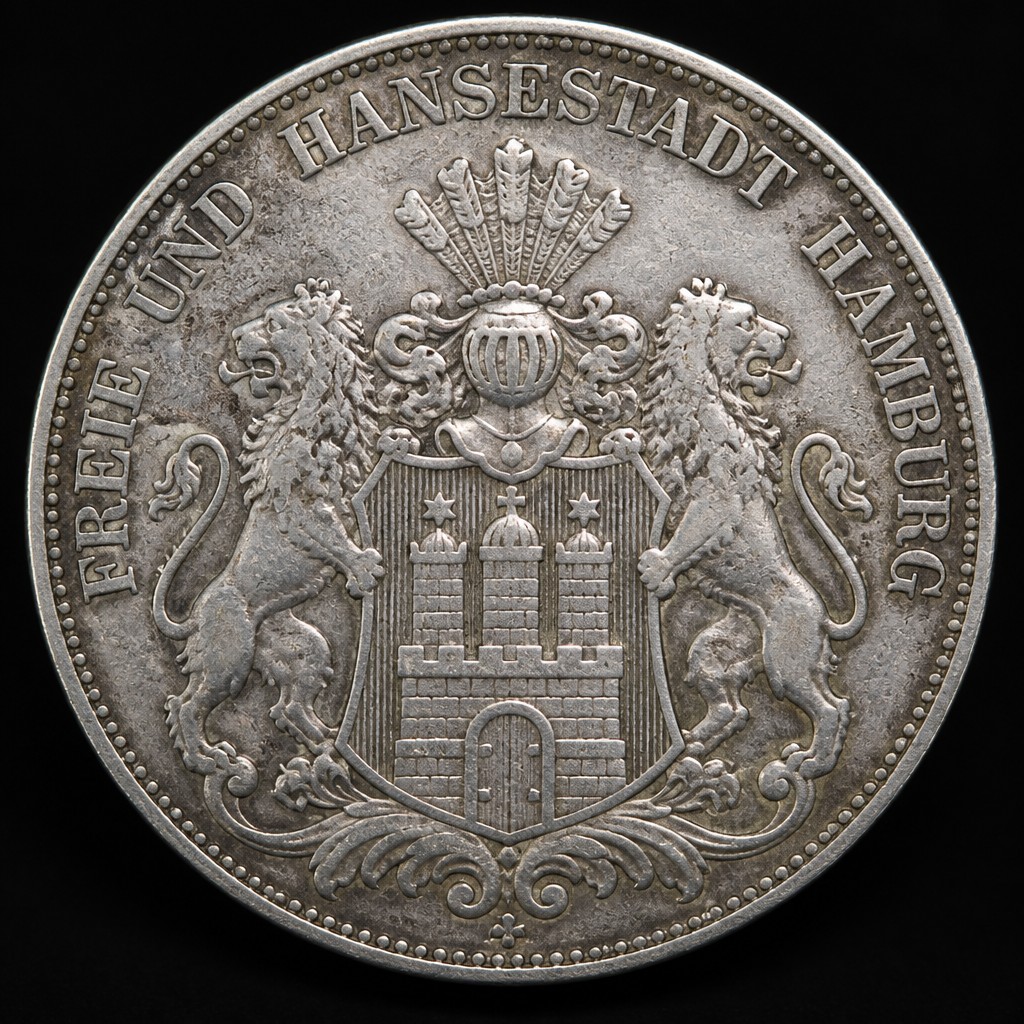
Hamburg Thaler
17th century–1871
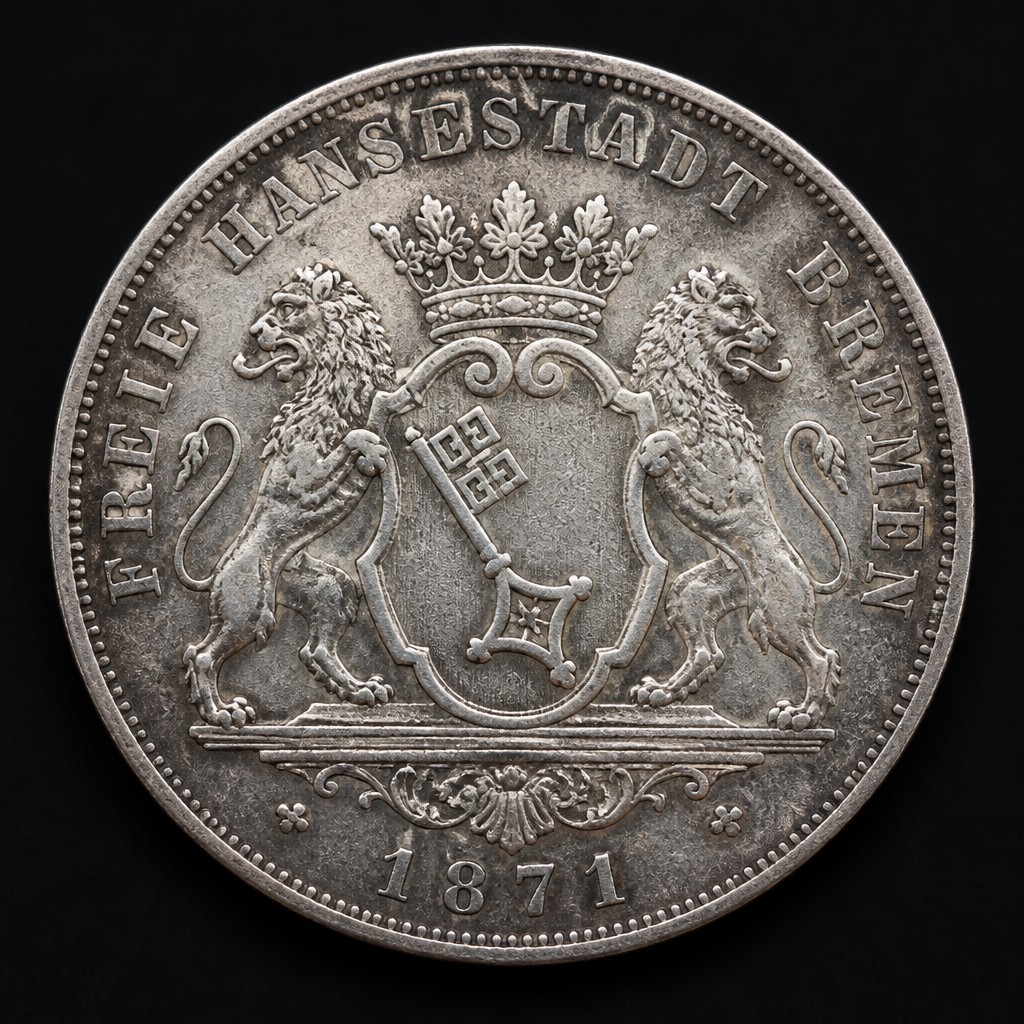
Bremen Thaler
17th century–1871
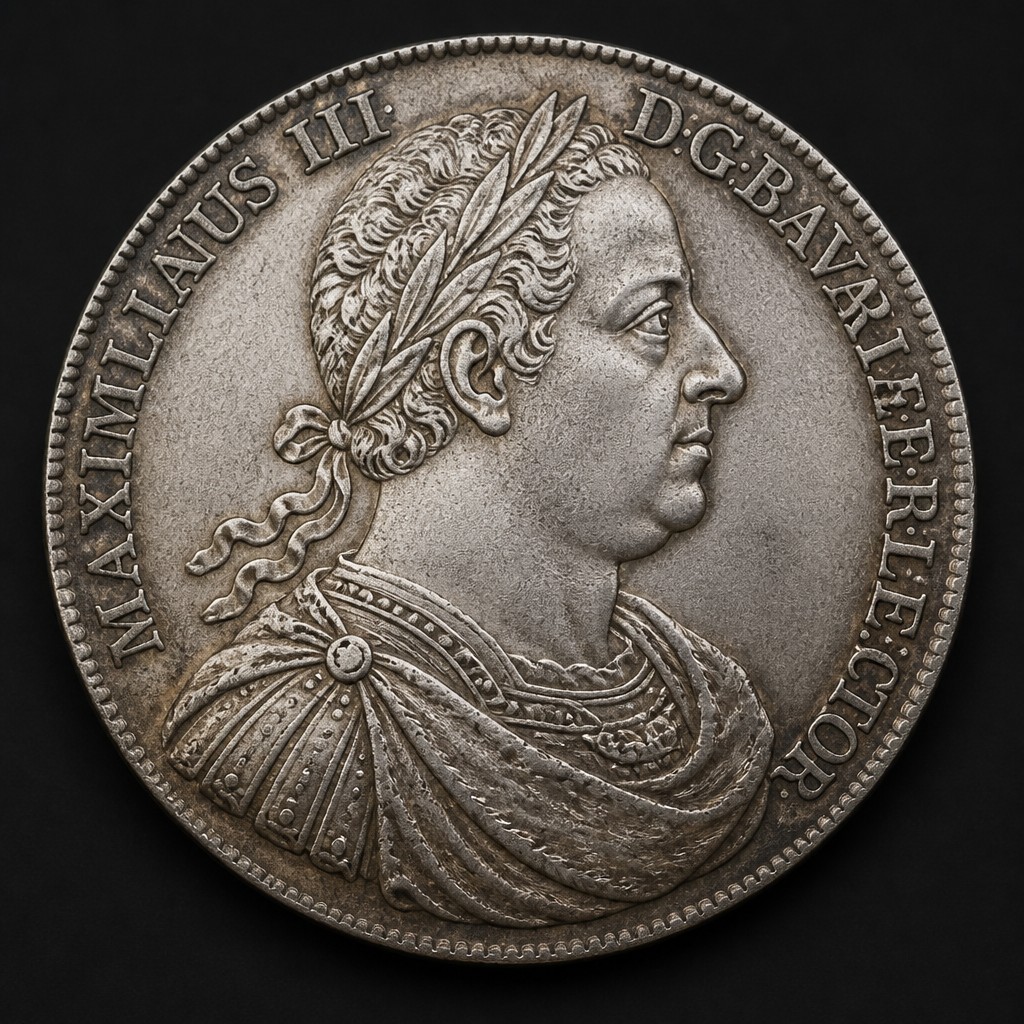
Bavaria Thaler
Circa 1620s-1871
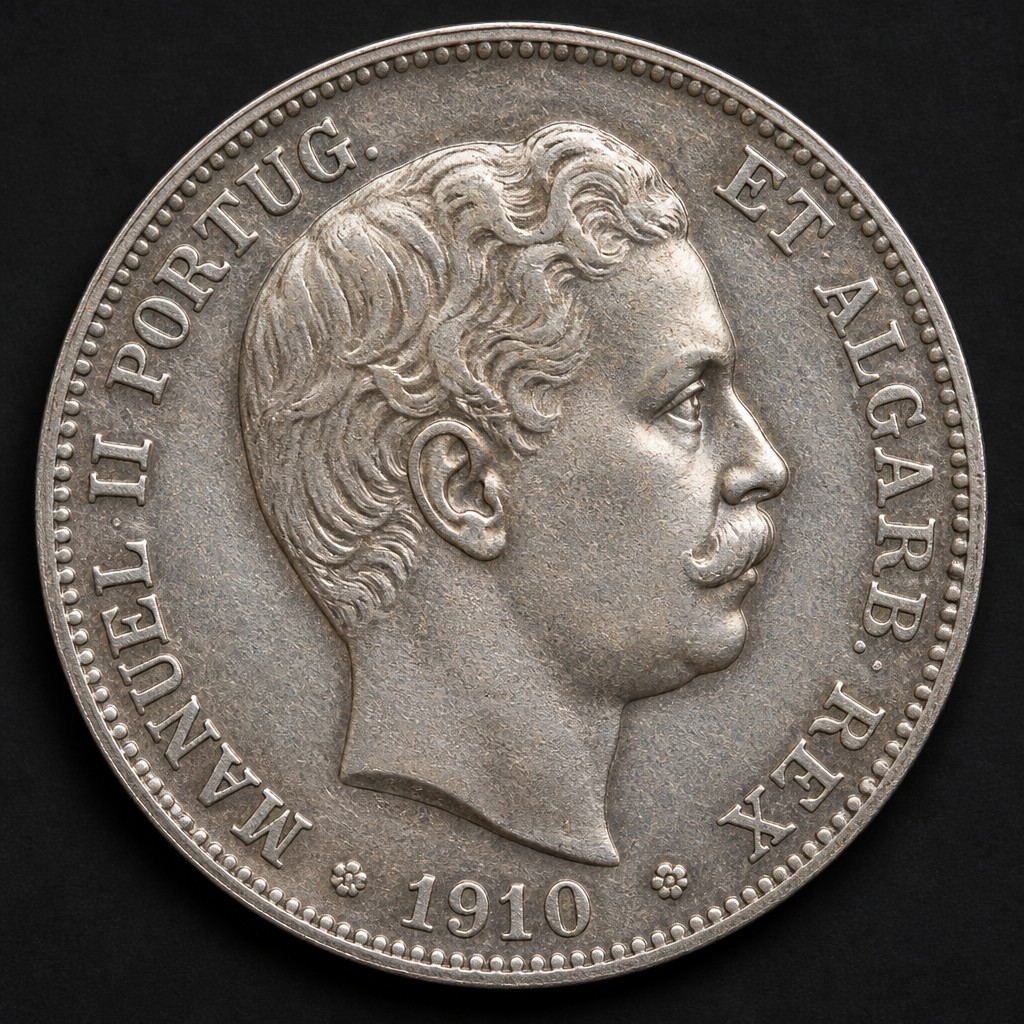
Portuguese 1000 Reis
19th century–1910 (Kingdom period)
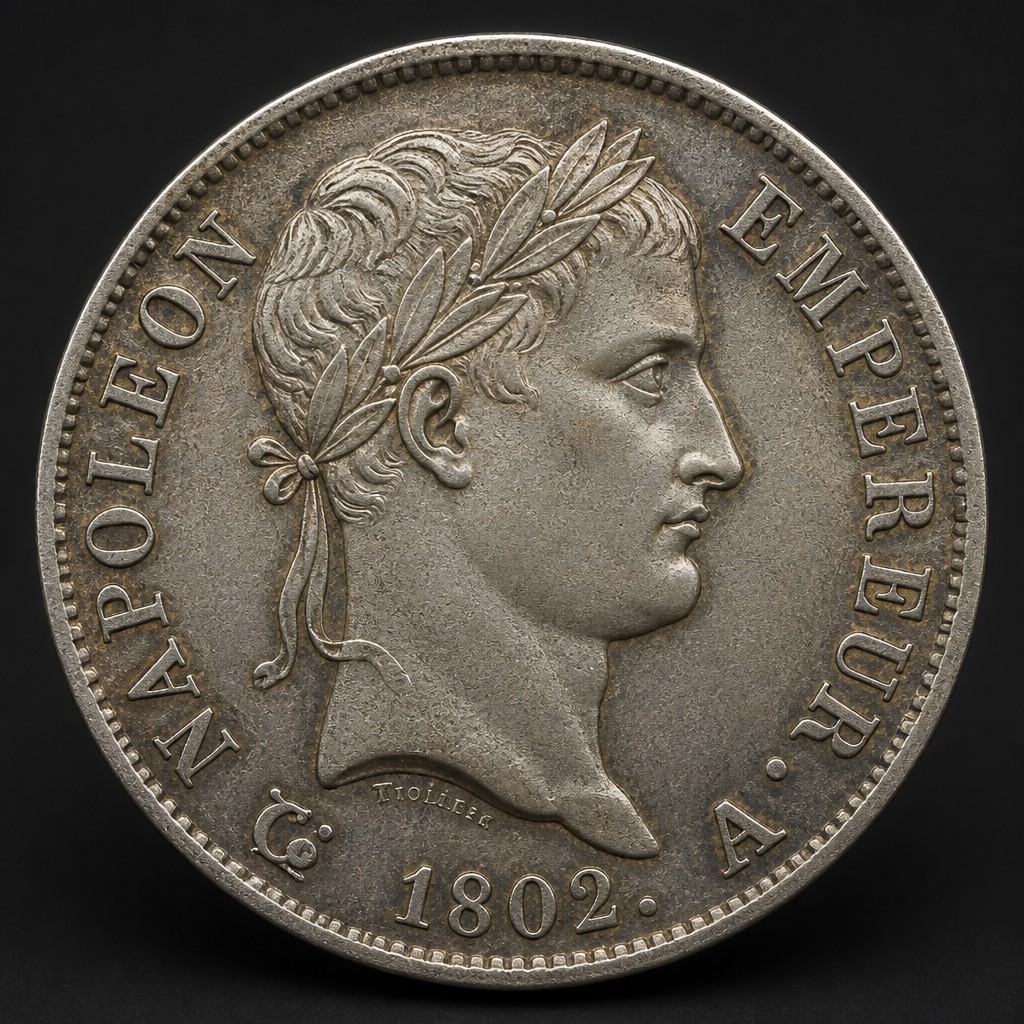
French 5 Francs "Napoleon"
1802–1815
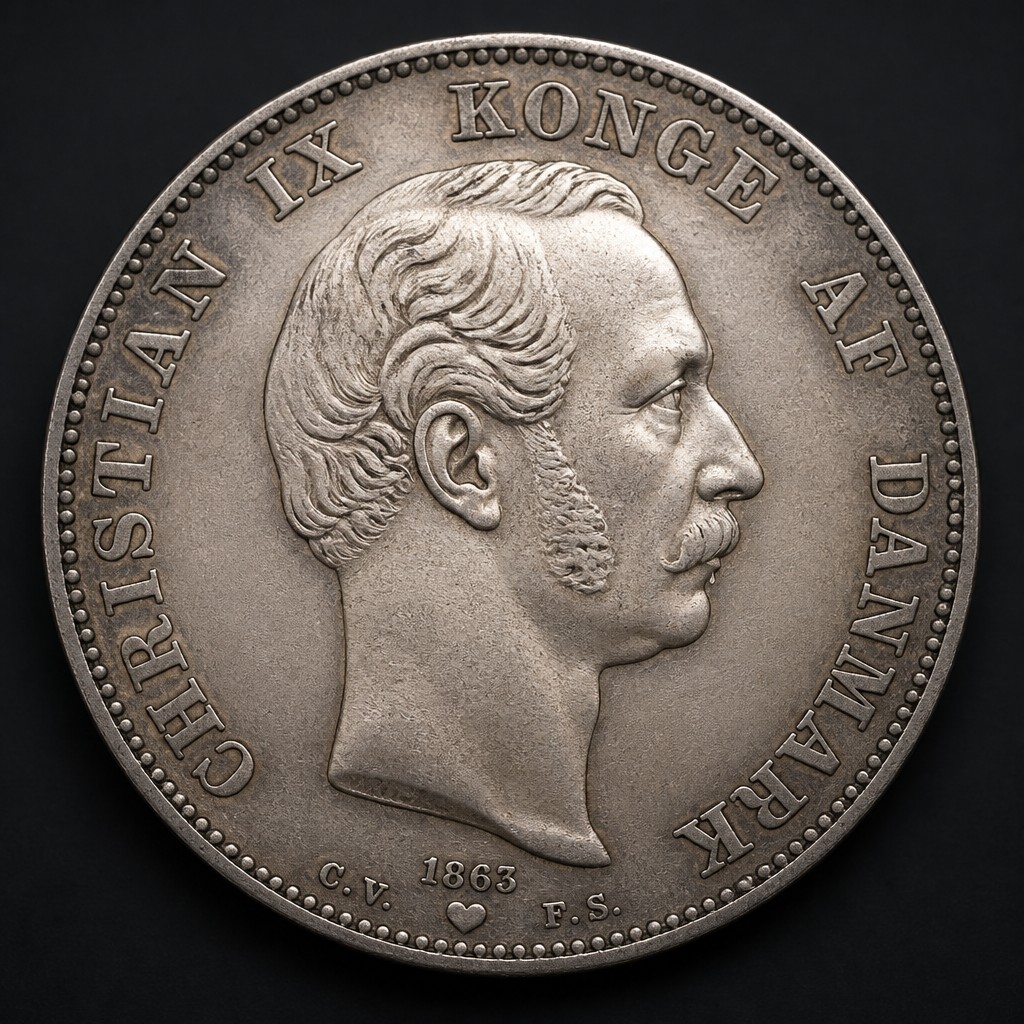
Danish 2 Rigsdaler
19th century (until 1873 currency reform)
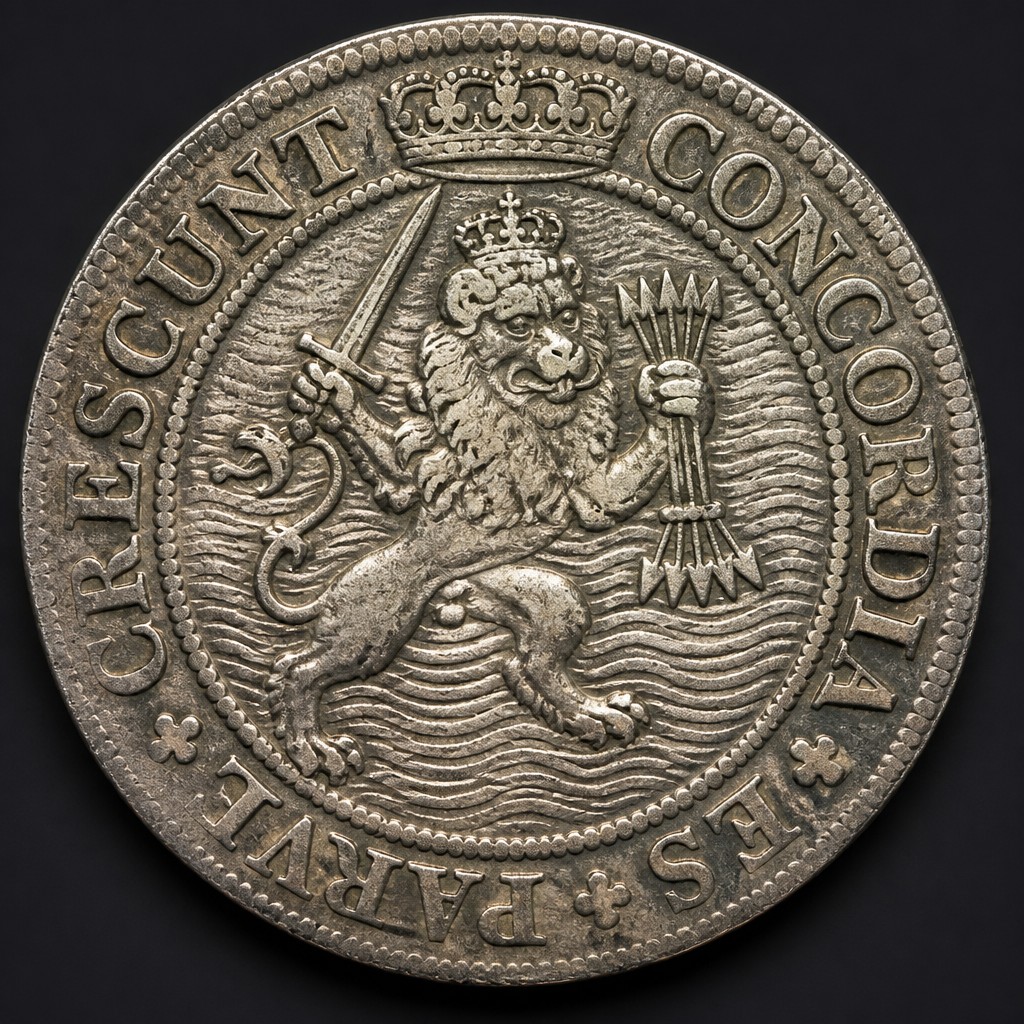
Dutch Lion Daalder (Leeuwendaalder)
c. 1575–1713