
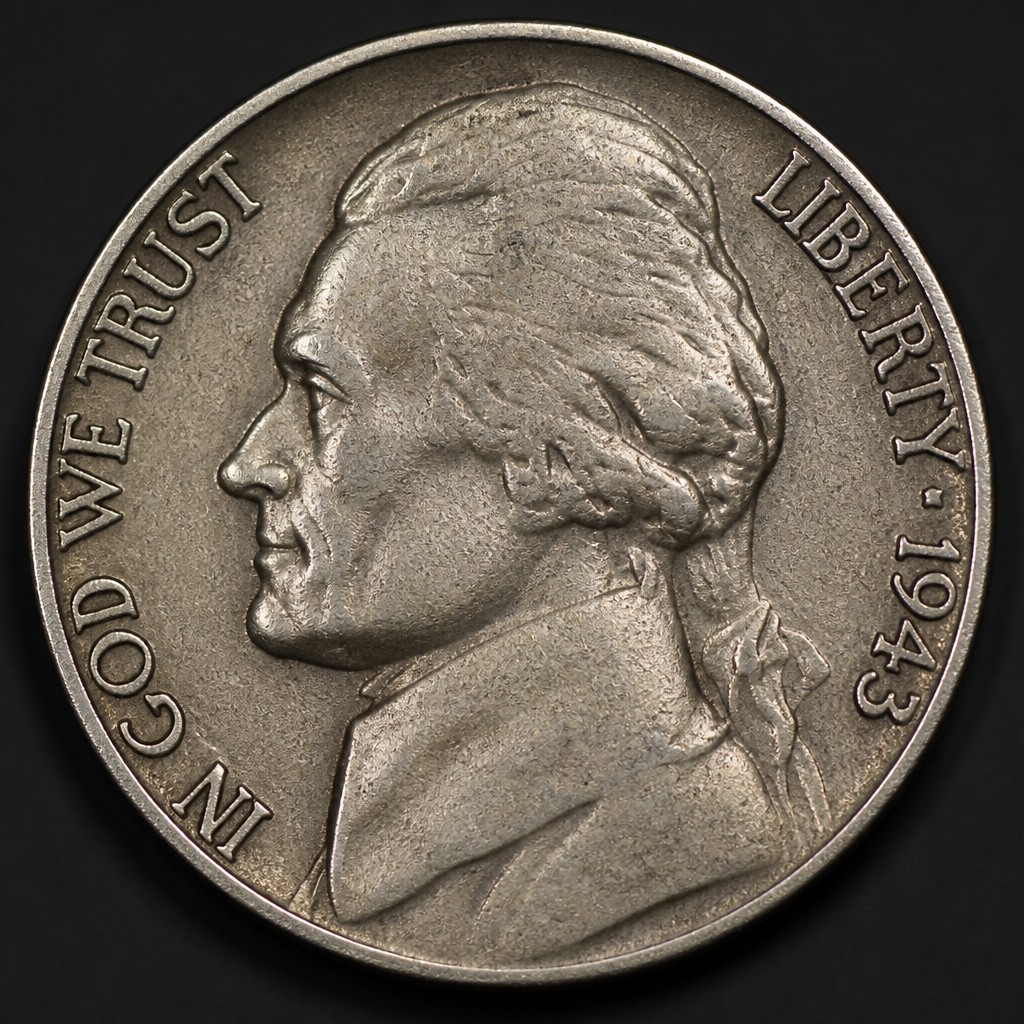
War Nickel (Silver 1942-1945 Jefferson Nickel)
A special wartime Jefferson Nickel alloy struck without nickel metal to conserve it for military use, identifiable by a large mintmark placed above Monticello's dome.
- Country
- United States
- Denomination
- Five Cents
- Metal
- 56% Copper, 35% Silver, 9% Manganese
Got a coin like this?
Identify any coin from a photo, free.
Overview
The Silver War Nickel is a distinctive wartime variation of the Jefferson Nickel, struck for a few years during World War II from an alloy that eliminated nickel metal entirely in favor of copper, silver, and manganese. It stands out both historically, as a direct product of wartime metal conservation, and physically, since it contains a meaningful amount of silver unlike any other Jefferson Nickel.
Collectors value the War Nickel both as a distinct short-lived subtype within the broader series and, for some, as a small but genuine source of silver bullion content in a widely circulated coin. Its large, oversized mintmark placement above Monticello's dome makes it instantly recognizable once collectors know what to look for.
Because the entire wartime run shares this unique composition, the type is often collected as a set unto itself, spanning Philadelphia, Denver, and San Francisco issues across the war years.
History & Background
With the United States entering World War II, nickel metal became a strategic material needed for armor plating and other military applications. In response, Congress authorized a temporary change to the five-cent piece's composition in 1942, removing nickel from the alloy and replacing it with a mix of copper, silver, and manganese.
To make the wartime coins easy to identify and later withdraw from circulation for their silver content, the Mint placed an unusually large mintmark above the dome of Monticello on the reverse, including, for the first time, a P mintmark for coins struck at the Philadelphia Mint, which had not previously used a mintmark on nickels.
Production of the wartime alloy ran from mid-1942 through 1945, after which the Mint reverted to the standard copper-nickel composition once the wartime need for nickel metal had passed.
How to Identify
The obverse retains the standard Jefferson Nickel design, showing Jefferson's portrait facing left with LIBERTY and a star, IN GOD WE TRUST above, and the date below. The reverse still depicts Monticello, but the defining feature of the War Nickel is the large mintmark letter placed directly above the dome of the building, rather than in the usual location to the right of Monticello used on standard nickels.
Mintmarks include P for Philadelphia, D for Denver, and S for San Francisco, all rendered in an oversized font compared to normal U.S. mintmarks of the period. The date range for this alloy runs from mid-1942 through 1945; early 1942 Philadelphia and Denver nickels struck before the alloy change still use the standard copper-nickel composition and normal mintmark placement, so date alone is not sufficient to identify the wartime type.
Because the silver alloy tones differently than standard copper-nickel, War Nickels often show a distinctive darker or muted appearance compared to regular nickels, though color alone should not be relied upon; the large mintmark above Monticello is the definitive identifying feature.
Value & Collectibility
War Nickels are collected both for numismatic interest and for their modest silver bullion content, meaning their baseline value tends to track silver metal prices even in worn condition, with a small additional premium for the coin's collectible status. Certain dates and mintmarks within the wartime run are scarcer than others, and uncirculated or well-struck examples bring more than the bullion floor.
Because the type was widely saved once its silver content became known, War Nickels remain fairly available across most grades, and prices for common dates in circulated condition stay relatively modest and closely tied to prevailing silver prices, while choice uncirculated examples of tougher dates command higher premiums.
Frequently asked questions
Why do War Nickels contain silver?
Nickel metal was needed for wartime military production, so the Mint temporarily replaced it with a copper-silver-manganese alloy from mid-1942 through 1945.
How can I tell a War Nickel from a regular Jefferson Nickel?
Look for a large mintmark letter (P, D, or S) directly above the dome of Monticello on the reverse; regular nickels place the mintmark to the right of the building.
Are all 1942 nickels War Nickels?
No, only those struck after the mid-1942 alloy change carry the silver composition and large mintmark; early 1942 coins use the standard copper-nickel alloy.
Do War Nickels have real silver value?
Yes, they contain 35% silver, so their value generally tracks the current price of silver plus a modest numismatic premium.
Other coins you may enjoy
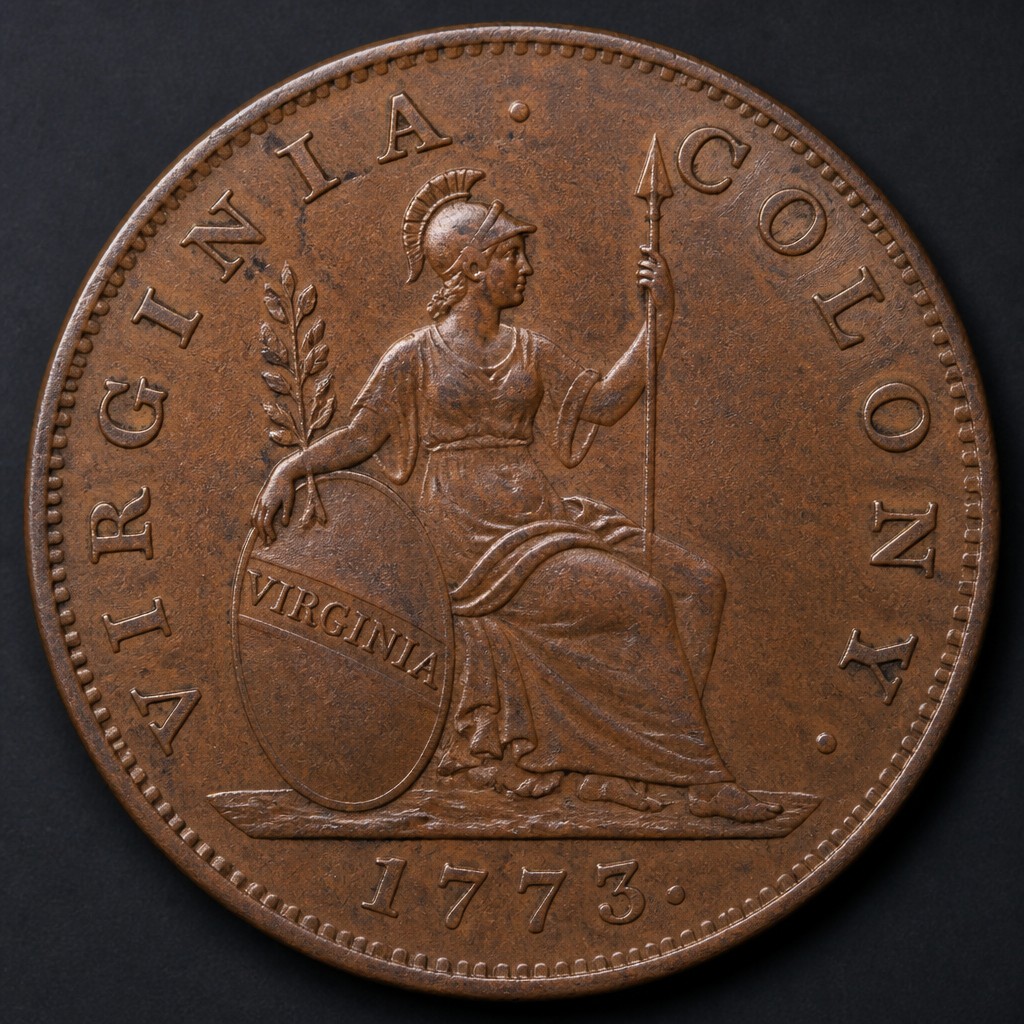
Virginia Halfpenny
1773
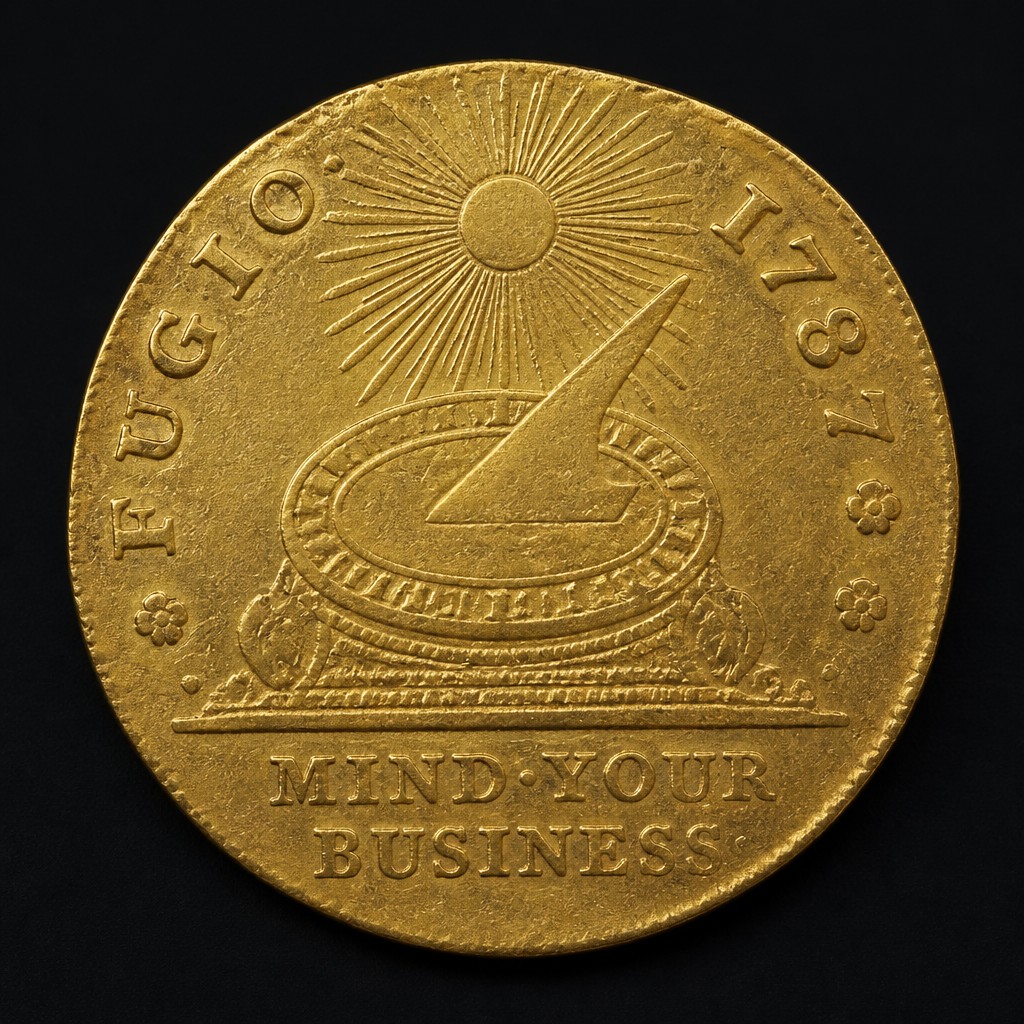
Brasher Doubloon
1787
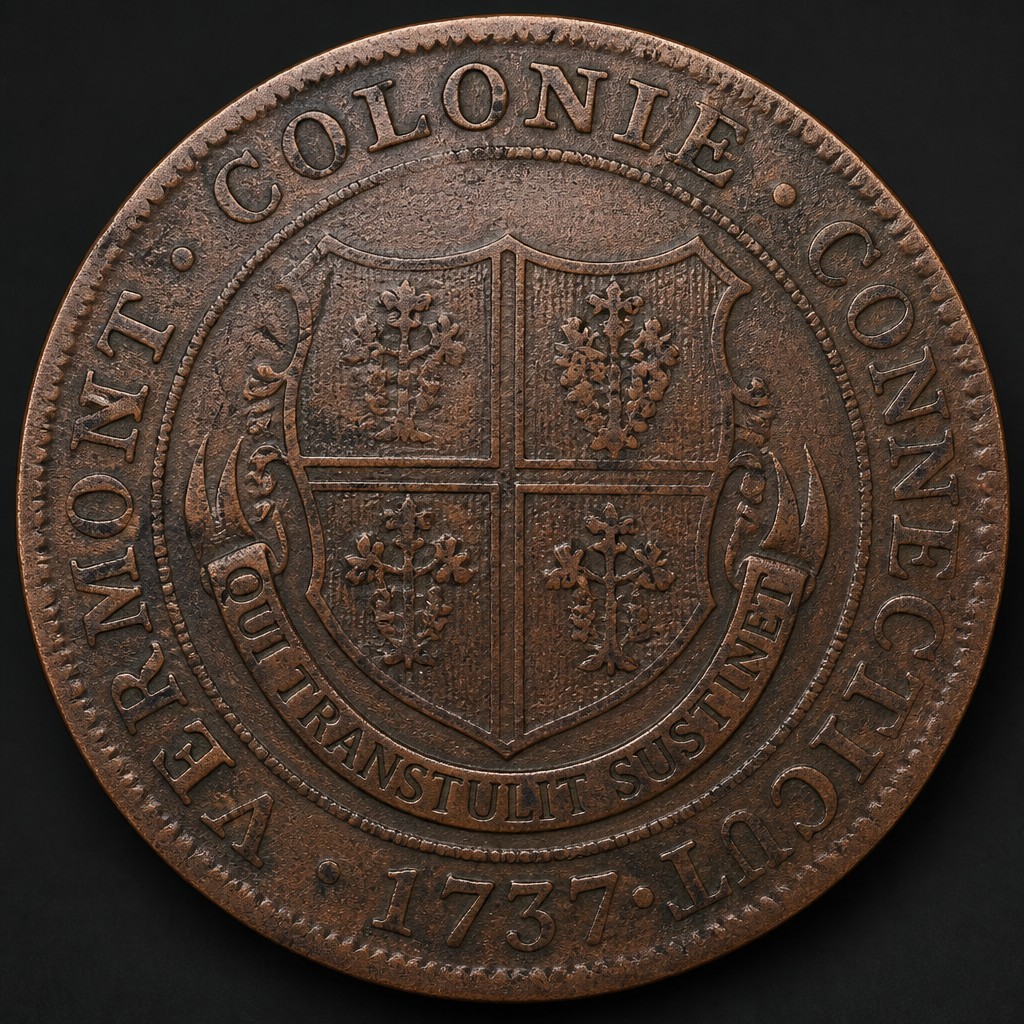
Higley Copper
1737–1739
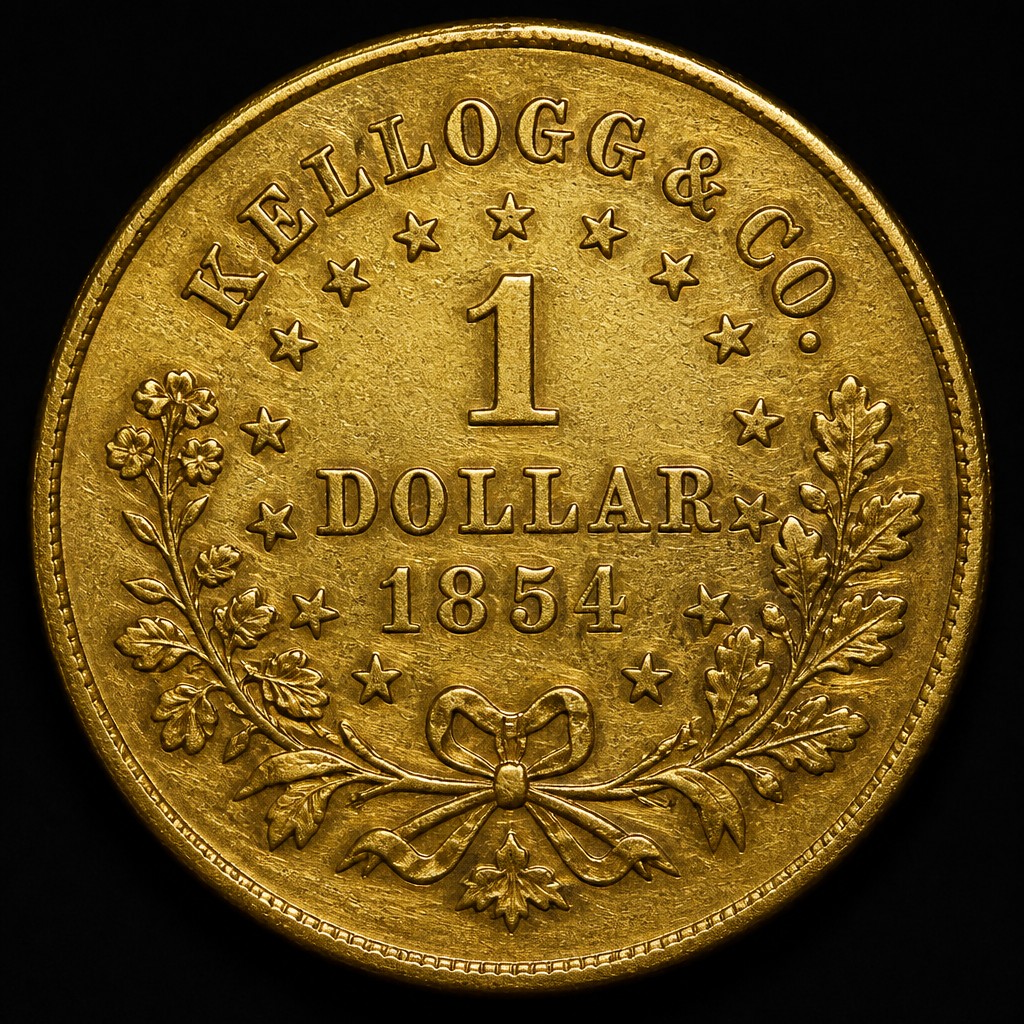
Kellogg & Co. Gold Piece
1854–1855
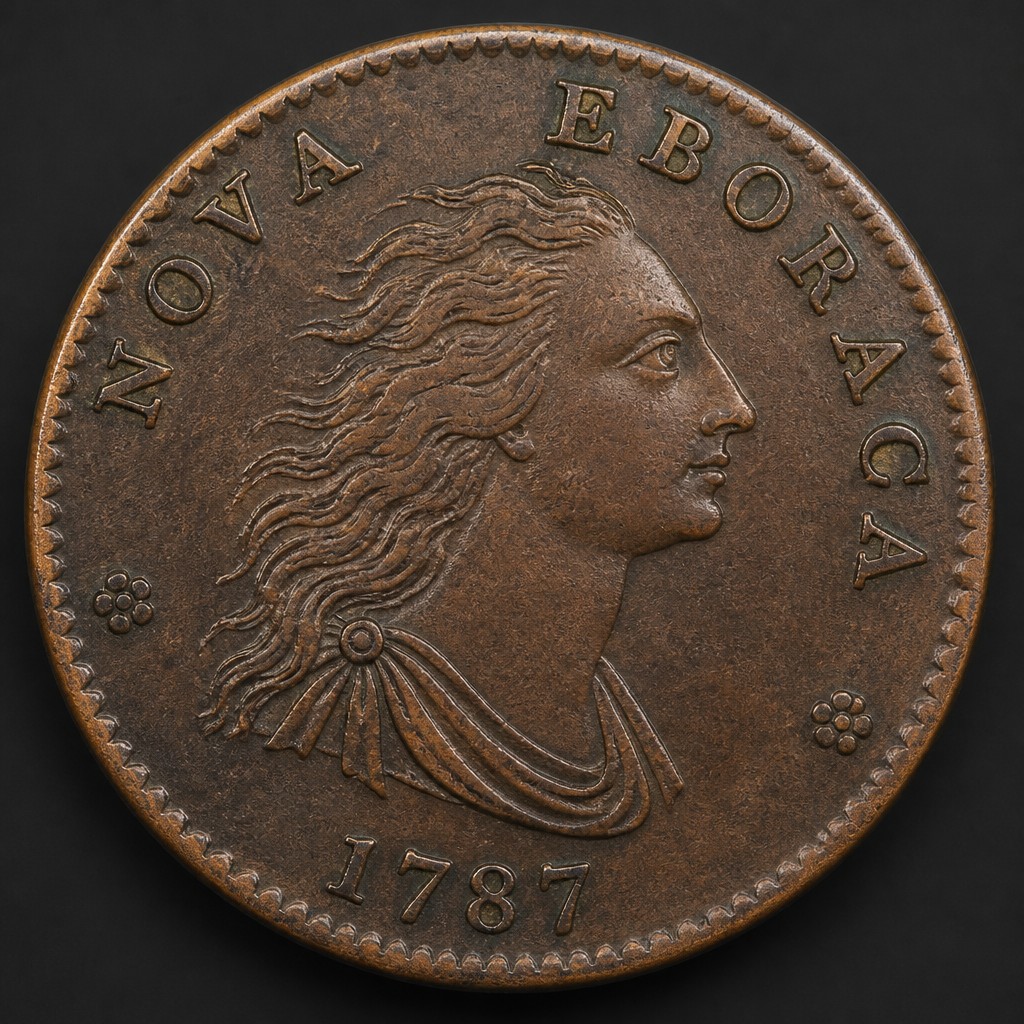
Nova Eborac Copper
1787
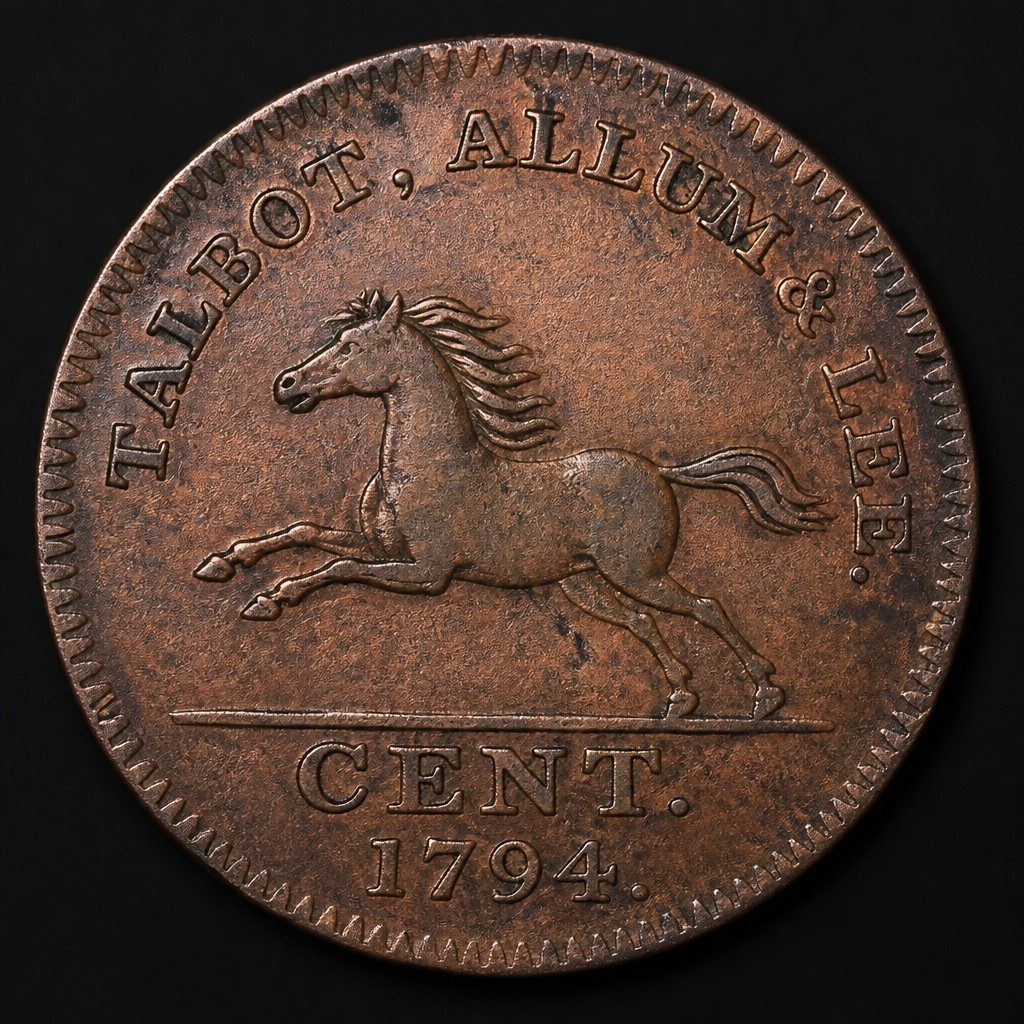
Talbot, Allum & Lee Cent
1794–1795
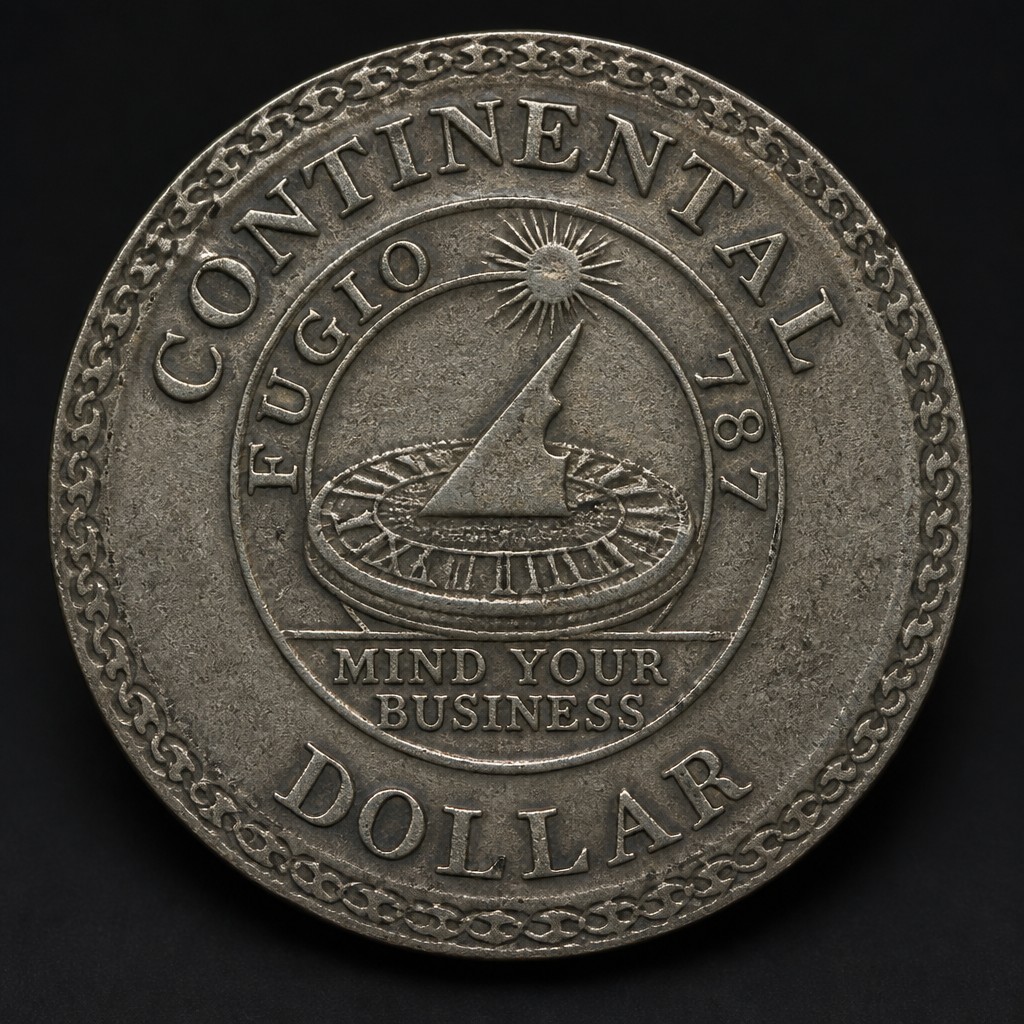
Continental Dollar
1776
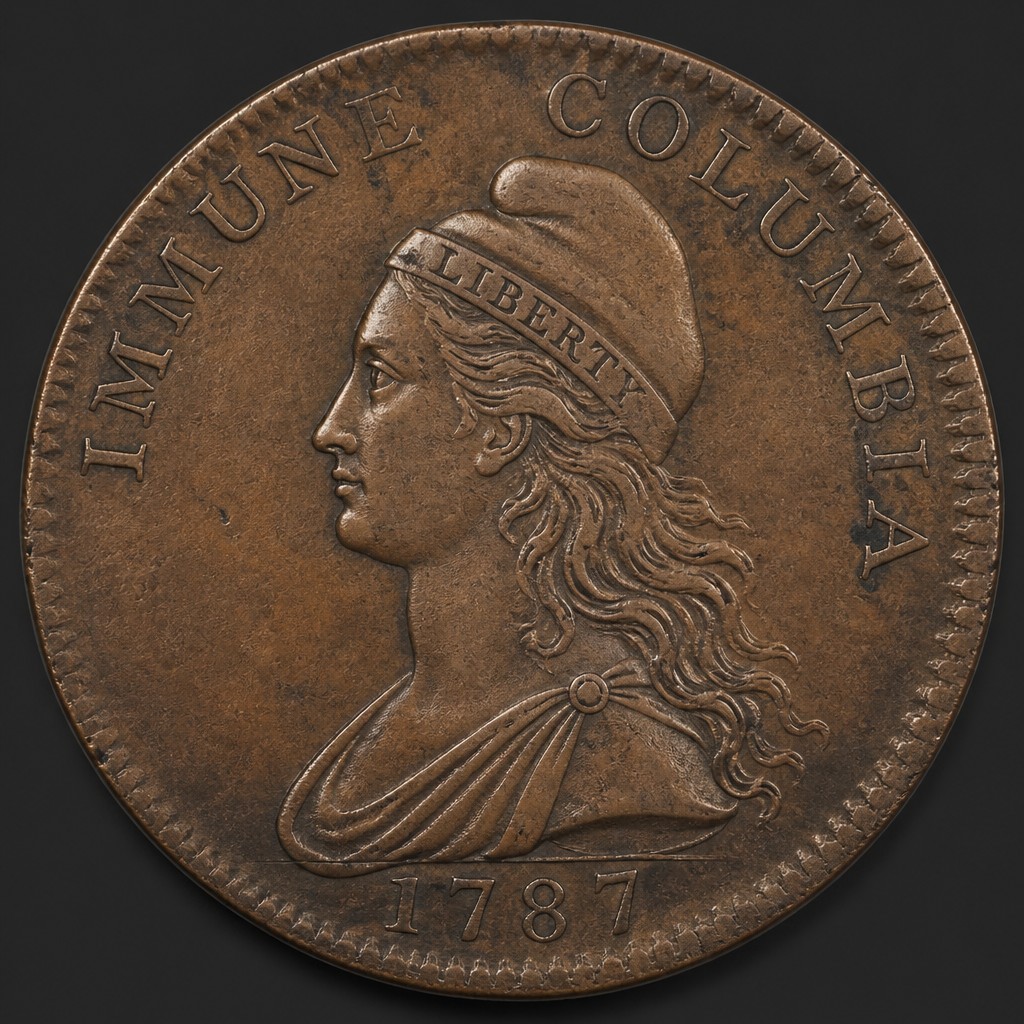
Immune Columbia Copper
circa 1785–1787
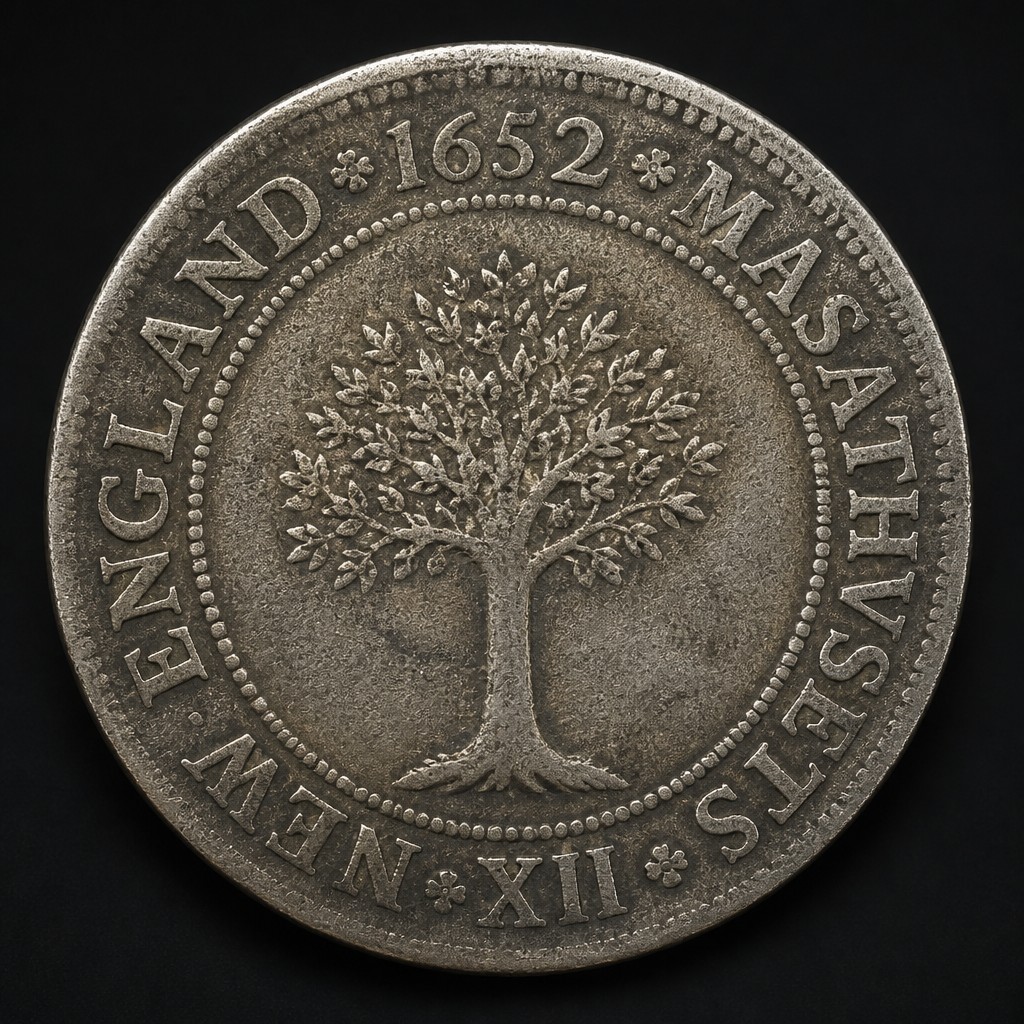
Massachusetts Oak Tree Shilling
Dated 1652, struck circa 1660–1667
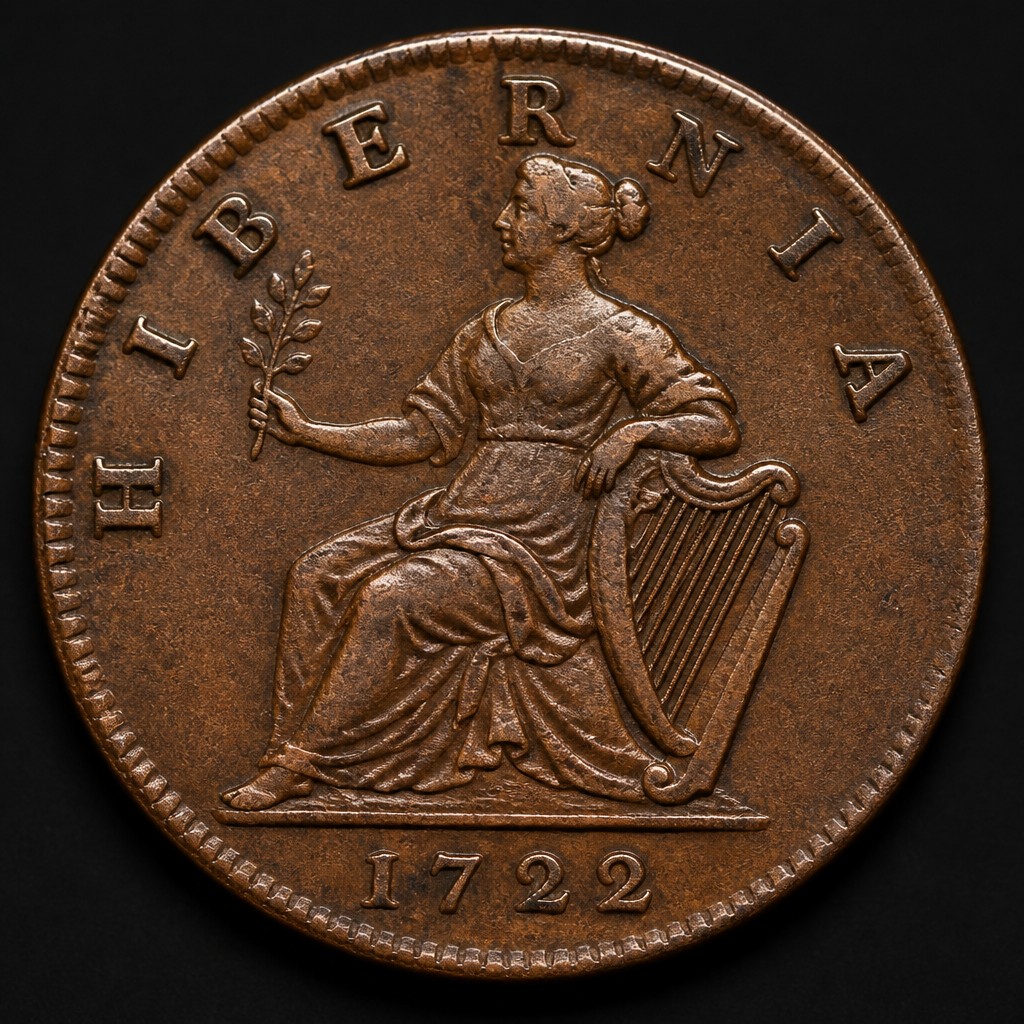
Wood's Hibernia Halfpenny
1722–1724
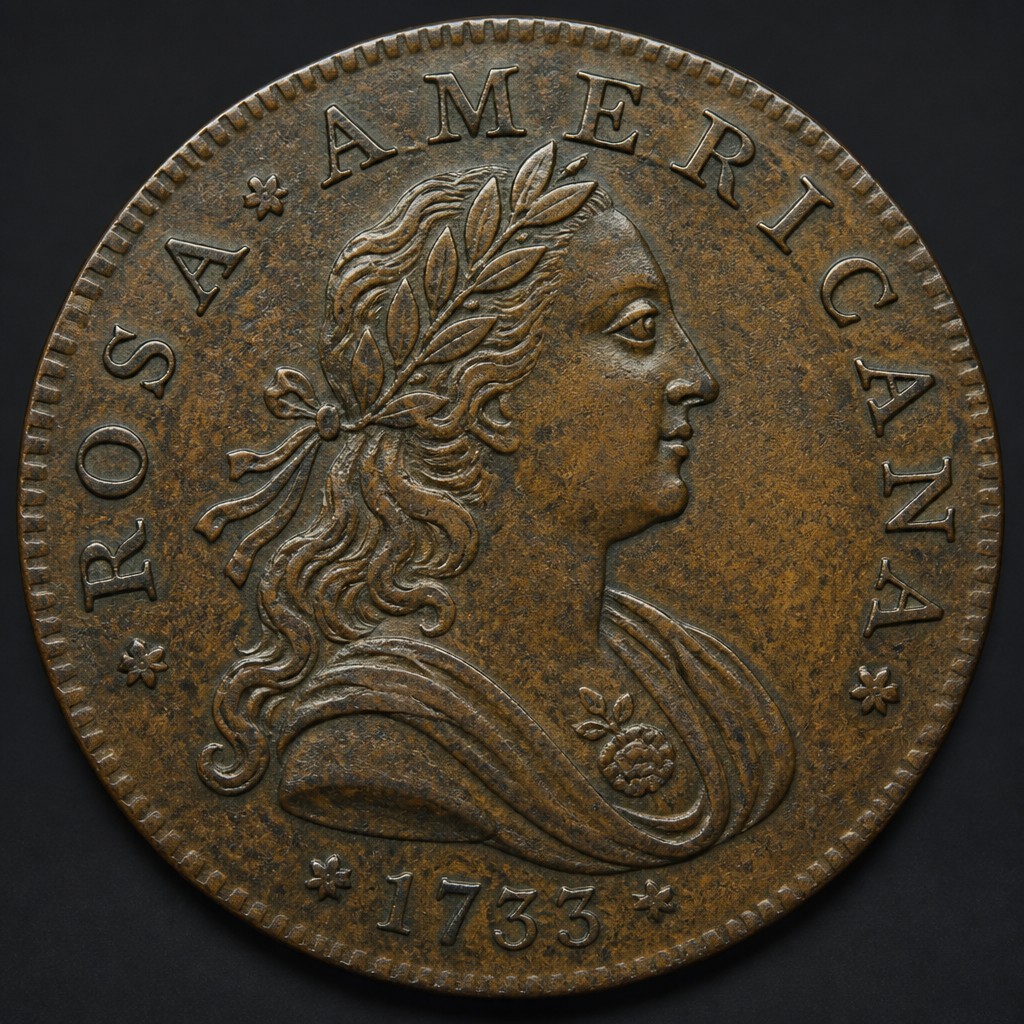
Rosa Americana Coinage
1722–1724 (with pattern issues dated 1733)
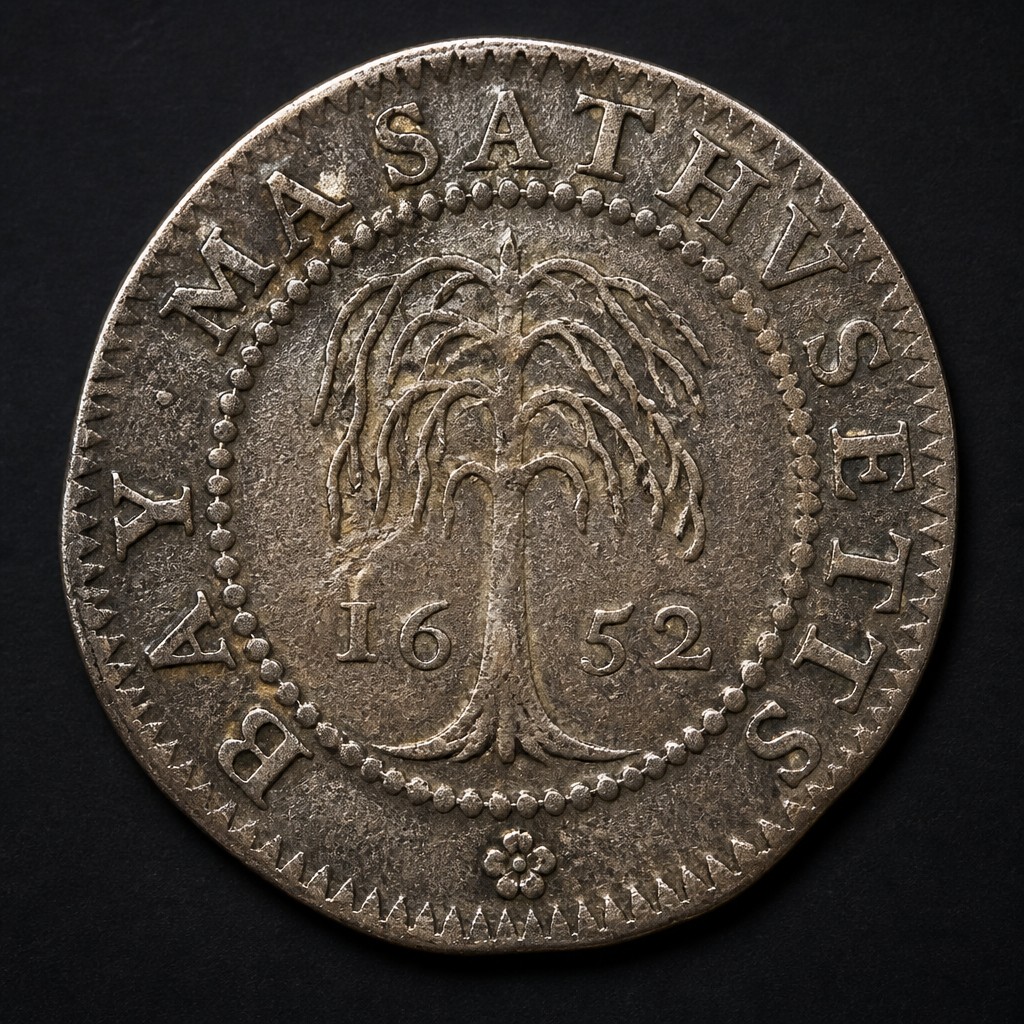
Massachusetts Willow Tree Shilling
Dated 1652, struck circa 1653–1660