
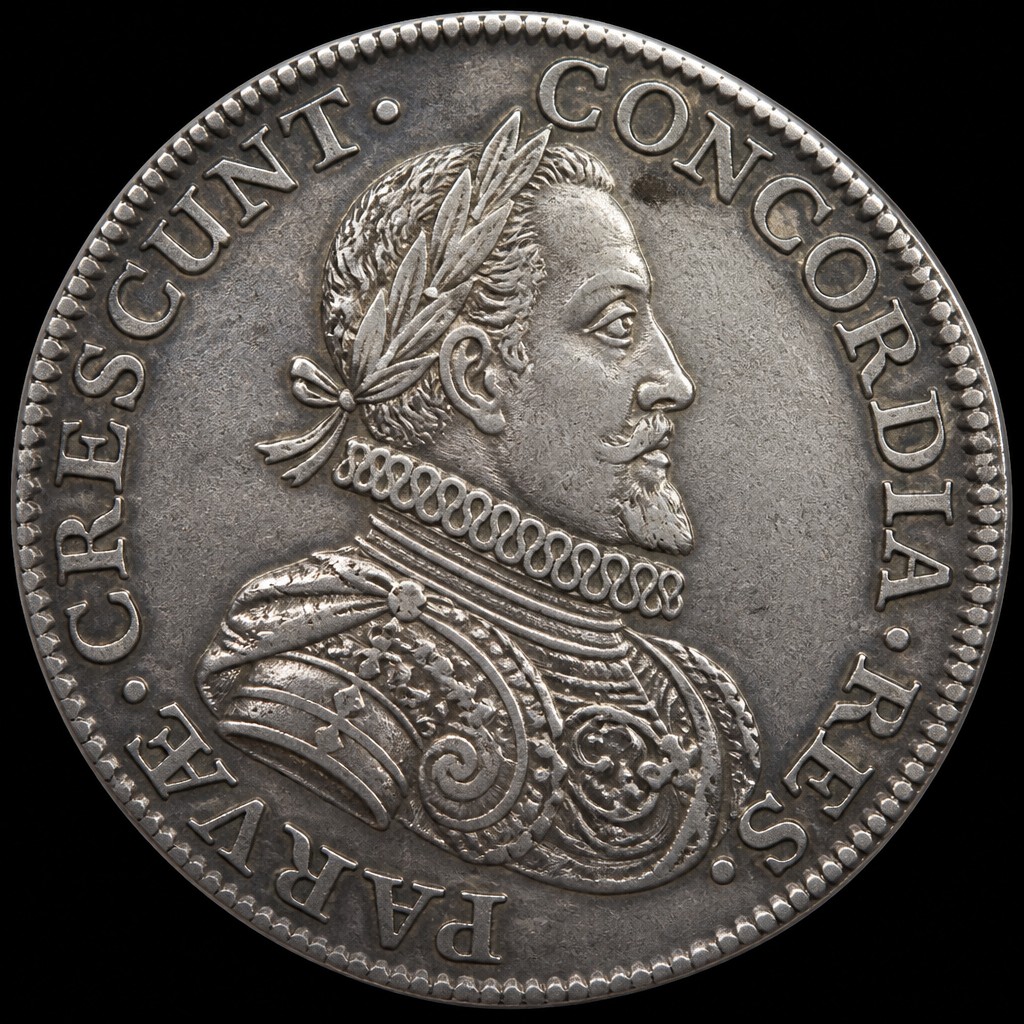
Netherlands Rijksdaalder
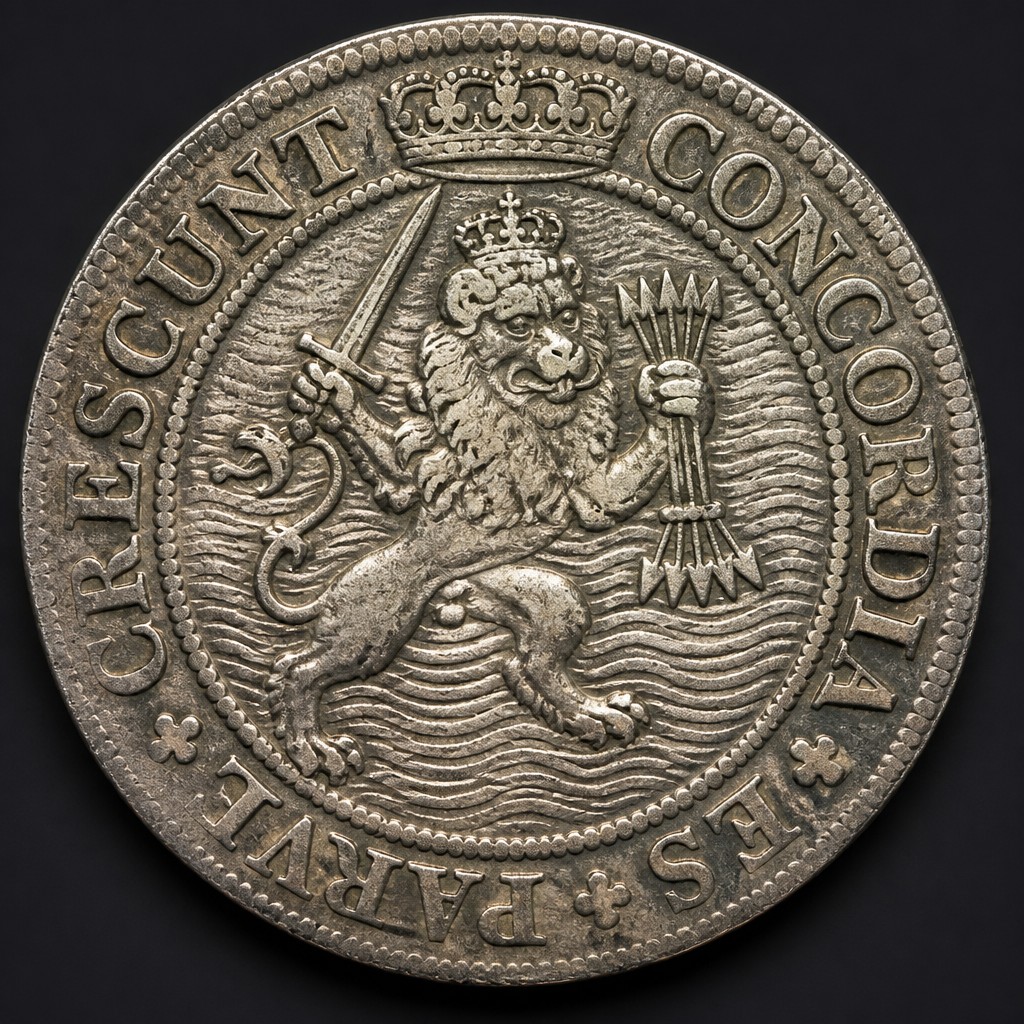
A historic large silver crown-sized coin of the Low Countries, the rijksdaalder became a trusted trade coin across Europe for centuries and lent its name to the modern Dutch 2½-guilder piece.
- Country
- Netherlands
- Denomination
- Rijksdaalder (historically valued at roughly 2.5 guilders)
- Metal
- Silver, fineness varied by era (generally .800-.940)
Got a coin like this?
Identify any coin from a photo, free.
Overview
The rijksdaalder (literally "national thaler" or "imperial dollar") emerged in the late 16th century as the Dutch provinces, following the German thaler standard, began striking their own large silver trade coins. As the Dutch Republic's commercial and maritime power grew through the 17th century, the rijksdaalder became one of the most widely circulated and trusted large silver coins in European and colonial trade, valued for its consistent weight and silver content.
Various Dutch provinces and cities struck their own rijksdaalder types with differing obverse designs, most commonly featuring an armored, helmeted bust or a provincial coat of arms, but all conforming to a broadly shared weight standard that allowed the coin to function as a de facto pan-Netherlands trade currency even before political unification.
Although the original large silver rijksdaalder fell out of production as coinage systems modernized, the name persisted colloquially in the Netherlands, later being applied to the 2½ guilder coin of the unified Kingdom, a naming tradition that lasted until the Netherlands adopted the euro in 2002.
History & Background
The rijksdaalder traces its origins to the broader European thaler tradition that began with the Joachimsthaler of Bohemia in the early 1500s, spreading across German-speaking and Low Countries mints as a large, standardized silver trade coin. Dutch provinces adopted the standard in the later 16th century amid the Eighty Years' War and the rise of the Dutch Republic as an independent commercial power.
Through the Dutch Golden Age of the 17th century, the rijksdaalder circulated alongside other Dutch trade coins like the "leeuwendaalder" (lion dollar) and later the ducaton, serving merchants across the Baltic, the Levant, and Dutch colonial possessions. Because provinces retained significant minting autonomy under the decentralized Dutch Republic, rijksdaalders show considerable stylistic variety despite sharing a common weight and value standard.
After the Netherlands became a unified Kingdom in the early 19th century and adopted a decimal guilder system, the historic silver rijksdaalder denomination was retired, but the name lived on informally for the 2½ guilder coin, reflecting centuries of monetary tradition carried into the modern era.
How to Identify
Historic rijksdaalders typically show either an armored bust of a stadtholder or a monarch, or a provincial coat of arms (often a lion, reflecting Dutch heraldry) on the obverse, with Latin legends naming the issuing province or ruler. Reverse designs commonly display a crowned shield of arms, sometimes with a cross or orb, along with the province name, date, and denomination indicators.
The coin was struck in silver at a large, crown-like size (often 40-45mm) reflecting its status as a major trade denomination, with weight and fineness generally comparable to the German thaler standard of the period, though exact specifications varied by province and era. Mintmarks or privy marks specific to individual Dutch mint cities appear on many issues and are important for precise attribution.
Because numerous provinces and periods produced rijksdaalder types with different obverse motifs, collectors should compare a specific coin's legends, coat of arms, and date carefully against reference catalogs of Dutch provincial coinage; the term "rijksdaalder" spans several centuries and design families rather than a single fixed design, unlike more standardized national coinages.
Value & Collectibility
Values for historic silver rijksdaalders vary enormously by province, date, ruler, and condition; common 17th- and 18th-century types in worn grades are reasonably accessible to collectors, while scarcer provincial issues, early types, or coins in choice condition can command significantly higher prices. As with most Dutch provincial silver, well-struck, evenly toned examples with minimal wear or edge damage are valued well above typical circulated survivors.
Because the rijksdaalder concept spans centuries and many minting authorities, specialized reference works on Dutch provincial coinage are essential for accurately assessing rarity and value for a specific piece; generic "old Dutch silver crown" pricing does not apply evenly across the full range of types.
Frequently asked questions
What does "rijksdaalder" mean?
It translates roughly to "national" or "imperial" thaler/dollar, reflecting its origin as the Dutch version of the broader European large silver thaler coinage.
Is the rijksdaalder one specific coin design?
No, it refers to a category of large Dutch silver coins issued by various provinces and periods with differing obverse and reverse designs sharing a common value standard.
How does the historic rijksdaalder relate to the modern 2½ gulden coin?
The name was later applied informally to the Kingdom of the Netherlands' 2½ guilder coin, carrying the historic tradition into the 19th and 20th centuries.
When did rijksdaalder coinage end?
The original large silver trade coin faded with monetary modernization in the 19th century, though the name persisted for the 2½ guilder coin until the euro's introduction in 2002.
Other coins you may enjoy
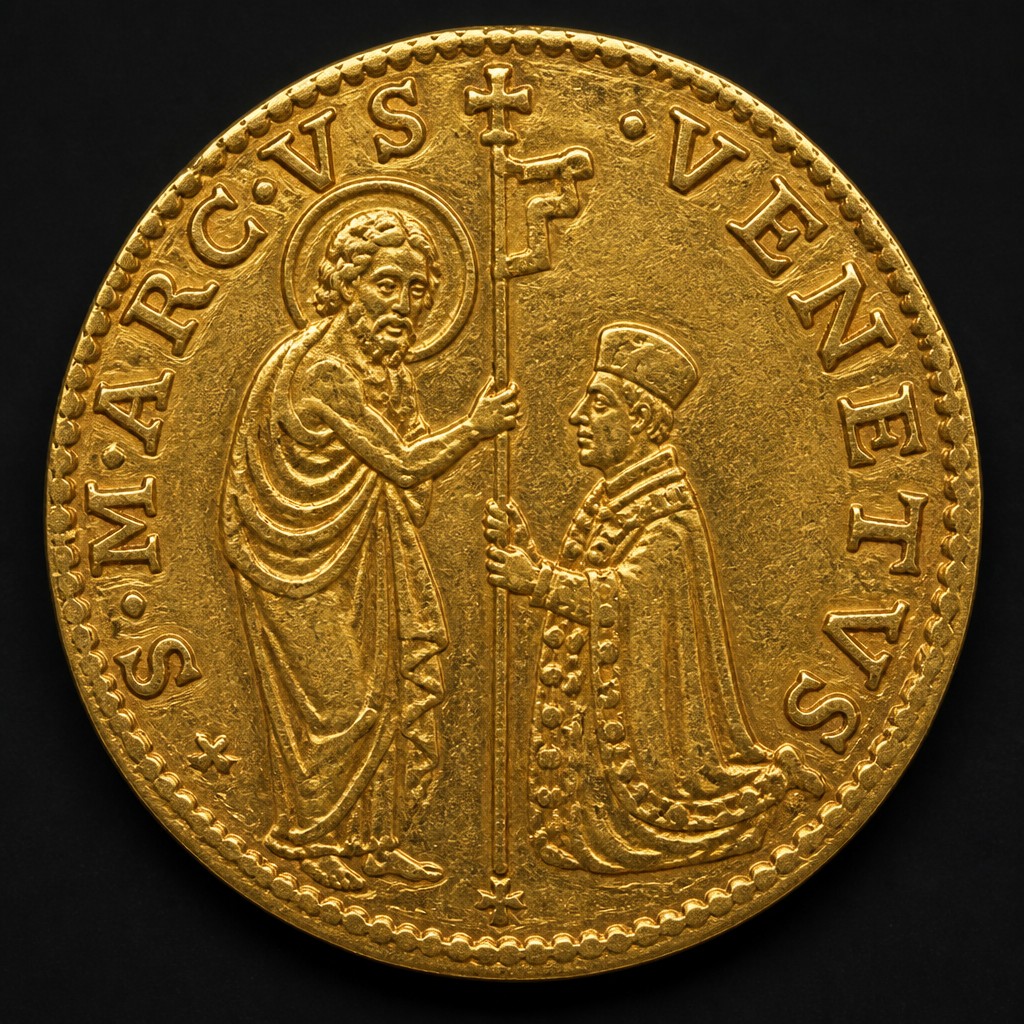
Venetian Ducat
1284–1797
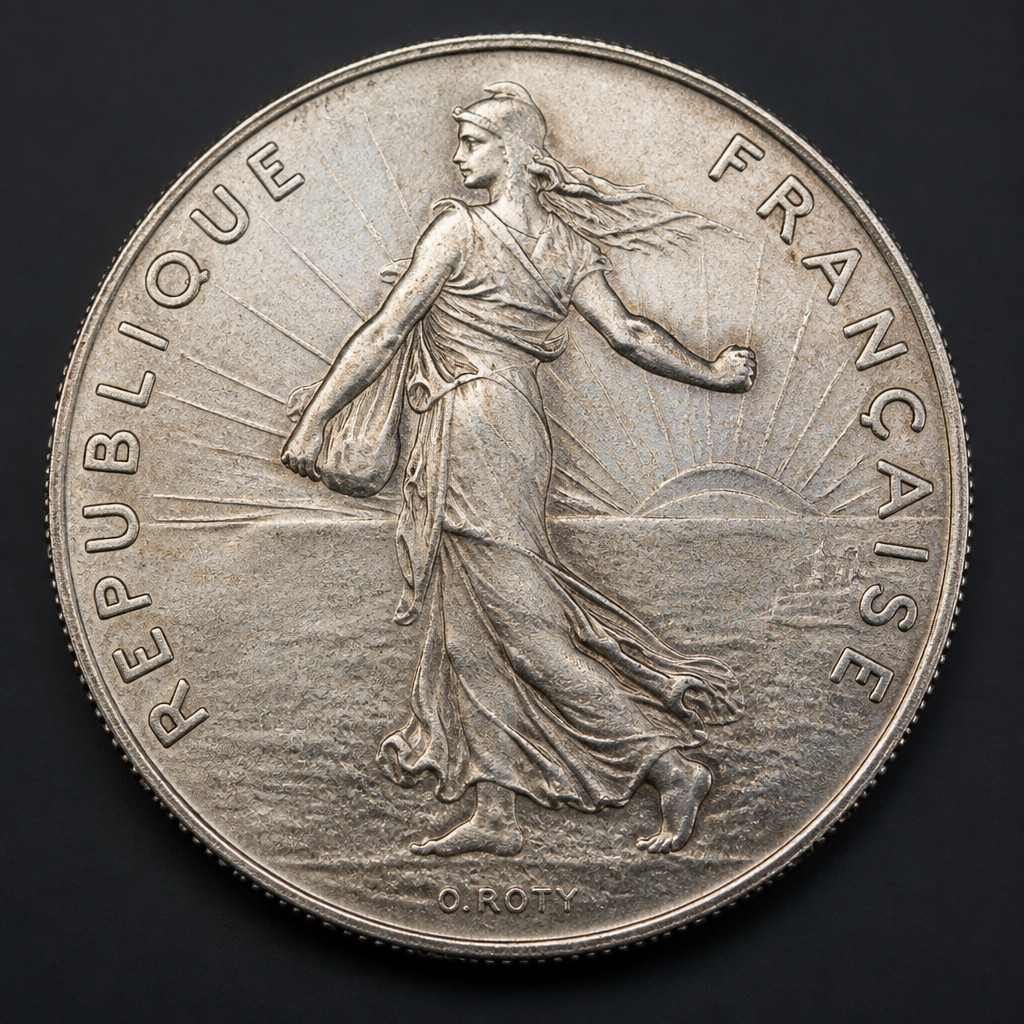
French 100 Francs Silver
1980s–2001 (pre-euro era)
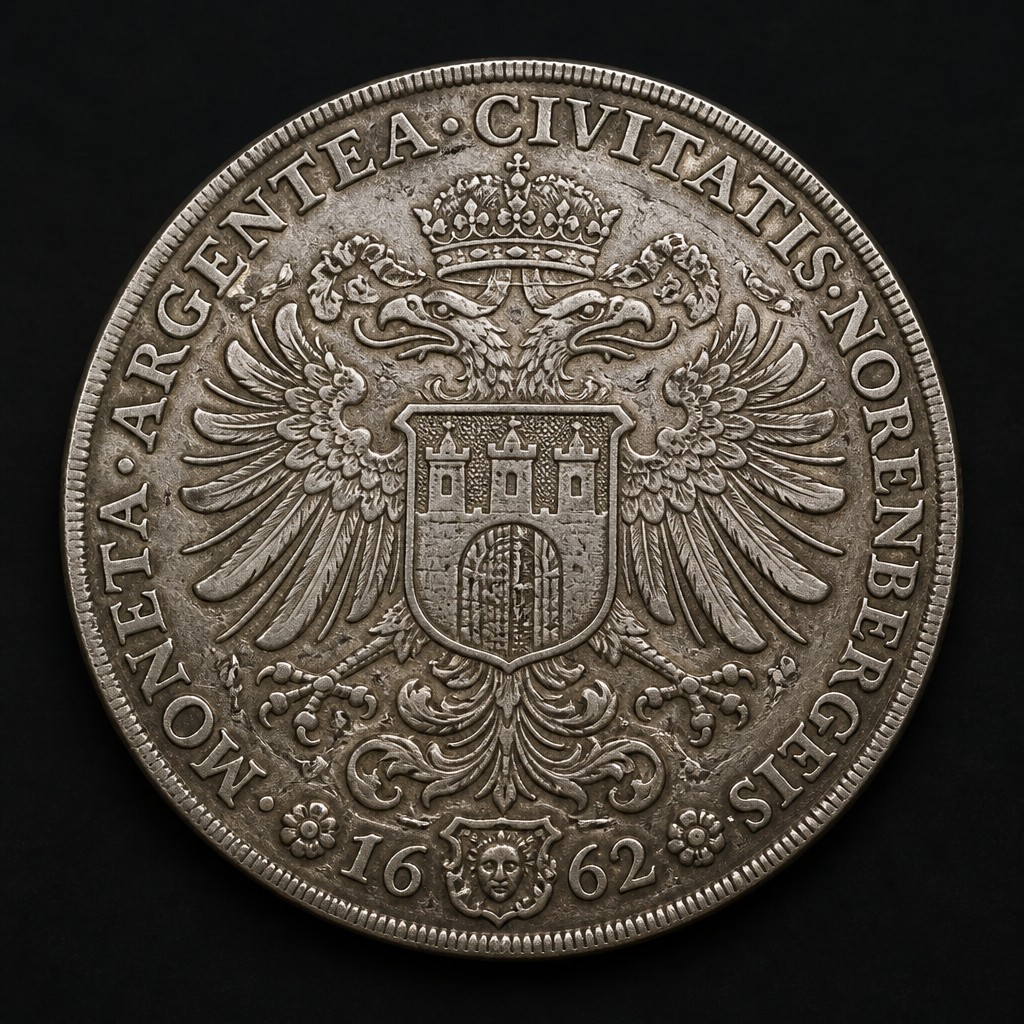
Nuremberg Thaler
16th–18th century
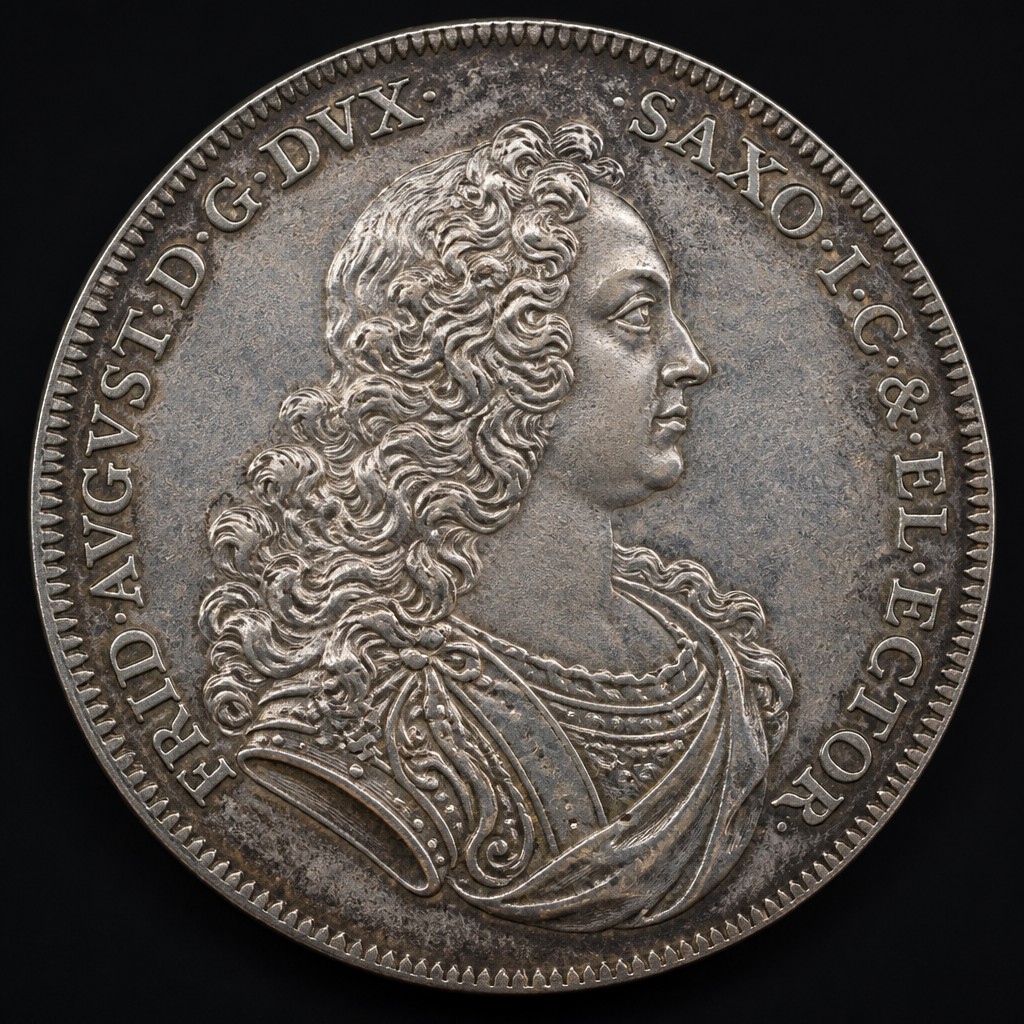
Saxon Speciestaler
17th–19th century
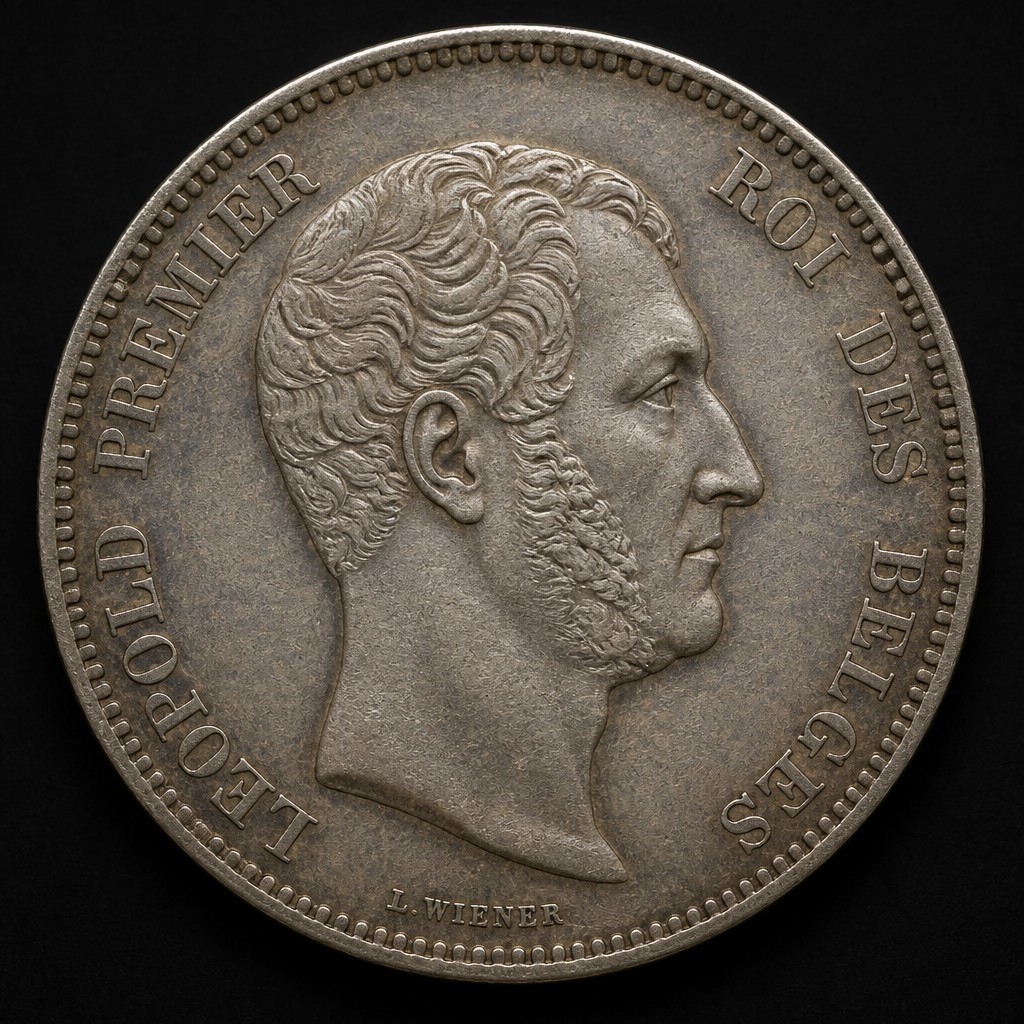
Belgian 5 Francs
1832–1876 (large silver type); later reduced-size and later-metal issues into the 20th century
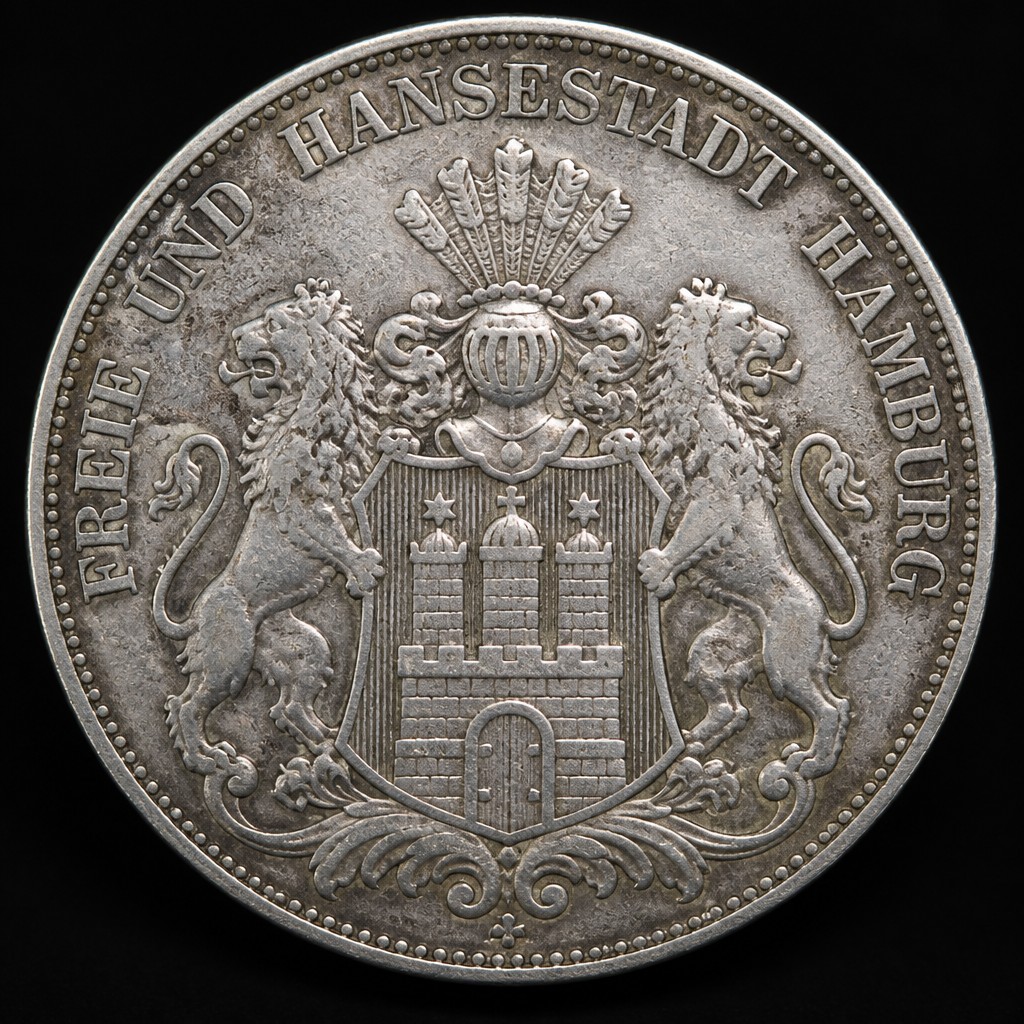
Hamburg Thaler
17th century–1871
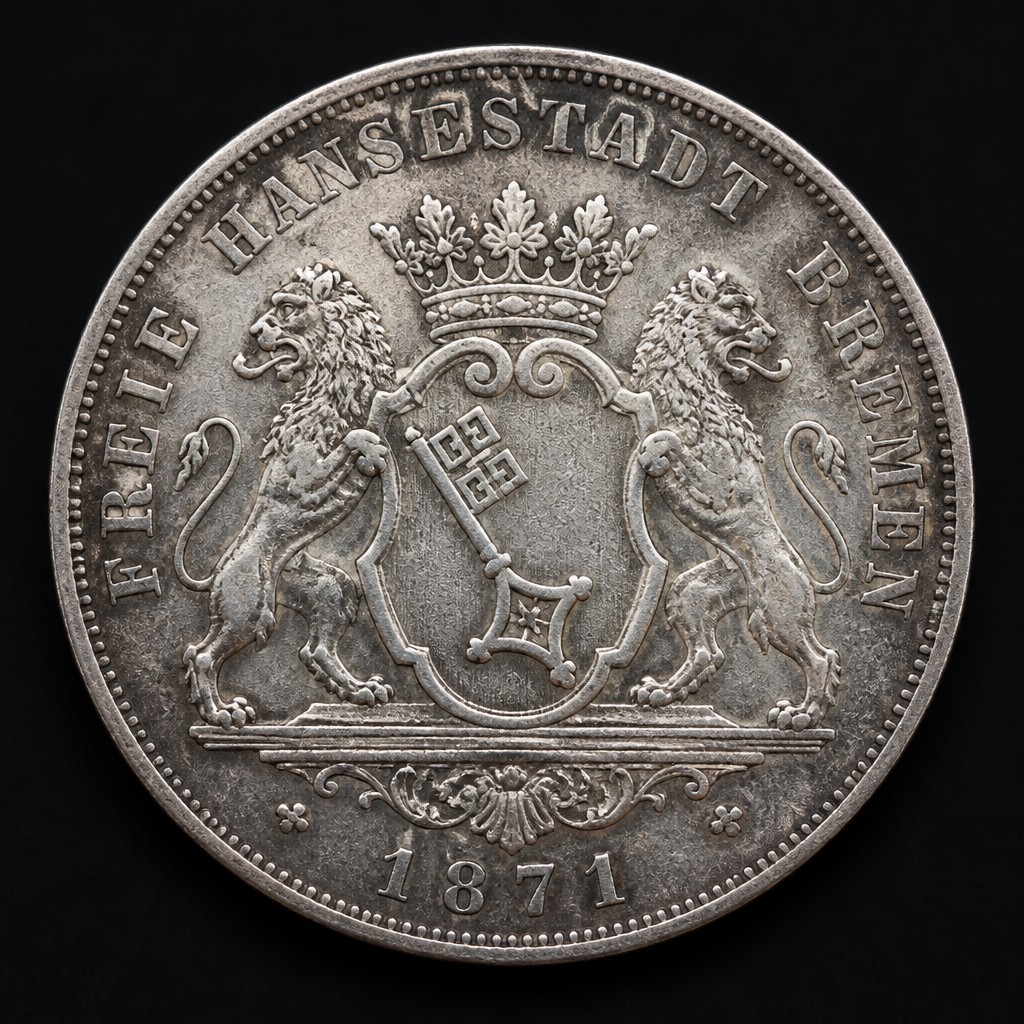
Bremen Thaler
17th century–1871
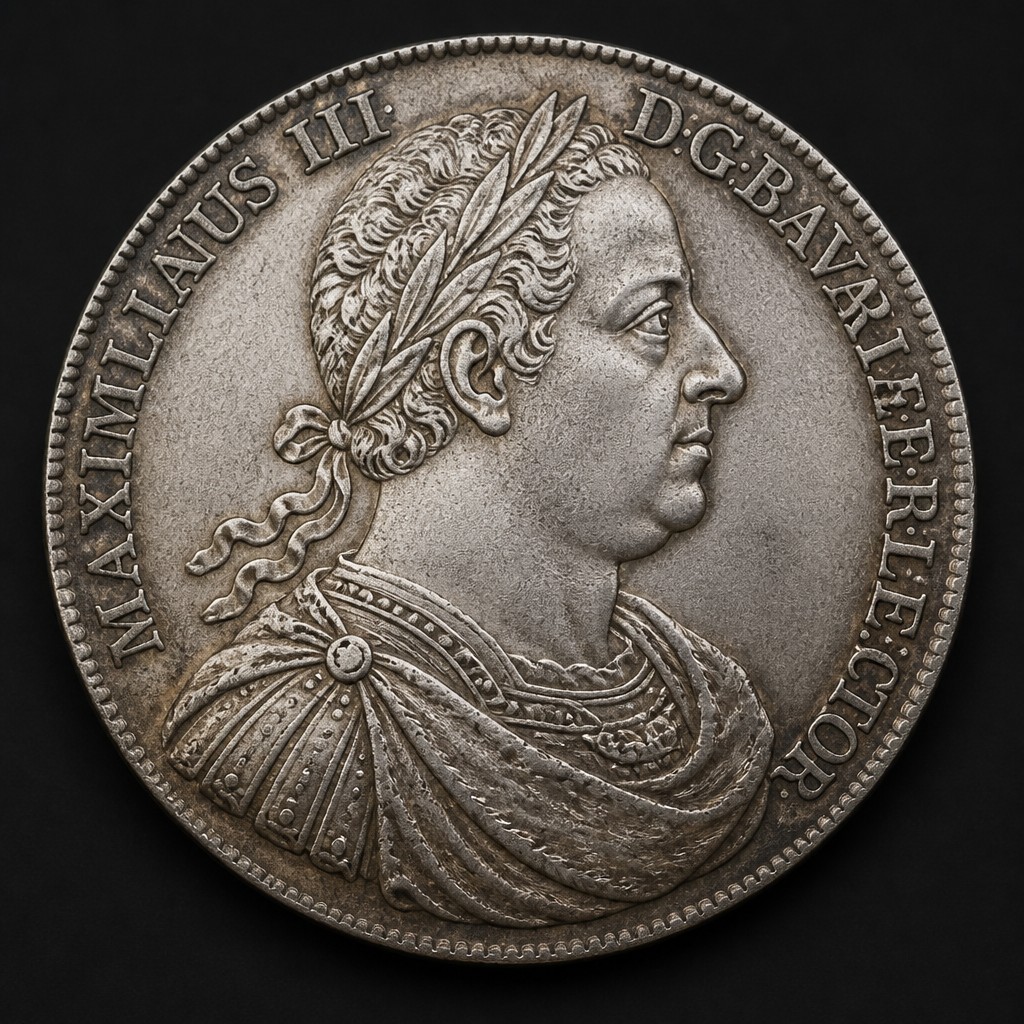
Bavaria Thaler
Circa 1620s-1871
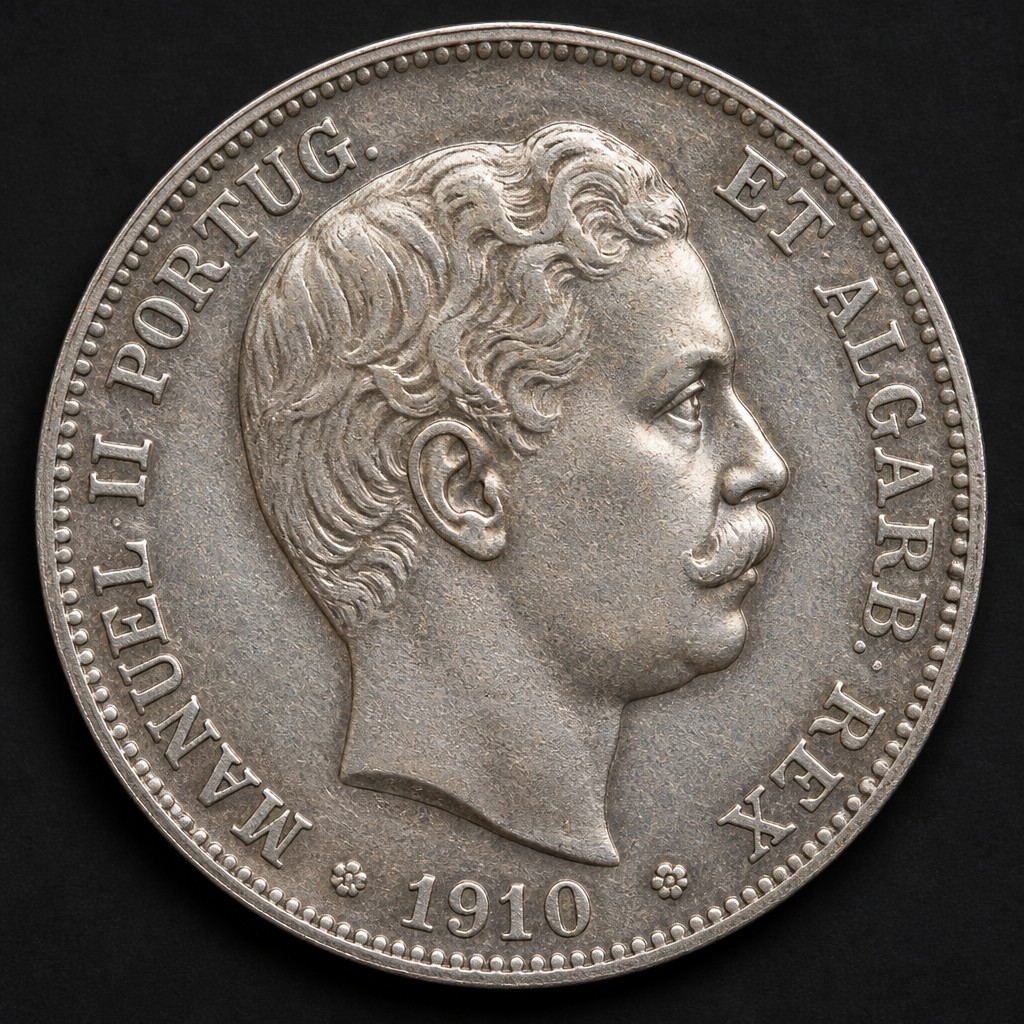
Portuguese 1000 Reis
19th century–1910 (Kingdom period)
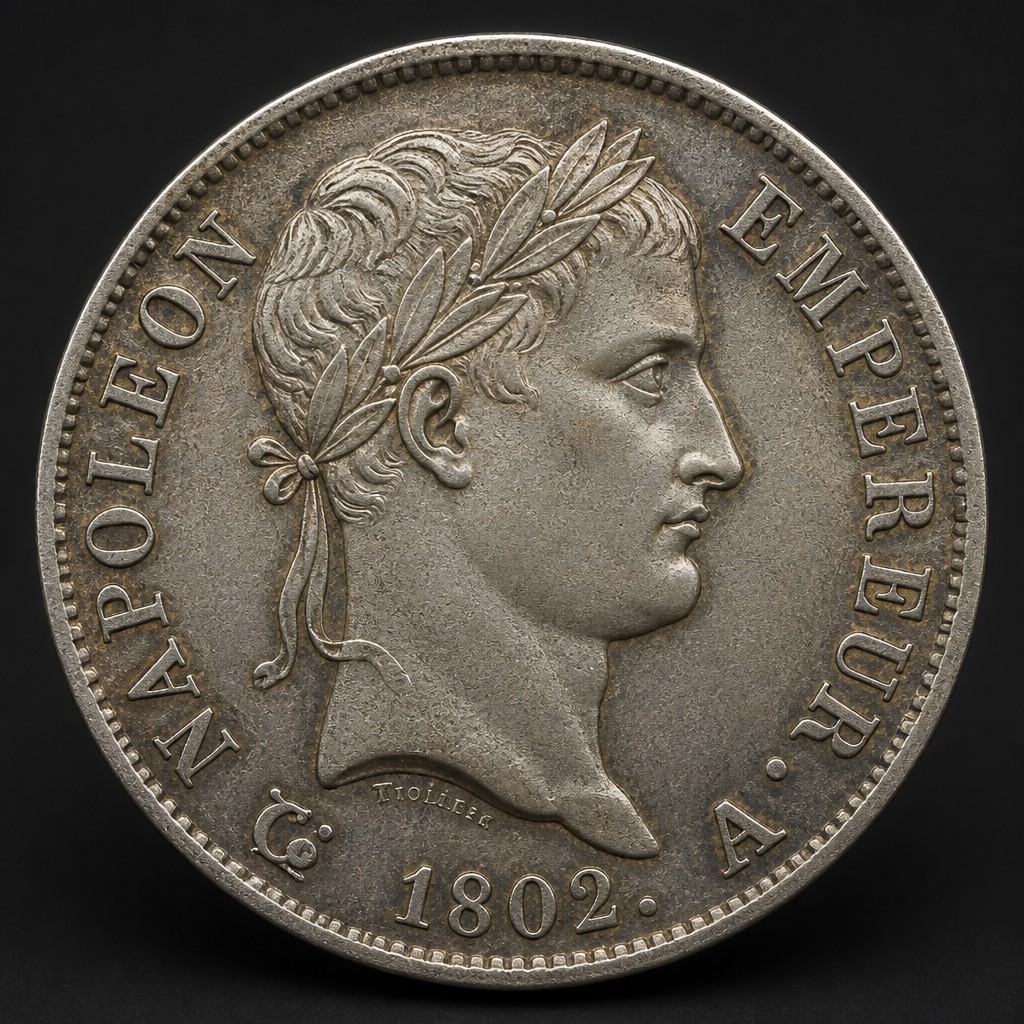
French 5 Francs "Napoleon"
1802–1815
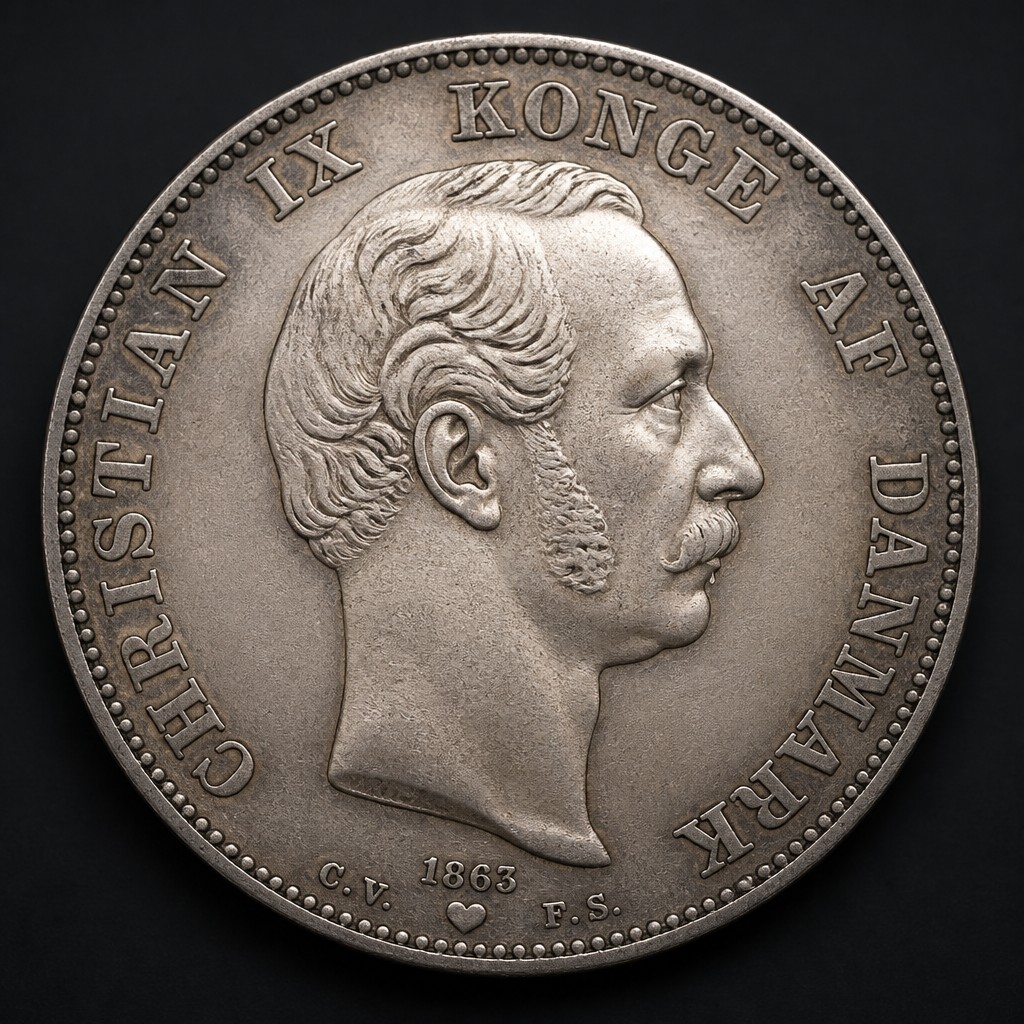
Danish 2 Rigsdaler
19th century (until 1873 currency reform)
Dutch Lion Daalder (Leeuwendaalder)
c. 1575–1713