
Coin Encyclopedia
Search and identify coins from around the world — with country, denomination, metal, mint, history, and how to tell them apart.
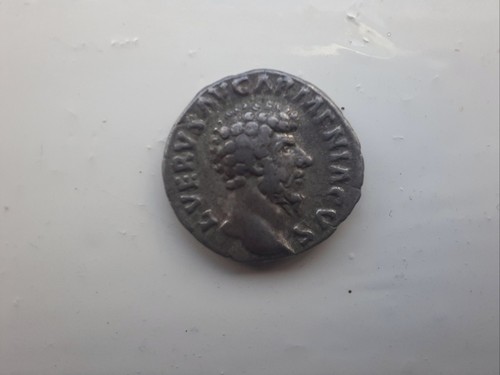
Denarius of Lucius Verus
A silver Roman denarius of the emperor Lucius Verus (161–169 AD), showing his curly-haired, bearded portrait facing right with a Latin legend.
Ancient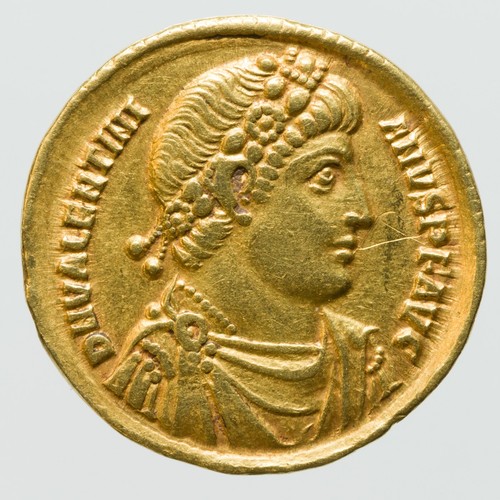
Solidus of Valentinian II
A late Roman gold solidus struck for Valentinian II, showing his diademed profile with the obverse legend D N VALENTINIANVS, from the 380s AD.
Ancient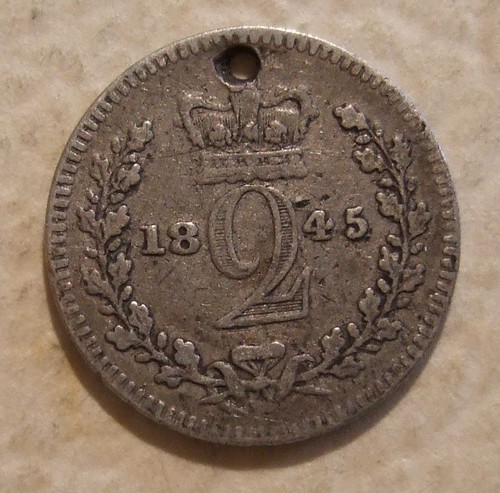
Victoria Maundy Twopence
A tiny sterling-silver ceremonial coin from a Royal Maundy set. This 1845 example shows Victoria's young head and a crowned 2 in a wreath.
British Isles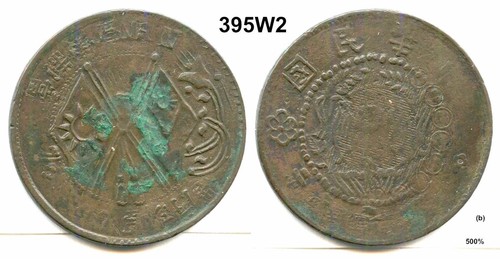
Ho-Nan 100 Cash
A large struck bronze 100-cash coin of Henan Province from Republican China, with ornate Chinese characters on one face and a decorative pattern on the other.
Cash Coin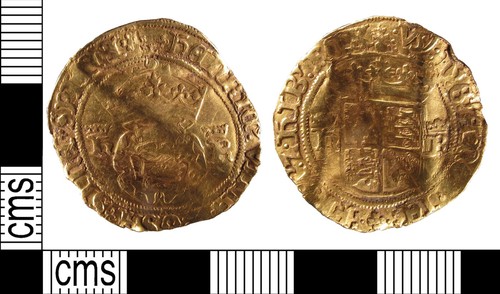
Gold Crown of Henry VIII (Third Coinage)
A hammered Tudor gold crown of five shillings struck during Henry VIII's Third Coinage, the debased issue that earned him the nickname "Old Coppernose."
Hammered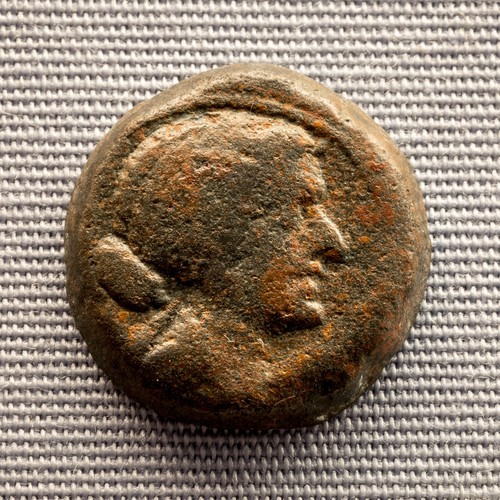
Bronze Coin of Cleopatra VII
Ptolemaic bronze coin of Cleopatra VII of Egypt, 51-30 BC, showing her draped diademed bust in profile as sole named female ruler of the dynasty.
Ancient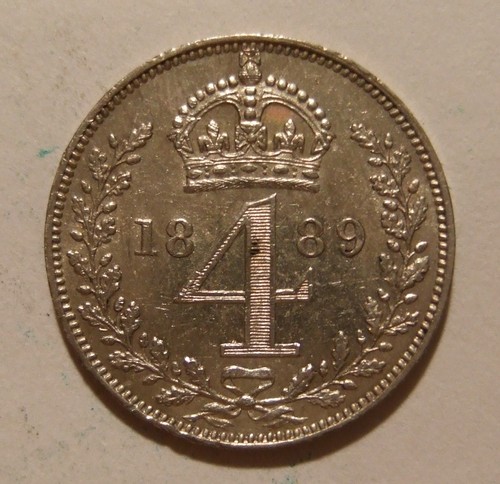
Victoria Maundy Fourpence
A tiny sterling-silver ceremonial coin from a royal Maundy set. This 1889 example shows Victoria's crowned Jubilee Head and a crowned '4' in a wreath.
British Isles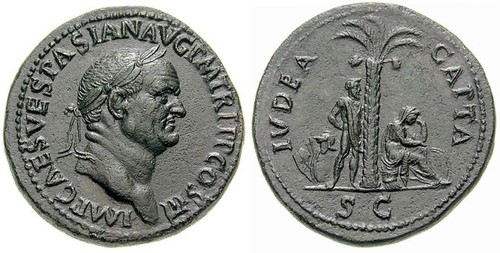
Sestertius of Vespasian (Iudaea Capta)
Large Roman bronze sestertius of Vespasian (AD 70–71) marking the conquest of Judaea, with a palm tree and mourning captives on the reverse.
Ancient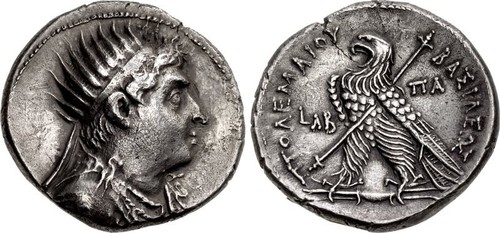
Tetradrachm of Ptolemy VIII
Silver tetradrachm of Ptolemy VIII of Egypt, c. 170-116 BC, with a diademed royal head on the obverse and an eagle on a thunderbolt reverse.
Ancient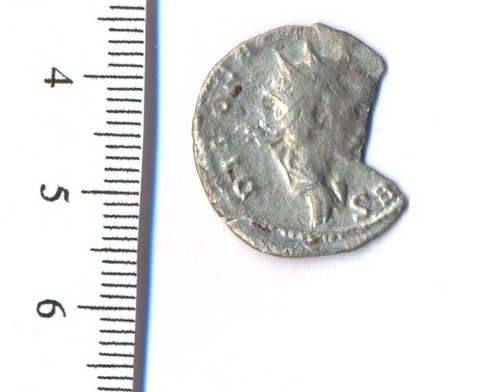
Antoninianus of Valerian II
Roman radiate coin of Valerian II, the young Caesar (c. 253-260 AD), showing his spiked crown and a standing figure on the reverse.
Ancient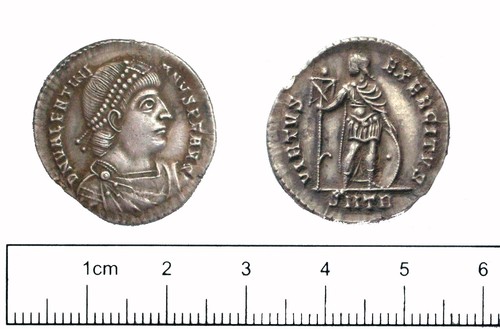
Miliarense of Valentinian I
A late Roman silver miliarensis of Valentinian I (AD 364-375), with a pearl-diademed imperial portrait and an armed standing figure holding spear and shield.
Ancient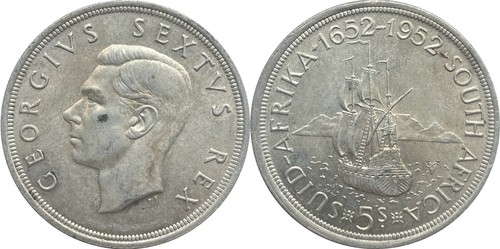
South Africa 5 Shillings
A large 1952 South African silver crown marking Cape Town's 300th anniversary, with King George VI and a sailing-ship reverse.
Circulation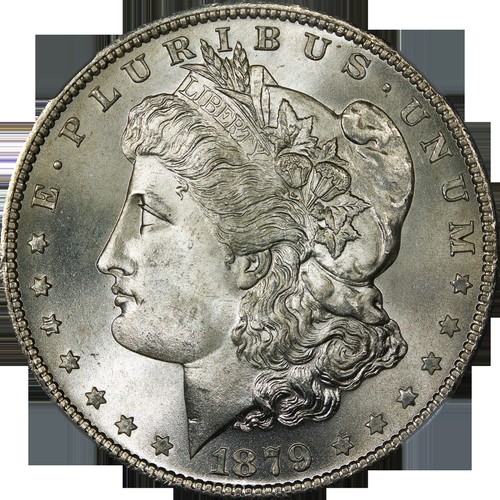
Morgan Dollar
U.S. 90% silver dollar struck 1878–1904 and again in 1921, with George T. Morgan's Liberty head and a spread-winged eagle reverse.
Dollar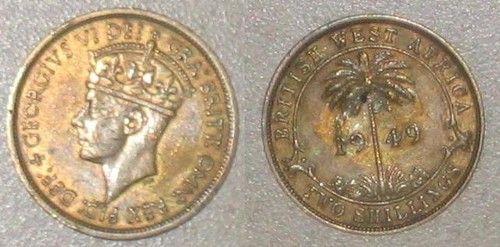
British West Africa 2 Shillings
A colonial copper-nickel two-shilling piece of British West Africa, showing King George VI and a palm-tree reverse.
World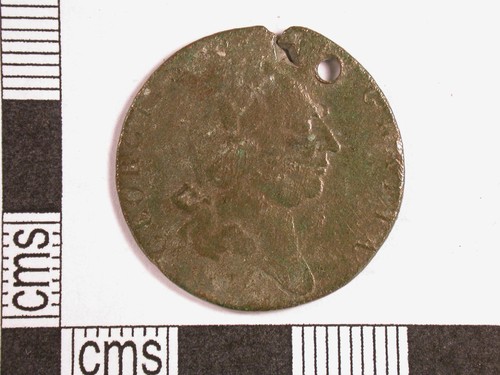
Guinea Counter (Imitation)
A brass or bronze gaming counter made to imitate a George III guinea, showing a faint male profile and a shield reverse; a token, not money.
Token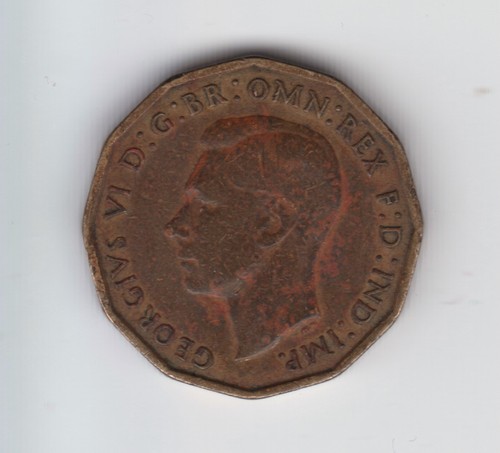
British Brass Threepence
Chunky twelve-sided nickel-brass threepence of George VI, showing his head and a thrift plant reverse; the example shown is dated 1942.
British Isles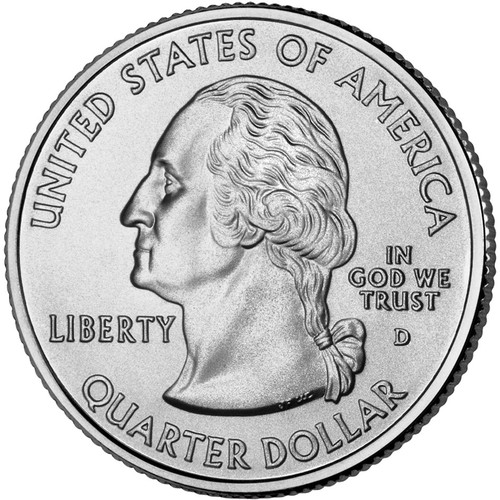
Washington Quarter
U.S. twenty-five-cent coin introduced in 1932, showing George Washington's profile and an eagle reverse; early issues struck in 90% silver.
Quarter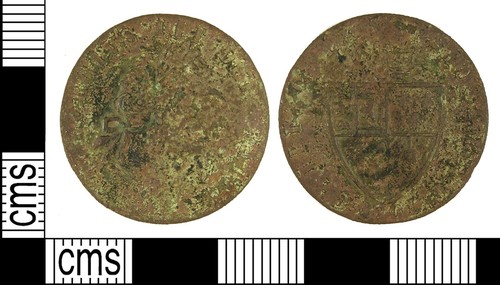
Spade Guinea Token
A base-metal imitation of the George III spade guinea, made as a gaming counter or advertising token, with a male profile obverse and a spade-shaped shield reverse.
Token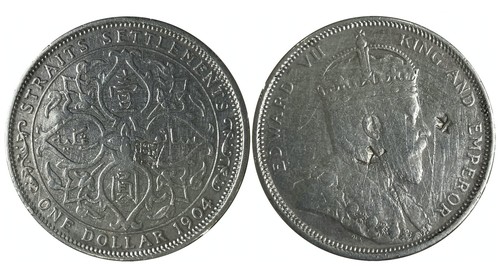
Straits Settlements Dollar
A 1904 silver dollar of the British Straits Settlements, one face showing an emblem and ONE DOLLAR, the other a right-facing portrait of King Edward VII.
Southeast Asia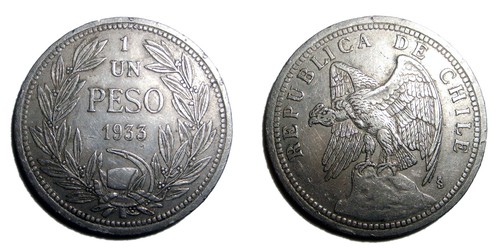
Chilean Peso (1875 Type)
A silver one-peso coin of Chile: the national coat of arms with its lone star and laurel wreaths on one side, and a large bird in flight on the other.
Circulation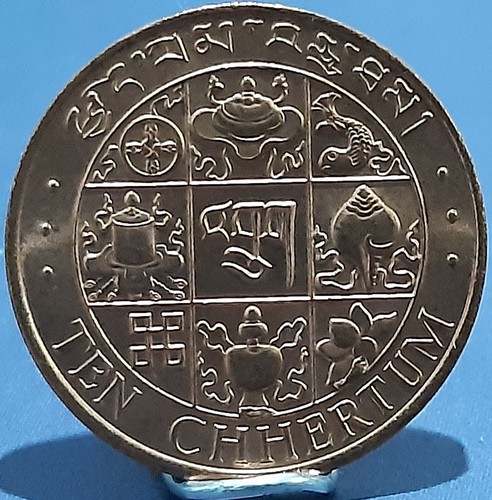
Bhutan 10 Sengtrum
A 1979 cupro-nickel minor coin of the Kingdom of Bhutan, worth one-tenth of a ngultrum, with the national arms on one face and an ornamental gateway on the other.
Himalayan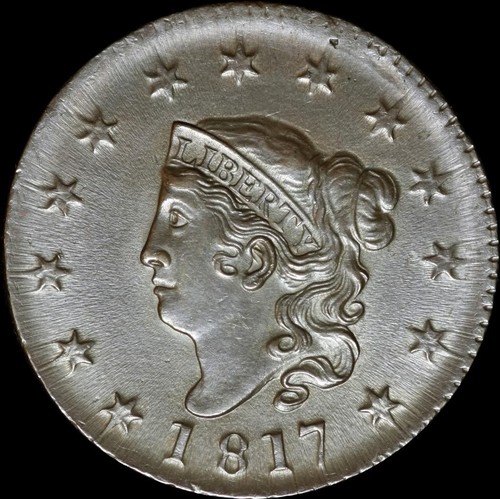
Coronet (Matron Head) Large Cent
A pure-copper U.S. one-cent piece from 1816–1839, showing Liberty in a beaded coronet on the obverse and ONE CENT inside a wreath.
Large Cent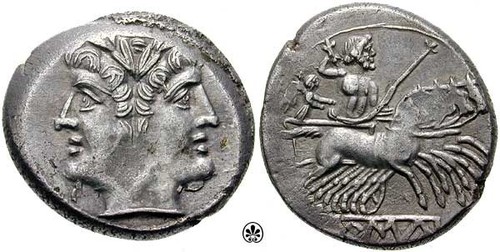
Roman As
A base-metal As of ancient Rome, showing the double-faced head of Janus on one side and a chariot with ROMA on the other.
Ancient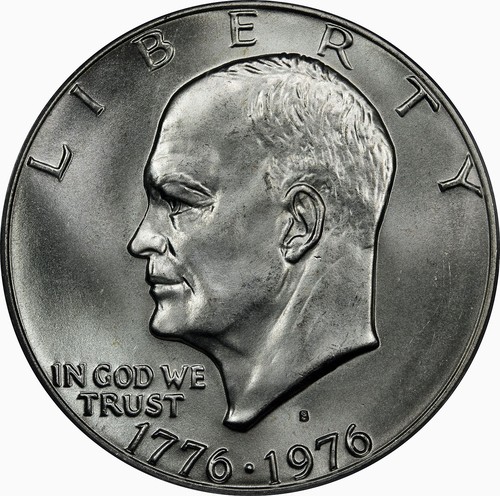
Eisenhower Dollar Bicentennial
U.S. one-dollar coin for the 1976 Bicentennial, with Eisenhower's profile and a special Liberty Bell superimposed on the Moon reverse.
Dollar