
Coin Encyclopedia
Search and identify coins from around the world — with country, denomination, metal, mint, history, and how to tell them apart.
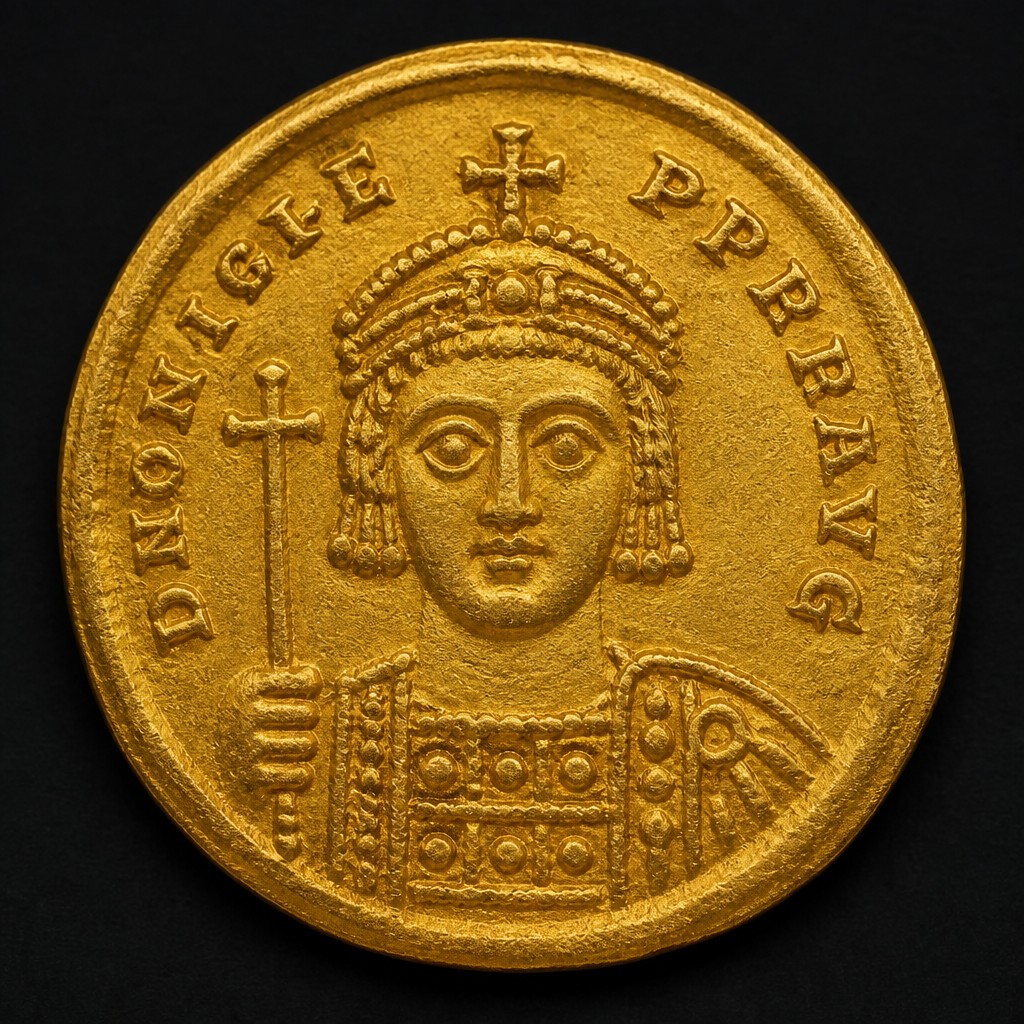
Byzantine Solidus
The gold standard coin of the Byzantine Empire for over 700 years, the solidus funded an empire, financed trade across three continents, and remained one of history's most stable currencies.
Ancient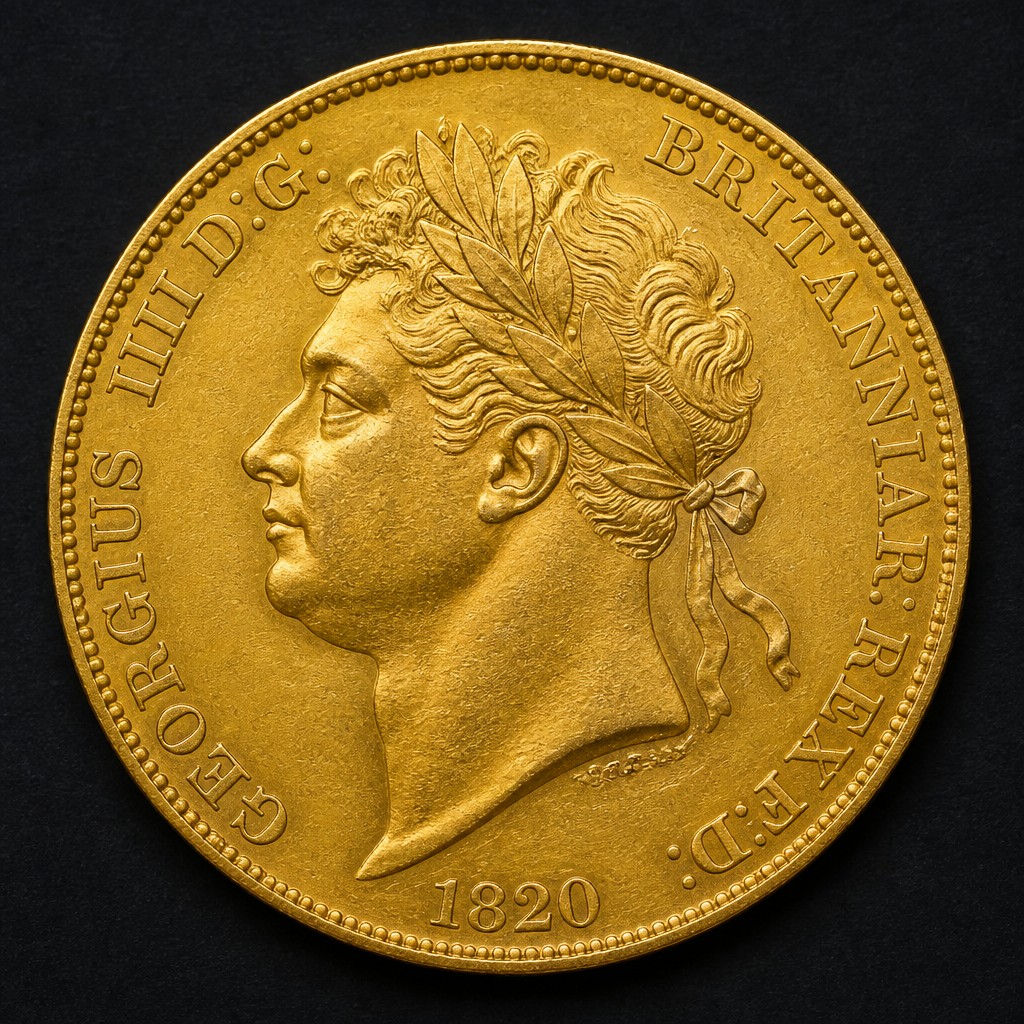
Five Pound Gold (Quintuple Sovereign)
The largest standard gold coin in the British sovereign family, worth five pounds and equal to five sovereigns, struck intermittently since 1820 for commemorative and collector purposes.
British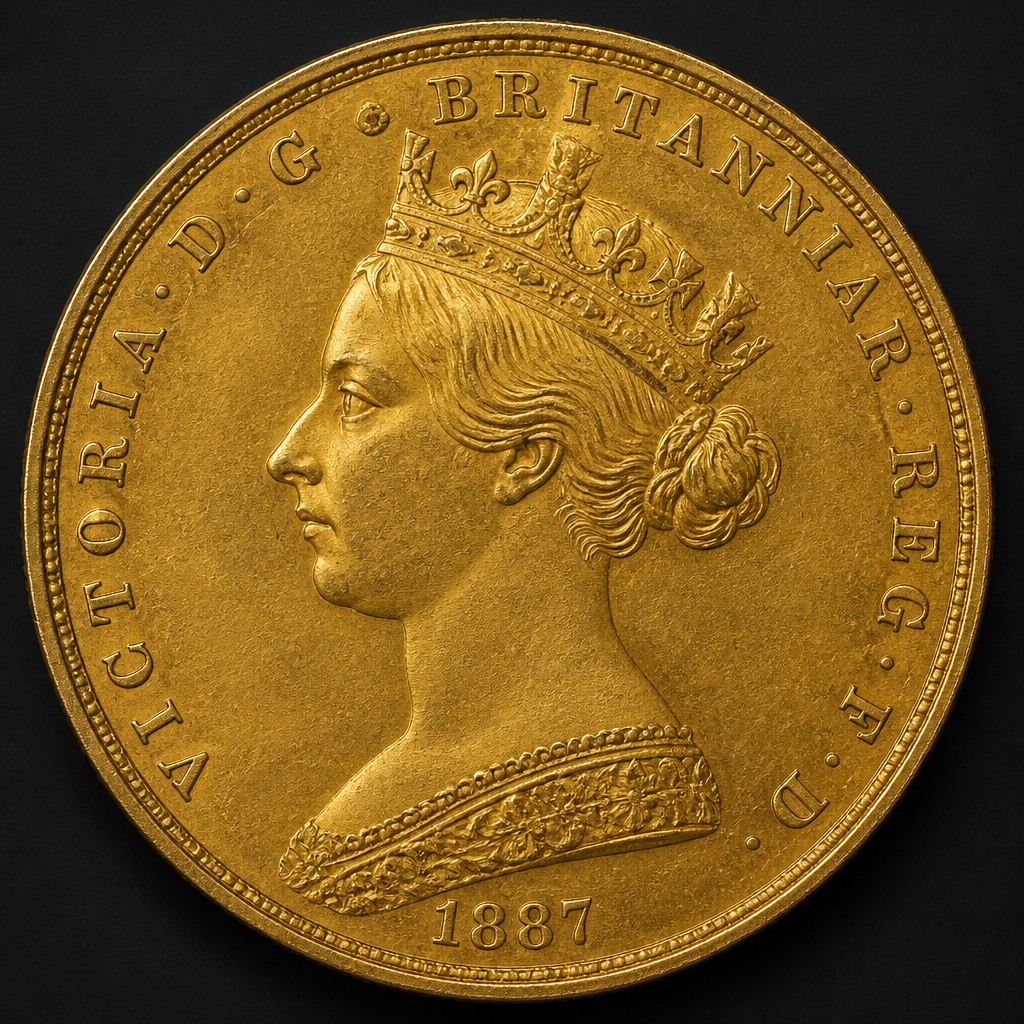
Double Sovereign
A British gold coin worth two pounds, twice the value of the standard sovereign, struck intermittently since the nineteenth century for commemorative and bullion purposes.
British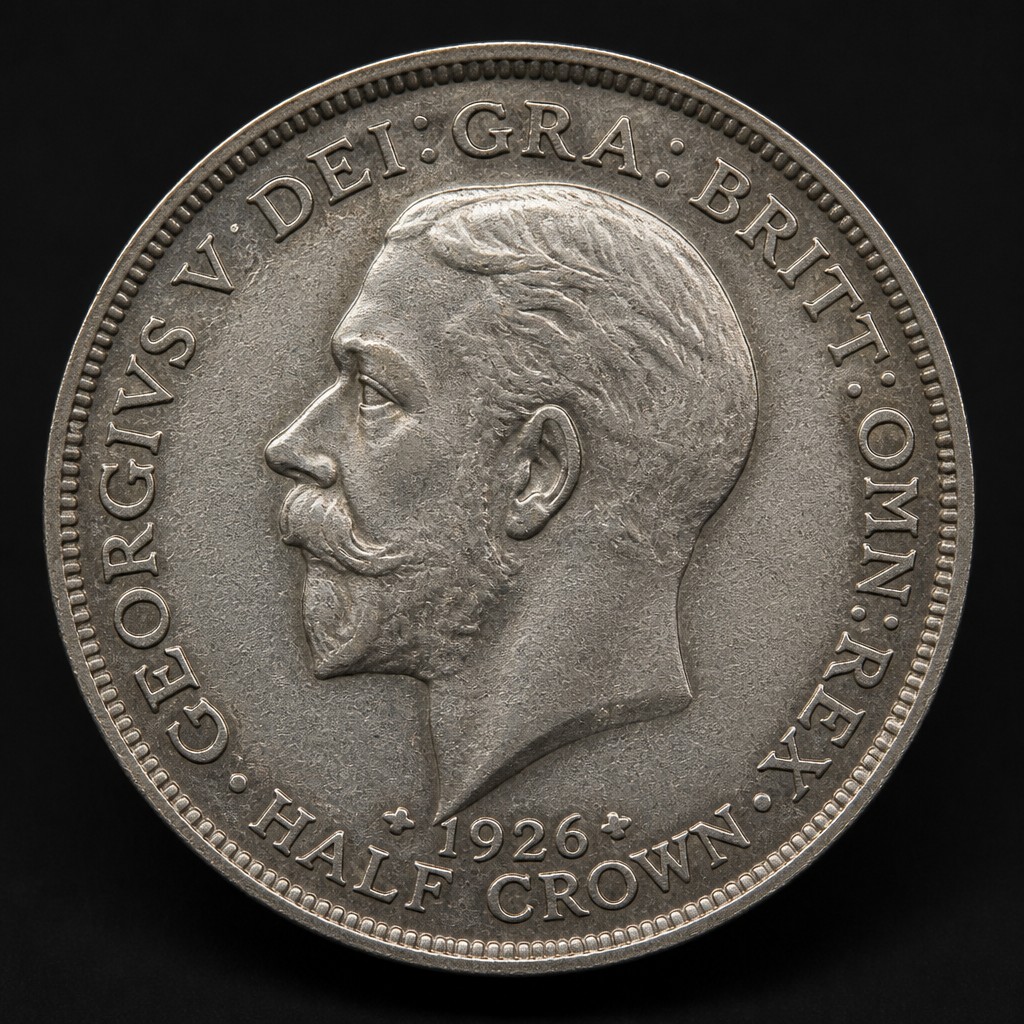
Half Crown
A long-lived British coin worth one-eighth of a pound, struck from the Tudor era until decimalisation in 1970, valued today mainly for its portraits and design variety.
British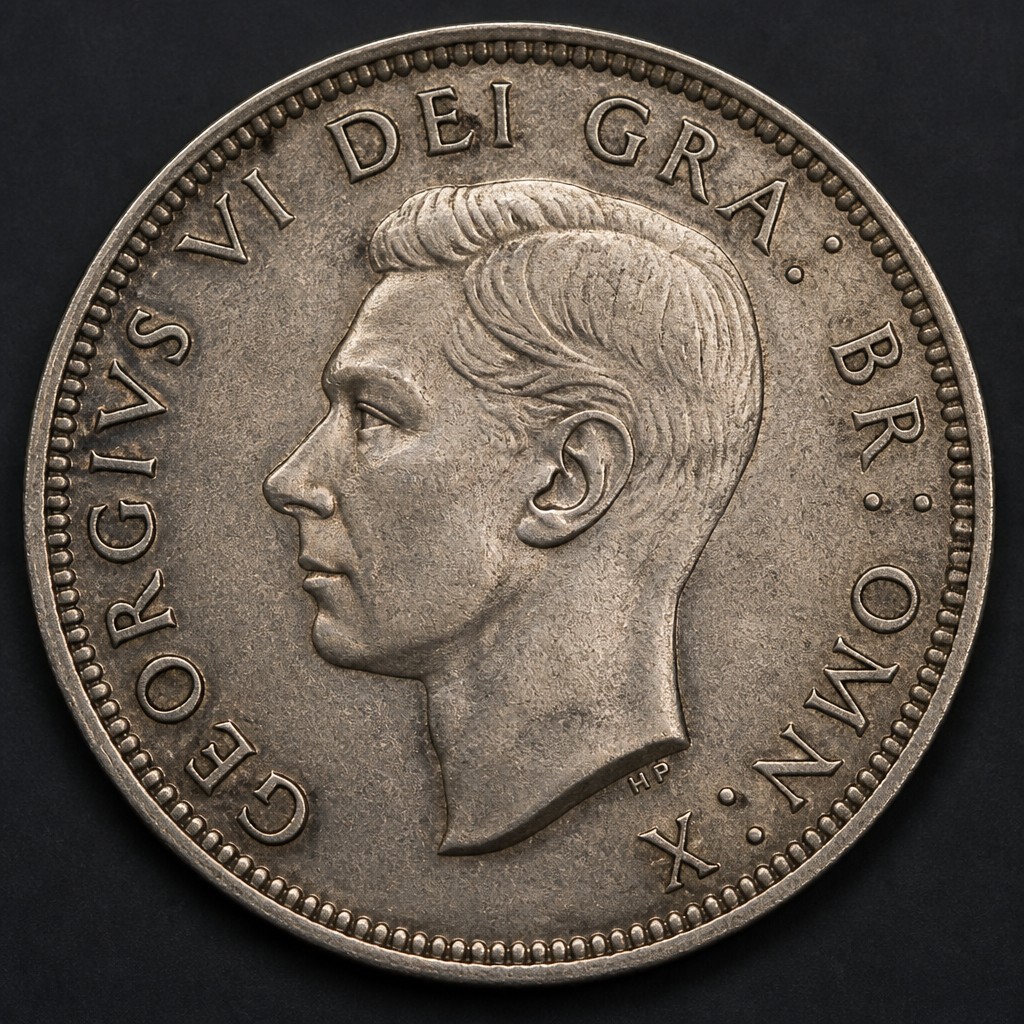
Florin (Two Shillings)
A British silver coin worth two shillings, notable for the controversial 1849 'Godless Florin' that omitted the customary religious motto, and for foreshadowing decimal coinage.
British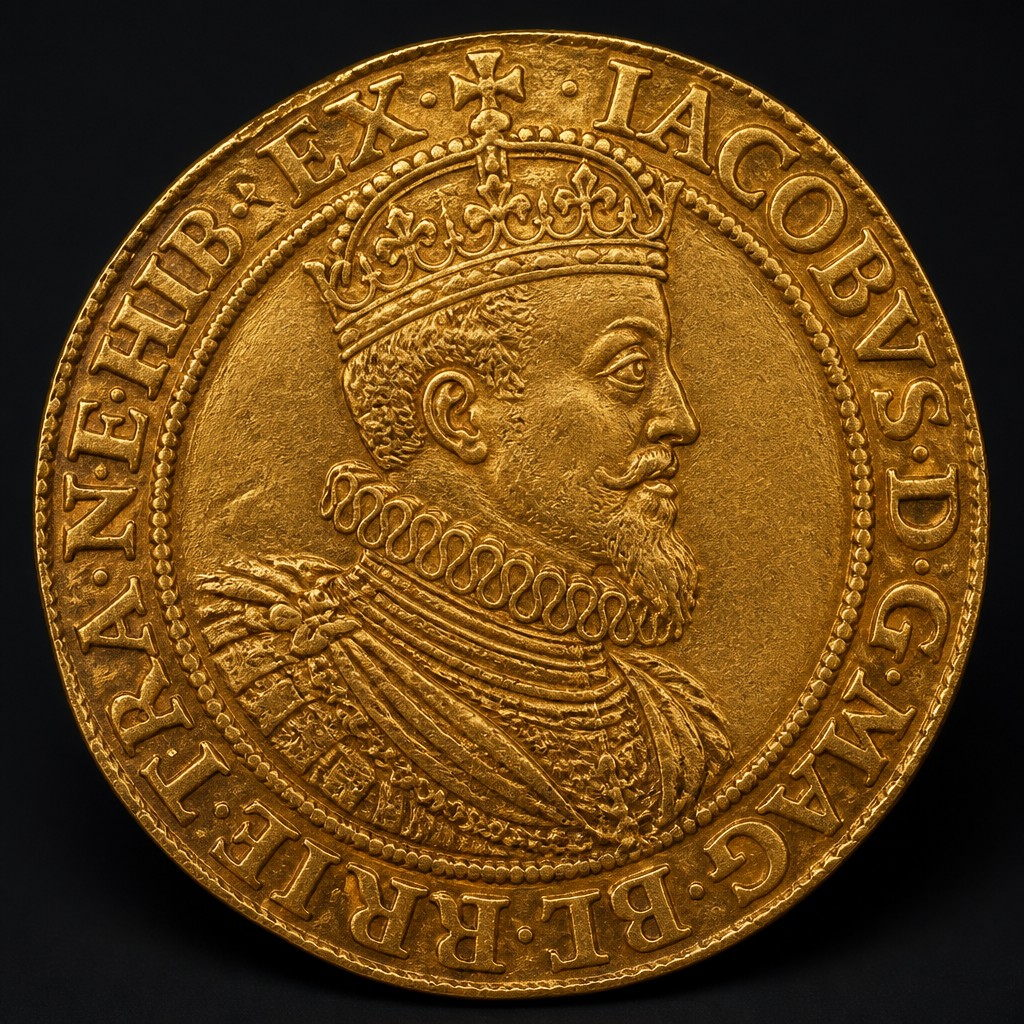
Half Crown Gold
A small gold coin worth half a gold crown, struck from the reign of Henry VIII through the English Civil War, distinct from the far more familiar silver half crown that circulated for centuries afterward.
British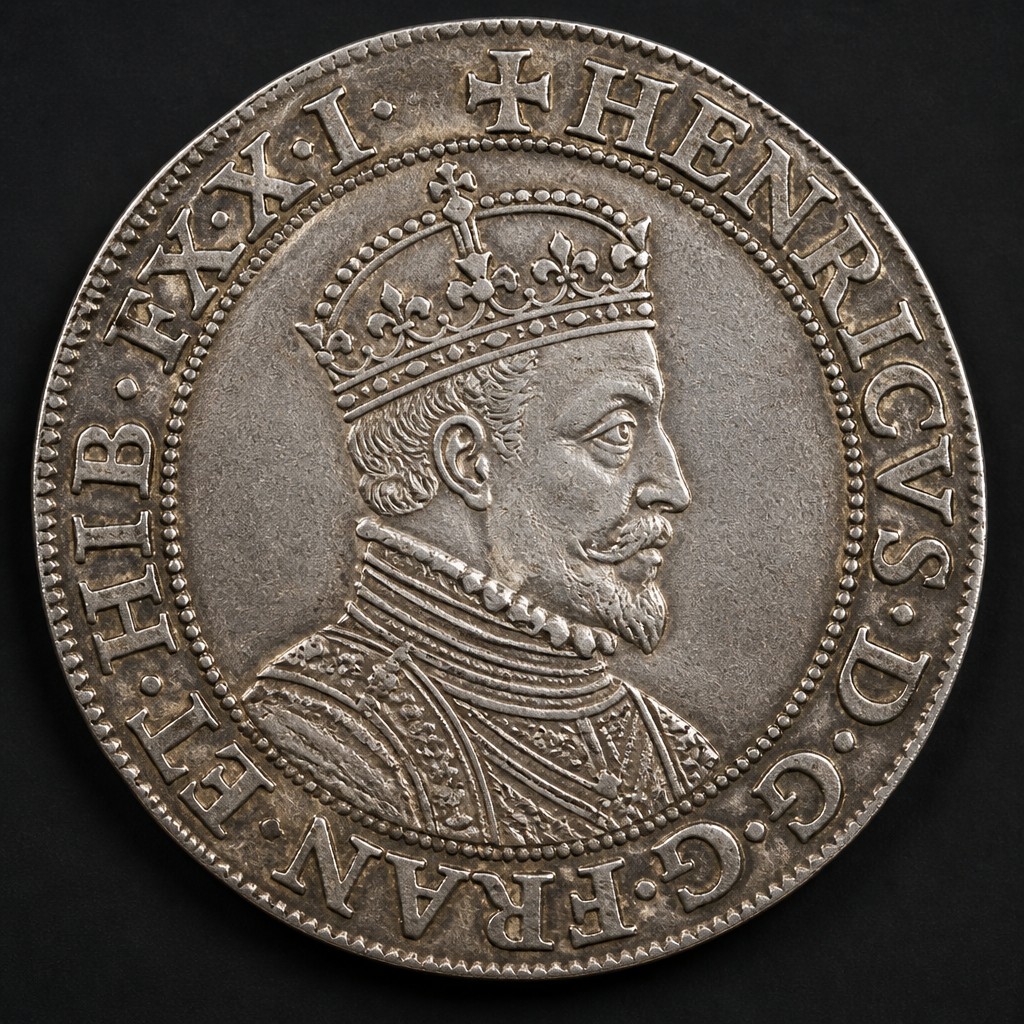
Testoon
The earliest English coin to carry a realistic royal portrait, introduced under Henry VII around 1487 as the forerunner of the shilling, later continued and debased under Henry VIII.
British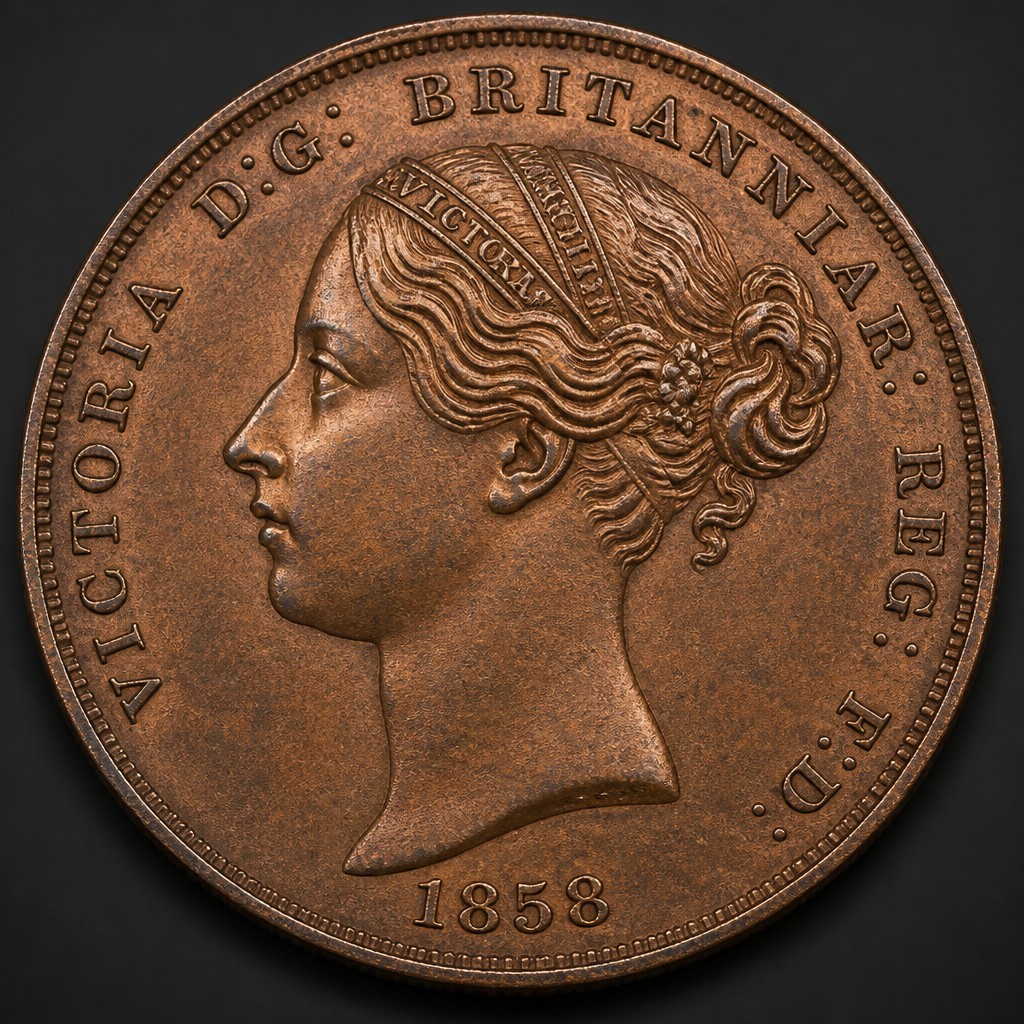
Quarter Farthing
The smallest fractional denomination in British coinage, worth one-sixteenth of a penny, struck primarily for use in colonial Ceylon during Victoria's reign.
British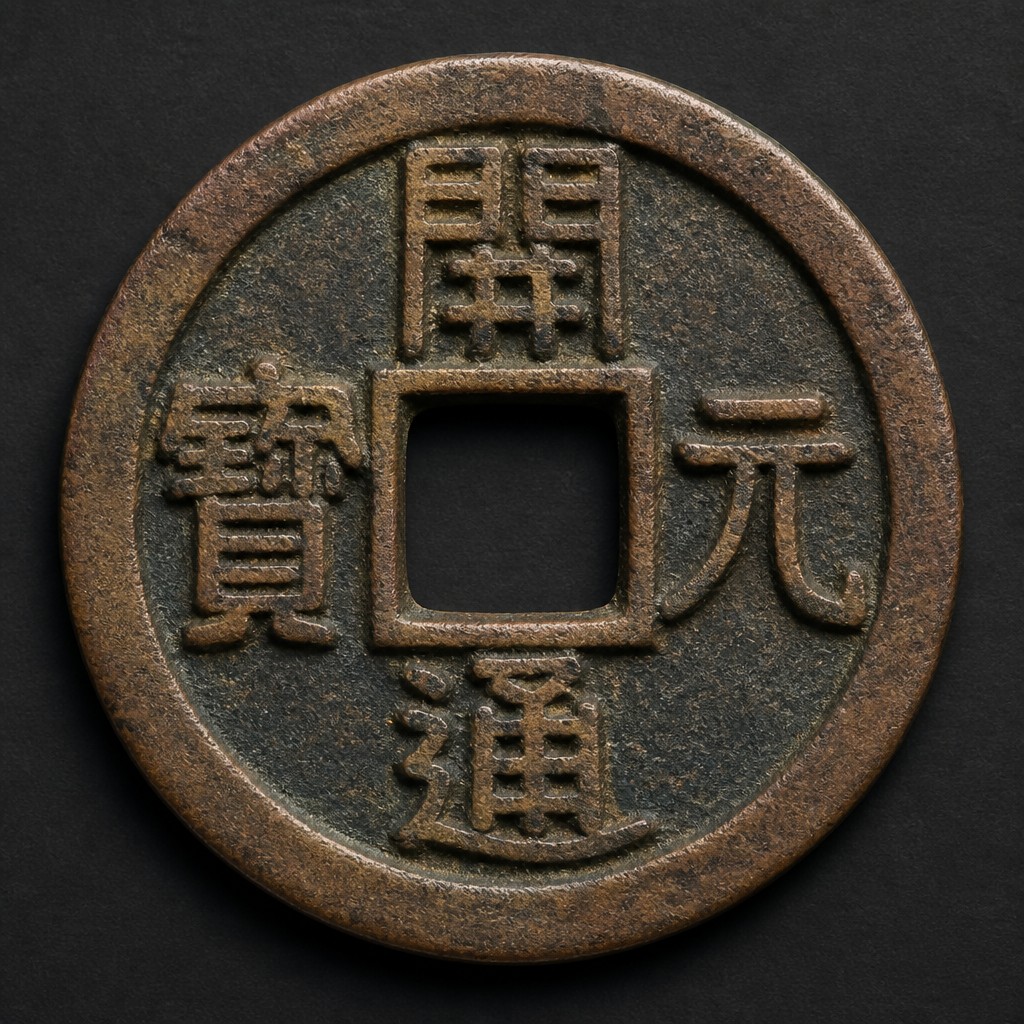
Kai Yuan Tong Bao Cash
A landmark Tang dynasty cash coin whose four-character reign-title inscription became the standard template for Chinese, and much of East Asian, coinage for the next 1,300 years.
Ancient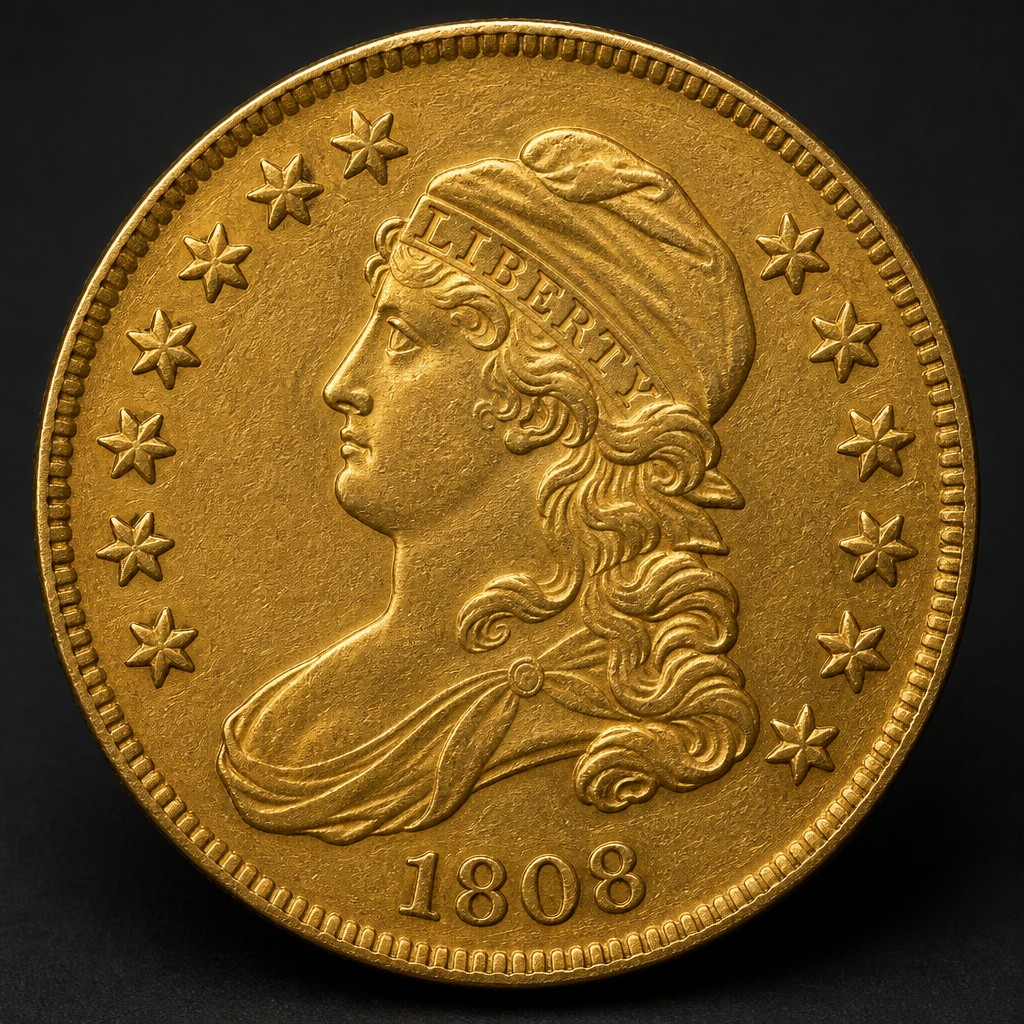
Capped Bust Quarter Eagle
An umbrella term for the earliest U.S. $2.50 gold coins (1796-1834), whose Liberty-in-a-cap portrait evolved through several sub-types, including the famous single-year 1808 issue.
United States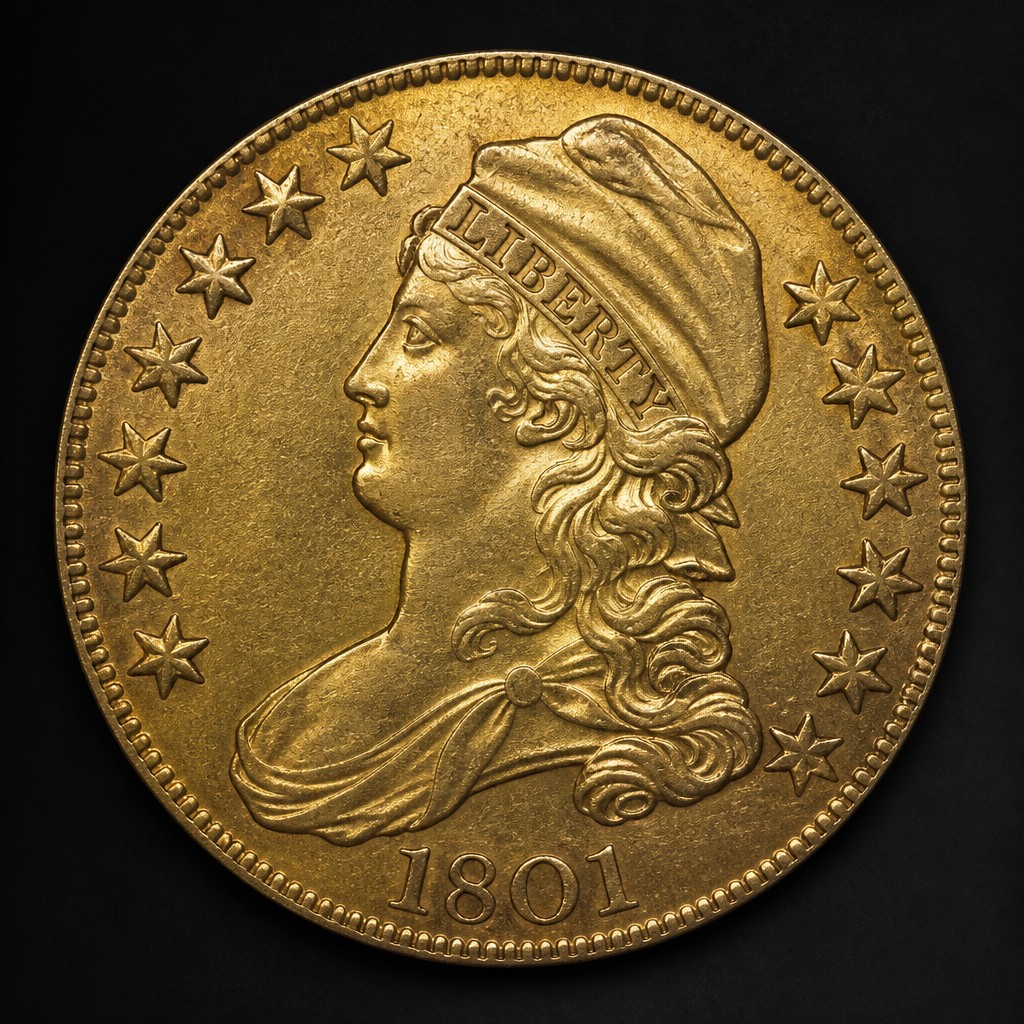
Turban Head Eagle
The first U.S. $10 gold coin, struck 1795-1804 and nicknamed 'Turban Head' for Liberty's cap-like headdress; the earliest examples pair her portrait with a small, spread-winged eagle.
United States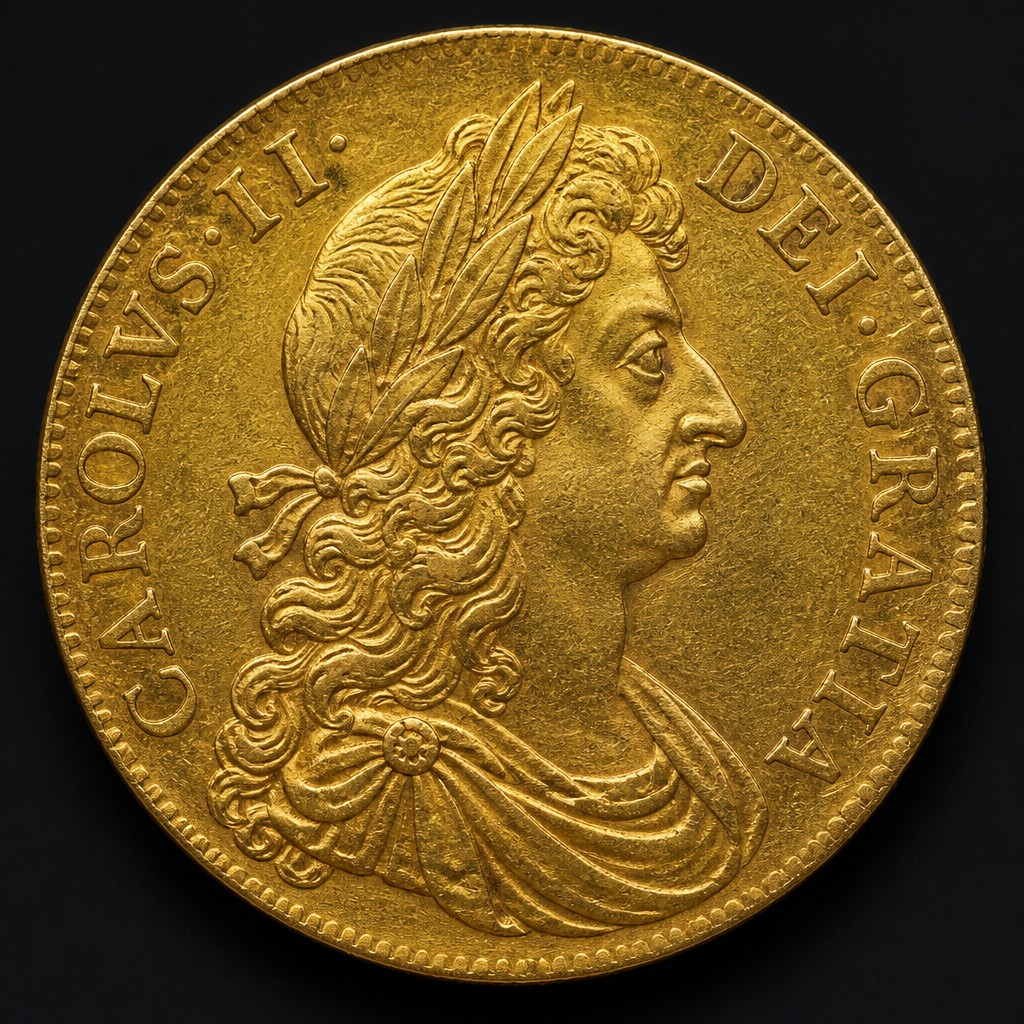
British Gold Guinea
Struck from 1663 to 1814 and named for the West African gold used in its earliest issues, the guinea was Britain's leading gold coin and gave its name to a unit of value still referenced today.
British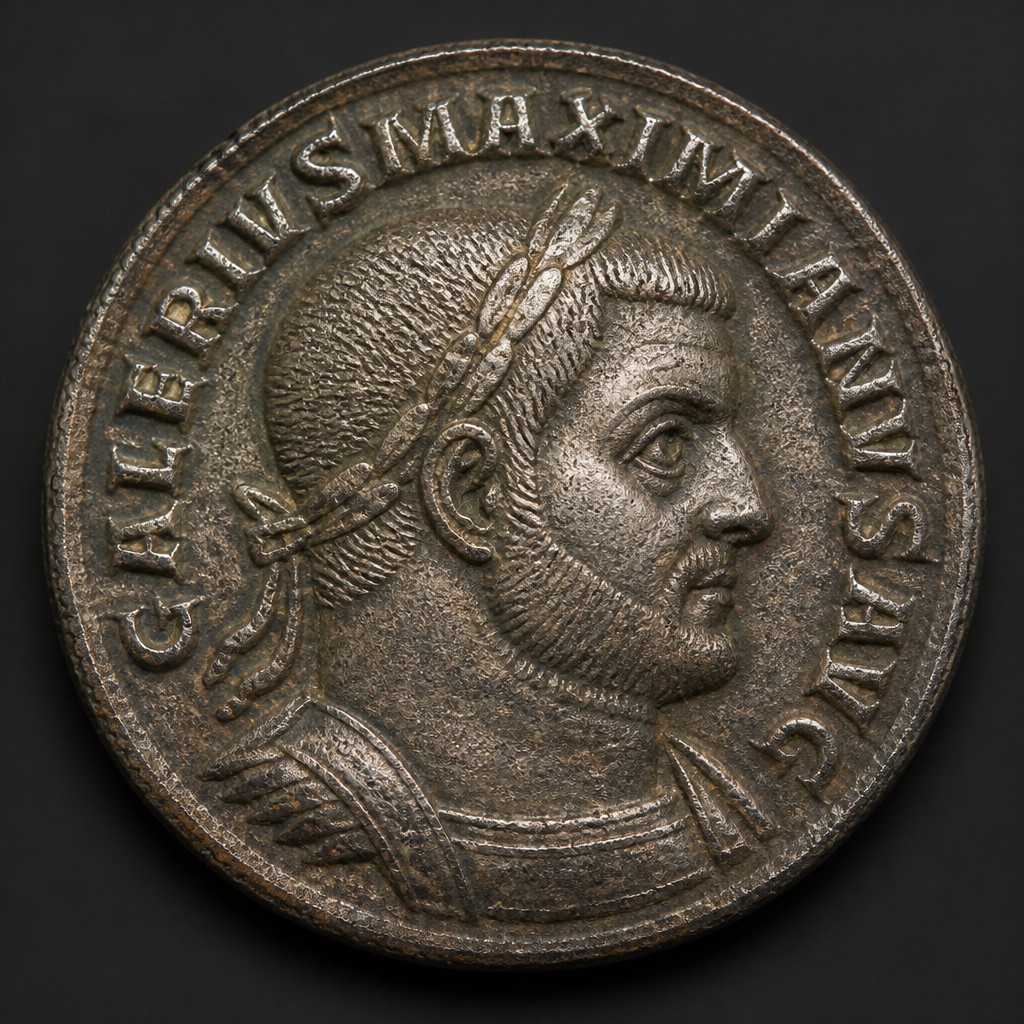
Galerius Follis
Reform-era bronze follis of Galerius, Caesar and later Augustus of the eastern Tetrarchy, remembered for early persecution of Christians and his later Edict of Toleration issued just before his death.
Ancient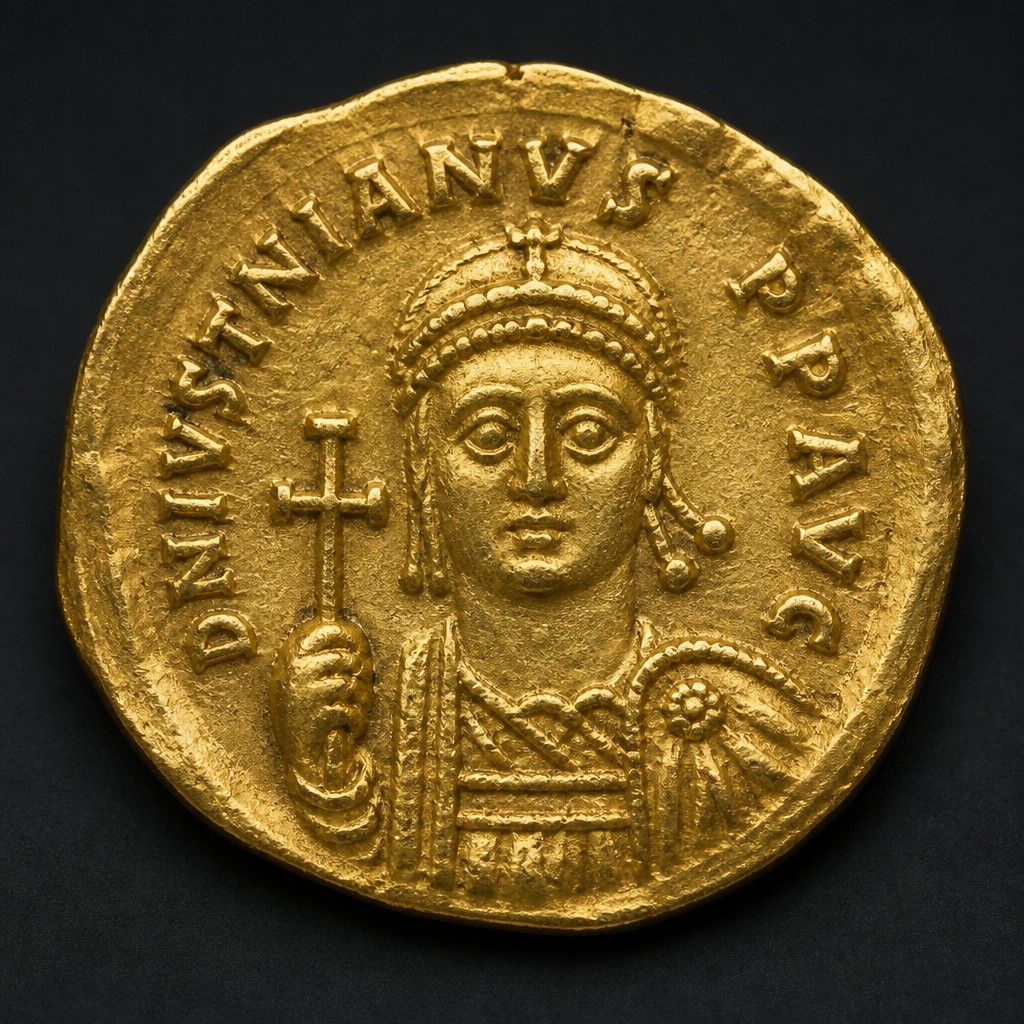
Byzantine Gold Tremissis
A small gold fractional coin worth one-third of a solidus, widely struck across the early Byzantine world and imitated by Germanic successor kingdoms in the former Western Roman Empire.
Ancient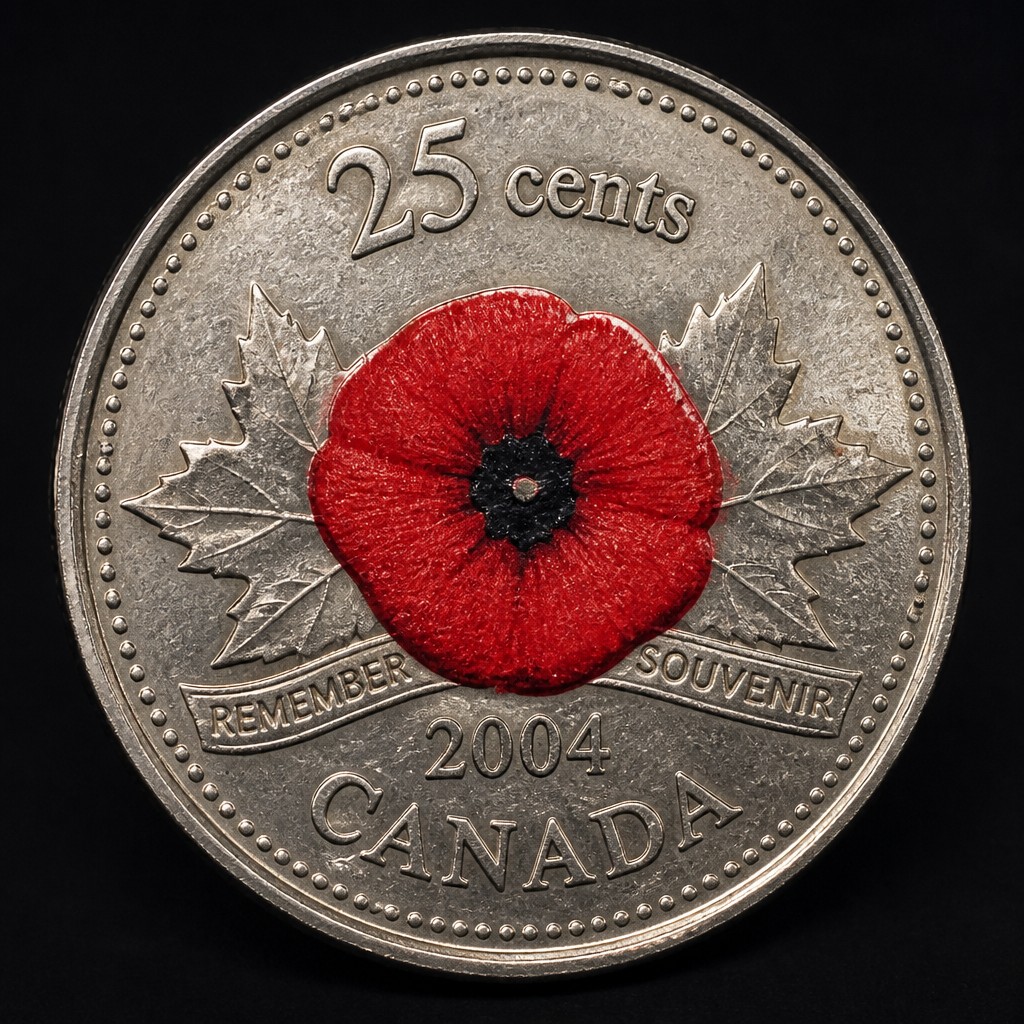
Royal Canadian Mint Colored Poppy Quarter (2004)
Canada's 2004 poppy quarter is widely credited as the world's first coin with a colored design produced for general circulation, honoring Canadian war remembrance with a red poppy at its center.
Commemorative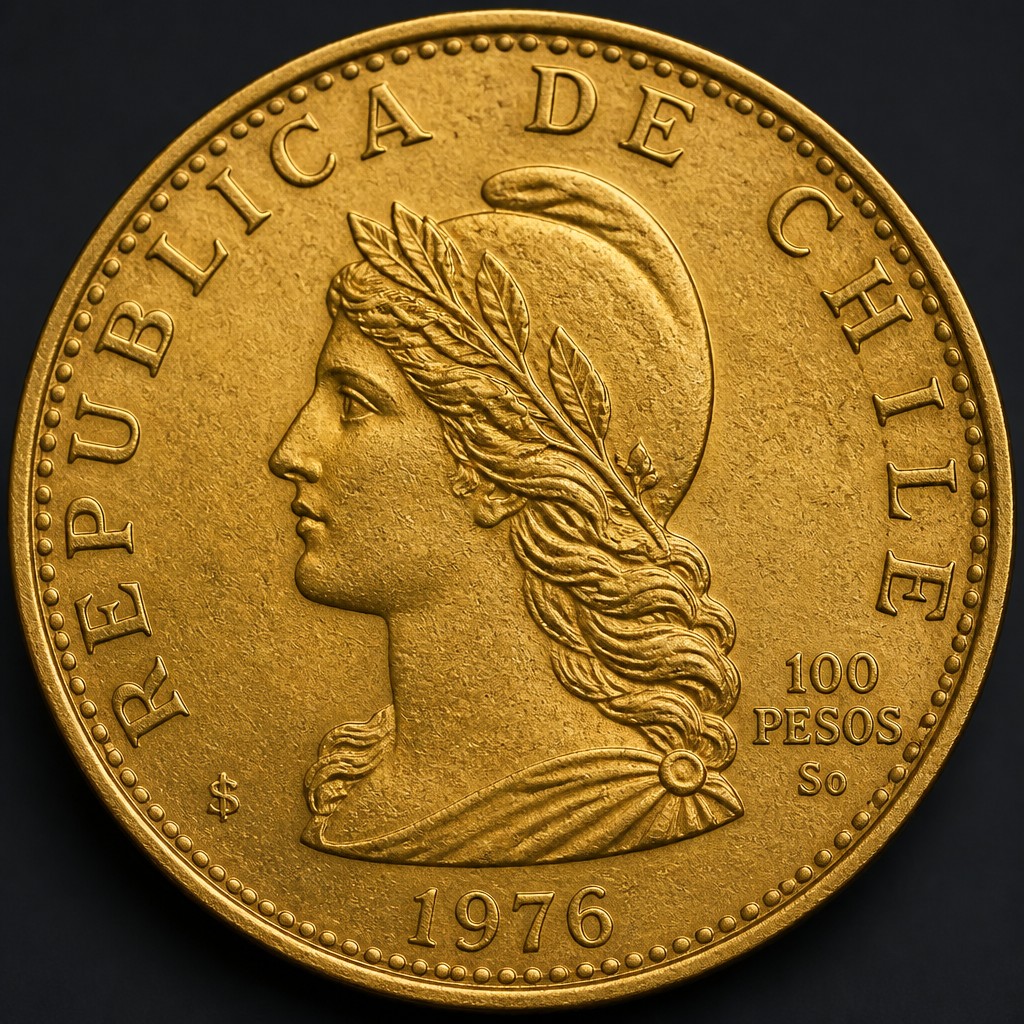
Chilean 100 Pesos Gold 'Condor'
Chile's flagship 20th-century gold coin, popularly called the "Condor" for the majestic Andean bird featured on its reverse, historically prized as an internationally recognized gold piece.
Latin American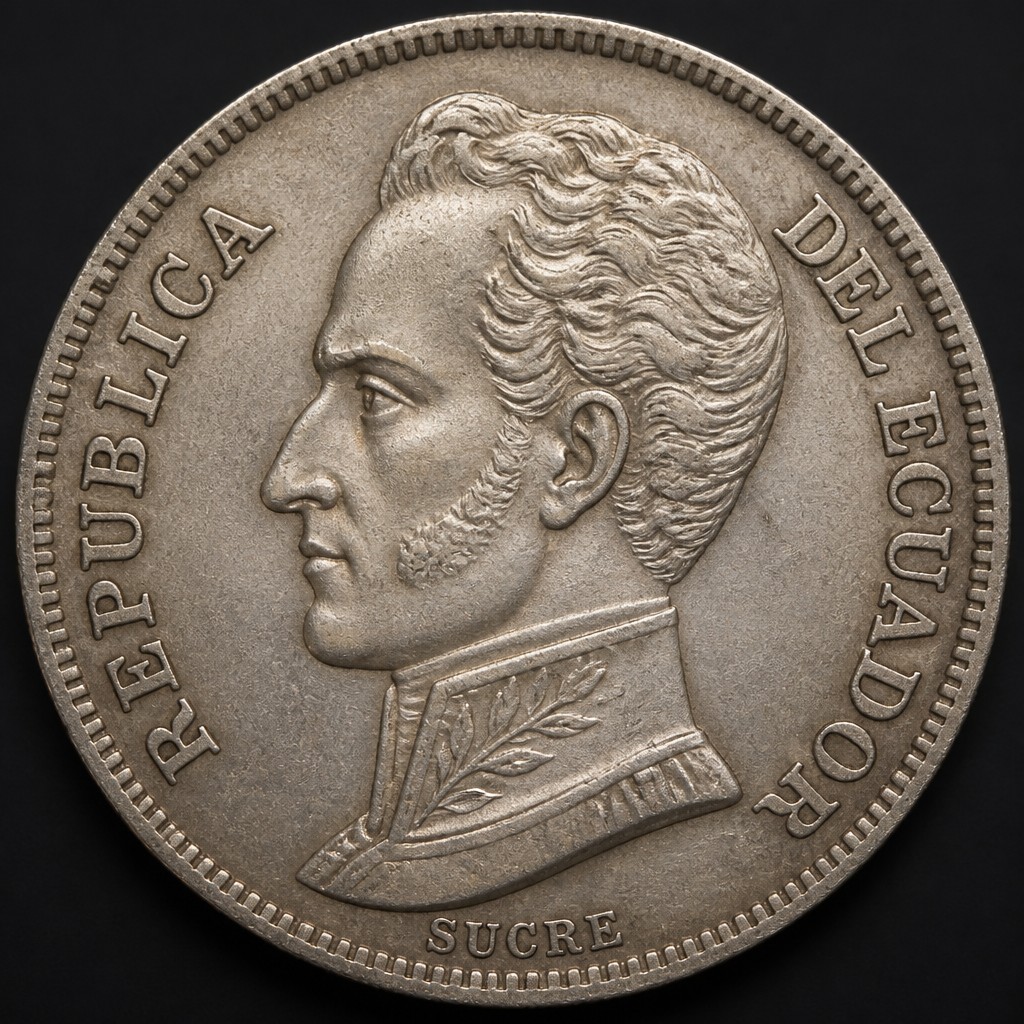
Ecuador Sucre Silver
Ecuador's historic silver one-sucre coin, named after independence hero Antonio Jose de Sucre, circulated for decades before Ecuador's currency was eventually replaced by the US dollar.
Latin American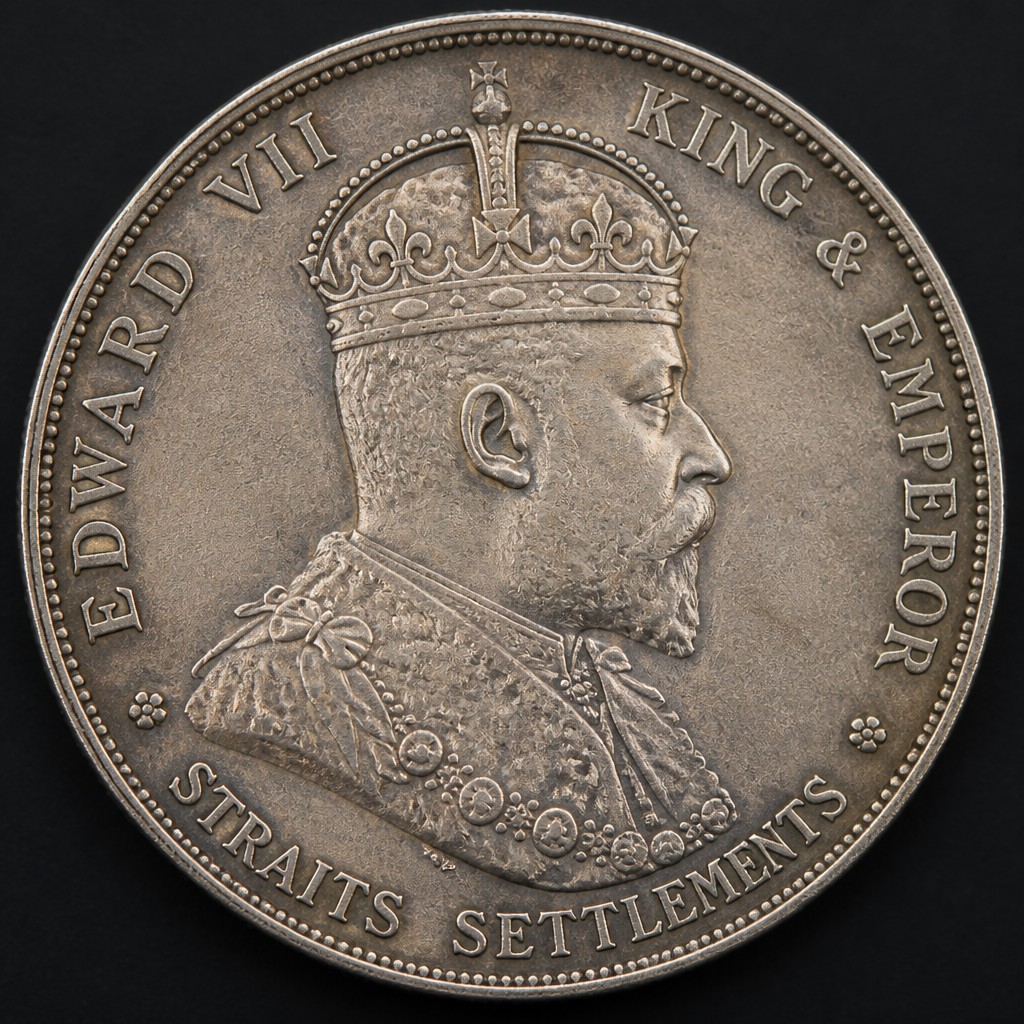
Straits Settlements Silver Dollar
A large British colonial silver dollar struck for Singapore, Penang, and Malacca, created to give the Straits Settlements a standardized coin after decades of competing foreign trade dollars.
Asian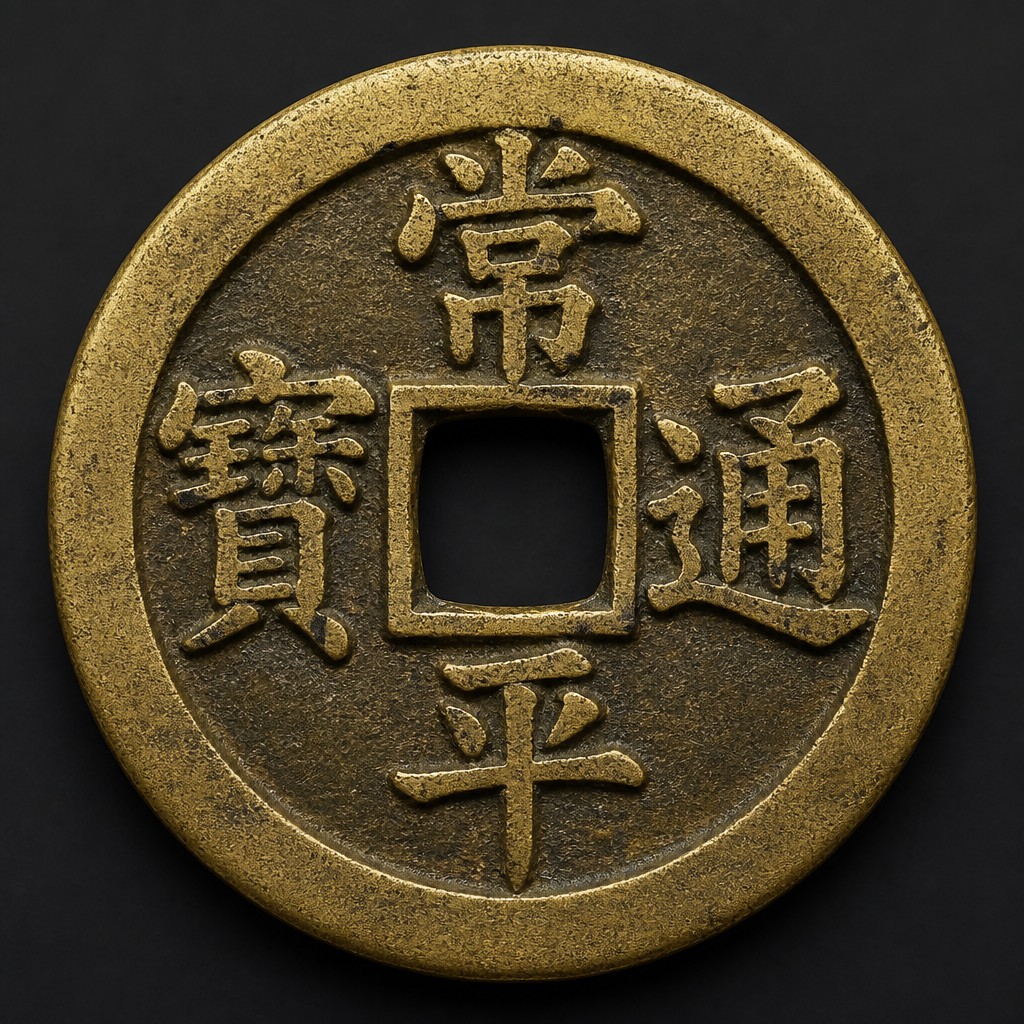
Korean Sang Pyong Tong Bo (Mun cash coin)
Traditional Korean cast cash coin with a square center hole, issued for over two centuries during the Joseon Dynasty and carrying the inscription 'Everlasting Circulating Treasure.'
Asian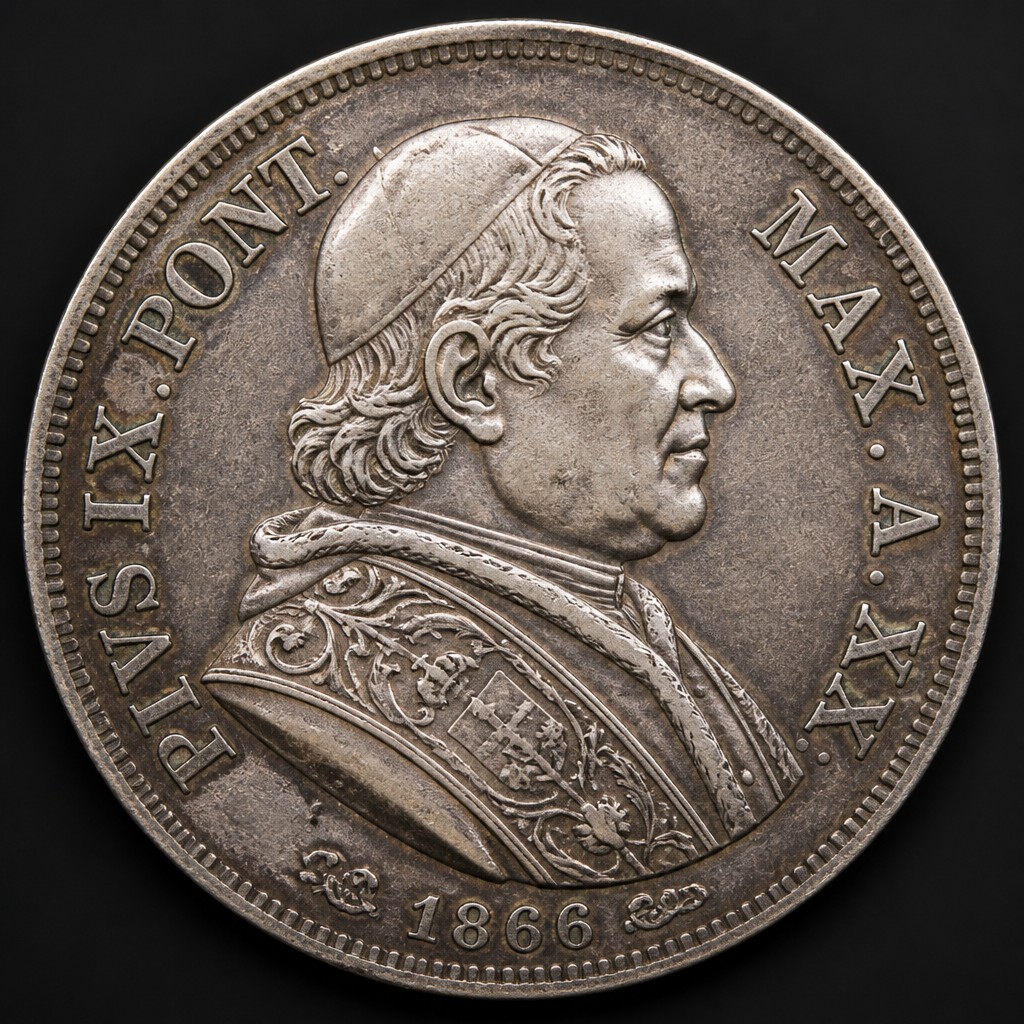
Papal States Scudo
The principal silver coin of the Papal States, bearing the portrait or arms of the reigning pope alongside religious imagery, struck for centuries until the Papal territories' loss of independence.
European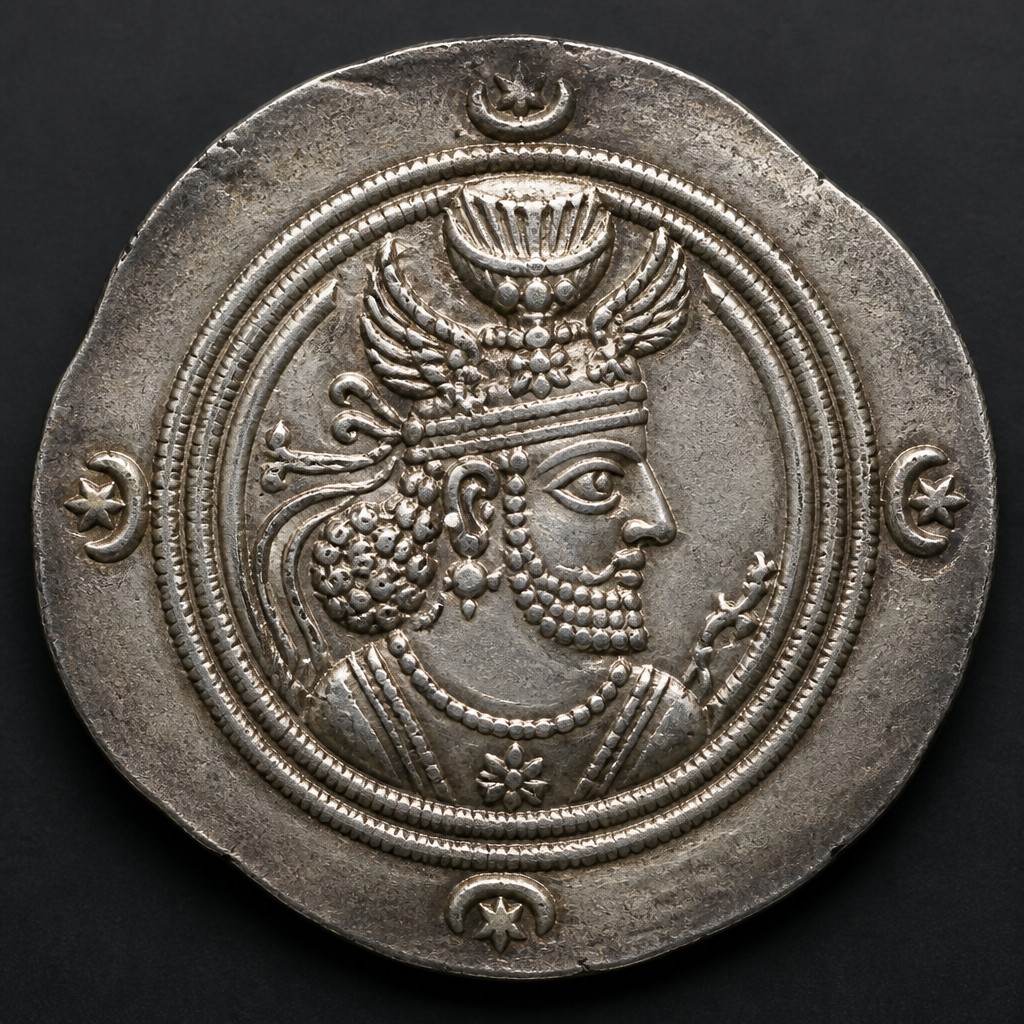
Sassanian Silver Drachm
The standard silver coin of the Sasanian Persian Empire, featuring an elaborately crowned king's portrait and a Zoroastrian fire altar with attendants, struck for over four centuries.
Ancient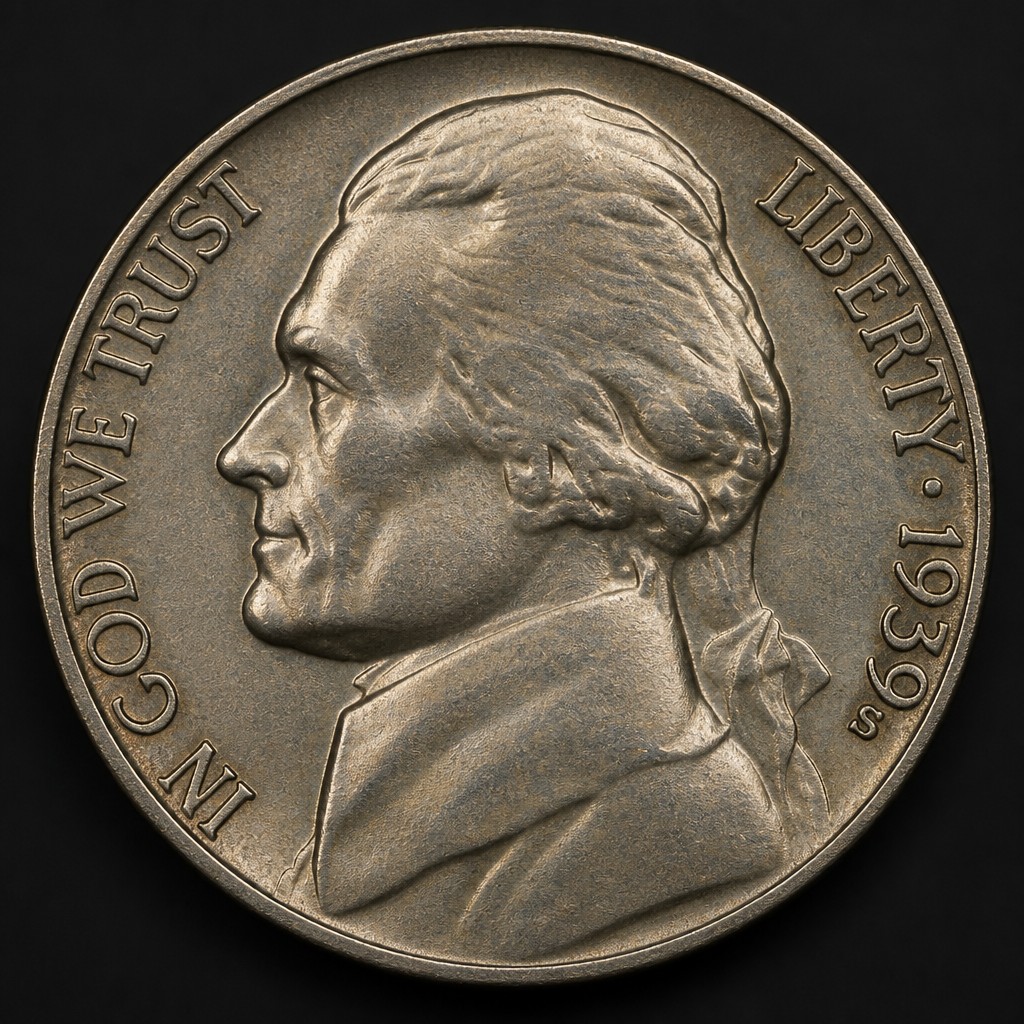
1939-S Jefferson Nickel
A scarce San Francisco Jefferson Nickel from the early series, notable for being one of two tougher 1939 issues and for a well-known doubled-die reverse variety showing a doubled MONTICELLO.
United States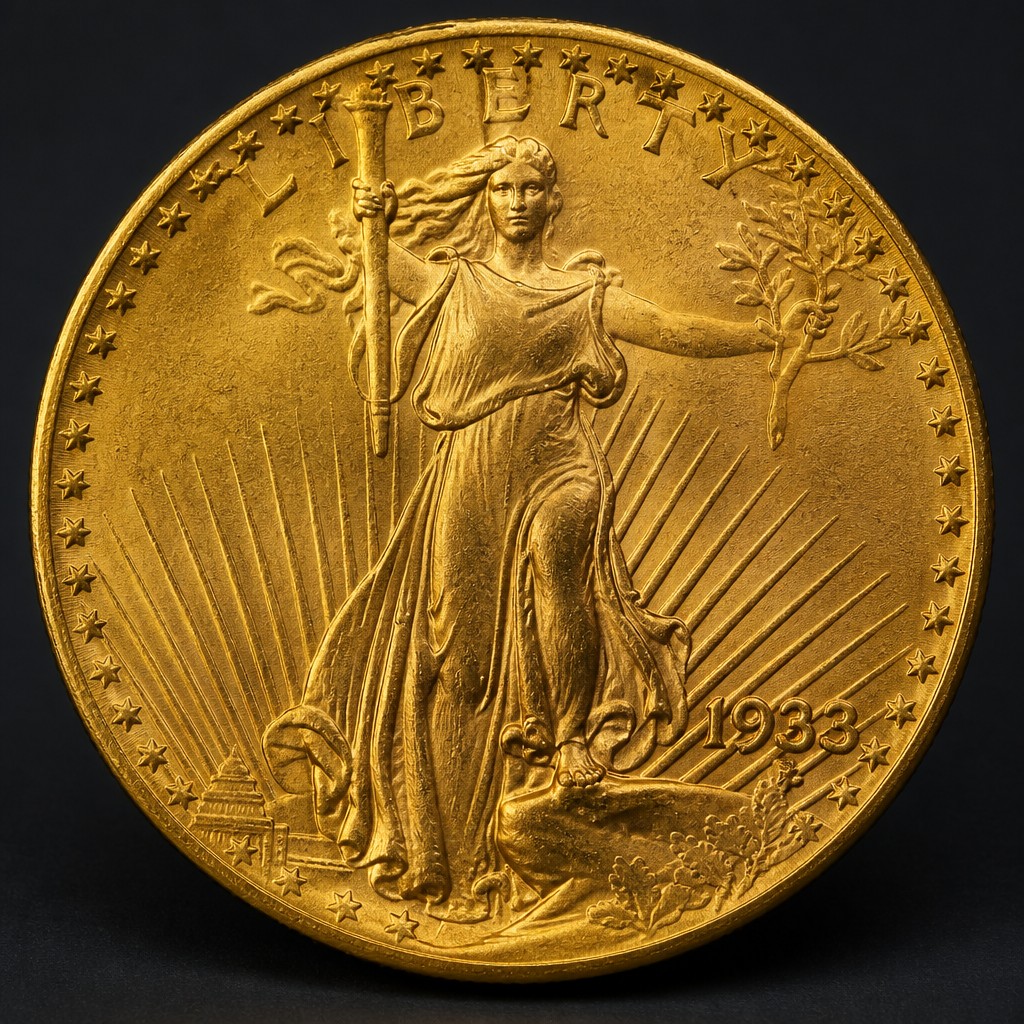
1933 Double Eagle
One of the rarest and most legally contested U.S. coins, struck but never officially released for circulation after the nation left the gold standard; a single example sold for over $18 million.
United States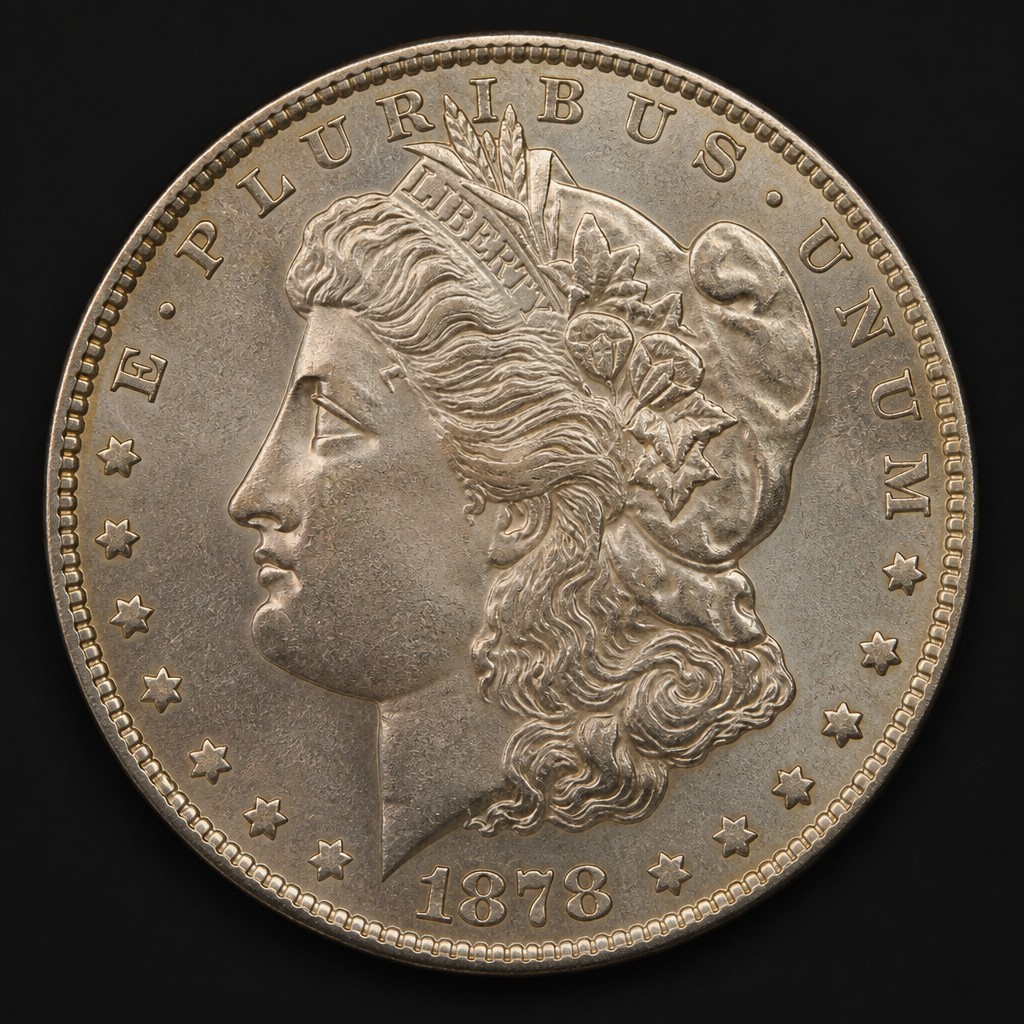
Carson City Morgan Dollar (CC Mint)
Morgan silver dollars struck at the Carson City Mint, identified by the small CC mintmark, prized for their Wild West mystique and generally lower mintages than Philadelphia or New Orleans issues.
United States