
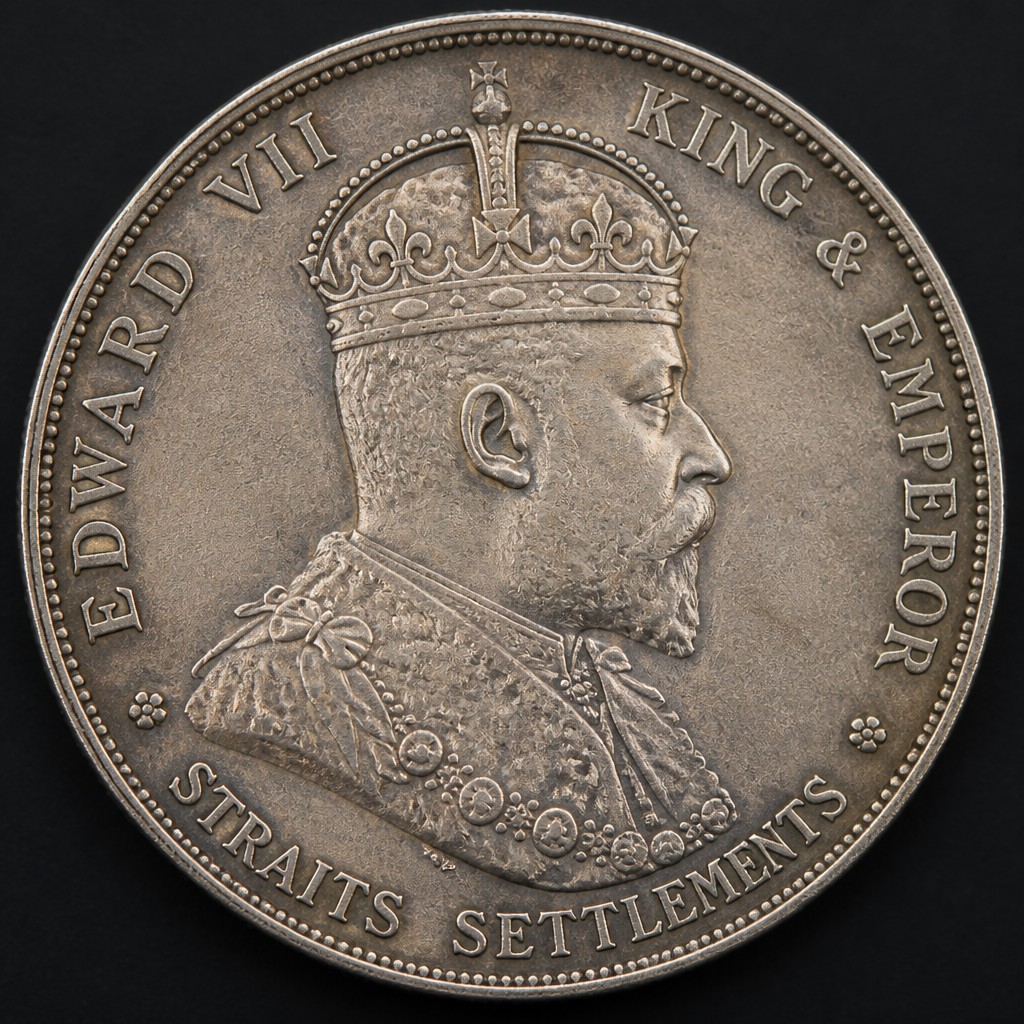
Straits Settlements Silver Dollar
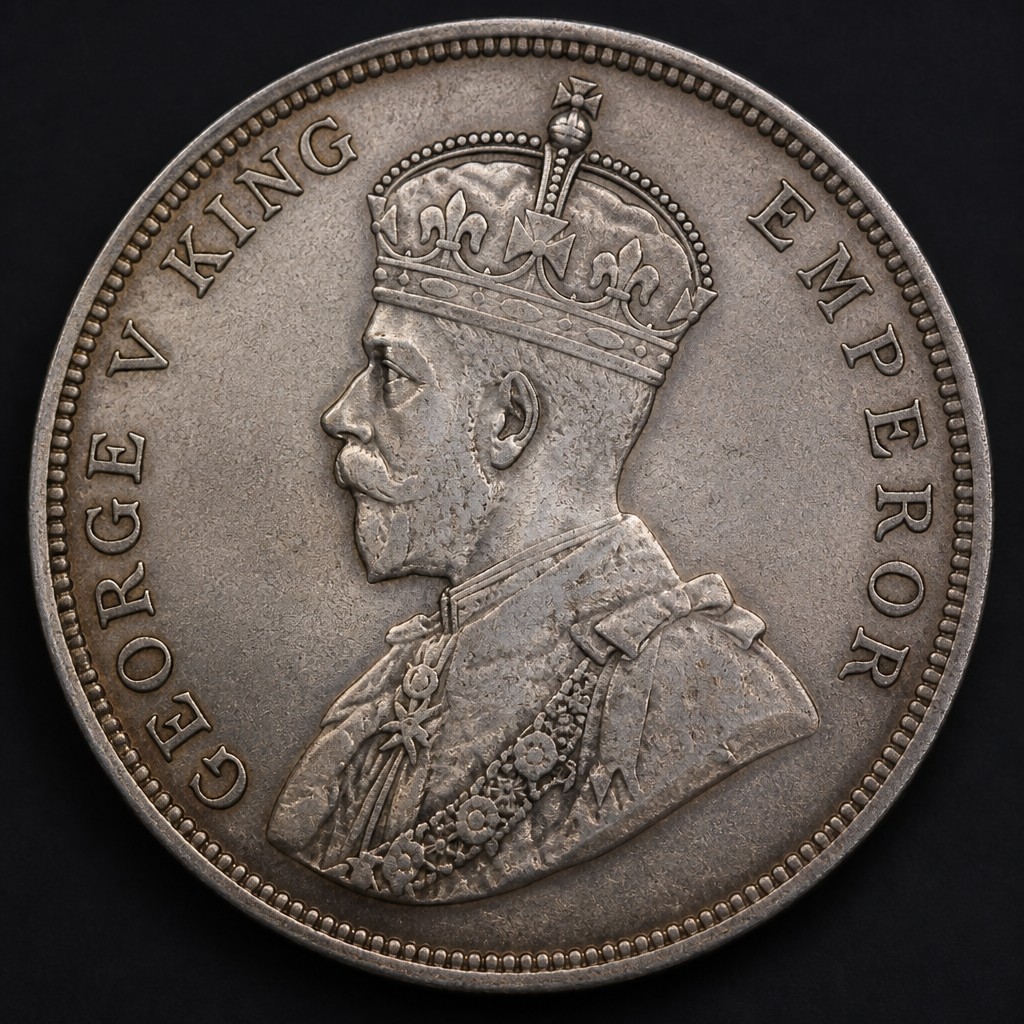
A large British colonial silver dollar struck for Singapore, Penang, and Malacca, created to give the Straits Settlements a standardized coin after decades of competing foreign trade dollars.
- Country
- Straits Settlements (British colonial Malaya)
- Denomination
- 1 Dollar
- Metal
- Silver (.900 fine)
Got a coin like this?
Identify any coin from a photo, free.
Overview
The Straits Settlements Silver Dollar was introduced in the early twentieth century to unify the currency of Britain's Straits Settlements colony, comprising Singapore, Penang, and Malacca. Before its introduction, trade in the region relied on a confusing mix of Mexican, Spanish, Hong Kong, and British trade dollars, and the new coin was meant to bring order and British prestige to the colony's money supply.
Bearing a portrait of the reigning British monarch, first Edward VII and later George V, the coin circulated as the standard silver dollar of British Malaya for over three decades, underpinning commerce throughout the colony's booming rubber and tin trade era.
It remains a cornerstone coin for collectors of British colonial Southeast Asian issues, valued both for its historical significance and for the elegant portraiture typical of British Empire coinage of the period.
History & Background
The Straits Settlements, formed of the port cities of Singapore, Penang, and Malacca, became a British Crown Colony in 1867 and grew rapidly as a hub of regional and international trade. For years, the colony's economy relied on foreign silver trade dollars, especially the Mexican dollar, since no dedicated British colonial dollar coin existed for local use.
In 1903, the British colonial government introduced the Straits Settlements dollar, struck at British Indian mints in Bombay and Calcutta, to give the colony its own standardized silver currency bearing the King's portrait. Production continued under King Edward VII and later King George V through 1935, supporting the colony's economy through its peak years as a center of the tin and rubber trade, before the currency system evolved further ahead of the Malayan dollar reforms of the following years.
How to Identify
The obverse bears the crowned portrait of the reigning British monarch, either King Edward VII or King George V, with the royal title in Latin around the rim. The reverse displays the denomination "ONE DOLLAR" within a wreath, along with "STRAITS SETTLEMENTS" and the date.
The coin is struck in .900 fine silver and is comparable in size to other large trade dollars of the era, with a reeded edge typical of high-value silver coinage meant to deter clipping. Mint identification is generally inferred from date and known mint records for Bombay and Calcutta rather than a visible mint mark on most issues.
Collectors distinguish the Straits dollar from contemporaneous British trade dollars (a separate coin used more broadly across British Asian trade) by its specific "STRAITS SETTLEMENTS" reverse legend, which ties it directly to this particular colony rather than to general imperial trade circulation.
Value & Collectibility
Common-date Straits Settlements dollars in circulated grades are collectible and generally available at modest premiums over silver bullion value, reflecting substantial mintages across the more than three decades of production. Higher-grade, lustrous examples bring stronger premiums from collectors of British colonial coinage.
Certain dates, particularly earlier issues from the Edward VII period and lower-mintage years, are scarcer and can command meaningfully higher prices, sometimes reaching into the low hundreds of dollars or more in top condition. Overall value depends heavily on strike quality, surface preservation, and the presence or absence of cleaning or damage.
As a widely collected series within British colonial numismatics, well-documented reference guides on Straits Settlements coinage are the standard tool collectors use to identify specific dates and assess relative rarity.
Frequently asked questions
Which king appears on this coin?
Either King Edward VII or King George V appears, depending on the year of issue, since production spanned both reigns from 1903 to 1935.
What territories used this coin?
It circulated across the Straits Settlements colony, comprising Singapore, Penang, and Malacca in British Malaya.
Why did Britain introduce a dedicated dollar for this colony?
The colony previously relied on a mix of foreign trade dollars, mainly Mexican silver dollars, and the British government wanted a standardized coin under its own authority.
Is this the same coin as the British trade dollar?
No, the British trade dollar was a separate, broader coin used across British Asian trade generally, while the Straits Settlements dollar was specific to this colony.
What is it made of?
It is struck in .900 fine silver, consistent with other large silver trade and colonial dollar coins of the period.
Other coins you may enjoy
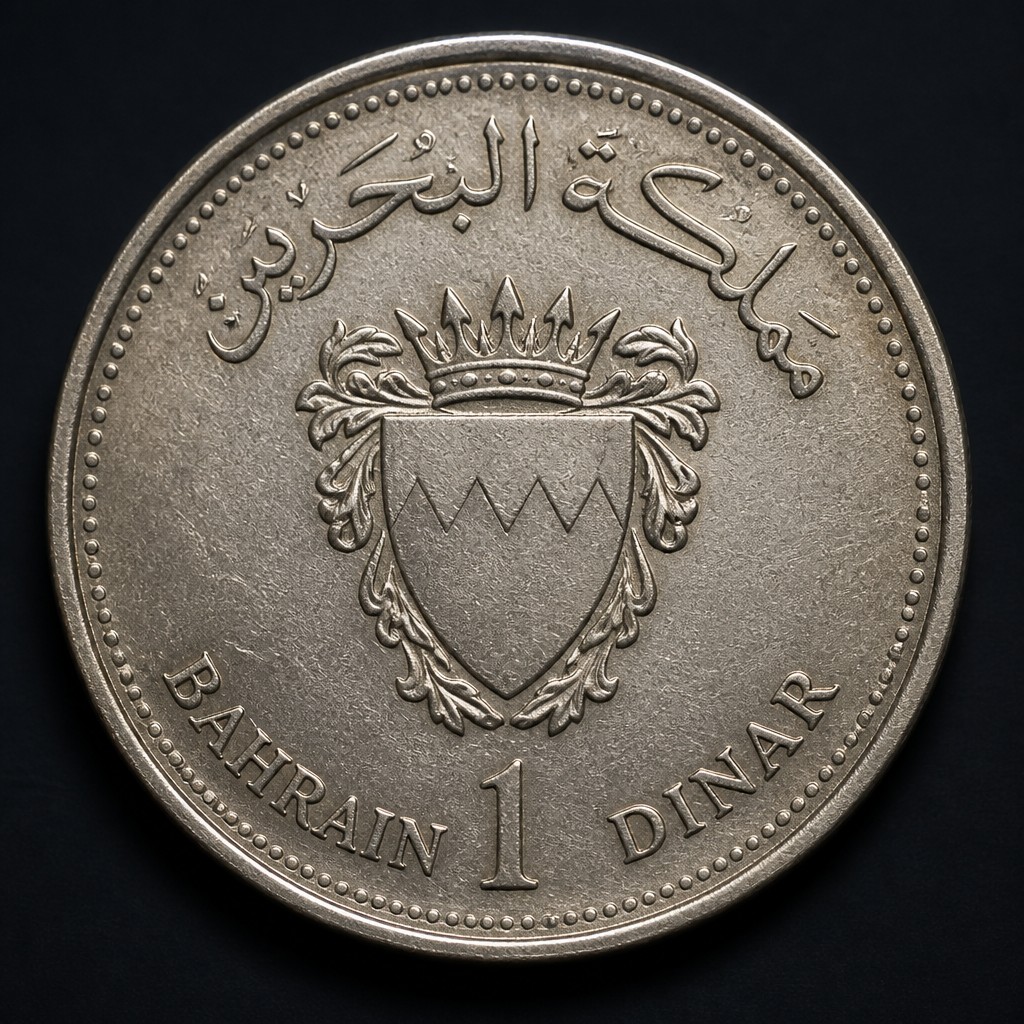
Bahraini Dinar
1965–present
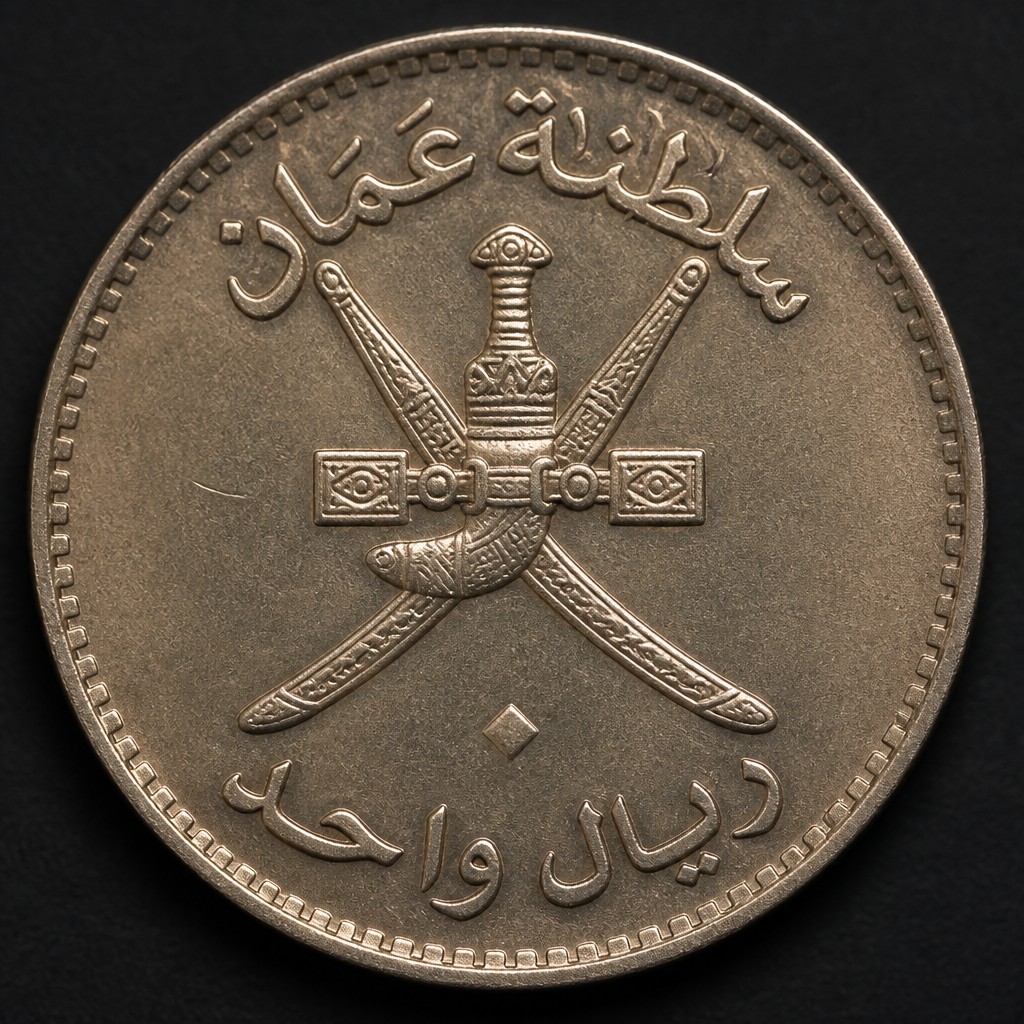
Omani Rial (Baisa Coinage)
1970–present
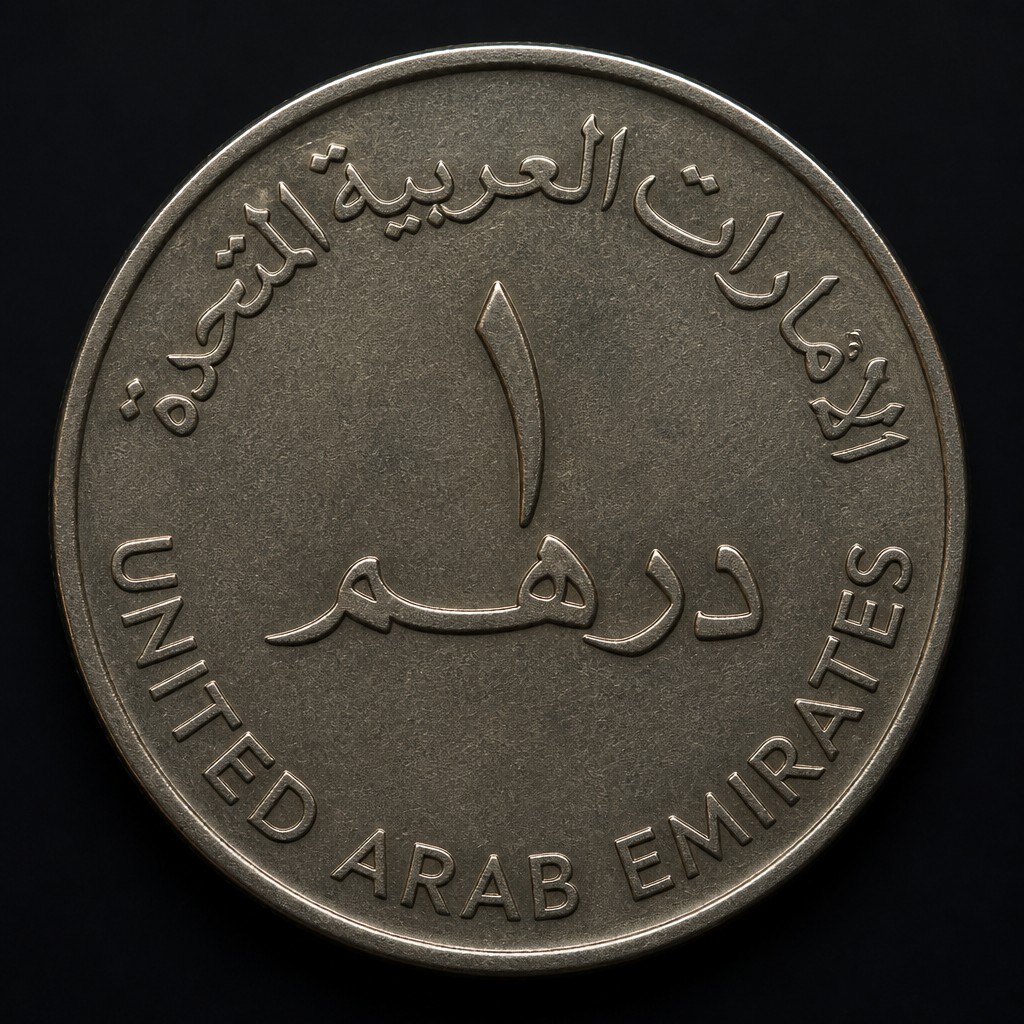
United Arab Emirates Dirham
1973–present
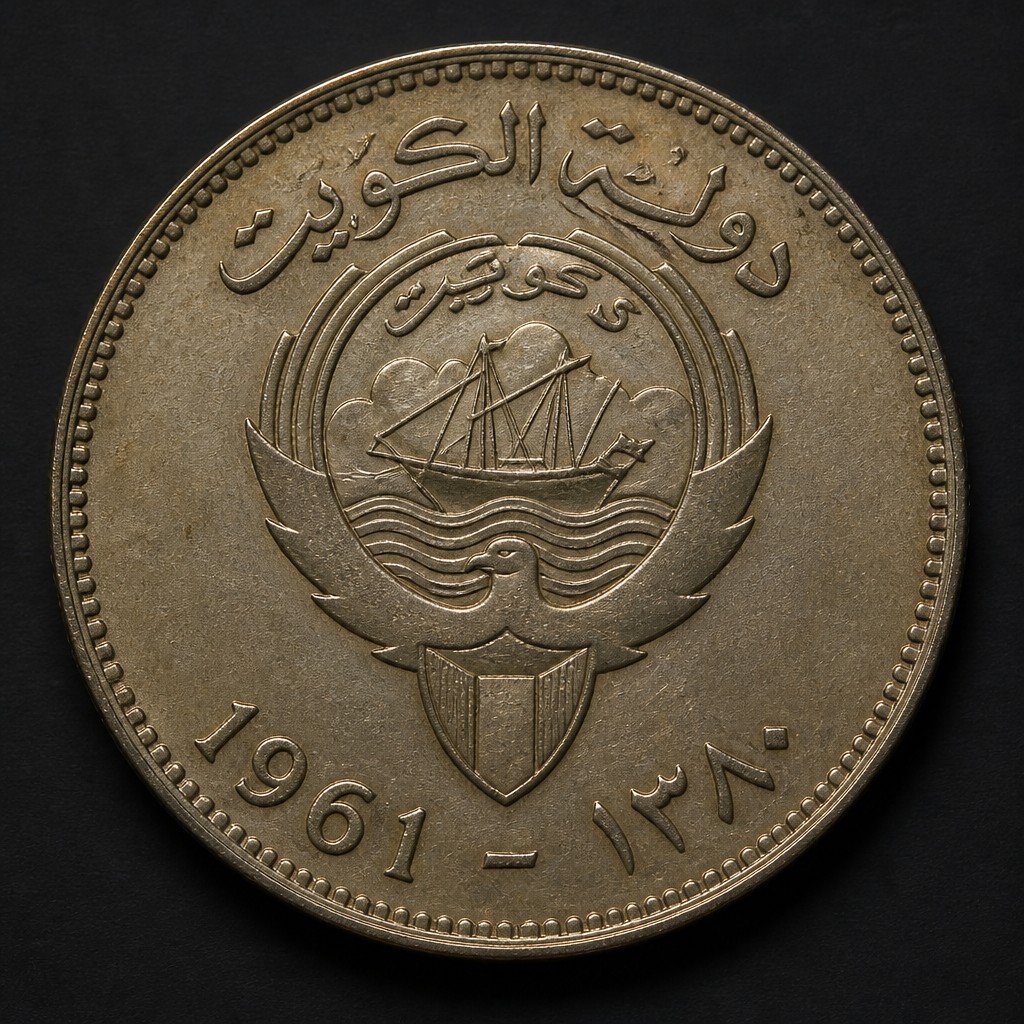
Kuwaiti Fils
1961–present
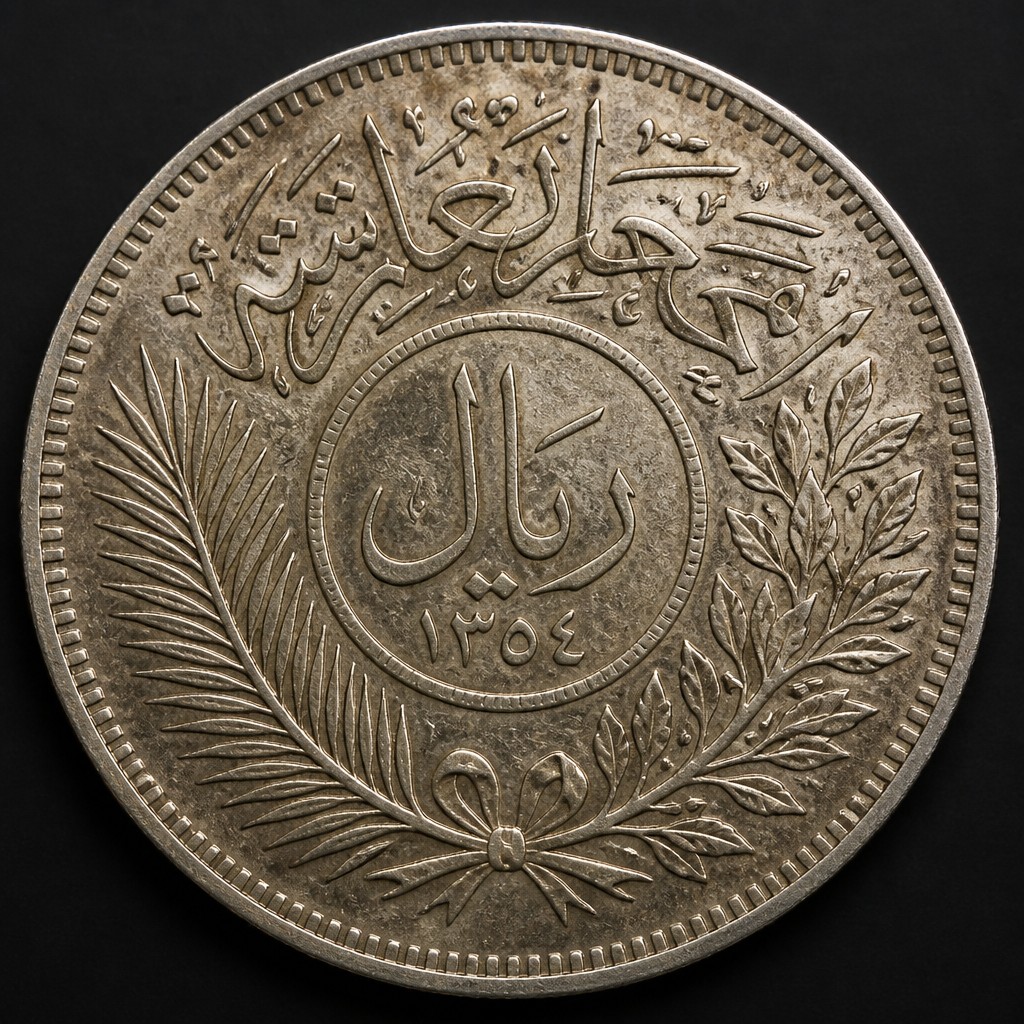
Saudi Arabian Riyal (silver)
1935 (Kingdom-wide standardization) and related issues
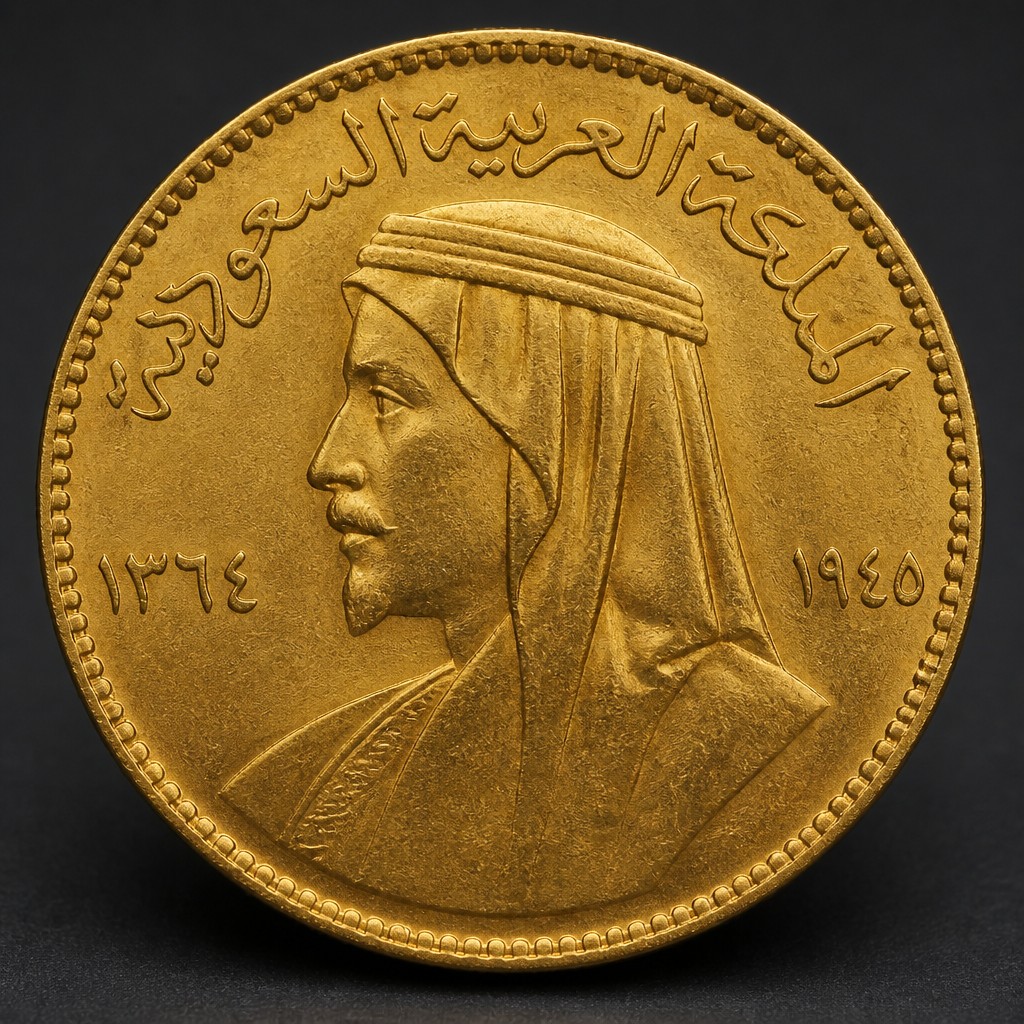
Saudi Arabian Gold Guinea (Sovereign)
1945 and later issues
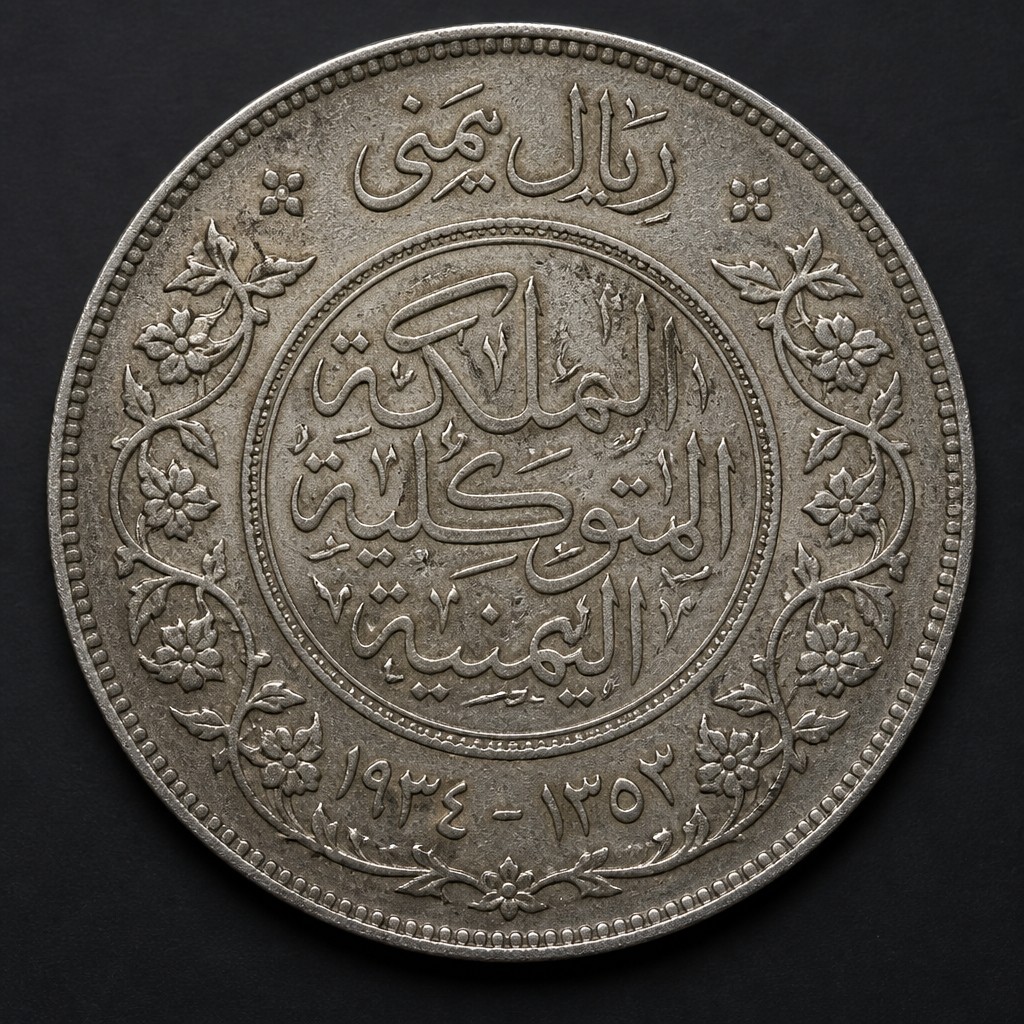
Yemeni Riyal (Ahmadi/Imadi Kingdom Coinage)
Early-to-mid 20th century
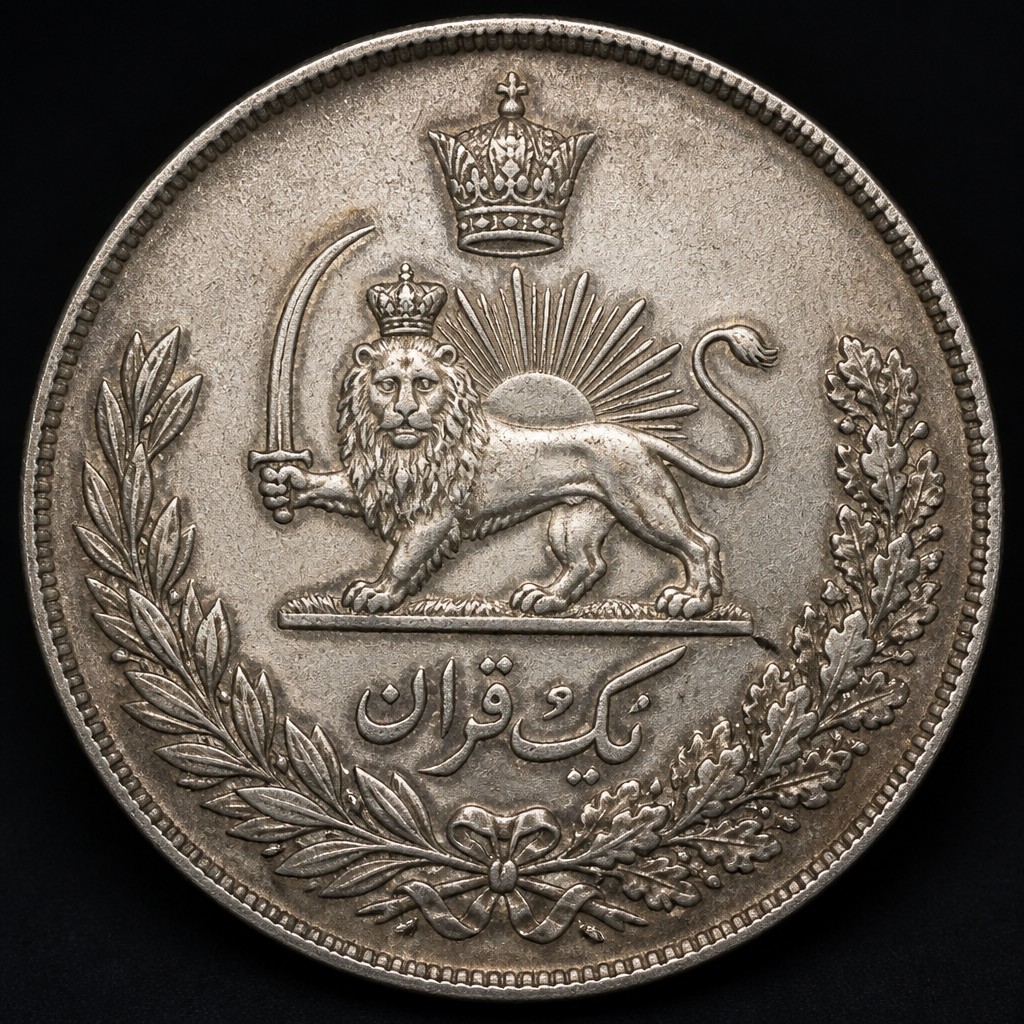
Persian Kran (Qajar silver)
Mid-19th century–1925
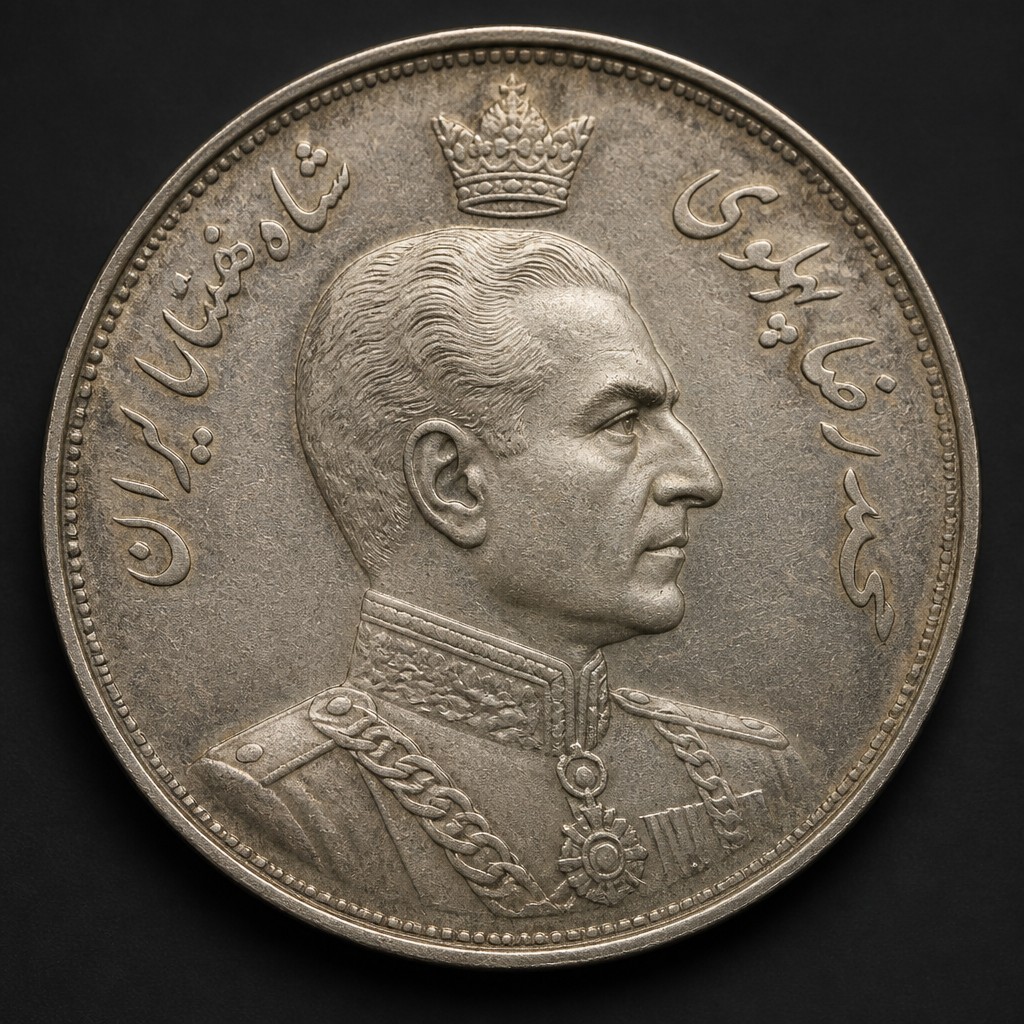
Iranian Rial
1932–present
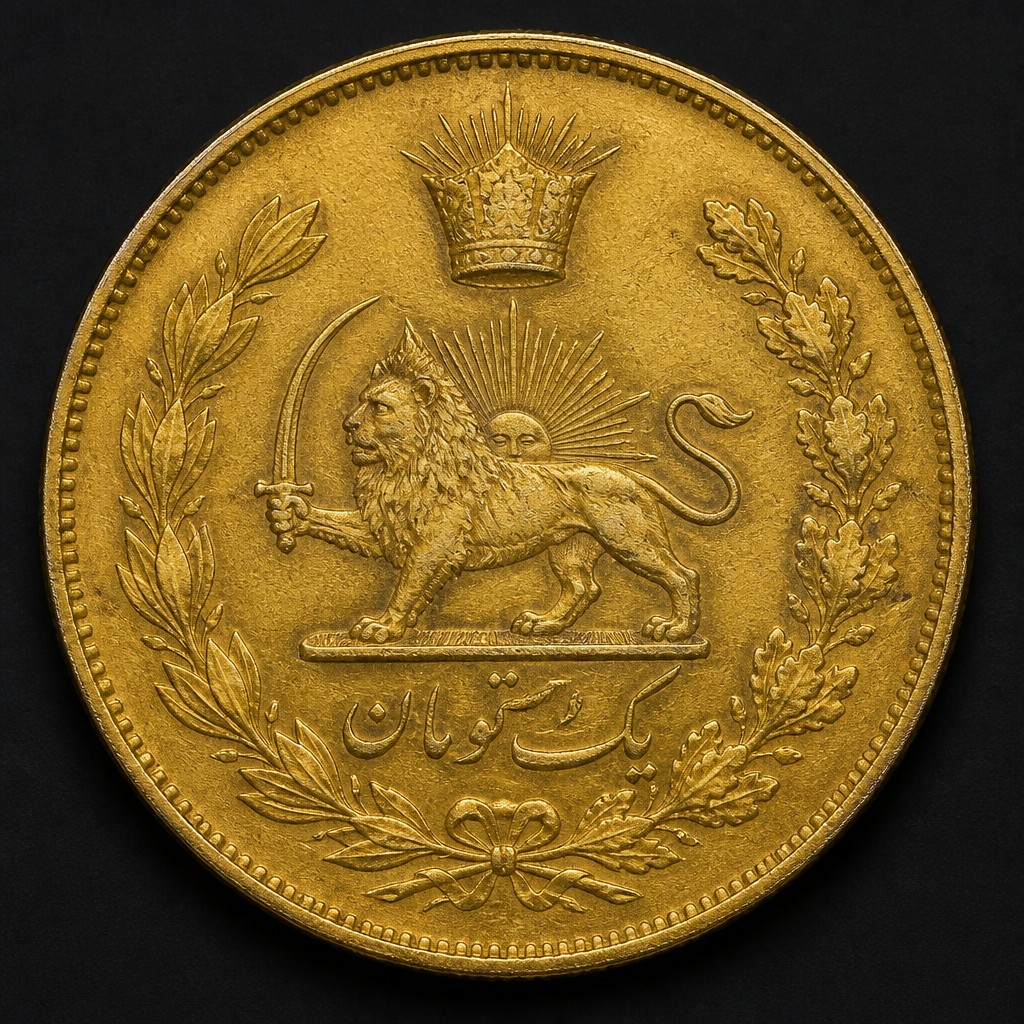
Persian Gold Toman (Qajar)
1796–1925
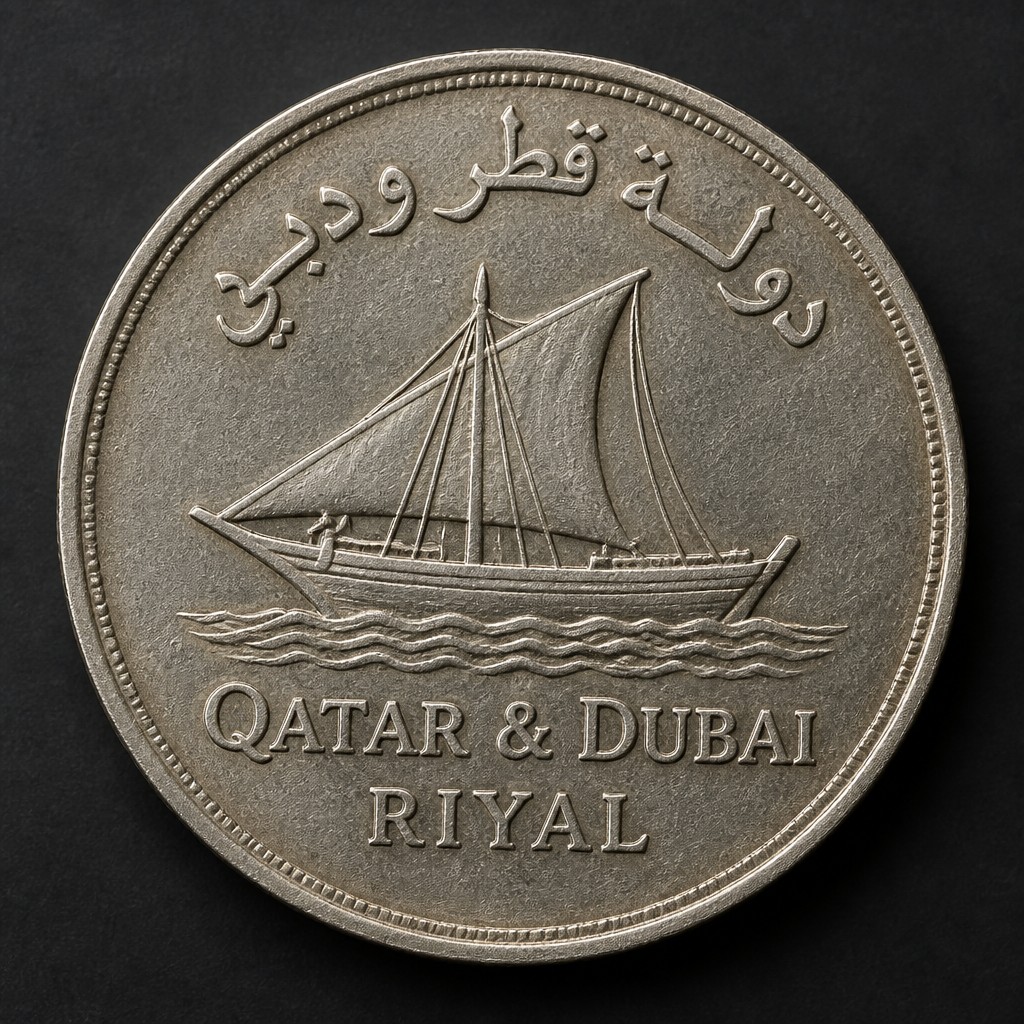
Qatar and Dubai Riyal
1966–1973
British India Rupee (Silver)
1835–1947