
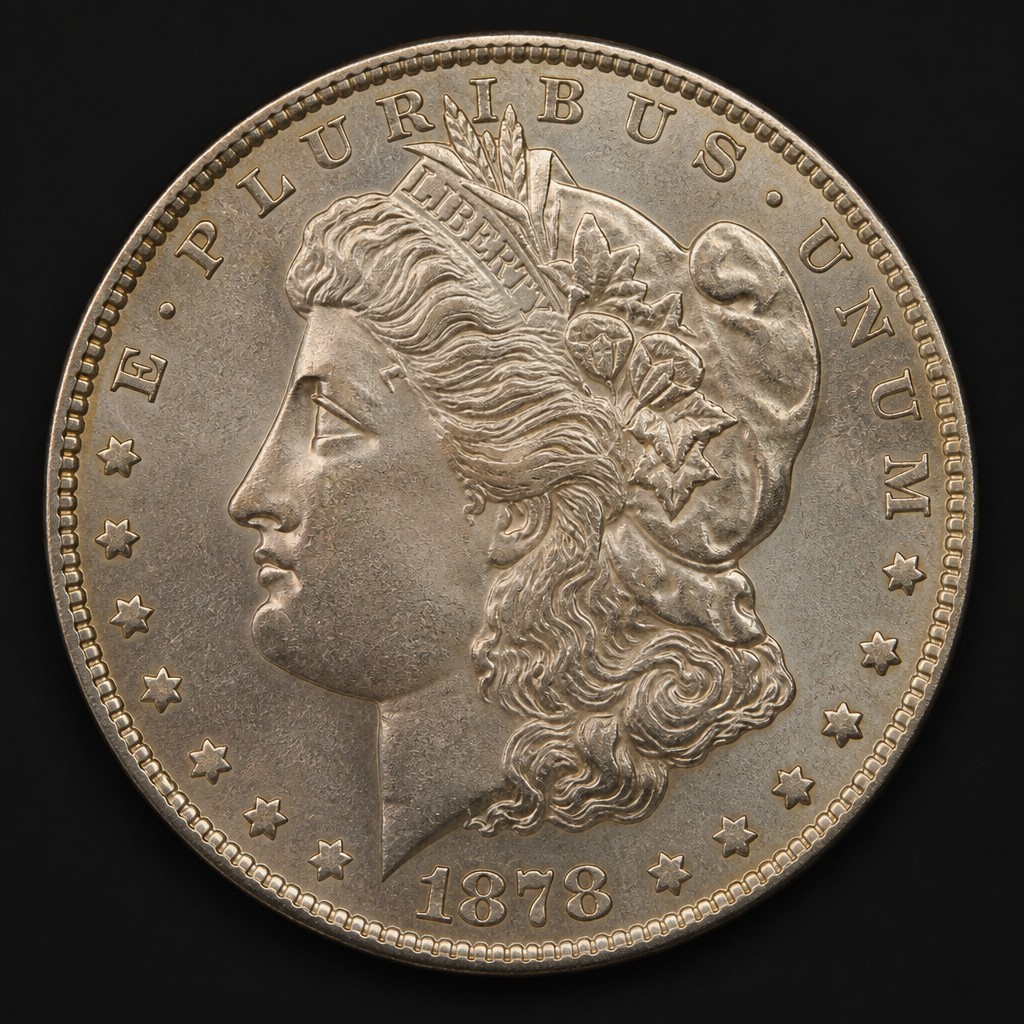
Carson City Morgan Dollar (CC Mint)
Morgan silver dollars struck at the Carson City Mint, identified by the small CC mintmark, prized for their Wild West mystique and generally lower mintages than Philadelphia or New Orleans issues.
- Country
- United States
- Denomination
- One Dollar
- Metal
- 90% Silver, 10% Copper
Got a coin like this?
Identify any coin from a photo, free.
Overview
The Carson City Morgan dollar is not a separate design but a mintmark variety of the standard Morgan silver dollar, struck at the U.S. Mint's Carson City, Nevada branch between 1878 and 1893. Because the Carson City facility was small and operated intermittently, its annual dollar production was usually far lower than that of Philadelphia, New Orleans, or San Francisco, making CC dollars a favorite target for date-and-mint set collectors.
Beyond scarcity, the CC mintmark carries strong romantic appeal tied to the silver boom of the Comstock Lode and the frontier history of the American West. Many surviving CC dollars come from large government hoards that were only released decades later, which shaped both their availability and their collector mystique.
History & Background
The Carson City Mint opened in 1870 largely to coin silver from Nevada's Comstock Lode into circulating money, and it continued striking Morgan dollars after the Bland-Allison Act of 1878 required the Treasury to purchase large quantities of silver bullion for coinage. The branch mint operated with interruptions and closed for coining silver dollars for several years in the 1880s before a final run of CC Morgan dollars ended in 1893.
George T. Morgan, the coin's designer, created the obverse Liberty head and reverse eagle motif used at all Morgan dollar mints, so Carson City coins share the same artistic design as their Philadelphia, New Orleans, and San Francisco counterparts. What sets them apart historically is the mint's remote frontier setting and its direct link to Nevada's silver mining economy.
A huge cache of uncirculated Carson City dollars sat in Treasury vaults for decades and was eventually sold to the public in the 1970s through the General Services Administration, dramatically affecting the modern supply and collecting culture around these coins.
How to Identify
The obverse shows Liberty in profile wearing a cap inscribed LIBERTY, surrounded by stars and the date, in the classic Morgan dollar style. The reverse depicts an eagle with wings spread, holding an olive branch and arrows, encircled by a wreath and the legend UNITED STATES OF AMERICA along with the denomination ONE DOLLAR.
The defining feature is the small "CC" mintmark located on the reverse below the wreath, above the letters "DO" in DOLLAR. Coins without a mintmark were struck at Philadelphia, while "O" indicates New Orleans and "S" indicates San Francisco. The coin is 38.1mm in diameter, weighs 26.73 grams, and has a reeded edge, identical in size and metal content to other Morgan dollars.
Collectors should examine the mintmark carefully with magnification, as it is small and can be confused with wear or dirt; genuine CC dollars should also match known date ranges (1878–1885, 1889–1893) since no CC dollars were struck 1886–1888.
Value & Collectibility
Because Carson City mintages were generally smaller, CC Morgan dollars command a premium over common-date Philadelphia or New Orleans coins even in worn condition, with common CC dates in circulated grades often valued from roughly $100 to $300. Scarcer dates such as 1879-CC and 1889-CC are significantly more valuable, and choice uncirculated examples of key dates can reach into the thousands of dollars or more.
Condition is critical: Morgan dollars are graded on the Sheldon scale, and even small differences in luster, strike, and surface marks can substantially change value. Coins that come in original GSA holders (see the related GSA Morgan Dollar entry) can carry additional collector appeal tied to their documented provenance.
Frequently asked questions
What years were Carson City Morgan dollars made?
They were struck in 1878–1885 and 1889–1893; no CC dollars were minted from 1886 through 1888.
How do I find the CC mintmark?
Look on the reverse just below the wreath, above the letters "DO" in DOLLAR; it is small and best viewed with a loupe.
Are all CC Morgan dollars rare?
No, some dates like 1883-CC and 1884-CC survive in large numbers thanks to Treasury hoards, while other dates are genuinely scarce.
What is the difference between a CC Morgan and a GSA Morgan?
GSA Morgan refers to CC dollars sold by the government in the 1970s in special holders; the coin itself is the same CC-minted dollar.
Other coins you may enjoy
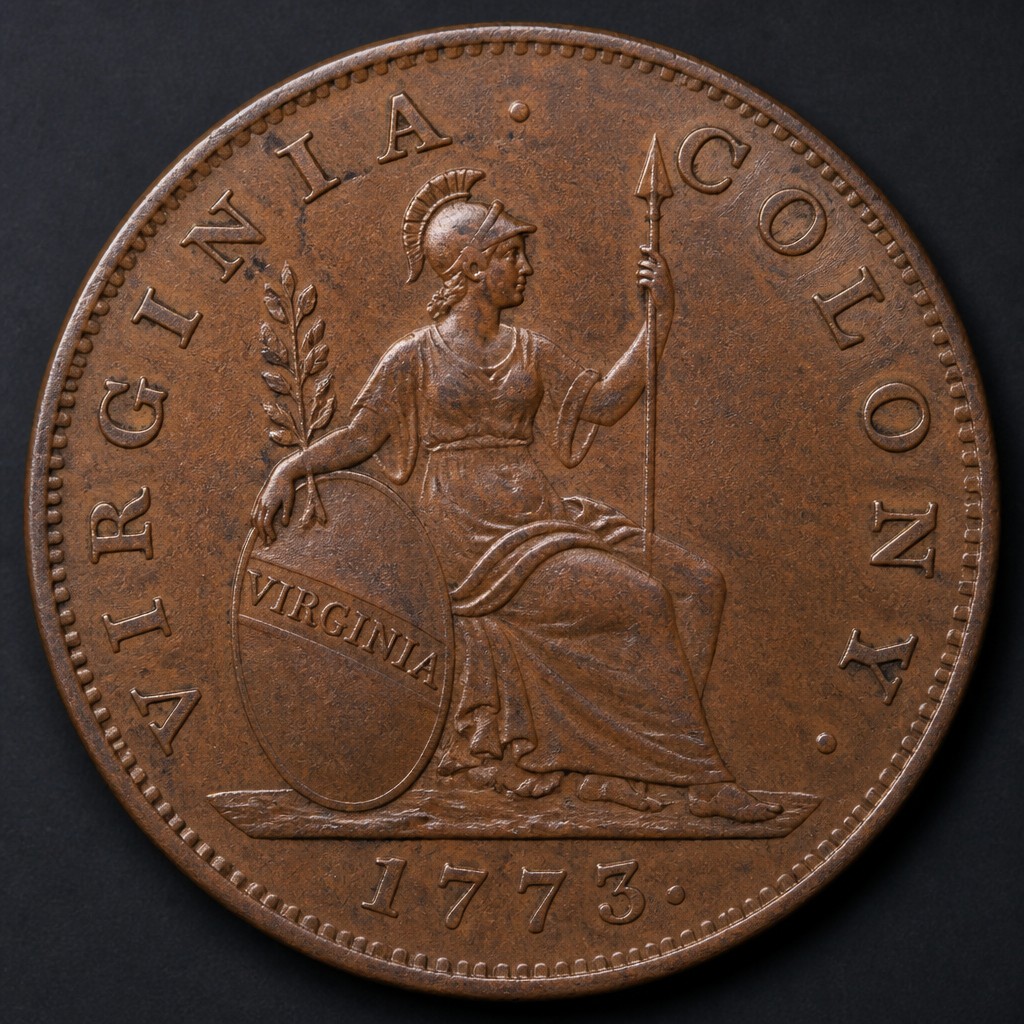
Virginia Halfpenny
1773
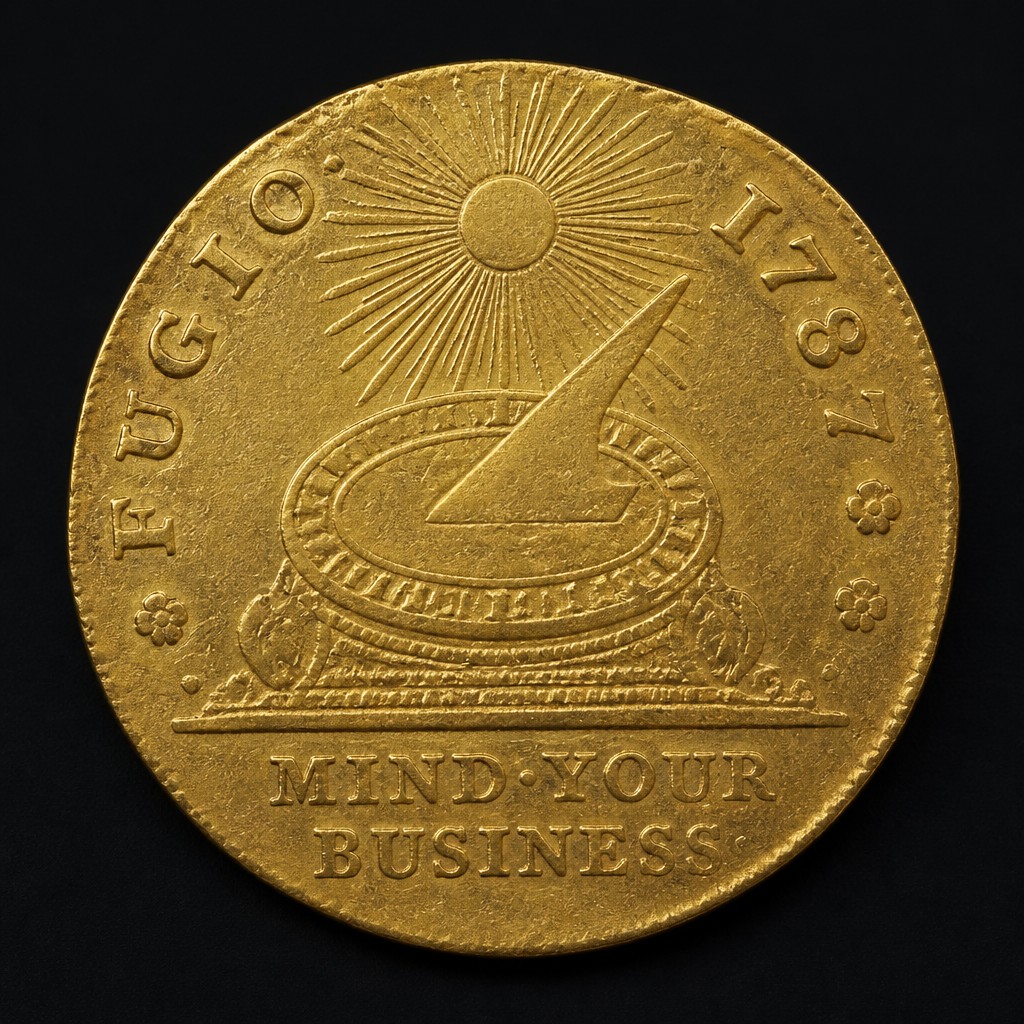
Brasher Doubloon
1787
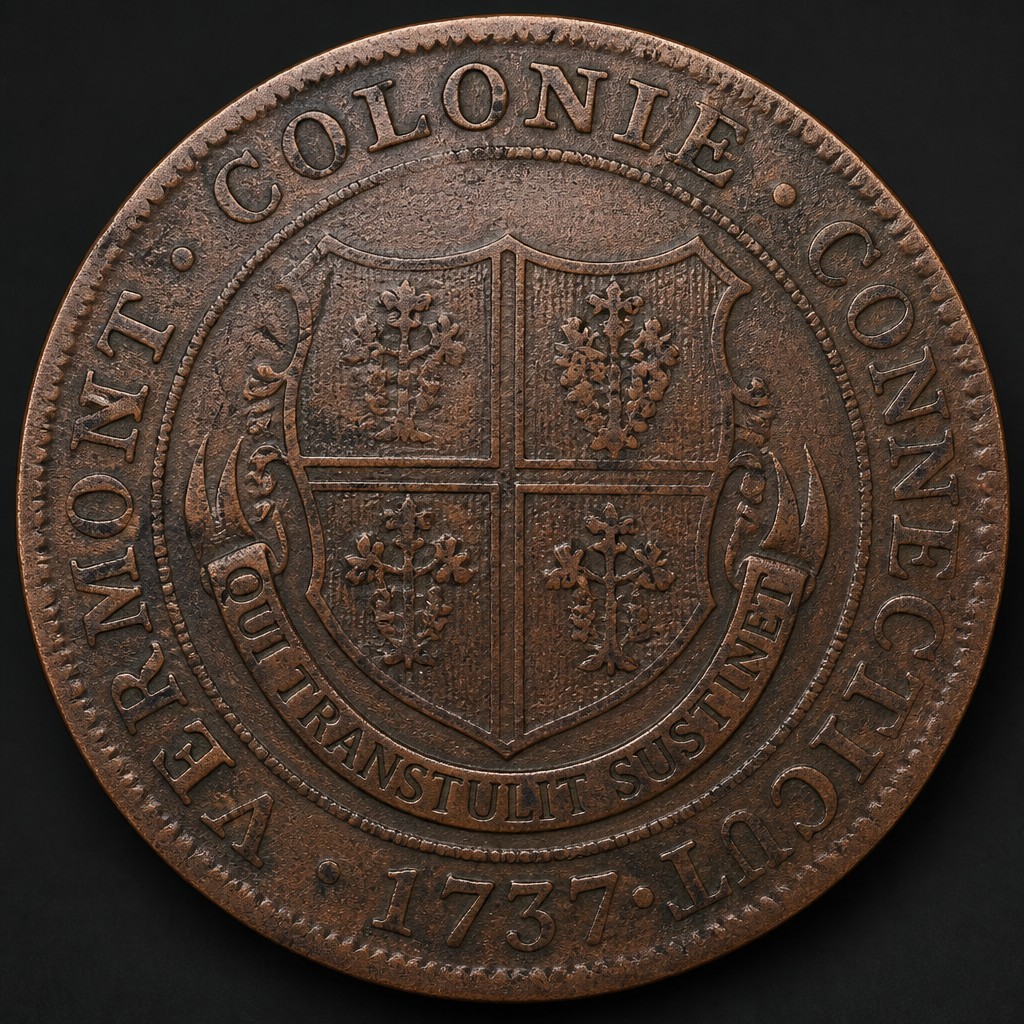
Higley Copper
1737–1739
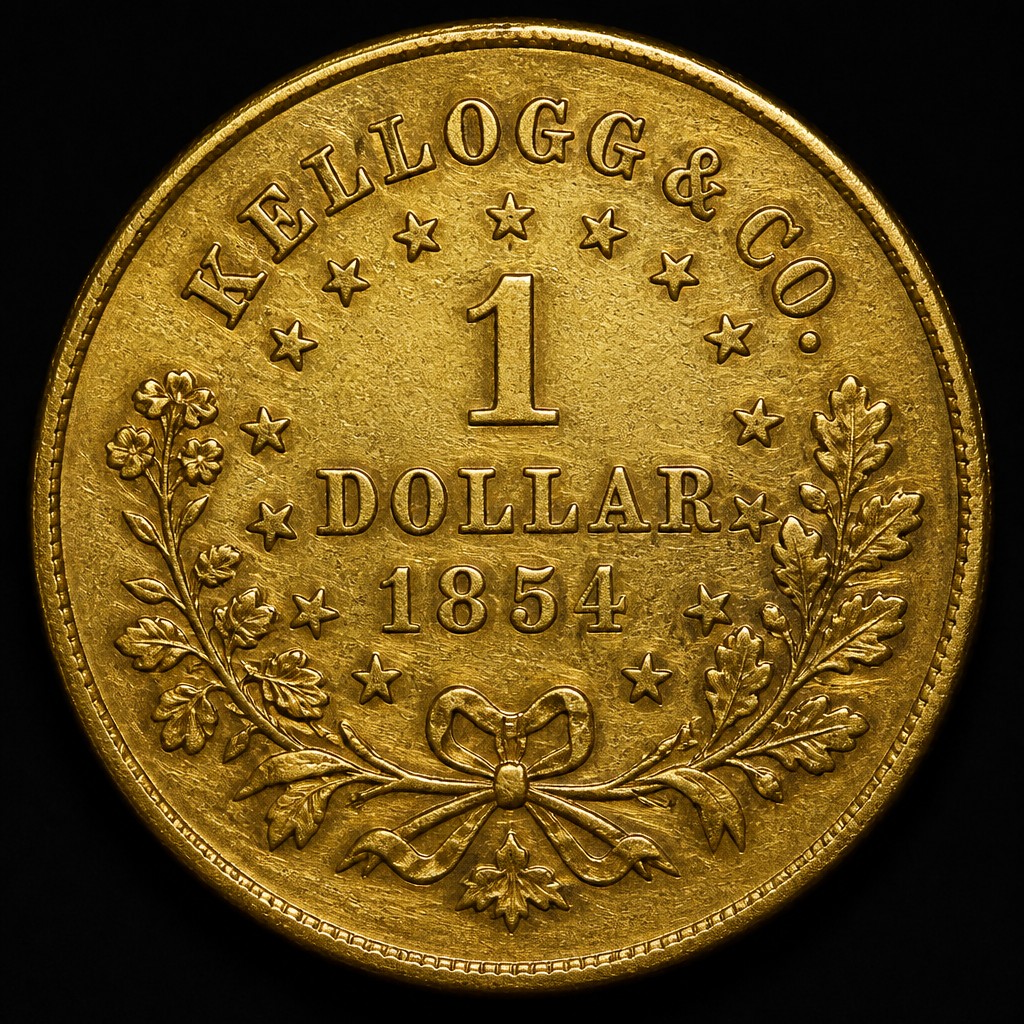
Kellogg & Co. Gold Piece
1854–1855
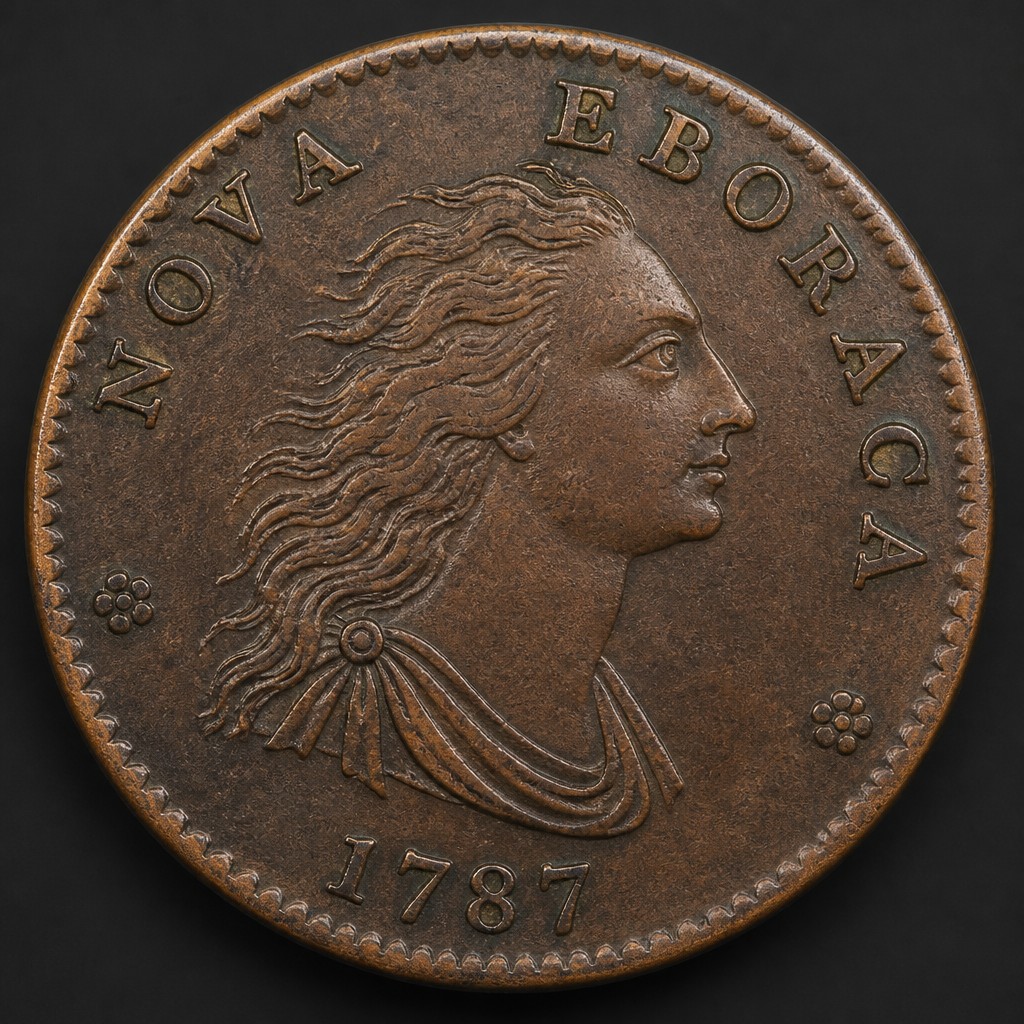
Nova Eborac Copper
1787
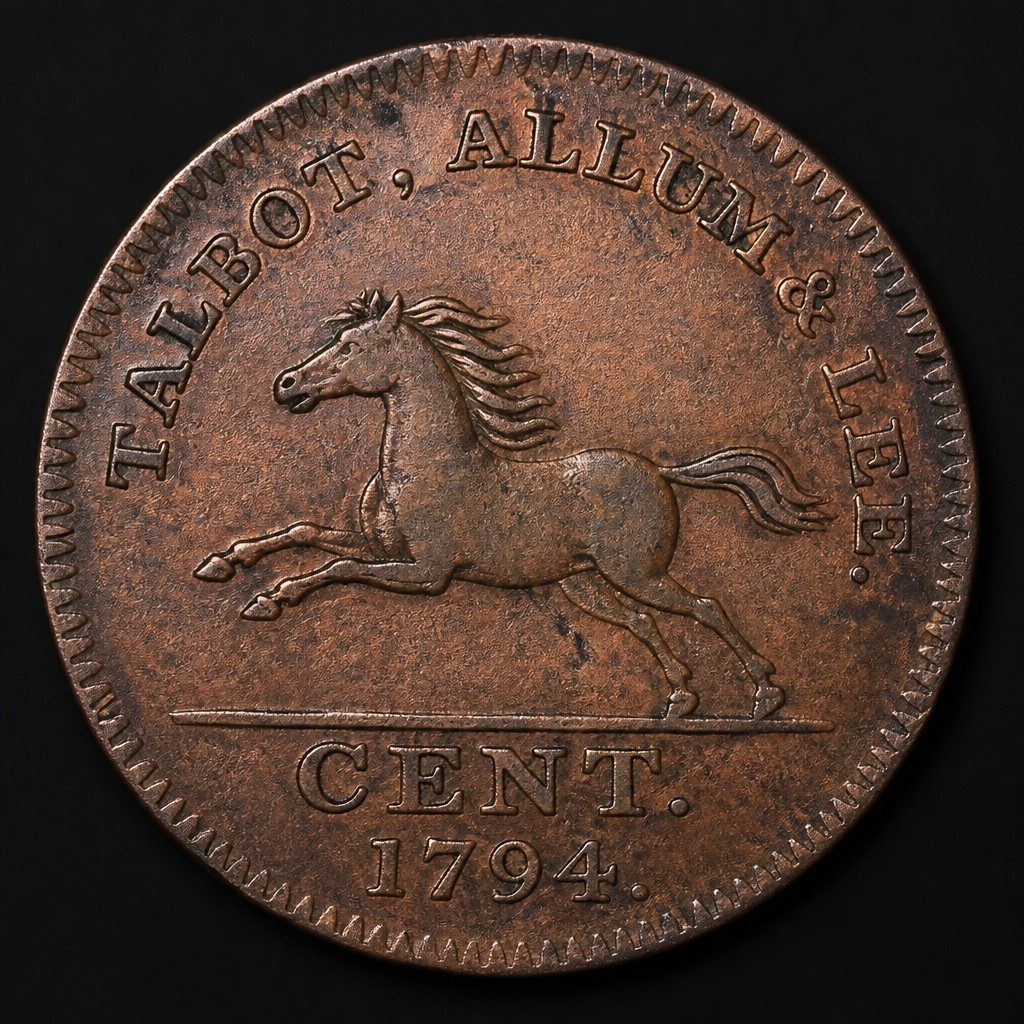
Talbot, Allum & Lee Cent
1794–1795
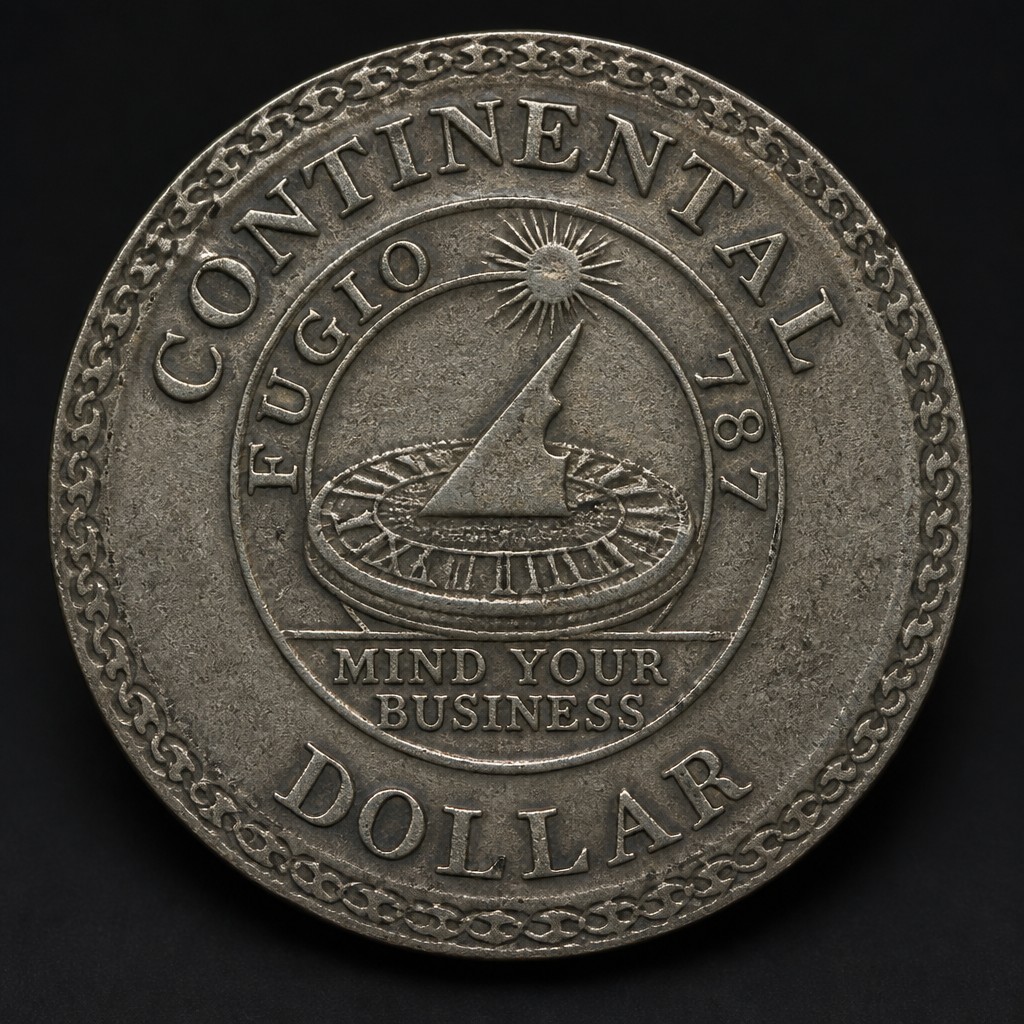
Continental Dollar
1776
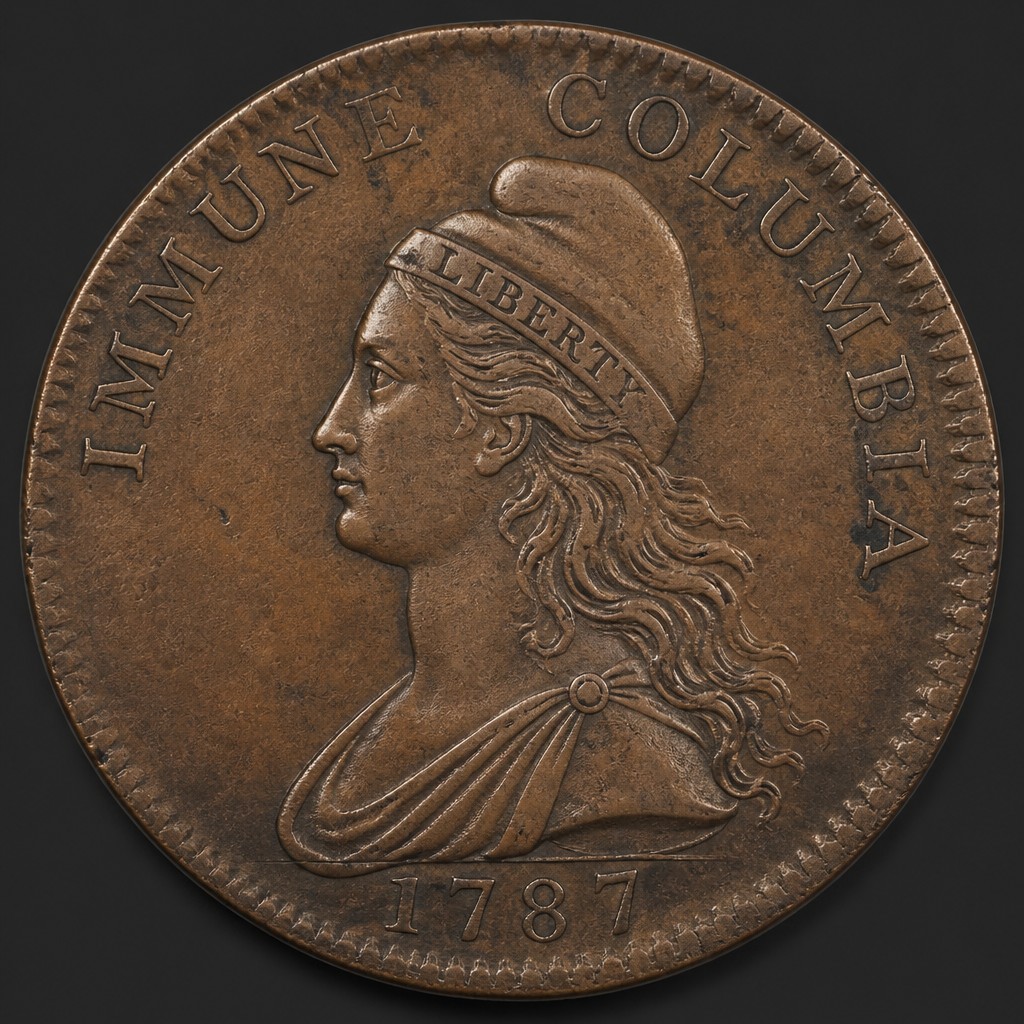
Immune Columbia Copper
circa 1785–1787
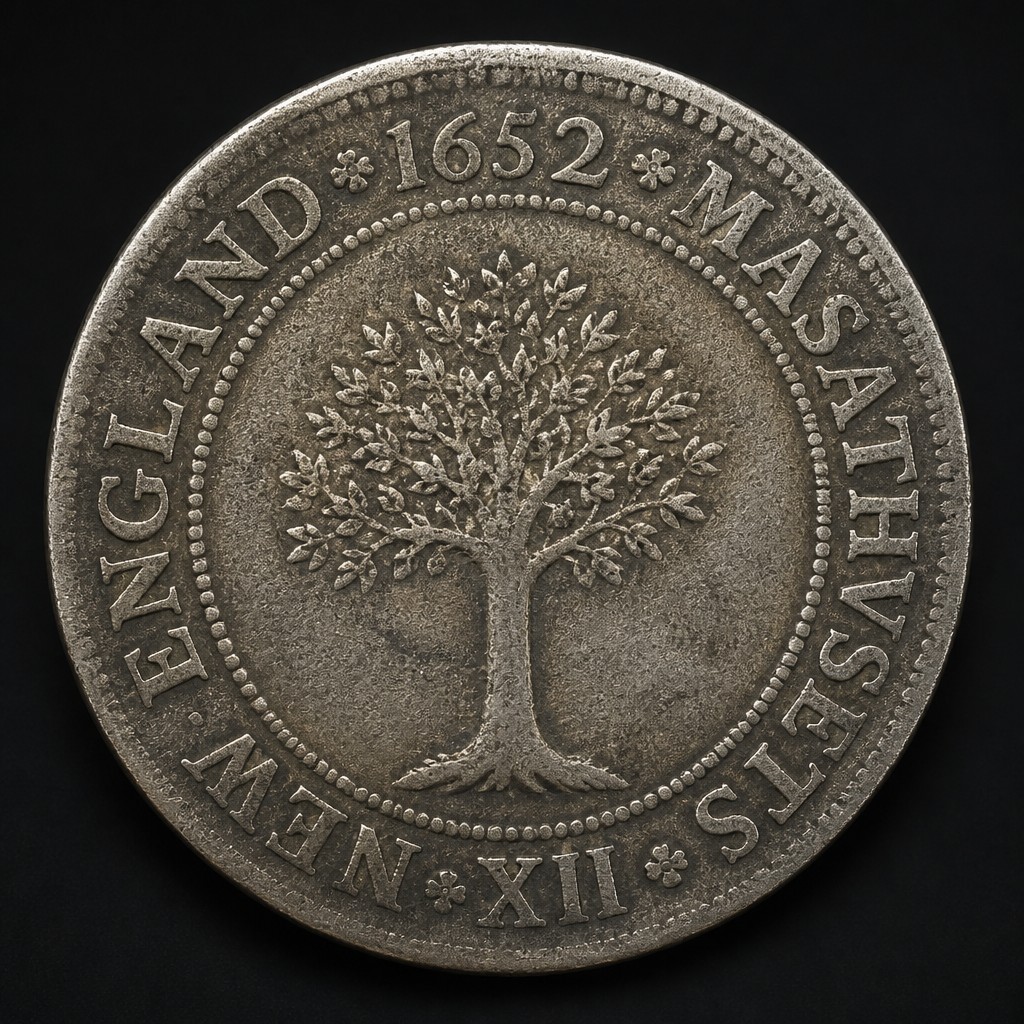
Massachusetts Oak Tree Shilling
Dated 1652, struck circa 1660–1667
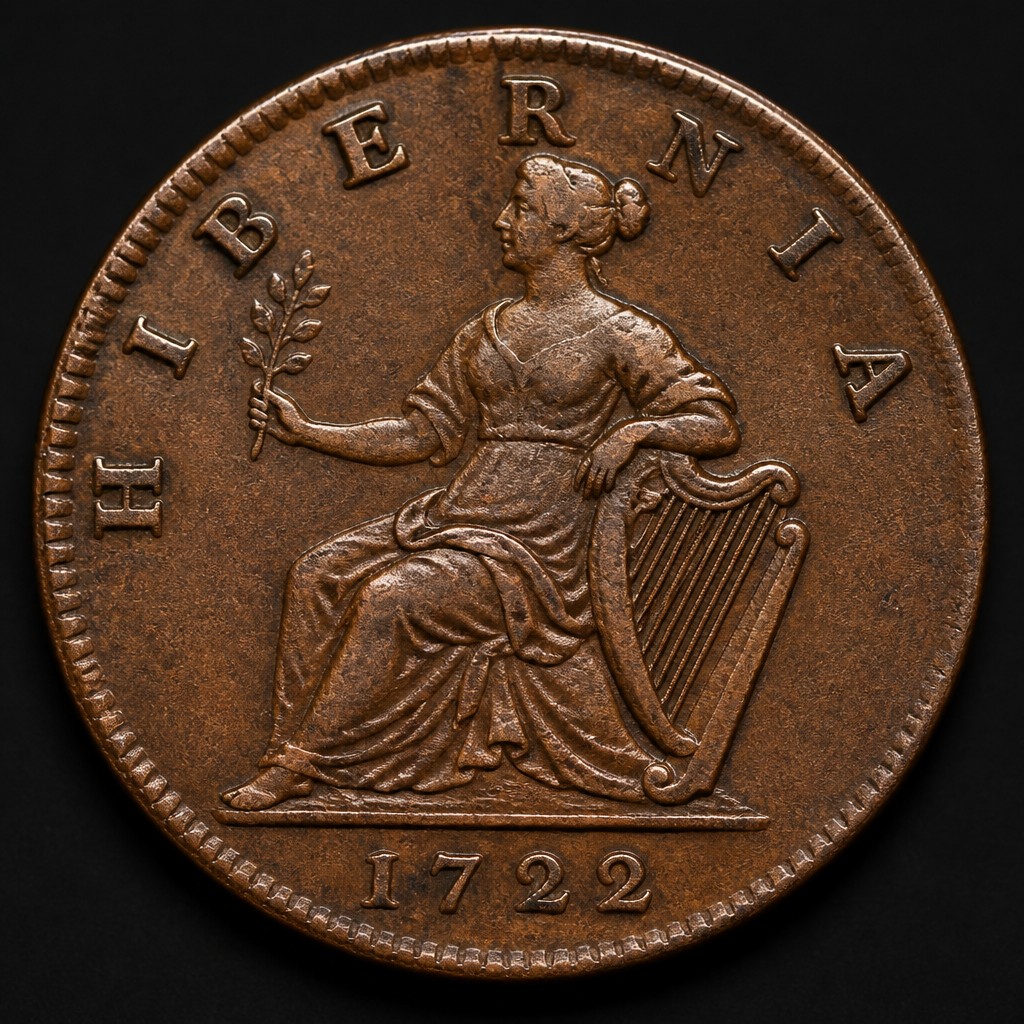
Wood's Hibernia Halfpenny
1722–1724
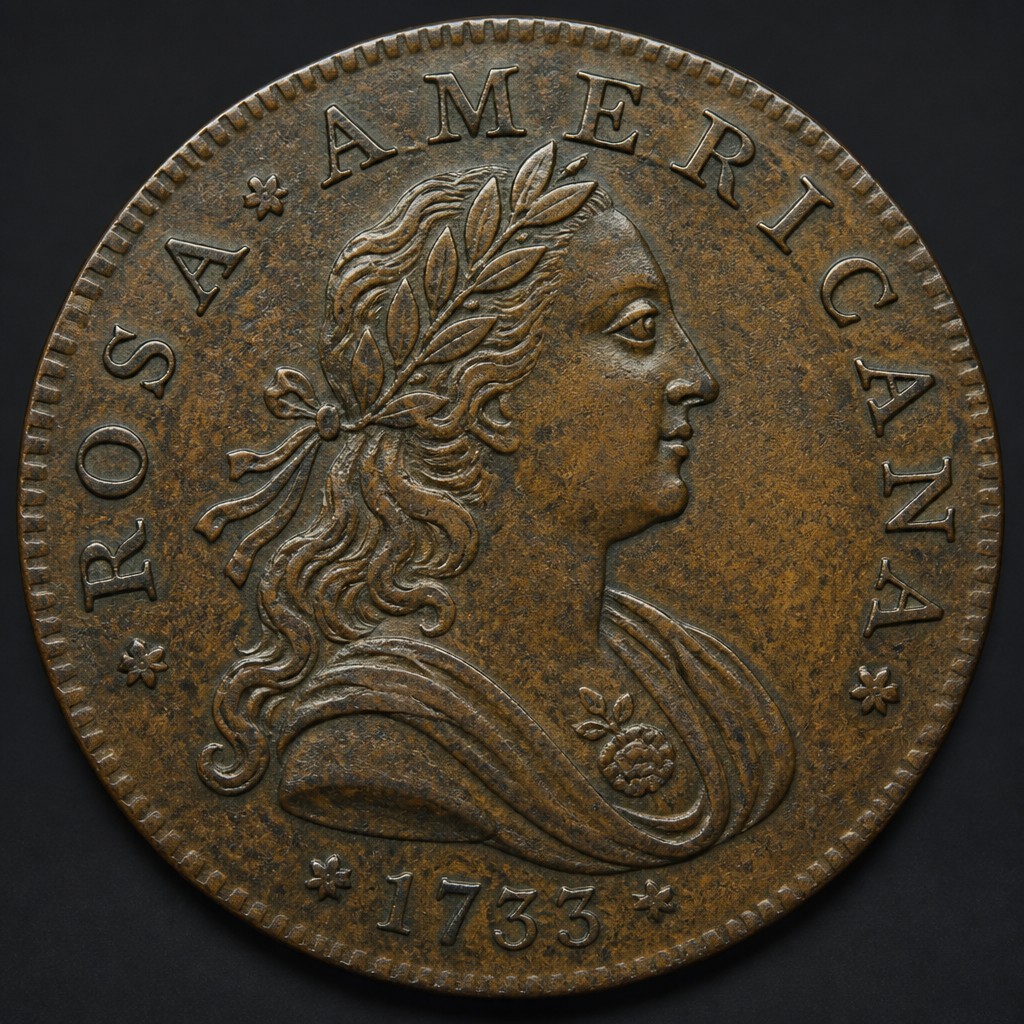
Rosa Americana Coinage
1722–1724 (with pattern issues dated 1733)
Massachusetts Willow Tree Shilling
Dated 1652, struck circa 1653–1660