
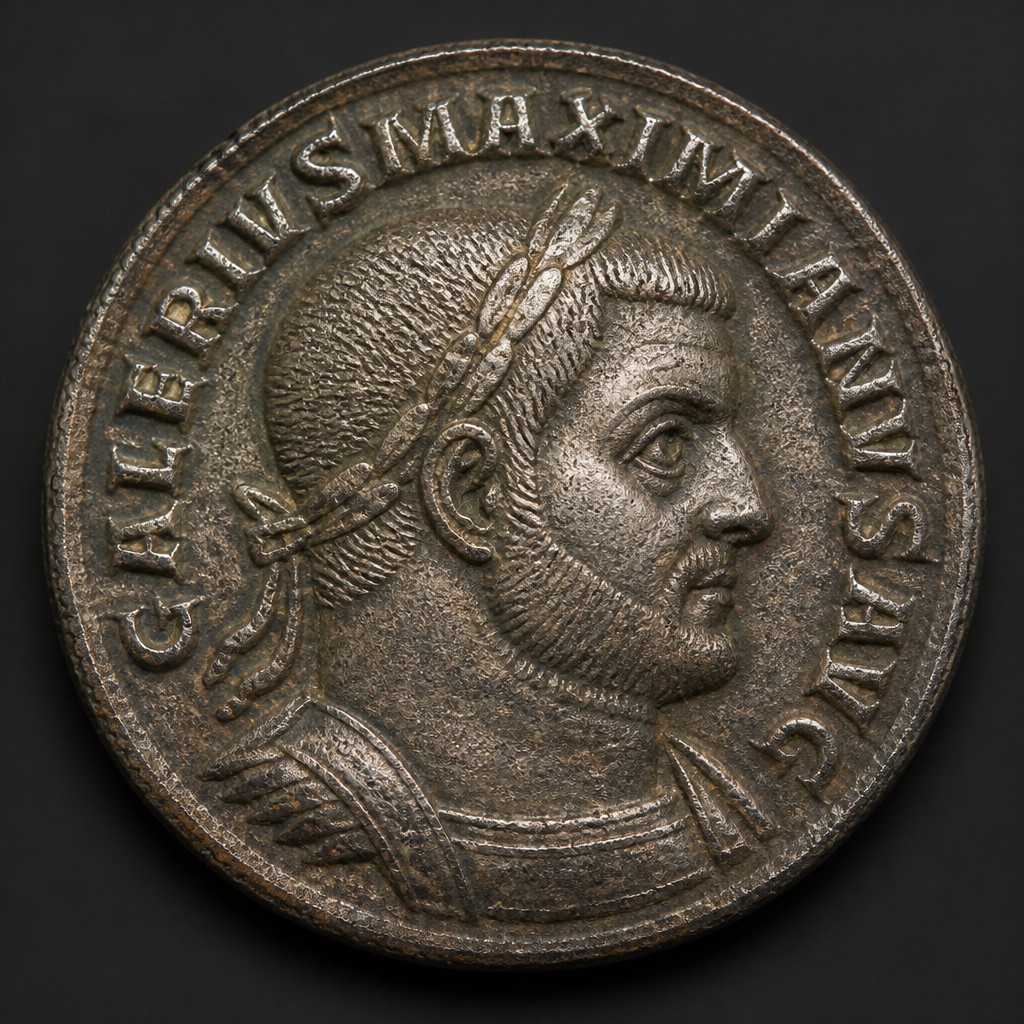
Galerius Follis
Reform-era bronze follis of Galerius, Caesar and later Augustus of the eastern Tetrarchy, remembered for early persecution of Christians and his later Edict of Toleration issued just before his death.
- Country
- Ancient Rome
- Denomination
- Follis (Nummus)
- Metal
- Bronze with thin silver wash
Got a coin like this?
Identify any coin from a photo, free.
Overview
Galerius's follis coinage follows the standard reform pattern introduced under Diocletian, but his coins carry particular historical resonance because of his prominent, and evolving, role in Roman religious policy. Initially a driving force behind harsh persecution of Christians, Galerius issued a surprising Edict of Toleration in 311 AD shortly before his death, ending official persecution across the empire.
For collectors, his coinage offers a direct link to this dramatic reversal in imperial religious policy, in addition to representing standard, accessible Tetrarchic-era bronze coinage from the eastern provinces.
History & Background
Gaius Galerius Valerius Maximianus was appointed Caesar in the eastern Tetrarchy in 293 AD under Diocletian, and he achieved a significant military victory against the Sassanid Persians in 298 AD, securing favorable terms that stabilized Rome's eastern frontier for years. He was known for his zealous support of the Great Persecution of Christians launched under Diocletian beginning in 303 AD.
Upon Diocletian's abdication in 305 AD, Galerius became senior Augustus of the east, though the following years were marked by increasing political fragmentation and civil conflict among rival claimants across the empire. Shortly before his death from illness in 311 AD, Galerius issued the Edict of Toleration, officially ending the persecution of Christians, a striking reversal from his earlier hardline stance.
How to Identify
The obverse shows a laureate, cuirassed bust of Galerius, with legends such as GAL VAL MAXIMIANVS NOB CAES during his Caesarship, later reflecting his elevation to Augustus after 305 AD.
The reverse follows the common Tetrarchic GENIO POPVLI ROMANI type, showing the standing Genius figure with patera and cornucopia, consistent with the designs used across all four Tetrarchic rulers of the period. Mint marks identify eastern production centers particularly tied to his authority, including Thessalonica, Serdica, and Nicomedia.
The coin matches the standard follis format of roughly 25-27mm with a silvered bronze surface typical of the reform period. Distinguishing Galerius's coinage from his Tetrarchic colleagues relies on the obverse legend naming him specifically, along with mint marks pointing to his eastern-focused mint network.
Value & Collectibility
Galerius folles are reasonably available and generally affordable for collectors, with typical circulated examples often found in the roughly $25 to $60 range. As with other Tetrarchic issues, condition, silvering preservation, and mint attribution have more effect on price than basic type scarcity, since the GENIO POPVLI ROMANI design was struck extensively across his reign.
Coins connected to his historically significant later years, including any tied stylistically to the period around the Edict of Toleration, can attract added interest from collectors focused on the religious history of the late Roman Empire.
Frequently asked questions
What is Galerius best known for historically?
He is remembered both for driving harsh persecution of Christians early on and for reversing course with the Edict of Toleration in 311 AD, shortly before his death.
How does a Galerius follis differ from a Diocletian follis?
The designs are nearly identical under the shared Tetrarchic system; the obverse legend and mint marks are the primary ways to distinguish the specific ruler.
What was the Edict of Toleration?
It was an official decree issued by Galerius in 311 AD ending the empire-wide persecution of Christians, a major turning point in Roman religious policy.
Which mints are associated with Galerius?
His coinage is chiefly linked to eastern mints such as Thessalonica, Serdica, and Nicomedia, reflecting his authority over the eastern provinces.
Other coins you may enjoy
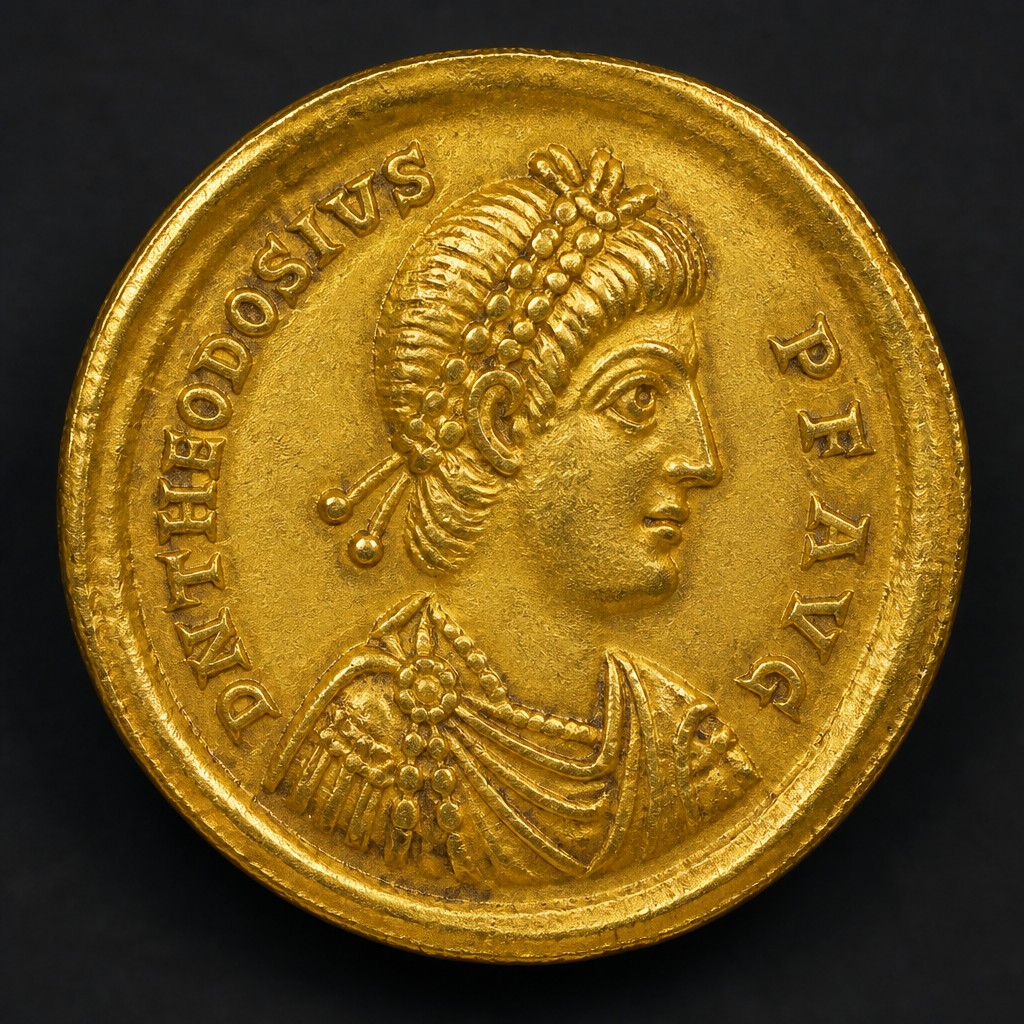
Theodosius I Solidus
379–395 AD
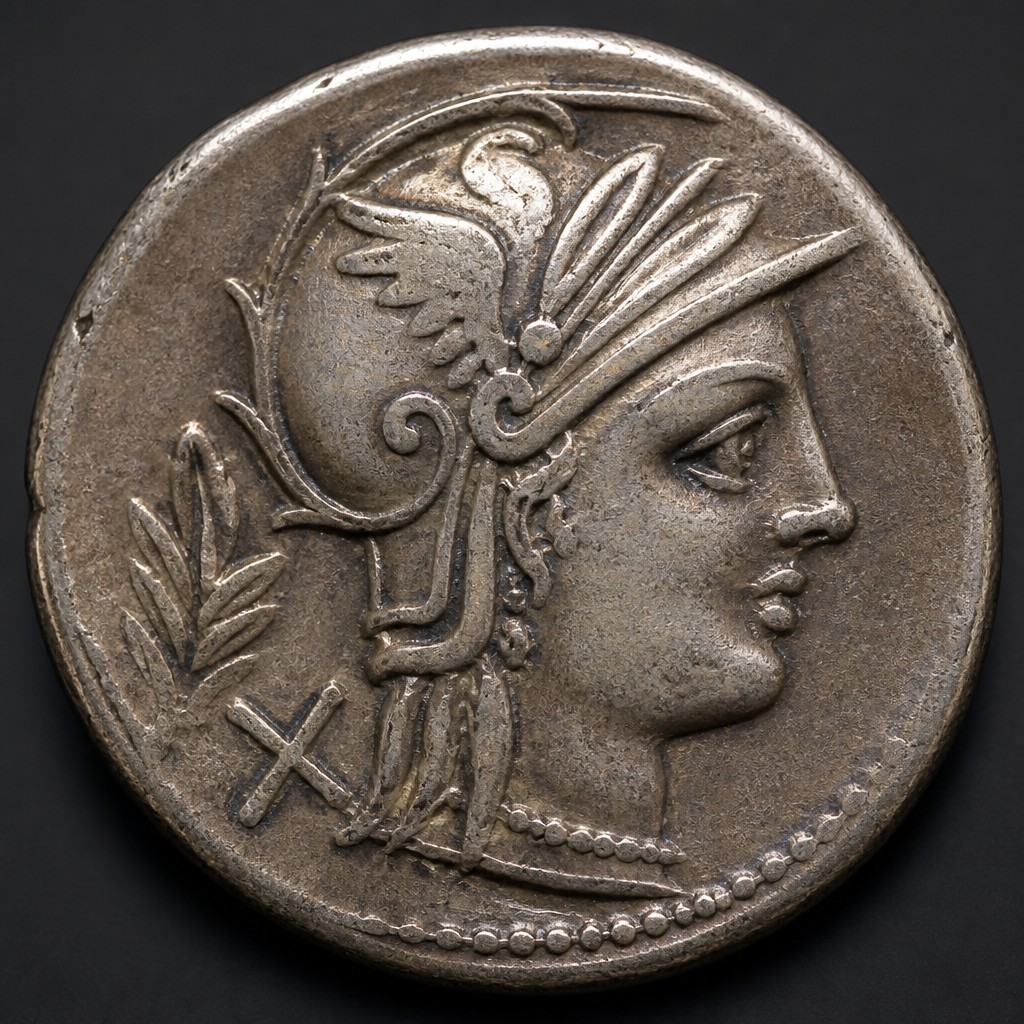
Republican Victoriatus
c. 211–170 BC
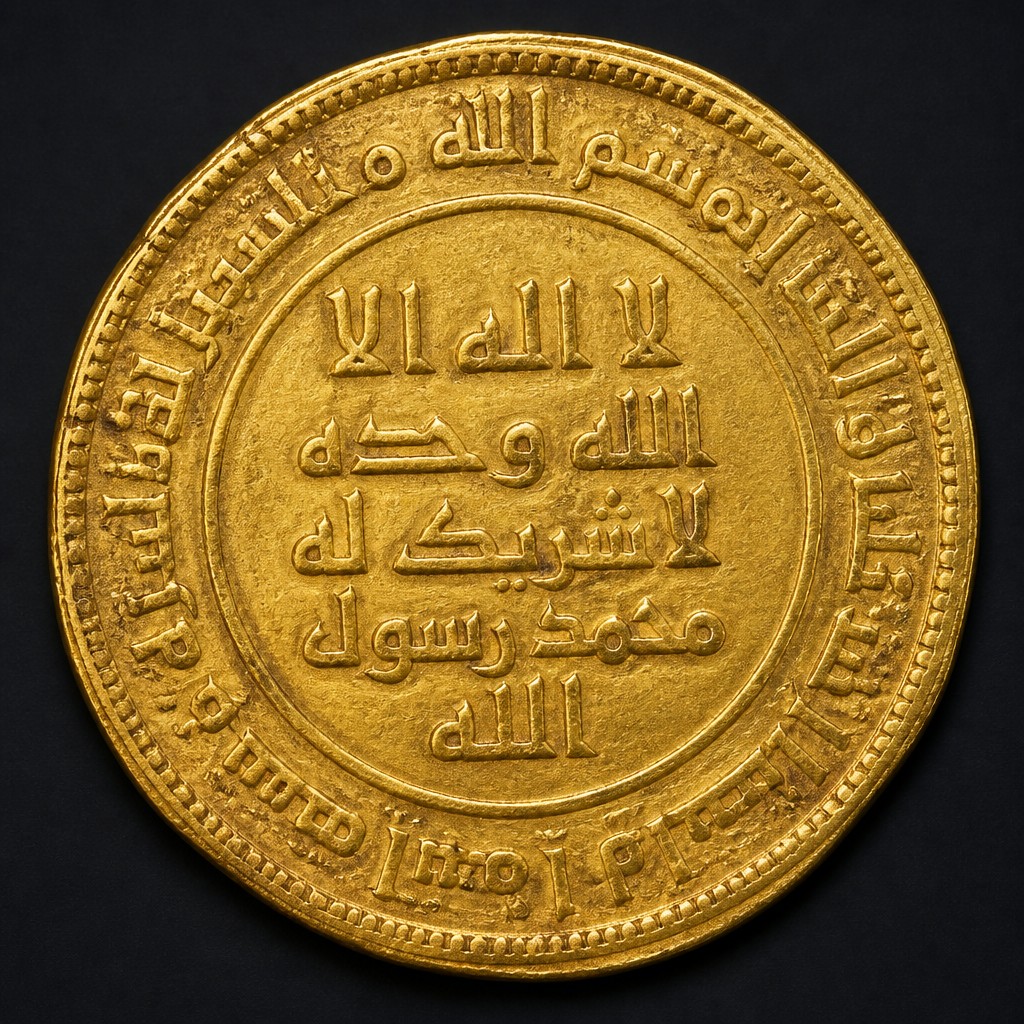
Islamic Gold Dinar (Umayyad)
c. 696–750 AD
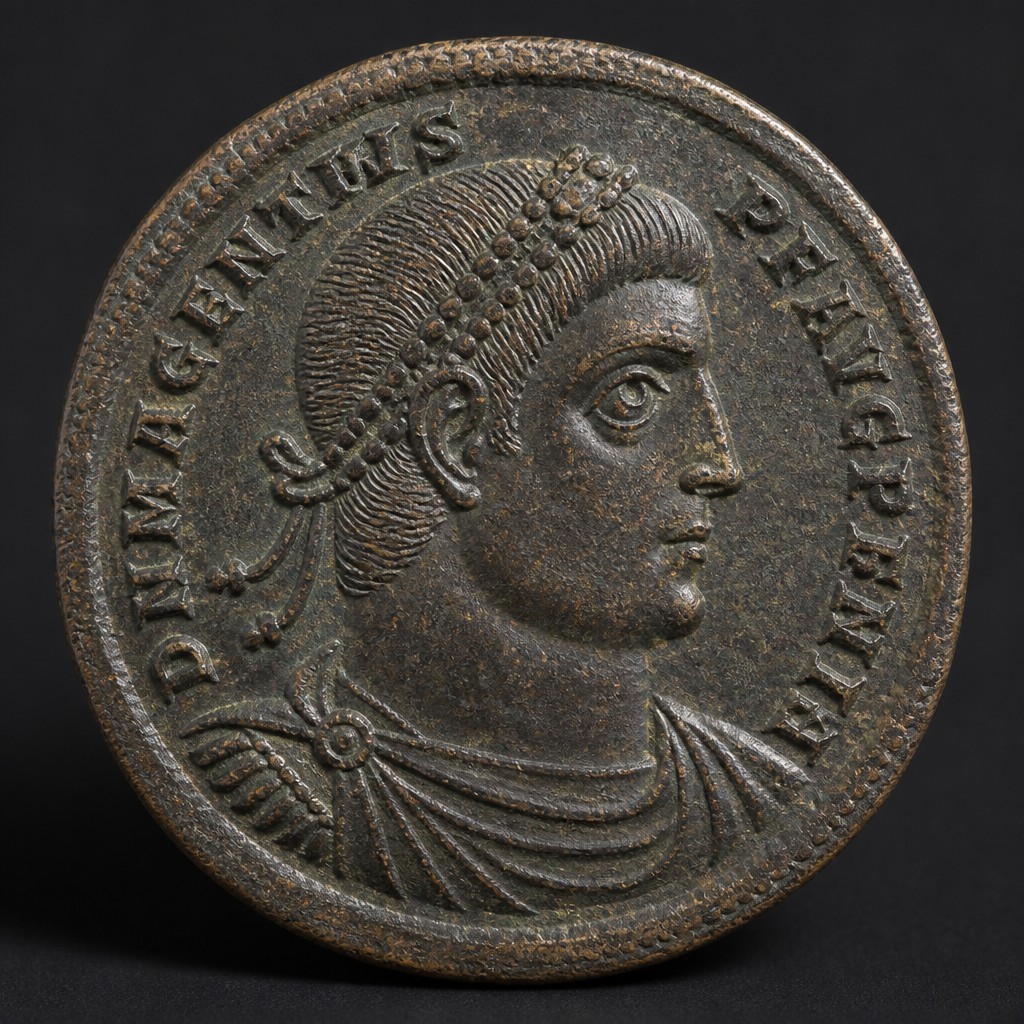
Magnentius Double Centenionalis
350–353 AD
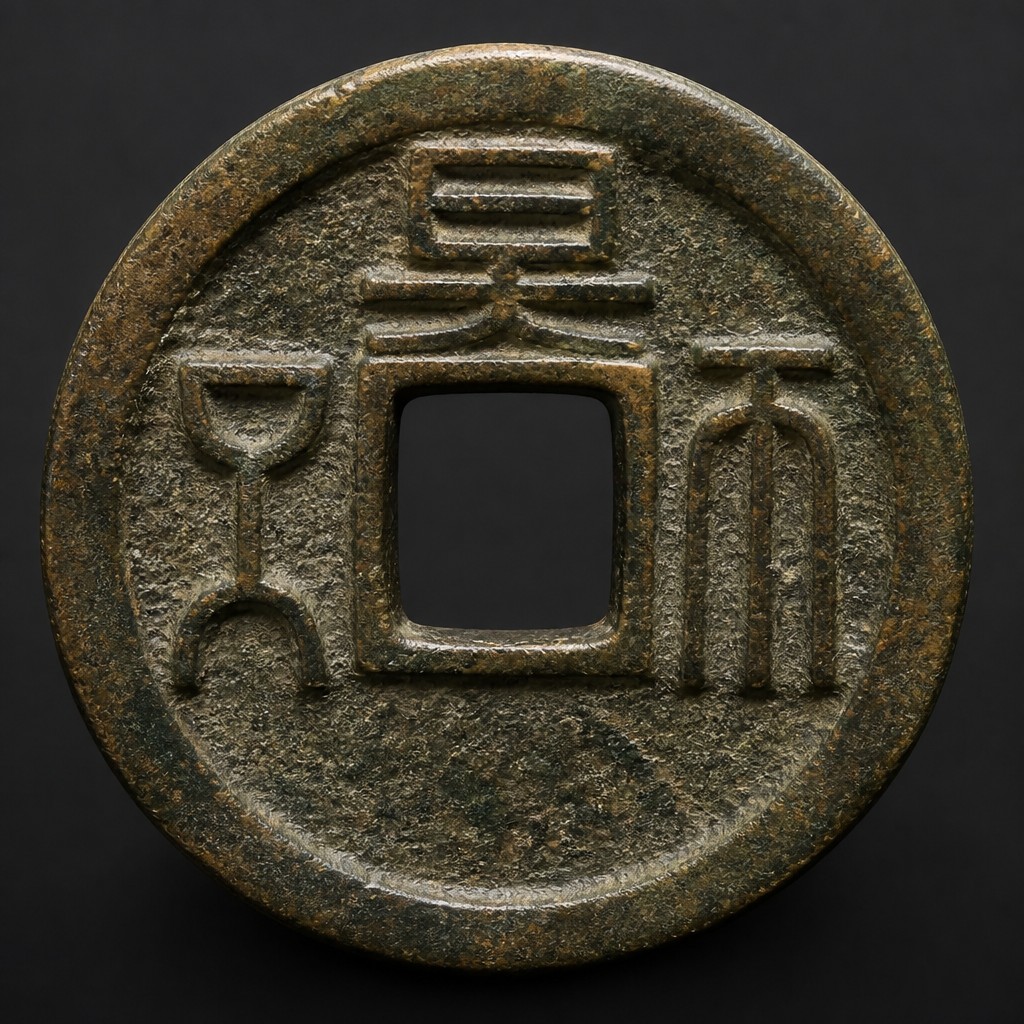
Chinese Wu Zhu Cash
118 BC – 618 AD
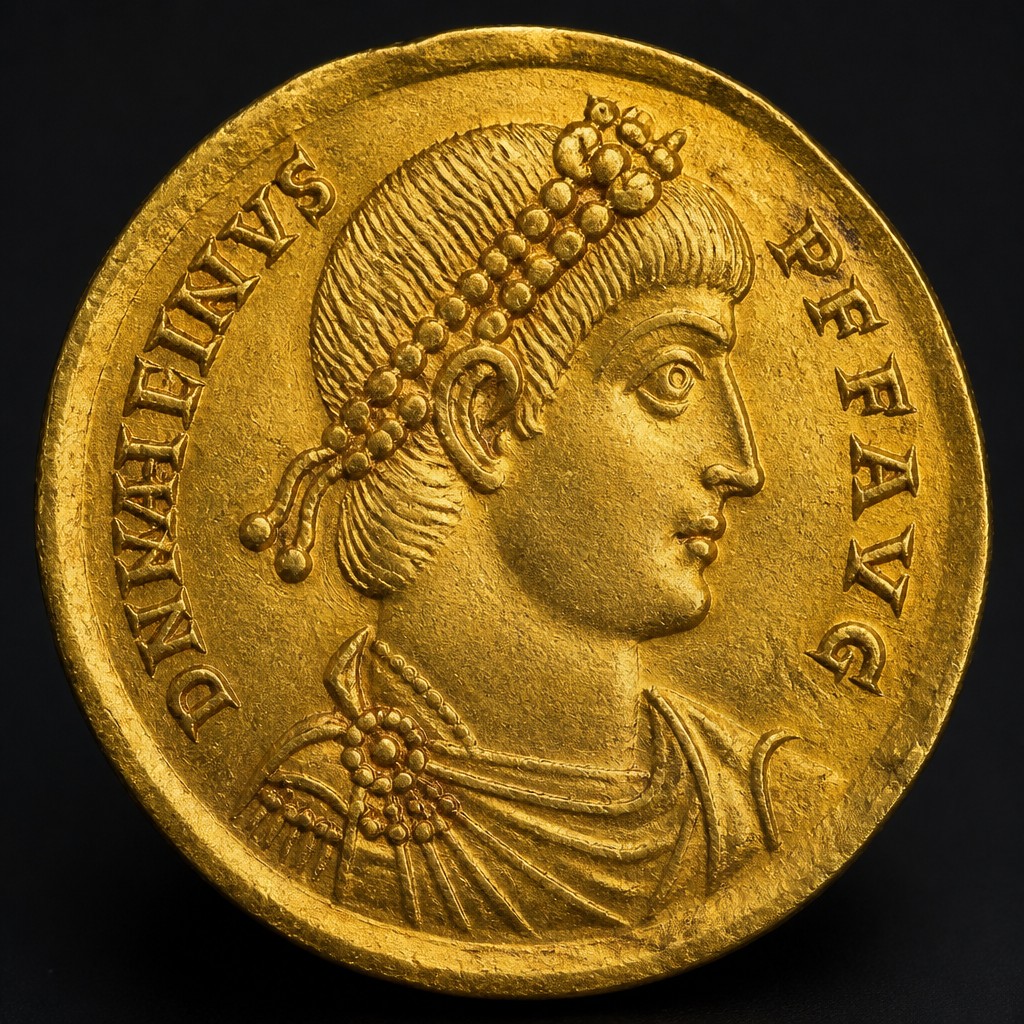
Valentinian I Solidus
364–375 AD
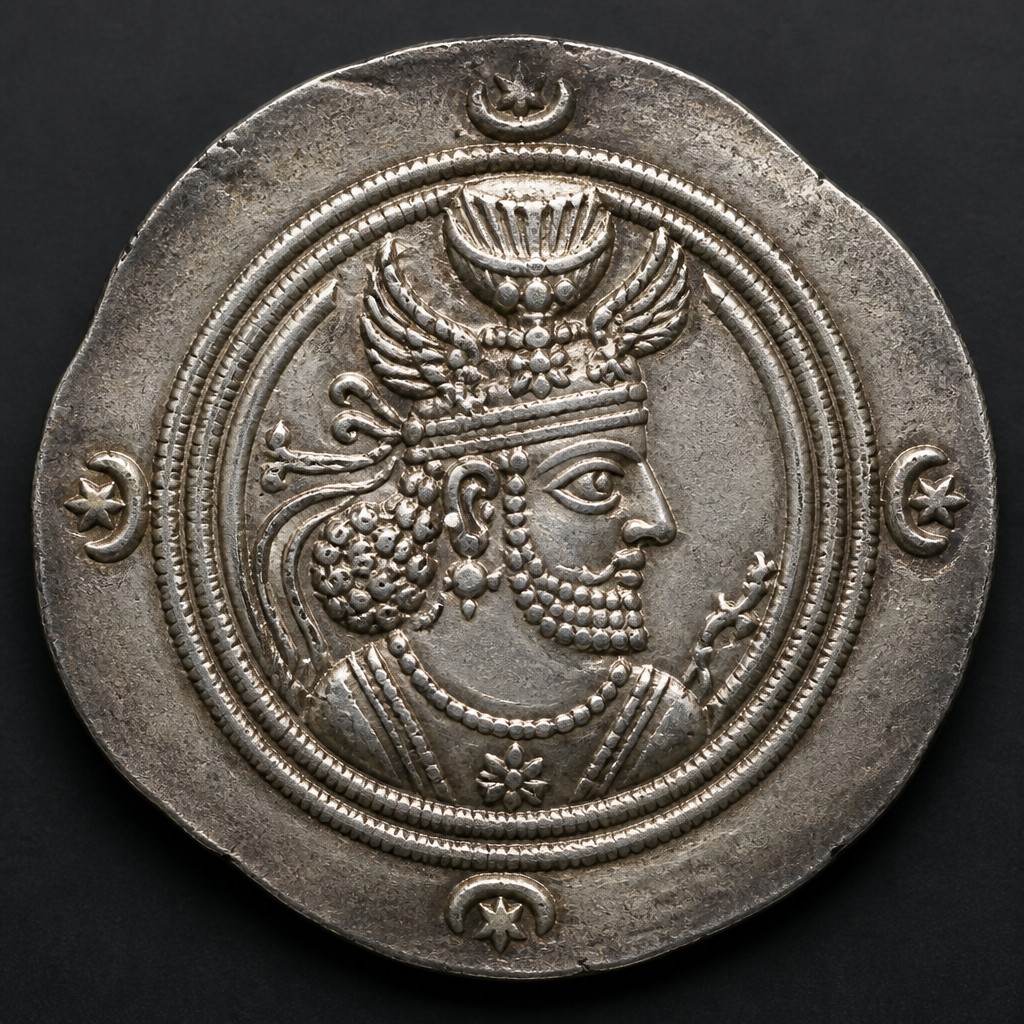
Sassanian Silver Drachm
c. 224–651 AD
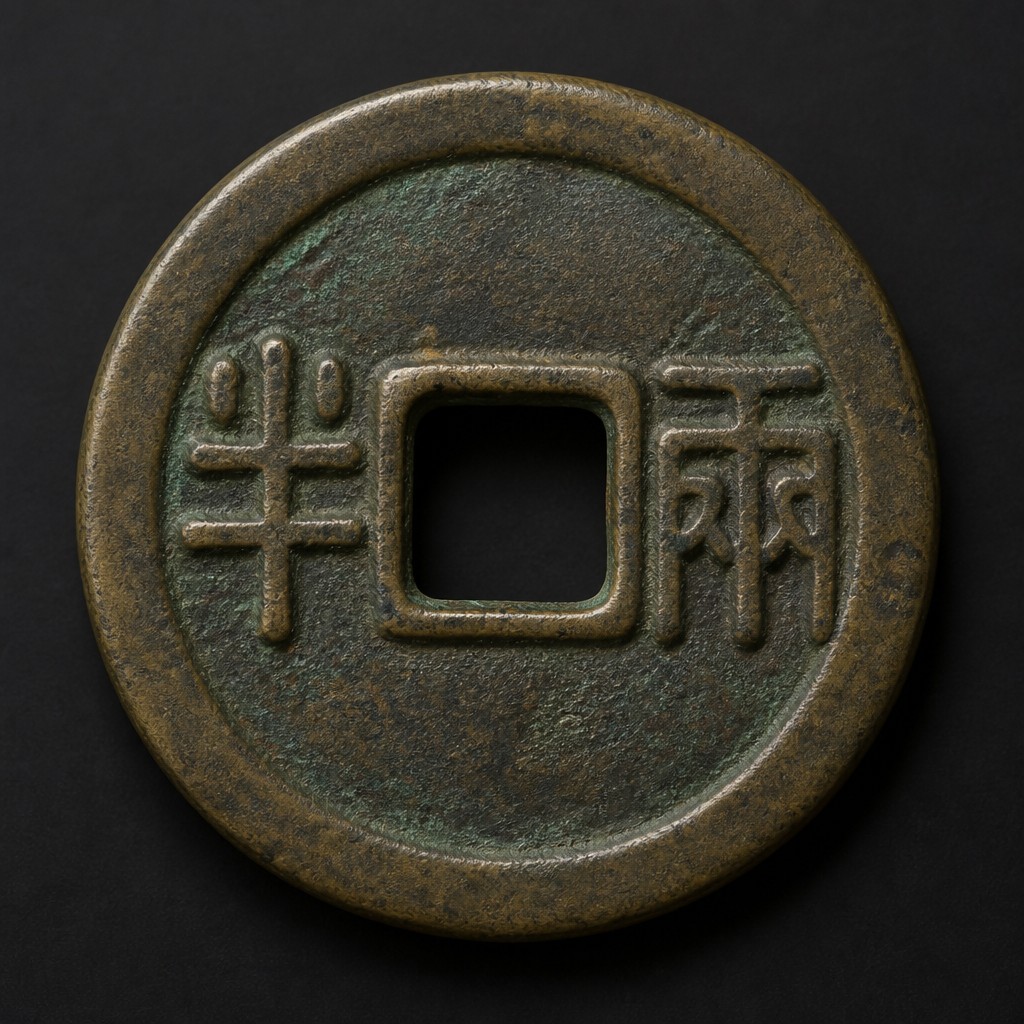
Chinese Ban Liang Cash
c. 221–118 BC
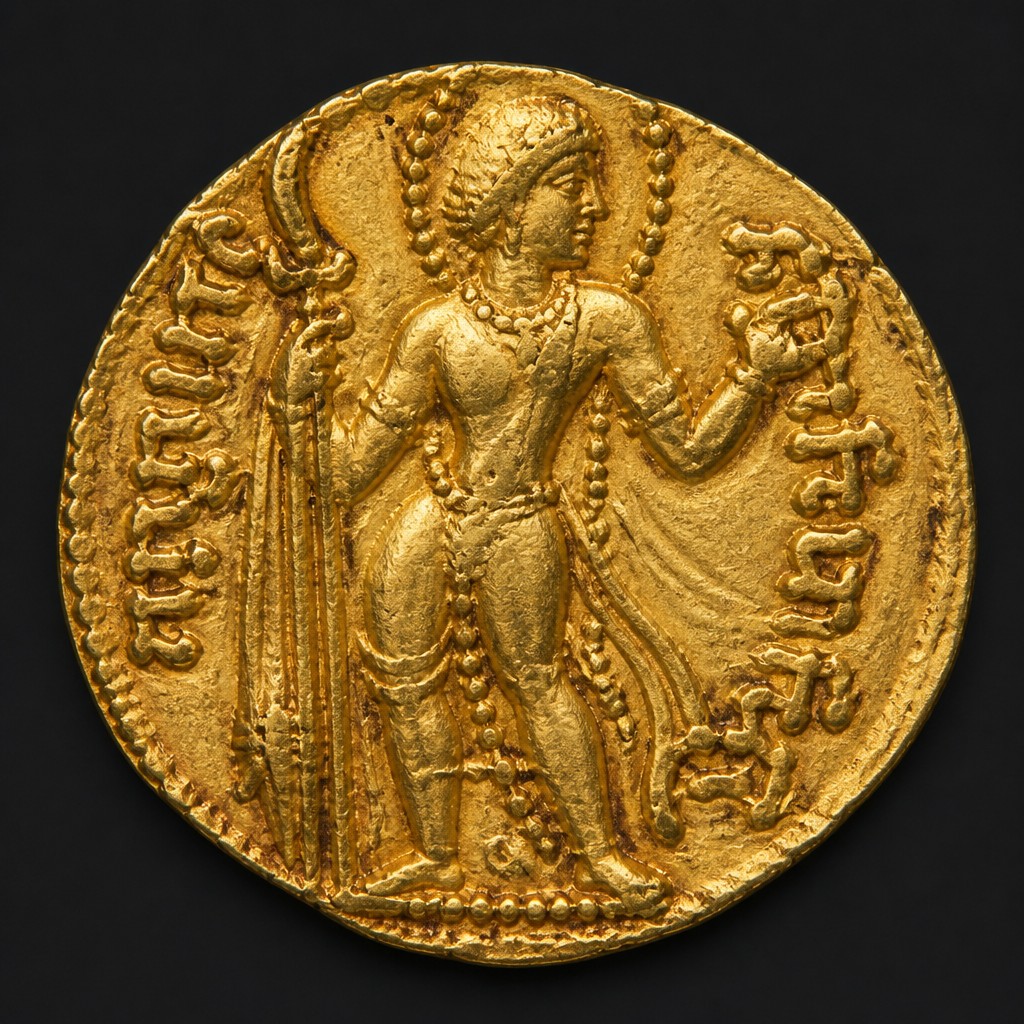
Gupta Empire Gold Dinar
c. 320–550 AD
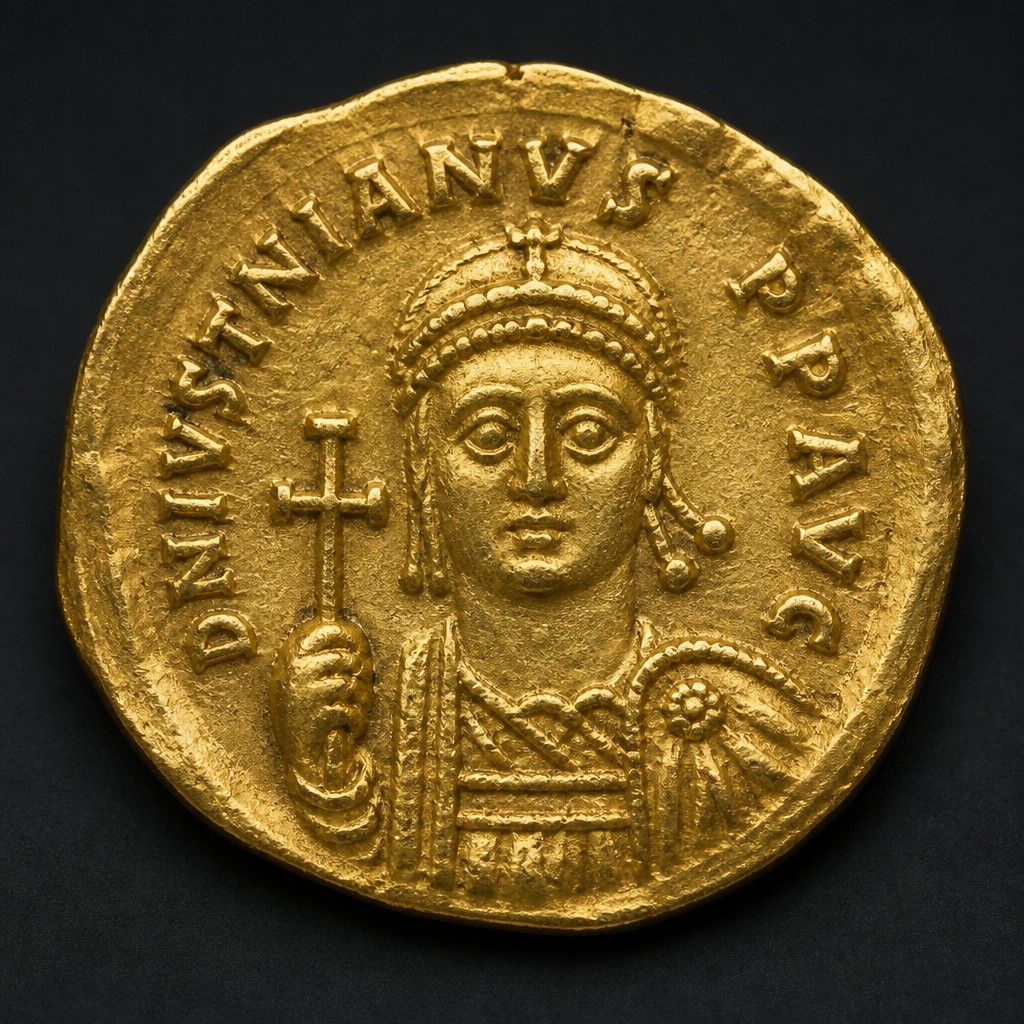
Byzantine Gold Tremissis
c. 4th–7th century AD
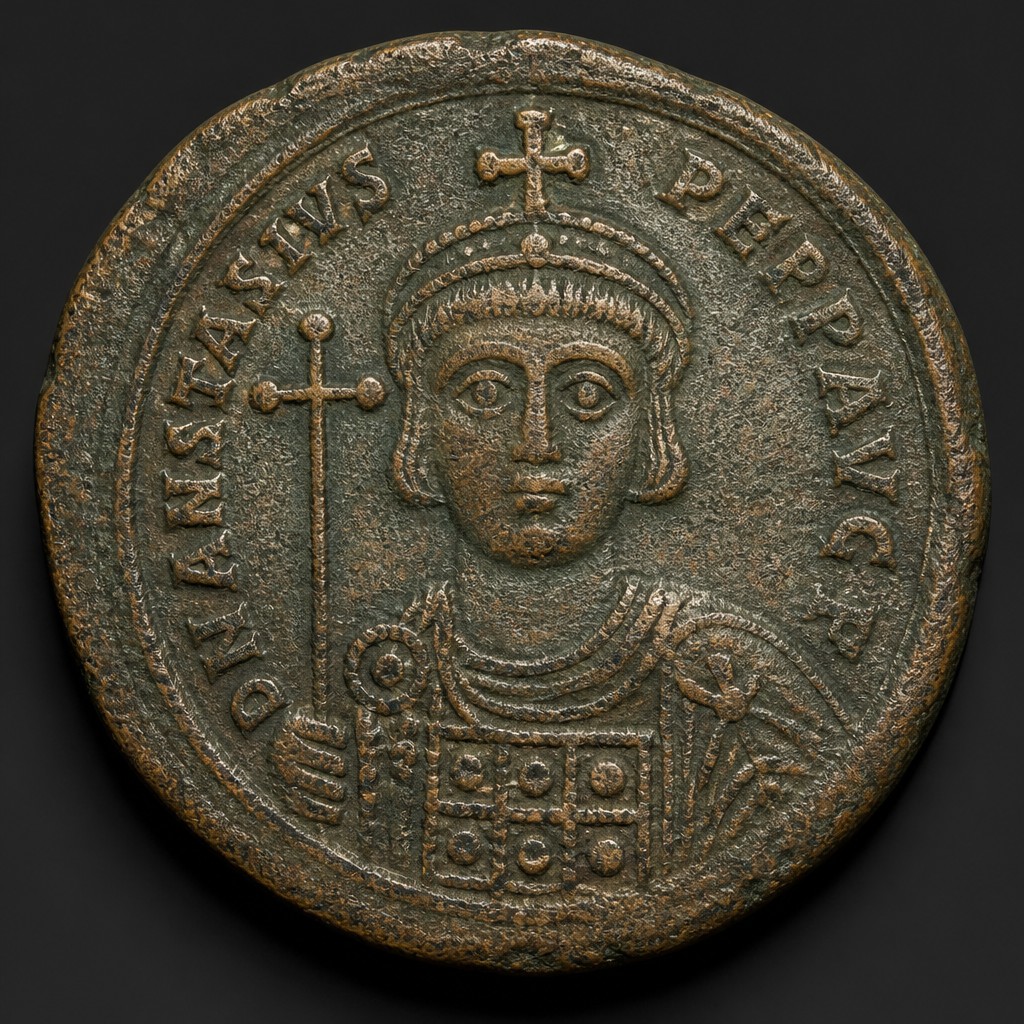
Byzantine Follis
498–c. 11th century AD
Celtic Gold Stater
c. 3rd century BC – 1st century AD