
Coin Encyclopedia
Search and identify coins from around the world — with country, denomination, metal, mint, history, and how to tell them apart.
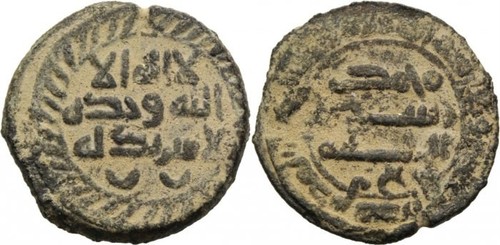
Abbasid Copper Fals
A hand-struck Abbasid copper fals dated AH 219 (834–835 CE), covered entirely in linear Arabic inscriptions with no portrait or figural imagery.
Islamic (Medieval)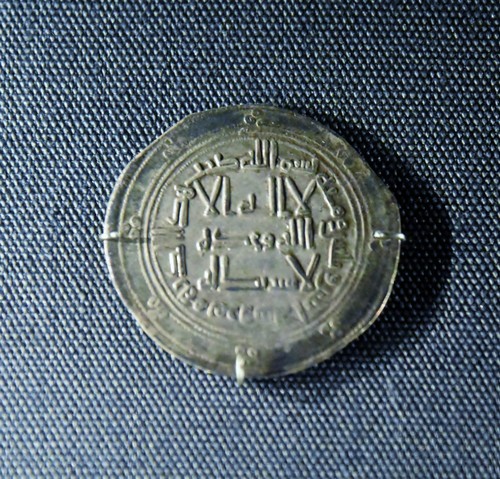
Abbasid Silver Dirham
A thin, broad Islamic silver coin of the Abbasid Caliphate, covered edge to edge with concentric Kufic Arabic inscriptions and dated AH 132 (AD 749–750).
Islamic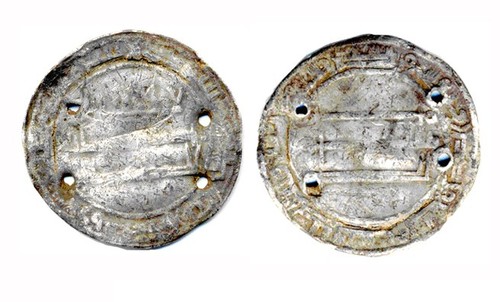
Imitation Abbasid Dirham
A thin, broad silver coin that copies an Abbasid dirham but was struck in northern Europe, with blundered pseudo-Kufic script and a piercing for wear.
Islamic (Medieval)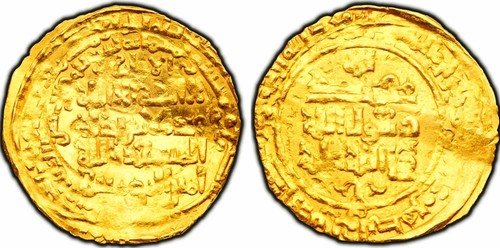
Gold Dinar of al-Mustanjid
A hand-struck Abbasid gold dinar of Caliph al-Mustanjid, bearing only Arabic calligraphy within concentric ring borders and dated AH 557.
Islamic (Medieval)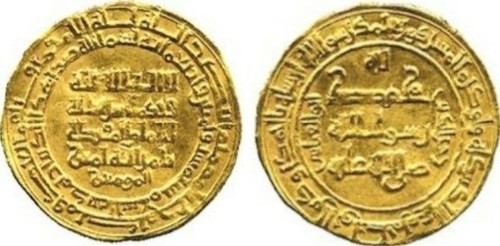
Gold Dinar of al-Muqtadi
An aniconic Abbasid gold dinar of Caliph al-Muqtadi, covered on both faces with Arabic calligraphy and ornamental borders, struck in the later 11th century.
Islamic (Medieval)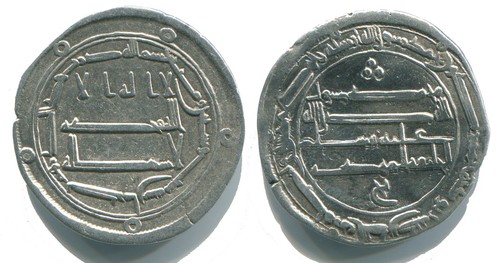
Dirham of al-Mahdi
A silver Abbasid dirham struck under Caliph al-Mahdi in AH 166 (783 CE), its faces filled with linear Kufic Arabic legends declaring the Islamic faith.
Islamic (Medieval)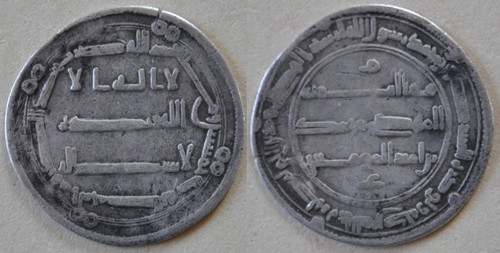
Dirham of Caliph al-Mansur
An Abbasid silver dirham dated AH 150 (767 CE), from the reign of Caliph al-Mansur, bearing purely Arabic religious inscriptions and a named mint.
Islamic (Medieval)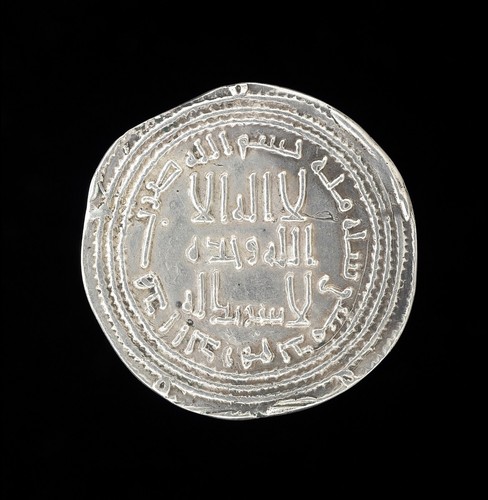
Silver Dirham (LACMA M.2002.1.437)
A thin, broad 8th-century Islamic silver dirham covered in Kufic Arabic inscriptions, with no portrait or image — only religious legends and decorative flourishes.
Islamic (Medieval)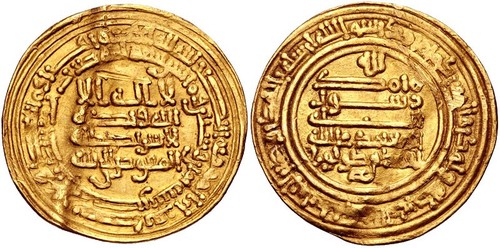
Gold Dinar of Ahmad ibn Tulun
A late-9th-century Islamic gold dinar of the Tulunid ruler Ahmad ibn Tulun, its faces filled with concentric Arabic inscriptions and dated AH 268 (881–882 CE).
Islamic (Medieval)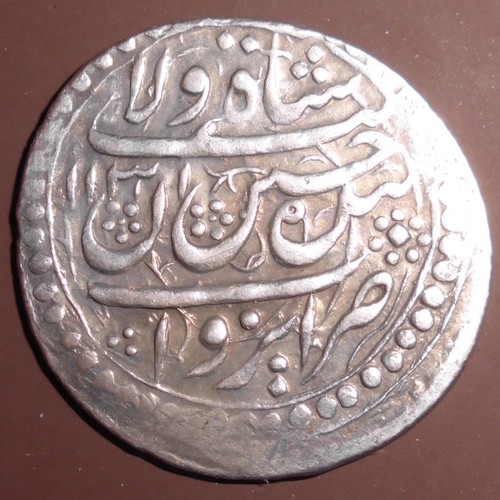
Abbasi of Shah Sultan Husayn
A hand-struck Safavid silver abbasi of Shah Sultan Husayn, covered entirely in flowing Persian-Arabic calligraphy with jeweled borders and no portrait.
Persia / Iran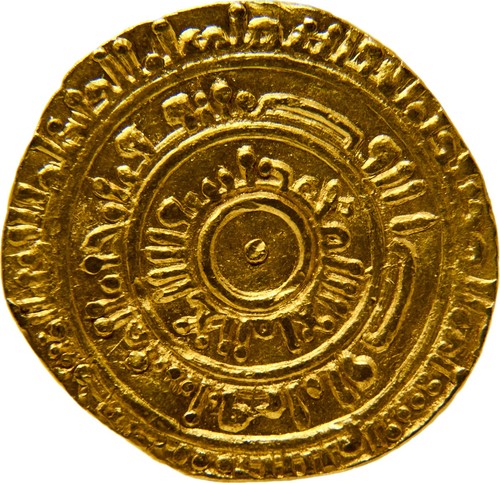
Fatimid Dinar of Imam Nizar
An 11th-century Fatimid gold dinar with concentric circular Kufic inscriptions naming the ruler and Shi'a invocations, a hallmark of Fatimid coinage.
Islamic (Medieval)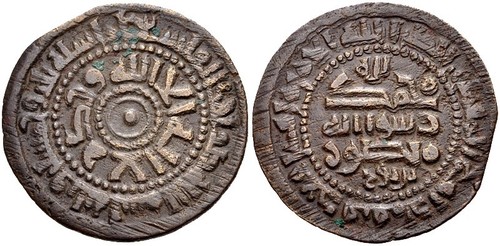
Samanid Dirham
A hand-struck silver dirham of the Samanid dynasty, covered on both sides in Arabic Kufic script naming God, the caliph and the mint — no images at all.
Islamic (Medieval)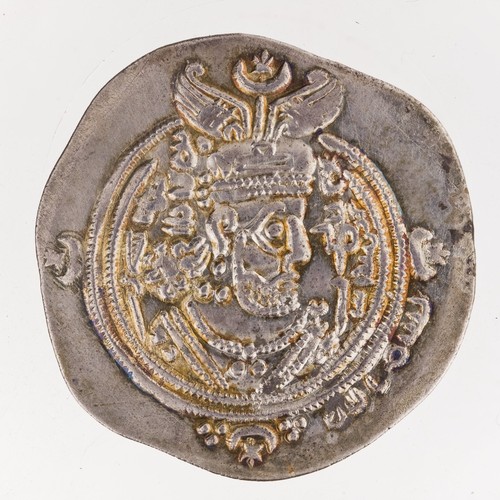
Silver Dirham of Salm ibn Ziyad
An Arab-Sasanian silver dirham struck for the Umayyad governor Salm ibn Ziyad, with a Sasanian-style bust and fire-altar reverse plus Arabic marginal inscriptions.
Islamic (Medieval)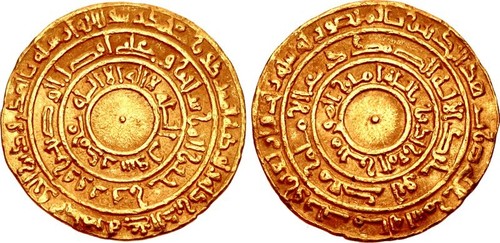
Gold Dinar of al-Mu'izz li-Din Allah
A gold dinar of the Fatimid caliph al-Mu'izz li-Din Allah dated AH 343, struck as concentric Arabic inscriptions with no image on either face.
Islamic (Medieval)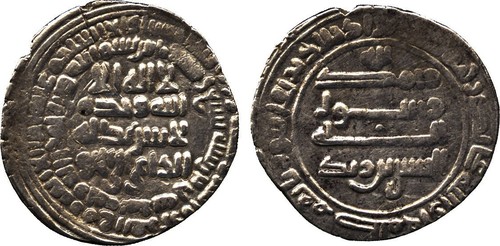
Dirham of Hasan ibn Zayd
A 9th-century Islamic silver dirham struck for Hasan ibn Zayd, the Alid ruler of Tabaristan, bearing concentric Arabic religious and authority legends.
Islamic (Medieval)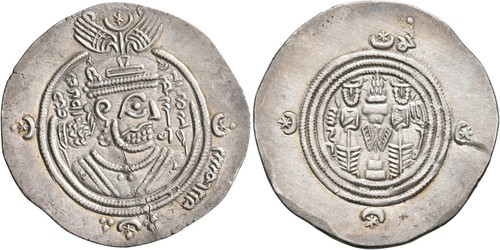
Dirham of Samura ibn Jundab
An Arab-Sassanian silver dirham struck in the name of the early governor Samura ibn Jundab, keeping the Persian Shah bust and fire-altar design with added Arabic.
Islamic (Medieval)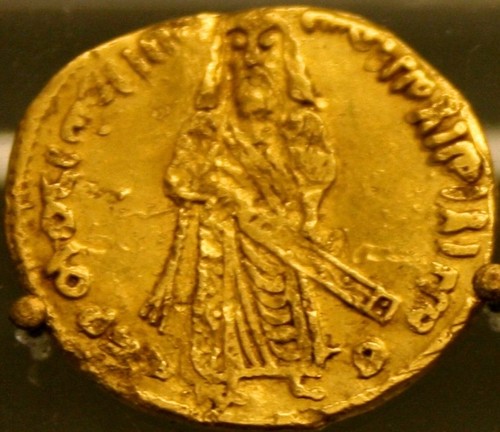
Gold Dinar of Abd al-Malik
An early Umayyad gold dinar of Caliph Abd al-Malik, the 'Standing Caliph' type, bearing a robed standing figure and Arabic religious inscriptions.
Islamic (Medieval)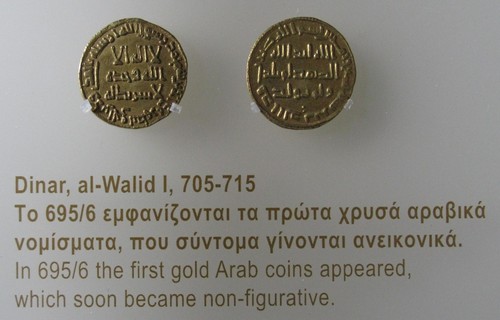
Gold Dinar of Al-Walid I
An early Islamic gold dinar struck under the Umayyad caliph al-Walid I (705-715 CE), bearing only Arabic Kufic inscriptions and no images on either face.
Islamic (Medieval)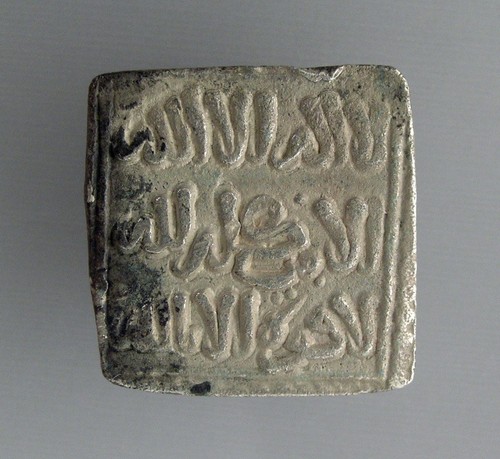
Almohad Silver Dirham
A distinctive square silver coin of the Almohad Caliphate, covered on both faces with geometric Arabic religious inscriptions.
World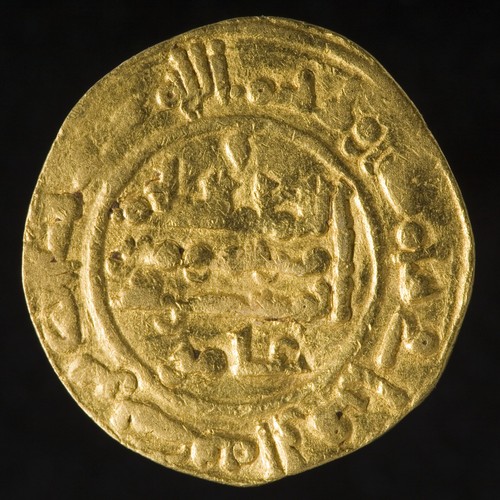
Islamic Gold Dinar (LACMA M.2006.143.8)
A medieval Islamic gold dinar in the LACMA collection, struck with purely calligraphic Arabic legends and a decorative border — the classic imageless coin of the caliphates.
Islamic (Medieval)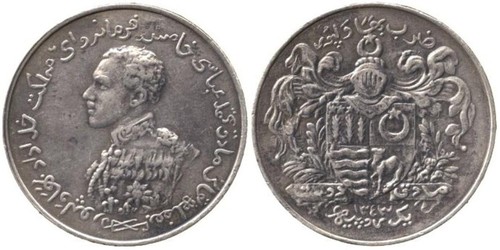
Bahawalpur Gold Coin
A gold coin or medallic piece linked to the princely state of Bahawalpur, its obverse bearing a uniformed royal portrait and its reverse an ornate coat of arms.
South Asia