
Coin Encyclopedia
Search and identify coins from around the world — with country, denomination, metal, mint, history, and how to tell them apart.
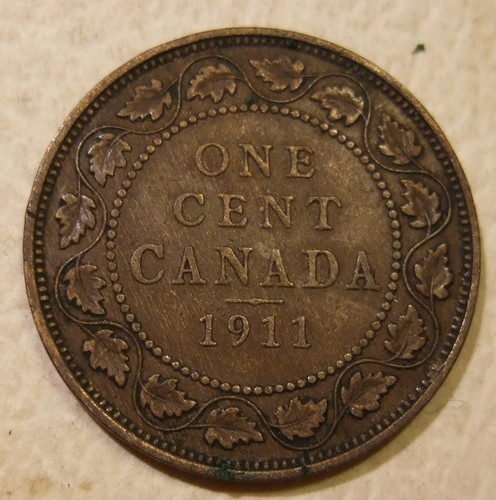
Canadian One Cent
Bronze Canadian large cent with a maple-leaf wreath reverse; the 1911 issue is the famous first-year 'Godless' cent lacking DEI GRATIA.
Canadian & Provincial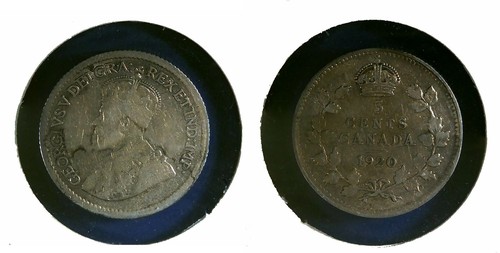
Canadian Five Cents (Nickel)
Canada's five-cent 'nickel,' with G.E. Kruger Gray's beaver reverse. This 1987 example pairs the beaver with an Elizabeth II portrait.
Canadian & Provincial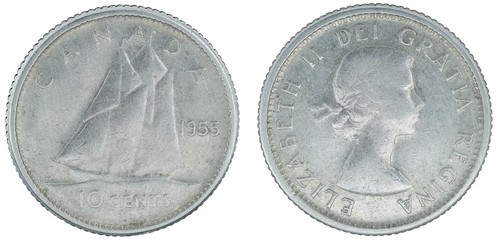
Canadian Ten Cents
Small silver Canadian dime with the Bluenose schooner reverse and an early Queen Elizabeth II portrait; the pictured coin is dated 1955.
Canadian & Provincial
Canadian 50 Cents
Canada's mid-century silver 50-cent piece bearing King George VI, struck in 80% silver with the Canadian coat of arms.
World Coins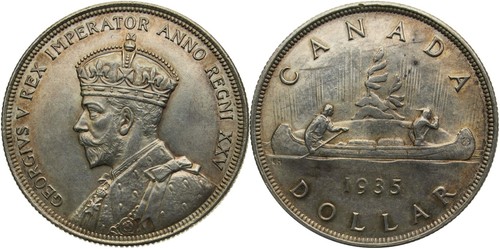
Canadian Silver Dollar
Canada's first circulating silver dollar, the 1935 Voyageur type, showing George V and a canoe with paddlers on the reverse.
Canadian & Provincial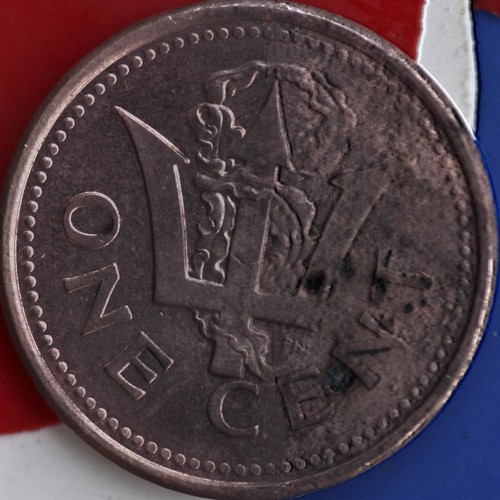
Barbados 1 Cent
A modern copper-colored Barbados one cent: the national coat of arms on the obverse and the value on the reverse, the smallest coin of the Barbadian dollar.
Circulation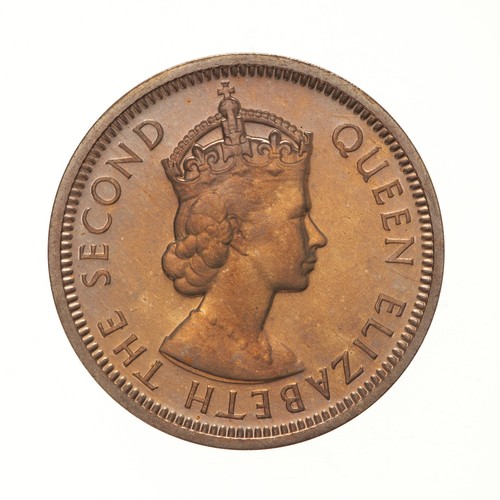
Belize 1 Cent
A small bronze one-cent coin from the Caribbean nation now called Belize, carrying a portrait of Queen Elizabeth II and dated 1954.
Circulation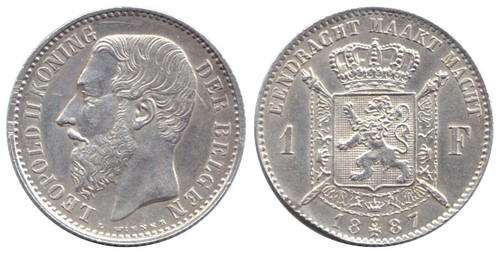
1 Franc (Leopold II)
A late-19th-century Belgian silver franc of King Leopold II, with his left-facing profile on the obverse and a crowned coat of arms on the reverse.
Modern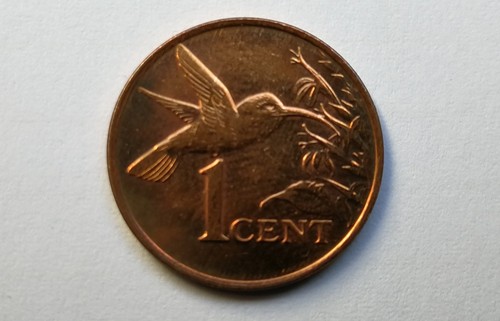
Trinidad and Tobago 1 Cent
The small copper-colored one cent of Trinidad and Tobago, with a hummingbird obverse and a plain value-and-name reverse.
Circulation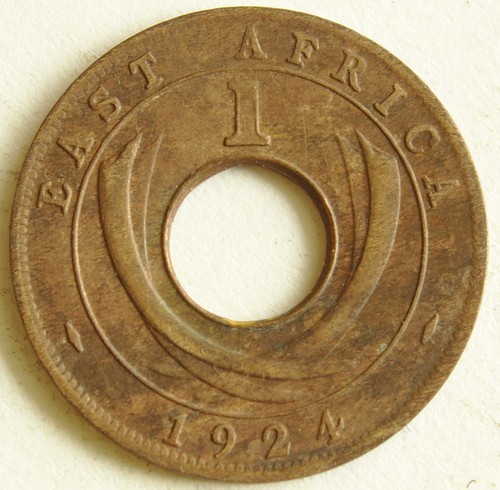
East African 1 Cent
A small holed copper 1 Cent of British East Africa dated 1924, with a crown and decorative rings on one face and the value framing the central hole on the other.
World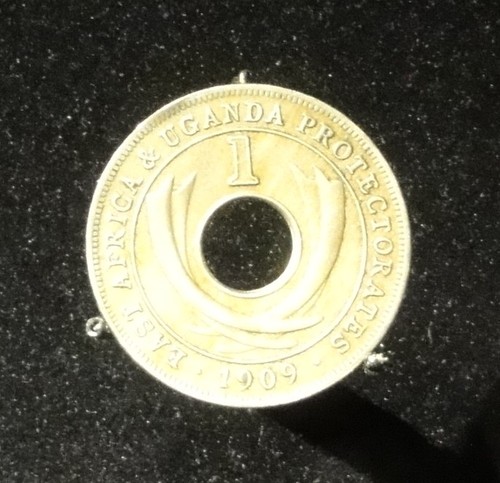
East Africa Protectorate 1 Cent
A small holed one-cent coin of the British East Africa Protectorate, struck in base metal with a crowned, portrait-free design around a central hole.
World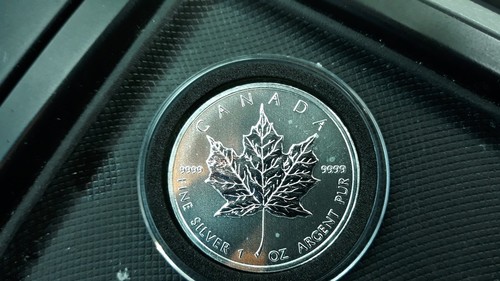
Canadian Silver Maple Leaf
Canada's flagship 1 oz silver bullion coin, struck in .9999 fine silver by the Royal Canadian Mint with a single sugar-maple leaf design.
Bullion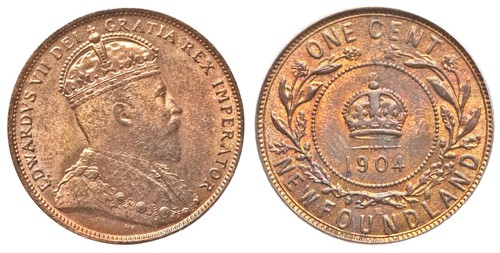
Newfoundland One Cent
Bronze large cent of the colony of Newfoundland; the example shown is a 1904 issue with Edward VII's profile and a wreath reverse.
Canadian & Provincial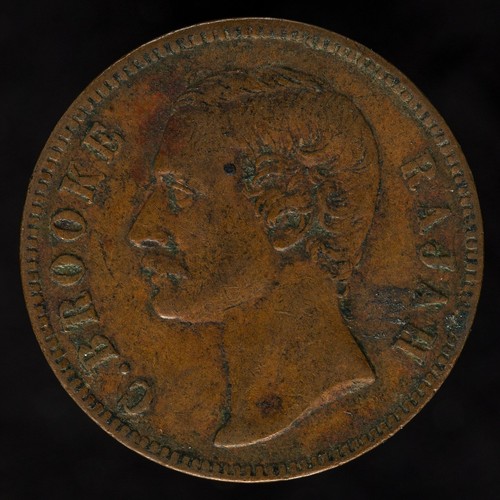
Sarawak One Cent
A large copper cent of the Brooke Rajahs of Sarawak, showing the Rajah's portrait on the obverse and SARAWAK ONE CENT with a wreath and the year 1870.
Colonial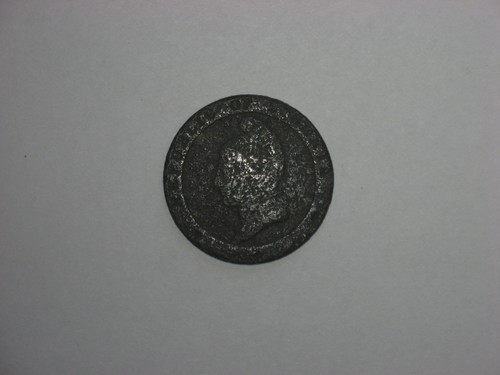
Liberia One Cent
An early copper cent tied to Liberia's founding, dated 1847, with a profile portrait obverse and warm brown patina.
World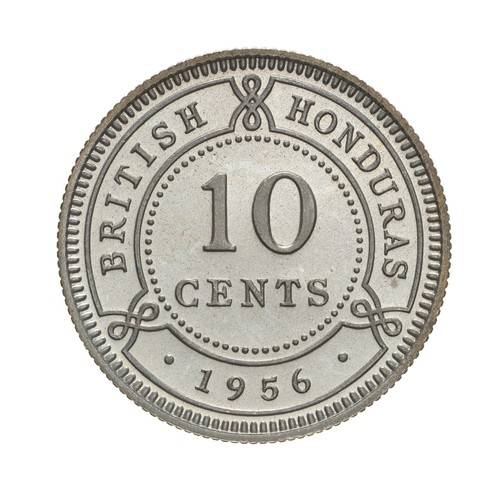
British Honduras 10 Cents
A silver-colored colonial 10 cents of British Honduras, with the Queen's portrait on the obverse and a plain 10 CENTS legend around BRITISH HONDURAS and the date.
Colonial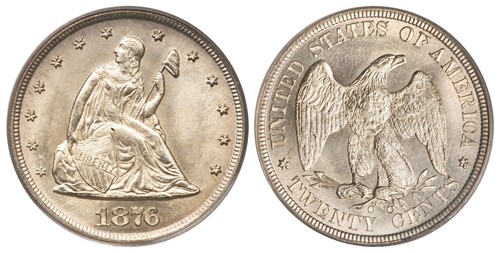
Twenty Cent Piece
A short-lived U.S. silver coin worth twenty cents, showing a seated Liberty and a soaring eagle, struck only from 1875 to 1878.
Twenty Cent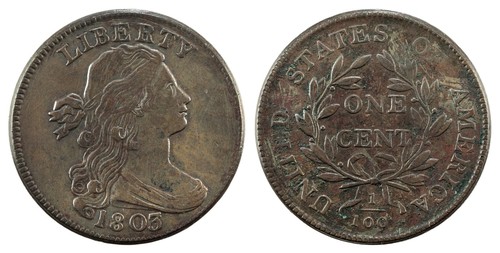
Draped Bust Large Cent
An early U.S. copper one-cent coin (1796–1807) showing a right-facing Liberty with flowing hair and drapery, larger and heavier than a modern cent.
United States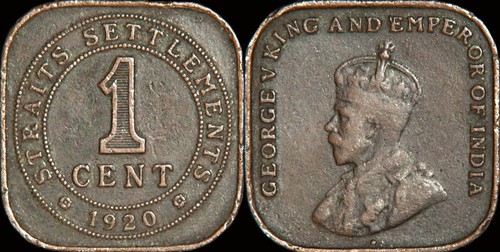
Straits Settlements One Cent
A round bronze one-cent coin of the British Straits Settlements bearing the crowned profile of King George V, dated 1920.
Colonial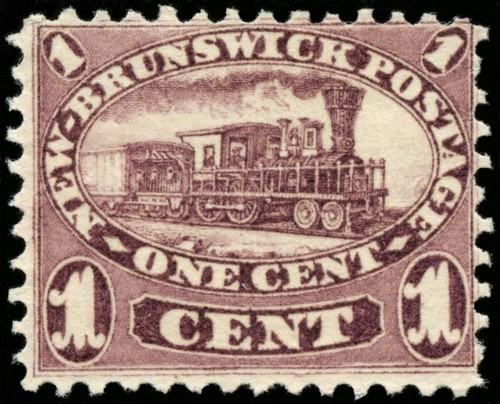
New Brunswick One Cent
A bronze one-cent piece dated 1860 showing a steam locomotive with NB and ONE CENT — a New Brunswick locomotive-type token distinct from the official 1861/1864 cent.
Canadian & Provincial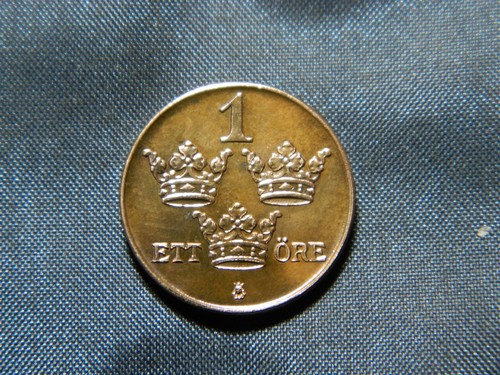
1 Öre
A small copper 1 öre of Sweden dated 1873, with a left-facing profile of King Oscar II, the legend SVERIGE OCH NORGE, and the value in a laurel wreath.
Modern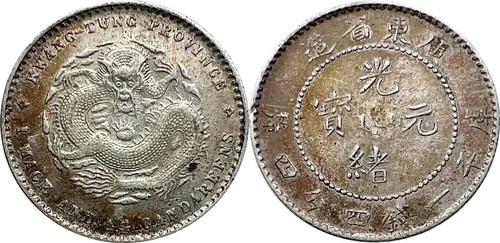
Guangdong 20 Cents
A silver 20-cent coin of Kwangtung (Guangdong) province, struck under the Guangxu Emperor with a coiled dragon on one side and Chinese legends on the other.
Circulation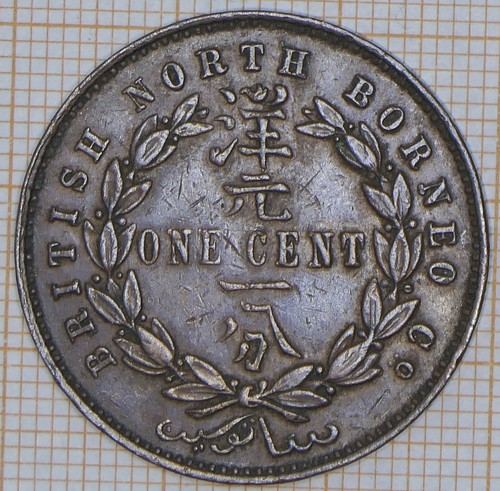
British North Borneo One Cent
A colonial copper cent of the British North Borneo Company: company arms with Dyak supporters and a sailing ship on one side, ONE CENT in a wreath on the other.
Colonial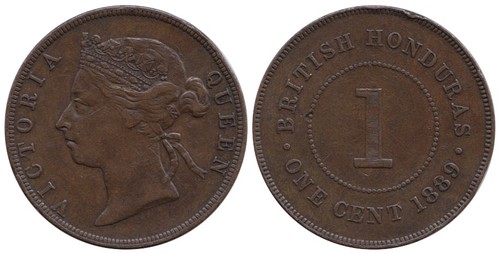
British Honduras One Cent
A colonial copper one cent of British Honduras under Queen Victoria, dated 1889, with the Queen's profile and the value and country name on the reverse.
Colonial