
Canadian Ten Cents
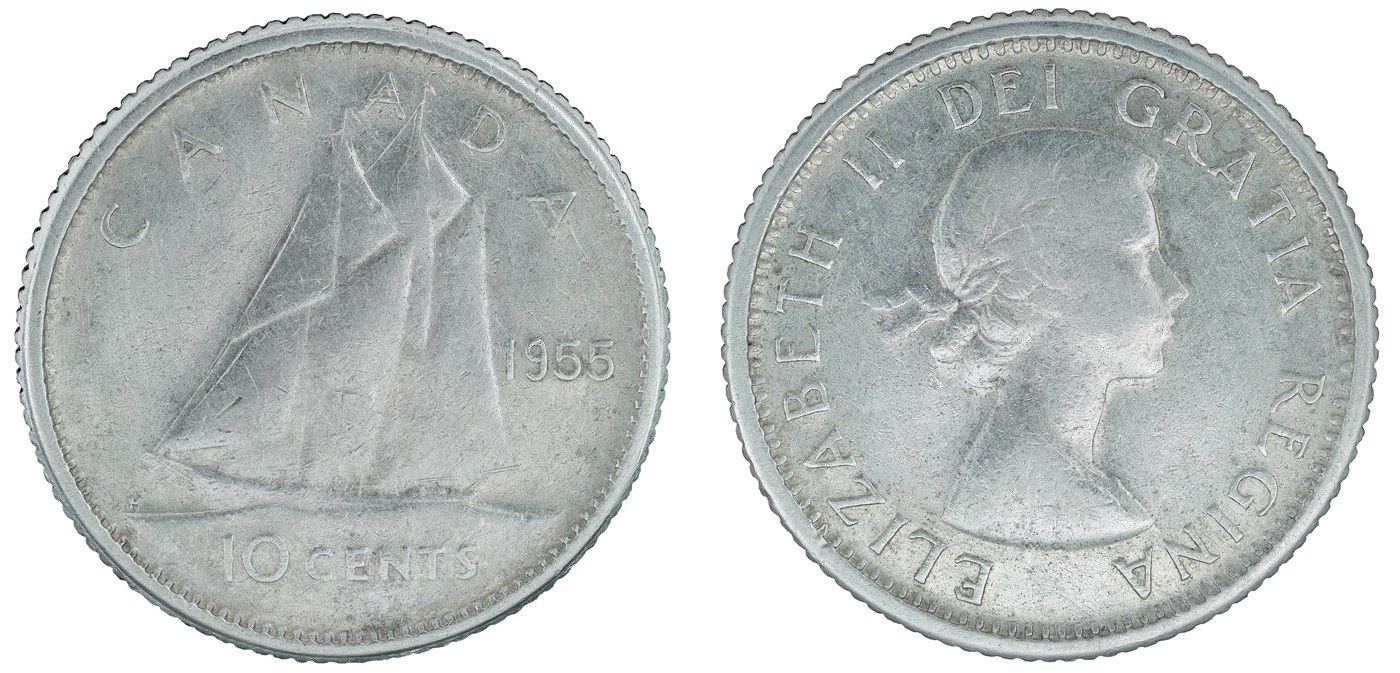
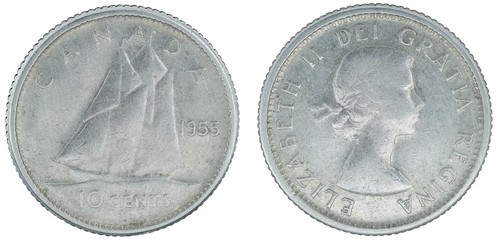
Small silver Canadian dime with the Bluenose schooner reverse and an early Queen Elizabeth II portrait; the pictured coin is dated 1955.
- Country
- Canada
- Denomination
- 10 Cents
- Metal
- Silver
Got a coin like this?
Identify any coin from a photo, free.
Overview
The Canadian Ten Cents, or dime, is a small silver coin. The example shown is dated 1955 and pairs the famous Bluenose sailing schooner reverse with an early portrait of Queen Elizabeth II. The monarch's side is technically the obverse and carries the legend ELIZABETH II D:G:REGINA CANADA, while the sailing ship in full sail with CANADA 10 CENTS 1955 is the reverse.
Throughout the 1950s and up to 1966 the ten cents was struck in 80% silver (0.800 fine), giving it a bright, ringing tone and a modest but real precious-metal content. It is one of Canada's most collected small denominations, both for the enduring popularity of the schooner design and for its silver content.
The coin is physically small, close to 18 mm in diameter, and light in the hand. Well-worn circulated examples remain common, while sharp, lustrous pieces are prized by collectors of the series.
History & Background
The Bluenose reverse first appeared on the Canadian dime in 1937 and was designed by the sculptor Emanuel Hahn. The stylised schooner under sail is widely associated with the celebrated Nova Scotia racing and fishing vessel Bluenose, launched in 1921, though the Royal Canadian Mint has described the design as a composite rather than a literal portrait of one ship.
The 1955 coin belongs to the first years of Queen Elizabeth II's reign. Her early effigy here is the laureate portrait by Mary Gillick, introduced on Canadian coinage in 1953 following her accession in 1952. This Gillick obverse was used until a revised portrait by Arnold Machin arrived in 1965.
Canada continued striking the dime in 80% silver through the mid-1960s. Rising silver prices led to a reduction to 50% silver in 1967-1968 and then to a fully base-metal (nickel) dime from 1968 onward, making silver-era Bluenose dimes like this 1955 issue a distinct collecting period.
How to Identify
Look for the Bluenose schooner in full sail on one face with the legend CANADA 10 CENTS and the date 1955. The opposite face shows the bare-headed, laureate portrait of Queen Elizabeth II facing right, surrounded by ELIZABETH II D:G:REGINA CANADA. The absence of the Latin F:D (Fidei Defensor) in the legend is normal for Canadian issues of this period.
The coin is small, roughly 18 mm in diameter and about 2.3 g, struck in 0.800 fine silver. A genuine silver dime has a clear ring and a bright grey-white tone; the edge is reeded (finely grooved). No mint mark appears, as all circulating dimes of this era were struck at the Royal Canadian Mint in Ottawa.
Because the effigy is the Gillick portrait, a 1955 date is consistent with the 1953-1964 window for this obverse. Cross-check the date, the ship reverse, and the Elizabeth II legend together to confirm the type.
Value & Collectibility
The 1955 dime is a common date within the silver Bluenose series, so most circulated examples trade for a small premium over their silver melt value. With about 1.87 g of fine silver, the intrinsic value tracks the silver spot price and typically sets the floor for worn coins.
Condition drives collector premiums. Bright, lightly circulated pieces bring modest sums, while fully uncirculated coins with strong luster and sharp detail on the schooner's sails and rigging command more. Always weigh individual grade, eye appeal, and current silver prices rather than assuming a fixed figure.
As a widely produced circulation issue, the 1955 ten cents is affordable and accessible; premium value concentrates in the highest grades and in examples with attractive original toning.
Frequently asked questions
Is the 1955 Canadian ten cents made of silver?
Yes. Canadian dimes of 1955 were struck in 80% silver (0.800 fine), containing roughly 1.87 g of pure silver in a coin weighing about 2.3 g.
What is the ship on the Canadian dime?
It is the Bluenose, a schooner design by Emanuel Hahn introduced in 1937. The Mint describes it as a composite sailing ship, widely associated with the famous Nova Scotia vessel Bluenose.
Why does the coin show Elizabeth II but a sailing ship instead of a value on the other side?
The monarch's portrait is the obverse and the Bluenose is the reverse. The denomination 10 CENTS appears alongside the ship, which is standard for this Canadian series.
Does the 1955 dime have a mint mark?
No. Circulating Canadian dimes of this era were all struck at the Royal Canadian Mint in Ottawa and carry no mint mark.
Is a 1955 Canadian dime rare?
No, it is a common date in the silver Bluenose series. Most circulated pieces are valued near their silver content, with premiums reserved for high-grade, lustrous examples.
Canadian Ten Cents guides
In-depth guides for identifying, valuing, and collecting Canadian Ten Cents.
Canadian Ten Cents identified by the community
Real coins identified with Coin Identifier.
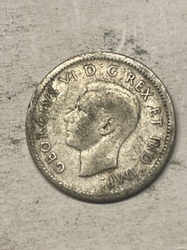
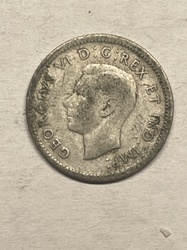
Other coins you may enjoy
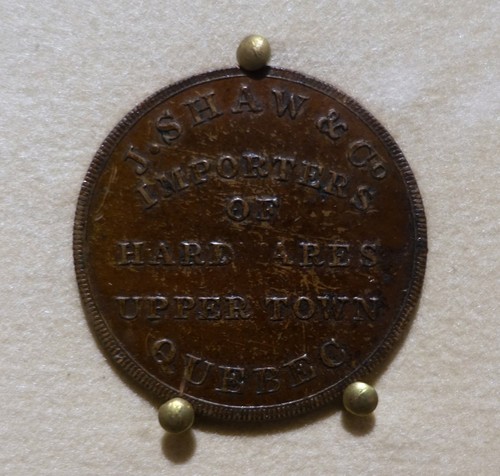
J. Shaw & Co. Hardware Token
circa 1850s
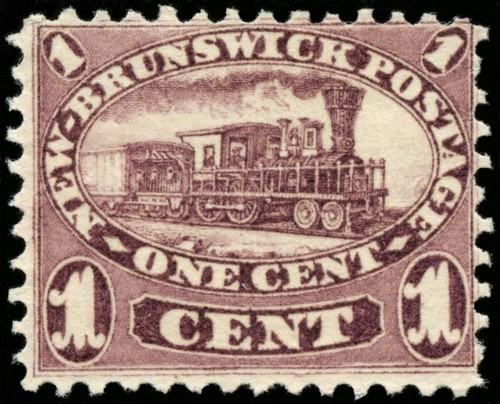
New Brunswick One Cent
Dated 1860 (locomotive token type)
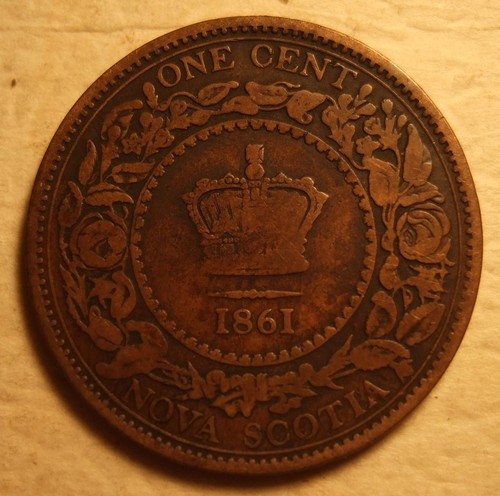
Nova Scotia One Cent
1861-1864
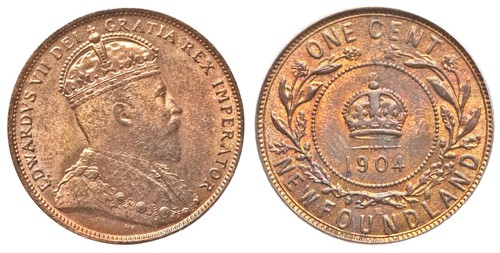
Newfoundland One Cent
1865-1936
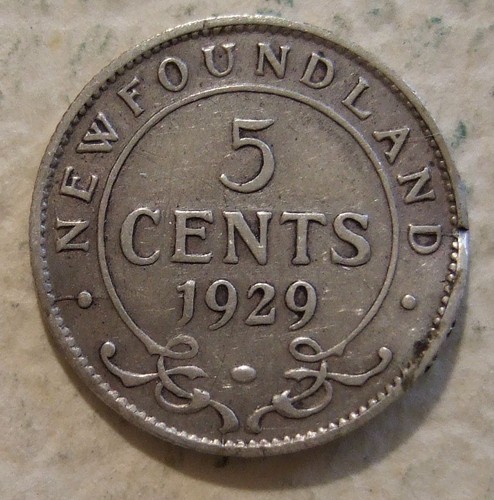
Newfoundland Five Cents
1865-1947
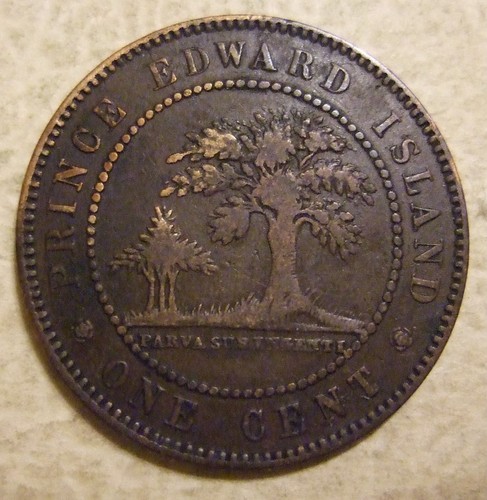
Prince Edward Island One Cent
1871
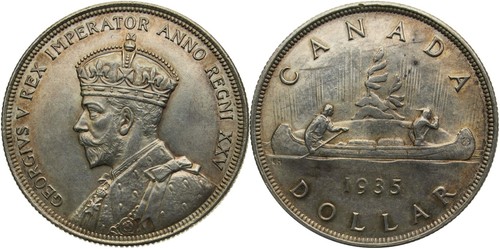
Canadian Silver Dollar
1935
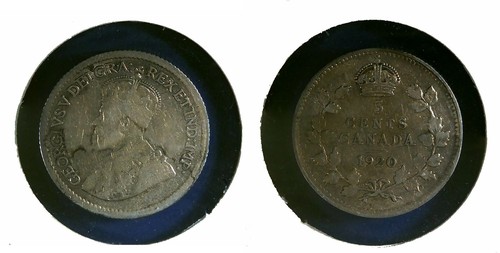
Canadian Five Cents (Nickel)
1937–present (beaver reverse; example shown: 1987)
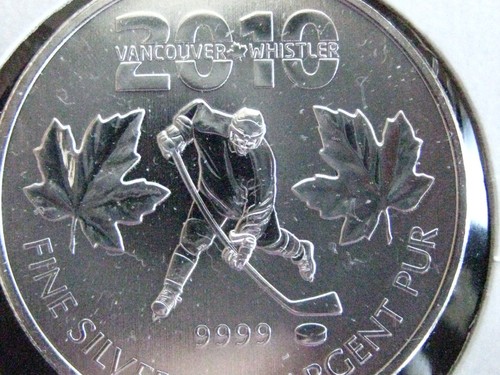
Olympic Hockey Commemorative Dollar
2010
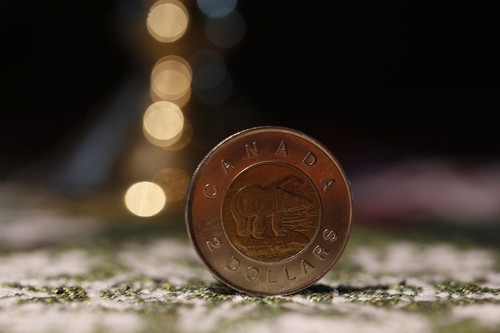
Canadian Two Dollar (Toonie)
1996-present
Newfoundland Two Dollars
1865-1888
Canadian One Cent
1858-1920 (large cent series); example dated 1911