
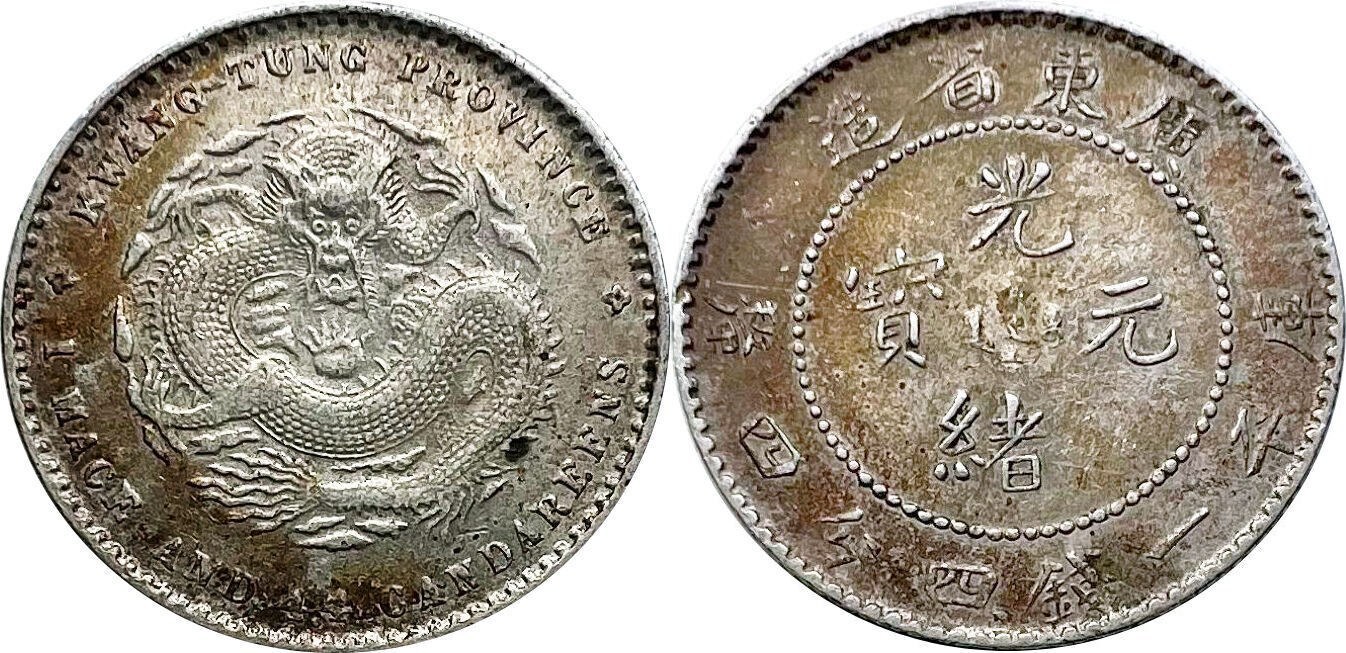
Guangdong 20 Cents
A silver 20-cent coin of Kwangtung (Guangdong) province, struck under the Guangxu Emperor with a coiled dragon on one side and Chinese legends on the other.
- Country
- China
- Denomination
- 20 Cents
- Metal
- Silver
Got a coin like this?
Identify any coin from a photo, free.
Overview
The coin pictured is a 20 Cents silver piece of Kwangtung (Guangdong) province, one of the small denominations in the late-Qing provincial silver series. It was struck at the provincial mint at Canton (Guangzhou) during the reign of the Guangxu Emperor. The value is also expressed in traditional Chinese weight as 1 Mace and 4.4 Candareens, the silver weight equivalent to twenty cents.
One face carries a coiled dragon set within an ornamental circular border with a beaded rim and radiating field, the hallmark motif of China's machine-struck "dragon" coinage. The other face bears Chinese characters arranged around a central rosette or sunburst-style ornament, giving the province, denomination, and reign title.
As a minor silver coin from the influential Kwangtung mint, the 20 Cents circulated widely as everyday change. It belongs to the same family as the larger Kwangtung dollar and half-dollar and is collected today as an accessible example of provincial Qing silver.
History & Background
In the 1880s, Kwangtung province became a pioneer of modern machine-struck coinage in China. Using imported minting equipment, the provincial mint at Canton began producing silver coins on the Western model, replacing the labor-intensive cast cash and hand-processed silver of earlier eras. The success of these issues encouraged other Chinese provinces to open their own mechanized mints.
The 20 Cents was part of a graduated silver series that ran from the dollar down through the half, 20-cent, 10-cent, and 5-cent pieces. All were struck under the Guangxu Emperor (reigned 1875-1908), whose reign title appears in the coin's legends. The dragon design signaled imperial authority, while the bilingual and traditional-weight inscriptions eased the coins into a marketplace long accustomed to reckoning silver by weight.
Provincial silver of this type circulated heavily in south China and through trade networks along the coast. Production continued into the early twentieth century until the late-Qing and Republican reforms began to standardize and centralize China's coinage, making these Guangxu-era provincial pieces relics of a transitional monetary age.
How to Identify
Identify the coin by its coiled dragon within an ornamental circular border with radiating lines and a beaded rim, the central device on one face. The opposing face shows Chinese characters around a small floral rosette or sunburst ornament; these give the province (Kwangtung), the reign title (Guangxu), and the denomination.
The denomination is stated as 20 Cents and, in Chinese weight terms, as 1 Mace and 4.4 Candareens. Look for the English or romanized legend "KWANG-TUNG PROVINCE" and the value along the dragon side's border on many examples, which confirms the province and the twenty-cent value at a glance.
The piece is a small silver coin, notably smaller than the dollar and half-dollar of the same series but larger than the 10-cent and 5-cent pieces. Because it carries the general Guangxu reign title rather than a Western calendar year, an exact date cannot be read from the coin itself; attribution relies on the design, legends, and denomination rather than a single struck year.
Value & Collectibility
Value for a Kwangtung 20 Cents depends mainly on condition, strike quality, and eye appeal. Well-worn circulated examples are common and trade modestly, while coins retaining sharp dragon detail and original luster command significantly higher premiums among collectors of Chinese provincial silver.
Because the series was produced in quantity over many years, most dates and varieties are relatively affordable, but certain die varieties, error strikes, and high-grade survivors can be scarce and sell for a substantial multiple of common examples. As with all Qing dragon silver, market interest is strong, and prices can shift with collector demand.
This coin type is also widely counterfeited, which affects value: authenticated, problem-free pieces are worth considerably more than uncertified ones. Treat any single price as a rough guide, compare against recent auction results for the same grade, and consider professional certification for higher-value or uncertain examples.
Frequently asked questions
What does "1 Mace and 4.4 Candareens" mean?
It is the coin's value expressed in traditional Chinese silver weight. Mace and candareen are units of the tael system, and 1 mace 4.4 candareens is the silver weight equal to twenty cents, the same value shown as 20 Cents.
Which emperor issued this coin?
It was issued under the Guangxu Emperor, who reigned from 1875 to 1908. His reign title appears in the Chinese legends, which is why the coin is dated to that broad period rather than a single year.
Is the coin made of real silver?
Yes. The Kwangtung 20 Cents is a small silver coin from the province's machine-struck dragon series. Its silver content matches its stated weight of 1 mace 4.4 candareens, though authenticity should always be confirmed because the type is often faked.
Where was it minted?
It was struck at the Kwangtung (Guangdong) provincial mint at Canton, now Guangzhou, in southern China. Kwangtung was among the first Chinese provinces to adopt modern mechanized coin production.
Why is there no year on the coin?
Instead of a Western calendar date, the coin carries the Guangxu reign title, so it can only be attributed to that era (1875-1908). Precise dating relies on design and variety details rather than a struck year.
Guangdong 20 Cents guides
In-depth guides for identifying, valuing, and collecting Guangdong 20 Cents.
Guangdong 20 Cents identified by the community
Real coins identified with Coin Identifier.
Other coins you may enjoy
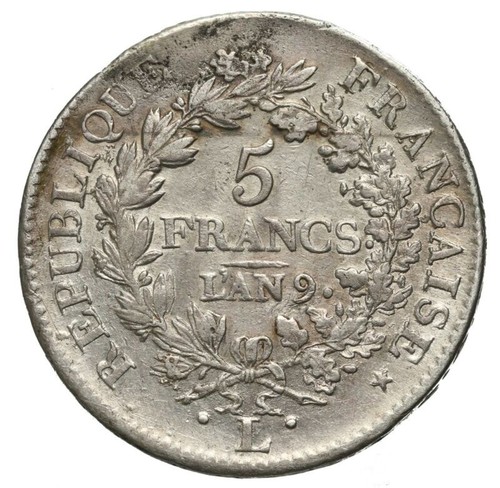
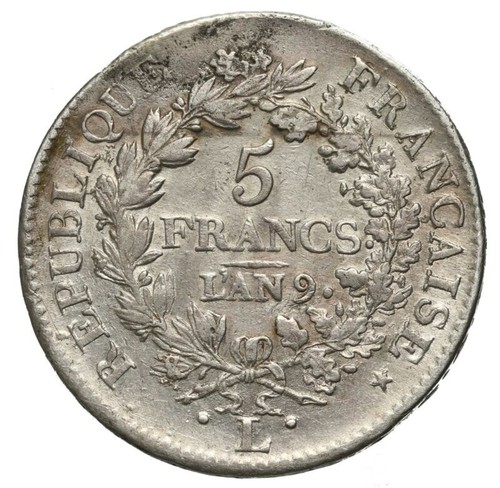
5 Francs (First Republic)
L'an 9 (1800–1801)
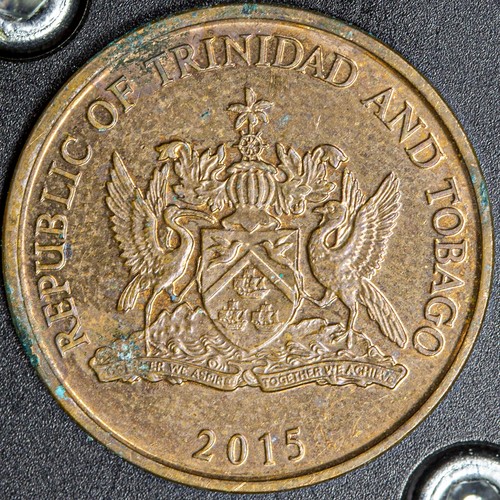
Trinidad and Tobago Dollar
2015
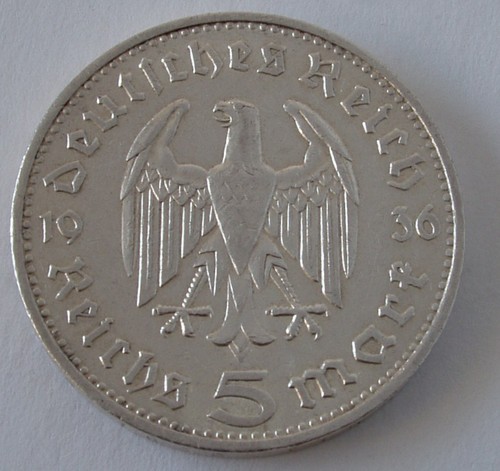
German 5 Reichsmark (Hindenburg)
1935–1936 (Hindenburg type with swastika)
5 Francs Semeuse
1960–1969
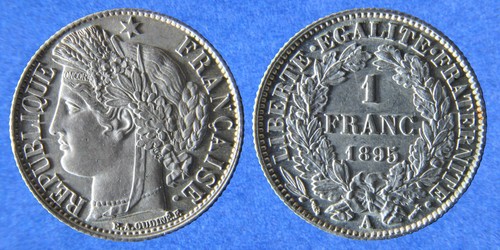
French Cérès 1 Franc
1849–1895
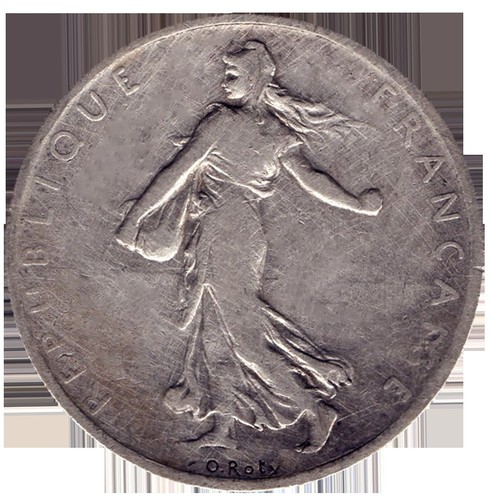
French Semeuse 2 Francs
1898–1920 (silver issues; pictured example dated 1899)
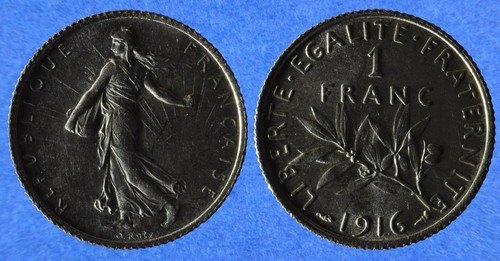
French Semeuse 1 Franc
1898–1920 (silver Semeuse 1 franc type)
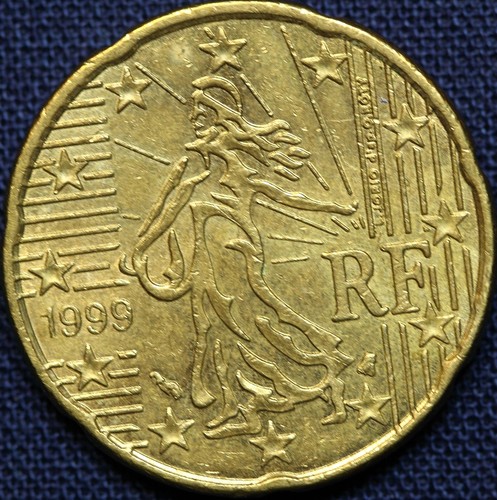
France 50 Cent Euro
1999–present
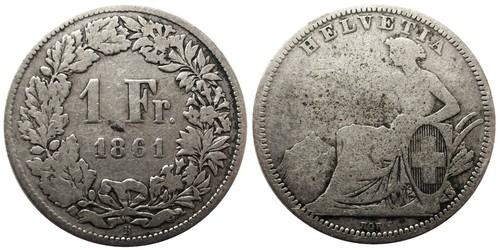
Swiss 1 Franc
1861
France 20 Centimes
1962–2001 (Fifth Republic, Marianne / Lagriffoul type)
Swiss 2 Francs
1860
Austria-Hungary 15 Kreuzer
1807