
Coin Encyclopedia
Search and identify coins from around the world — with country, denomination, metal, mint, history, and how to tell them apart.
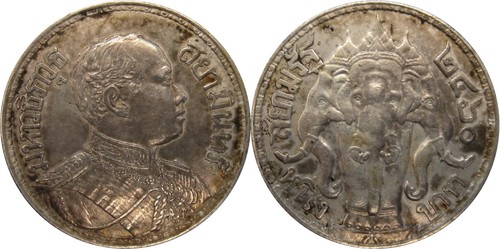
Thailand One Baht
A silver one-baht coin of Siam struck under King Rama VI, its obverse bearing the young king's uniformed profile within Thai royal inscriptions.
Southeast Asia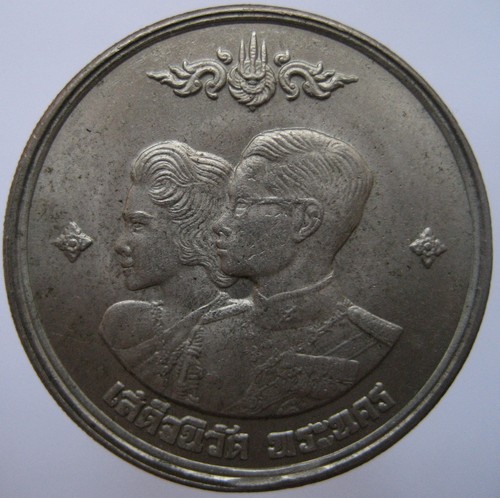
Thailand One Baht Commemorative
A 1961 Thai one-baht commemorative bearing the conjoined profiles of King Rama IX and Queen Sirikit, paired with the Thai royal arms on the reverse.
Southeast Asia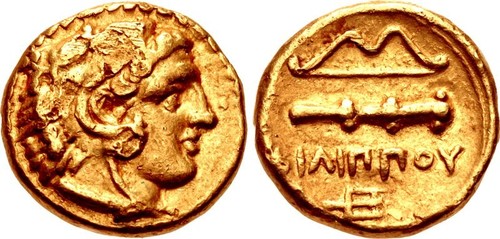
Alexander the Great Gold Quarter Stater
A small gold fraction of the Alexander the Great coinage, showing the head of Heracles and an eagle perched on a thunderbolt, the attributes of Zeus.
Ancient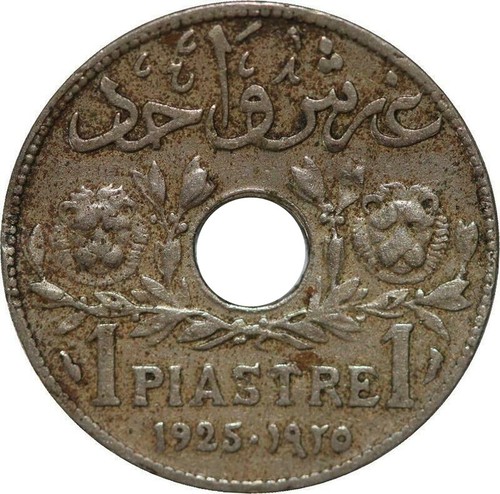
Lebanese 1 Piastre
A small holed bronze 1 Piastre of Greater Lebanon dated 1925, struck under the French Mandate, with bilingual legends and an ornamental wreath framing the value.
World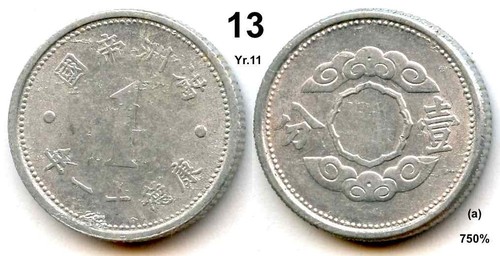
Manchukuo 1 Fen
A small bronze 1 fen from Manchukuo, dated 1944, with a large numeral 1 and Chinese inscriptions on one side and an ornamental circular design on the other.
Circulation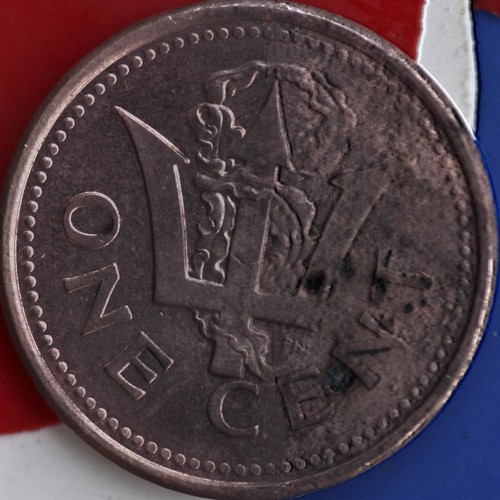
Barbados 1 Cent
A modern copper-colored Barbados one cent: the national coat of arms on the obverse and the value on the reverse, the smallest coin of the Barbadian dollar.
Circulation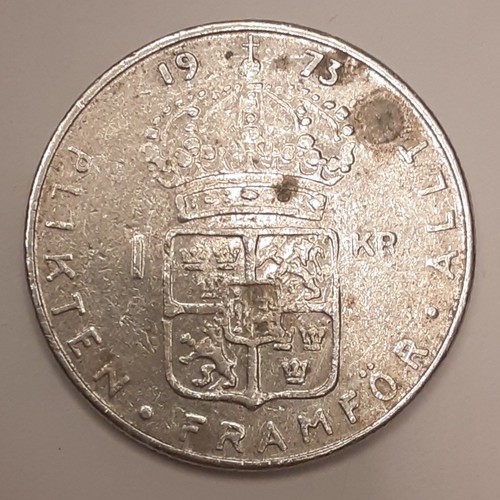
1 Krona (Gold)
A gold 1 krona of Sweden dated 1906, bearing the left-facing portrait of King Oscar II and the Swedish royal coat of arms with lions and three crowns.
Modern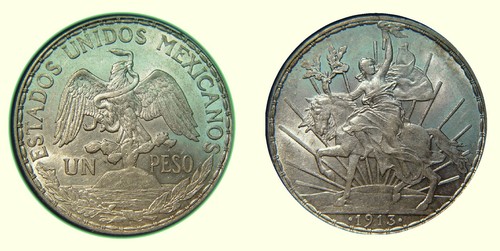
Mexican 1 Peso
Large silver Mexican peso, the famed "Caballito" type, with a winged Victory on horseback and the eagle-and-snake coat of arms.
World Coins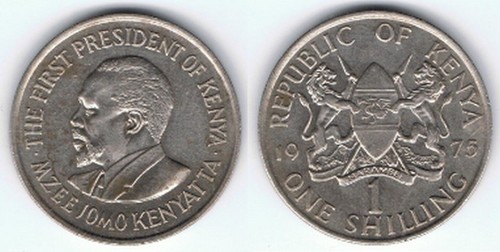
Kenya 1 Shilling
A circulating one-shilling coin of the Republic of Kenya bearing President Jomo Kenyatta on the obverse and the Kenyan coat of arms on the reverse.
World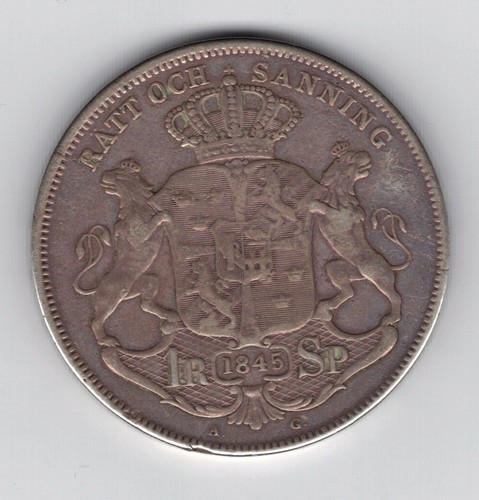
1 Riksdaler Specie
Large silver Riksdaler Specie of Sweden under King Oscar I, dated 1845, bearing his right-facing portrait, royal motto, and the Swedish coat of arms.
Modern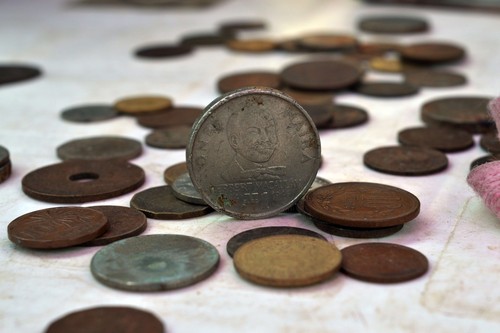
Nigeria 1 Naira
Nigeria's copper-nickel 1 Naira showing the nationalist Herbert Macaulay on the obverse and the national coat of arms on the reverse.
World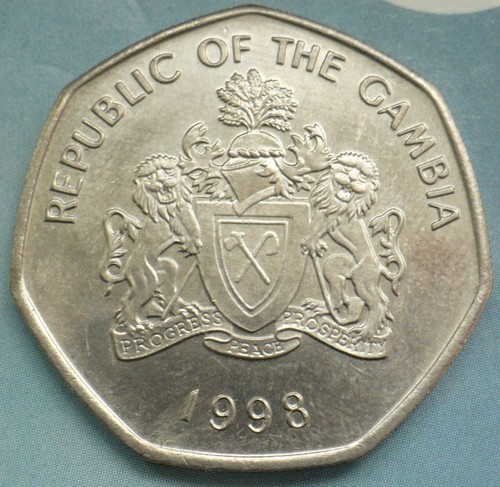
Gambia 1 Dalasi
A distinctive octagonal copper-nickel coin of The Gambia, showing the national coat of arms and the bold value 1 Dalasi dated 1998.
World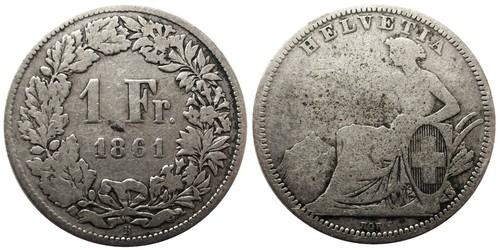
Swiss 1 Franc
A silver Swiss 1 Franc dated 1861, with the figure of Helvetia and the national coat of arms on one side and the value '1 Fr' in wreaths on the other.
Circulation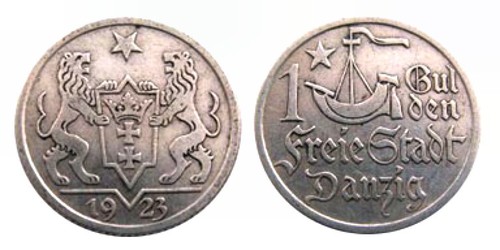
1 Gulden (Silver)
Silver 1 Gulden of the Free City of Danzig, dated 1923, carrying the city's coat of arms and its own short-lived currency between the World Wars.
Modern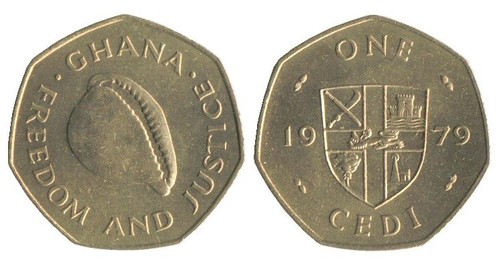
Ghana 1 Cedi
A golden-brass Ghanaian coin dated 1979, showing a cocoa pod with FREEDOM AND JUSTICE on one face and the national coat of arms on the other.
World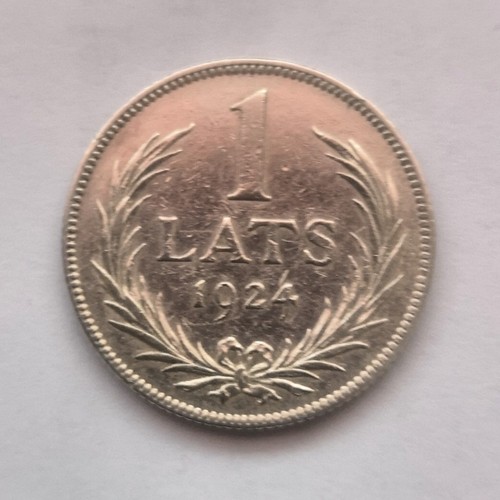
1 Lats (Christmas Bells)
Latvian 2012 commemorative 1 Lats showing Christmas bells with decorative ornament, paired with the national coat of arms on the obverse.
Commemorative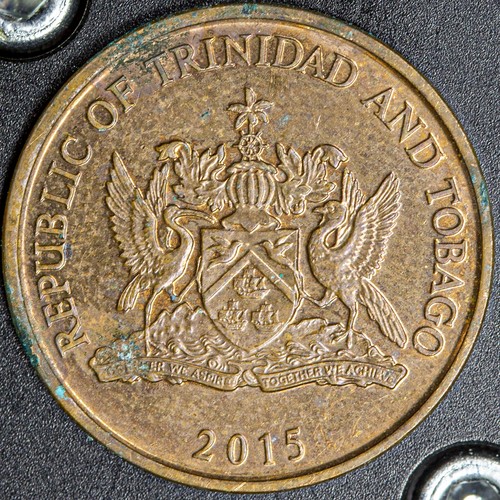
Trinidad and Tobago 1 Dollar
A nickel-plated steel one-dollar coin of Trinidad and Tobago, carrying the national coat of arms and heraldic emblems, dated 2015.
Circulation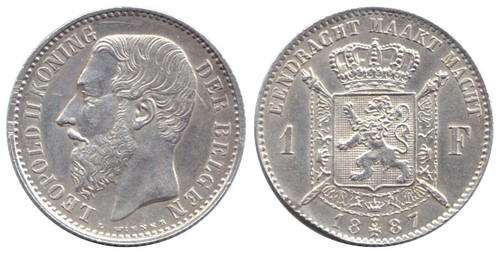
1 Franc (Leopold II)
A late-19th-century Belgian silver franc of King Leopold II, with his left-facing profile on the obverse and a crowned coat of arms on the reverse.
Modern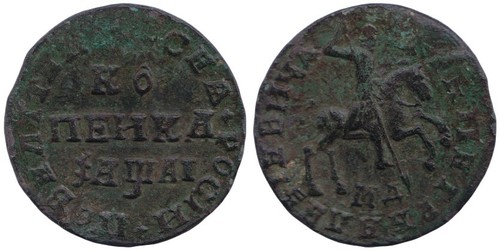
Kopek (Peter I)
An early copper kopek of Peter the Great, showing a profile of Peter I and Cyrillic legends on one side and the Russian double-headed eagle on the other.
Early Modern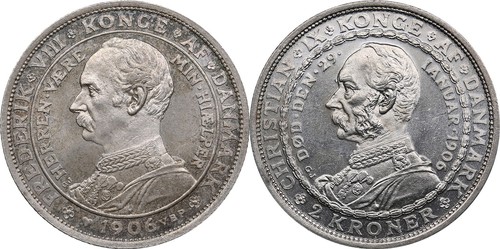
2 Kroner
A Danish silver 2 Kroner dated 1875, the first year of the krone, showing the crowned Danish coat of arms and the denomination 2 KRONER.
Modern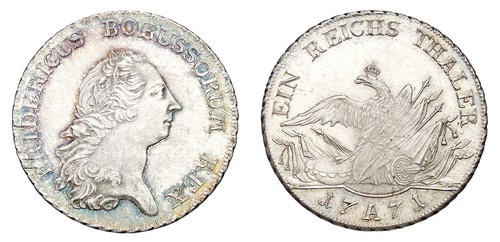
Prussian Taler
A large silver taler of the Kingdom of Prussia showing the crowned profile of Frederick II and a heraldic coat of arms, struck through the mid-to-late 1700s.
German States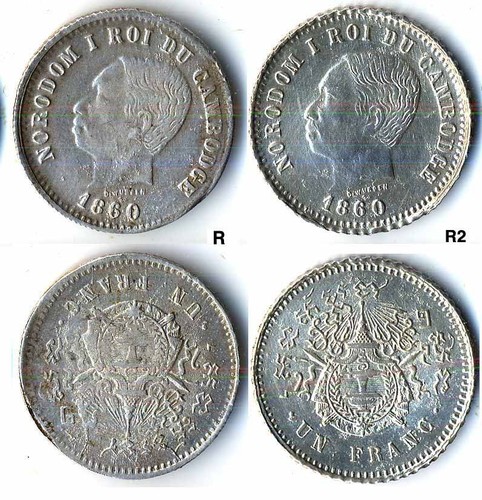
Cambodia One Franc
A mid-20th-century one-franc coin of the Kingdom of Cambodia, its obverse bearing a royal Norodom profile and its reverse a heraldic coat of arms.
Southeast Asia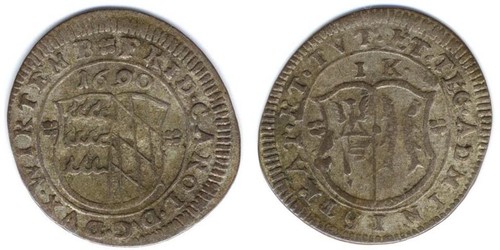
Württemberg Kreuzer
A small silver 1 Kreuzer of the Duchy of Württemberg, dated 1690, with a heraldic coat of arms and a crowned shield over scrollwork.
German States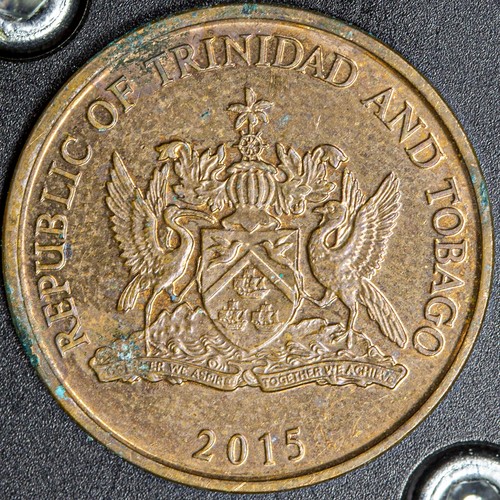
Trinidad and Tobago Dollar
A Trinidad and Tobago one-dollar circulation coin dated 2015, showing the national coat of arms on the obverse and national emblems on the reverse.
Circulation