
Coin Encyclopedia
Search and identify coins from around the world — with country, denomination, metal, mint, history, and how to tell them apart.
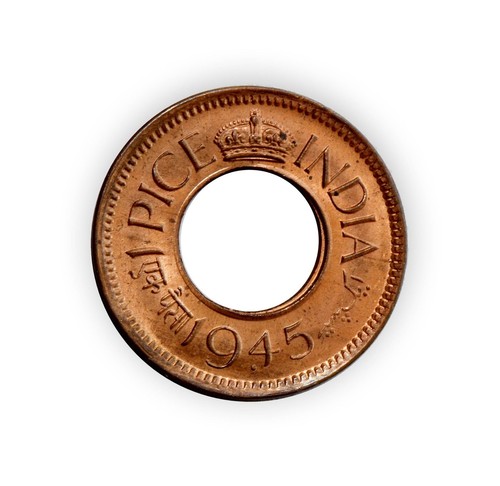
British India One Pice
A small holed copper-bronze One Pice of British India under George VI, dated 1945, its obverse crowned and lettered INDIA and PICE around a central hole.
British India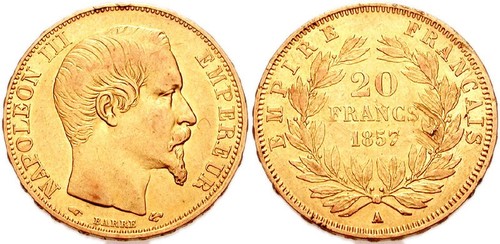
Napoleon III 20 Francs
French gold 20 francs of Emperor Napoleon III, showing his bare head facing right and a wreathed value on the reverse; example dated 1857.
World Coins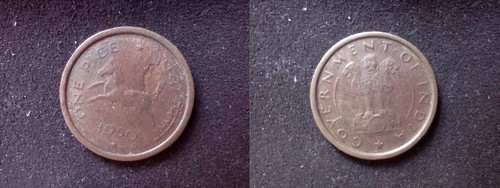
Republic India One Pice
A small bronze one-pice from 1950, the first year of the Republic of India, the lowest coin of the pre-decimal anna series struck in a copper alloy.
Modern India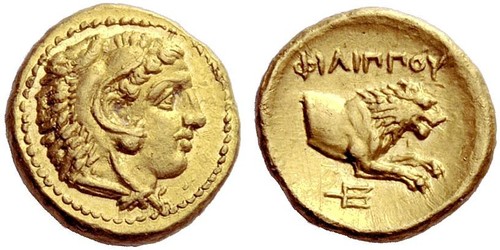
Philip II Gold Half Stater
Gold half stater of Philip II of Macedon, c. 359-336 BC, showing the head of Heracles and an eagle perched on a thunderbolt.
Ancient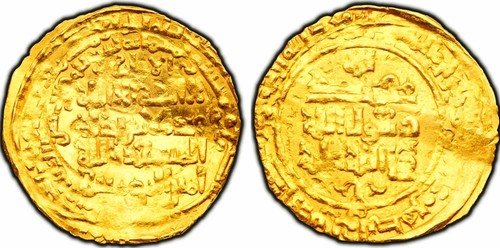
Gold Dinar of al-Mustanjid
A hand-struck Abbasid gold dinar of Caliph al-Mustanjid, bearing only Arabic calligraphy within concentric ring borders and dated AH 557.
Islamic (Medieval)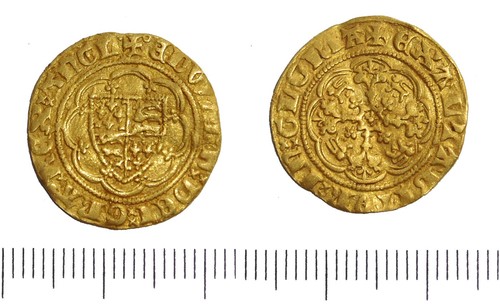
Edward III Quarter Noble
Small medieval English gold coin of Edward III, showing a crowned shield of arms on the obverse and an ornate floral cross design on the reverse.
Medieval Coins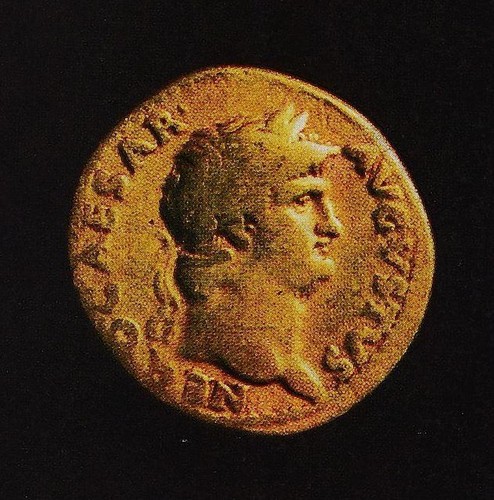
Aureus of Nero
Roman imperial gold aureus of Emperor Nero (54-68 AD), showing his curly-haired portrait facing right with a Latin imperial legend.
Ancient Coins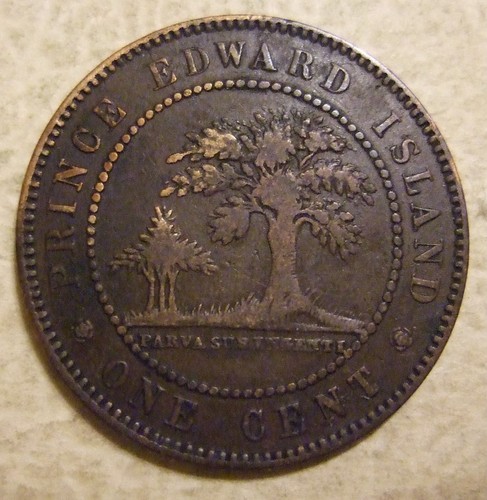
Prince Edward Island One Cent
Bronze one-cent coin struck in 1871 for the colony of Prince Edward Island, with Queen Victoria on the obverse and the island's name and date on the reverse.
Canadian & Provincial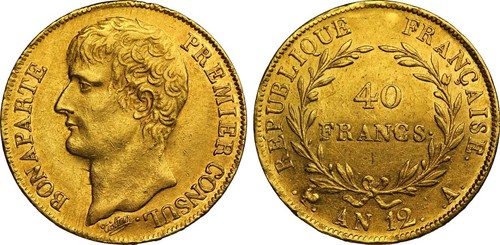
French 40 Francs Gold (Napoleon I)
A large early French gold coin showing Napoleon Bonaparte's left-facing profile and a wreathed reverse, struck in the opening years of his rule.
Bullion/gold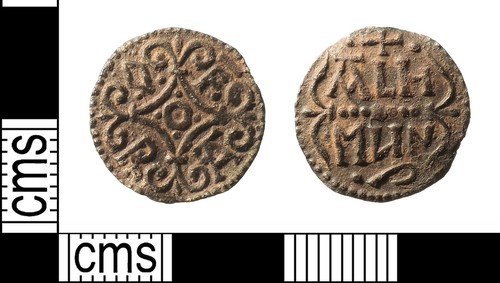
Penny of Offa
Thin silver penny of King Offa of Mercia, showing a portrait or name inscription and a cross with geometric ornament on the reverse.
Medieval Coins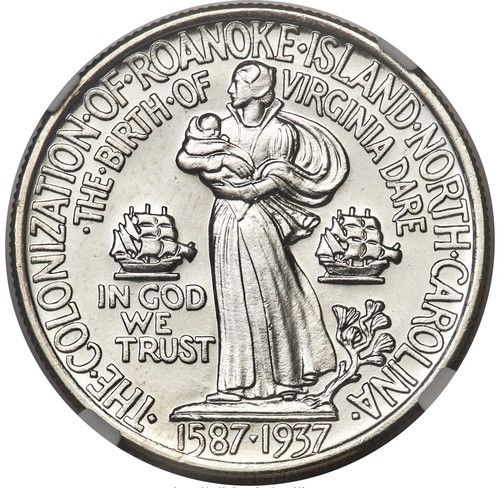
Roanoke Island Half Dollar
A 1937 U.S. silver half dollar marking 350 years since the Roanoke Island colony and the birth of Virginia Dare, with Sir Walter Raleigh and a sailing ship.
Classic Commemorative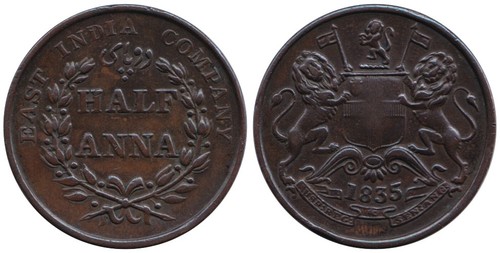
East India Company Half Anna
Large copper Half Anna of the East India Company, dated 1835, with laurel-wreath legend and the Company's heraldic lion-and-shield arms.
British India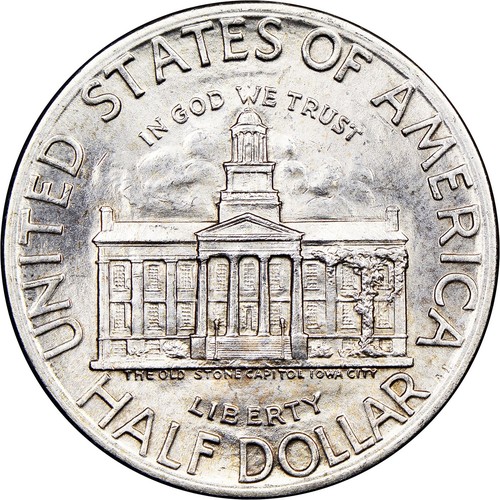
Iowa Centennial Half Dollar
A 1946 U.S. silver half dollar marking a century of Iowa statehood, showing the Old Stone Capitol at Iowa City and the state eagle with the Iowa motto.
Classic Commemorative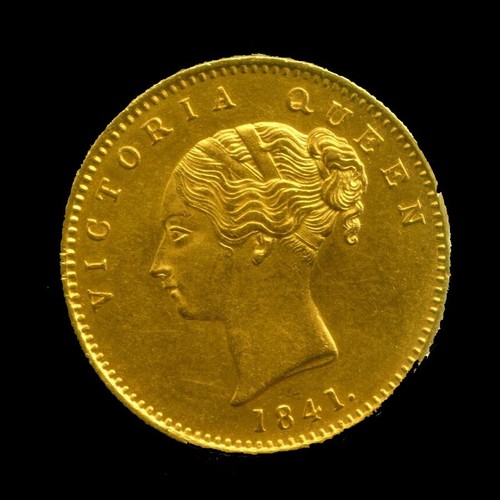
East India Company One Mohur
A machine-struck gold mohur of the East India Company bearing the young Queen Victoria, with a left-facing bust and the legend 'VICTORIA QUEEN', dated 1841.
British India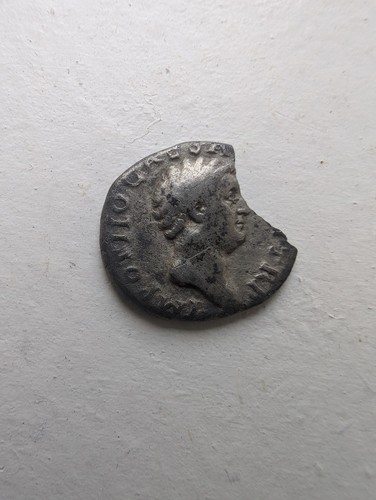
Denarius of Otho
Silver denarius of the emperor Otho, struck at Rome during his brief AD 69 reign, showing his bare head right with the legend IMP OTHO CAESAR.
Ancient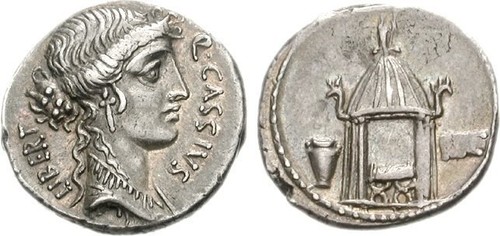
Denarius of Cassius Longinus
Silver denarius struck in 42 BC by Gaius Cassius Longinus, one of Caesar's assassins, to pay his legions before the Battle of Philippi.
Ancient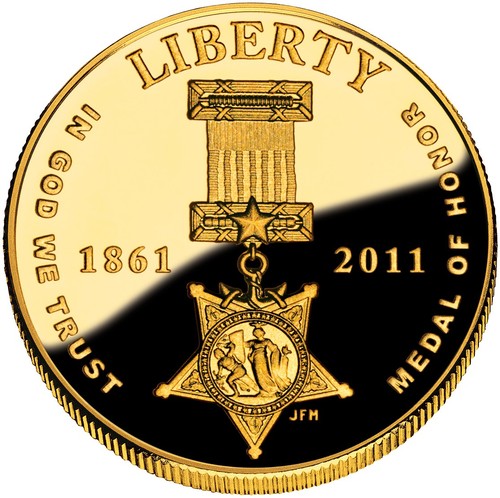
Medal of Honor Commemorative Half Eagle
US 2011 gold $5 commemorative honoring the Medal of Honor, showing the Army version of the medal above a Corinthian column.
Commemoratives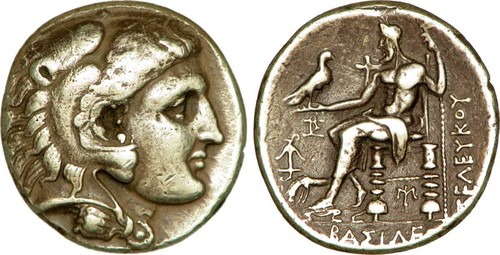
Seleucus I Nicator Tetradrachm
Large silver tetradrachm of Seleucus I Nicator, founder of the Seleucid Empire, showing a horned Alexander-type head and a mounted figure with a spear.
Ancient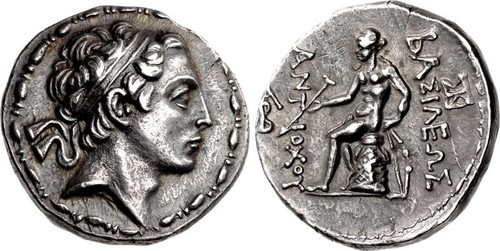
Antiochos IV Epiphanes Tetradrachm
Large silver tetradrachm of the Seleucid king Antiochos IV Epiphanes, 175-164 BC, with his diademed head and an enthroned deity reverse.
Ancient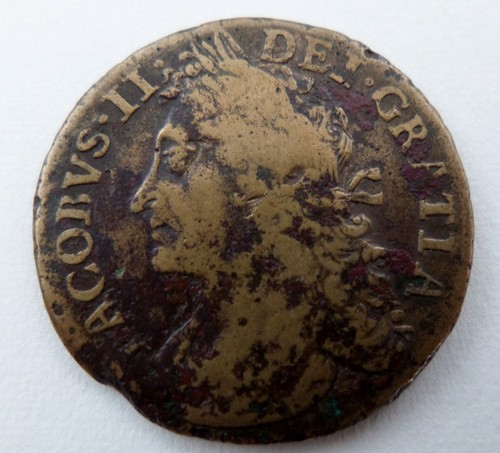
Irish Gun Money Halfcrown (30 Pence)
Emergency base-metal halfcrown struck for James II in Ireland during 1689–1690, valued at 30 pence and carrying his portrait and, on many issues, the month of striking.
Emergency Coinage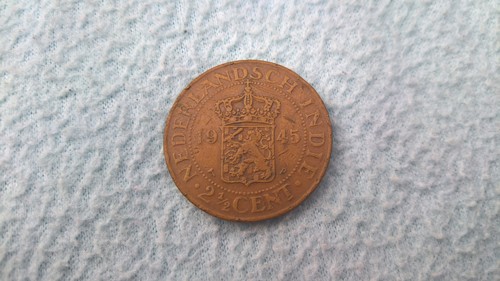
Netherlands East Indies 2 Cent
A wartime 1945 bronze 2-cent coin of the Dutch colony of the Netherlands East Indies, showing the crowned Netherlands shield and an ornate colonial reverse.
Southeast Asia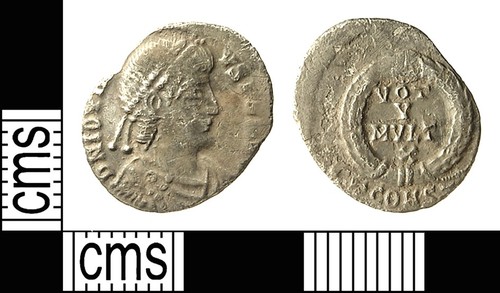
Siliqua of Jovian
Small late-Roman silver siliqua of Emperor Jovian (AD 363–364), with his right-facing portrait and a Victory or standing deity reverse.
Ancient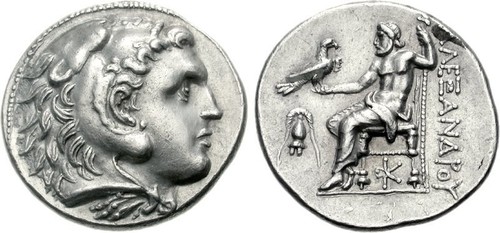
Antigonos II Gonatas Tetradrachm
Silver tetradrachm of the Macedonian king Antigonos II Gonatas, c. 275-270 BC, with a bearded royal head and a seated Nike holding a wreath.
Ancient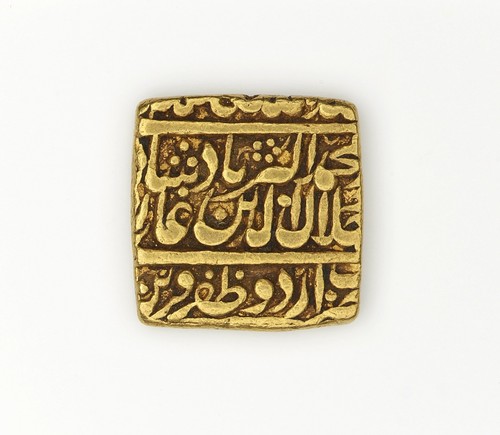
Gold Mohur of Akbar
Aniconic gold coin of Mughal emperor Akbar (1556-1605), struck in Persian calligraphy in the Ilahi coinage style.
Mughal India