
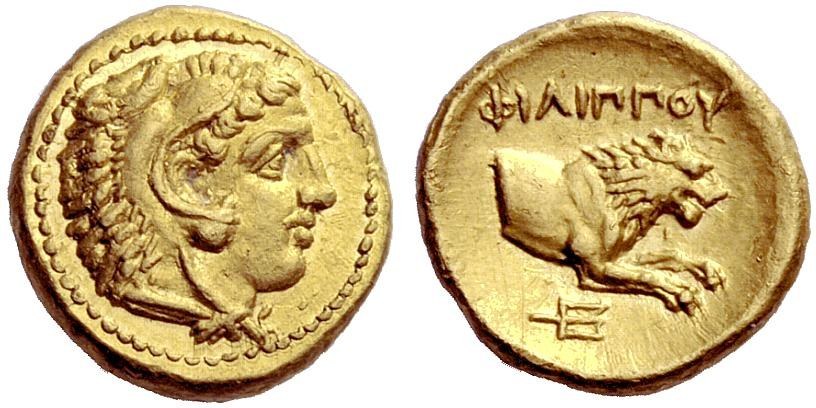
Philip II Gold Half Stater
Gold half stater of Philip II of Macedon, c. 359-336 BC, showing the head of Heracles and an eagle perched on a thunderbolt.
- Country
- Macedonia
- Denomination
- Half Stater
- Metal
- Gold
Got a coin like this?
Identify any coin from a photo, free.
Overview
The Philip II gold half stater is a fractional gold coin of the kingdom of Macedonia, struck in the reign of King Philip II (359-336 BC), father of Alexander the Great. The example here shows the head of a young Heracles facing right on the obverse and an eagle standing on a thunderbolt on the reverse.
As a half stater, or hemistater, the coin is a smaller denomination of the famous gold stater that Macedonia issued in quantity under Philip. It is struck in high-purity gold on the Attic weight standard, making it a small but dense and valuable piece, and its fractional size means it survives in far smaller numbers than the full stater.
The types tie the coin to the Macedonian royal house. Heracles was the mythical ancestor claimed by the Argead dynasty, and the eagle on a thunderbolt is an attribute of Zeus, from whom that lineage was also traced. The coin therefore carries dynastic imagery rather than a living portrait of the king.
History & Background
Philip II transformed Macedonia from a peripheral kingdom into the dominant power in Greece, and his coinage was a central instrument of that rise. After he secured the rich gold and silver deposits around Mount Pangaion in Thrace in the 350s BC, Macedonia was able to strike gold on a large scale for the first time, funding his armies and diplomacy.
Philip's gold staters, known in antiquity as "philippeioi," became a trusted international trade coinage that circulated far beyond Macedonia and was widely copied, including by Celtic peoples in central and western Europe. The half stater belongs to this gold coinage as a smaller fractional denomination struck alongside the full stater.
Because Philip's gold remained popular and reliable, coins in his name continued to be struck after his death in 336 BC, into the reigns of Alexander the Great and later. As a result a given piece may be a lifetime issue of Philip or a later posthumous striking, and precise dating and mint attribution rest on specialist study of dies and control marks rather than on the types alone.
How to Identify
The obverse shows the head of Heracles facing right, depicted as a youthful hero. On many Macedonian coins Heracles wears the lion's skin as a headdress, so look closely at the crown of the head and the neck for the paws or muzzle of the lion. There is no legend on this face; the young male head with heroic character is the primary identifier.
The reverse shows an eagle standing on a thunderbolt, wings usually folded, often accompanied by the abbreviated royal name of Philip and by small control symbols or letters used by the mint. These control marks vary from coin to coin and are used by specialists to classify issues; the eagle-and-thunderbolt combination is the key reverse identifier for this fractional type.
In hand this is a small, thick disc of bright yellow, high-purity gold. As a half stater it weighs on the order of roughly 4 grams, about half the weight of the full gold stater, and measures only around 12 to 14 mm across. The metal does not tone or corrode like silver or bronze, so genuine gold shows a warm, untarnished color. Its small size, considerable weight for that size, and gold color together separate it from the larger, more common gold stater and from base-metal coins of the period.
Value & Collectibility
Gold coinage of Philip II is intrinsically valuable and historically prized, and fractional denominations such as the half stater are considerably scarcer than the full stater, so they attract strong collector interest. Genuine examples generally trade from the mid hundreds of dollars for worn or lower-grade pieces up into the four figures, with sharply struck, well-centered coins of good style commanding the highest prices.
Value depends on the clarity and style of the Heracles head, the sharpness of the eagle and thunderbolt, the completeness of any legend and control marks, the weight and purity of the gold, centering, and overall eye appeal. Lifetime issues and coins with attractive style or documented provenance tend to bring premiums over ordinary posthumous or heavily circulated examples.
The figures here are general context, not appraisals. Because Philip II gold is valuable and frequently imitated, both in antiquity and by modern forgers, any significant purchase is best made with specialist attribution or third-party certification.
Frequently asked questions
Who was Philip II of Macedon?
Philip II was king of Macedonia from 359 to 336 BC and the father of Alexander the Great. He built Macedonia into the leading power in Greece, and his gold and silver coinage helped fund and spread that power.
Why does the coin show Heracles rather than the king?
The Macedonian royal house, the Argeads, claimed descent from the hero Heracles. His head is dynastic imagery advertising that lineage; Greek coins of this era generally did not carry portraits of the living ruler.
What does the eagle on a thunderbolt mean?
The eagle and the thunderbolt are attributes of Zeus, the king of the gods, from whom the Macedonian dynasty also traced its origins. The motif signals royal and divine authority rather than a specific event.
How is a half stater different from a stater?
The half stater, or hemistater, is a fractional denomination worth half of the full gold stater. It weighs roughly half as much, about 4 grams, and is smaller and scarcer than the widely issued full stater.
Could my coin have been struck after Philip died?
Yes. Philip's gold remained a trusted trade coinage, so pieces in his name were struck posthumously into the reigns of Alexander and later. Distinguishing lifetime from posthumous issues requires specialist study of dies and marks.
Philip II Gold Half Stater guides
In-depth guides for identifying, valuing, and collecting Philip II Gold Half Stater.
Other coins you may enjoy
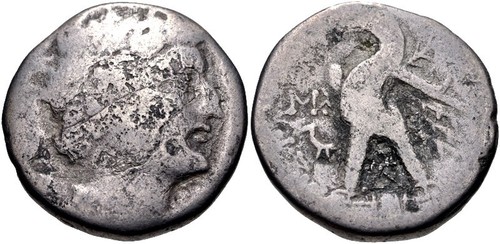
Tetradrachm of Ptolemy XII
80-51 BC
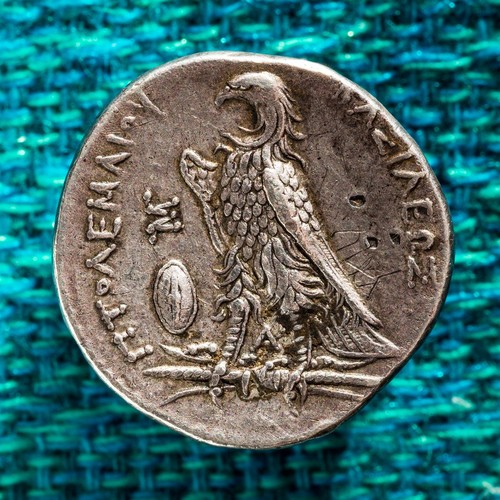
Tetradrachm of Ptolemy I
305-283 BC
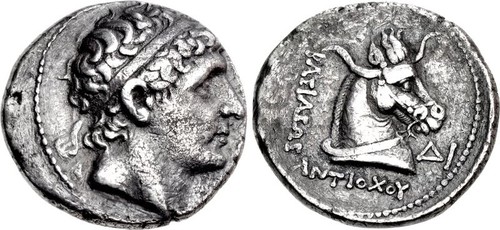
Tetradrachm of Antiochos I Soter
281-261 BC
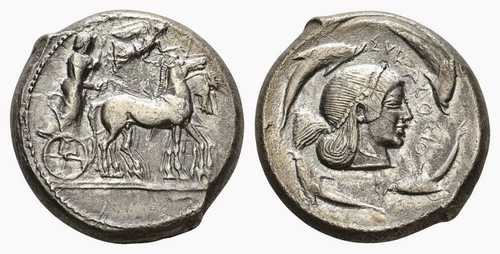
Syracuse Tetradrachm
c. 5th-4th century BC (Classical period)
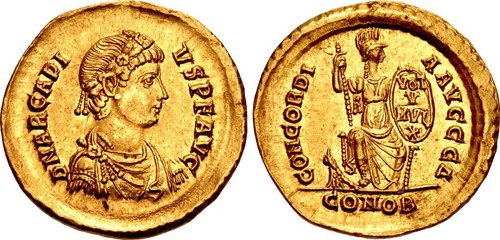
Solidus of Arcadius
AD 395-402
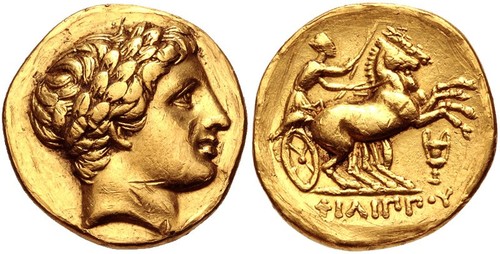
Philip III Gold Stater
323-317 BC
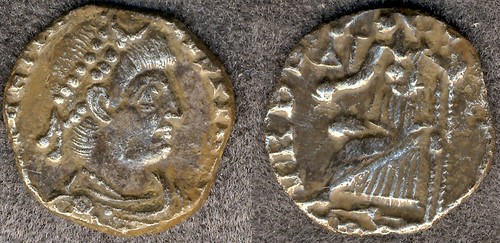
Siliqua of Gratian
AD 367-383
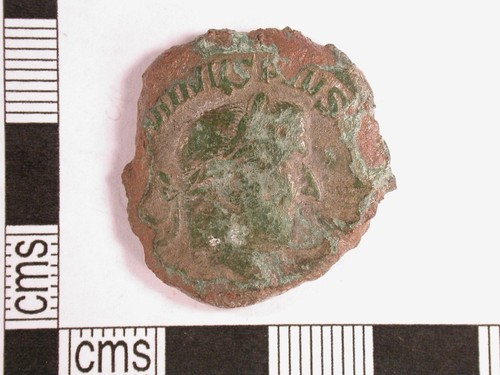
Sestertius of Maximinus Thrax
235-238 AD
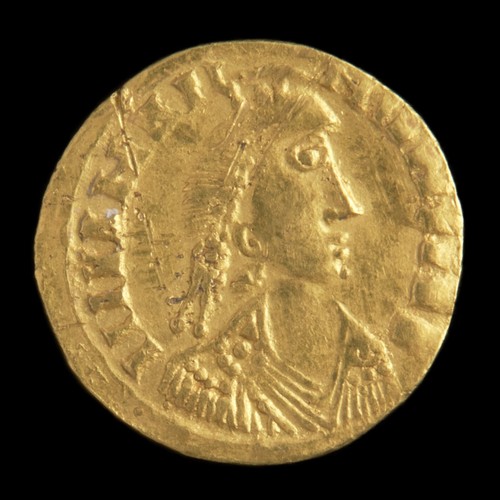
Solidus of Valentinian III
AD 425-455
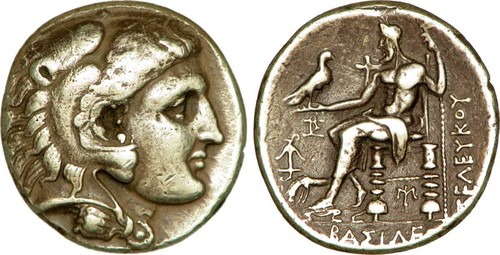
Seleucus I Nicator Tetradrachm
Late 4th-3rd century BC
Nummus of Magnentius
AD 350-353
Follis of Galerius
AD 308-310