
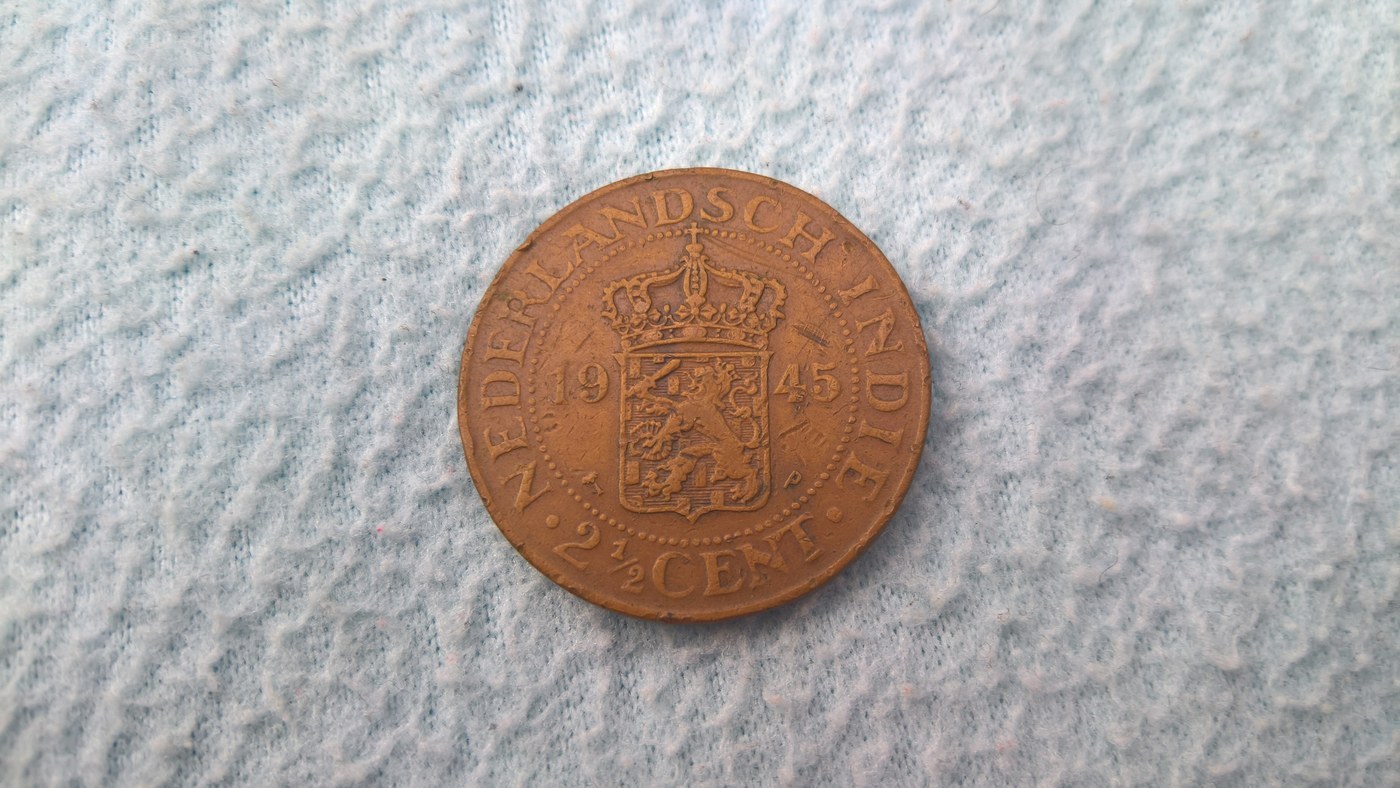
Netherlands East Indies 2 Cent
A wartime 1945 bronze 2-cent coin of the Dutch colony of the Netherlands East Indies, showing the crowned Netherlands shield and an ornate colonial reverse.
- Country
- Netherlands East Indies
- Denomination
- 2 Cent
- Metal
- Bronze
Got a coin like this?
Identify any coin from a photo, free.
Overview
The Netherlands East Indies 2 Cent is a small bronze coin of the low-denomination "cent" coinage used across the Dutch colony in the East Indies (modern Indonesia). The example shown here is dated 1945, placing it in the final year of the Second World War, when much of the colony's coinage was produced abroad and shipped out for use in the islands.
The obverse carries a crowned shield bearing a coat of arms together with the denomination and the colonial name, marking the coin as an official issue of the Kingdom of the Netherlands for its overseas territory. The reverse displays an ornate, symmetrical colonial design typical of the region's low-value pieces, in which the value and inscriptions are framed by decorative patterning.
As a base-metal minor denomination made for everyday transactions, the 2 cent circulated heavily and is encountered today mainly by collectors of Dutch colonial and Southeast Asian coinage. It is valued more as a compact piece of late-colonial and wartime history than for any precious-metal content.
History & Background
The Netherlands East Indies was the Dutch colonial administration that governed the Indonesian archipelago until the mid-twentieth century. Throughout its history it struck its own coinage in cents and guilders (gulden), separate from but modeled on the coinage of the Netherlands itself, with legends naming the colony rather than the home country.
By 1945 the colony had been through the Japanese occupation of the East Indies, and the Netherlands government-in-exile and Allied authorities arranged for coinage to be produced outside the islands to supply currency for the territory. Coins of this wartime period are dated to the mid-1940s and were intended to restore and support a Dutch-administered monetary system as the war ended and the region changed hands.
Within a few years the colonial arrangement dissolved: Indonesia declared and won independence, and Netherlands East Indies coinage ceased. Pieces dated 1945 therefore stand near the very end of the colonial series, issued just as the political order that produced them was passing away.
How to Identify
Identify this type from its obverse, which shows a crowned shield with a coat of arms, the denomination, and lettering identifying the Netherlands East Indies (typically rendered in Dutch as "Nederlandsch-Indie"). The presence of the Netherlands crown and shield marks it as an official Dutch colonial issue rather than a coin of the independent Indonesian republic that followed.
The reverse carries an ornate, balanced colonial design in which the value and any inscriptions sit within decorative framing. On low-denomination Netherlands East Indies bronze, such reverses often combine the numeral or word of value with script elements reflecting the languages of the archipelago, all arranged symmetrically.
The coin is bronze, a reddish-brown copper alloy that darkens with age and handling, and it is a small minor-denomination piece rather than a large crown-sized coin. Check the date near the design: the example here reads 1945, and any small mint mark or symbol beside it can help pin down where the coin was struck.
Value & Collectibility
As a base-metal minor coin produced for general circulation, the Netherlands East Indies 2 cent is collectible rather than intrinsically valuable, since bronze carries no precious-metal premium. Well-worn circulated examples are modest, everyday collector items.
Value rises with condition and originality. Coins that keep sharp detail and original surfaces, and especially uncirculated pieces with traces of red mint color, command more than dark, heavily worn coins. Corrosion, cleaning, or verdigris on the bronze reduces appeal.
Because this is a colonial and wartime issue, demand comes from collectors of Dutch colonial coinage, Southeast Asian and Indonesian series, and World War II-era money. Prices depend on grade, eye appeal, and any scarcer date or mint variety, so treat figures as general context rather than fixed quotes.
Frequently asked questions
What country issued this coin?
It was issued by the Netherlands East Indies, the Dutch colonial administration of what is now Indonesia. The legend names the colony ("Nederlandsch-Indie") rather than the Netherlands itself, and the crowned shield marks it as an official Dutch colonial issue.
Is the 1945 date significant?
Yes. 1945 is the final year of the Second World War, and coinage of this period was produced to supply the colony as the war ended. It sits near the very end of the Netherlands East Indies series, just before Indonesian independence closed the colonial chapter.
Is this coin made of a precious metal?
No. It is bronze, a copper-based base-metal alloy. Its reddish-brown color comes from copper, not gold, and it has no bullion value; its interest is historical and numismatic.
Is it a coin of Indonesia?
It predates the independent Republic of Indonesia. It is a colonial-era coin of the Netherlands East Indies; independent Indonesia later issued its own distinct coinage without the Dutch crown and shield.
Is it valuable?
Most circulated examples are modest collector pieces because they were common circulating bronze. Coins in high grade with original surfaces, or scarcer varieties, are worth more, but always as collectibles rather than for metal content.
Netherlands East Indies 2 Cent guides
In-depth guides for identifying, valuing, and collecting Netherlands East Indies 2 Cent.
Other coins you may enjoy
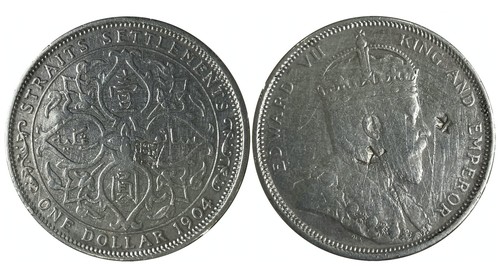
Straits Settlements Dollar
1904
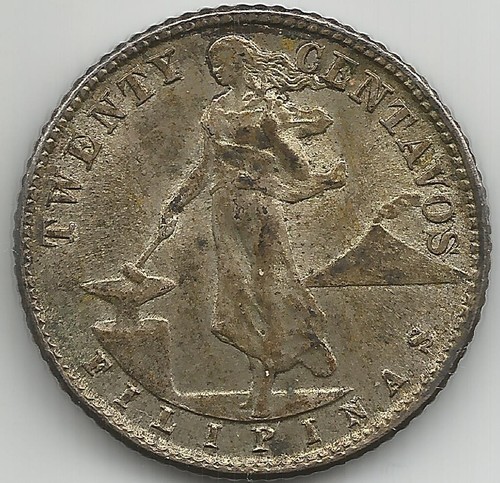
Philippines 20 Centavos
1937–1945 (this example dated 1944)
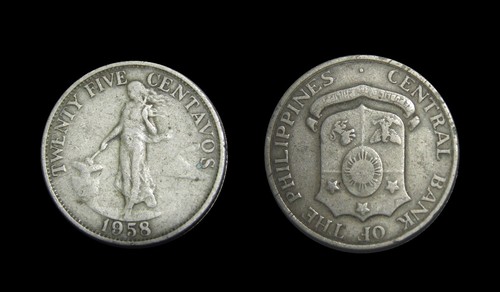
Philippines 25 Centavos
Dated 1958, part of the Republic of the Philippines "English Series" coinage struck from 1958 to 1966
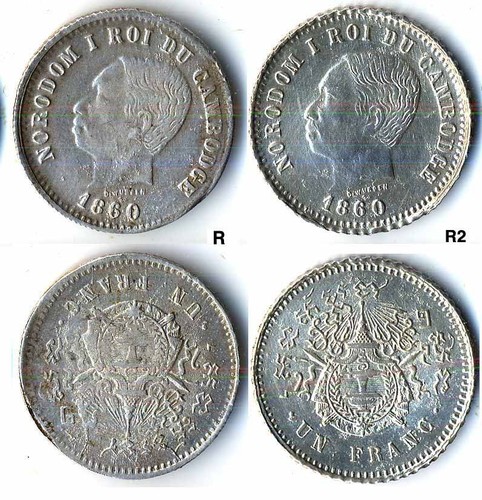
Cambodia One Franc
1950s–1960s
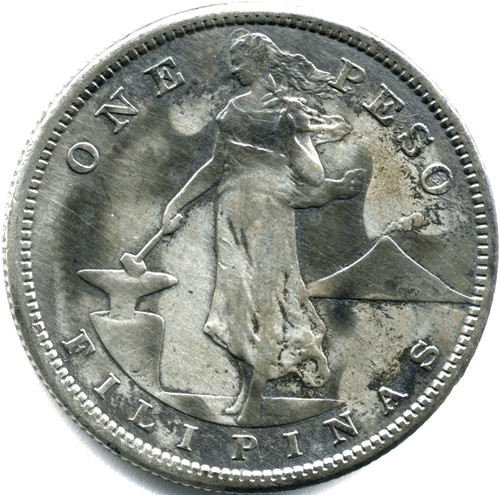
Philippines One Peso
1903–1912
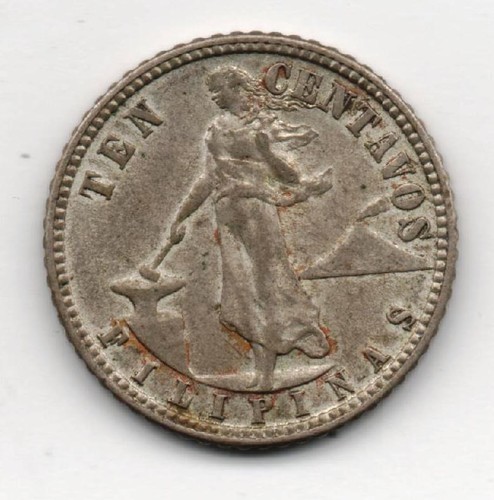
Philippines 10 Centavos
1907–1935 (this example dated 1911)
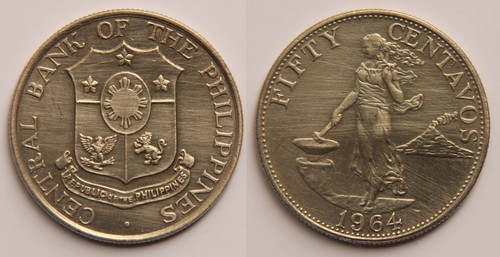
Philippines 50 Centavos
1958–1966 (English series); example dated 1964
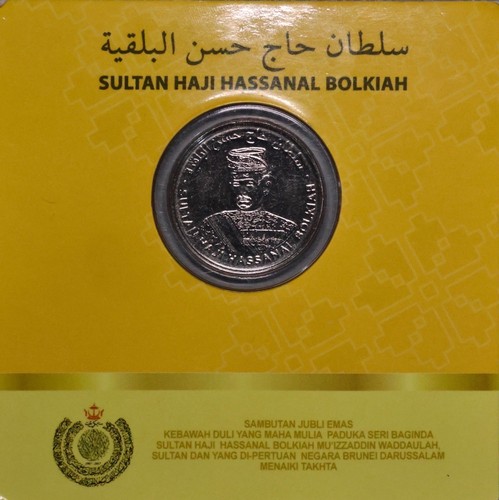
Brunei Golden Jubilee 50 Cents
Golden Jubilee issue, 2017
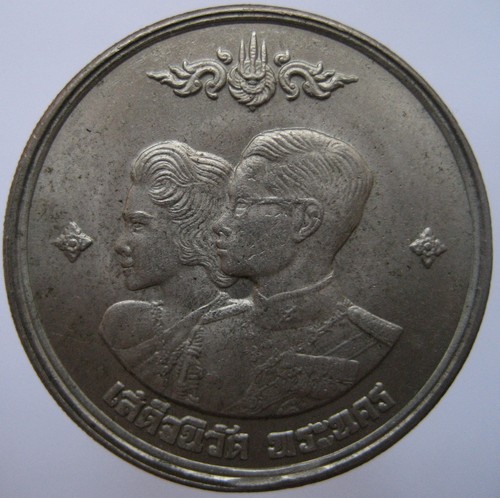
Thailand One Baht Commemorative
1961
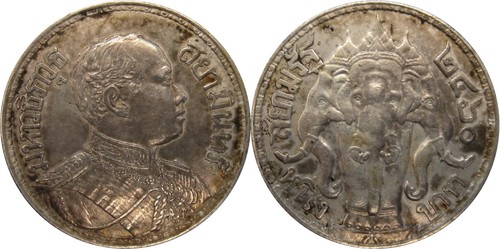
Thailand One Baht
1917
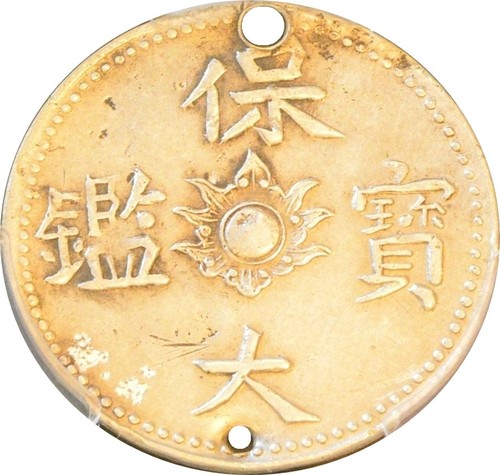
Vietnam 2 Tien - Bao Dai
1926-1945
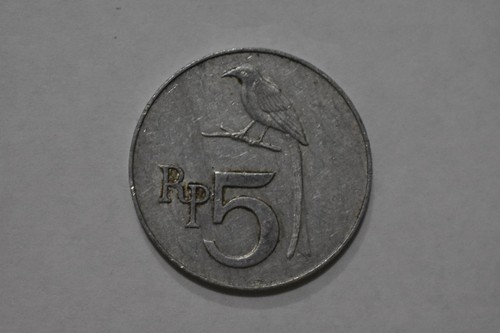
Indonesia 5 Rupiah
2003