
Coin Encyclopedia
Search and identify coins from around the world — with country, denomination, metal, mint, history, and how to tell them apart.
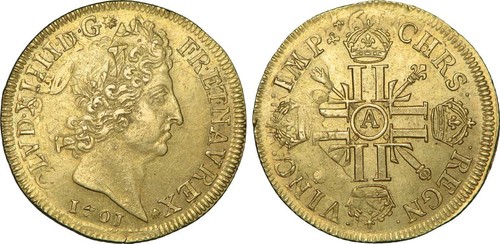
Double Louis d'Or
A large gold coin of Louis XIV dated 1701: the king's laureate profile and 'LUDOVICUS MAGNUS' obverse, an ornate cross of arms reverse.
Royal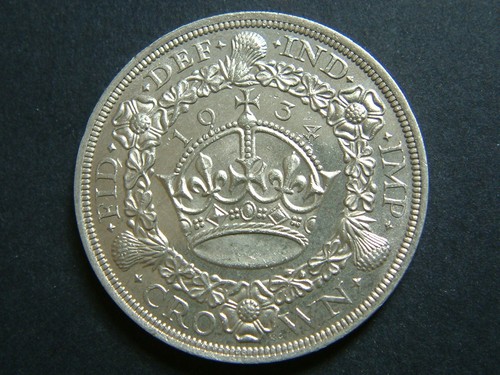
British Crown
A large George V silver crown of the 1927–1936 'wreath' type, showing the king's profile and a royal crown framed by an ornamental wreath.
British Isles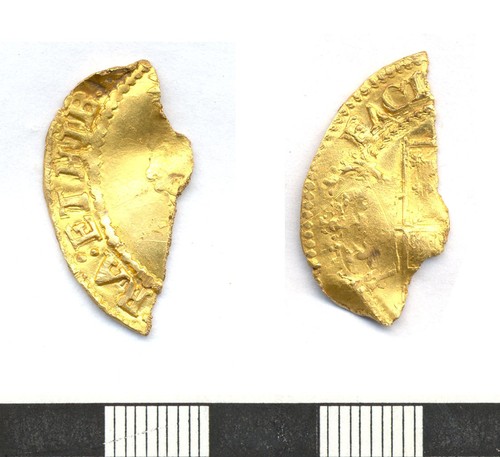
Laurel
A hammered English gold coin of James I worth twenty shillings, named for the king's laurel-wreathed profile, struck 1619-1625.
Hammered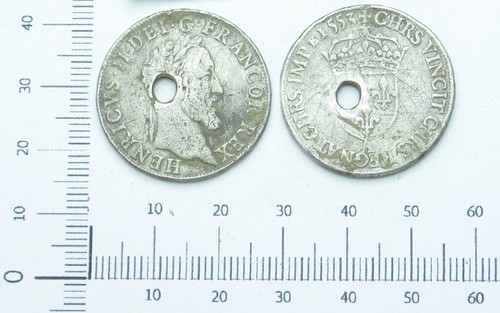
Teston of Henri II
A French Renaissance silver teston of Henri II (1547-1559): the king's realistic profile bust right, a crowned fleur-de-lis coat of arms on the reverse.
Renaissance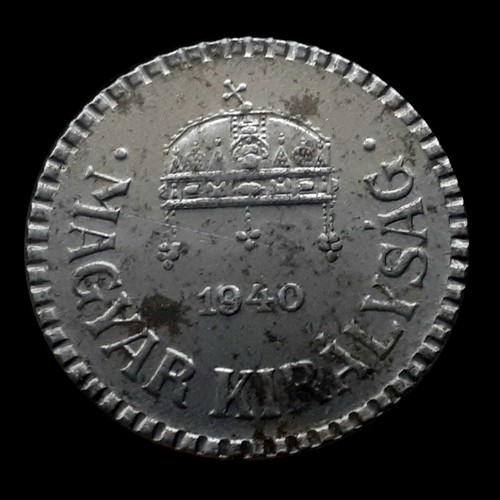
2 Fillér
A small early-20th-century Hungarian 2 fillér in copper-based bronze, showing the crowned Hungarian coat of arms on the obverse and the value with date on the reverse.
Modern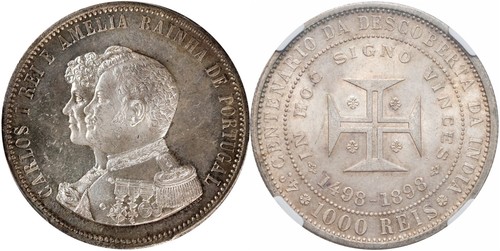
1000 Reis (Discovery of India)
A late Kingdom of Portugal 1000 Reis of the Carlos I period, showing a king's right-facing profile and the crowned Portuguese royal arms on the reverse.
Modern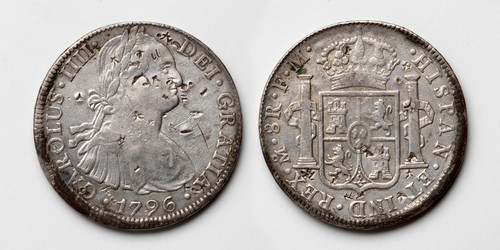
Spanish Colonial 8 Reales (Milled Bust)
The milled-bust Spanish colonial 8 reales—the classic “piece of eight,” a large silver coin bearing the Spanish king's portrait and royal arms.
Colonial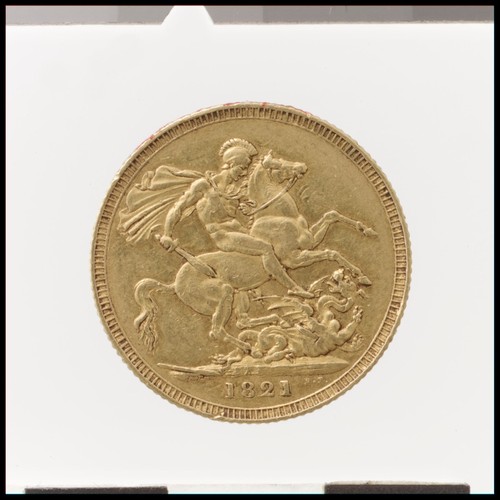
Sovereign of George IV
A milled gold sovereign of Great Britain struck under George IV, with the king's laureate head and Pistrucci's St George slaying the dragon reverse, dated 1821.
Milled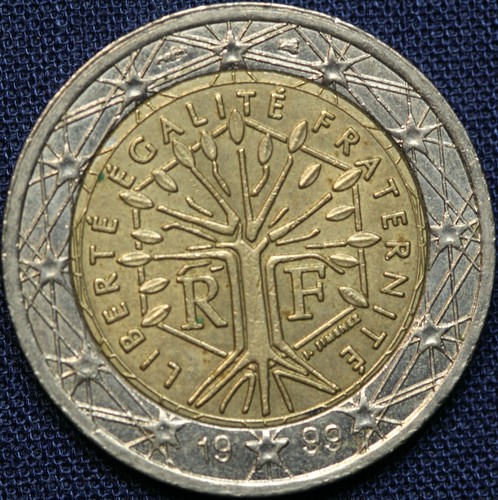
France 1 Euro
France's bimetallic 1 euro coin, with a stylized leafy tree inside a hexagon on the national side and the euro value with a map of Europe on the common side.
Euro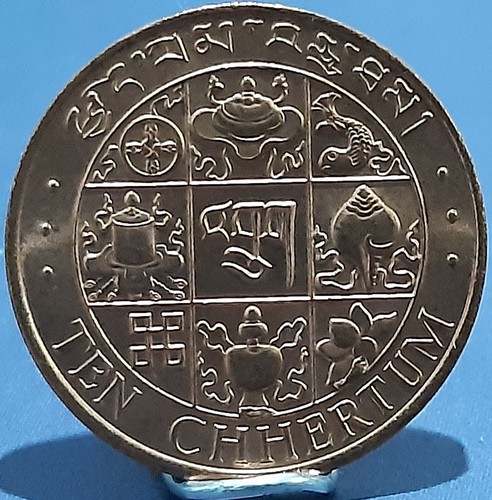
Bhutan 10 Sengtrum
A 1979 cupro-nickel minor coin of the Kingdom of Bhutan, worth one-tenth of a ngultrum, with the national arms on one face and an ornamental gateway on the other.
Himalayan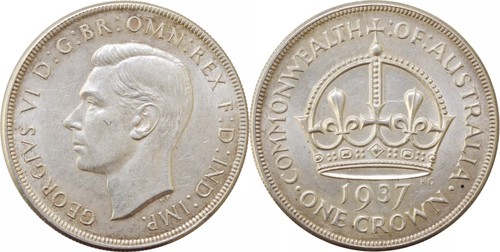
Australian Crown
Australia's only crown (five-shilling) coin, a large sterling-silver piece struck in 1937 and 1938 with a George VI portrait and a crown reverse.
Australian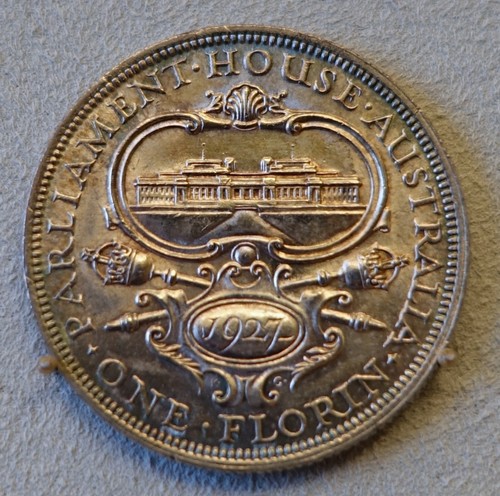
Australian Florin
Australia's pre-decimal silver two-shilling coin, showing the Commonwealth coat of arms with kangaroo and emu supporters and the reigning monarch.
World Coins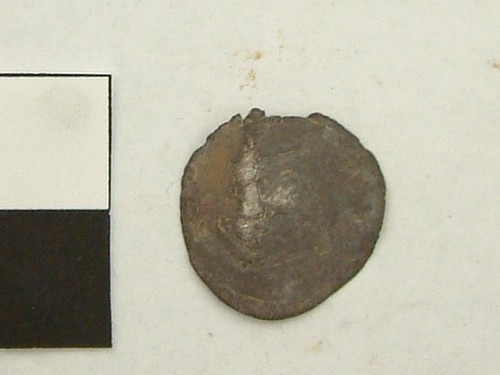
Quarter Merk
A small hammered silver coin of Scotland worth a quarter of a merk, showing a crowned heraldic shield with a cross and a Latin legend.
Hammered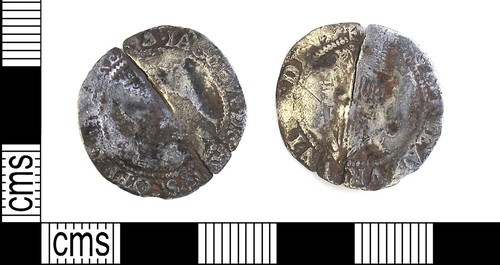
Sixpence of James I
A hammered silver sixpence of James I of England: crowned profile bust with VI value mark, and a dated garnished shield over a cross on the reverse.
Hammered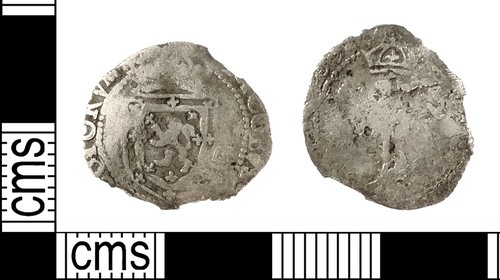
Eighth Thistle Merk
A small hammered silver Scottish coin of James VI, showing a crowned heraldic shield of arms on one side and a crowned thistle on the other.
Hammered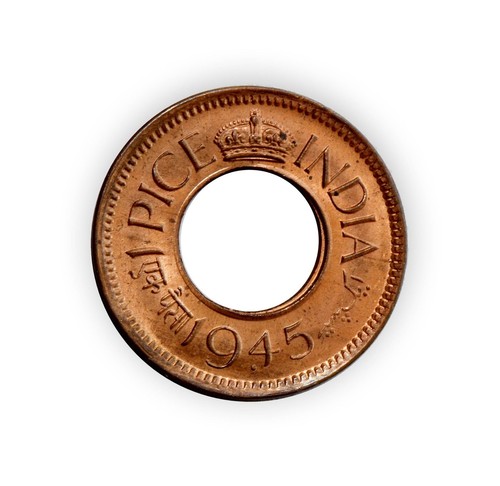
British India One Pice
A small holed copper-bronze One Pice of British India under George VI, dated 1945, its obverse crowned and lettered INDIA and PICE around a central hole.
British India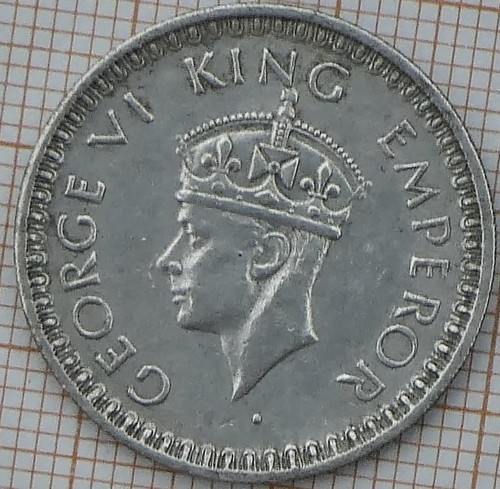
India 50 Paise
A George VI half-rupee of British India dated 1946 — the pale nickel-brass ancestor of the modern 50 paise, with a crowned royal bust and a rampant lion reverse.
Modern India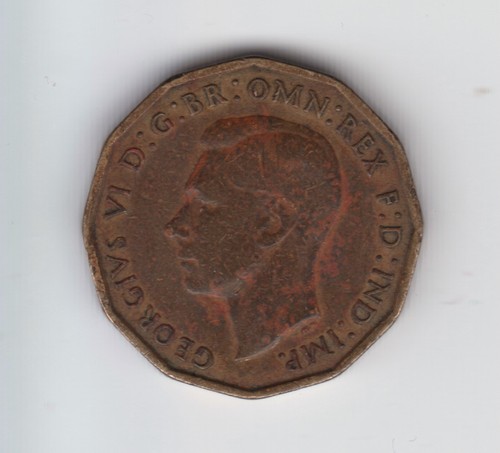
British Brass Threepence
Chunky twelve-sided nickel-brass threepence of George VI, showing his head and a thrift plant reverse; the example shown is dated 1942.
British Isles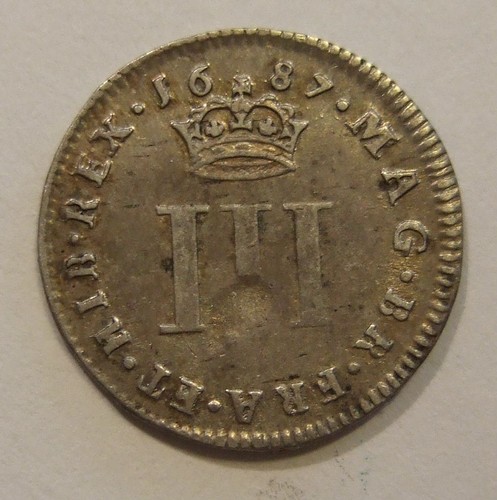
Maundy Money Threepence
A tiny sterling-silver British threepence; the 1687 James II example shows a crowned bust and a crowned Roman numeral III on the reverse.
Maundy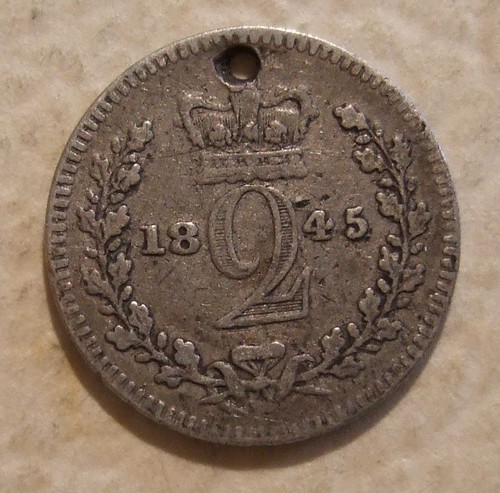
Victoria Maundy Twopence
A tiny sterling-silver ceremonial coin from a Royal Maundy set. This 1845 example shows Victoria's young head and a crowned 2 in a wreath.
British Isles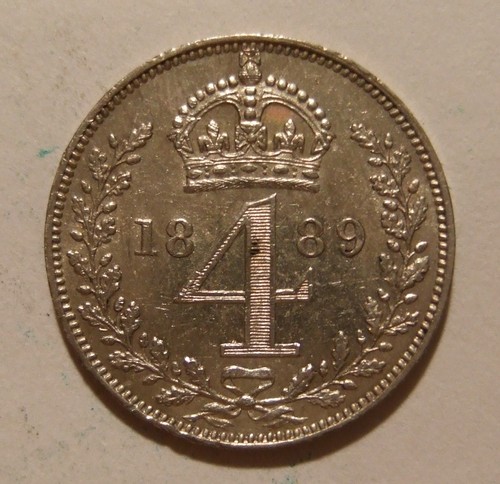
Victoria Maundy Fourpence
A tiny sterling-silver ceremonial coin from a royal Maundy set. This 1889 example shows Victoria's crowned Jubilee Head and a crowned '4' in a wreath.
British Isles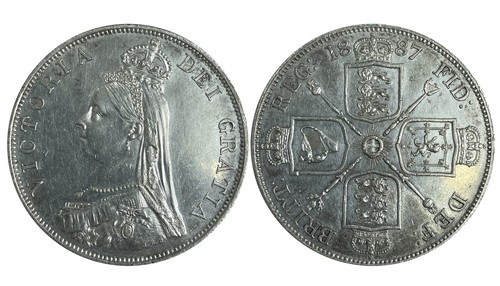
British Double Florin
Large Victorian silver four-shilling piece with the Jubilee Head of Queen Victoria and a cross of four crowned shields on the reverse.
World Coins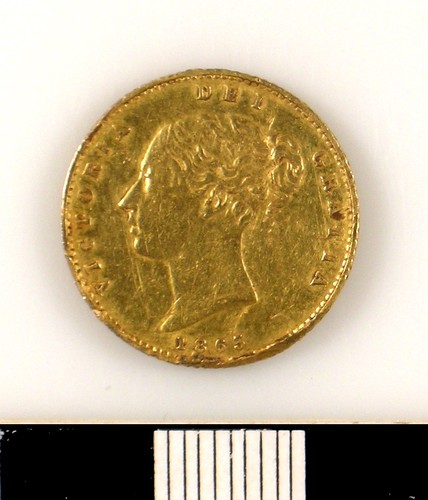
British Half Sovereign
A small 22-carat British gold coin worth ten shillings; the pictured example shows Queen Victoria's left-facing Young Head portrait, dated 1863.
British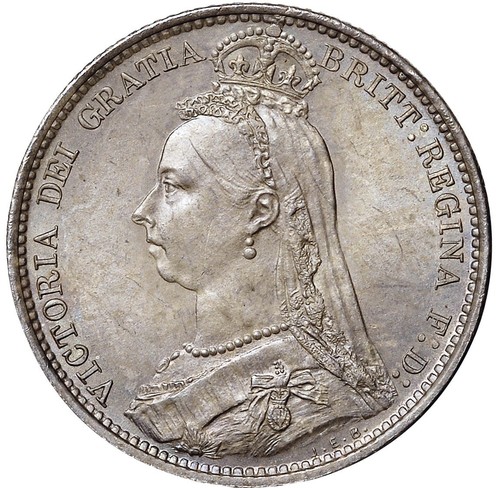
British Sixpence
Small British silver sixpence (6d); this example is an 1888 Queen Victoria 'Jubilee head' with the crowned, veiled bust.
British Isles