
Coin Encyclopedia
Search and identify coins from around the world — with country, denomination, metal, mint, history, and how to tell them apart.
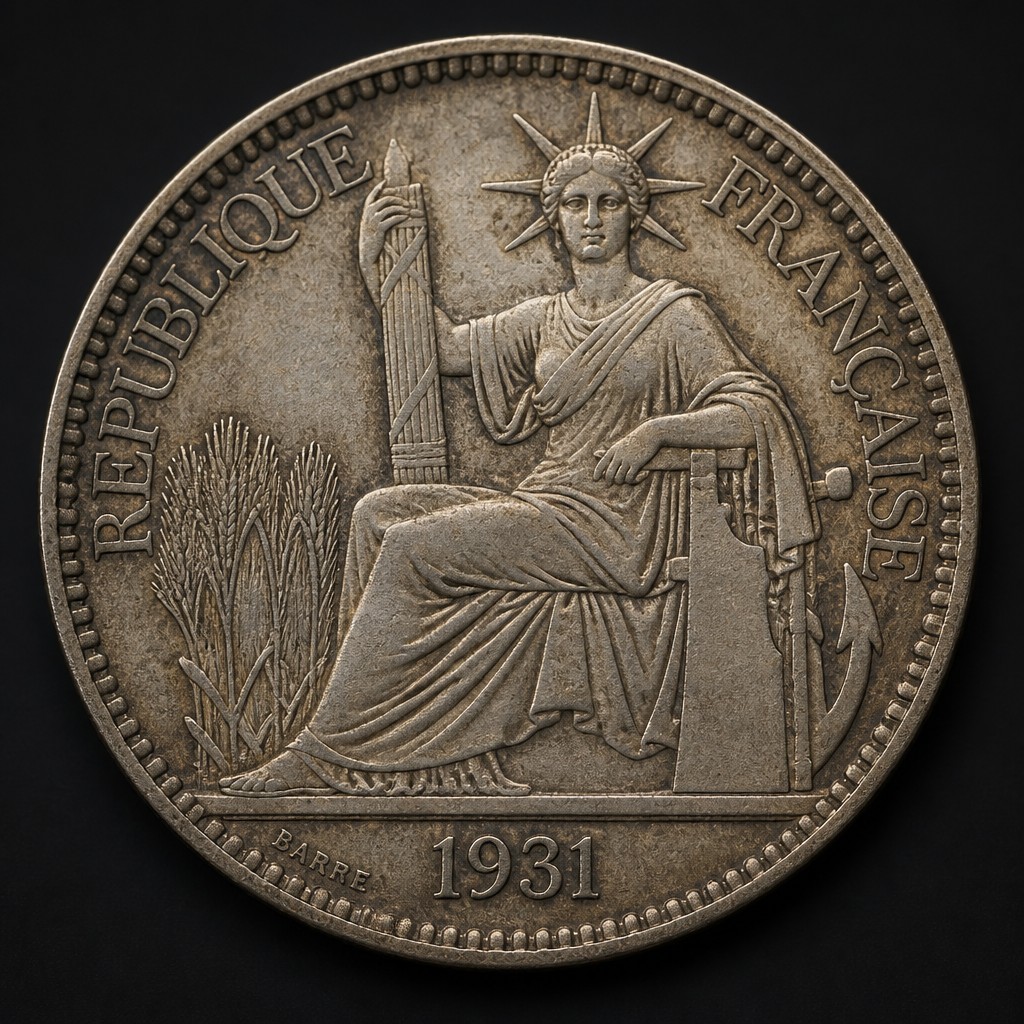
French Indochina Sarraut Piastre (1931)
A reduced-weight silver piastre introduced in 1931 for French Indochina after rising world silver prices made the older, larger trade piastre worth more in bullion than in face value.
Asian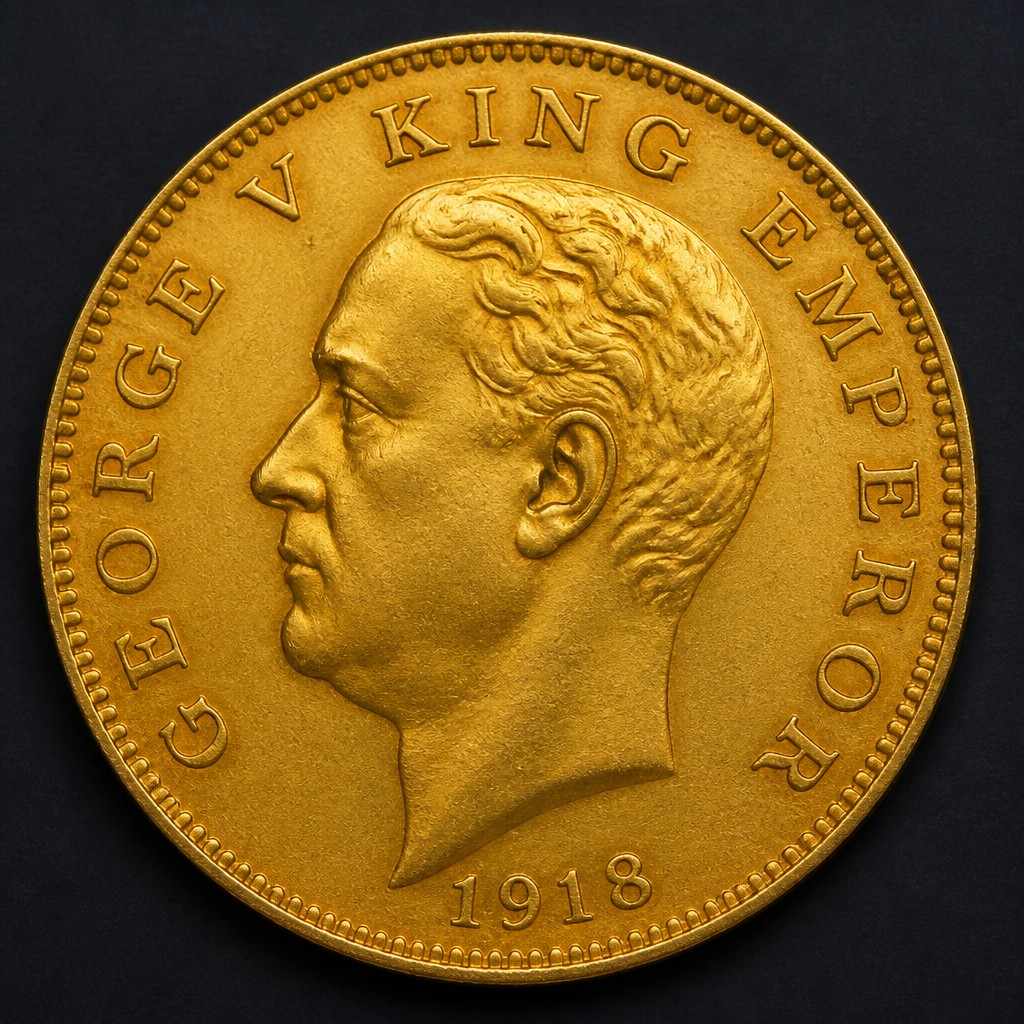
British India Gold Mohur (East India Company)
High-value gold coin issued by the East India Company and later the British Crown in India, used for major transactions and prized today for its gold content and classic portraiture.
Asian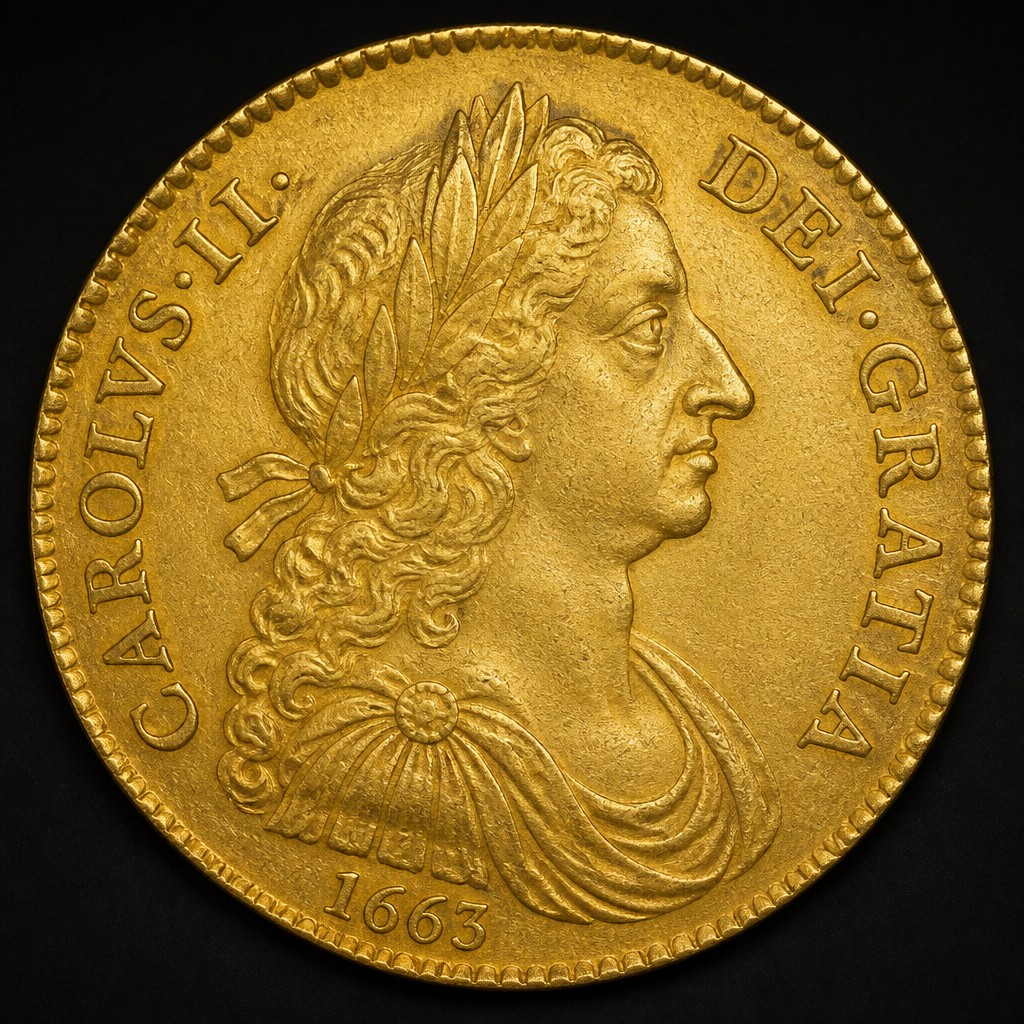
Guinea
Historic British gold coin named for the West African region that supplied much of its gold, valued at 21 shillings for most of its history and predecessor to the modern sovereign.
British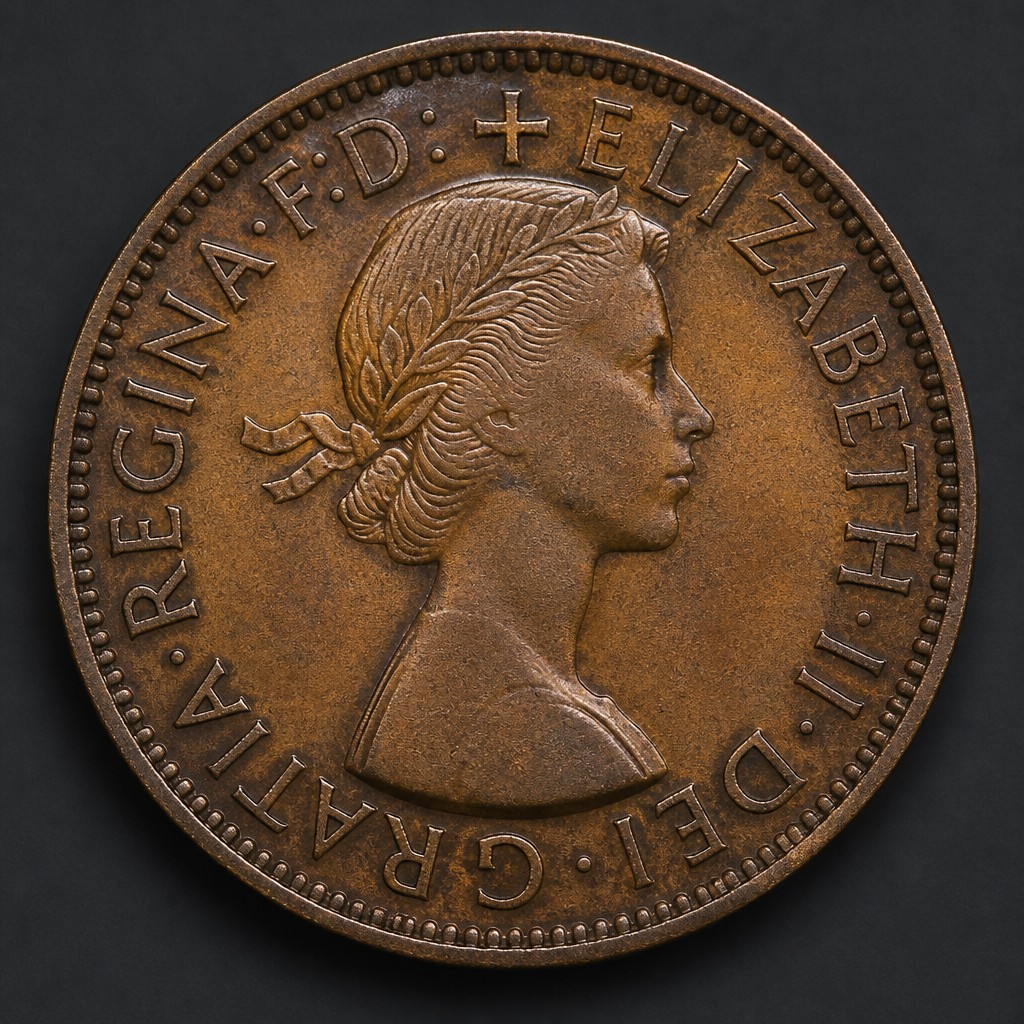
Farthing
The smallest-value British bronze coin, worth a quarter of a penny, fondly remembered for its charming wren reverse design used from 1937 until its withdrawal.
British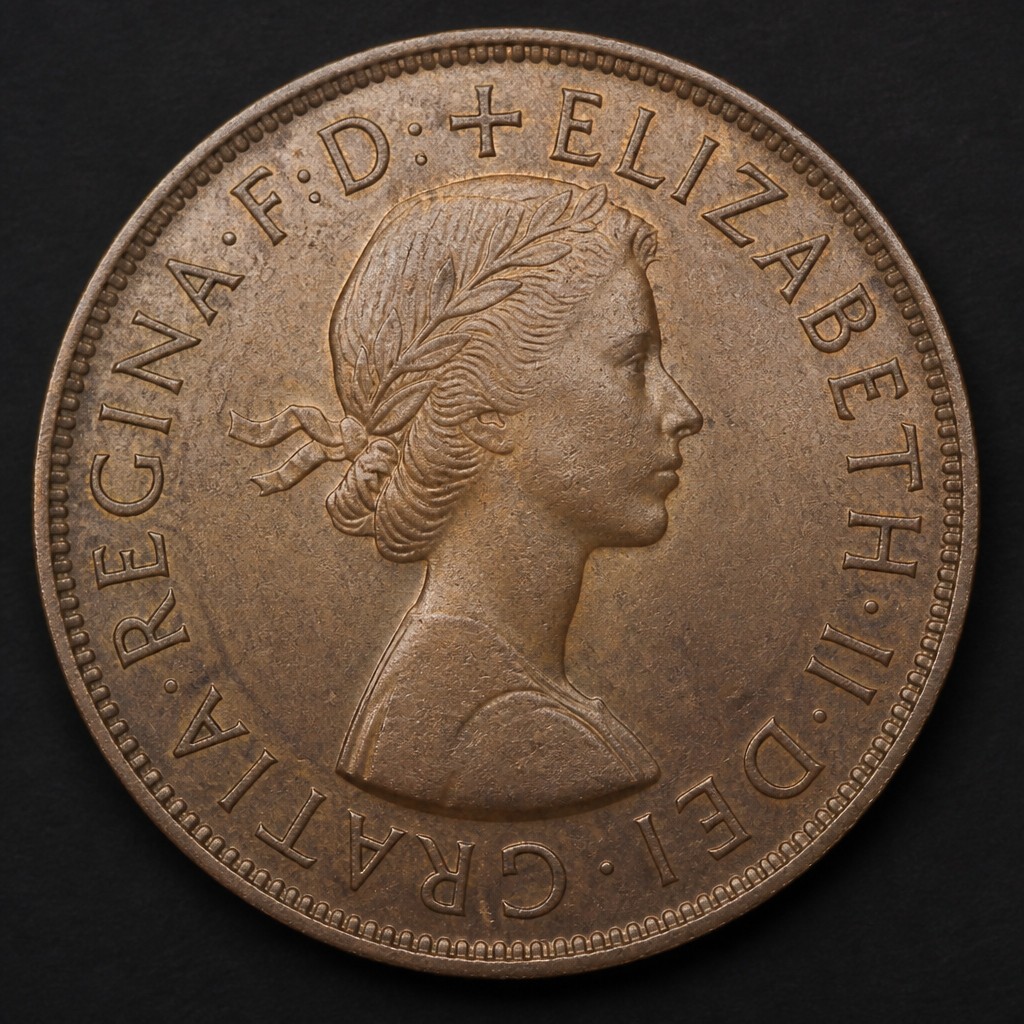
Halfpenny
A small British bronze coin worth half a penny, best known in its twentieth-century form featuring Sir Francis Drake's ship the Golden Hind on the reverse.
British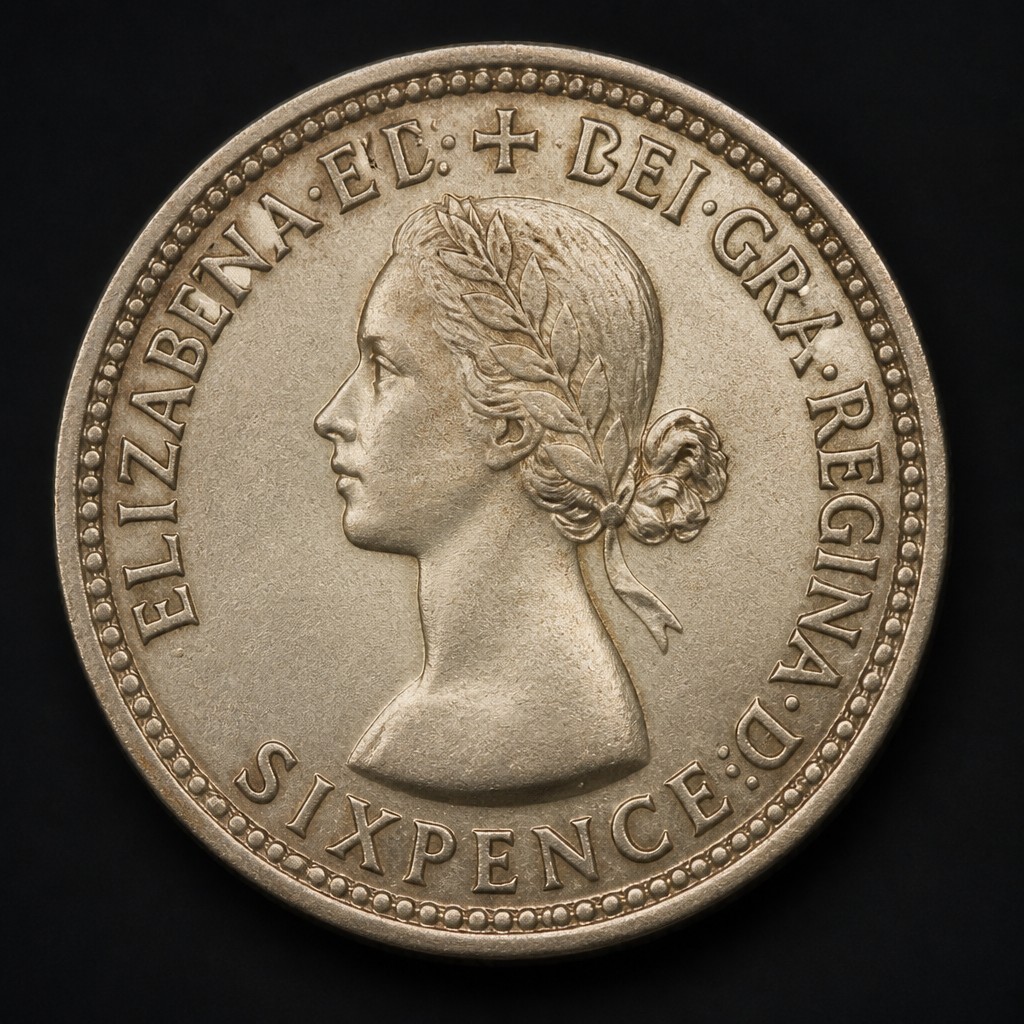
Sixpence
A small British silver coin worth half a shilling, affectionately nicknamed the 'tanner,' beloved for its traditional role tucked into Christmas puddings.
British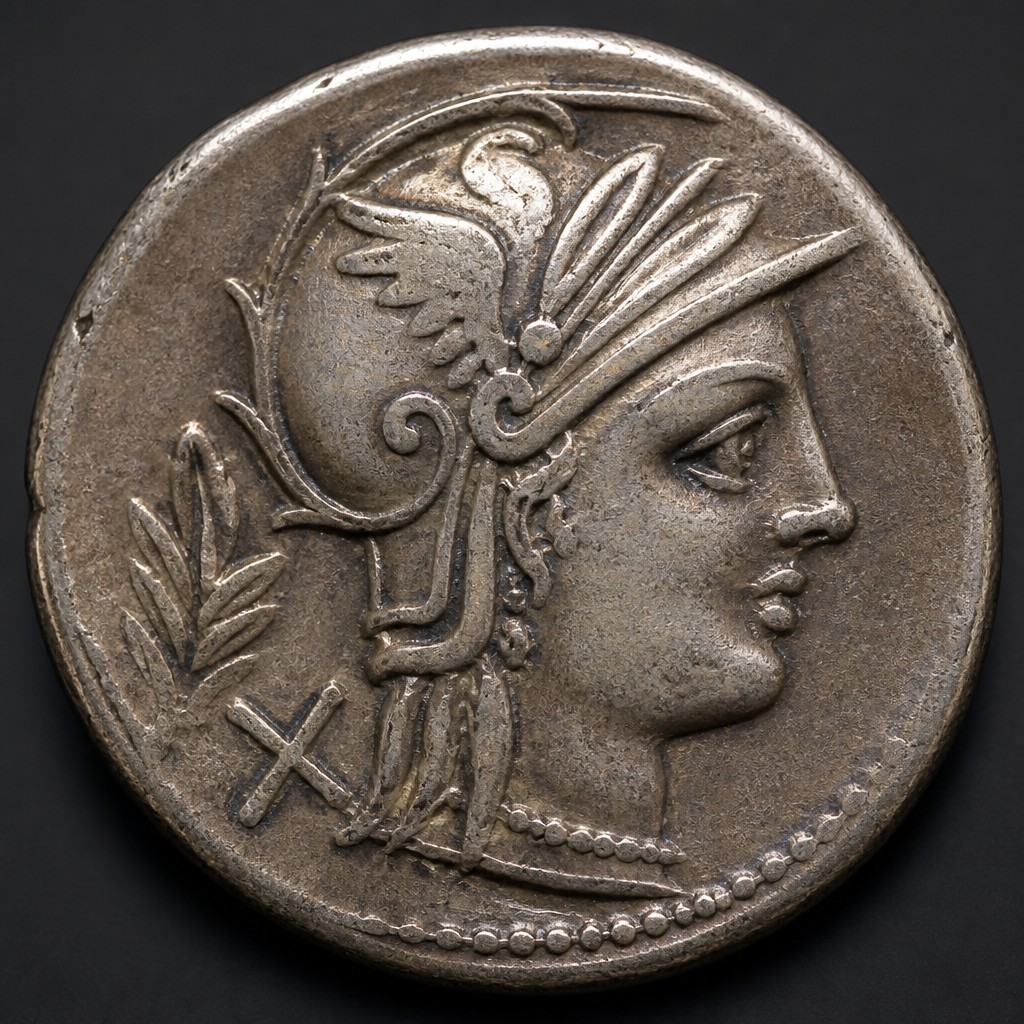
Republican Victoriatus
A lighter-weight Roman Republican silver coin depicting Jupiter and a Victory crowning a trophy, used largely for trade with the Greek-influenced south.
Ancient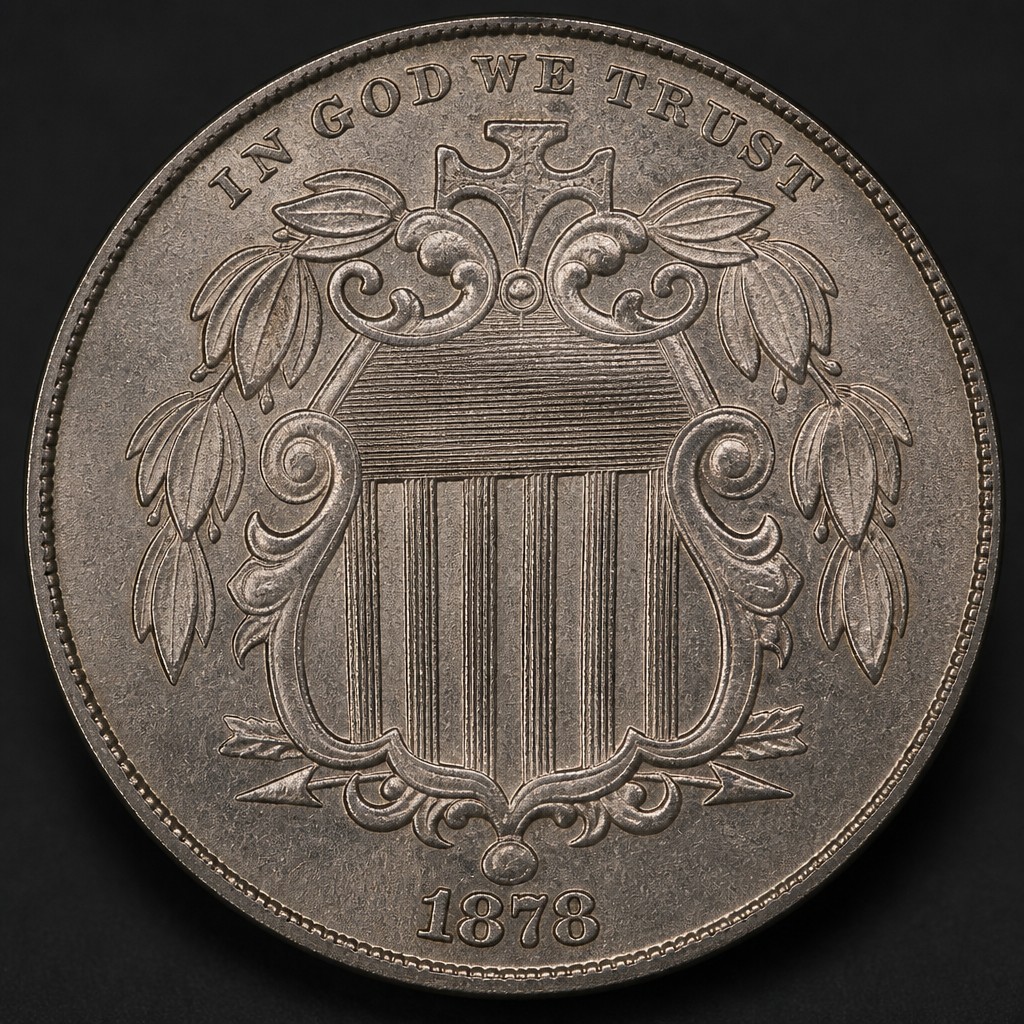
1878 Shield Nickel (Proof Only)
Another proof-only rarity in the Shield Nickel series, struck exclusively for collectors with no business-strike coinage issued for circulation that year.
United States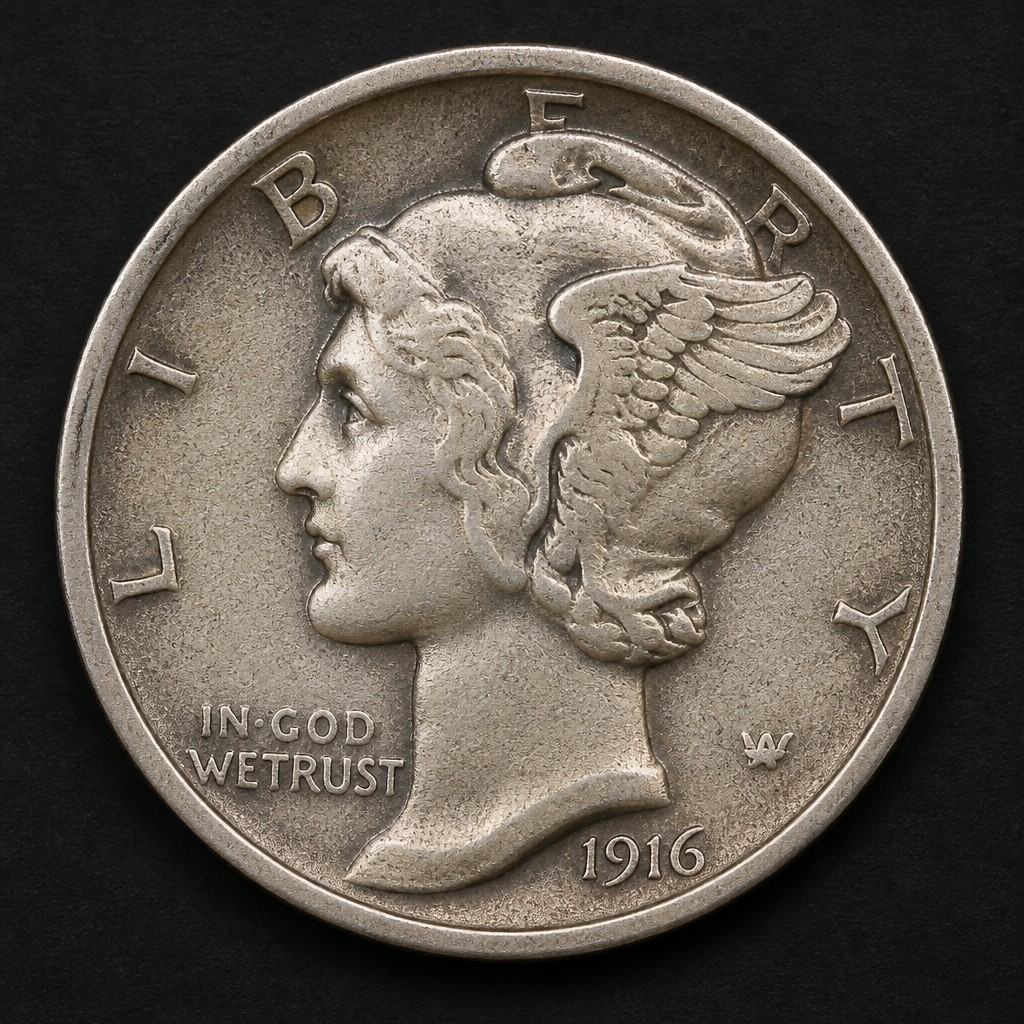
Mercury Dime
Popular U.S. dime nicknamed for its winged Liberty head, mistaken by many for the Roman god Mercury, designed by Adolph A. Weinman and struck from 1916 to 1945.
United States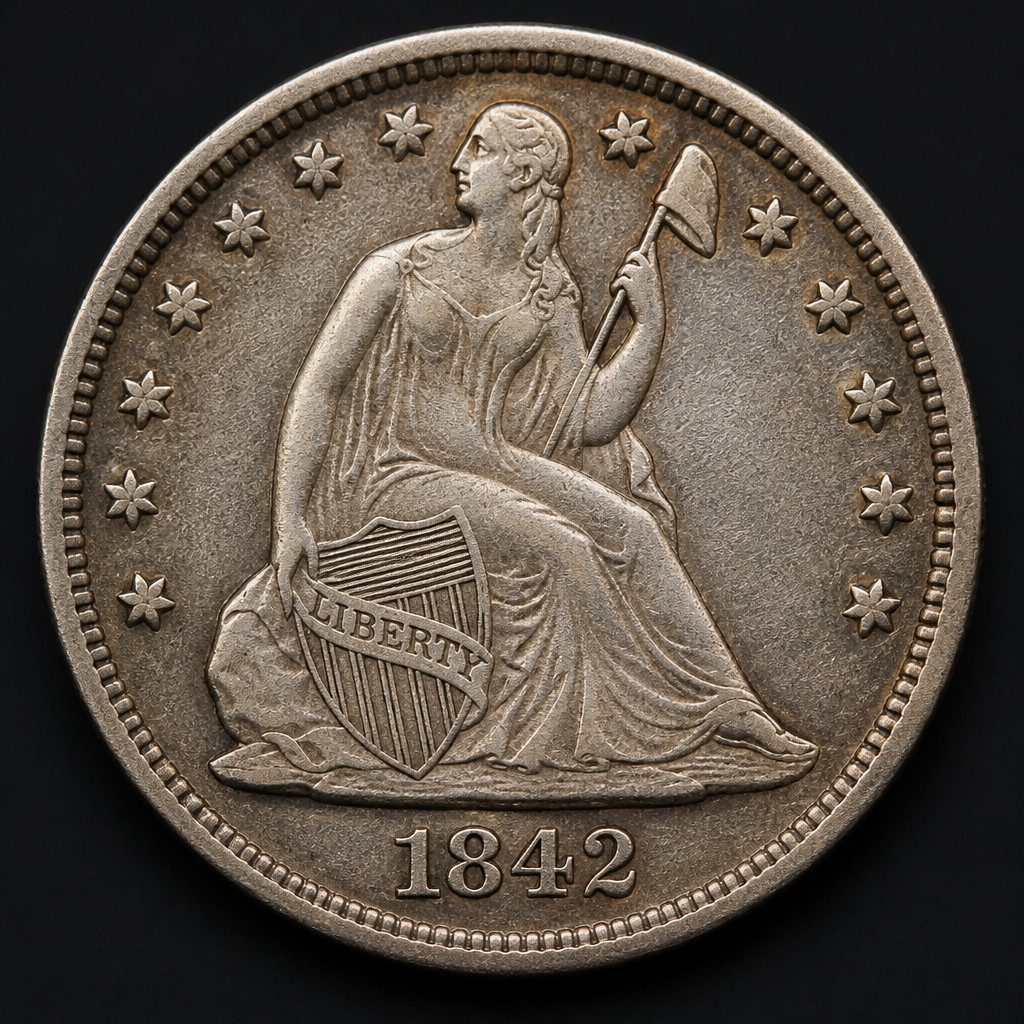
1842-O Small Date Seated Liberty Quarter
A famous condition and date rarity of the Seated Liberty series, struck at New Orleans from leftover small-date dies originally prepared for Philadelphia proof coinage.
United States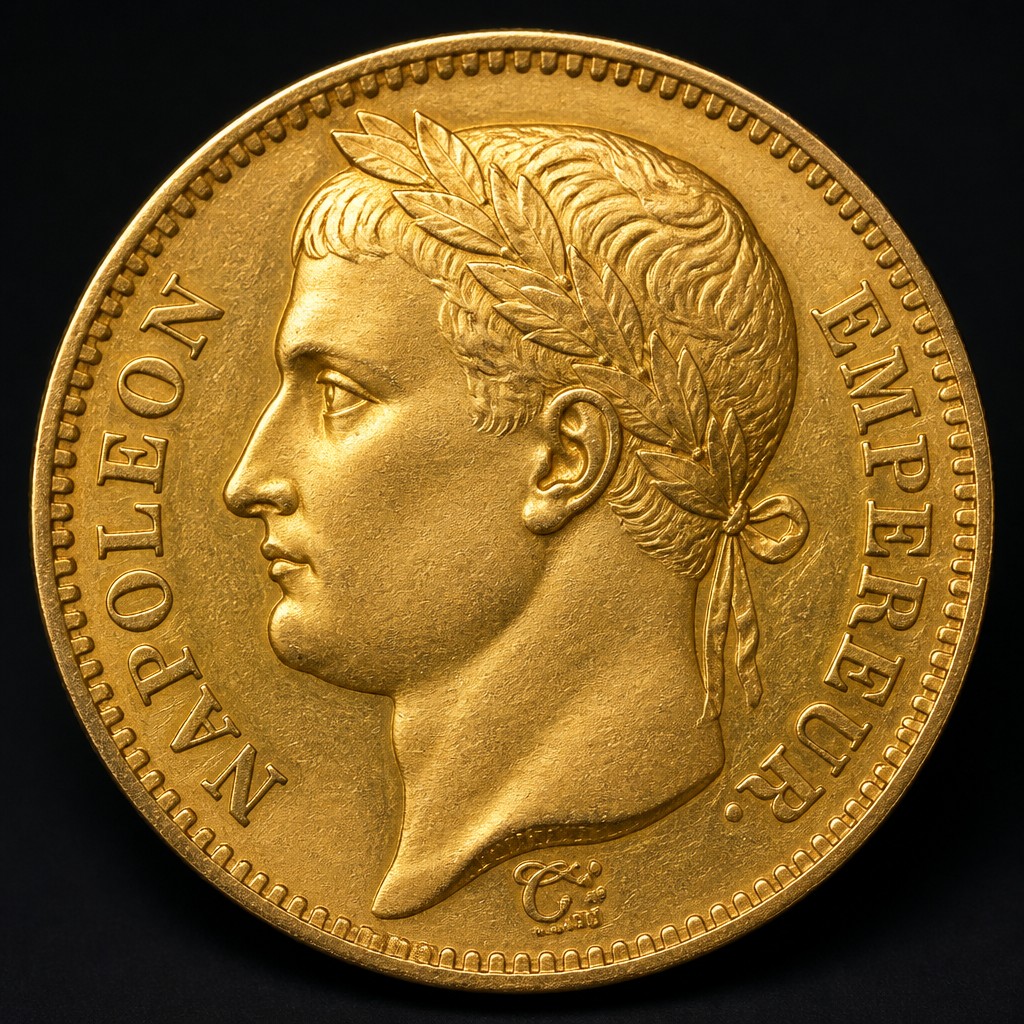
French Napoleon 20 Francs Gold
France's standard 19th-century gold coin, first struck under Napoleon I and continued under later rulers and the Republic, giving rise to the enduring nickname "Napoleon" for any 20-franc gold coin.
European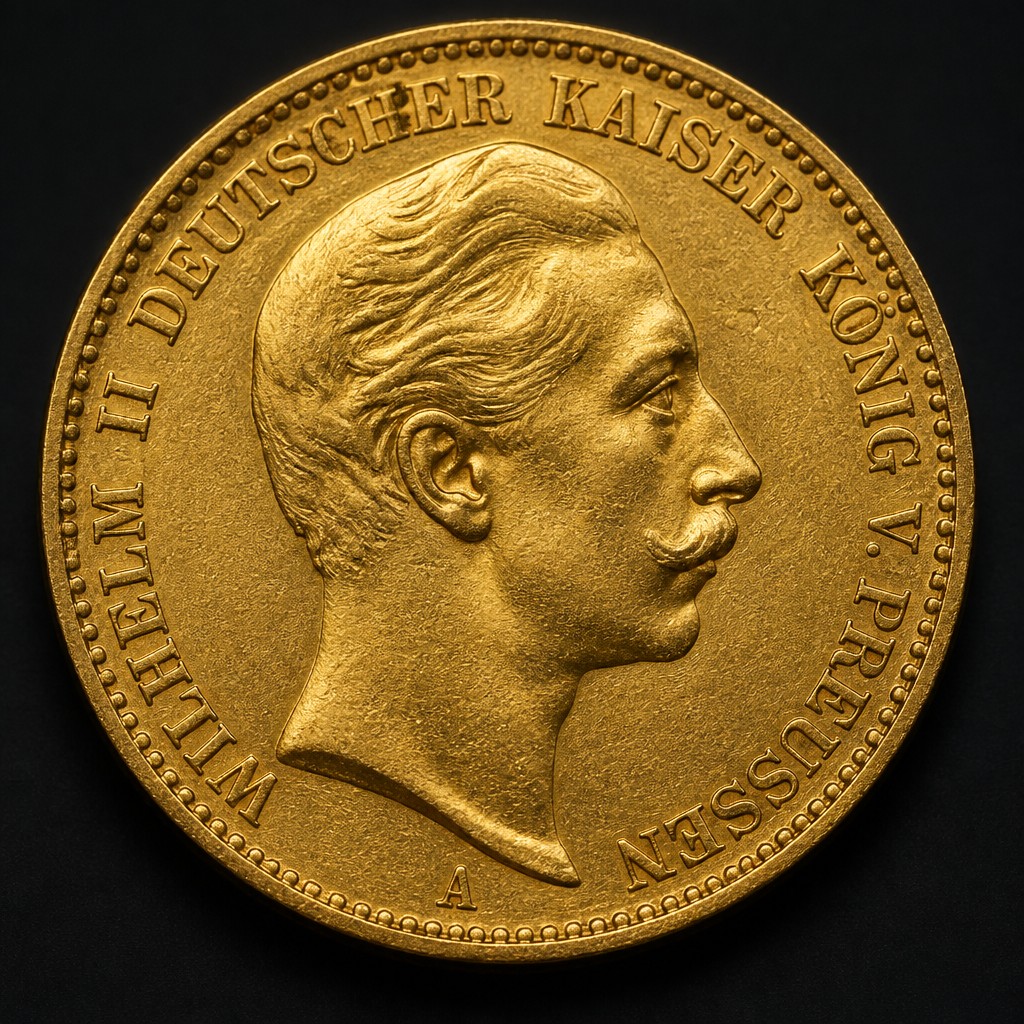
German Empire 20 Mark Gold (Wilhelm II)
The standard gold coin of the German Empire under Kaiser Wilhelm II, struck at multiple state mints and widely collected for its imperial portrait and eagle reverse.
European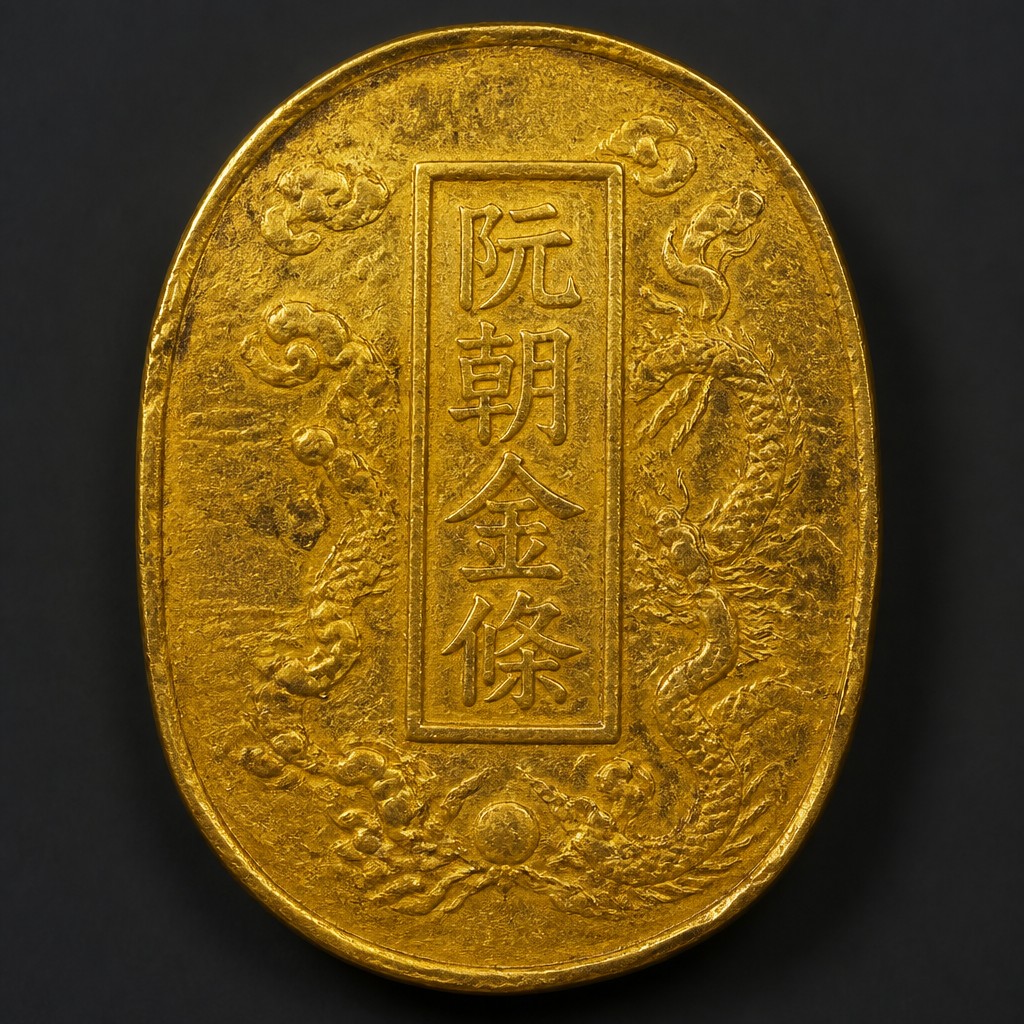
Nguyen Dynasty Gold Bar (Vietnam)
Imperial Vietnamese gold ingot from the Nguyen Dynasty, used for treasury reserves, tribute, and high-value transactions rather than everyday commerce.
Asian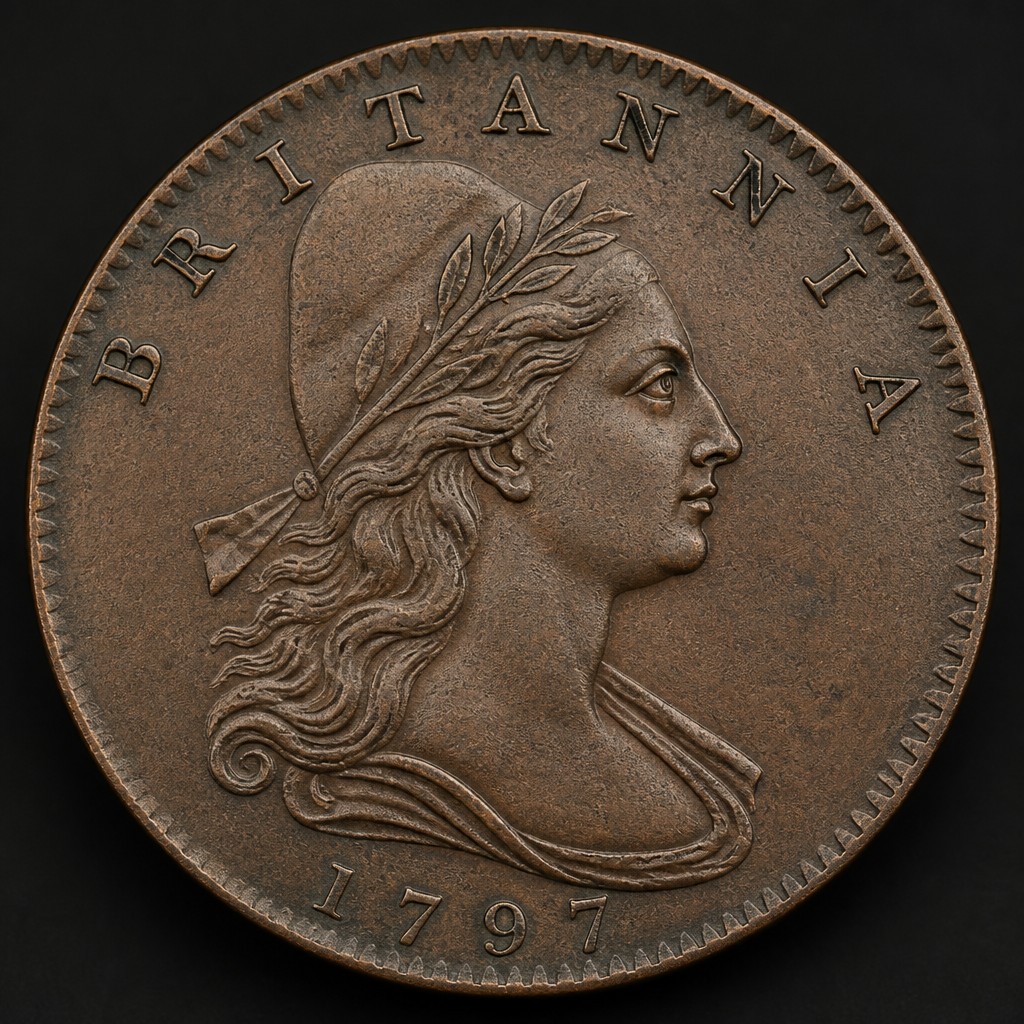
Cartwheel Twopence (1797)
An enormous two-ounce copper twopence struck in 1797, the largest coin ever produced for circulation in Britain, made famous for its heavy raised cartwheel-style rim.
British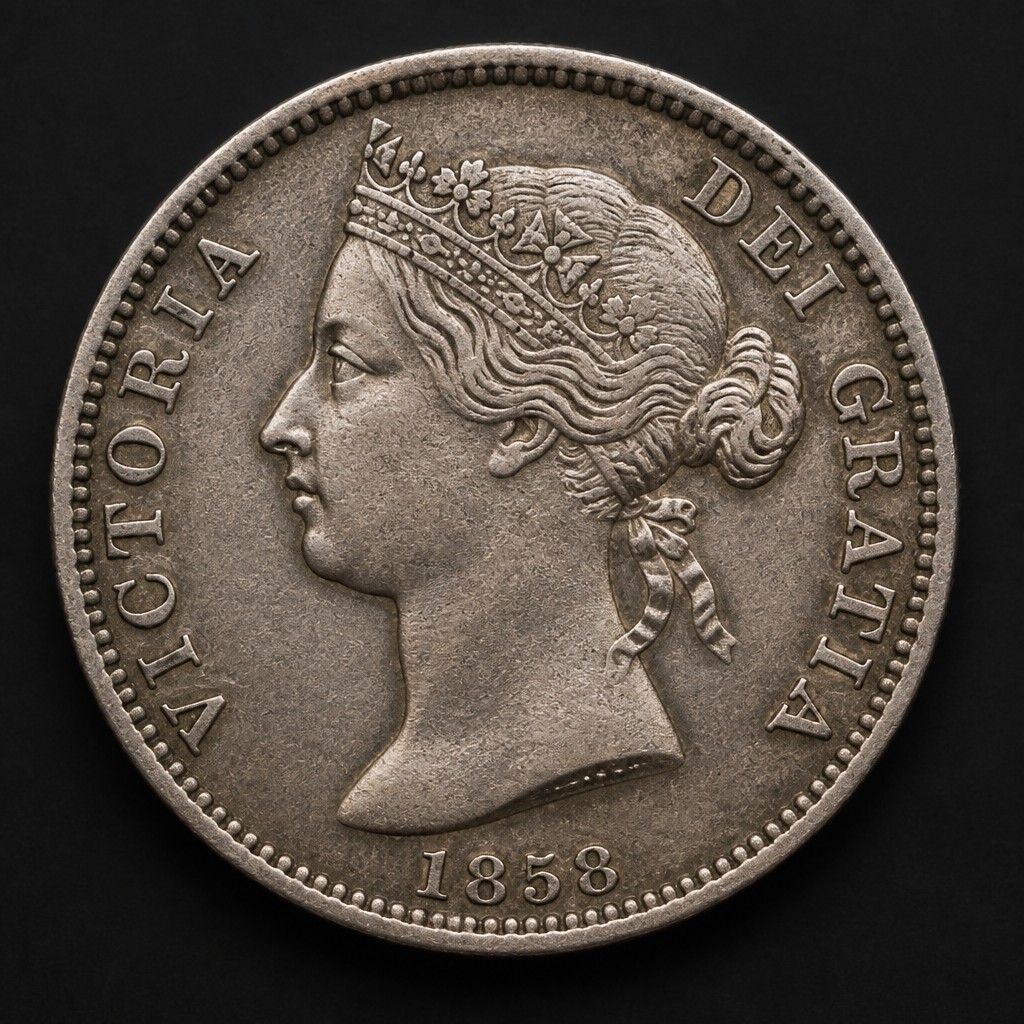
1858 Victoria Five Cents (silver)
The first Canadian five-cent coin, a tiny sterling silver piece struck for the Province of Canada in 1858 when decimal currency was introduced to replace older colonial money.
Canadian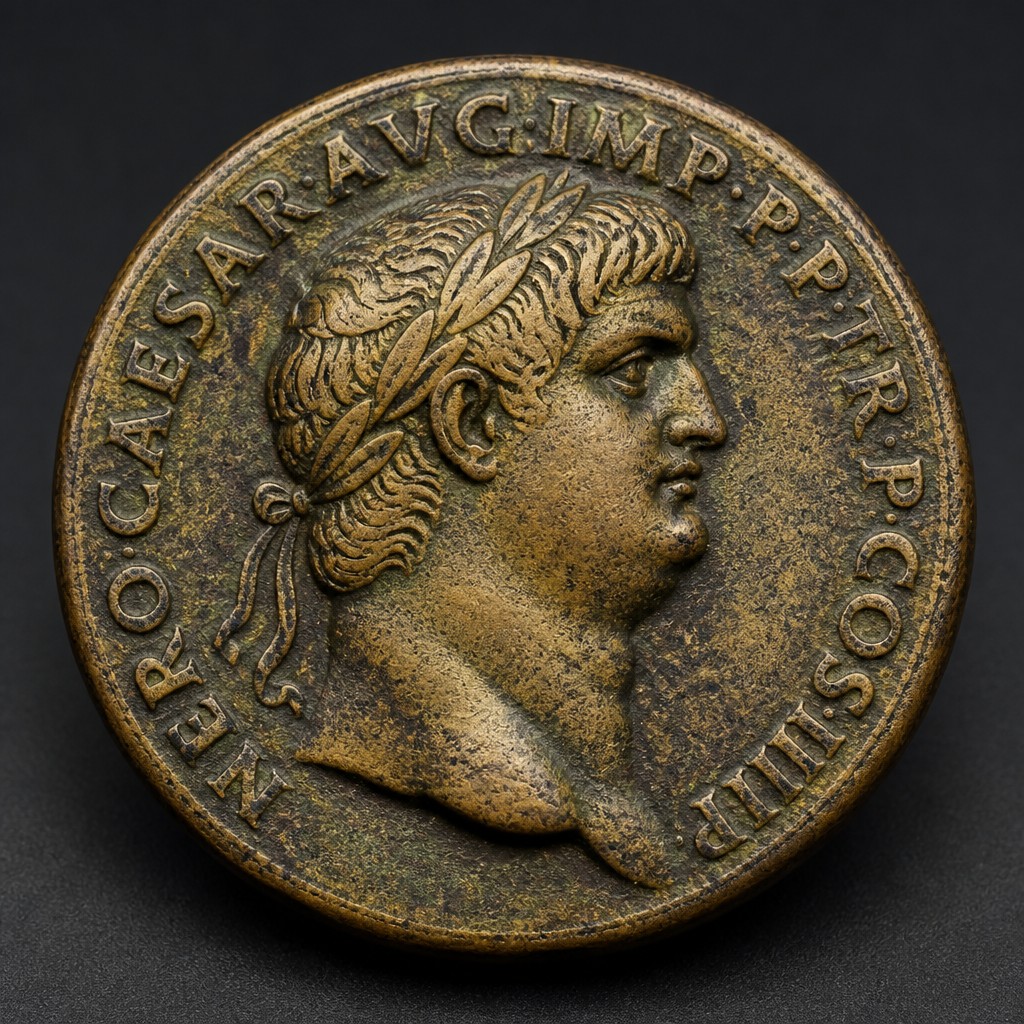
Nero Sestertius
A large bronze/brass coin of Nero widely admired for exceptional artistry, including famous reverse scenes of the Port of Ostia and the closed Temple of Janus.
Ancient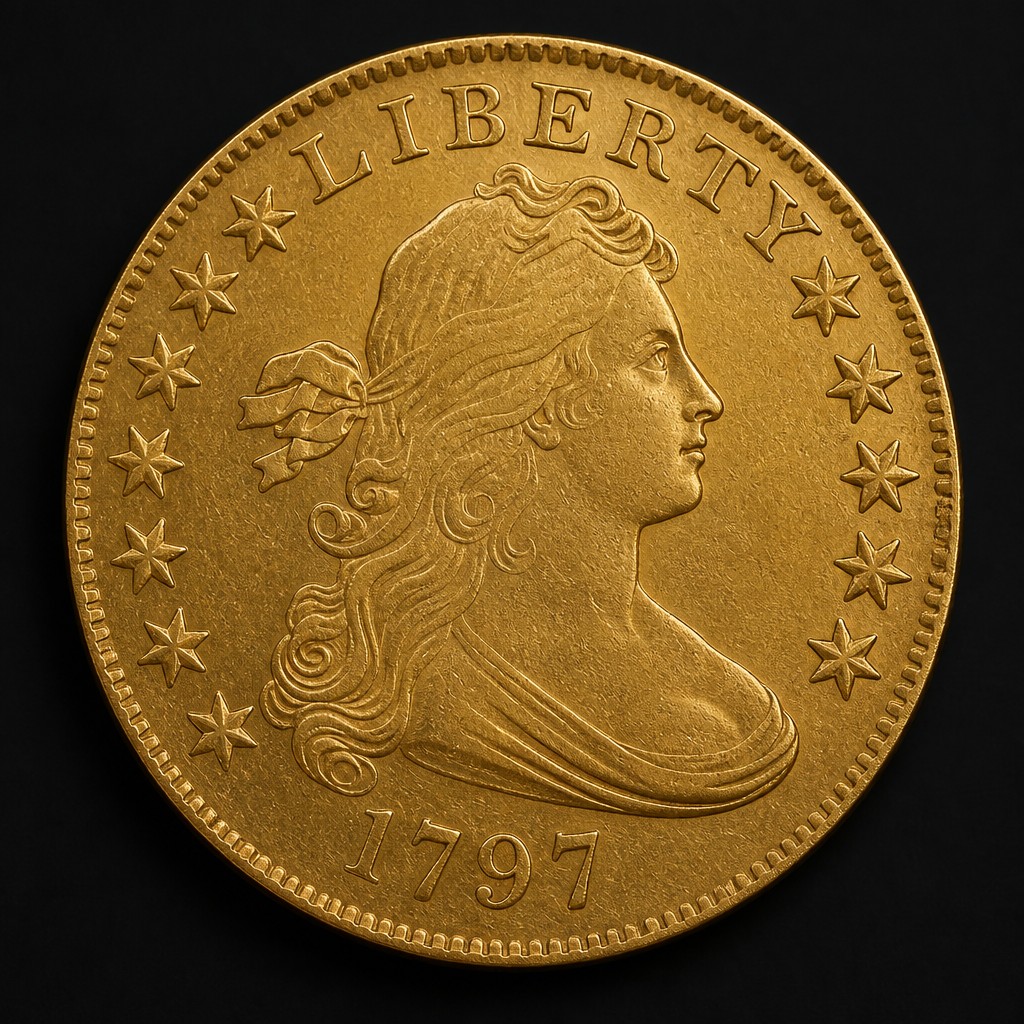
Draped Bust Eagle
The formal catalog name for the first U.S. ten-dollar gold coin once it adopted a bold heraldic eagle reverse in 1797, the same coin popularly nicknamed the 'Turban Head' eagle.
United States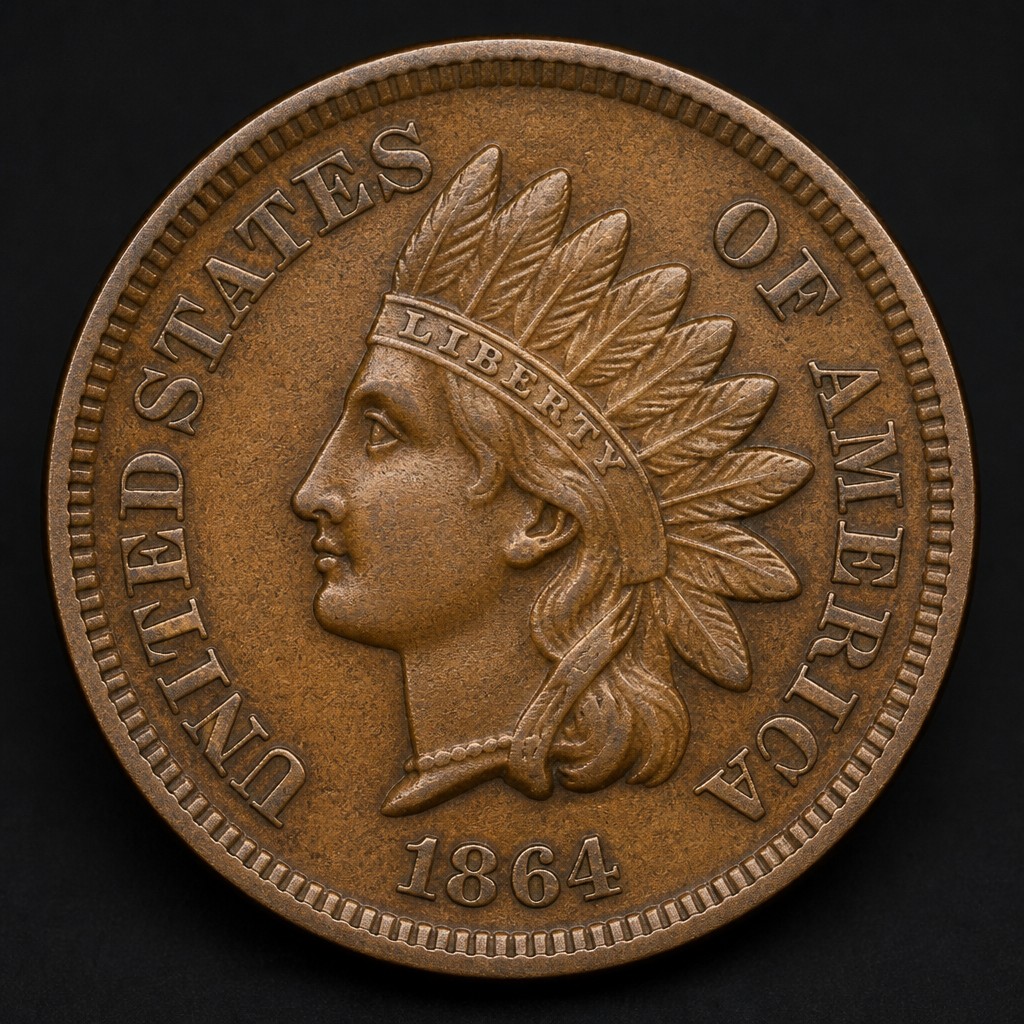
1864 L Indian Head Cent
A famous variety of the 1864 bronze Indian Head cent bearing a tiny L on Liberty's ribbon for designer James Longacre, one of the most recognized key varieties in the series.
United States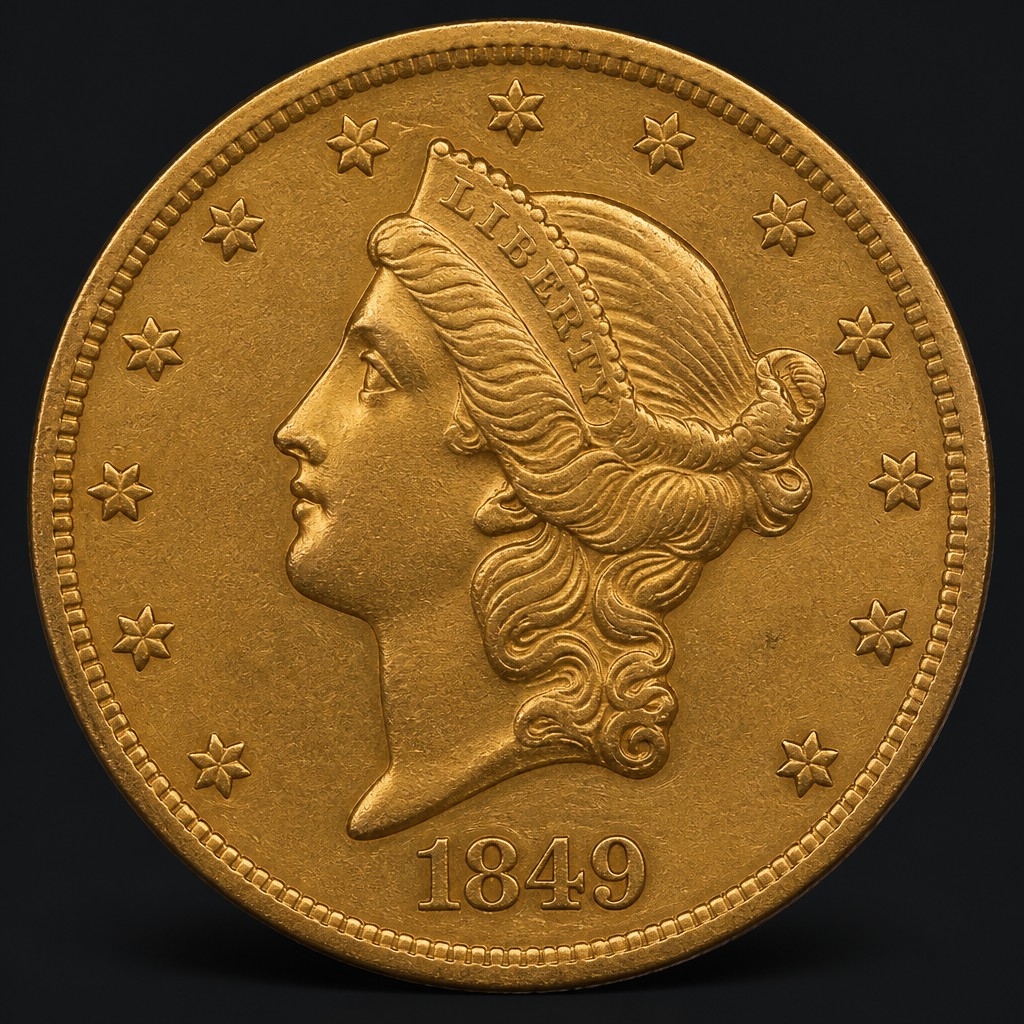
Liberty Head Double Eagle
A large gold twenty-dollar coin featuring Liberty's coronet-crowned head, struck for decades amid the California Gold Rush and westward mint expansion.
United States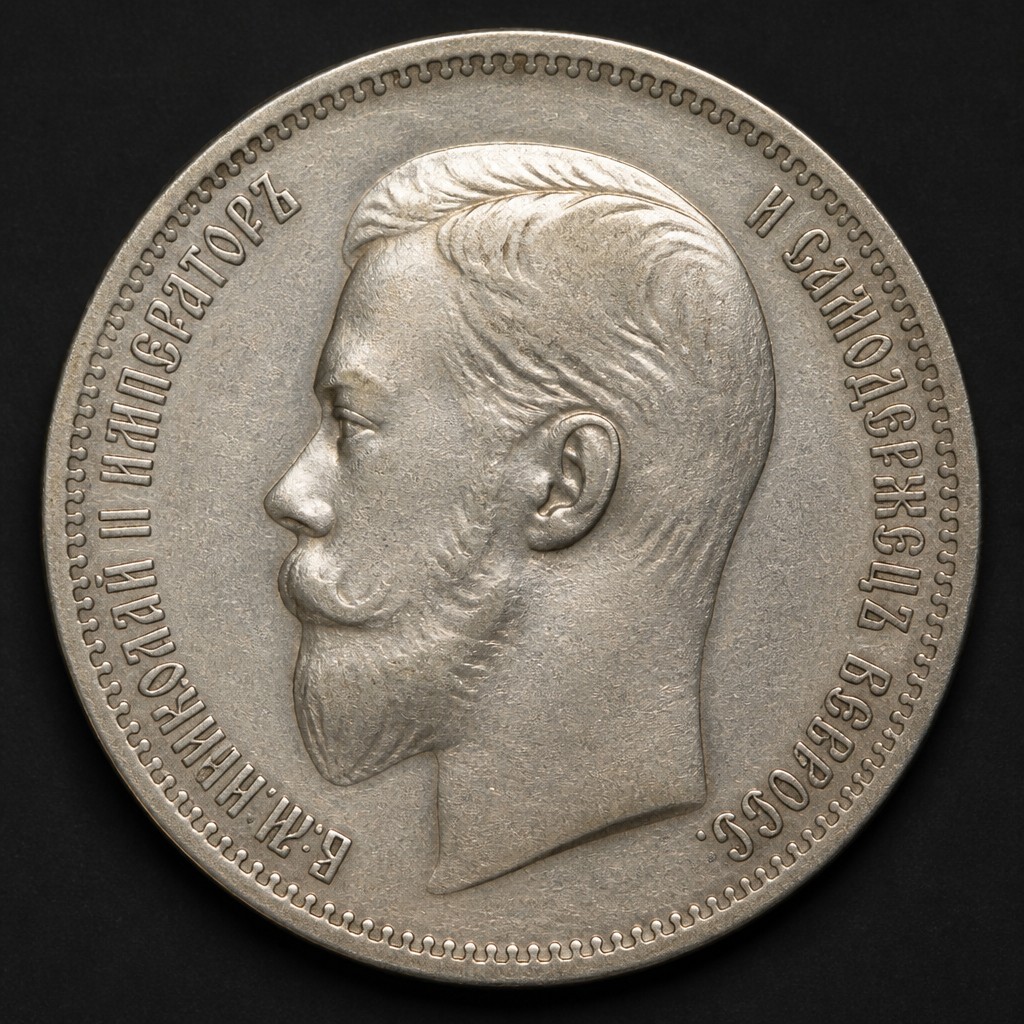
Russian Ruble (Imperial)
The principal silver coin of the Russian Empire, struck for over two centuries and bearing the portraits of successive tsars and the imperial double-headed eagle.
European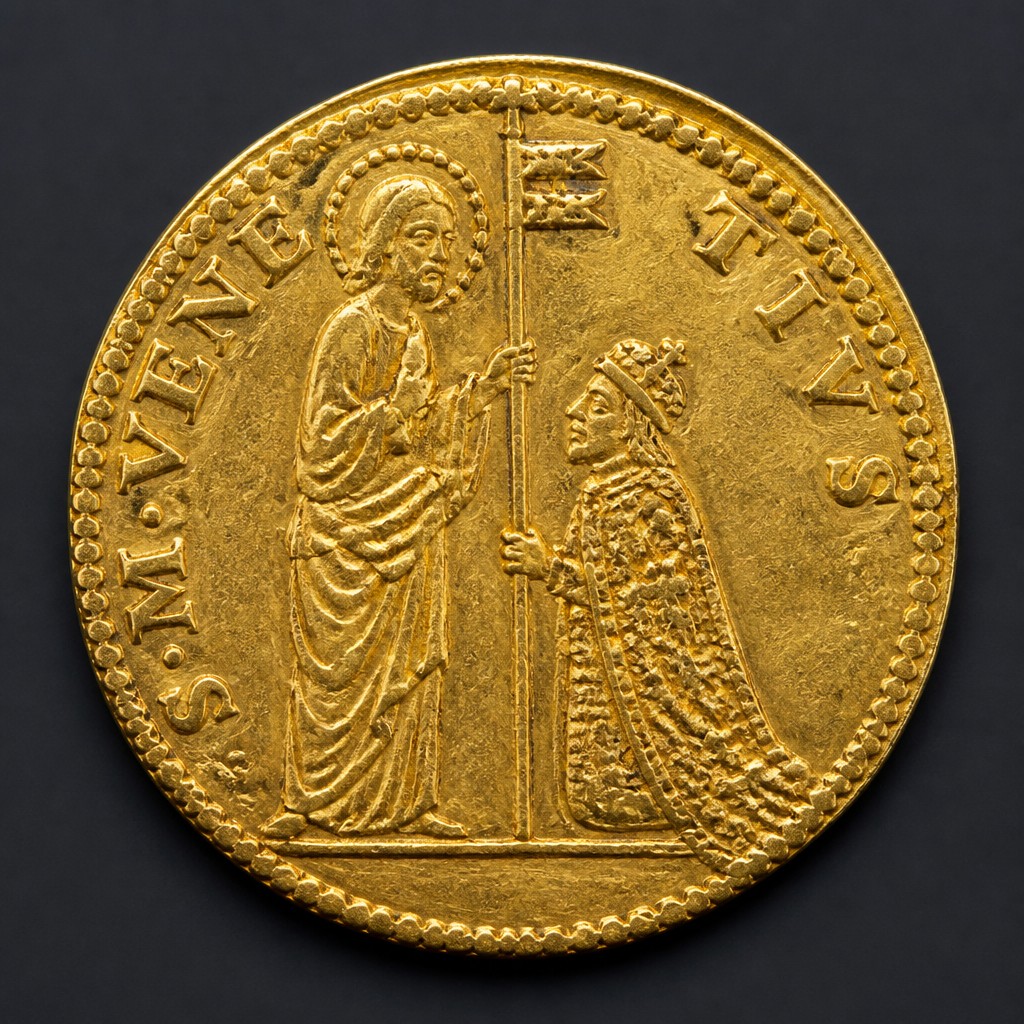
Venetian Gold Ducat
First struck in 1284, the Venetian gold ducat became medieval Europe's most trusted trade coin, prized for centuries for its unwavering weight and purity.
European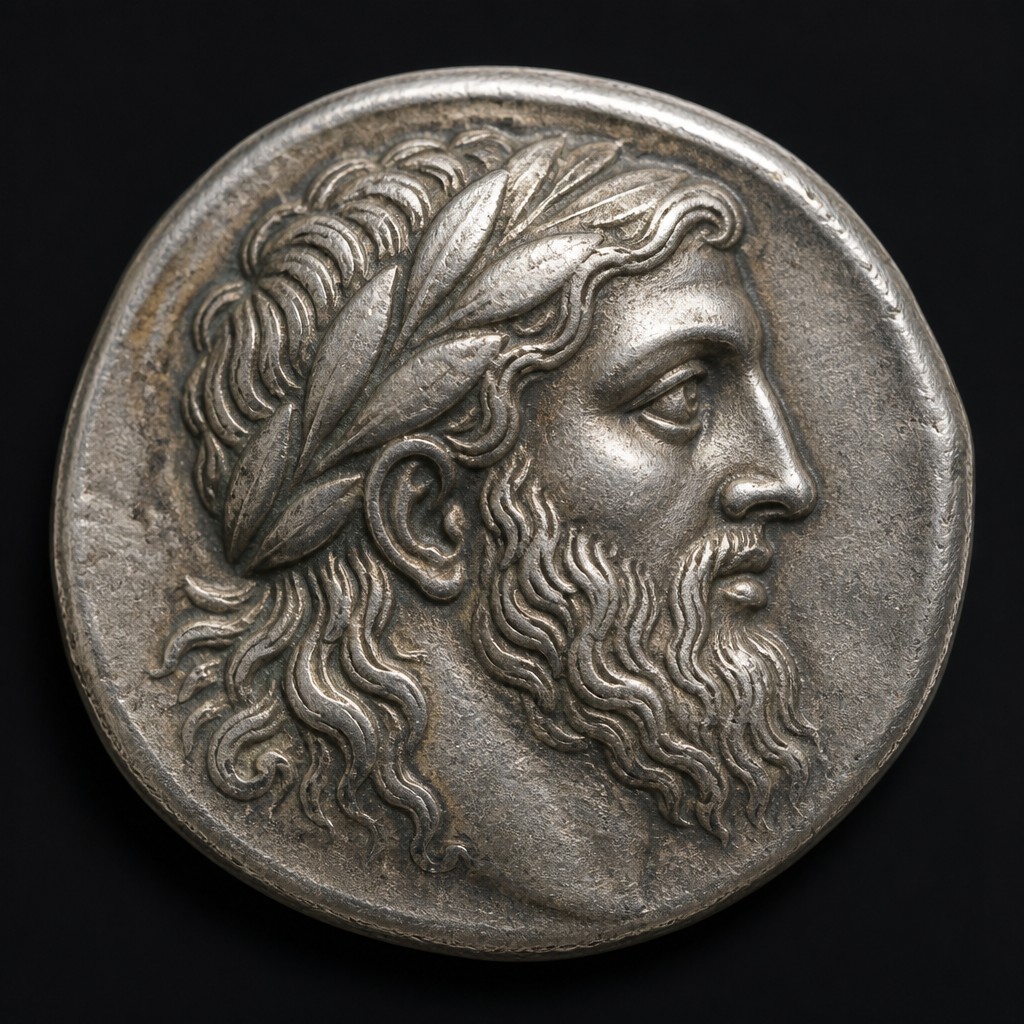
Poseidonia (Paestum) Poseidon Stater
An early Magna Graecia silver stater from Poseidonia showing the sea god Poseidon striding forward with a raised trident, named for and emblematic of the city itself.
Ancient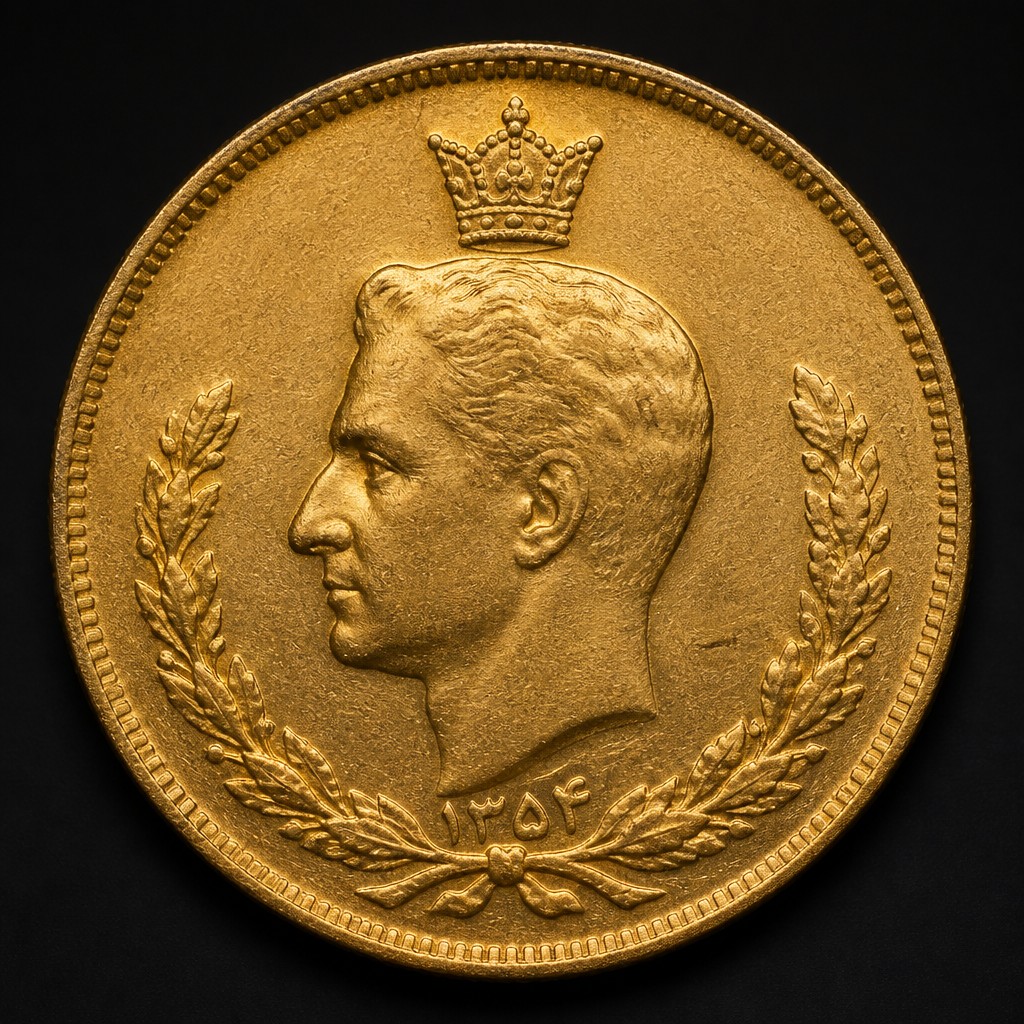
Iranian Pahlavi Gold Coin
A gold coin series named for Iran's Pahlavi dynasty, issued from the 1920s until the 1979 revolution and still widely traded today as a recognized gold bullion and savings coin.
Bullion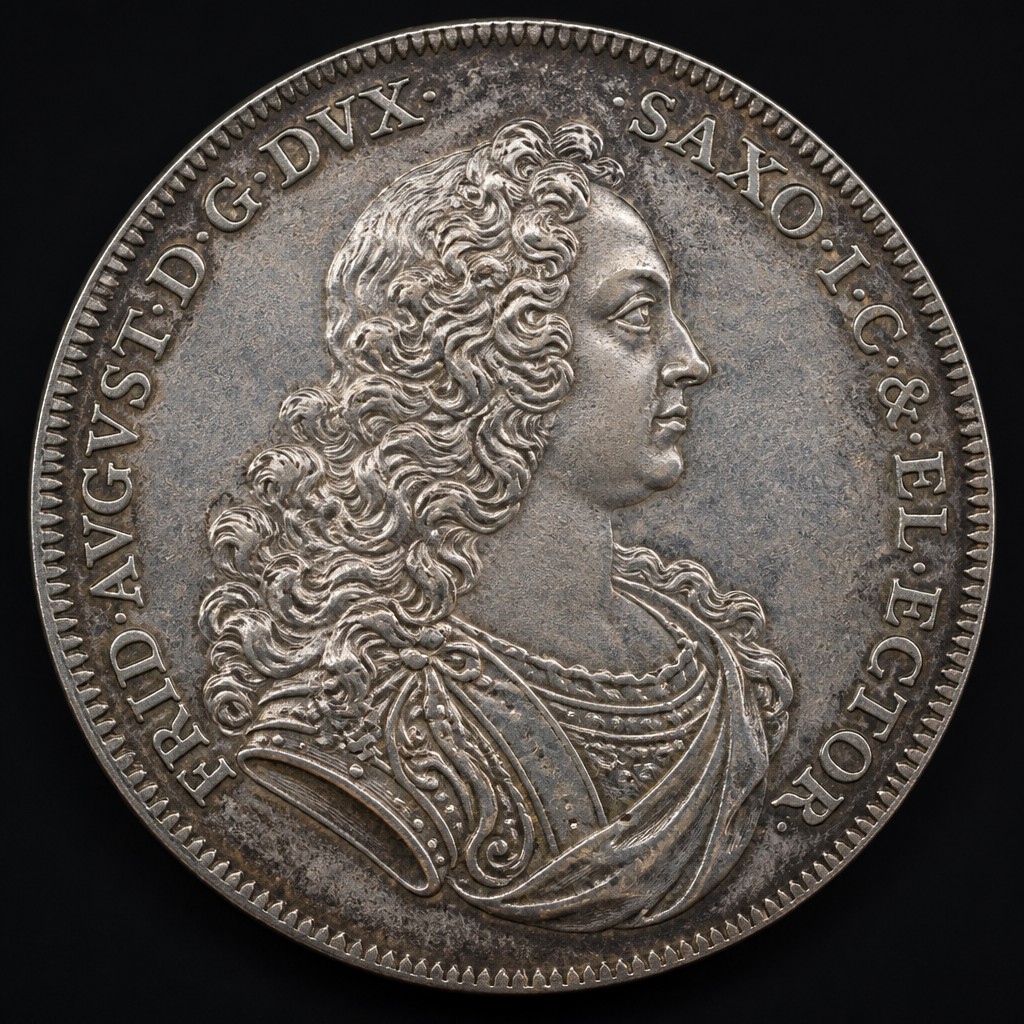
Saxon Speciestaler
Full-weight silver taler issued by the Electors and later Kings of Saxony, distinguished from lesser-value "current" talers used for everyday commerce.
European