
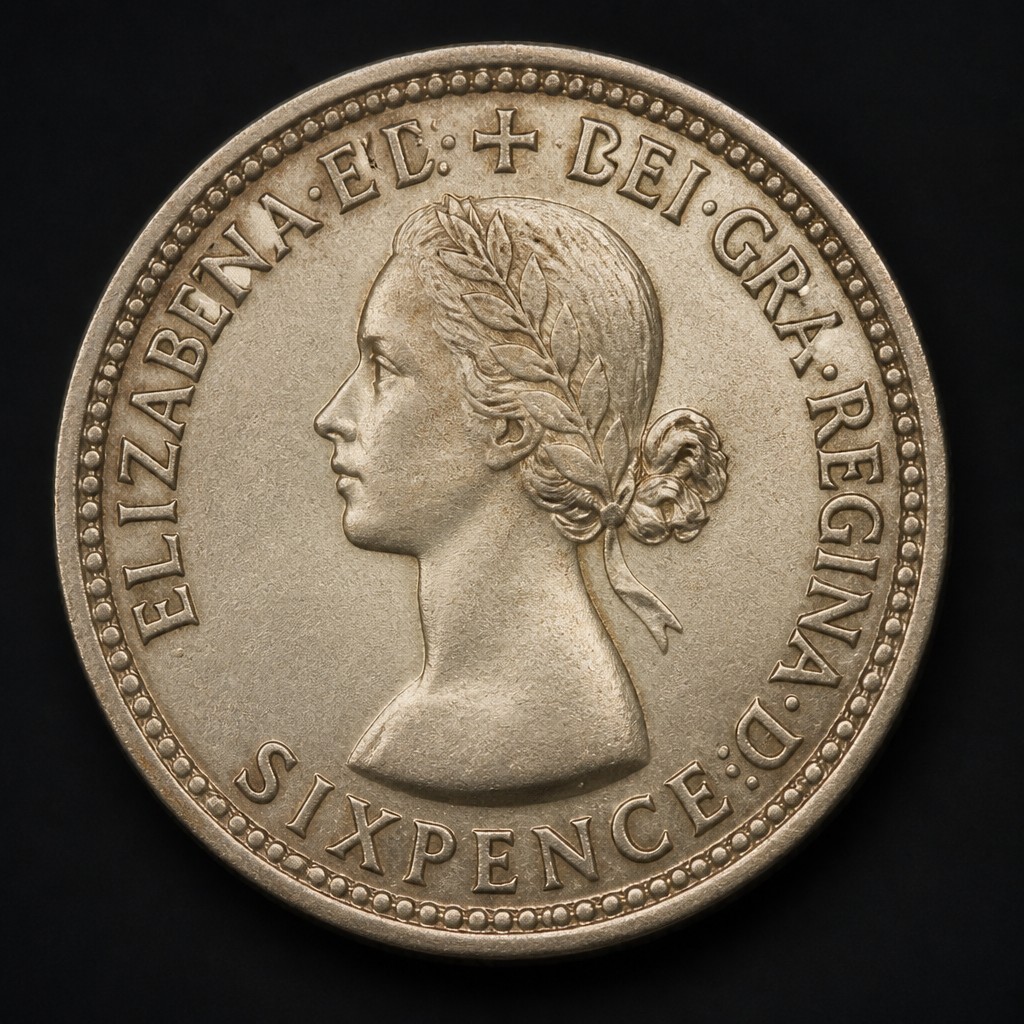
Sixpence
A small British silver coin worth half a shilling, affectionately nicknamed the 'tanner,' beloved for its traditional role tucked into Christmas puddings.
- Country
- United Kingdom
- Denomination
- Sixpence (6d)
- Metal
- Sterling Silver (.925/.500) then Cupro-Nickel
Got a coin like this?
Identify any coin from a photo, free.
Overview
The sixpence was a compact silver, later cupro-nickel, denomination worth half a shilling or one-fortieth of a pound sterling, and it held a cherished place in British popular culture, especially through the folk custom of hiding a sixpence in the Christmas pudding for good luck. It circulated for over four centuries and was retained as a legal five new pence coin's smaller sibling well into the decimal era.
Collectors are drawn to its manageable size, wide availability, and the appealing crowned interlocking emblems design used on later issues. Because the sixpence survived so long after decimalisation as an equivalent to two and a half new pence, many examples remain in circulation-worn condition from extended everyday use.
It remains one of the most nostalgic and recognizable coins of pre-decimal Britain, often given as a wedding token for luck alongside the phrase "something old, something new."
History & Background
The sixpence was introduced under Edward VI in 1551 as a silver coin valued at half a shilling, and it remained a mainstay of British coinage through the Tudor, Stuart, Georgian, Victorian, and twentieth-century periods. Its long production run mirrors that of the shilling and half crown, with silver fineness reduced to 50% in 1920 and eliminated in favor of cupro-nickel from 1947.
The sixpence became deeply embedded in British folklore and tradition, most famously as a lucky charm baked into Christmas puddings and given to newlyweds to place in a shoe for good fortune. Its diminutive size and silver content made it a practical everyday coin for small transactions for centuries.
After decimalisation in 1971, the sixpence was retained in circulation as the equivalent of two and a half new pence due to its popularity, a rare instance of a pre-decimal coin surviving the changeover, before it was finally withdrawn from circulation in 1980.
How to Identify
Obverses carry the monarch's portrait and Latin titulature typical of British coinage. Reverse designs evolved over time: many nineteenth and early twentieth-century sixpences show a crowned value or floral wreath design, while the well-known George VI and Elizabeth II sixpences from 1937 feature interlocking crowned monograms or the ornamental crowned "GRI" or "EIIR" cipher-style motifs alongside floral emblems.
The coin is small, roughly 19mm in diameter, noticeably smaller than the shilling, which aids quick identification by size alone. Metal composition follows the standard pattern: sterling silver pre-1920, 50% silver 1920–1946, and cupro-nickel 1947 onward.
Because of its resemblance in size to some foreign minor coins, collectors confirm authenticity by checking the specific British legend and portrait style rather than relying on size alone.
Value & Collectibility
Most sixpences from the nineteenth and twentieth centuries are common and inexpensive, often available for just a few dollars in worn condition, reflecting their long production runs and heavy circulation. Certain early dates, low-mintage Victorian years, and pristine uncirculated or proof examples command noticeably higher premiums.
Sixpences from the reign of Edward VIII do not exist for circulation since he abdicated before coinage was issued in his name, making any purported example an item requiring careful scrutiny. Collectors instead focus value discussions on genuine key dates within the Victoria, Edward VII, George V, George VI, and Elizabeth II series.
Overall, the sixpence remains one of the more budget-friendly historic British coins, with true rarity confined to exceptional condition survivors and a handful of scarce dates.
Frequently asked questions
What is a 'tanner'?
It is a traditional British nickname for the sixpence coin, worth half a shilling.
Why is a sixpence put in a Christmas pudding?
It is an old British good-luck tradition; whoever finds the coin in their slice of pudding is said to have good fortune in the coming year.
When did the sixpence stop circulating?
It survived decimalisation as a 2.5 new pence coin but was finally withdrawn from UK circulation in 1980.
Are sixpences valuable?
Most are common and low value, though scarce dates and high-grade uncirculated or proof coins can be worth considerably more.
Other coins you may enjoy
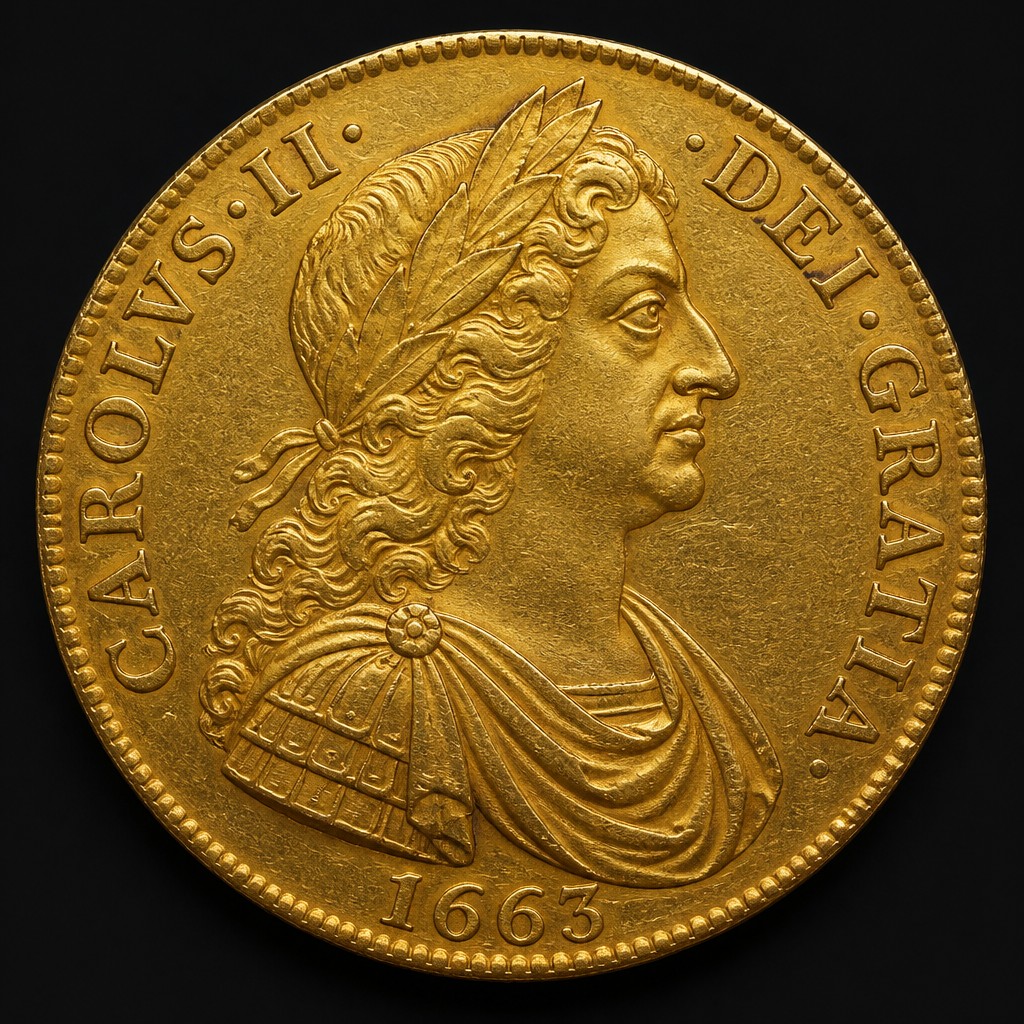
British Guinea
1663–1814
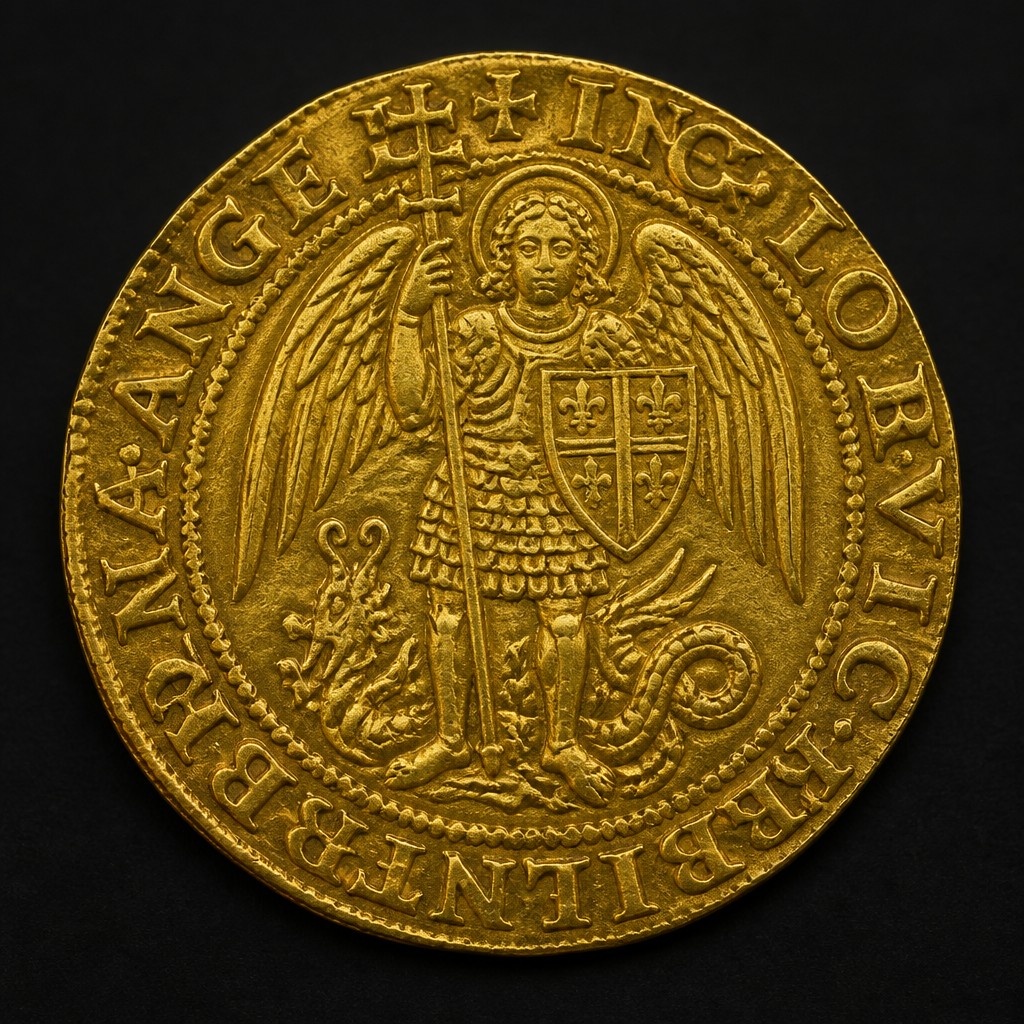
English Angel
1465–1642
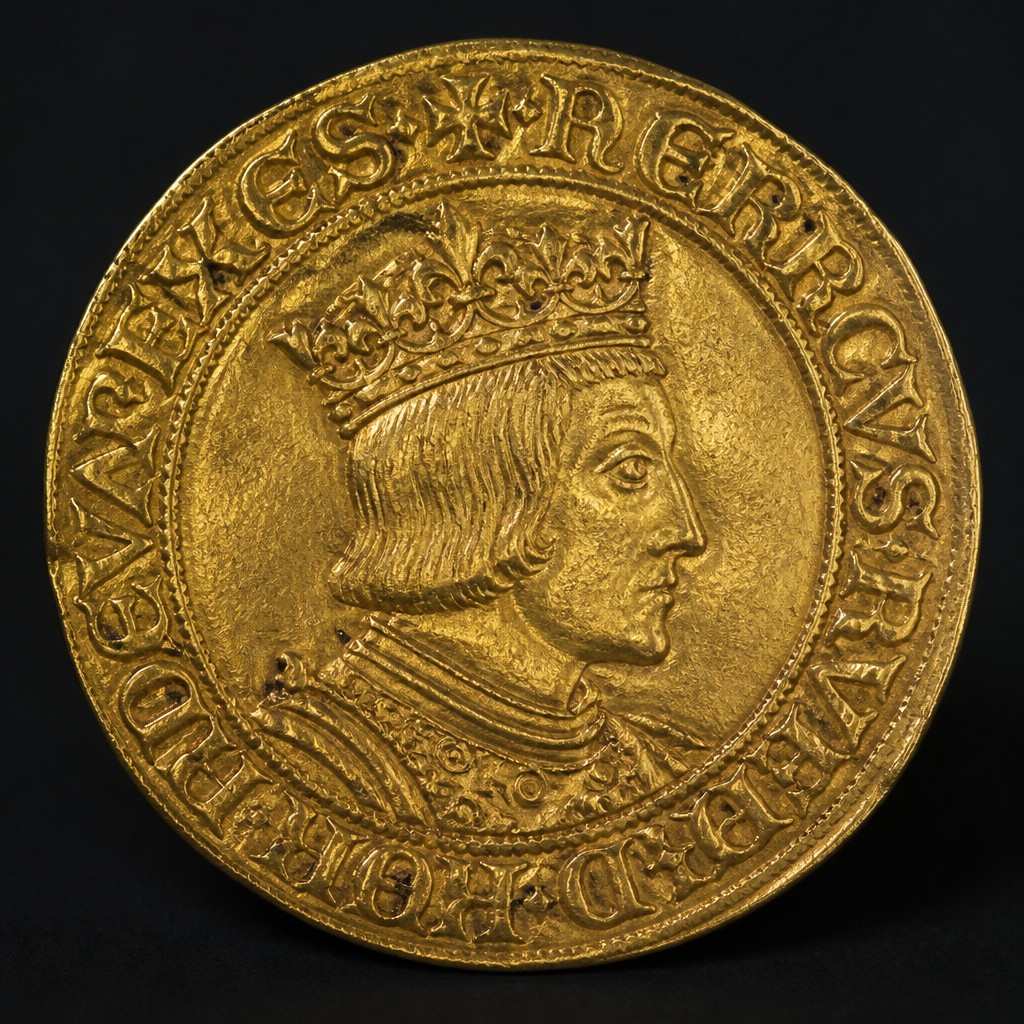
English Sovereign of Henry VII
1489–1509
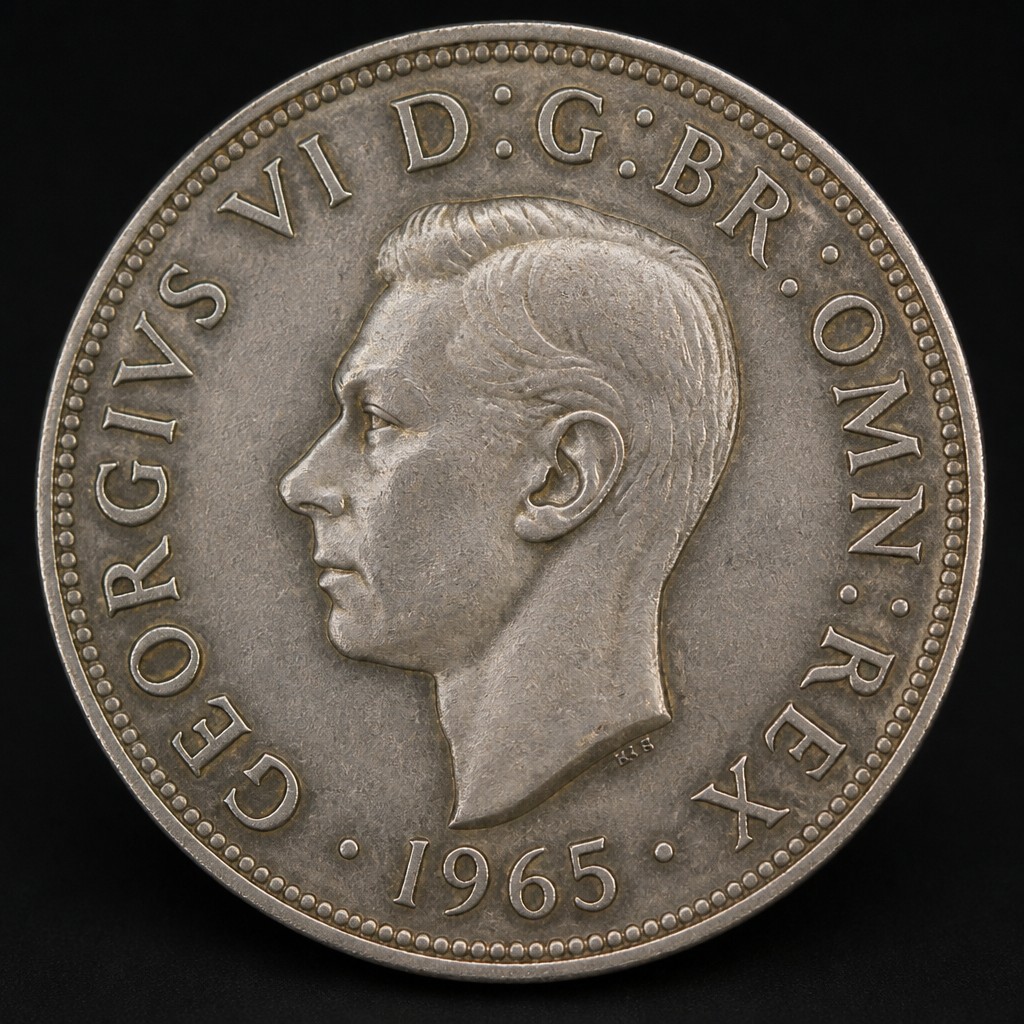
English Crown
1526–1965 (pre-decimal; commemorative crown-sized coins continue as five pound coins)
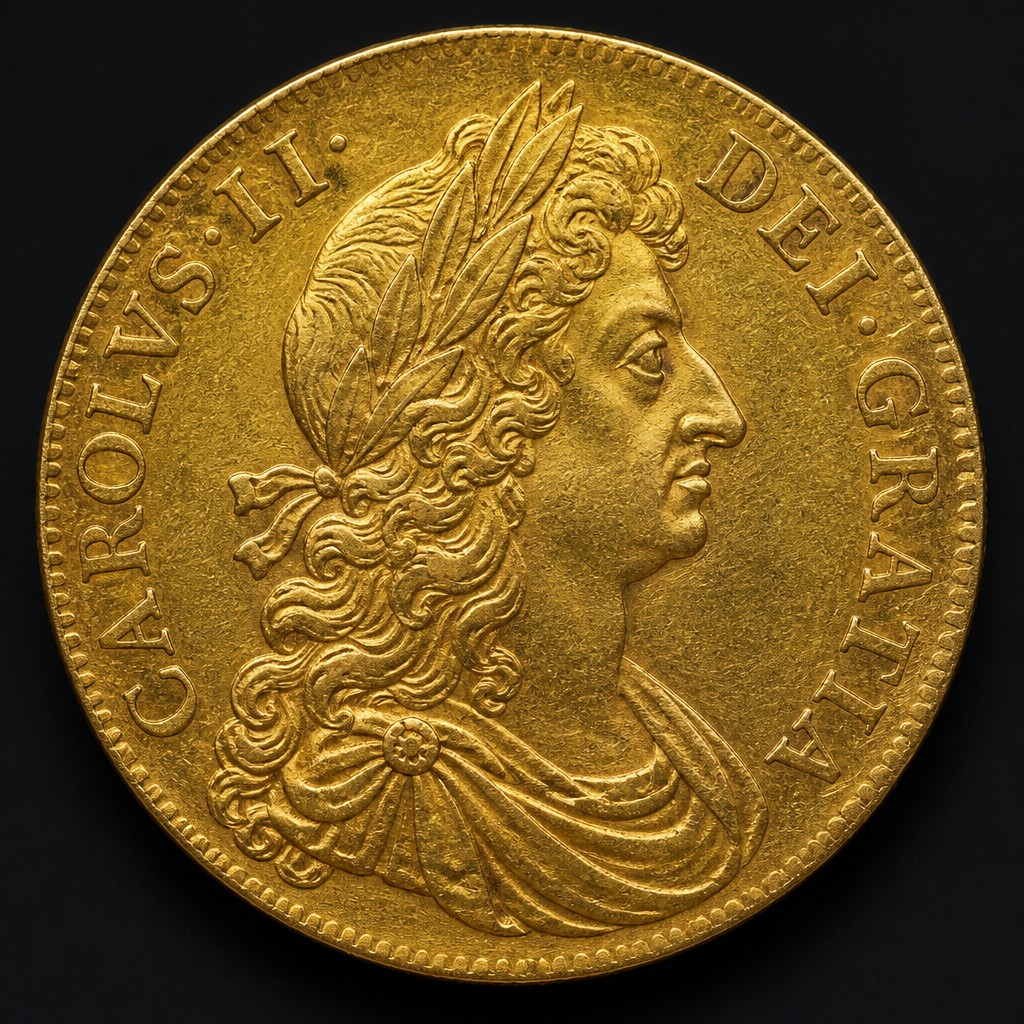
British Gold Guinea
1663–1814
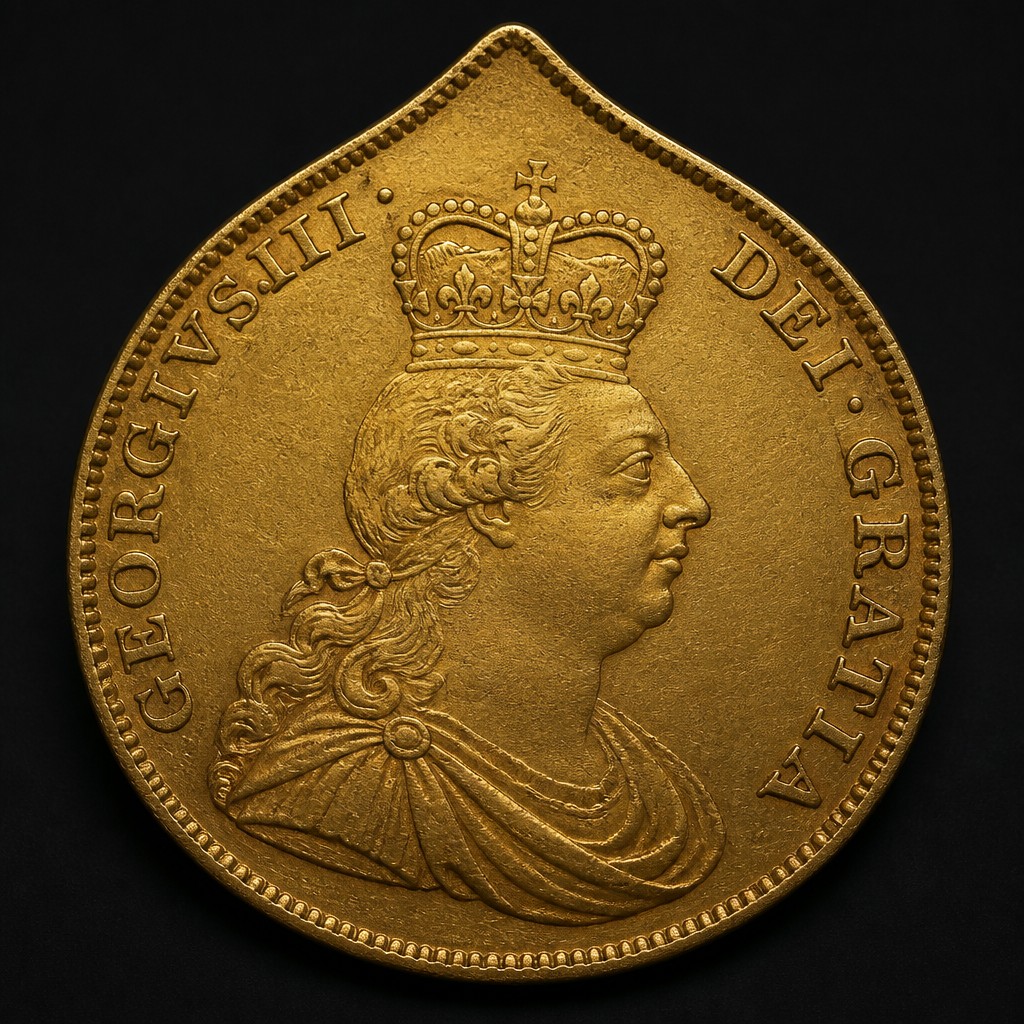
Spade Guinea
1787–1799
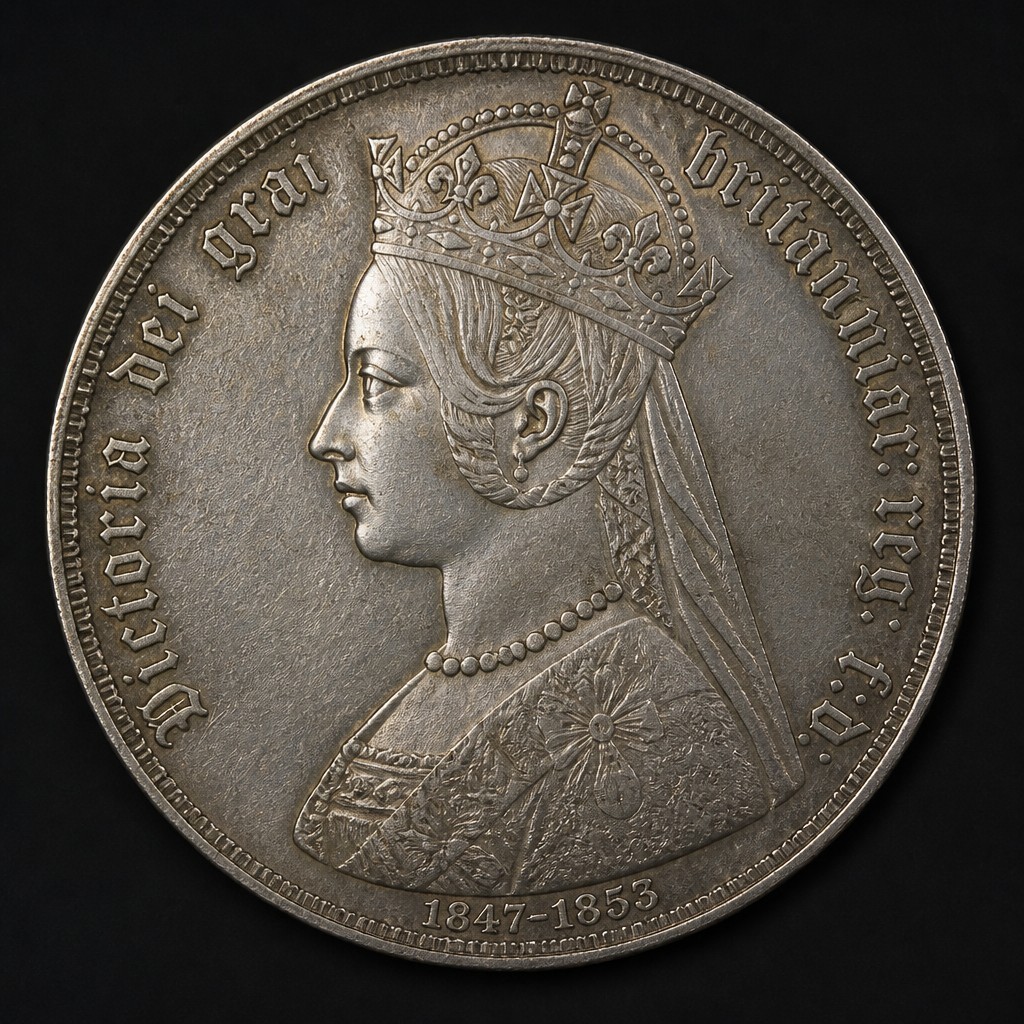
Gothic Crown
1847–1853
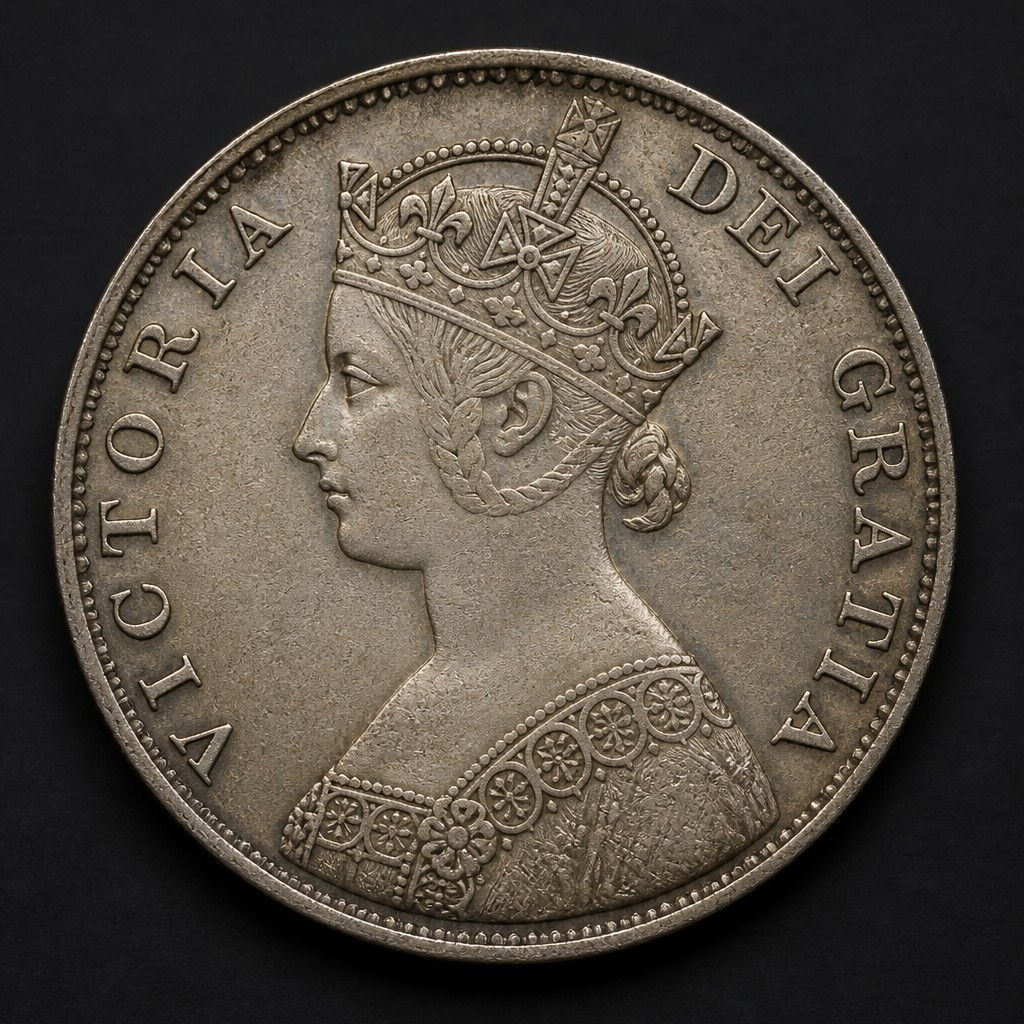
Groat (Fourpence)
1279–1888 (various revivals)
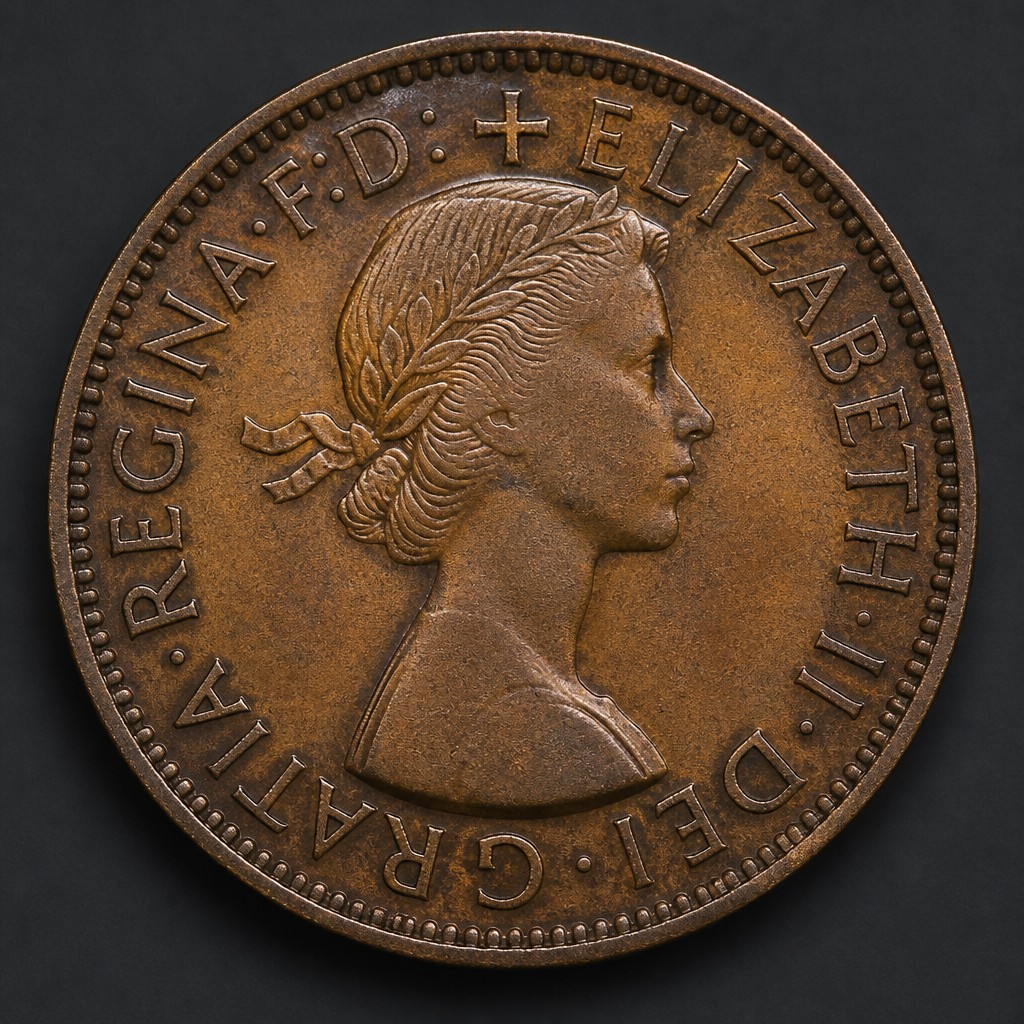
Farthing
13th century–1956
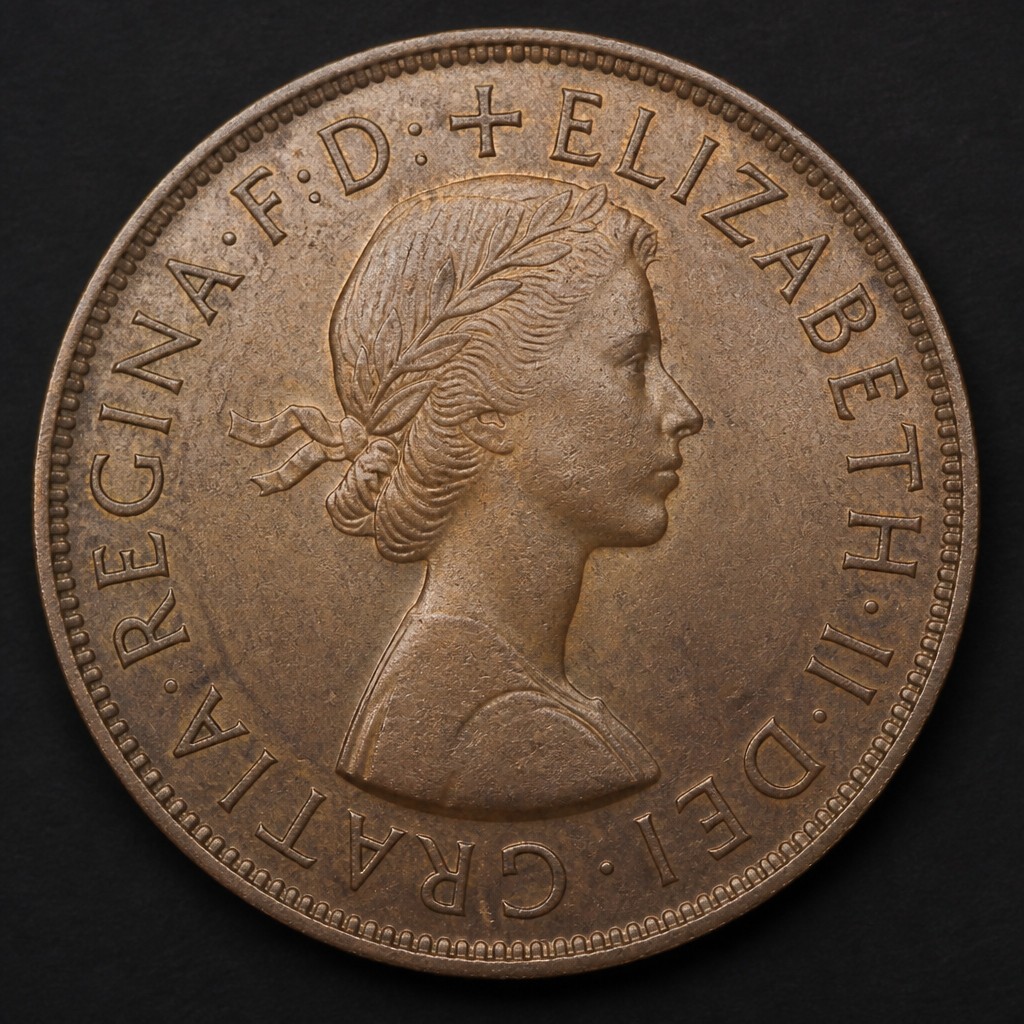
Halfpenny
c. 800s–1969
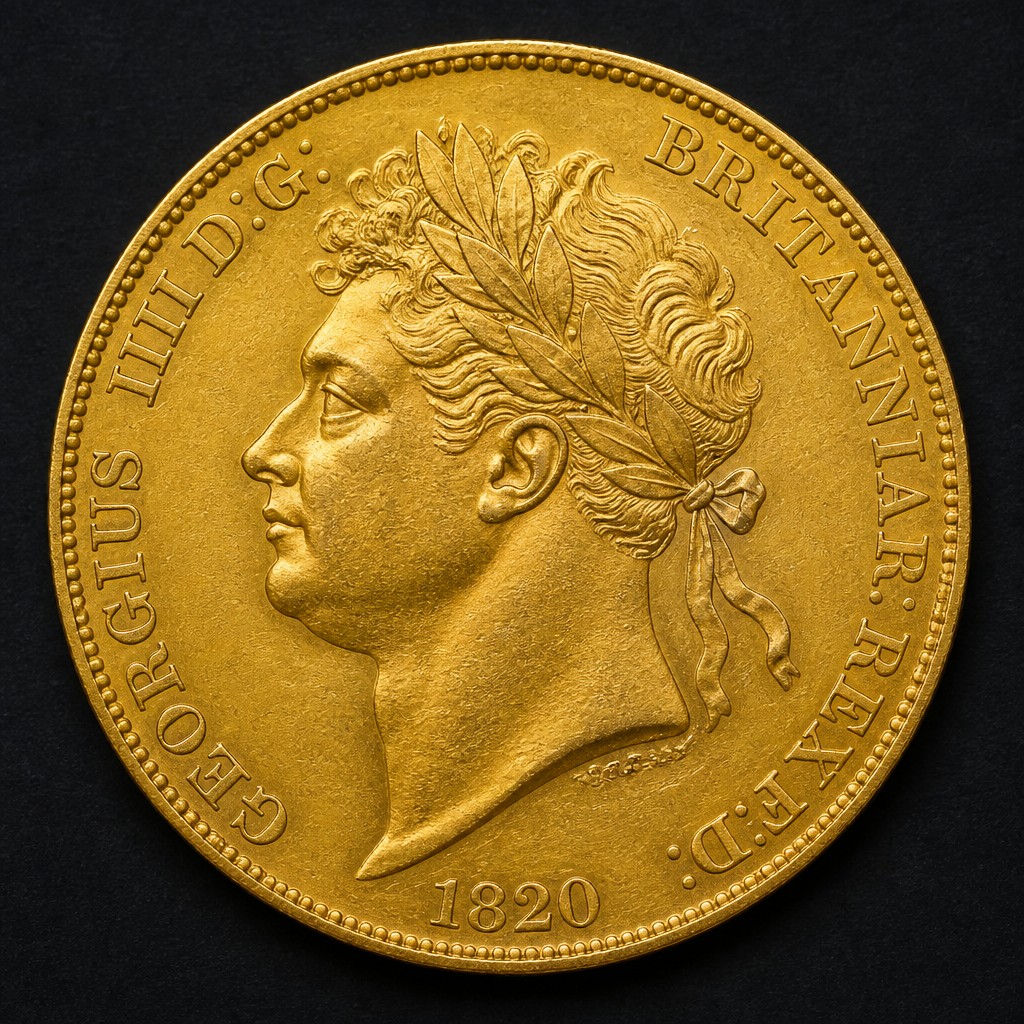
Five Pound Gold (Quintuple Sovereign)
1820–present (intermittent)
Threepence
1547–1970