
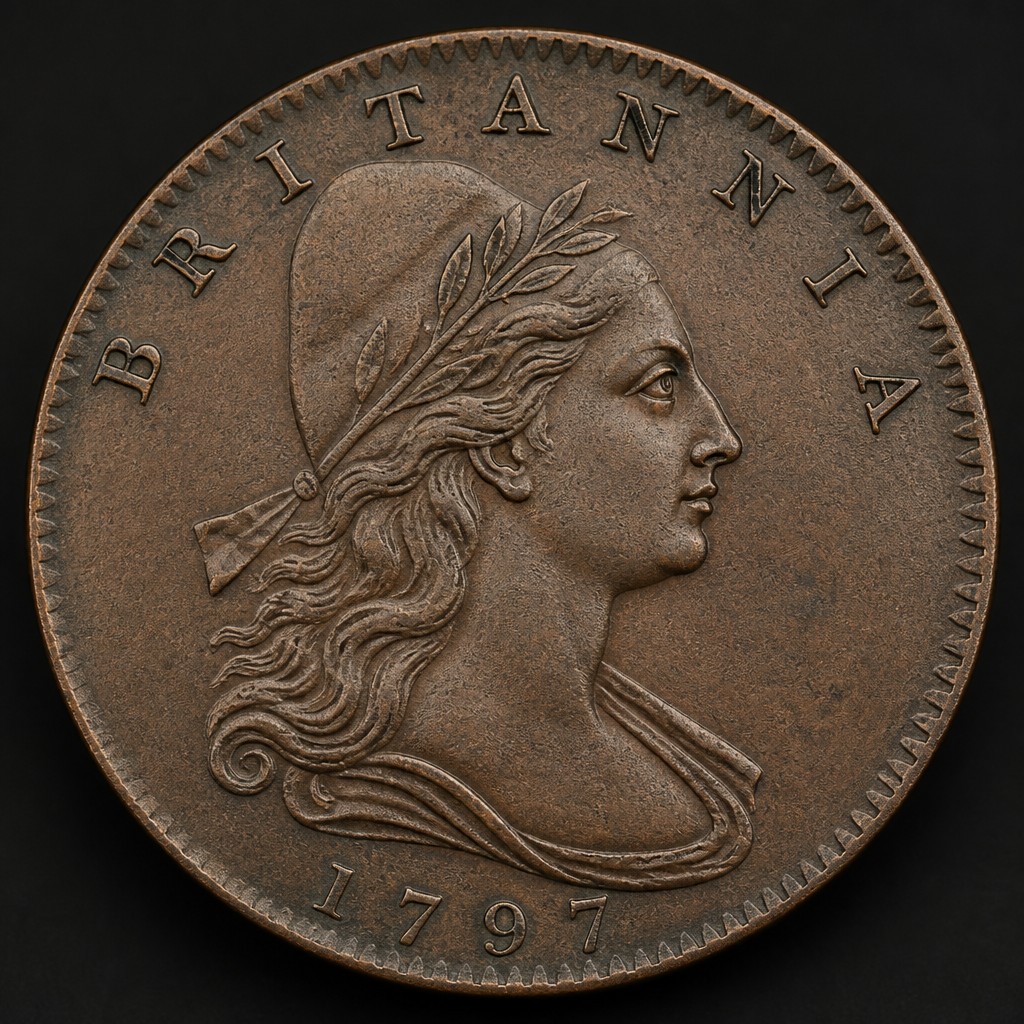
Cartwheel Twopence (1797)
An enormous two-ounce copper twopence struck in 1797, the largest coin ever produced for circulation in Britain, made famous for its heavy raised cartwheel-style rim.
- Country
- Great Britain
- Denomination
- Twopence
- Metal
- Copper
Got a coin like this?
Identify any coin from a photo, free.
Overview
The Cartwheel Twopence is an exceptionally large and heavy copper coin struck in 1797 alongside its smaller companion, the Cartwheel Penny, both produced by Matthew Boulton's Soho Mint in Birmingham. At a full two ounces of copper, it holds the distinction of being the largest and heaviest coin ever struck for circulation in British history.
Like the penny, it takes its popular nickname from the thick raised rim bordering both faces, resembling the rim and hub of a cart wheel, a feature that also served the practical purpose of protecting the design and inscriptions from wear.
Because of its impractical size and weight for everyday use, the Cartwheel Twopence was not a long-term success as circulating currency, but it remains a landmark coin both for its record-setting dimensions and its role in Boulton's pioneering steam-powered minting process.
History & Background
Facing a severe national shortage of reliable small-denomination copper coinage in the 1790s, the British government commissioned Matthew Boulton's Soho Manufactory, a leader in steam-powered industrial technology, to strike a new official copper coinage using intrinsic-value principles, meaning the copper content would closely match the coin's face value to deter counterfeiting.
Struck only in 1797, the Twopence was the larger companion to the Cartwheel Penny, and its sheer bulk quickly proved unwieldy for everyday commerce, with contemporary accounts noting the impracticality of carrying such heavy coins in any quantity.
As a result, the Twopence denomination in this form was not repeated, and Britain's subsequent copper coinage moved toward smaller, lighter designs, leaving the 1797 Cartwheel Twopence as a singular, one-year experiment that nonetheless remains historically significant for its technological innovation and record size.
How to Identify
The obverse features a laureate bust of George III facing right with the Latin legend GEORGIUS III D G REX, while the reverse shows a seated Britannia holding an olive branch and trident, with BRITANNIA and the 1797 date below, closely mirroring the design of the smaller Cartwheel Penny but at a significantly larger scale. Both faces are bordered by the coin's signature thick raised rim with incuse lettering.
The coin is genuinely massive for a circulating issue, weighing a full two ounces (approximately 56.7 grams) and measuring around 41mm in diameter, making it by far the largest and heaviest coin ever struck for circulation in British monetary history. Its size alone makes it unmistakable and impossible to confuse with any other British coin.
Value & Collectibility
Cartwheel Twopences are scarcer and generally command higher prices than the companion Cartwheel Penny, reflecting both a smaller original mintage and the coin's iconic status as the largest British coin ever struck for circulation. Common circulated examples are available to collectors at a moderate premium, while well-preserved, lightly worn, or uncirculated specimens with strong original color can bring considerably higher prices, sometimes several hundred dollars or more for top examples.
As with the Cartwheel Penny, surface condition, coloration, and the presence of known die varieties all influence value, and the coin's novelty as a record-setting size makes it a popular centerpiece for collectors of British coppers and monetary curiosities alike.
Frequently asked questions
How big is the Cartwheel Twopence?
It weighs two full ounces of copper and measures about 41mm across, making it the largest coin ever struck for circulation in British history.
Why was such a large coin made?
It was deliberately given copper content close to its face value to prevent counterfeiting, part of Matthew Boulton's new steam-powered coinage program.
Was the Twopence a practical everyday coin?
Not really; its size and weight made it cumbersome to carry, and the denomination was not repeated in this form afterward.
How does it relate to the Cartwheel Penny?
Both were struck in 1797 at the Soho Mint using the same design style and raised-rim technique, with the Twopence being twice the weight of the Penny.
Other coins you may enjoy
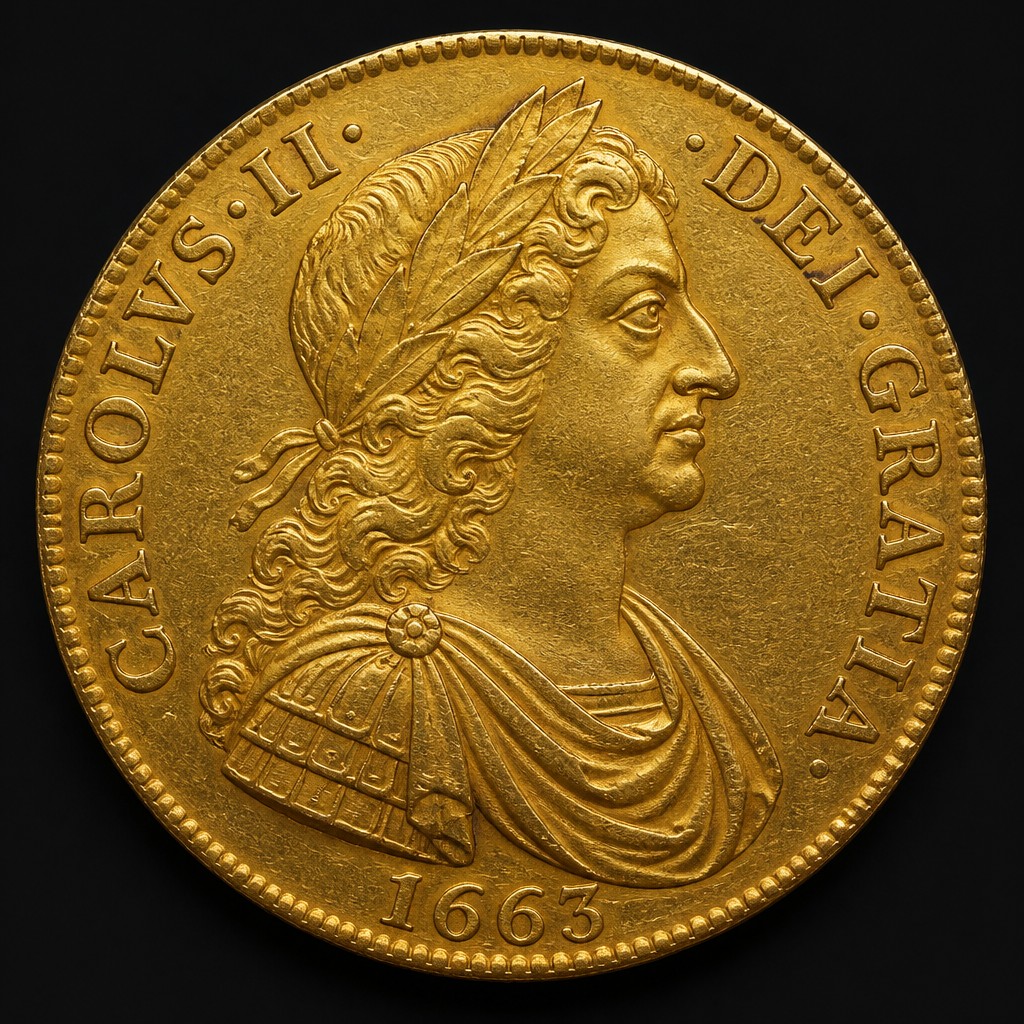
British Guinea
1663–1814
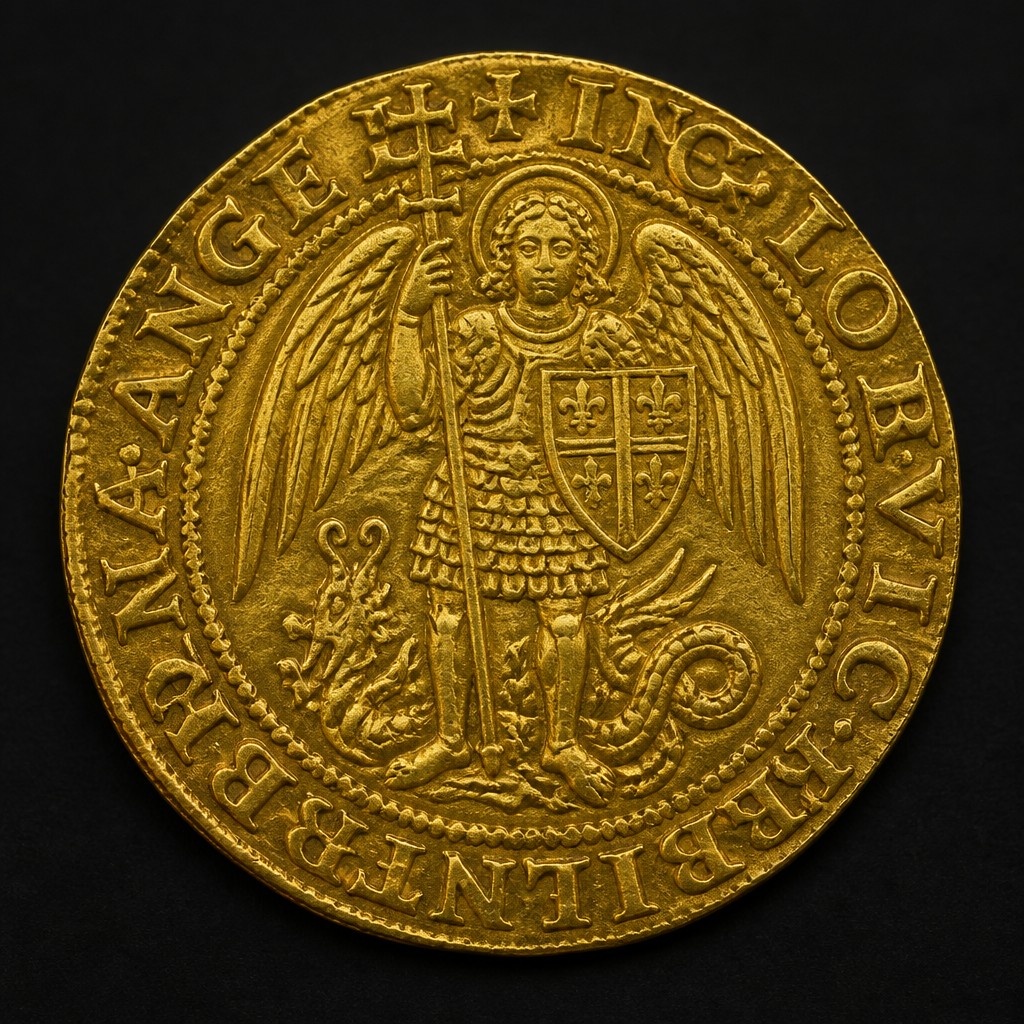
English Angel
1465–1642
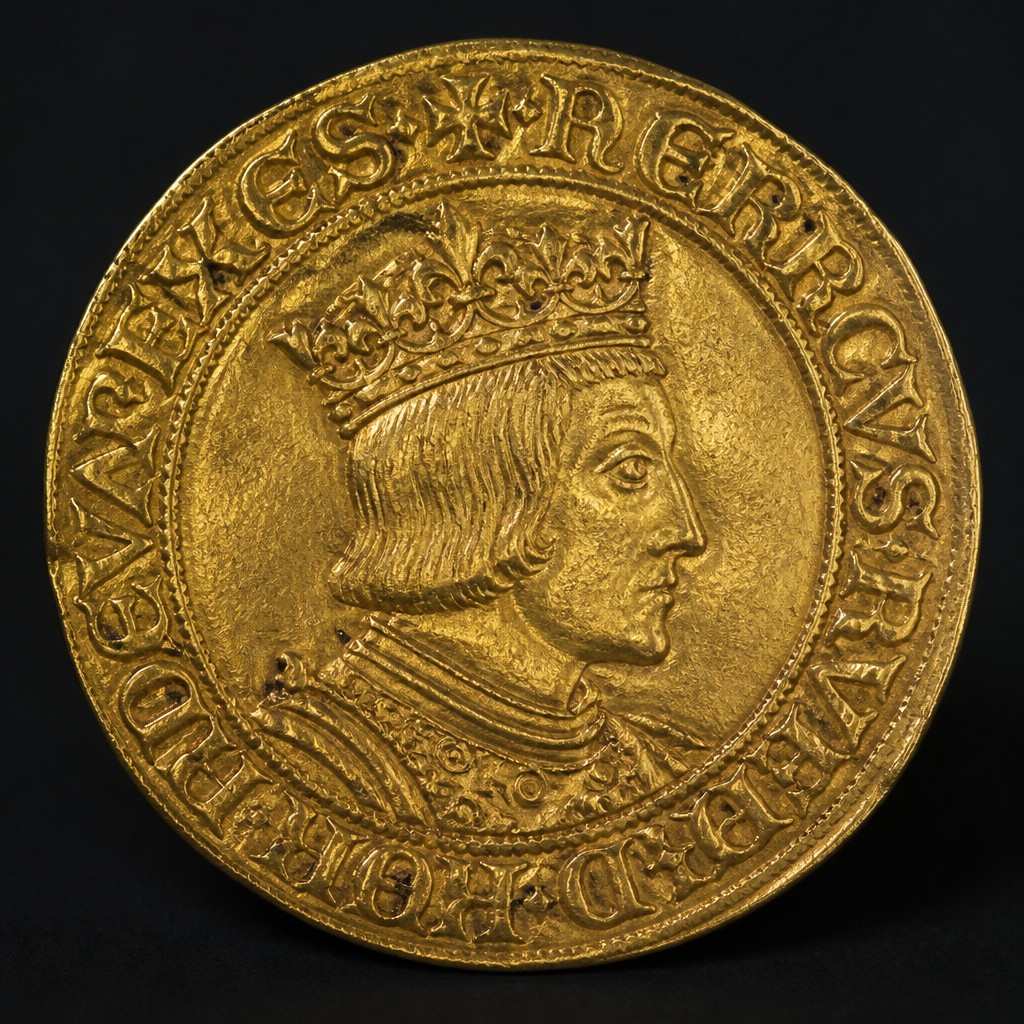
English Sovereign of Henry VII
1489–1509
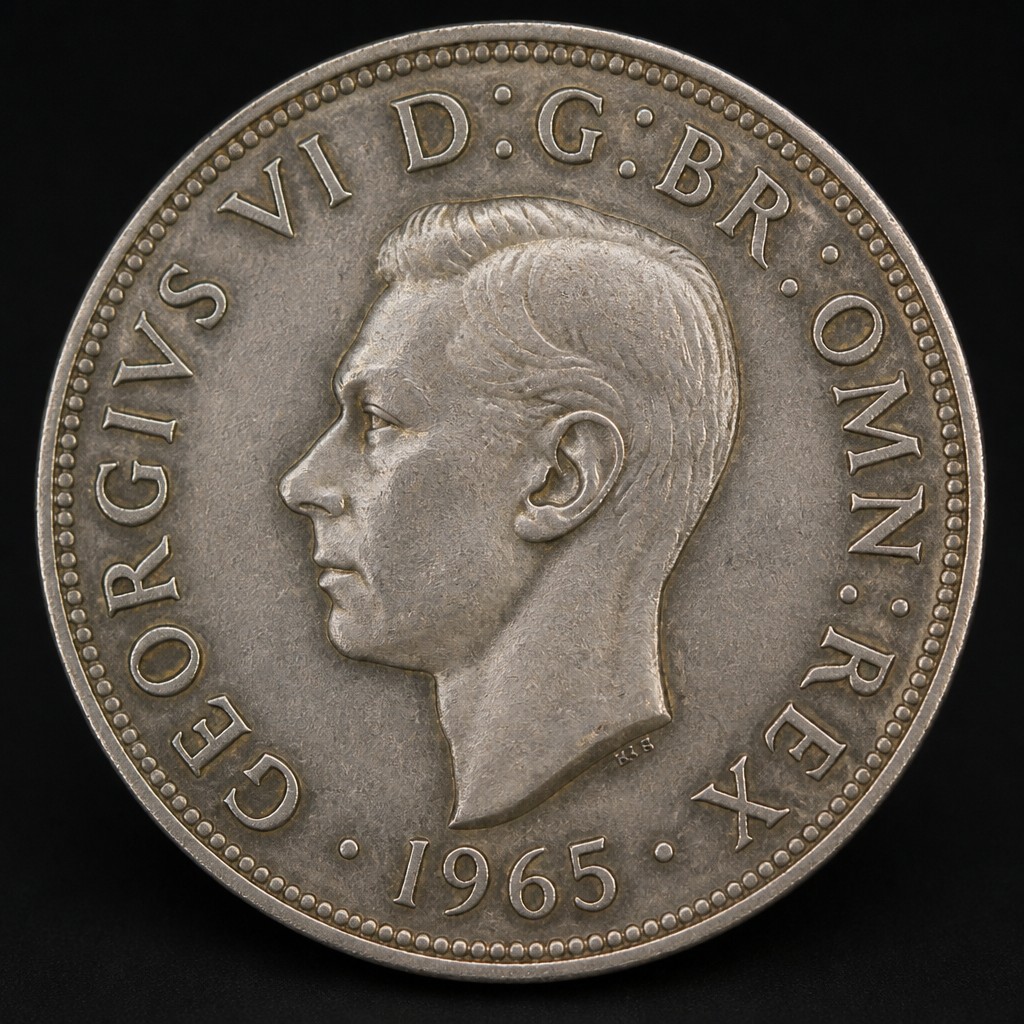
English Crown
1526–1965 (pre-decimal; commemorative crown-sized coins continue as five pound coins)
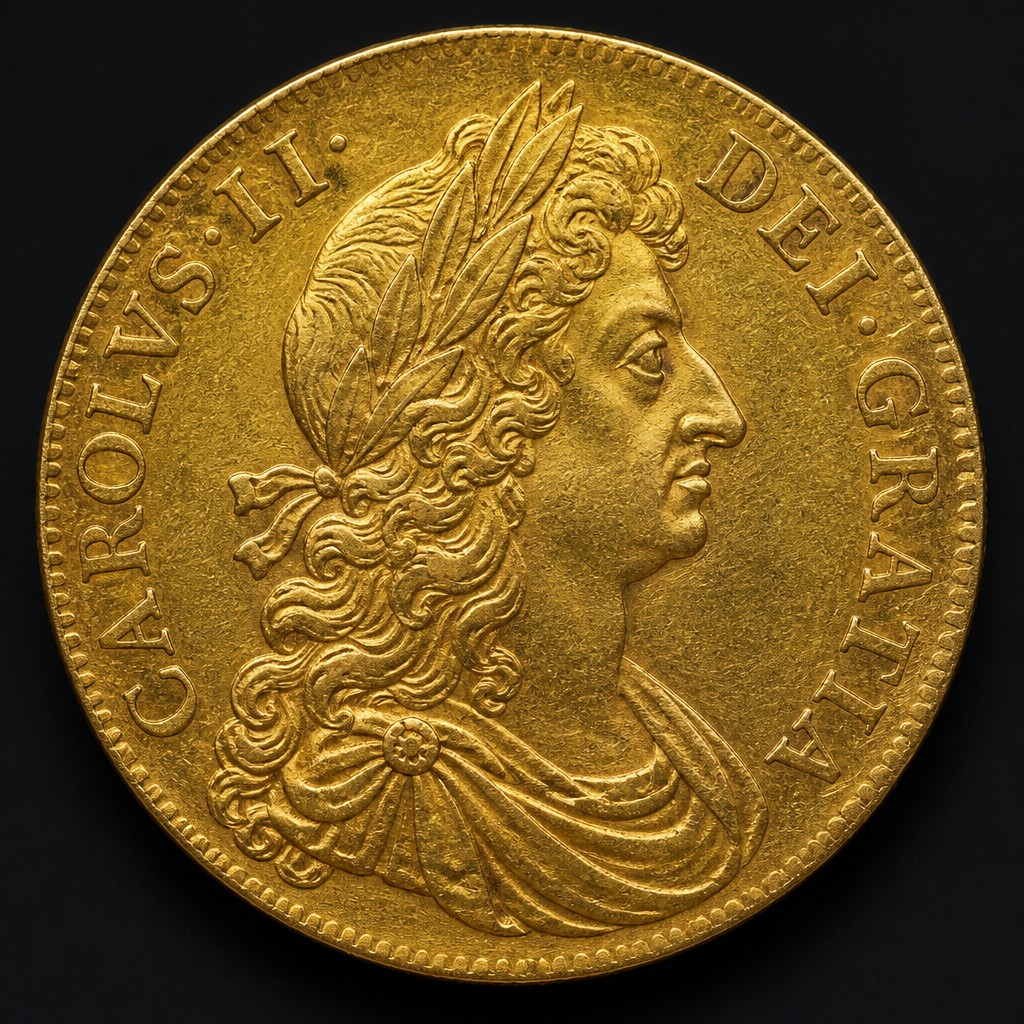
British Gold Guinea
1663–1814
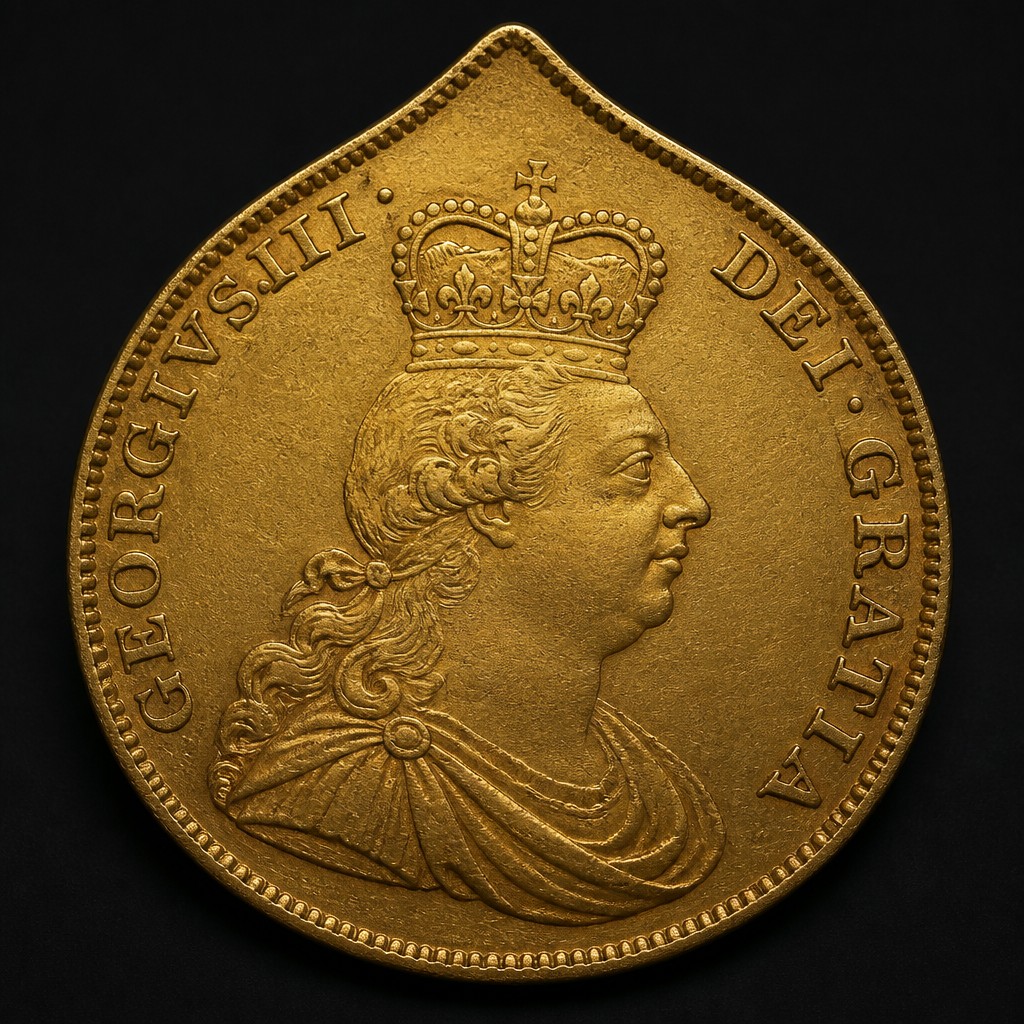
Spade Guinea
1787–1799
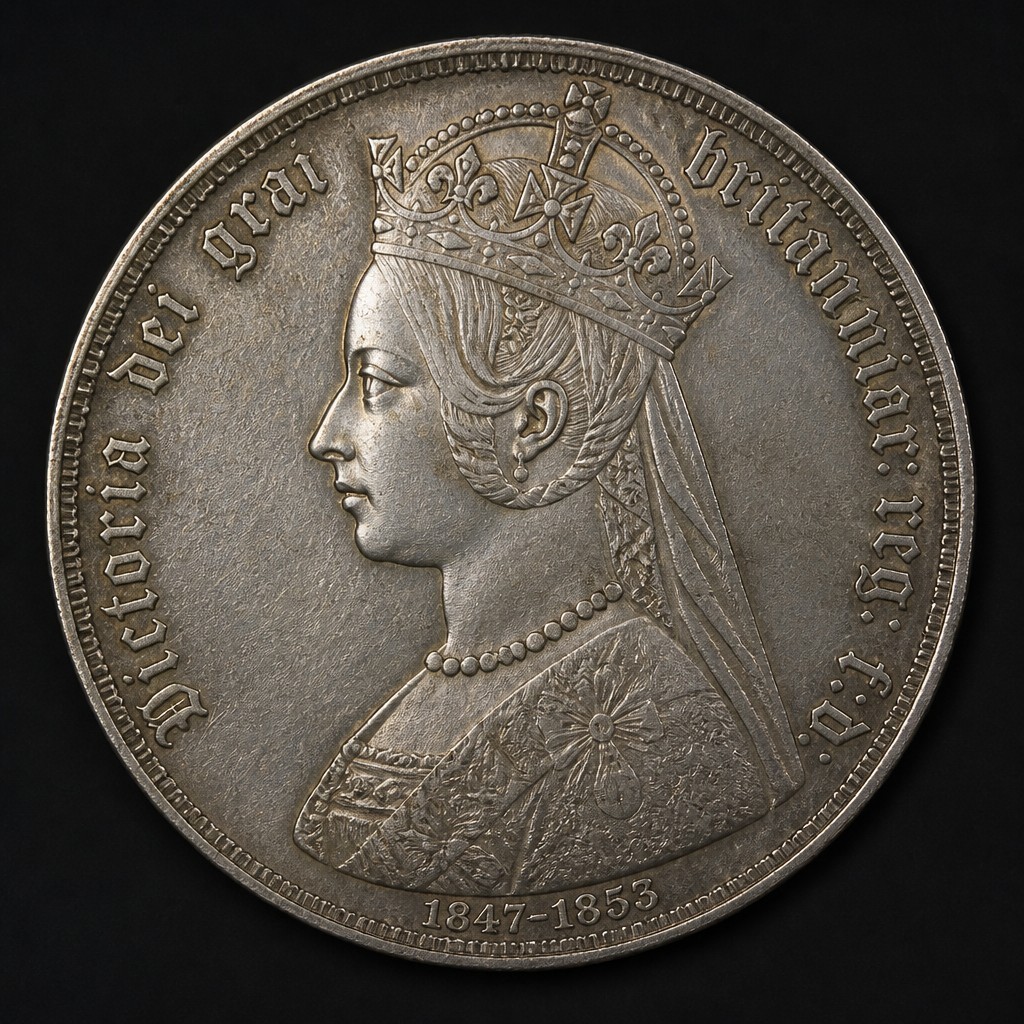
Gothic Crown
1847–1853
Groat (Fourpence)
1279–1888 (various revivals)
Farthing
13th century–1956
Halfpenny
c. 800s–1969
Five Pound Gold (Quintuple Sovereign)
1820–present (intermittent)
Threepence
1547–1970