
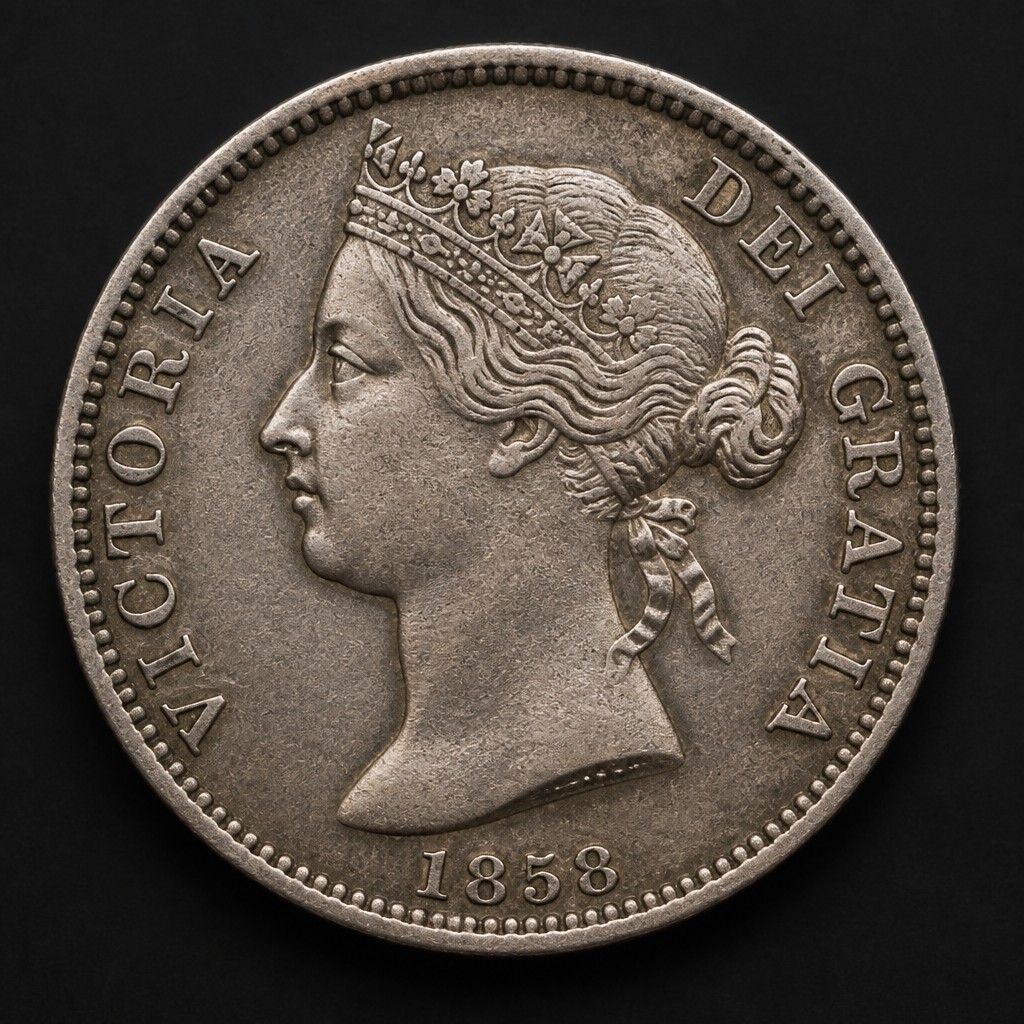
1858 Victoria Five Cents (silver)
The first Canadian five-cent coin, a tiny sterling silver piece struck for the Province of Canada in 1858 when decimal currency was introduced to replace older colonial money.
- Country
- Canada (Province of Canada)
- Denomination
- Five Cents
- Metal
- 92.5% Silver (sterling)
Got a coin like this?
Identify any coin from a photo, free.
Overview
The 1858 five-cent piece is a foundational coin in Canadian numismatics: it was struck for the very first year of decimal coinage in the Province of Canada, the political union that preceded Confederation. Its diminutive size and silver content give it a delicate, almost fragile appearance compared to modern coinage.
Collectors prize it as a first-year-of-issue piece that marks the beginning of Canada's decimal monetary system, a shift away from the pounds-shillings-pence and mixed foreign-coin economy that had prevailed in British North America.
History & Background
Before 1858, the Province of Canada (the union of Upper and Lower Canada) relied on a confusing mix of British, American, and other foreign coins circulating alongside local tokens. The Currency Act of 1853 initiated a move toward a decimal system pegged to the U.S. dollar, and in 1858 the Province of Canada issued its first official decimal coinage, including one-cent, five-cent, ten-cent, and twenty-cent pieces.
The five-cent piece was struck at the Royal Mint in London, as the Province of Canada did not yet have its own minting facility. The design work is attributed to Leonard Charles Wyon, a prolific engraver responsible for many British colonial coin designs of the period.
Because the coin was produced only in this initial batch alongside a limited later issue in 1870, 1858-dated five-cent pieces represent a distinct and historically important starting point for the series before it continued under the Dominion of Canada after Confederation in 1867.
How to Identify
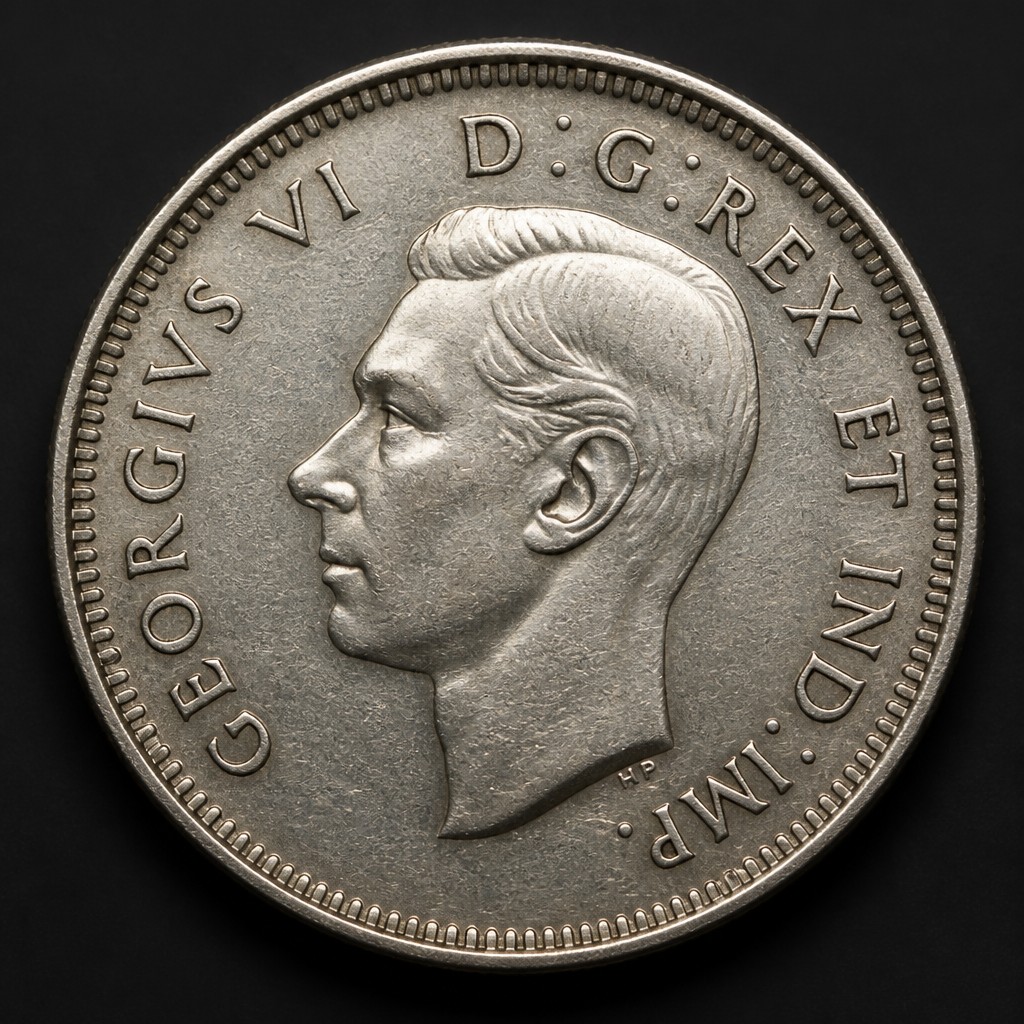
The obverse features a young laureate and draped bust of Queen Victoria facing left, with the legend VICTORIA D G REGINA around the border. The reverse displays the denomination 5 CENTS within a wreath, with the date below.
The coin is extremely small and thin, roughly comparable in diameter to a modern dime but thinner, reflecting its low face value and silver composition. It has a plain or reeded edge depending on striking variety, and no mint mark appears since all were produced in London.
Collectors should be careful distinguishing the 1858 date from the later 1870 Province-era style five-cent, and from the broader run of Dominion of Canada Victoria five-cent pieces struck from 1870 through 1901, which share a similar overall design but were issued after Confederation.
Value & Collectibility
As a first-year issue, the 1858 five-cent piece is actively sought after even in well-worn condition, and prices rise sharply for problem-free, higher-grade examples. Because the coin is small, thin, and made of silver, it is prone to wear, bending, and cleaning damage, all of which significantly affect value.
Certain die varieties from this first striking, including differences in the size of the numerals in the date, are known to collectors and can carry meaningfully different premiums. As with most 19th-century Canadian silver, well-preserved, problem-free coins in mint state are considerably scarcer and more valuable than typical circulated survivors.
Frequently asked questions
Why is 1858 an important date for Canadian coins?
It was the first year the Province of Canada issued decimal coinage, replacing a patchwork of foreign and colonial money.
Where was the 1858 five-cent piece struck?
It was struck at the Royal Mint in London, England, since Canada had no mint of its own at the time.
What is the coin made of?
It is struck in sterling silver, about 92.5 percent fine.
Is the 1858 five-cent rare?
It is not among the rarest Canadian coins, but well-preserved, undamaged examples are genuinely scarce and desirable.
Who designed the coin?
The design is generally credited to Royal Mint engraver Leonard Charles Wyon.
Other coins you may enjoy
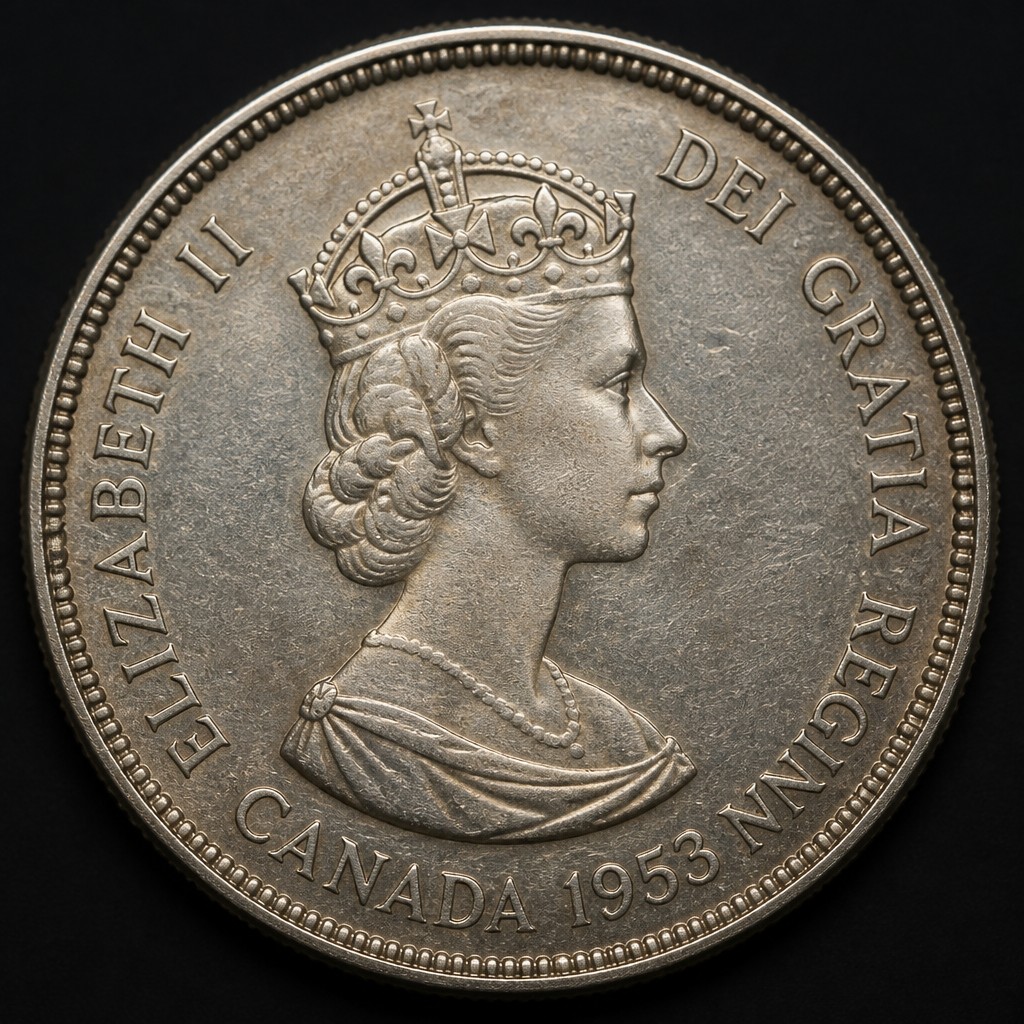
1953 Coronation Voyageur Dollar
1953
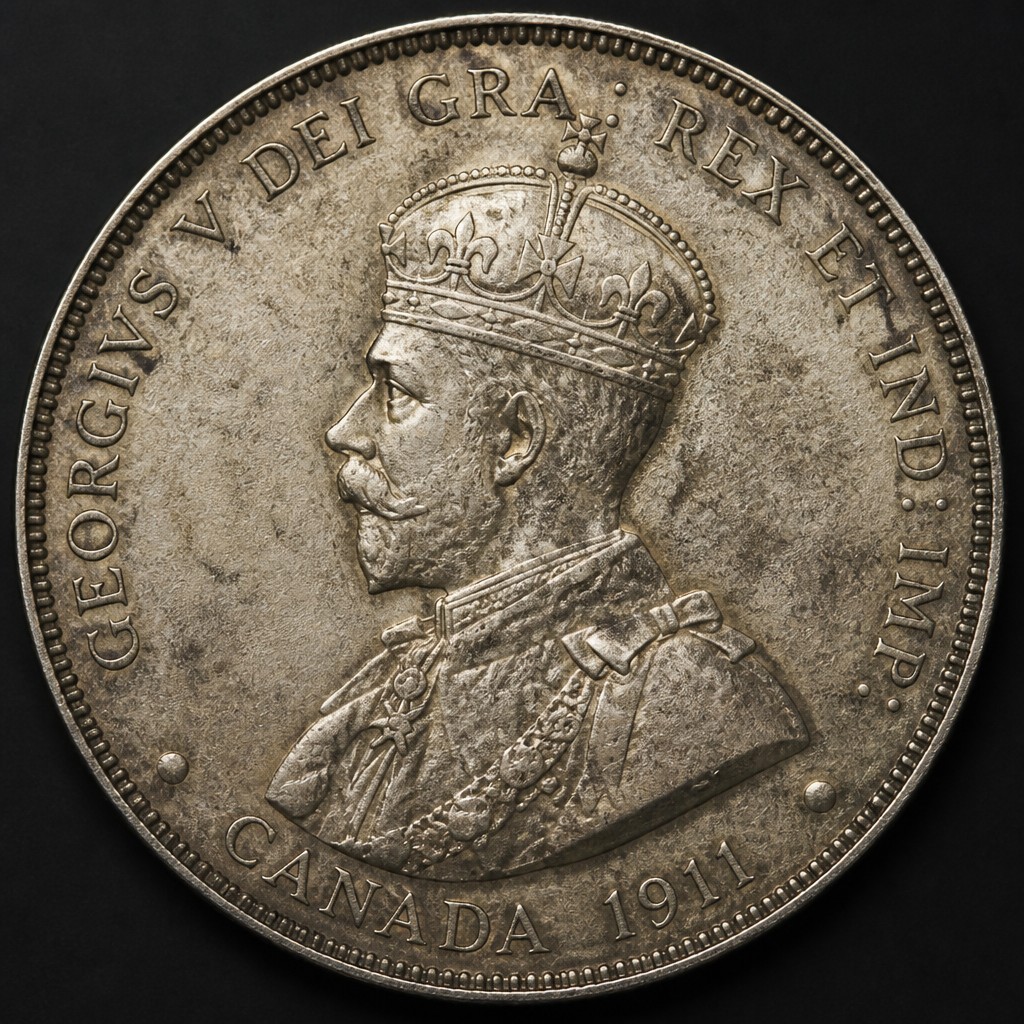
1911 Canadian Silver Dollar (Pattern)
1911
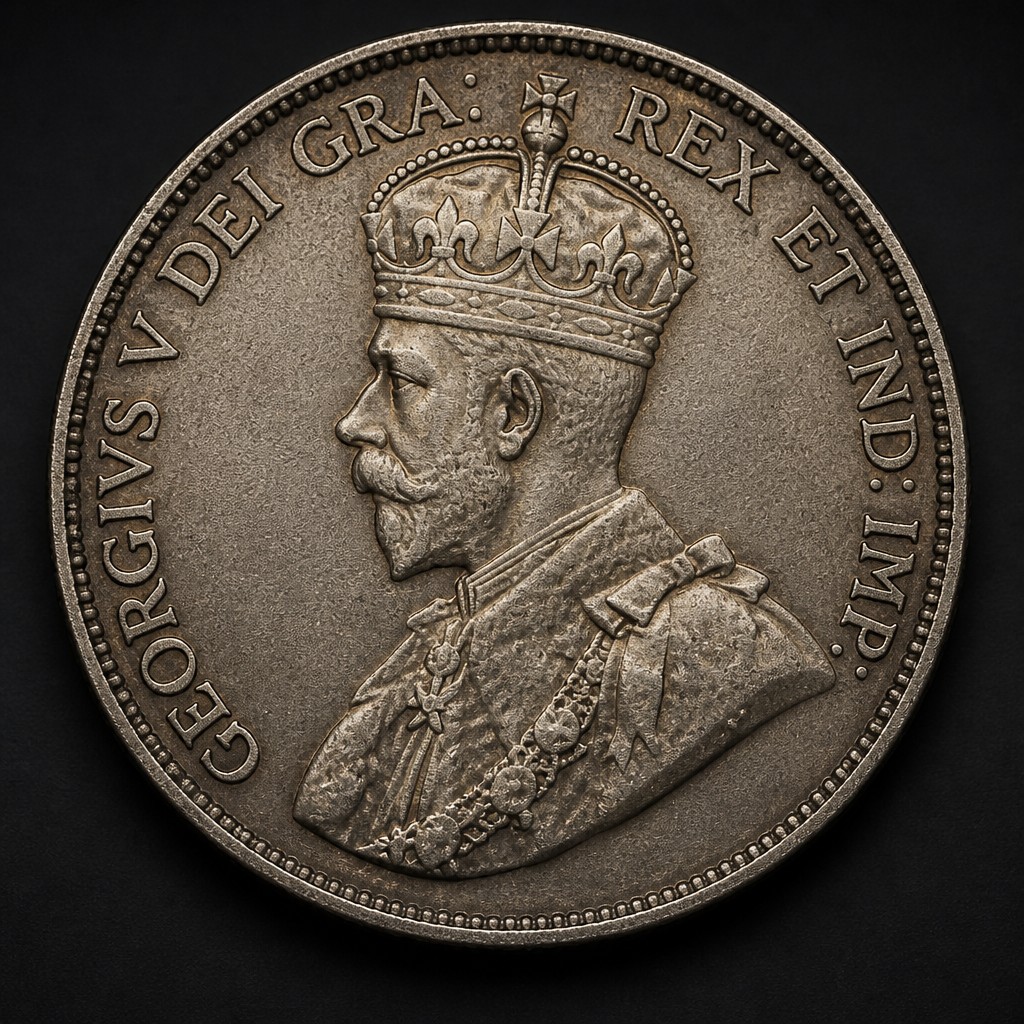
George V Twenty-Five Cents (silver)
1911–1936
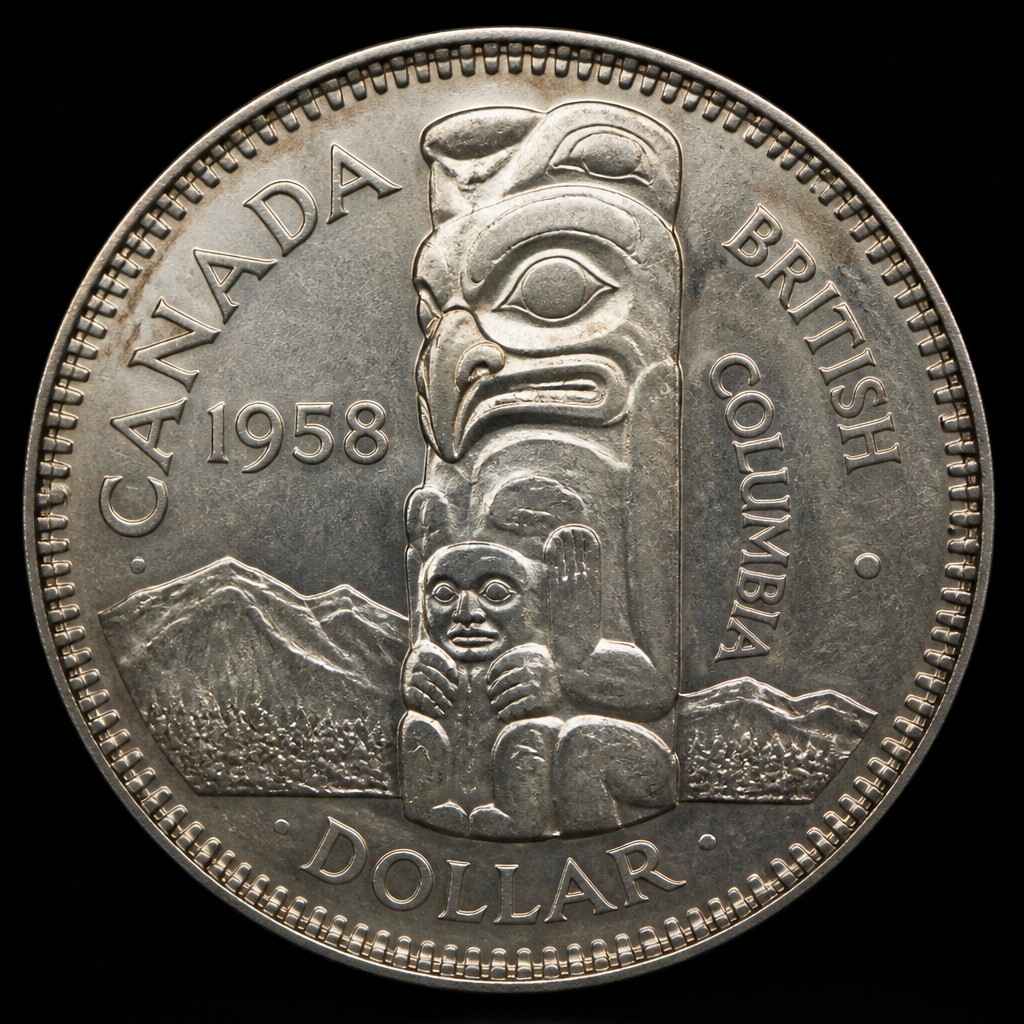
1958 British Columbia Totem Pole Dollar
1958
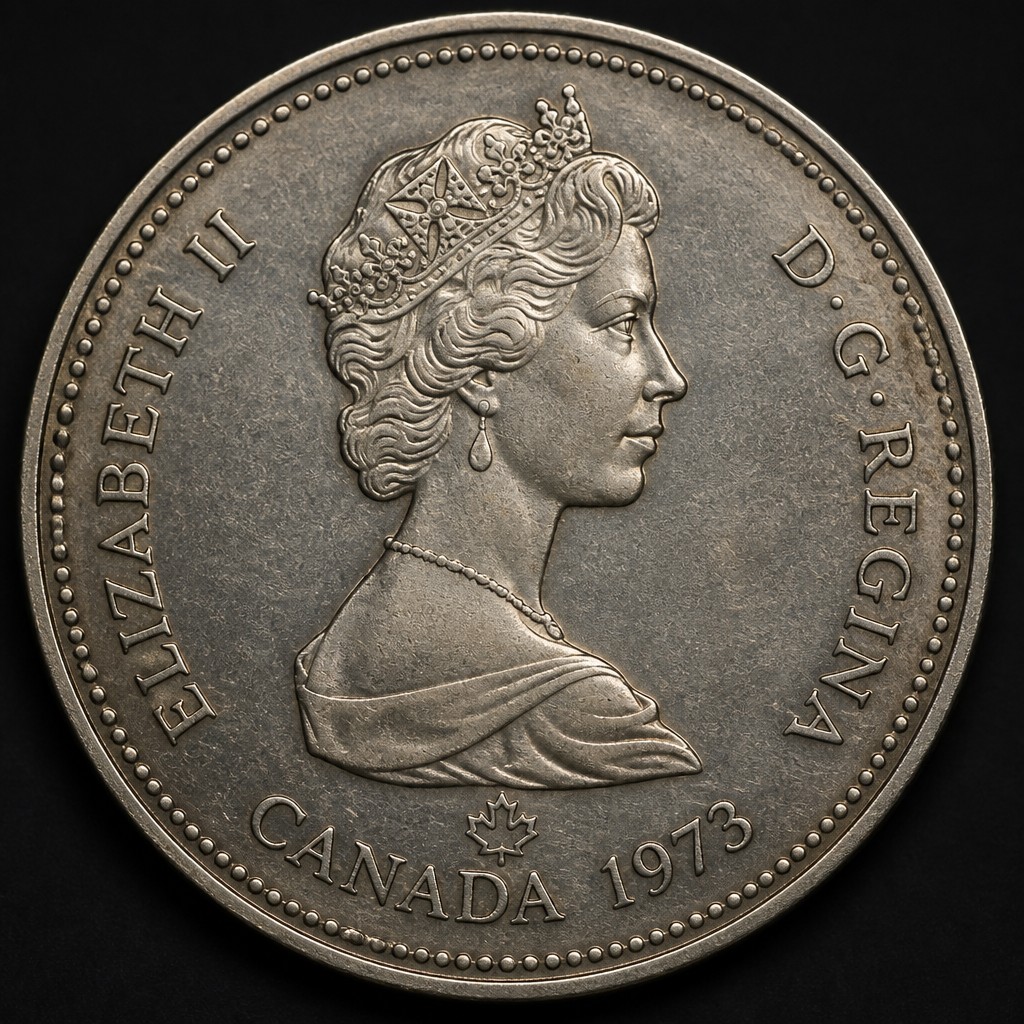
1973 RCMP Centennial Dollar
1973
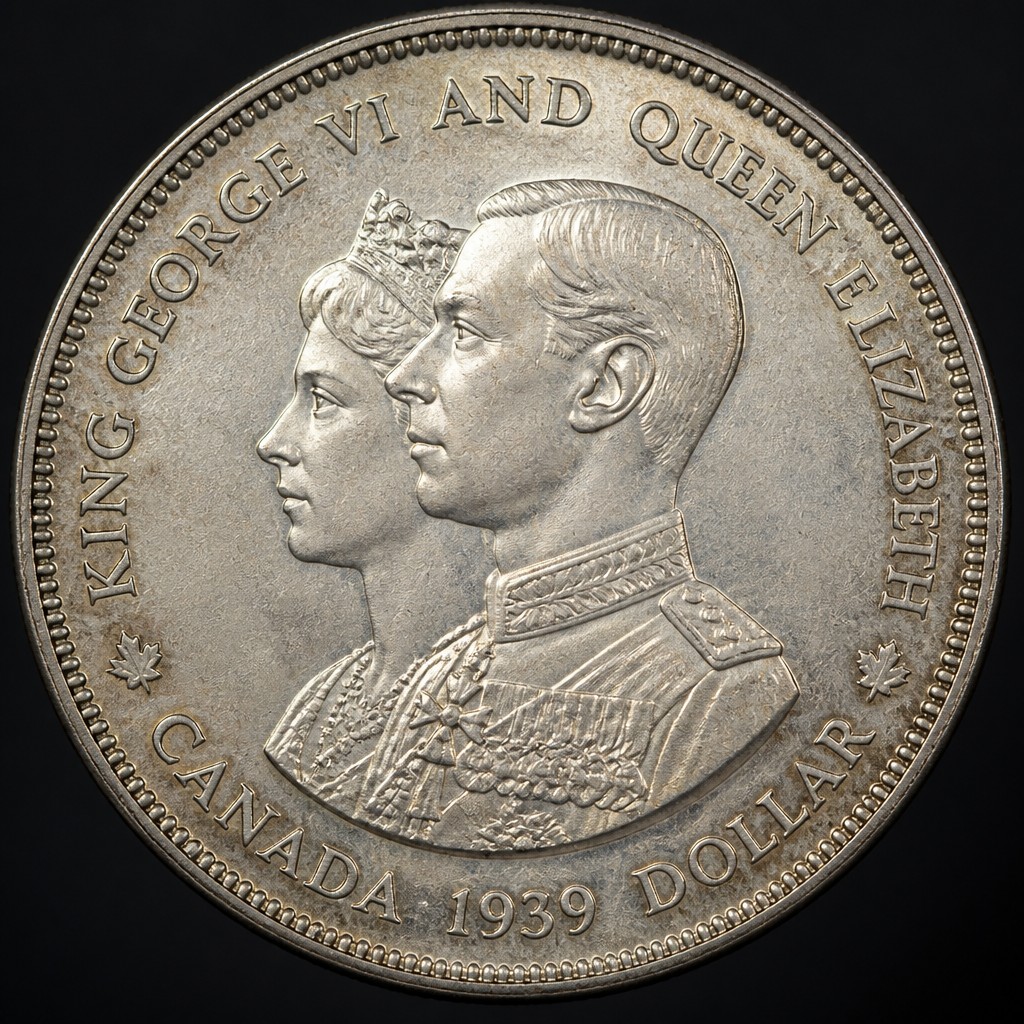
1939 Royal Visit Silver Dollar (Parliament)
1939
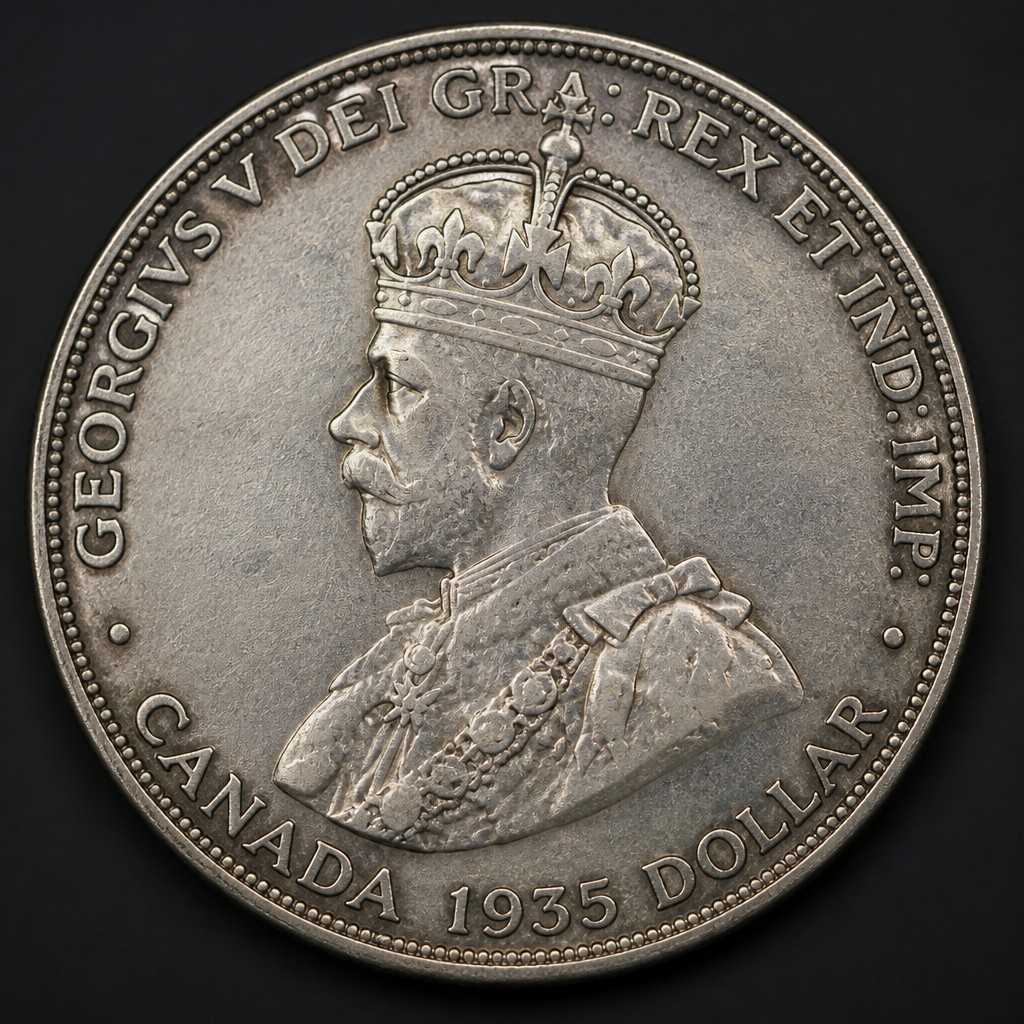
1935 George V Silver Jubilee Dollar (Voyageur)
1935
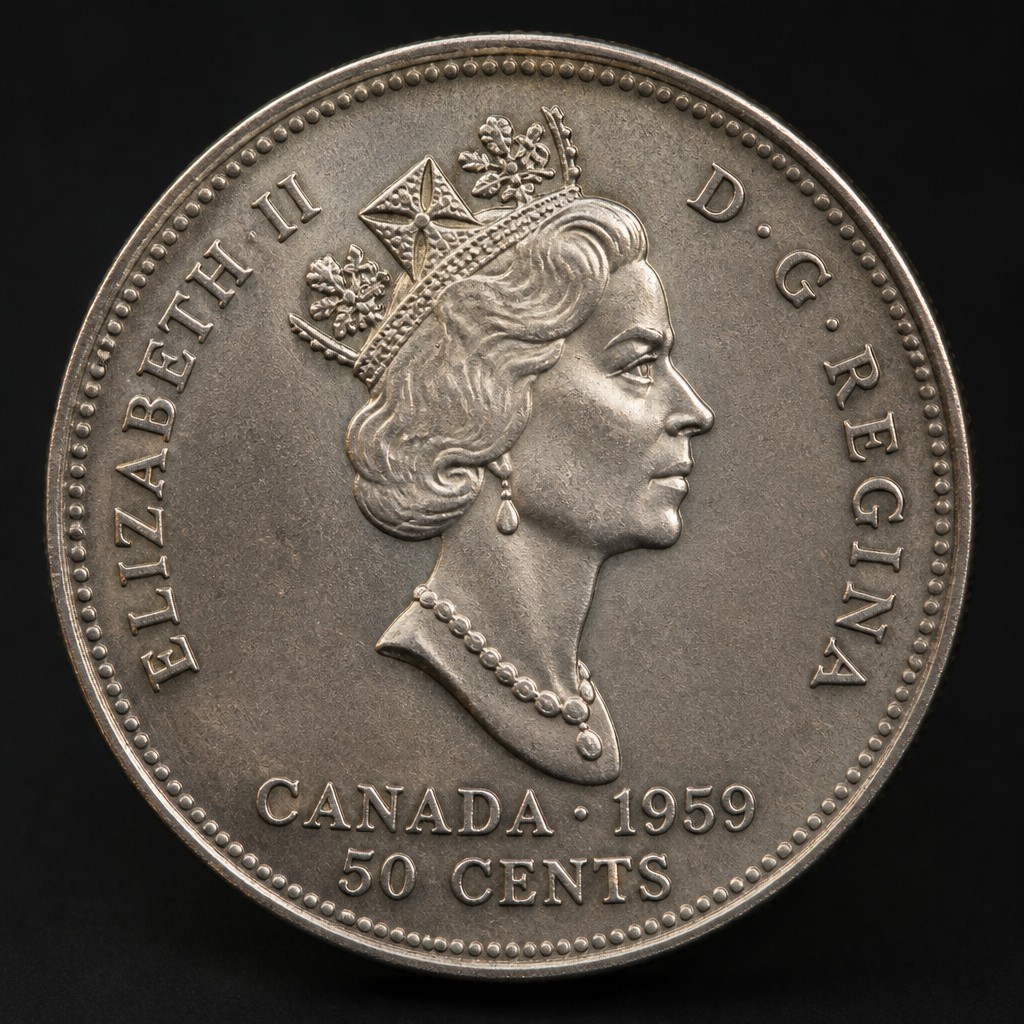
Coat of Arms Fifty Cents (Elizabeth II)
1959–present
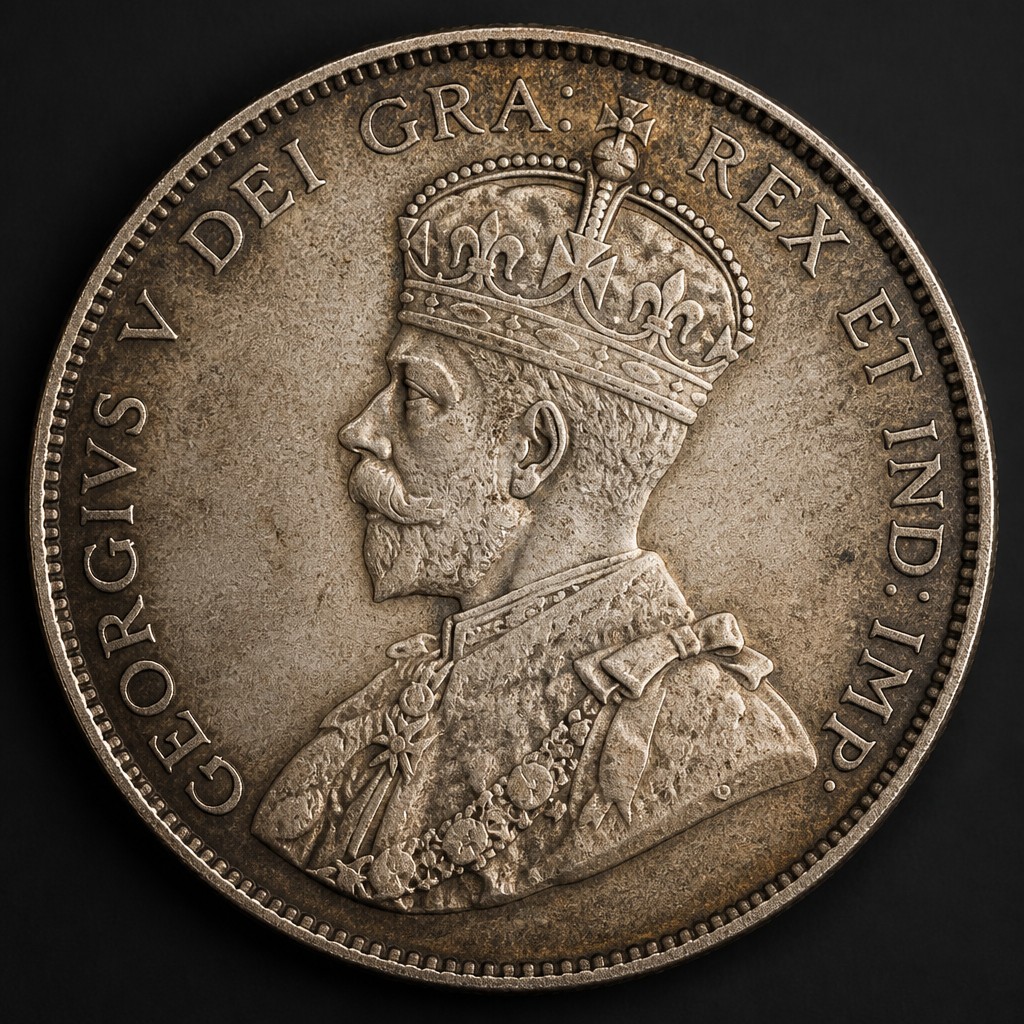
1921 Fifty Cents (King of Canadian Coins)
1921
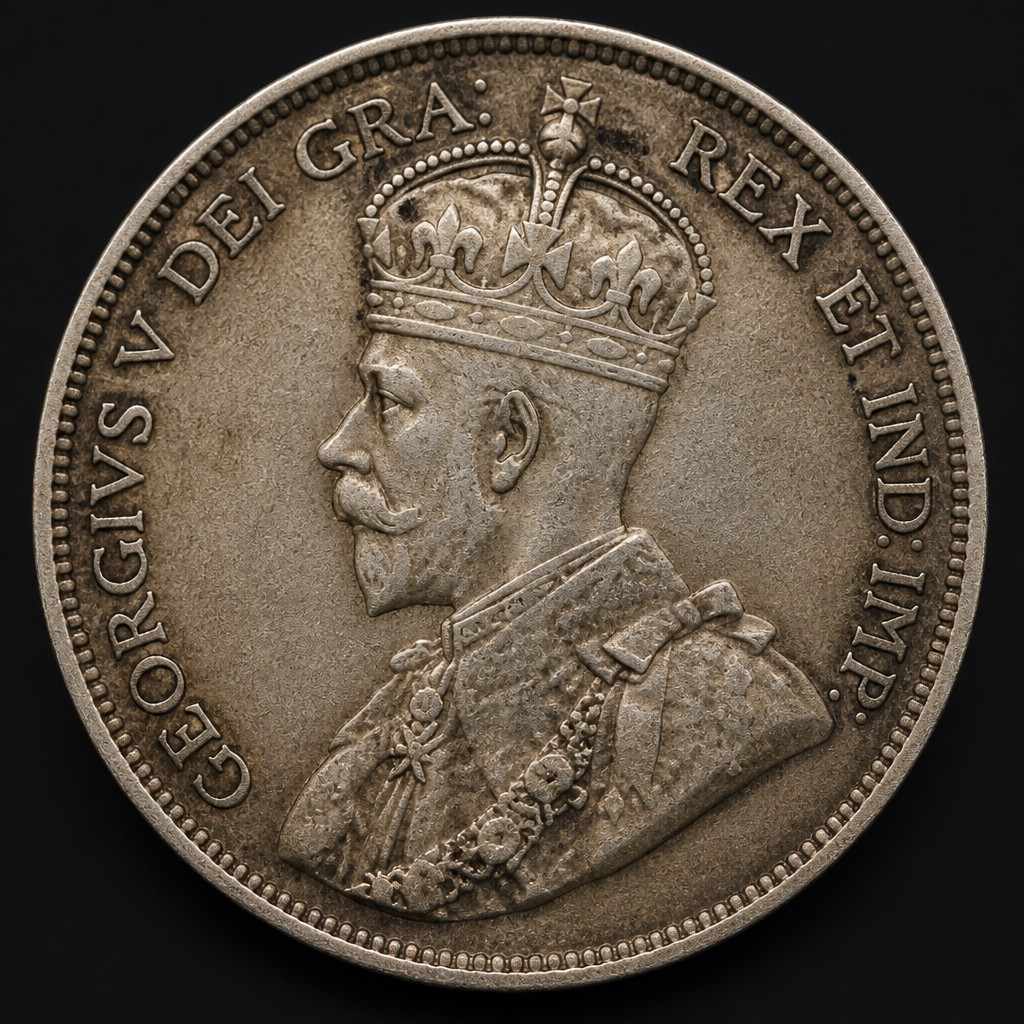
George V Fifty Cents
1911–1936
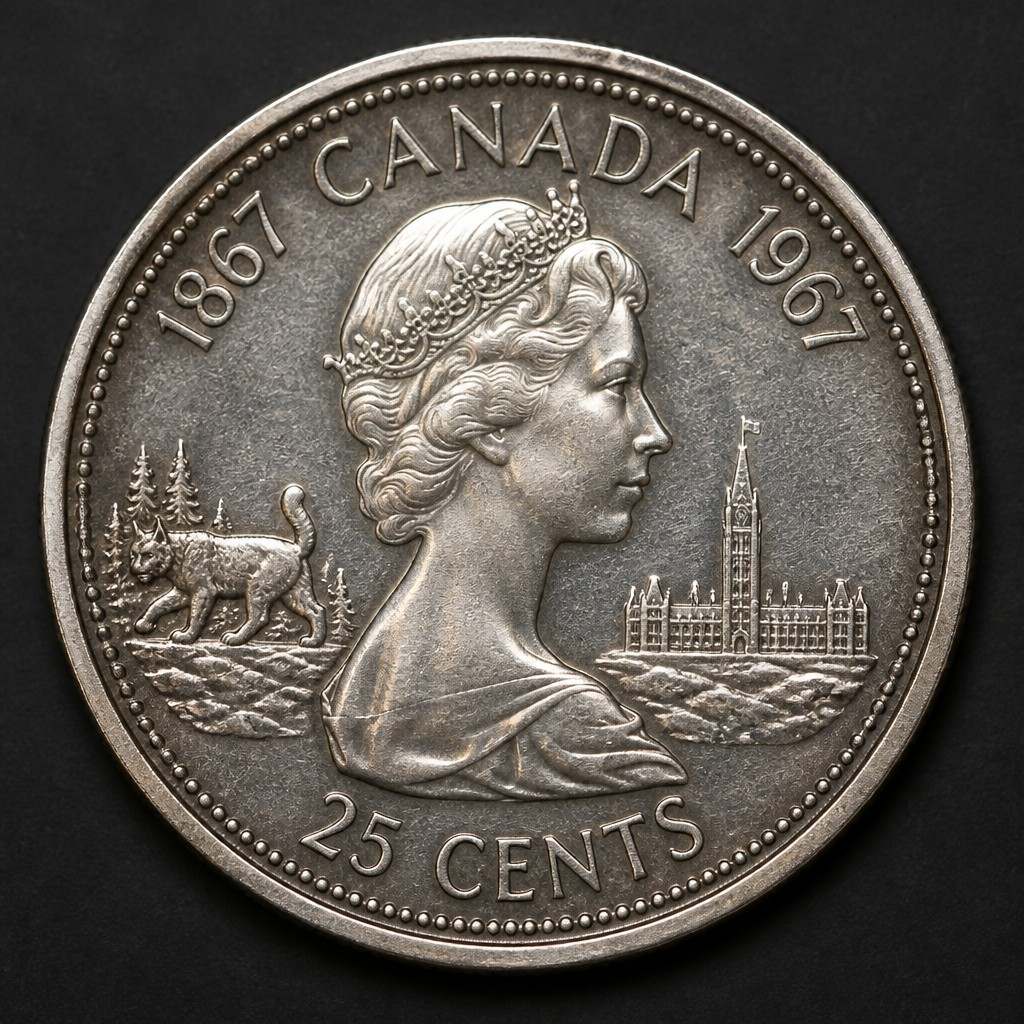
1967 Bobcat Centennial Quarter
1967
Caribou Twenty-Five Cents (quarter)
1937–present