
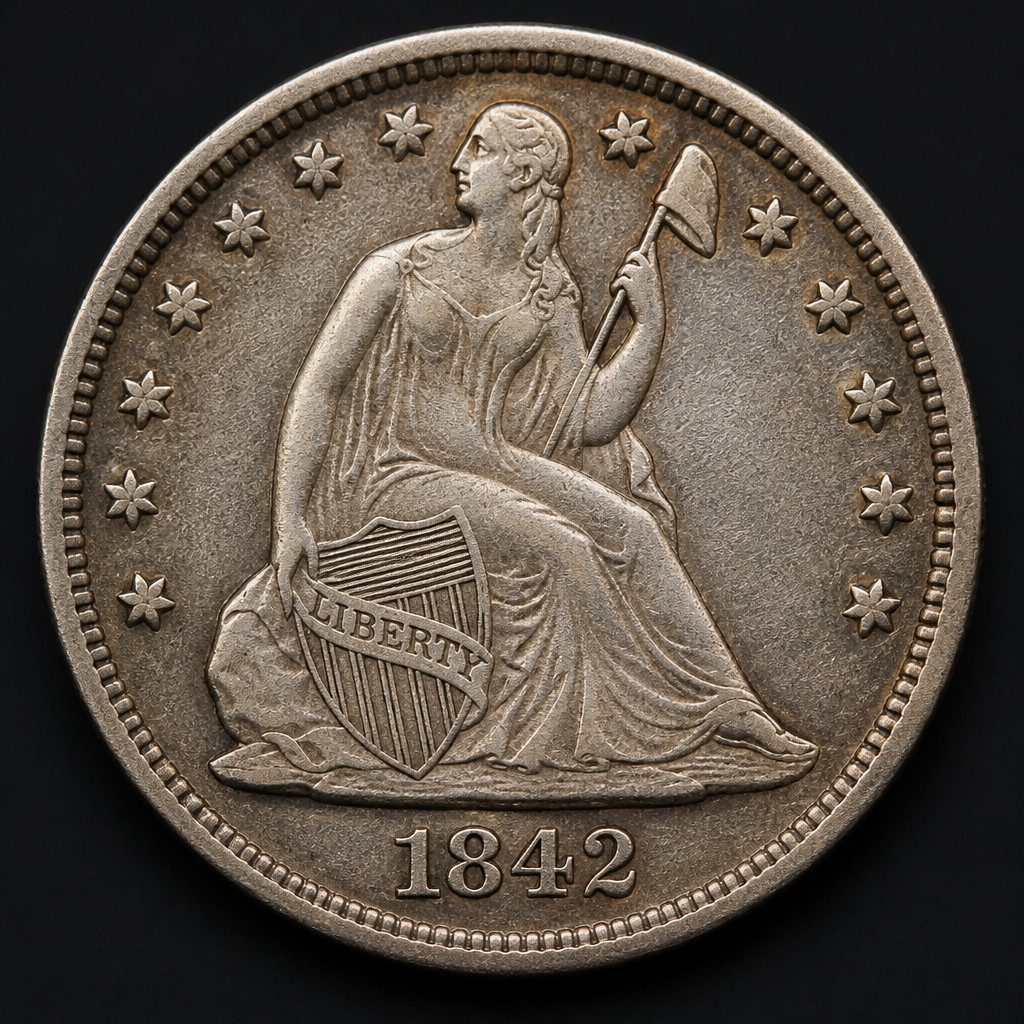
1842-O Small Date Seated Liberty Quarter
A famous condition and date rarity of the Seated Liberty series, struck at New Orleans from leftover small-date dies originally prepared for Philadelphia proof coinage.
- Country
- United States
- Denomination
- Quarter Dollar
- Metal
- 90% Silver, 10% Copper
Got a coin like this?
Identify any coin from a photo, free.
Overview
The 1842-O Small Date quarter is one of the great rarities of the No Motto Seated Liberty quarter series. Unlike its far more common counterpart, the 1842-O Large Date, the Small Date variety was struck only in extremely limited numbers, making it a prized target for advanced date collectors.
Its rarity stems from an unusual production quirk: a set of small-date dies, originally cut for proof-style coinage at Philadelphia, was sent to the New Orleans branch mint and used only briefly before being replaced by New Orleans's own large-date dies. As a result, very few Small Date 1842-O quarters were struck, and fewer still survive today, often in well-worn condition.
History & Background
In 1842 the Philadelphia Mint changed the date-punch style used on quarter dollar dies partway through the year, moving from a smaller, more crowded date to a larger, more widely spaced one. A small number of unused Small Date dies, apparently originally intended for special or proof-style Philadelphia coinage, were instead shipped to the New Orleans branch mint.
New Orleans used these Small Date dies for only a brief production run before switching to Large Date dies produced locally or shipped separately, resulting in a very limited output under the Small Date style.
Because 1842-O Large Date quarters are relatively plentiful, the scarcity of the Small Date variety went largely unnoticed until later numismatic research distinguished the two and identified the Small Date as a significant rarity within the series.
How to Identify
The general Seated Liberty design applies: Liberty seated on a rock, with drapery at her elbow (added since 1840), holding a shield and pole with liberty cap, on the obverse; an eagle with shield, olive branch, and arrows on the reverse, with QUARTER DOL. below and the O mintmark beneath the eagle.
The distinguishing feature between the two 1842-O varieties lies in the date: the Small Date shows noticeably smaller, more tightly spaced digits, while the Large Date shows larger, more widely spaced numerals. Careful comparison of the date size and spacing, ideally against reference images, is necessary to correctly attribute a given coin.
Because most surviving 1842-O quarters are the common Large Date, any coin claimed as a Small Date should be verified carefully, and certification by a major grading service is recommended given the substantial price difference between the two varieties.
Value & Collectibility
The 1842-O Small Date is considerably rarer than its Large Date counterpart, and most known survivors are in well-circulated, lower grades due to the coin's age and limited original production. Even in modest condition, authenticated examples command strong four-figure prices, and problem-free or higher-grade pieces can reach well into five figures.
Mint-state examples are exceptionally rare and, on the infrequent occasions they appear at auction, can command very high prices reflecting their status as a key rarity of the series.
Frequently asked questions
What's the difference between 1842-O Small Date and Large Date?
The Small Date has noticeably smaller, more crowded digits than the more common Large Date, reflecting a change in the date punch used at the Mint that year.
Why is the Small Date so much rarer?
The Small Date dies were originally intended for Philadelphia and were used only briefly at New Orleans before being replaced, resulting in a very limited production run.
Are most 1842-O quarters valuable?
No, the 1842-O Large Date is relatively common; only the Small Date variety commands significant rarity value.
How can I tell which variety I have?
Compare the size and spacing of the date digits closely against reference images, or have the coin attributed by a knowledgeable dealer or grading service.
Other coins you may enjoy
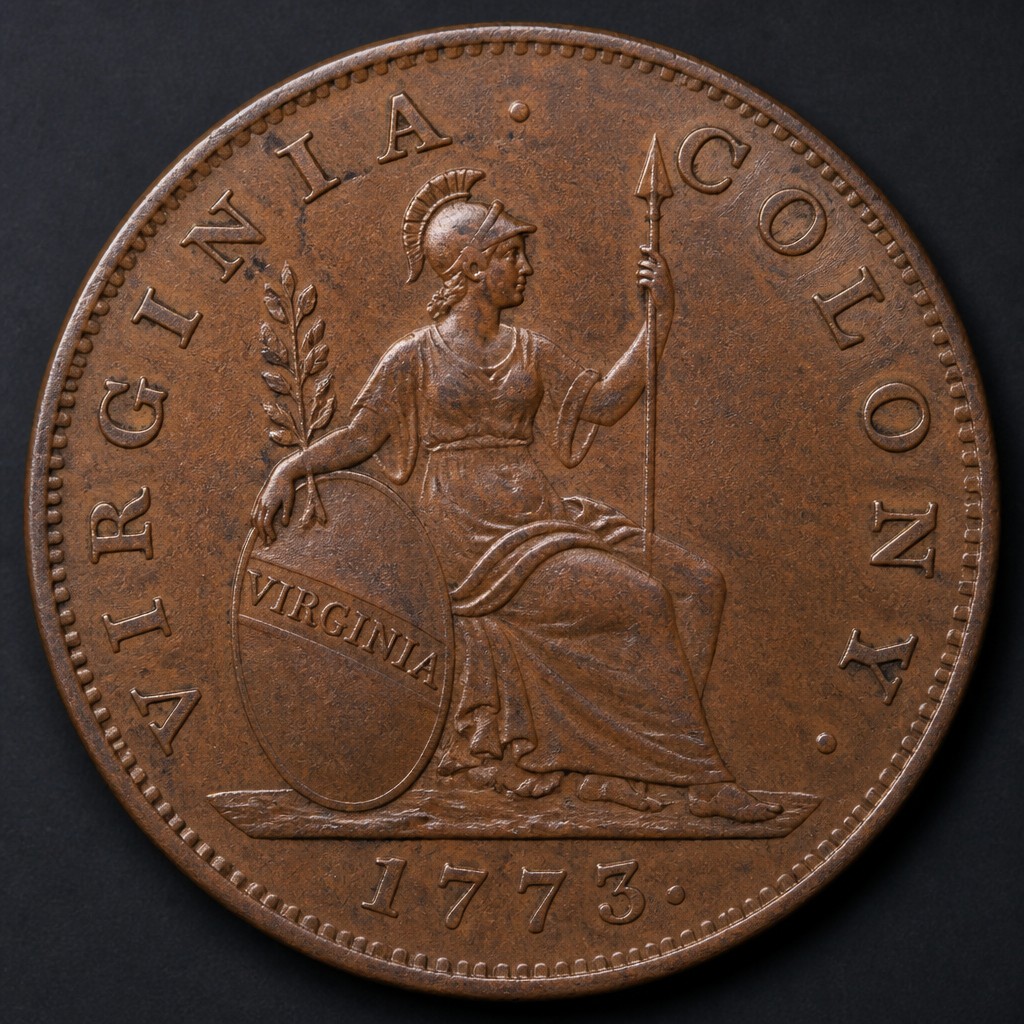
Virginia Halfpenny
1773
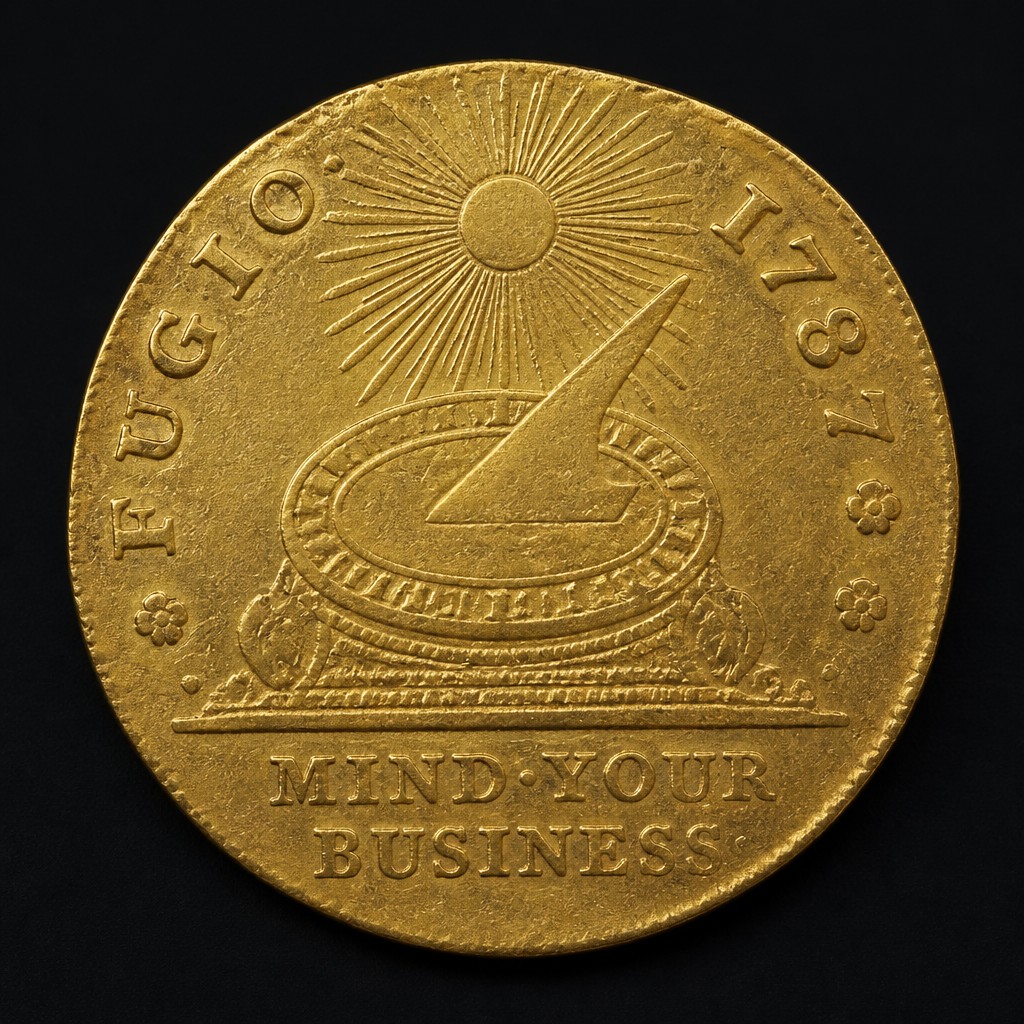
Brasher Doubloon
1787
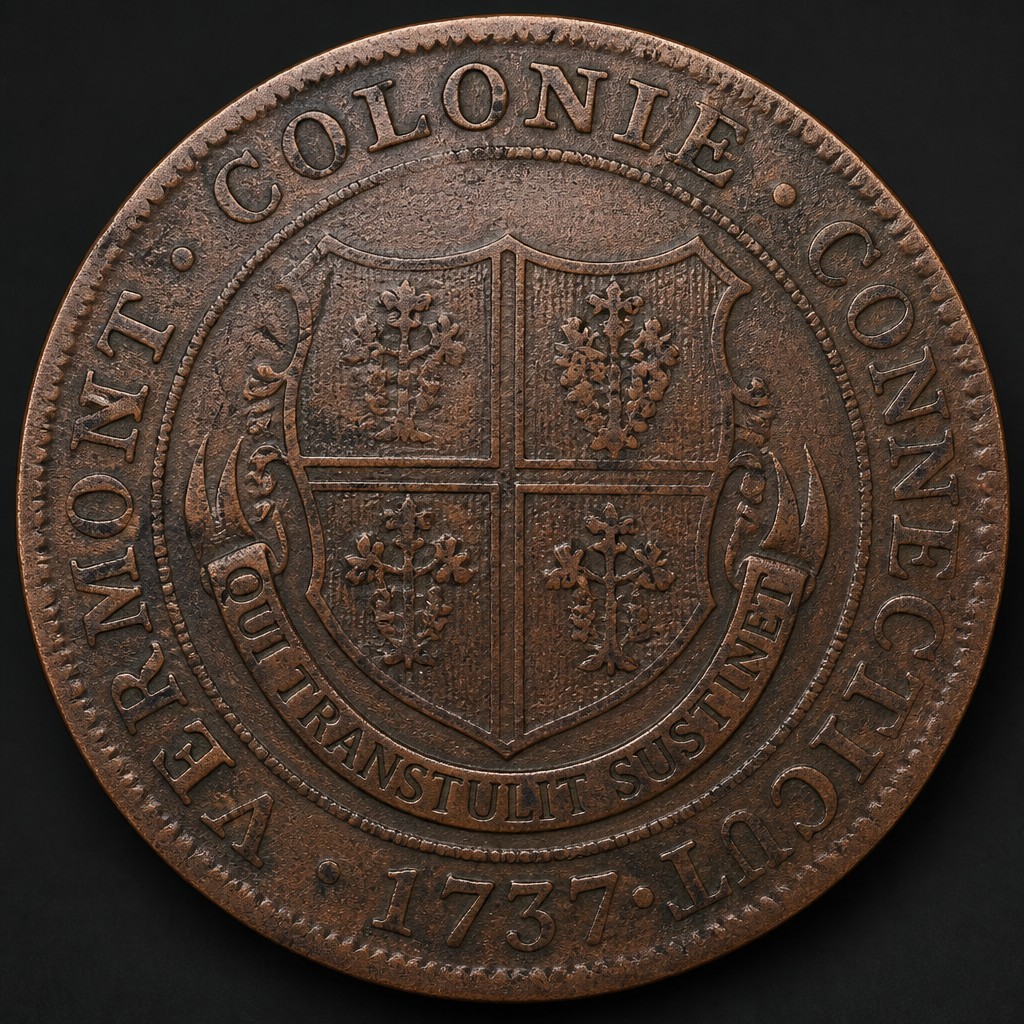
Higley Copper
1737–1739
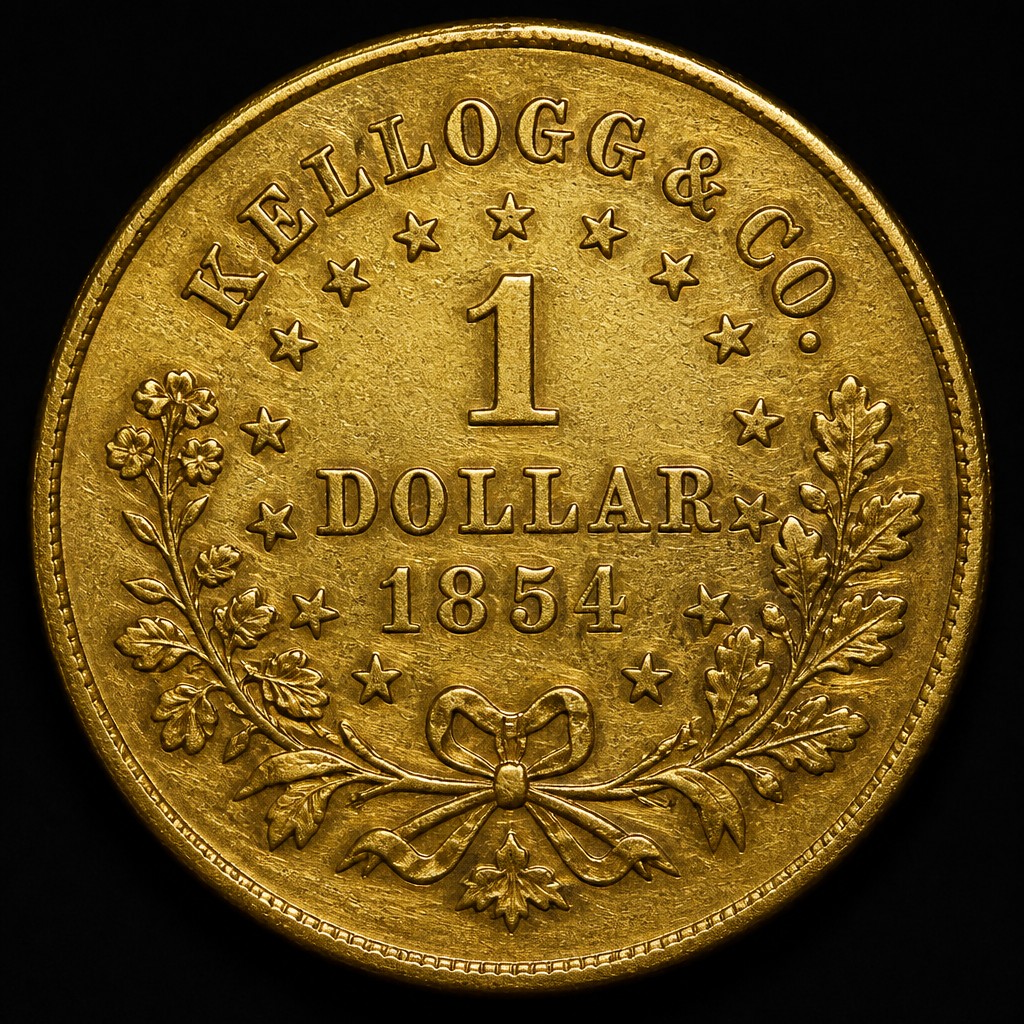
Kellogg & Co. Gold Piece
1854–1855
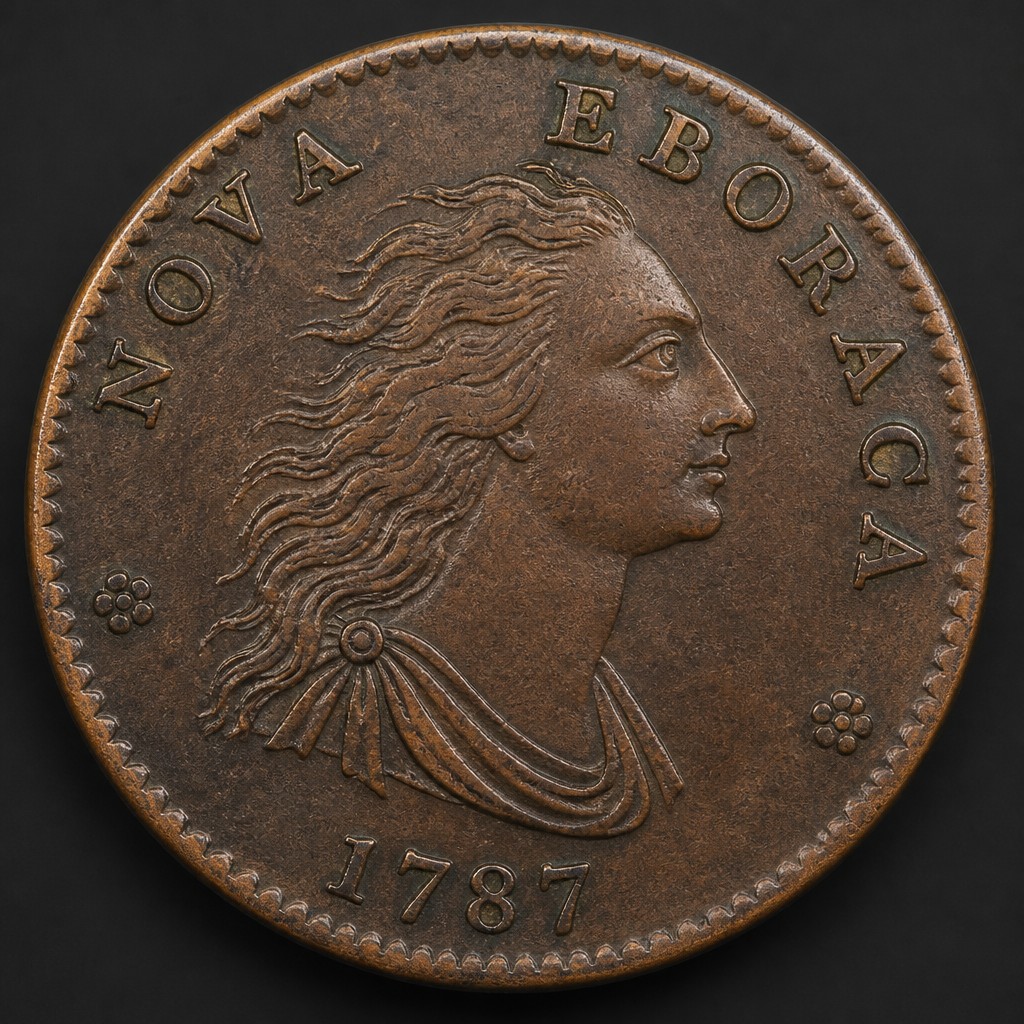
Nova Eborac Copper
1787
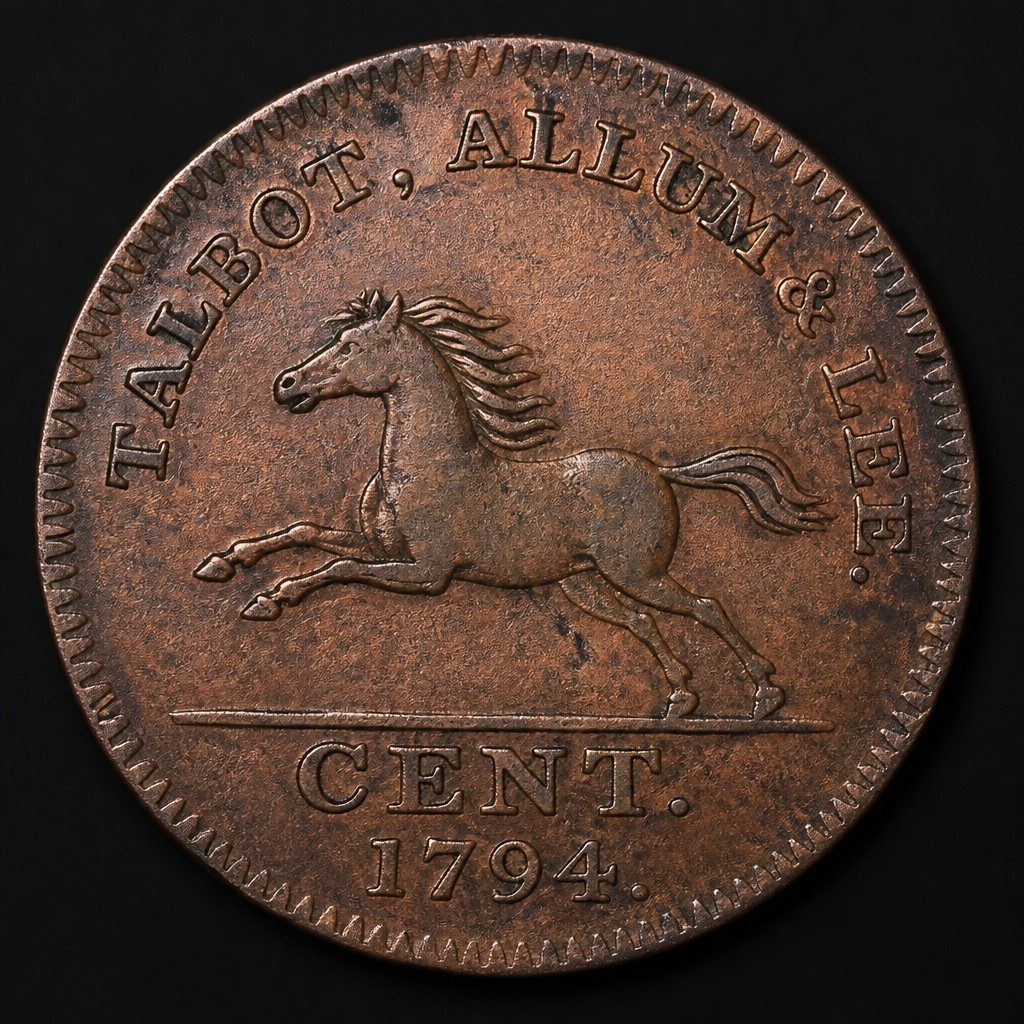
Talbot, Allum & Lee Cent
1794–1795
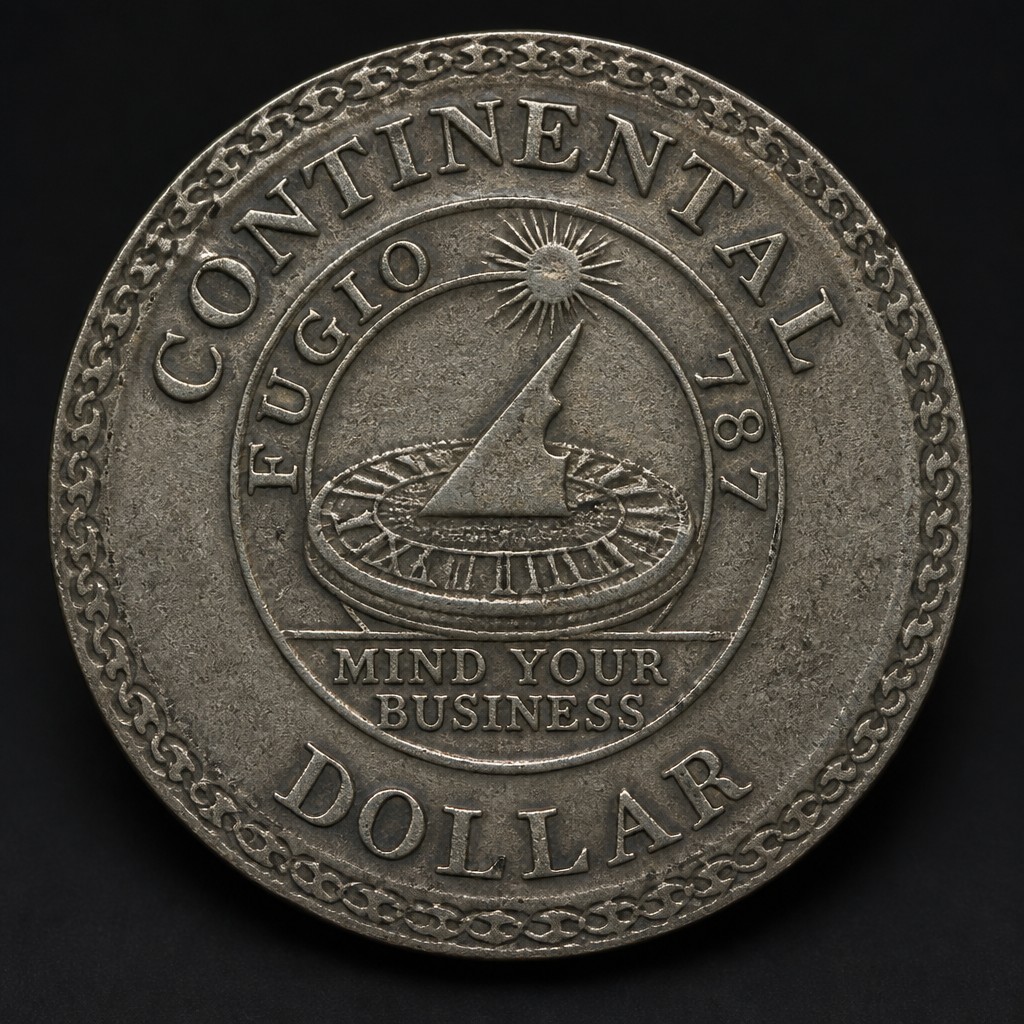
Continental Dollar
1776
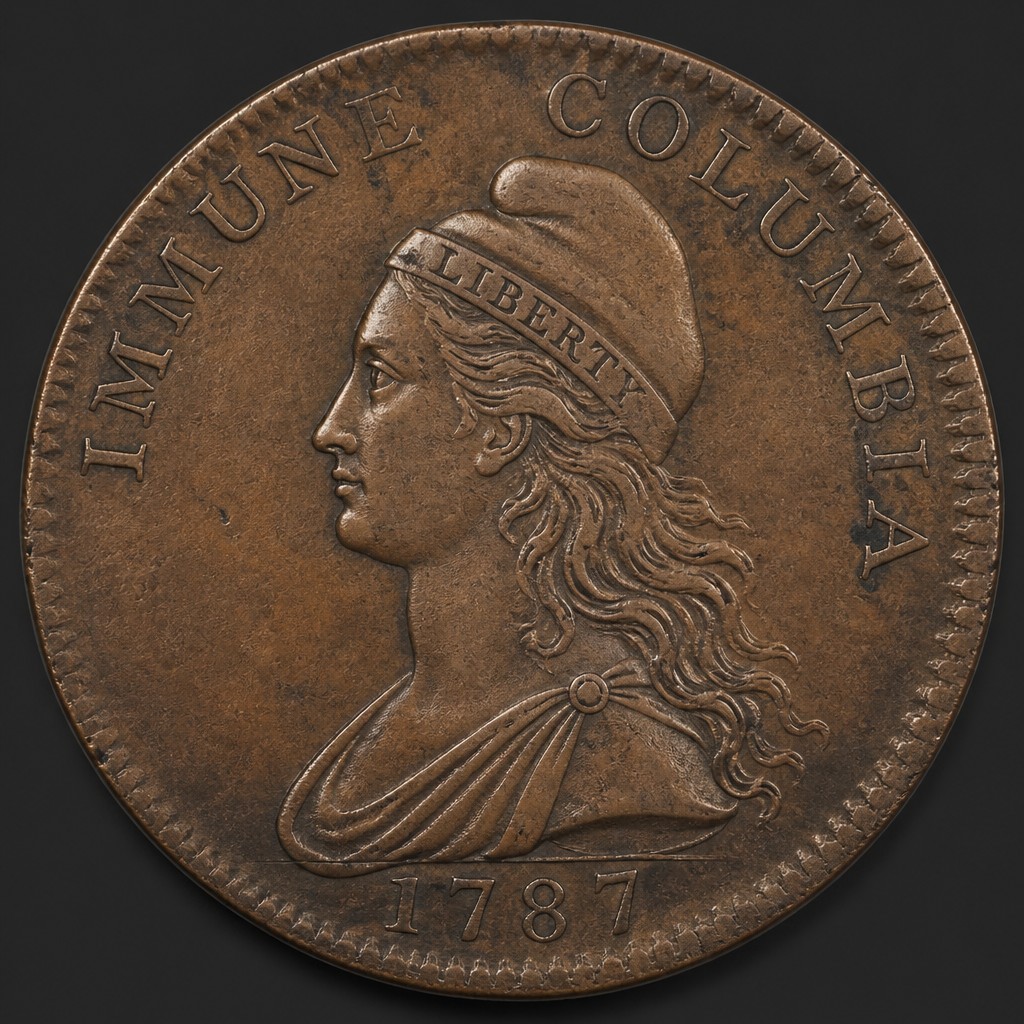
Immune Columbia Copper
circa 1785–1787
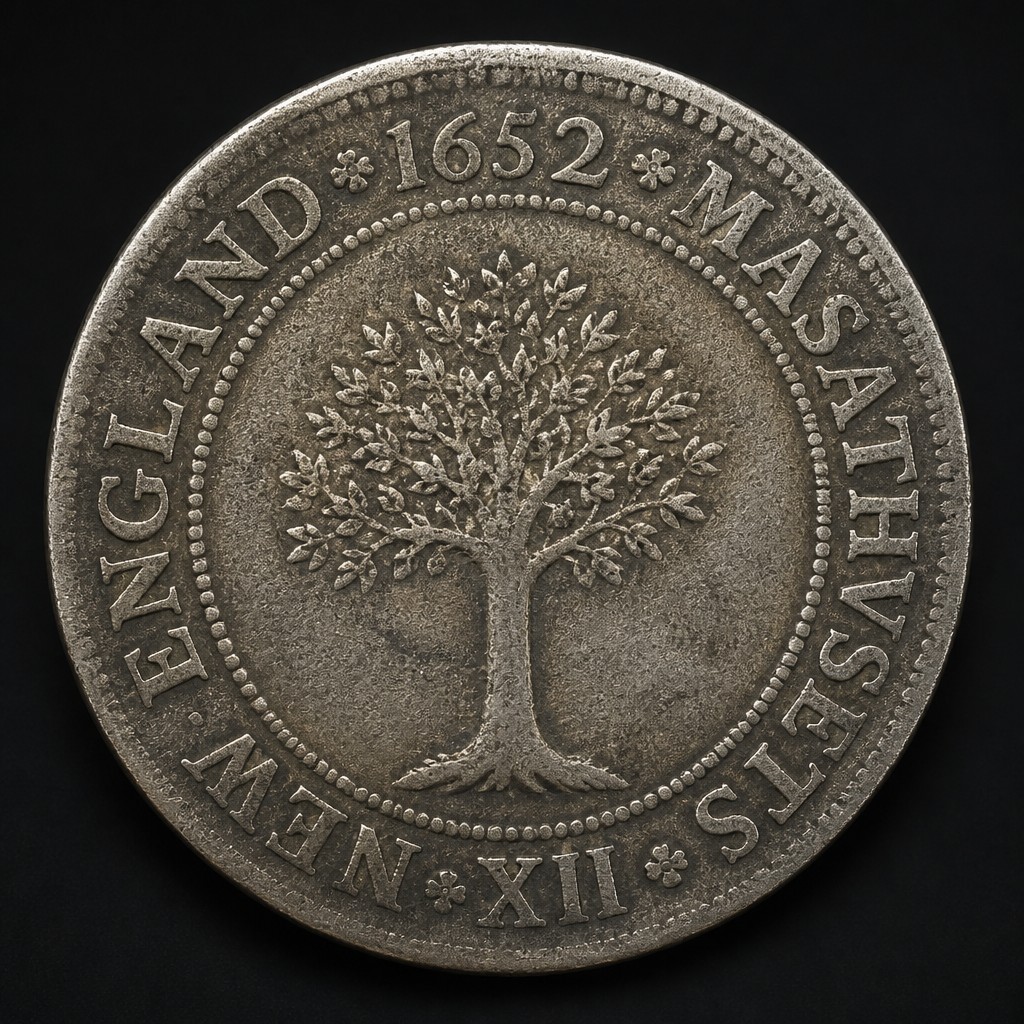
Massachusetts Oak Tree Shilling
Dated 1652, struck circa 1660–1667
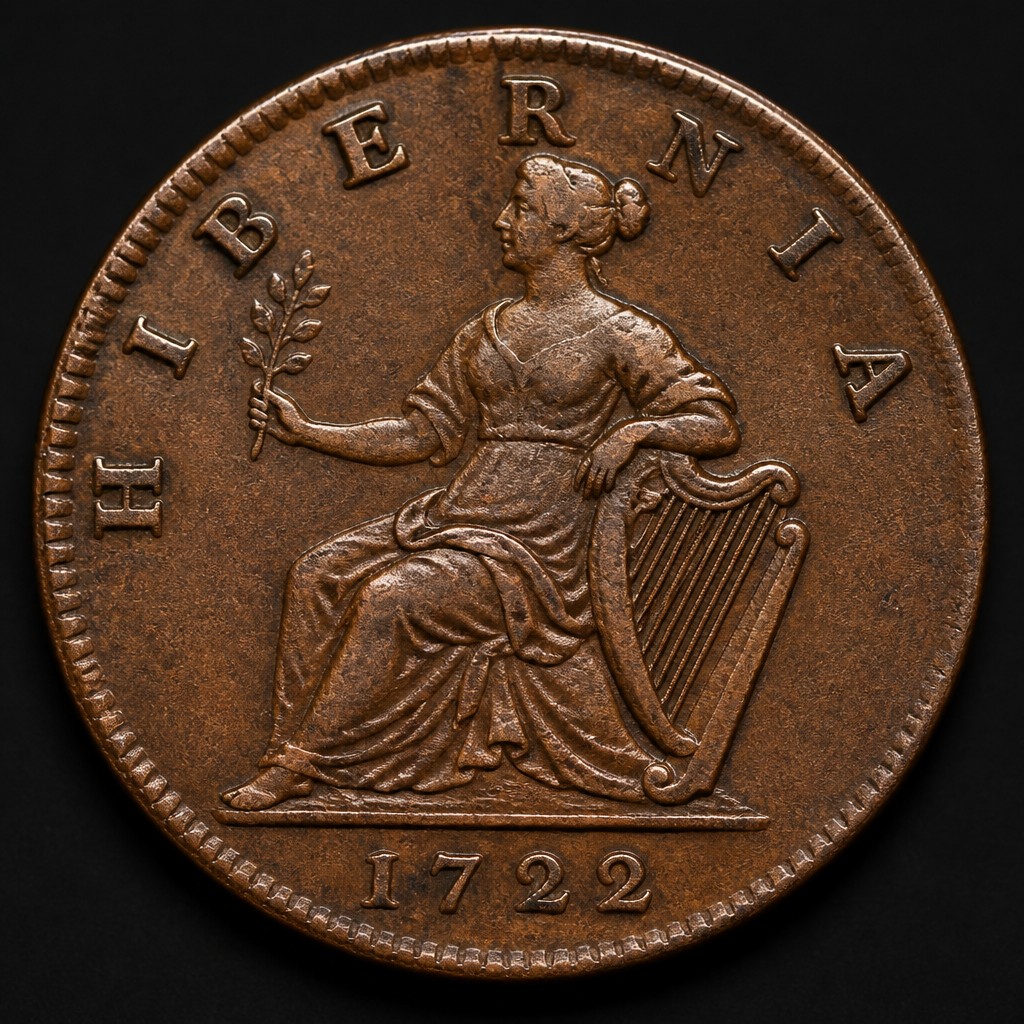
Wood's Hibernia Halfpenny
1722–1724
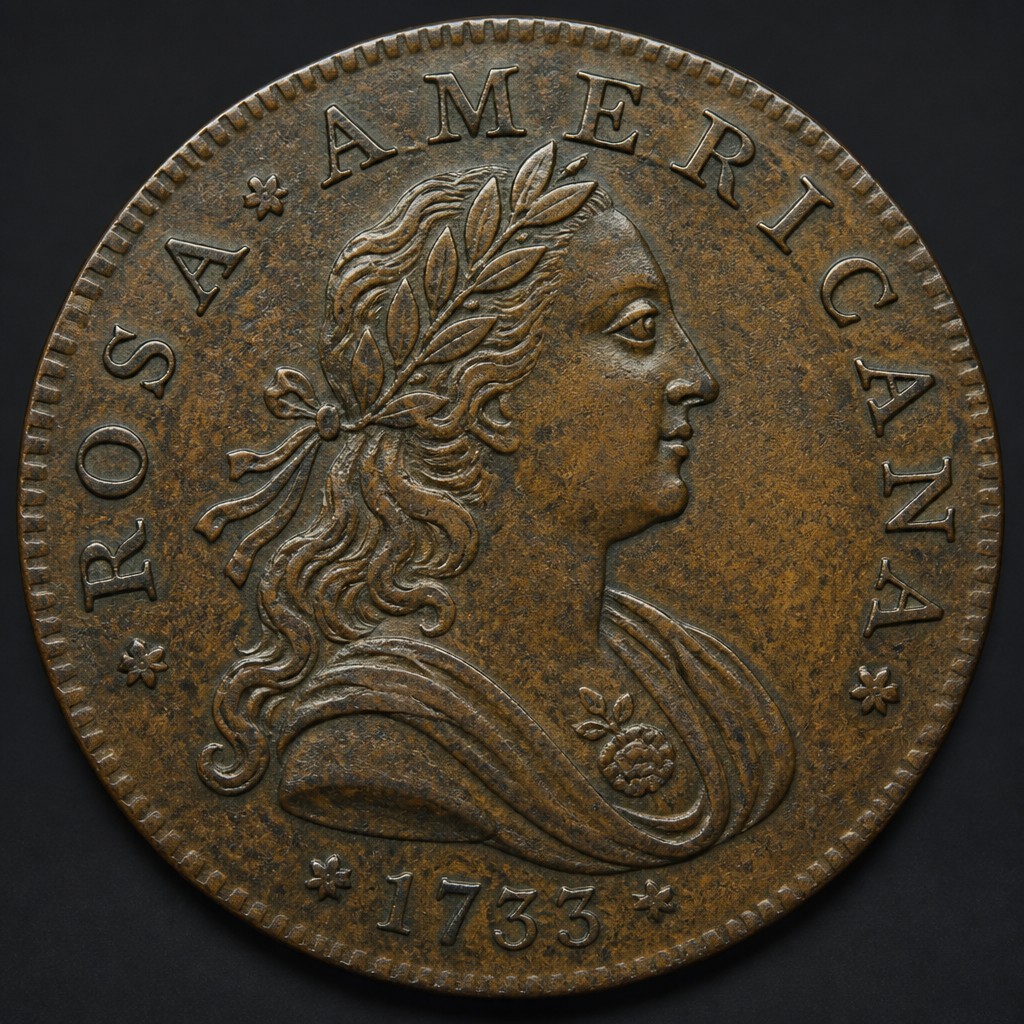
Rosa Americana Coinage
1722–1724 (with pattern issues dated 1733)
Massachusetts Willow Tree Shilling
Dated 1652, struck circa 1653–1660