
Coin Encyclopedia
Search and identify coins from around the world — with country, denomination, metal, mint, history, and how to tell them apart.
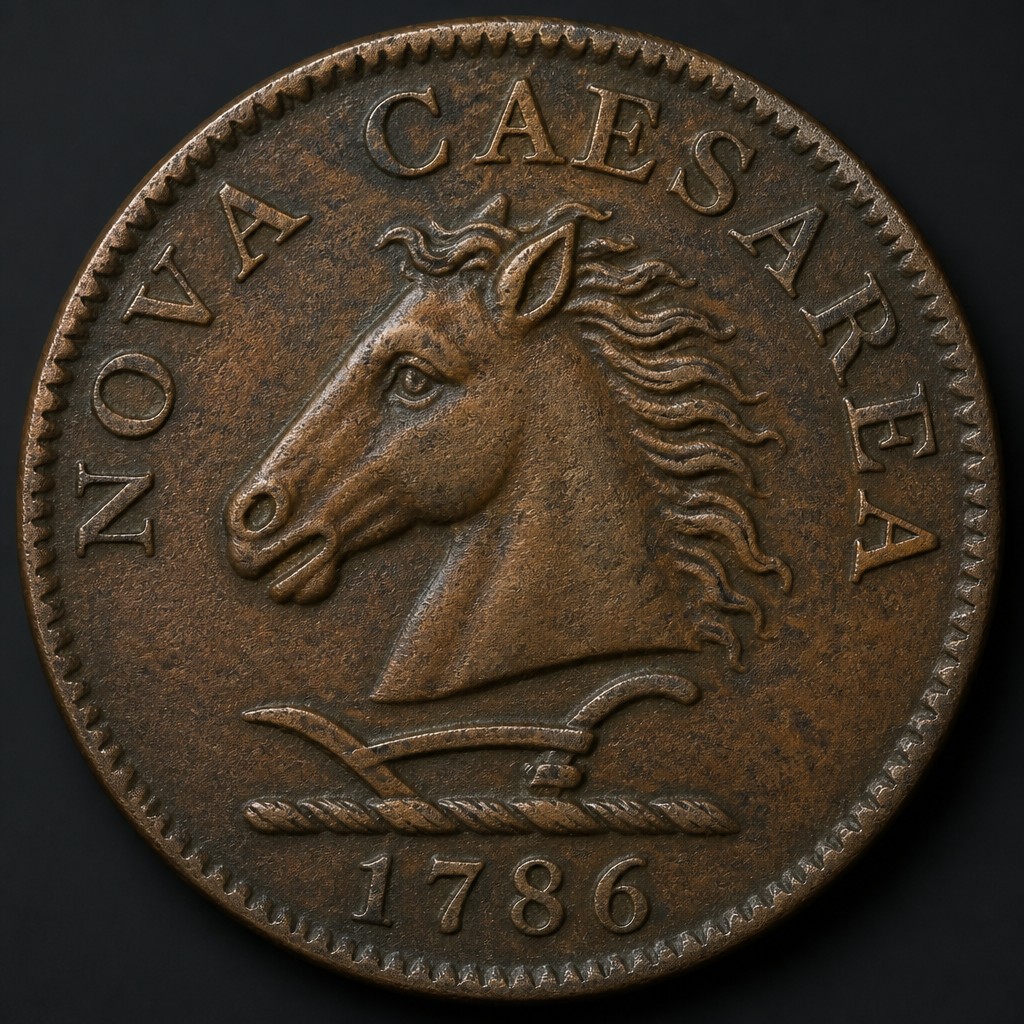
New Jersey Copper
State-authorized copper coinage struck for New Jersey in the late 1780s, famous for its horse-head-and-plow obverse and shield reverse design.
United States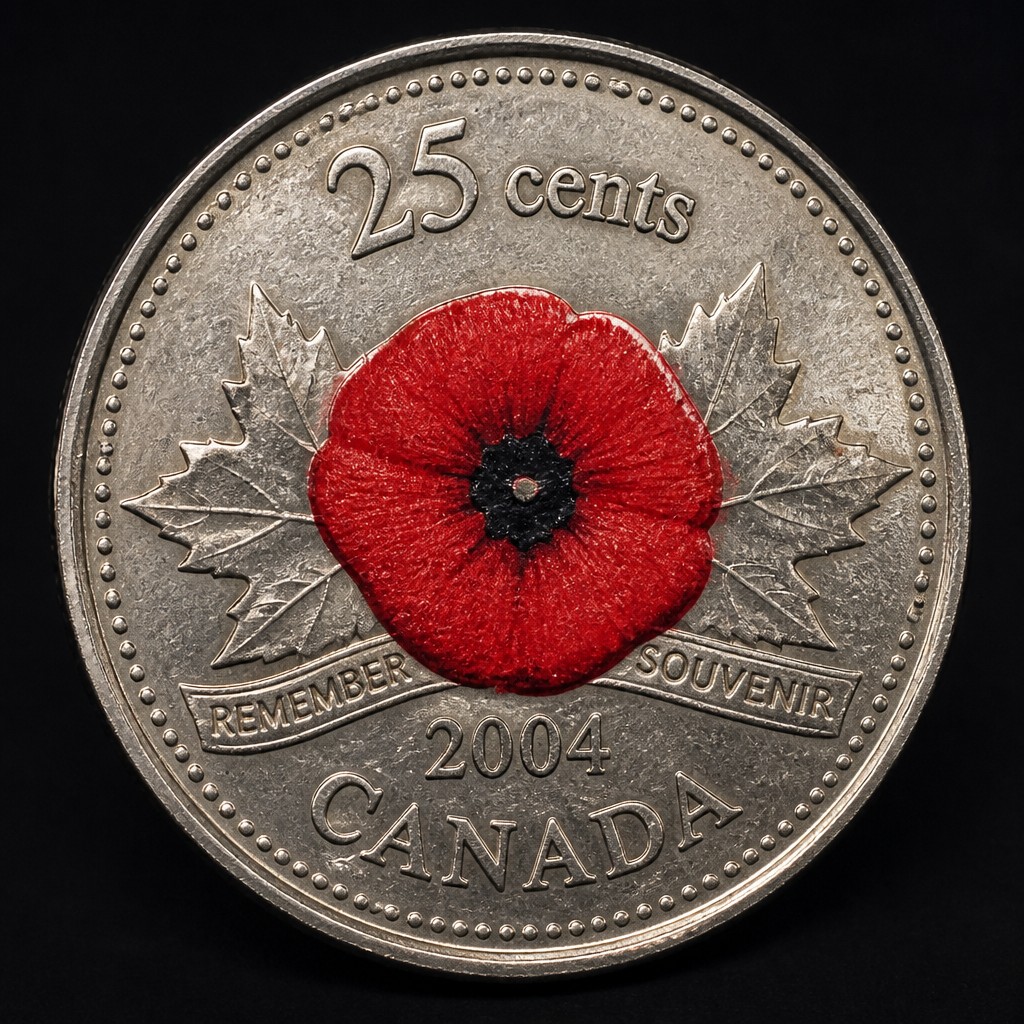
Royal Canadian Mint Colored Poppy Quarter (2004)
Canada's 2004 poppy quarter is widely credited as the world's first coin with a colored design produced for general circulation, honoring Canadian war remembrance with a red poppy at its center.
Commemorative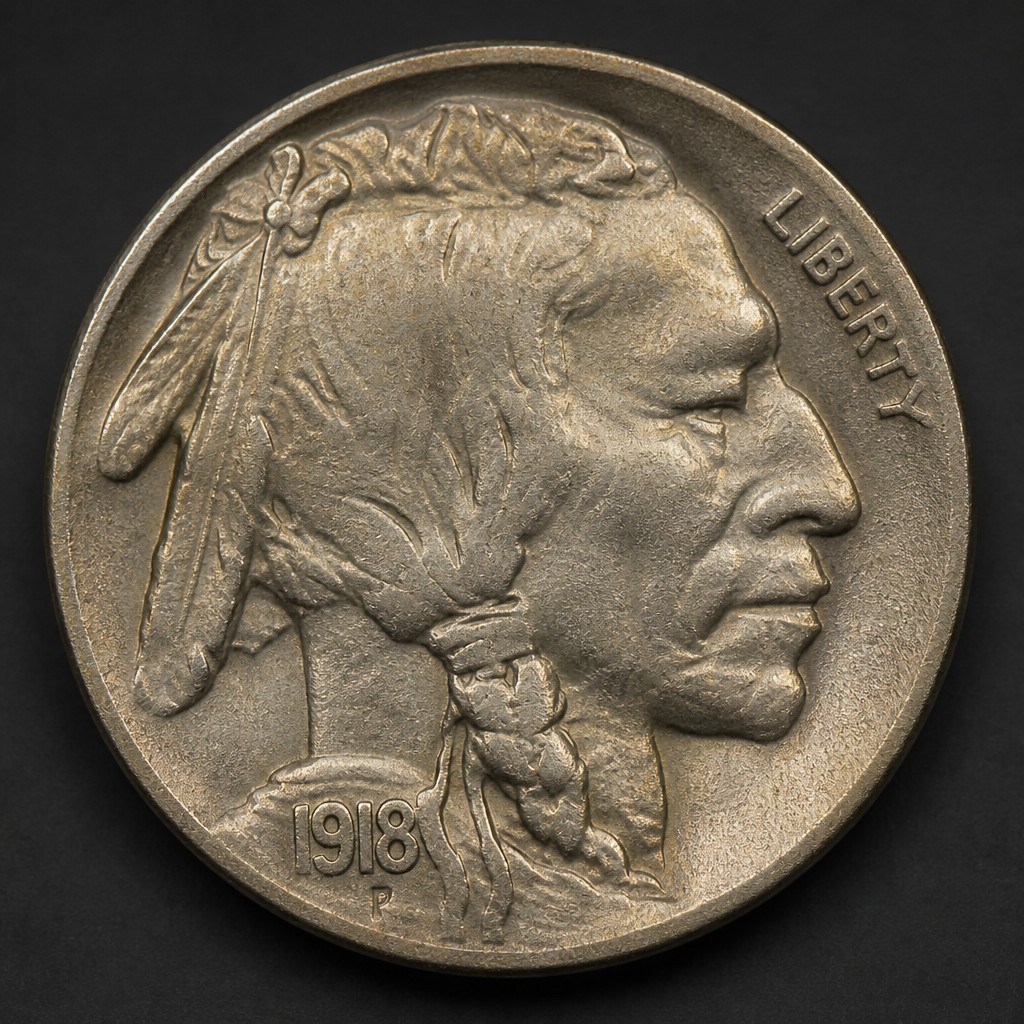
1918/7-D Buffalo Nickel Overdate
A famous overdate error on the Buffalo Nickel where a leftover 1917 working die was hand-repunched with an 1918 date, leaving traces of the underlying 7 visible beneath the 8.
Errors & Varieties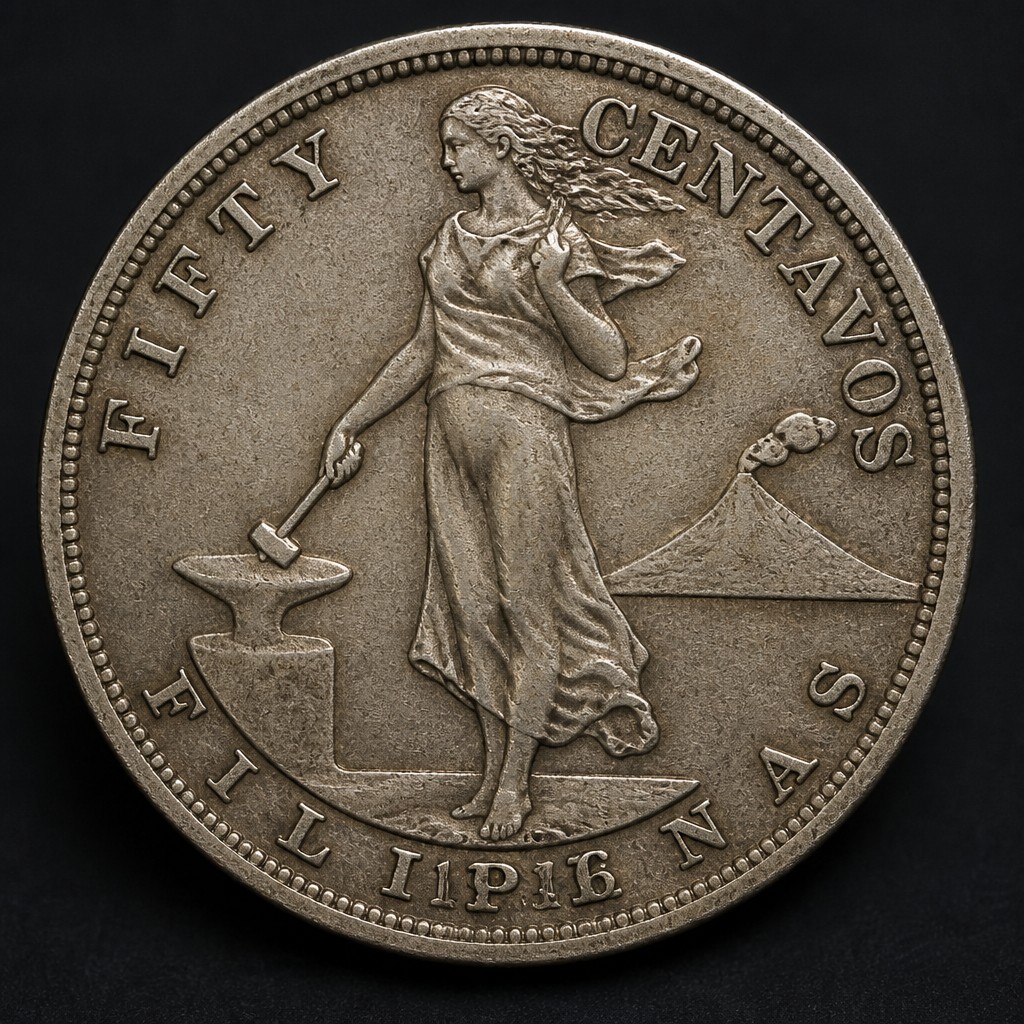
Philippine 50 Centavos (Commonwealth, 1936)
A special 1936 silver 50-centavo coin marking the establishment of the Commonwealth of the Philippines, issued in two paired-portrait varieties honoring Quezon alongside Murphy or Roosevelt.
Asian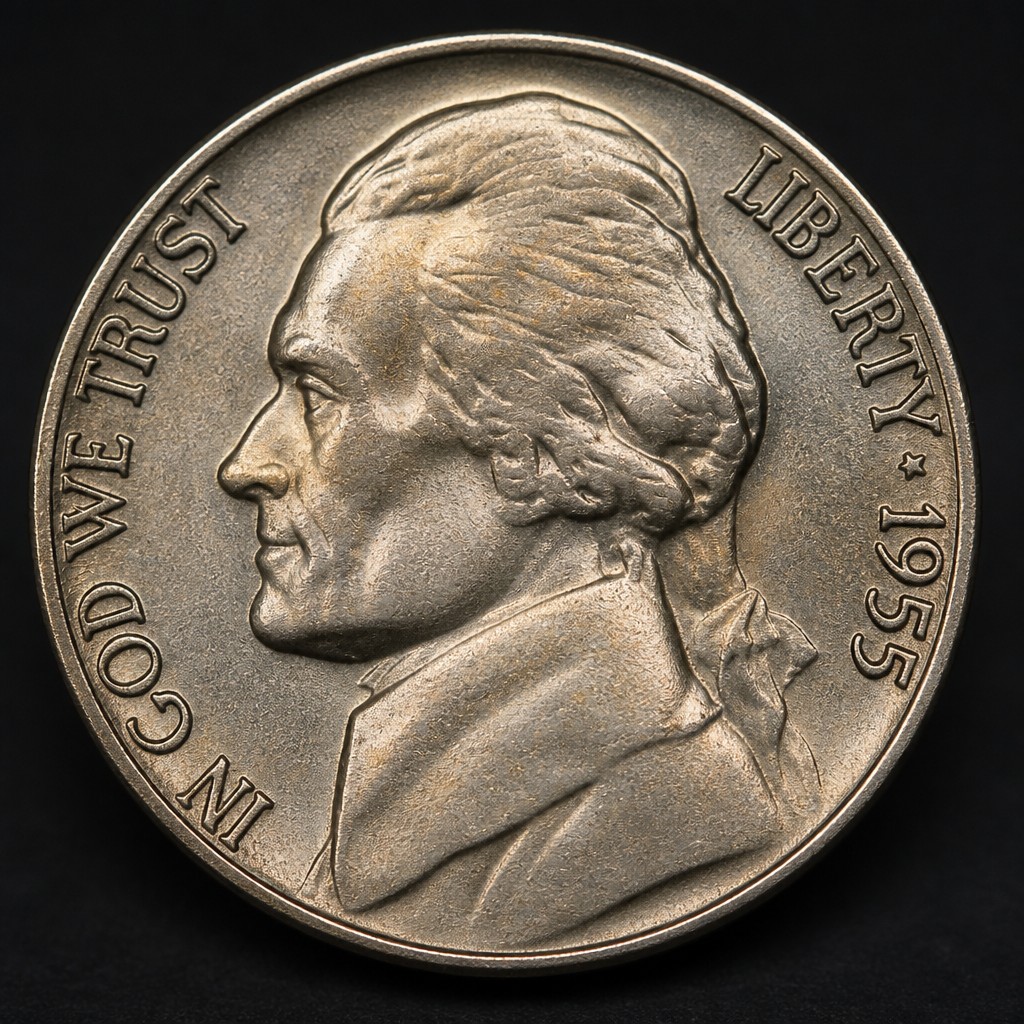
1955 Jefferson Nickel Poor Man's Doubled Die
A minor doubled-die variety on the 1955 Jefferson Nickel's date, nicknamed the 'Poor Man's Doubled Die' as a more affordable alternative to the famous 1955 doubled-die Lincoln Cent.
Errors & Varieties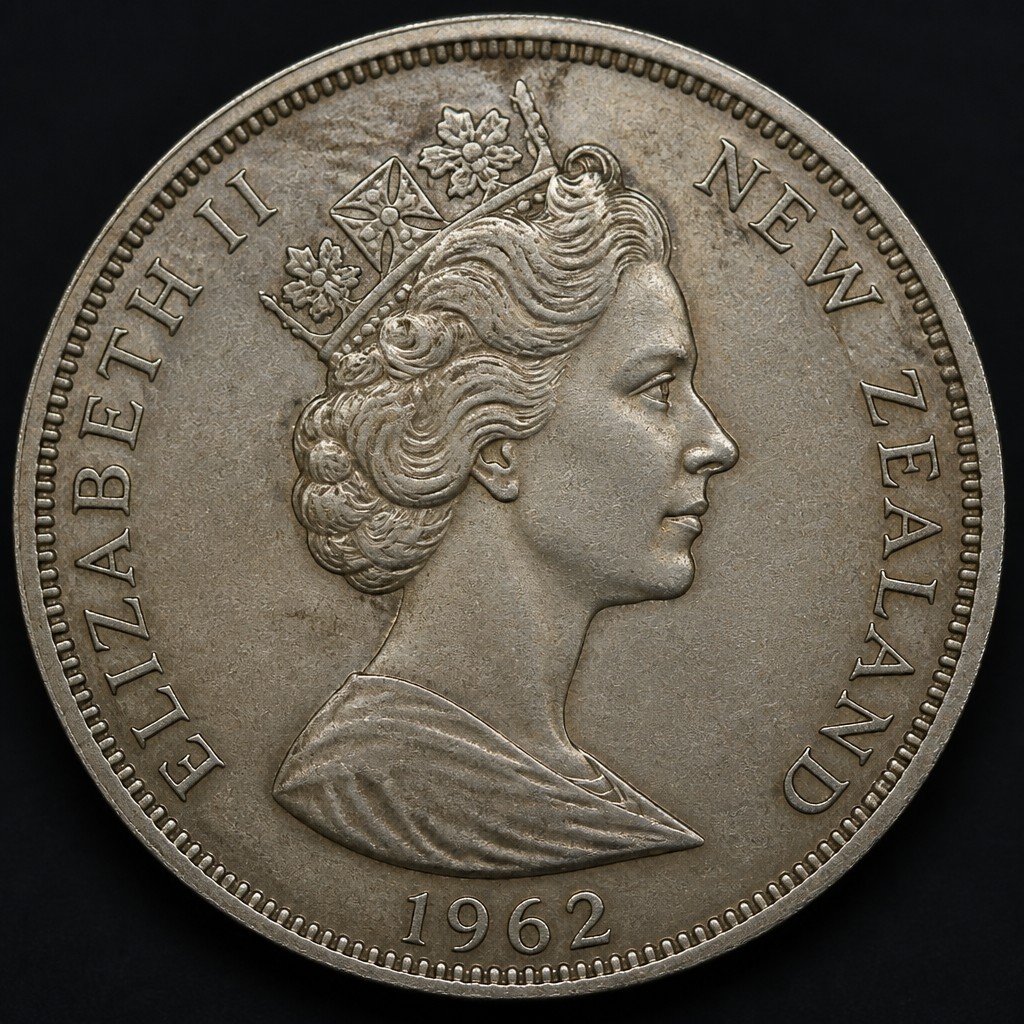
New Zealand Florin (pre-decimal)
New Zealand's pre-decimal florin, famous for its kiwi-bird reverse design, circulated from 1933 until decimalization replaced it with the 20-cent coin in 1967.
Africa & Oceania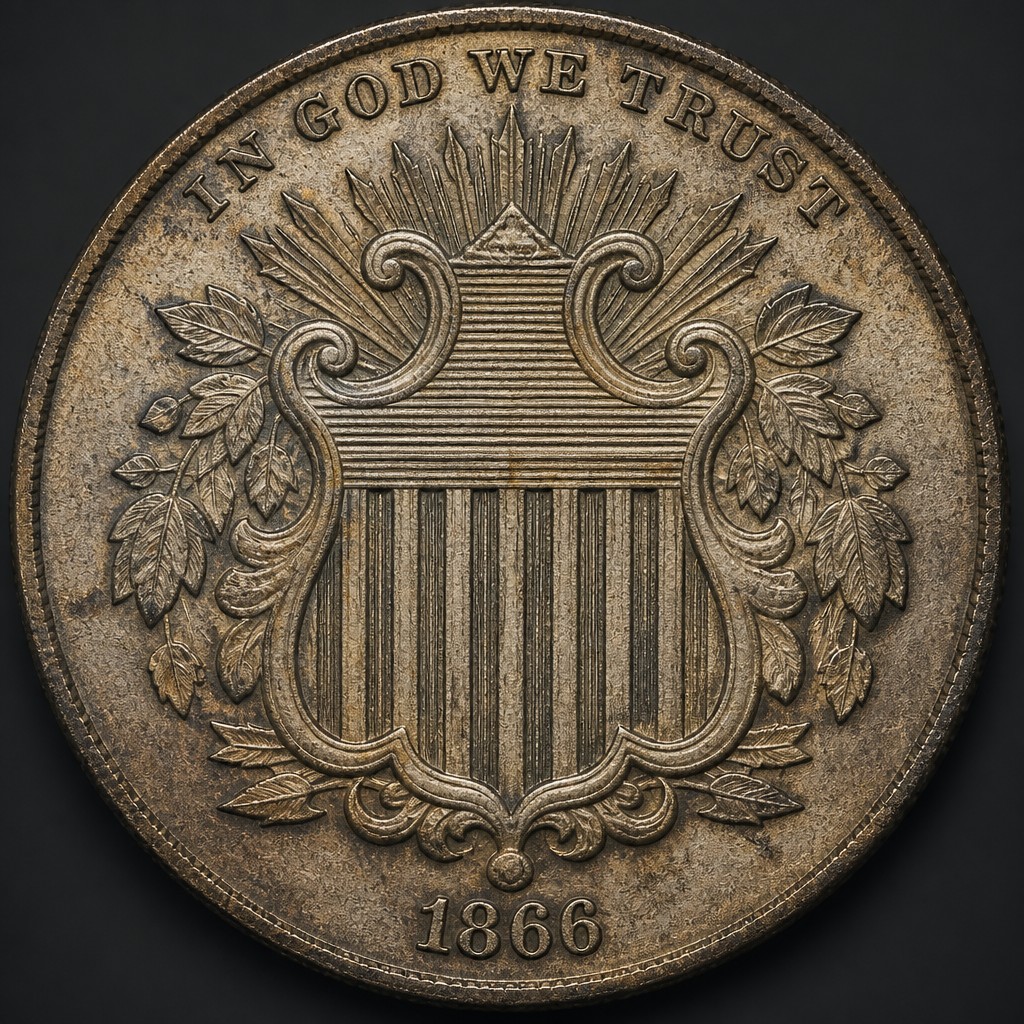
1866 Shield Nickel With Rays
The first-year Shield Nickel design featuring thirteen rays between the reverse stars, marking the debut of the United States' first copper-nickel five-cent coin.
United States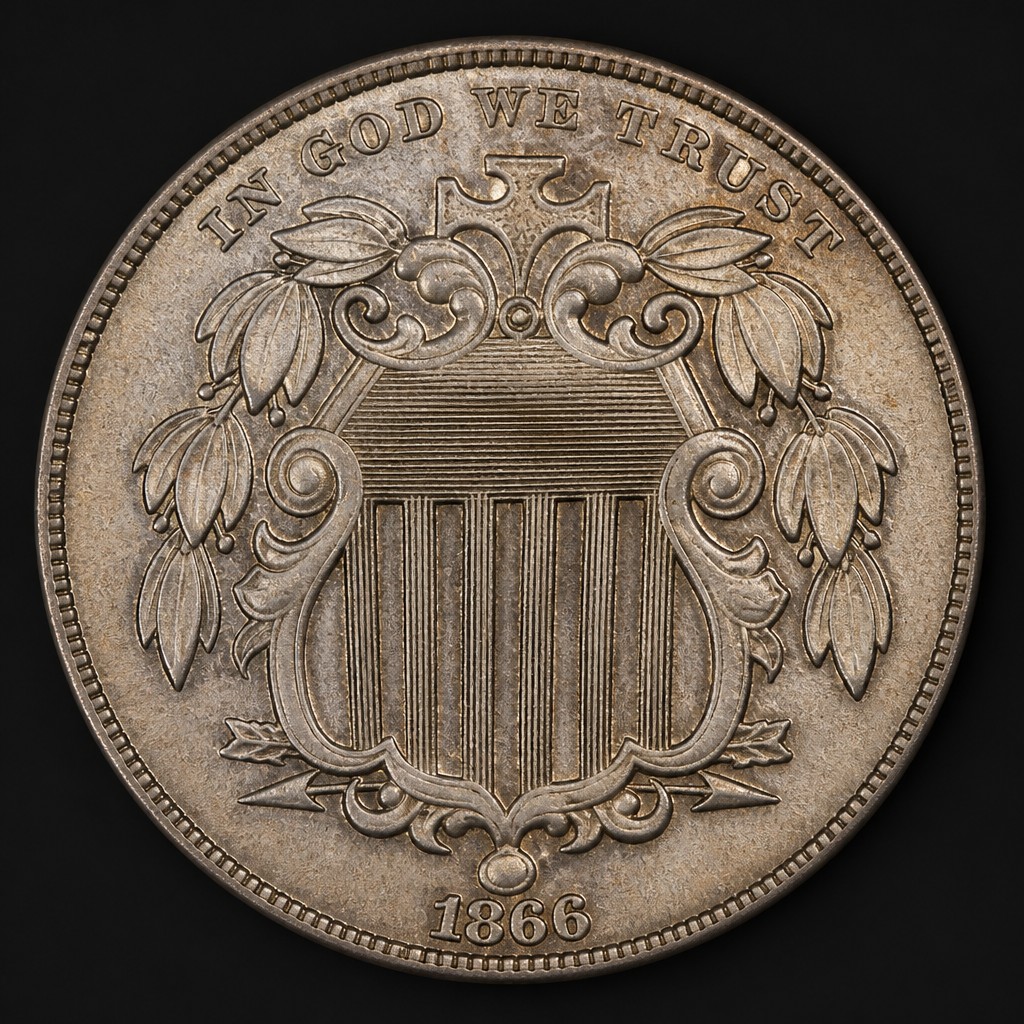
Shield Nickel
The first copper-nickel five-cent coin, the Shield Nickel features a national shield on the obverse and was issued from 1866 to 1883, including rare rays and proof-only dates.
United States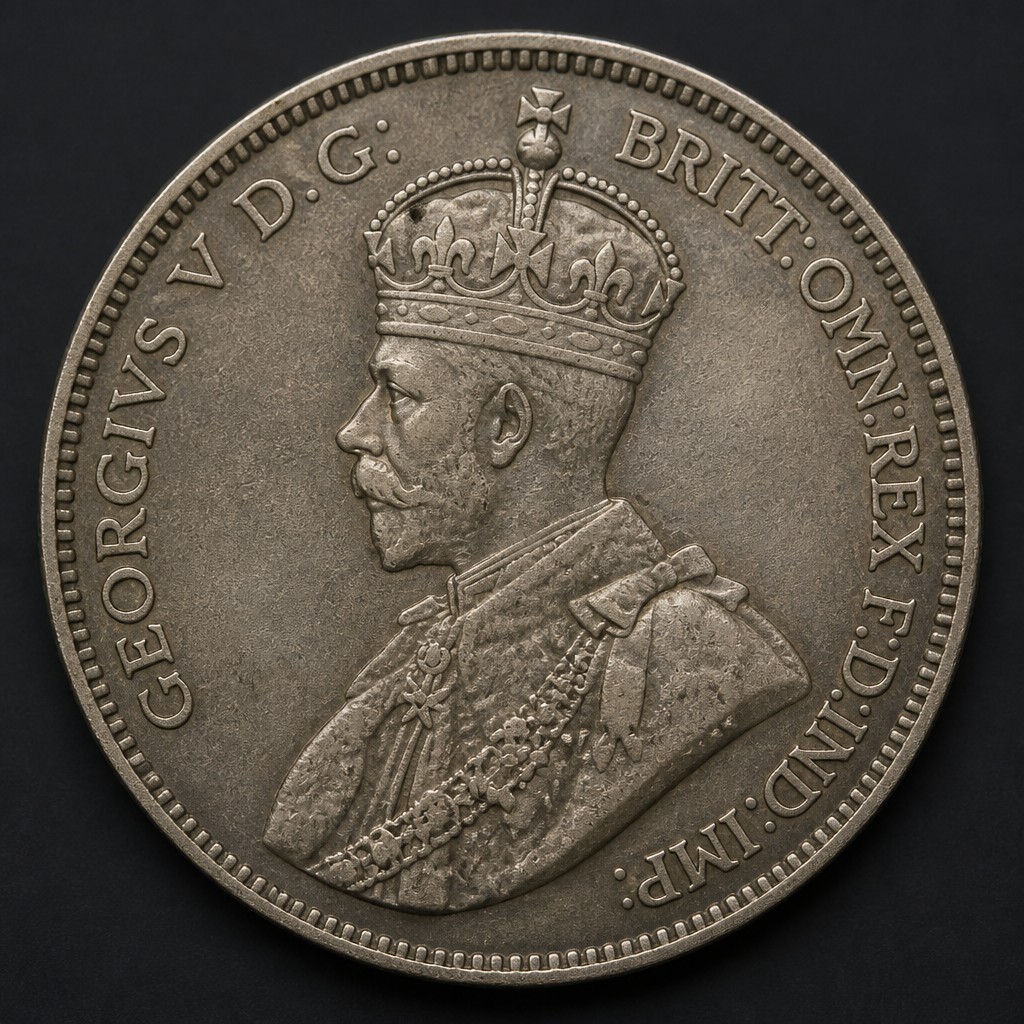
Australian Florin (pre-decimal)
Pre-decimal Australian silver florin worth two shillings, minted from 1910 until decimalization replaced it with the 20-cent coin in 1966.
Africa & Oceania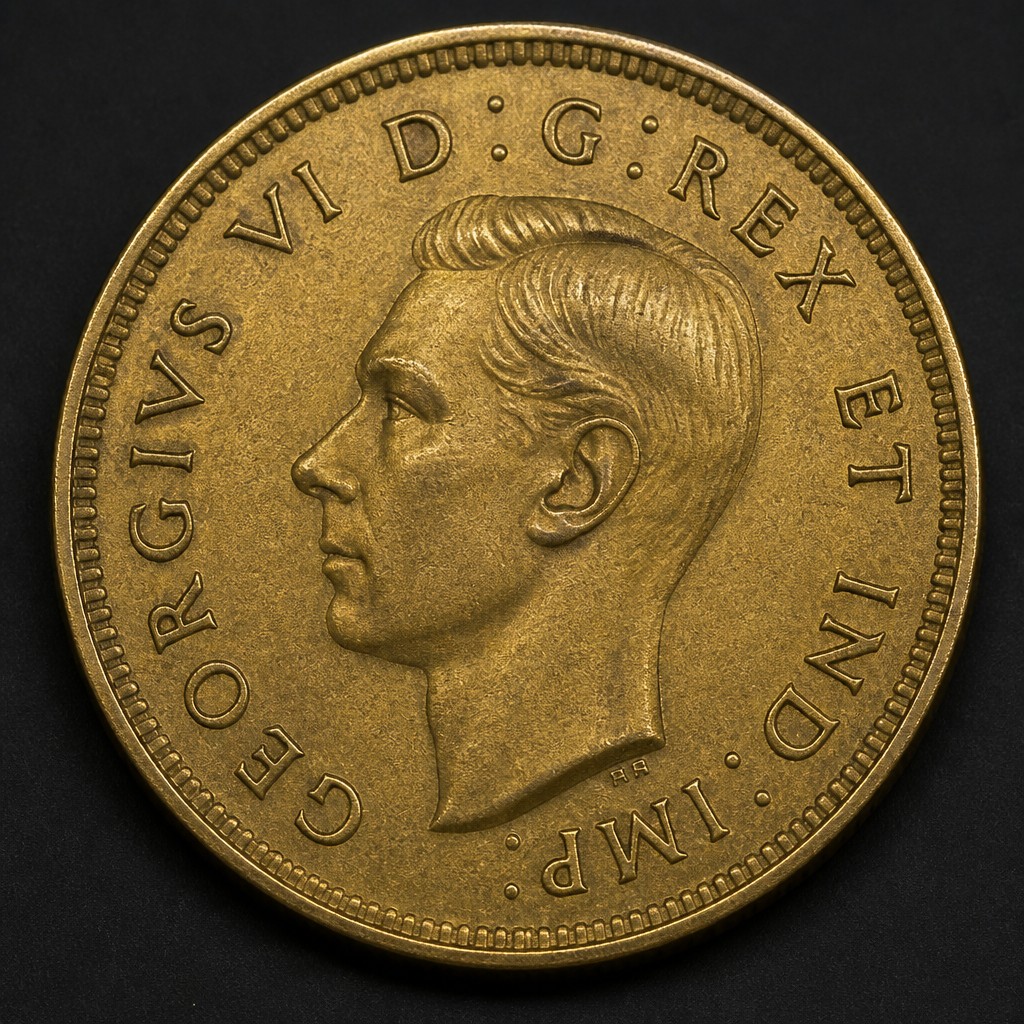
1943 'V' Victory Nickel (tombac)
A wartime Canadian five-cent coin struck in golden tombac with a bold V for Victory and a Morse code message around its edge, issued when nickel metal was diverted to the war effort.
Canadian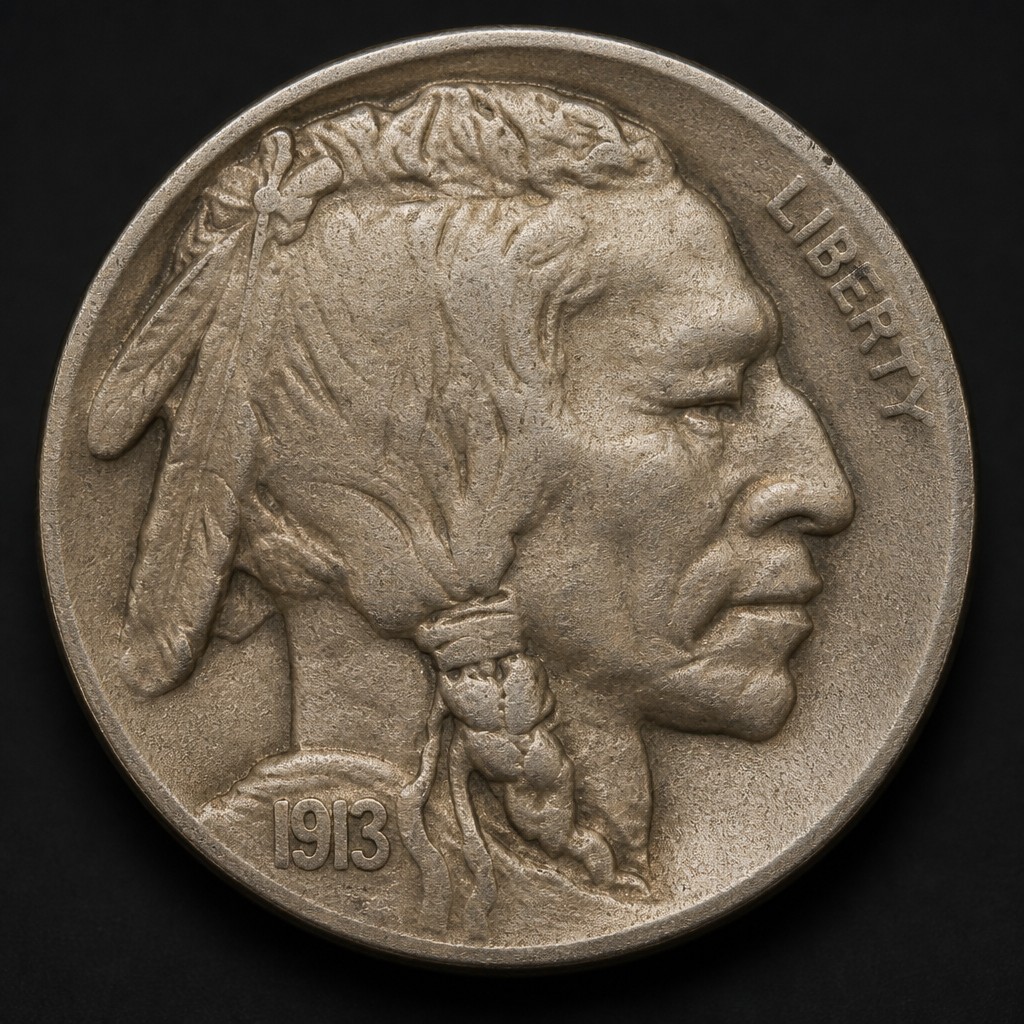
Buffalo Nickel
Beloved American five-cent coin featuring a Native American portrait and an American bison, designed by James Earle Fraser and celebrated for its distinctly American imagery.
United States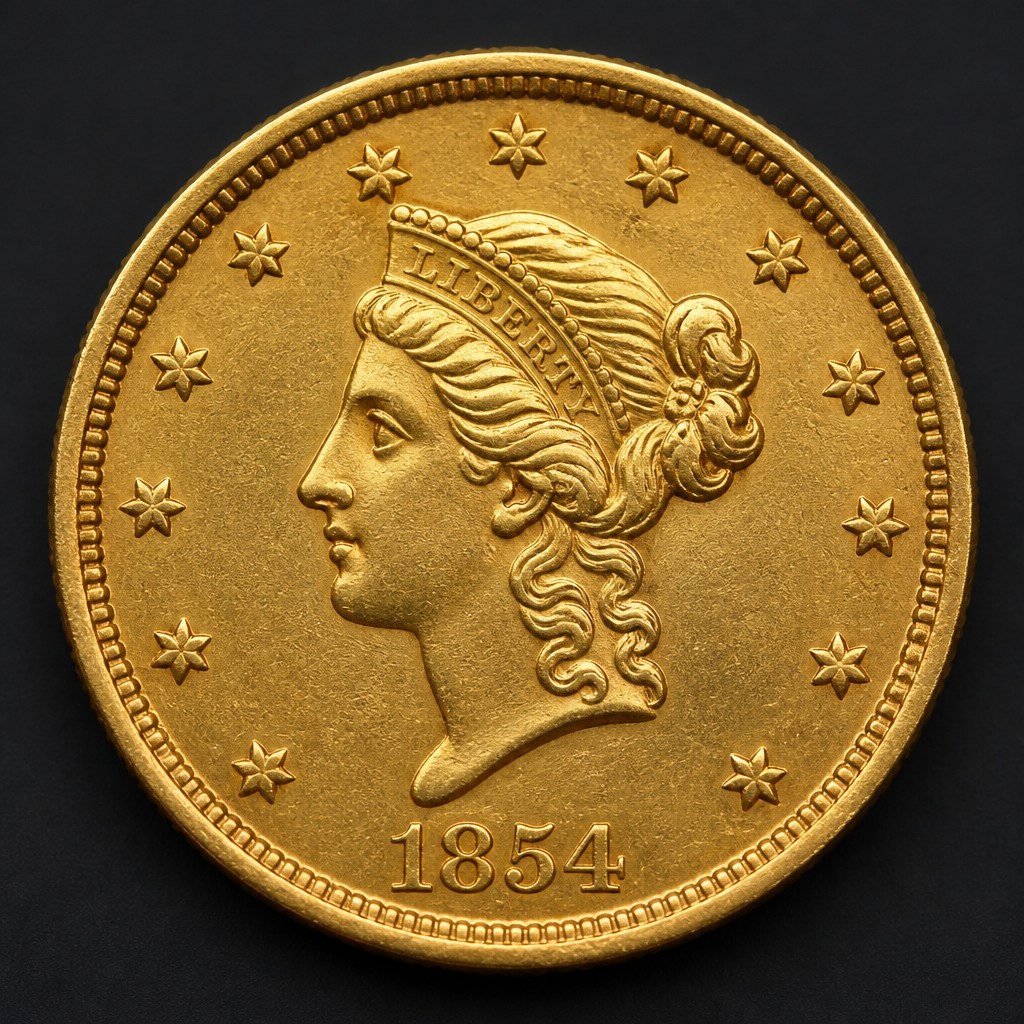
Three-Dollar Gold Piece
An unusual and short-lived gold denomination created partly to simplify buying sheets of three-cent postage stamps, now a favorite oddity among gold coin collectors.
United States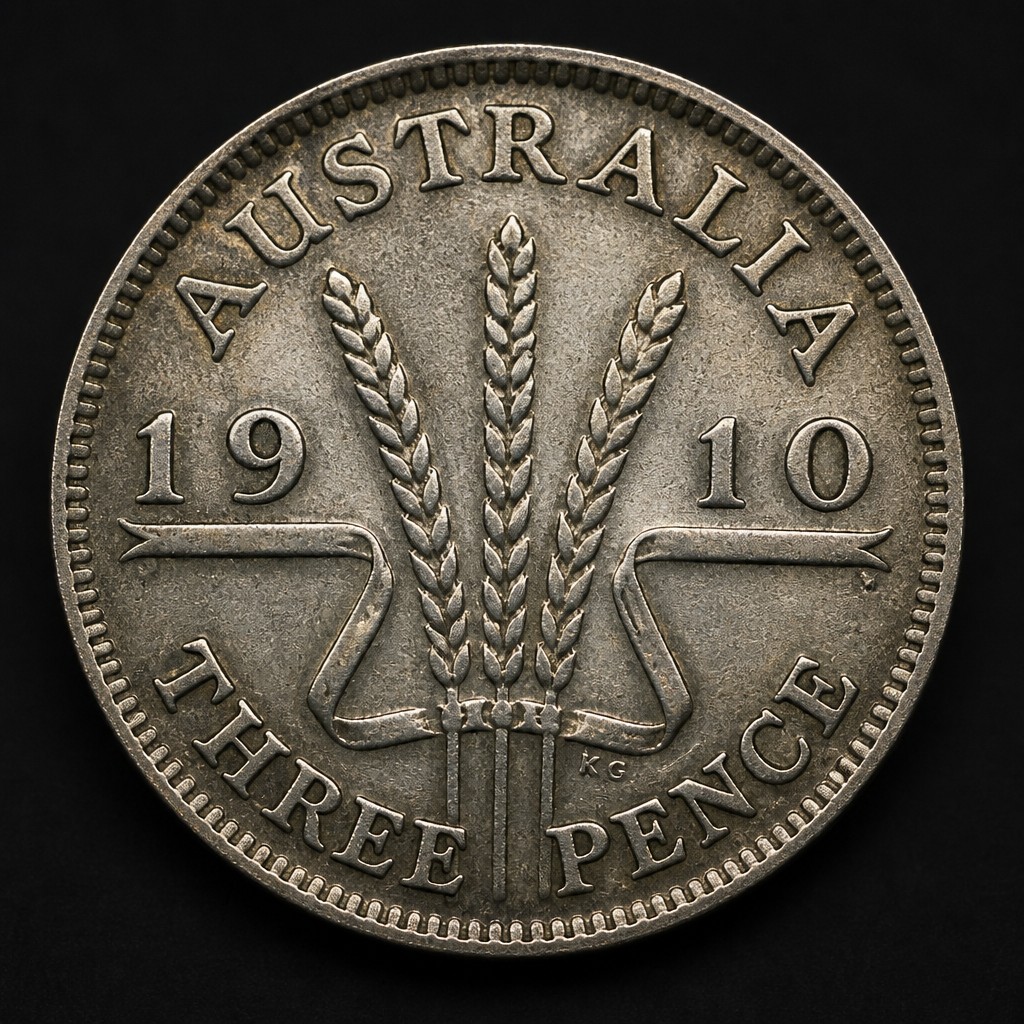
Australian Threepence (pre-decimal)
Small pre-decimal Australian silver coin worth three pence, popularly recognized for its bundled wheat-ear reverse design used across most of the 20th century.
Africa & Oceania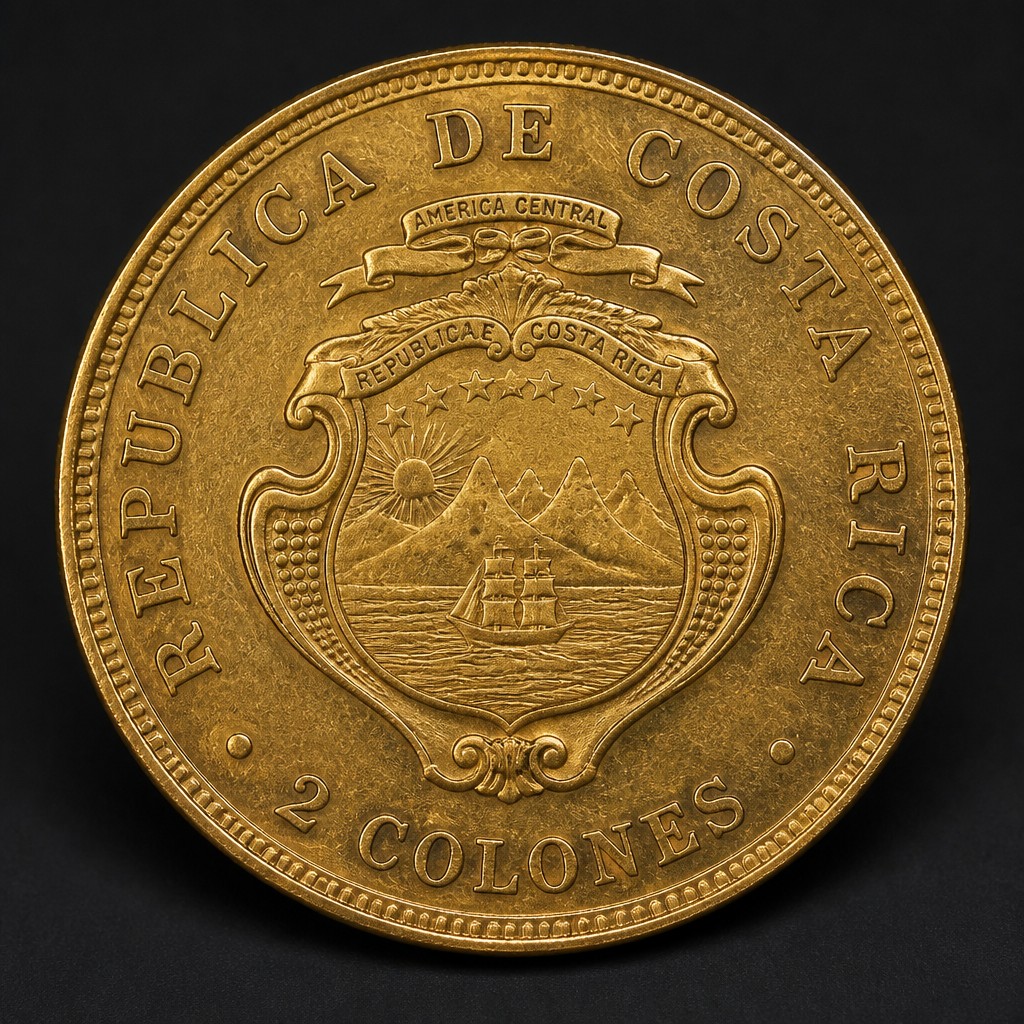
Costa Rica 2 Colones Gold
A small gold denomination from Costa Rica's early colon-era coinage, part of a family of gold coins (2, 5, 10, and 20 colones) struck around the turn of the twentieth century.
Latin American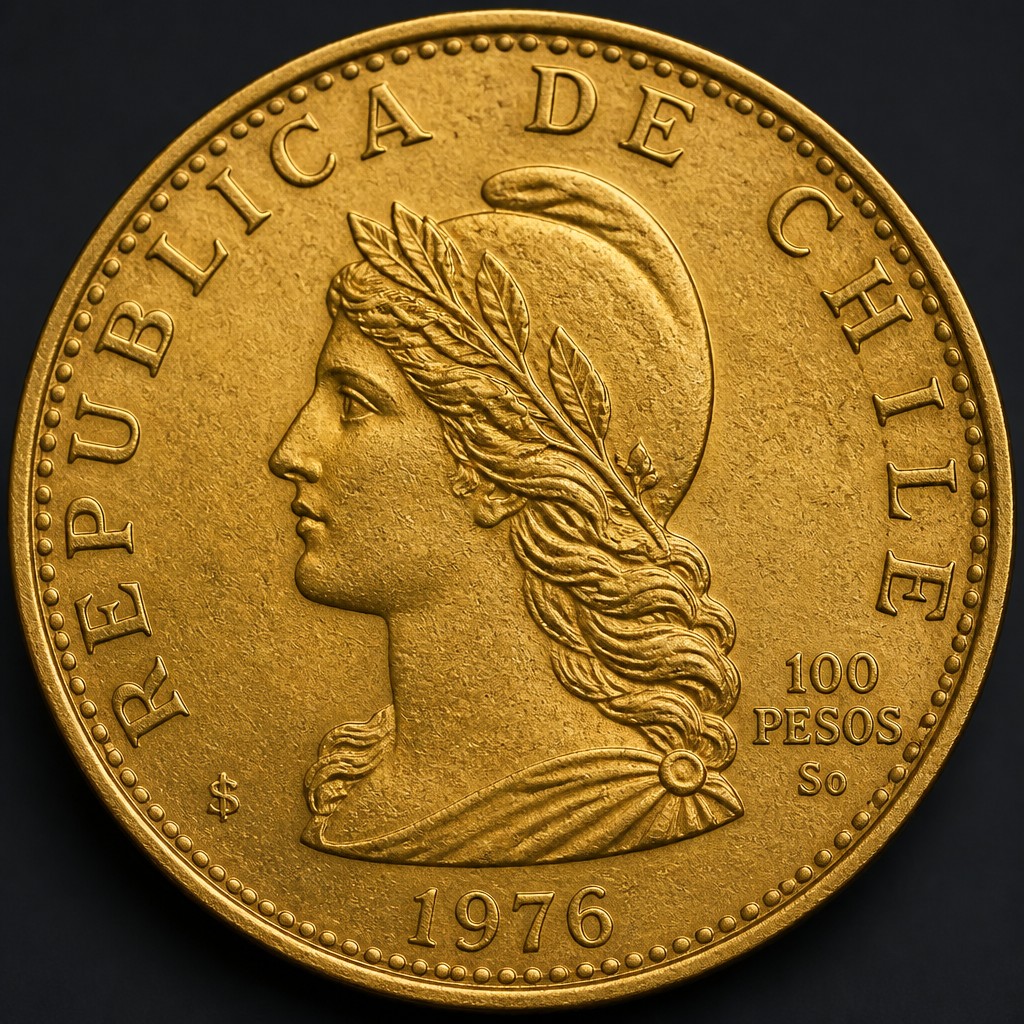
Chilean 100 Pesos Gold 'Condor'
Chile's flagship 20th-century gold coin, popularly called the "Condor" for the majestic Andean bird featured on its reverse, historically prized as an internationally recognized gold piece.
Latin American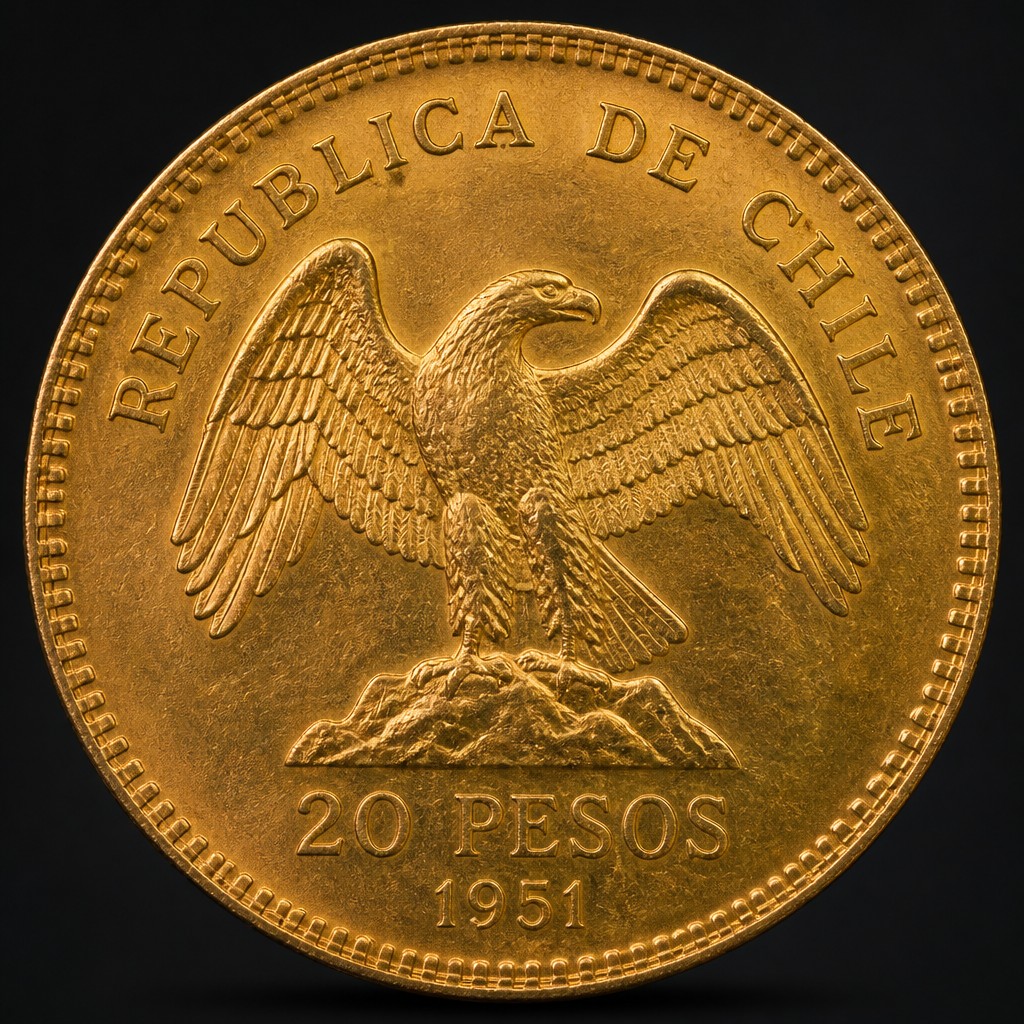
Chilean 20 Pesos Gold
The smallest of Chile's regular gold coin denominations, issued both in an earlier 19th-century gold peso series and later as part of the 1926 condor-themed gold reform.
Latin American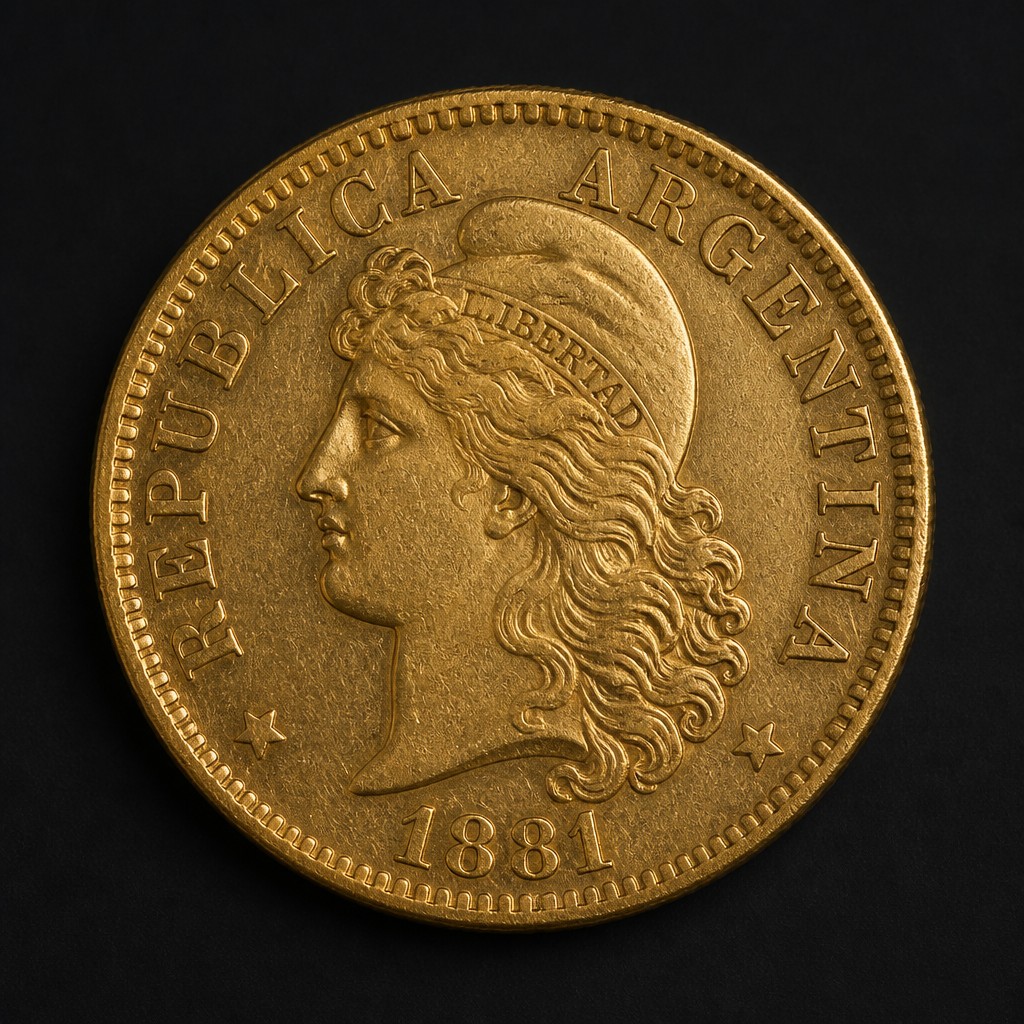
Argentine Argentino Gold (5 Pesos)
Argentina's principal 19th-century gold coin, worth 5 pesos oro and called an "Argentino," struck to Latin Monetary Union weight standards for use in international trade.
Latin American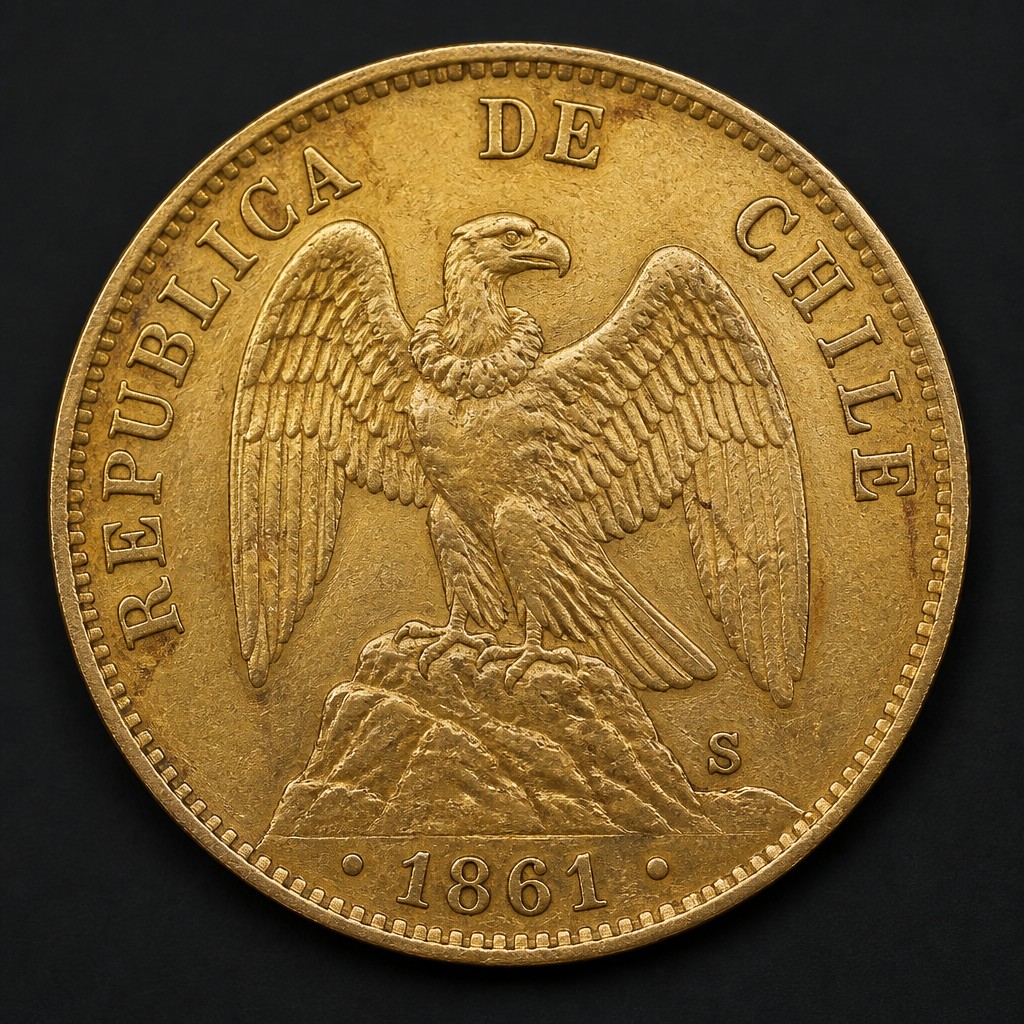
Chile Peso (Condor)
Chilean coinage featuring the Andean condor perched or in flight, first seen on 19th-century gold pesos and later on the everyday circulating peso coin.
Latin American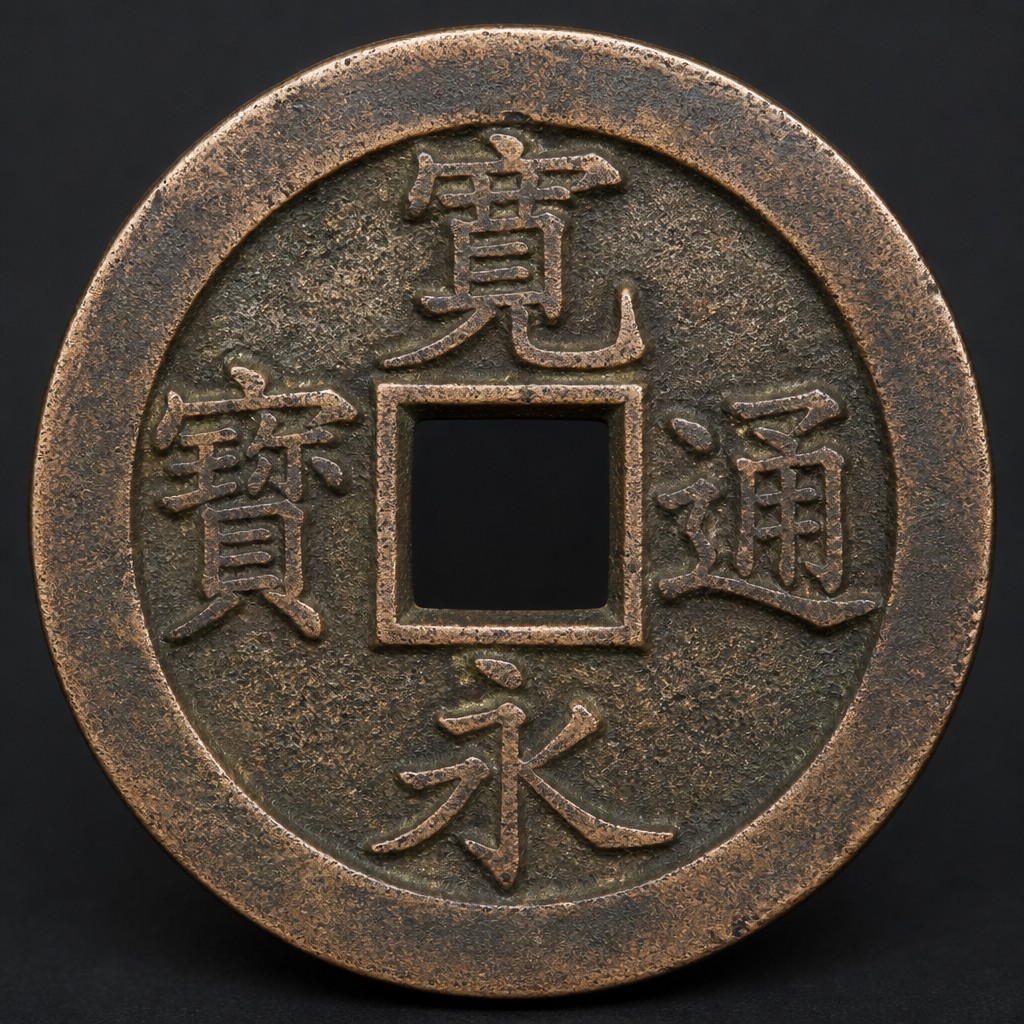
Japanese Mon (Kan'ei Tsuho cash coin)
Long-running cast copper or iron cash coin of Edo-period Japan, inscribed 'Kan'ei Tsuho' and produced continuously for well over two centuries.
Asian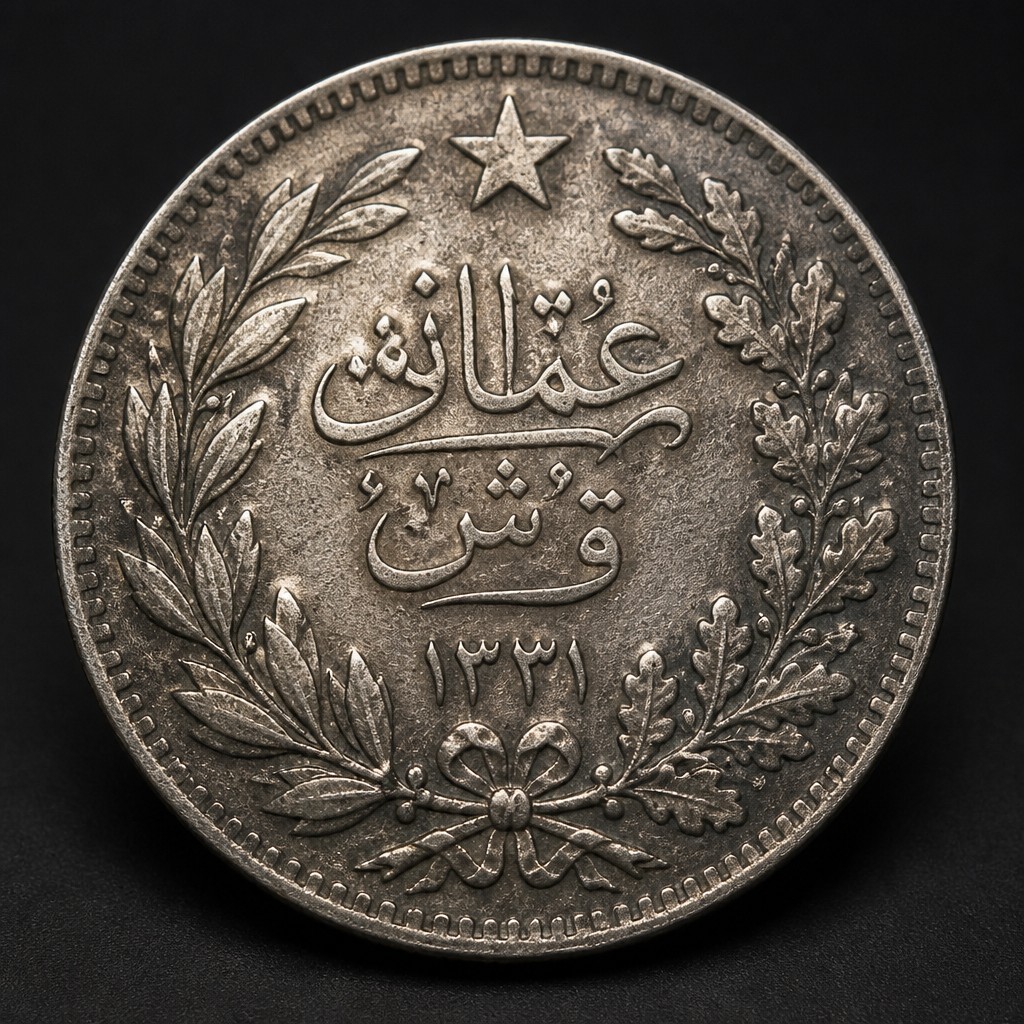
Ottoman Kurus (Piastre)
The standard Ottoman monetary unit for centuries, struck in silver or base metal bearing the sultan's tughra, later becoming a subunit of the Ottoman lira after 1844.
World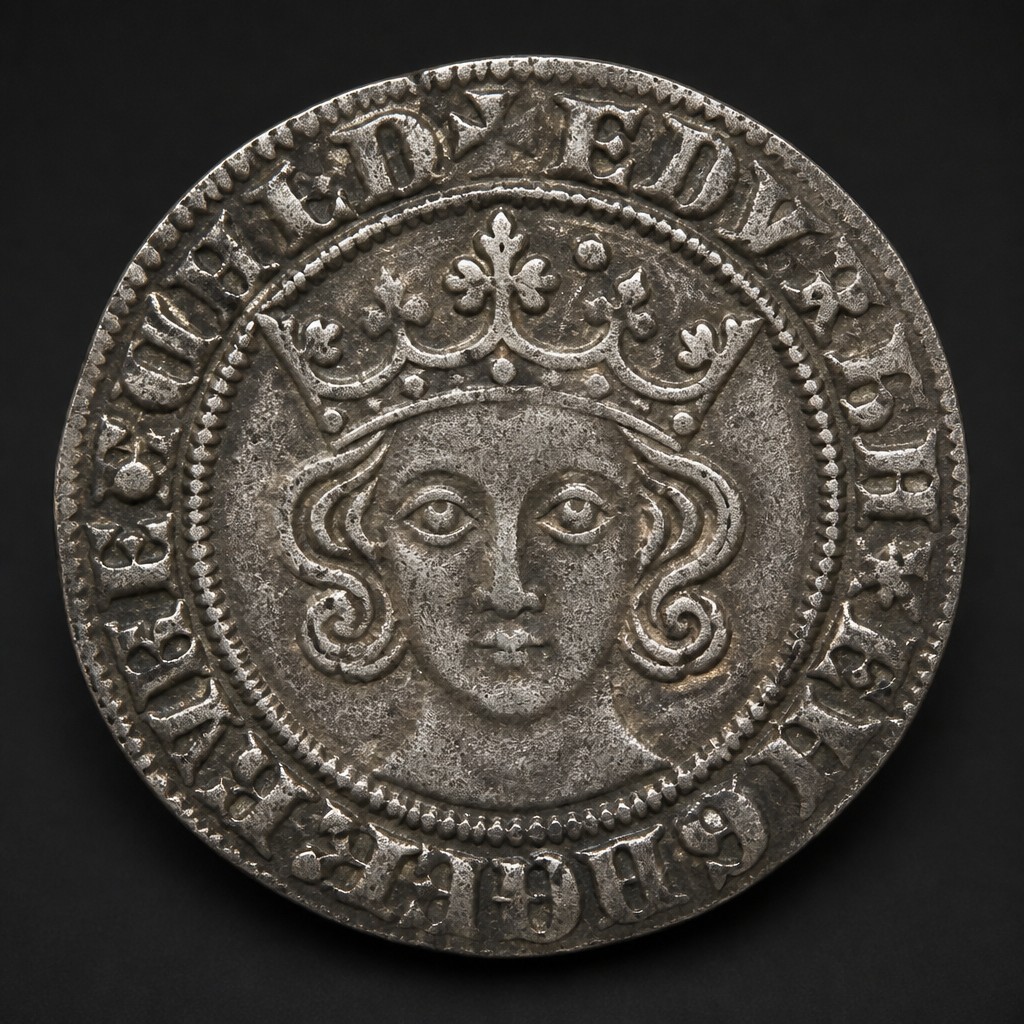
Half Groat
A small hammered silver coin worth half the value of the groat, or two pence, struck across three centuries of English coinage from the reign of Edward III through the Stuart era.
British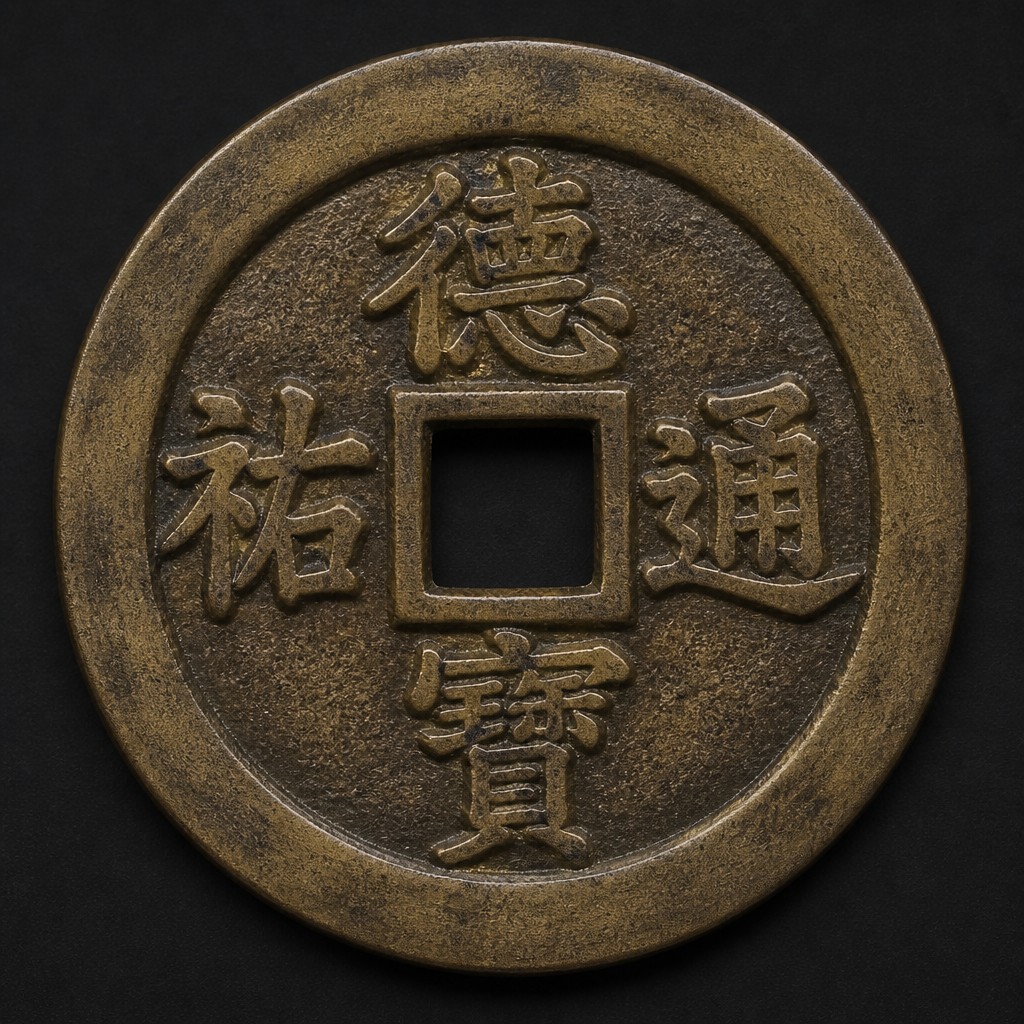
Vietnamese Tu Duc Thong Bao (cash coin)
A cast bronze or zinc cash coin issued under Emperor Tự Đức of Vietnam's Nguyễn Dynasty, round with a square center hole in the traditional East Asian style.
Asian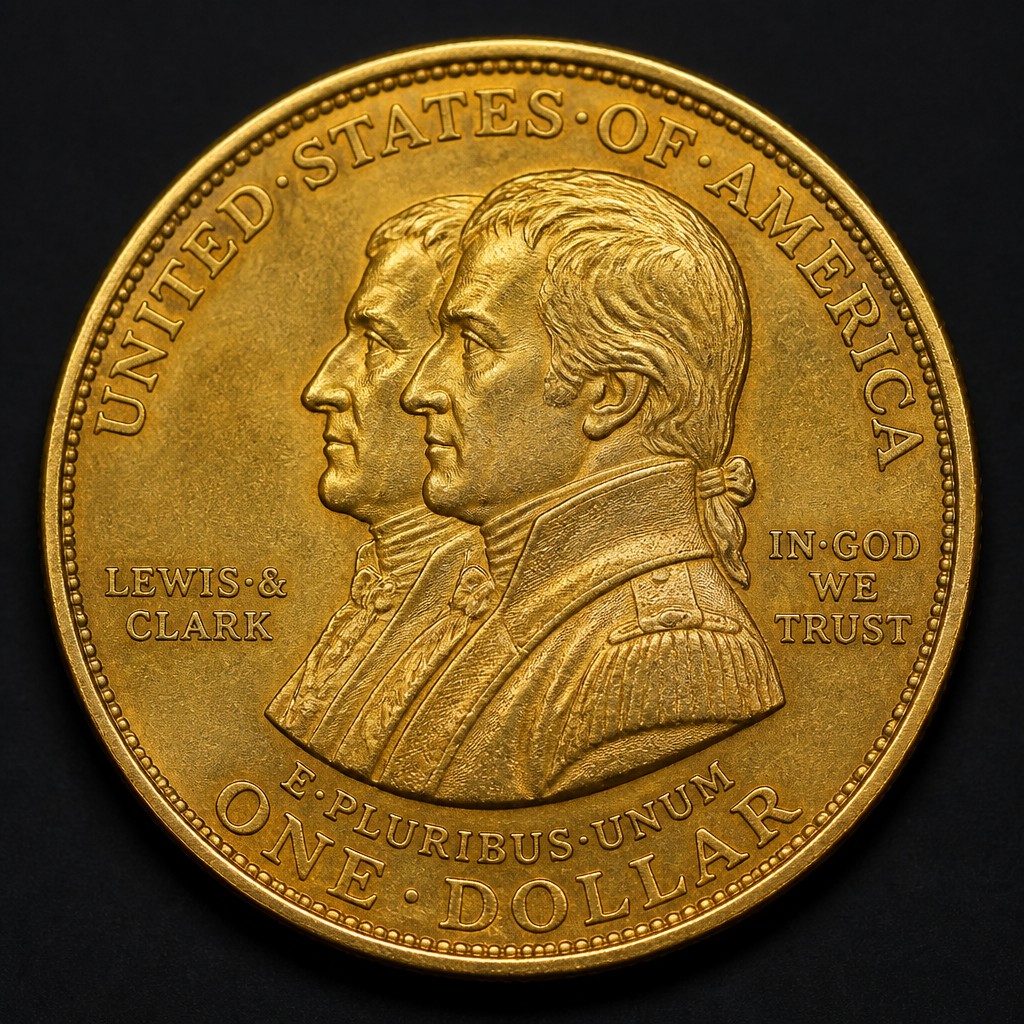
Lewis and Clark Gold Dollar Commemorative
A commemorative gold dollar honoring explorers Meriwether Lewis and William Clark, struck in 1904 and 1905 for the Lewis and Clark Centennial Exposition in Portland, Oregon.
Commemorative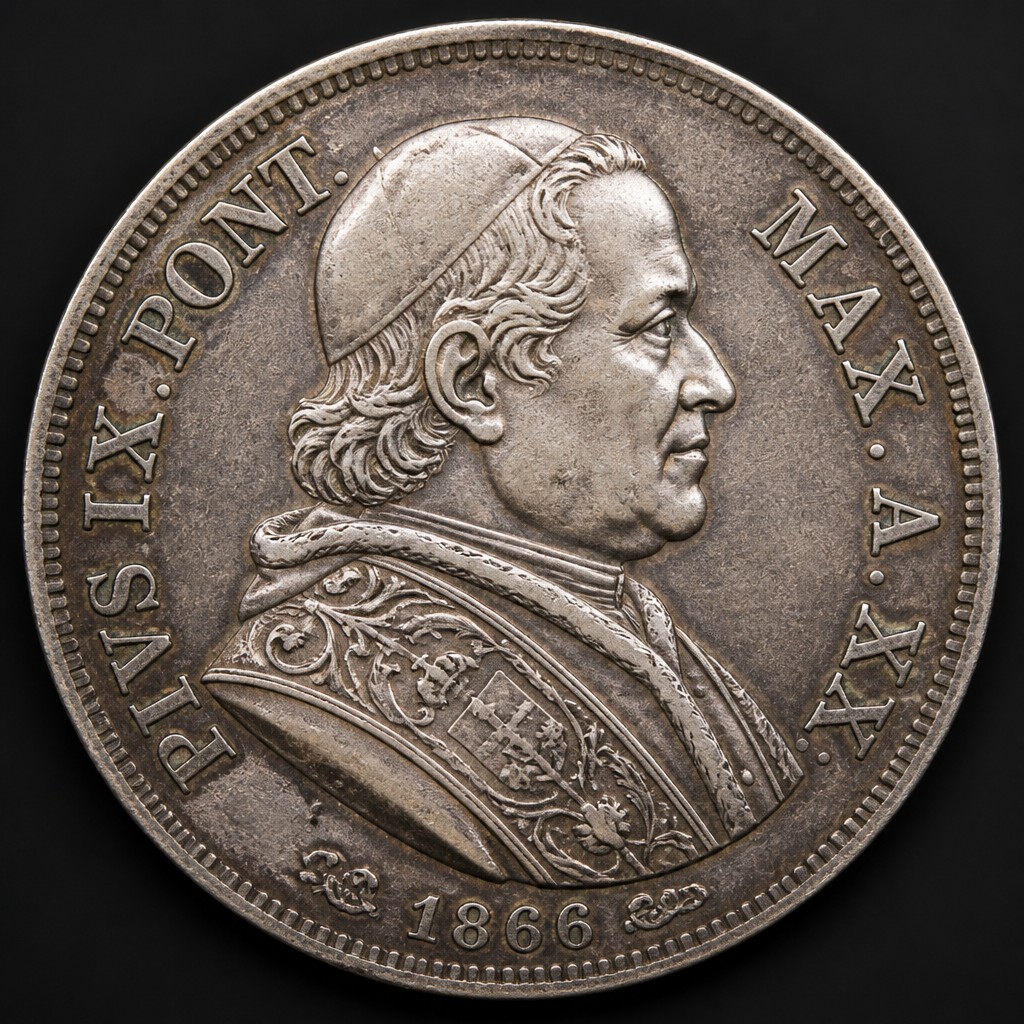
Papal States Scudo
The principal silver coin of the Papal States, bearing the portrait or arms of the reigning pope alongside religious imagery, struck for centuries until the Papal territories' loss of independence.
European