
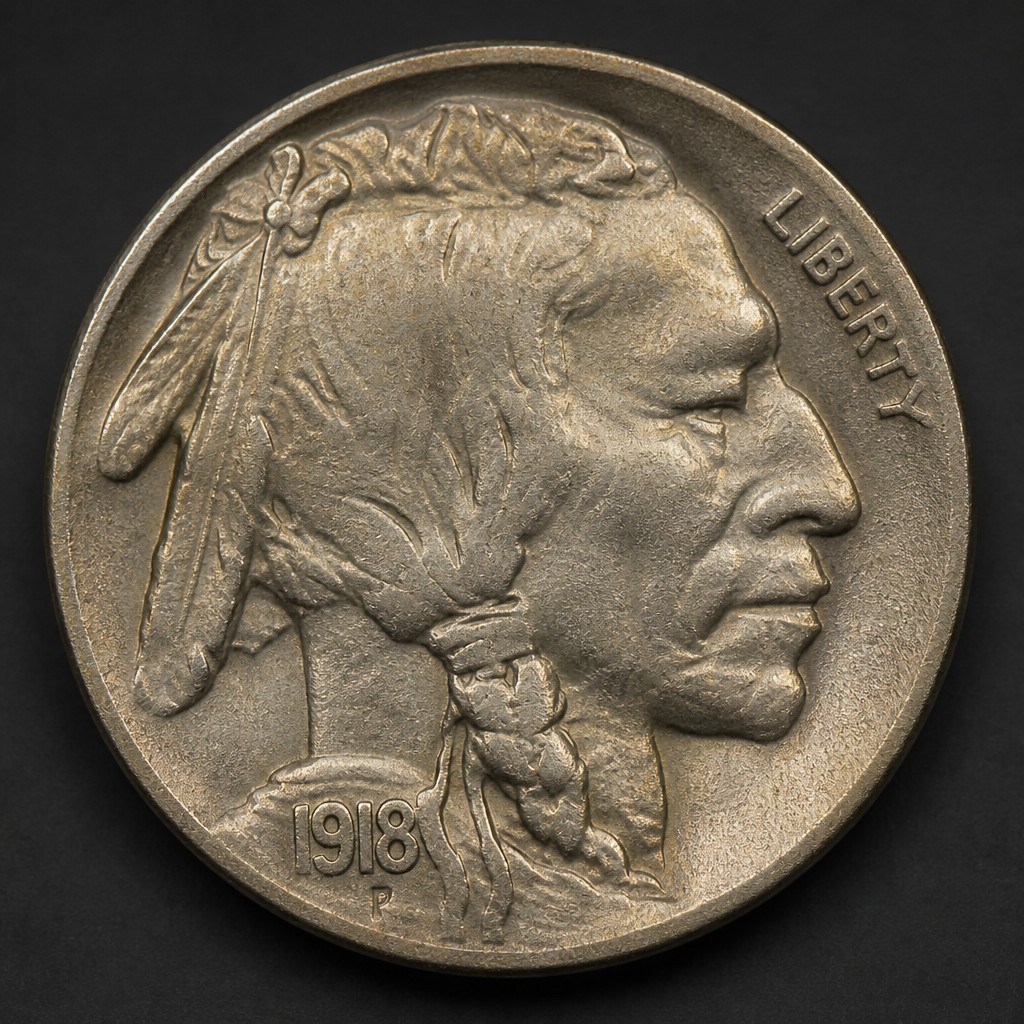
1918/7-D Buffalo Nickel Overdate
A famous overdate error on the Buffalo Nickel where a leftover 1917 working die was hand-repunched with an 1918 date, leaving traces of the underlying 7 visible beneath the 8.
- Country
- United States
- Denomination
- Five Cents
- Metal
- Copper-Nickel (75% Copper, 25% Nickel)
Got a coin like this?
Identify any coin from a photo, free.
Overview
The 1918/7-D Buffalo Nickel is one of the most celebrated overdate errors in United States coinage, ranking alongside the 1918/7-S Standing Liberty Quarter as a headline 20th-century variety. It occurred at a time when the Denver Mint, pressed for working dies, reused a partially finished 1917 die and re-hubbed it with the 1918 date rather than discarding it.
Because the underlying digit was not fully effaced, the numeral 7 remains faintly visible trapped inside the loop of the 8 in the date. This subtle doubling makes the variety a favorite challenge for variety collectors and a frequent target of counterfeiters and alterations, so authentication matters a great deal for this issue.
Collectors prize it not just for its rarity but for the story it tells about mint die-making practices of the era, when hand-finishing and reuse of dies were still common cost-saving measures.
History & Background
The Buffalo Nickel (also called the Indian Head Nickel) was designed by sculptor James Earle Fraser and introduced in 1913, replacing the Liberty Head V Nickel. Its obverse depicts a composite Native American portrait and its reverse an American bison, giving the coin its enduring nickname.
In 1918, working dies were expensive and mints often tried to extend die life or repurpose partially prepared dies. At the Denver Mint, a die hubbed with the date 1917 was reworked and given a new 1918 date punch before it entered production, without the earlier digit being fully polished away. The resulting coins entered circulation mixed in with normal 1918-D nickels and went unnoticed by contemporary collectors for years.
The overdate was only identified and popularized decades later as variety collecting matured, and it has since become one of the standard "must have" varieties for anyone assembling a complete Buffalo Nickel set by die variety rather than just by date and mint.
How to Identify
The obverse of the Buffalate Nickel shows a right-facing Native American portrait with the word LIBERTY along the upper right rim and the date at the bottom. On the 1918/7-D variety, close inspection of the last digit of the date reveals a curved remnant of a 7 trapped within the upper loop and lower bowl of the 8; this is easiest to see with magnification under raking light rather than with the naked eye.
The reverse depicts an American bison standing on a mound, with UNITED STATES OF AMERICA arched above, FIVE CENTS below, and E PLURIBUS UNUM to the upper right. The Denver mintmark D appears below the words FIVE CENTS on the reverse, confirming the correct mint for this variety.
Because genuine examples are scarce and valuable, this date-and-mint combination is one of the most frequently counterfeited or artificially altered varieties in the series; buyers typically rely on third-party grading services that specifically attribute and encapsulate the overdate to confirm authenticity.
Value & Collectibility
The 1918/7-D overdate is a condition-sensitive rarity that commands strong prices even in heavily worn grades, with well-worn examples still bringing four-figure sums and problem-free, higher-grade pieces reaching into the tens of thousands of dollars. Because the variety is subtle and easily faked, unattributed or ungraded examples carry substantial risk and generally trade for far less confidence than certified pieces.
Value is driven primarily by the clarity of the overdate feature, overall surface preservation, and strike quality on the high points of the bison's shoulder and the Native American's cheekbone, which wear quickly. As with most classic key varieties, professionally certified examples with a clear attribution letter carry a significant premium over raw coins.
Frequently asked questions
What makes the 1918/7-D nickel so special?
It shows a visible remnant of a 7 underneath the final 8 in the date, evidence that a 1917 die was reused and re-dated for 1918 production at the Denver Mint.
Is the overdate visible without magnification?
Generally no; a loupe or magnifier and good raking light are needed to clearly see the trapped 7 within the 8.
Why are fakes common for this variety?
Its high value relative to a normal 1918-D nickel makes it a target for artificially altered or re-tooled dates, so third-party certification is widely recommended.
How does it compare in rarity to other Buffalo Nickel varieties?
It is considered one of the top handful of Buffalo Nickel varieties by both scarcity and collector demand, alongside the 1937-D three-legged buffalo.
Other coins you may enjoy
2000-P Sacagawea Cheerios Dollar
2000
1972 Eisenhower Dollar (Type 2)
1972
1974 Aluminum Cent
1974
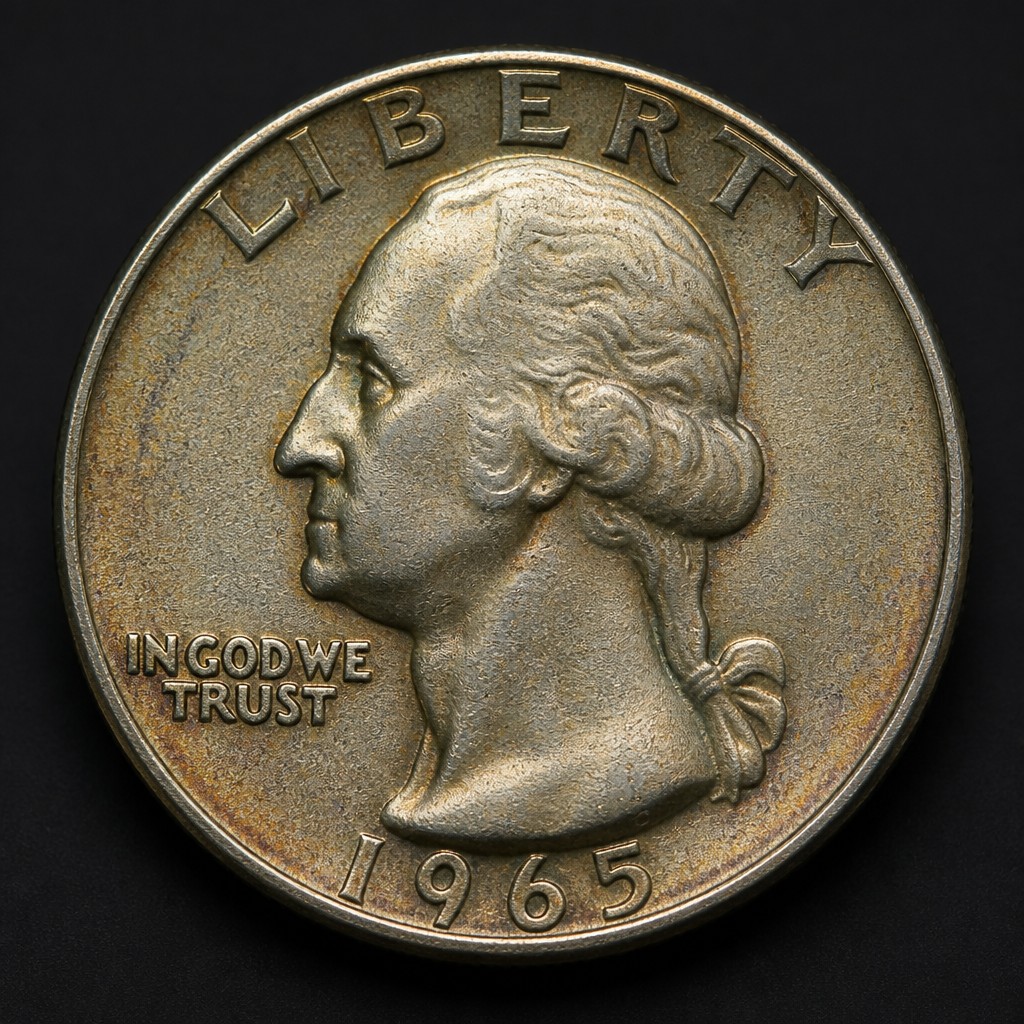
1965 Silver Washington Quarter (Transitional Error)
1965
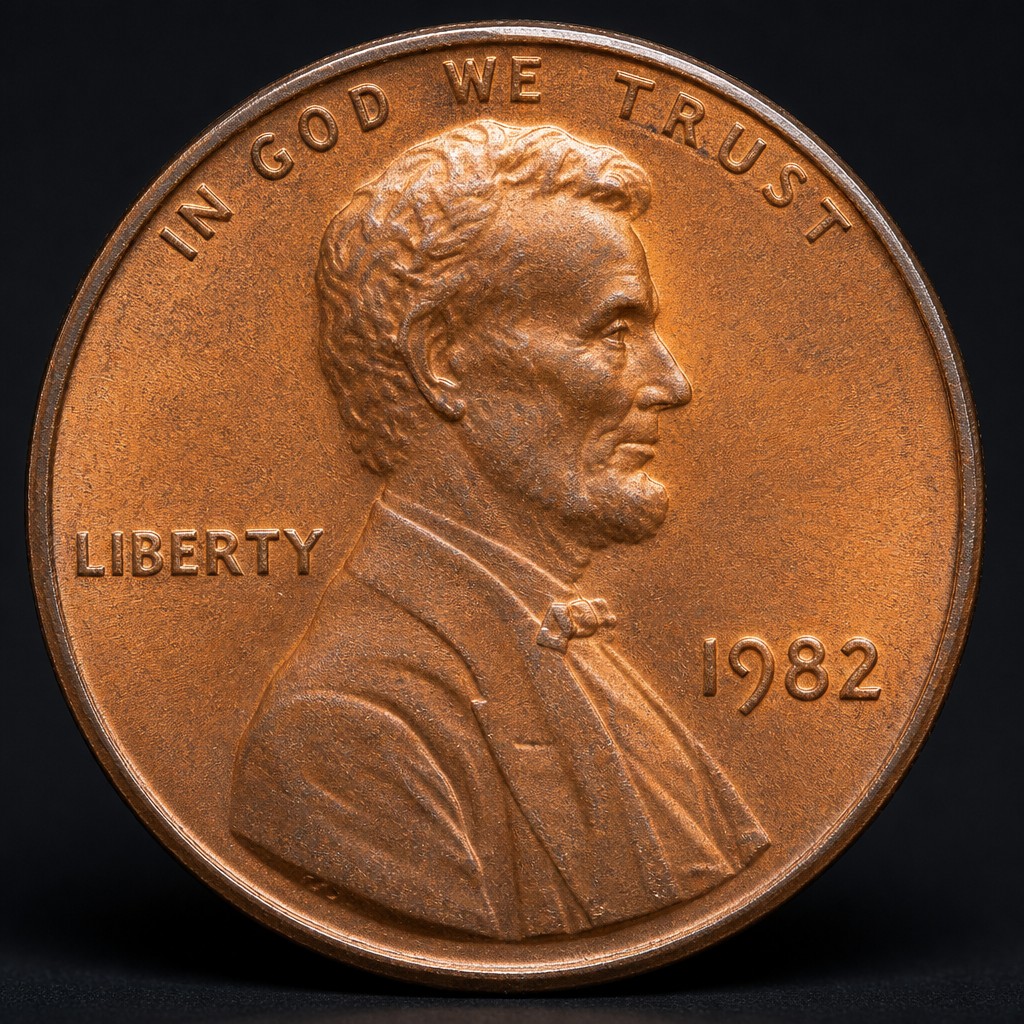
1982 Copper/Zinc Transition Lincoln Cent
1982
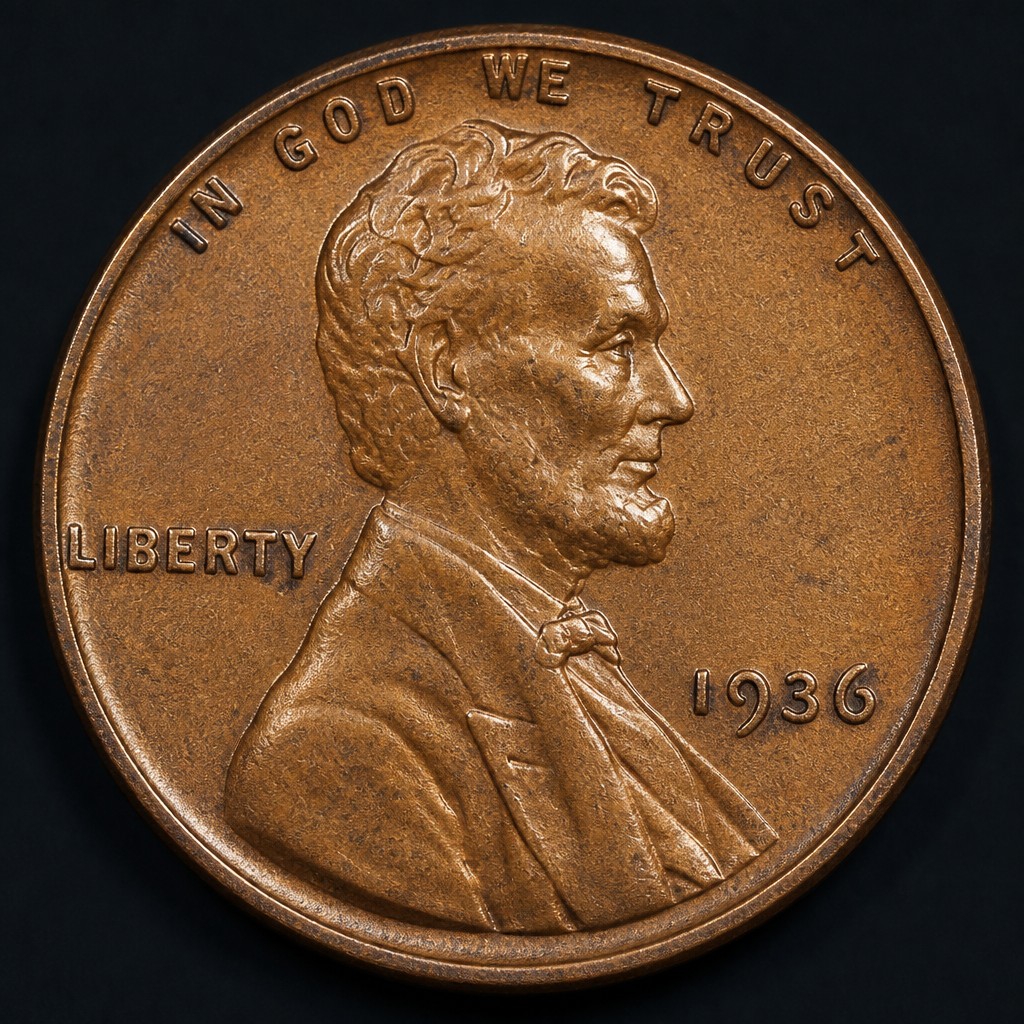
1936 Doubled Die Lincoln Cent
1936
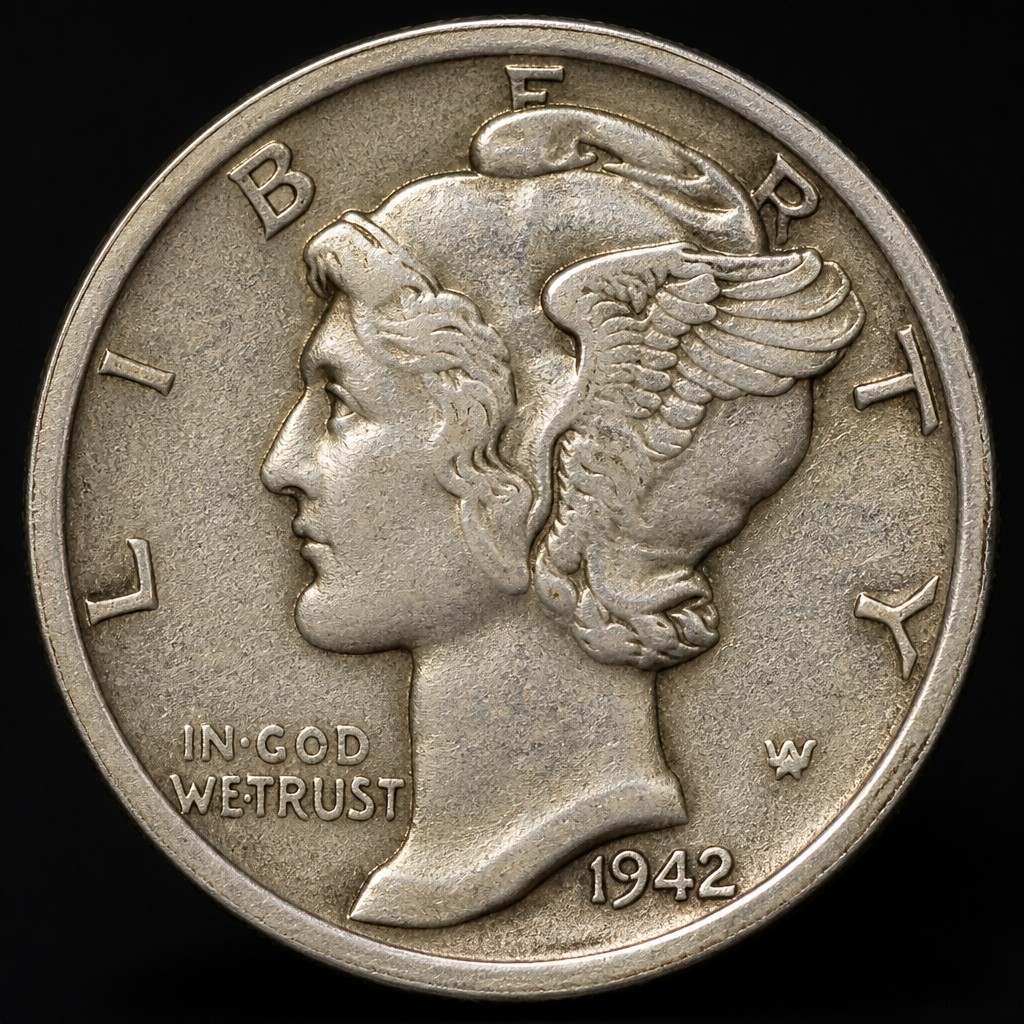
1942/1 Mercury Dime Overdate
1942
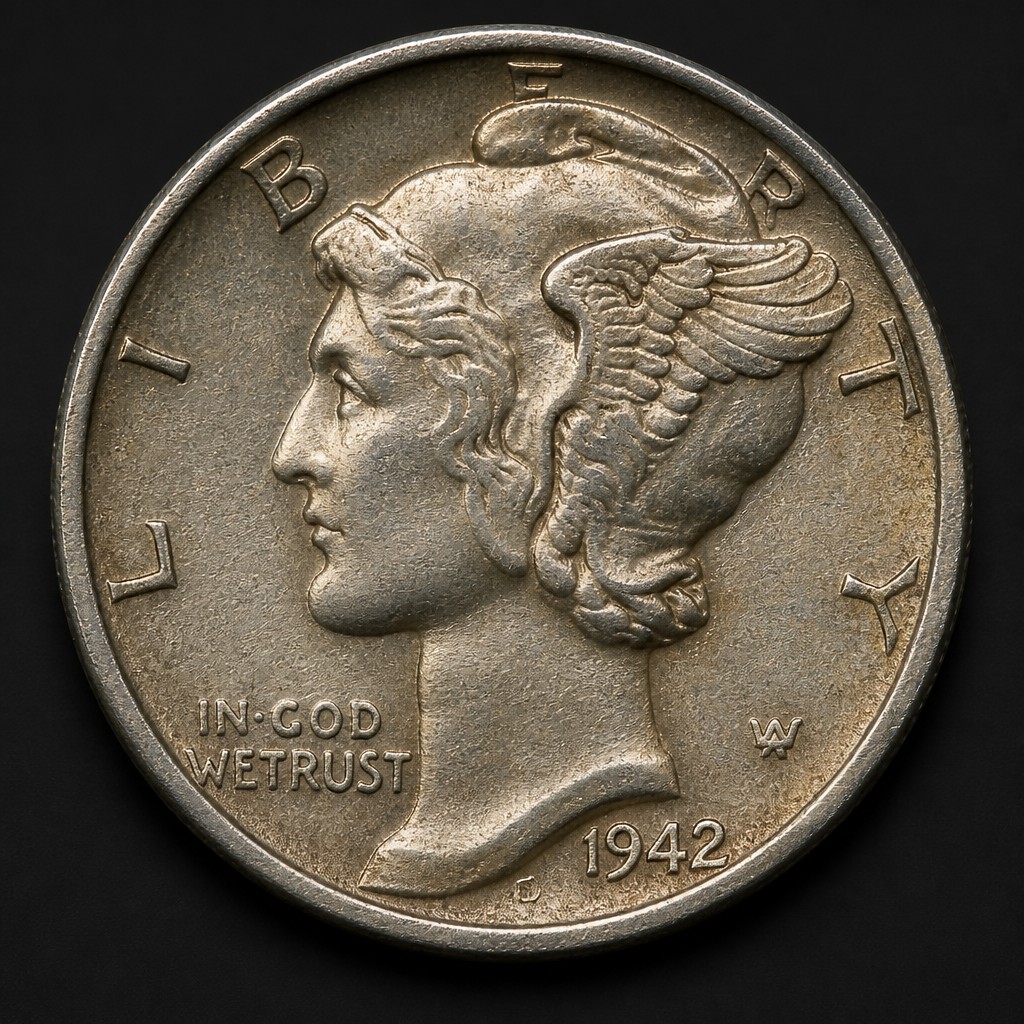
1942/1-D Mercury Dime Overdate
1942
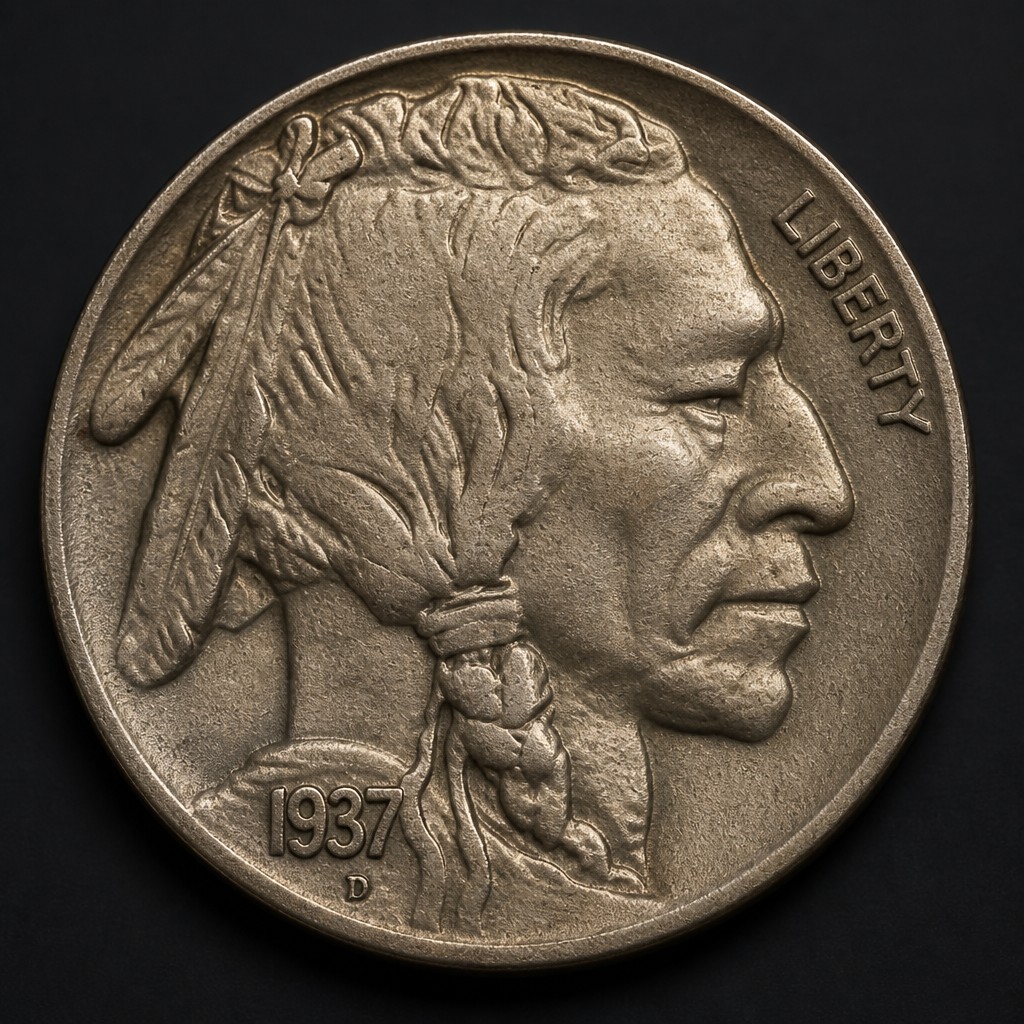
1937-D Three-Legged Buffalo Nickel
1937
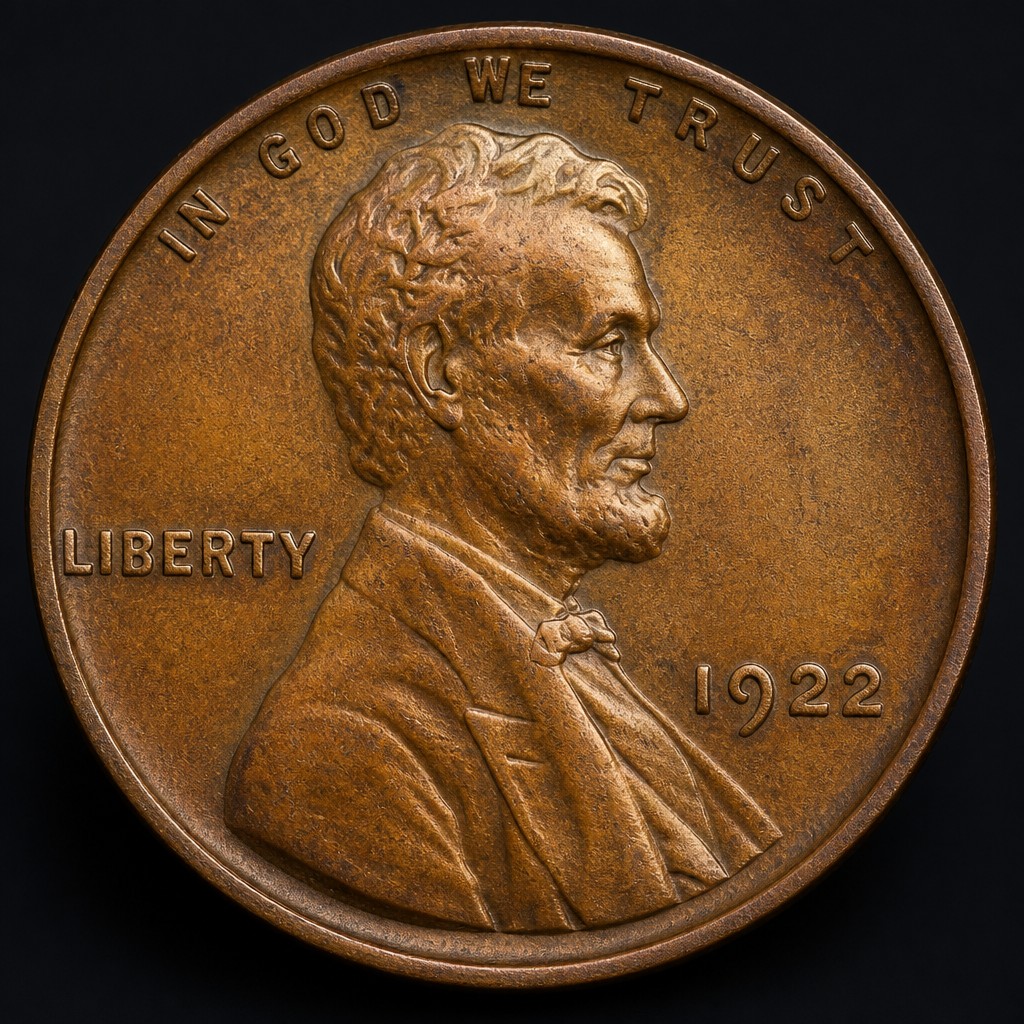
1922 No D Lincoln Cent
1922
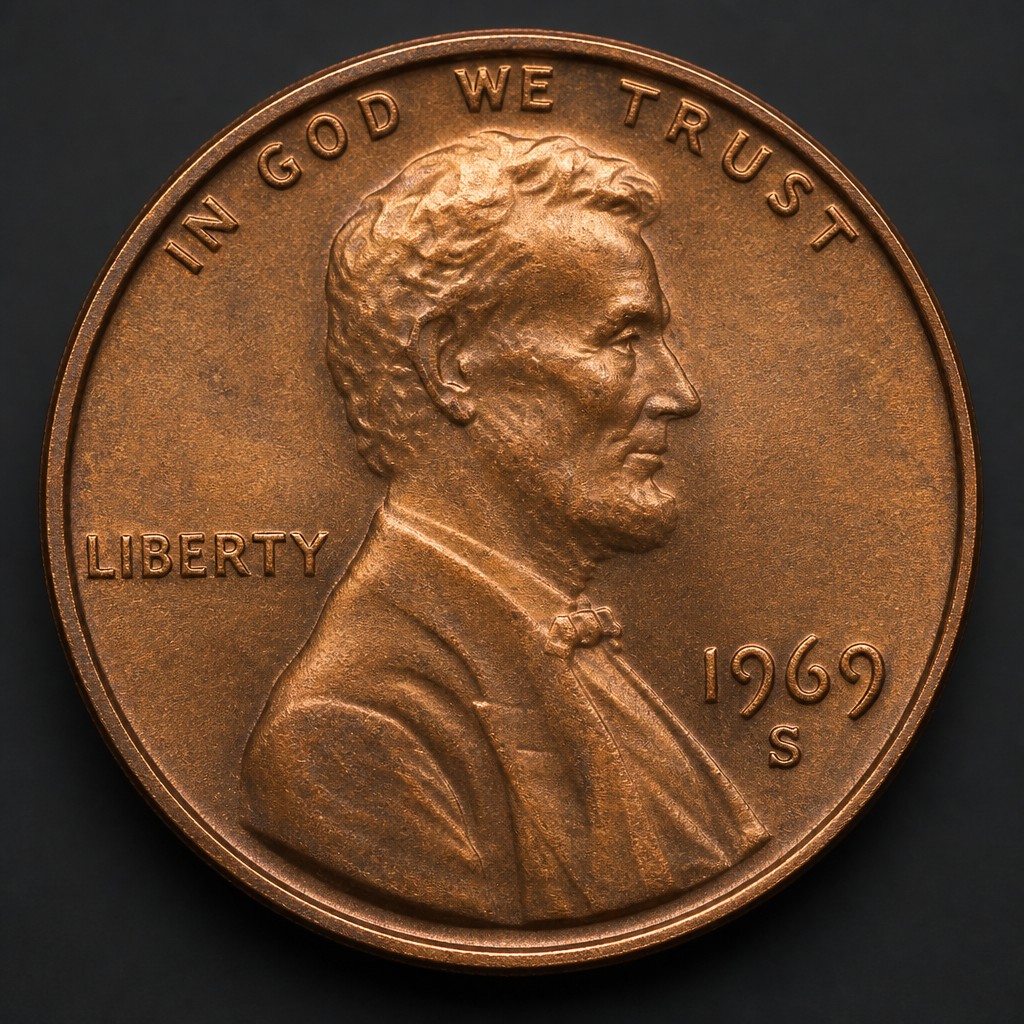
1969-S Doubled Die Lincoln Cent
1969
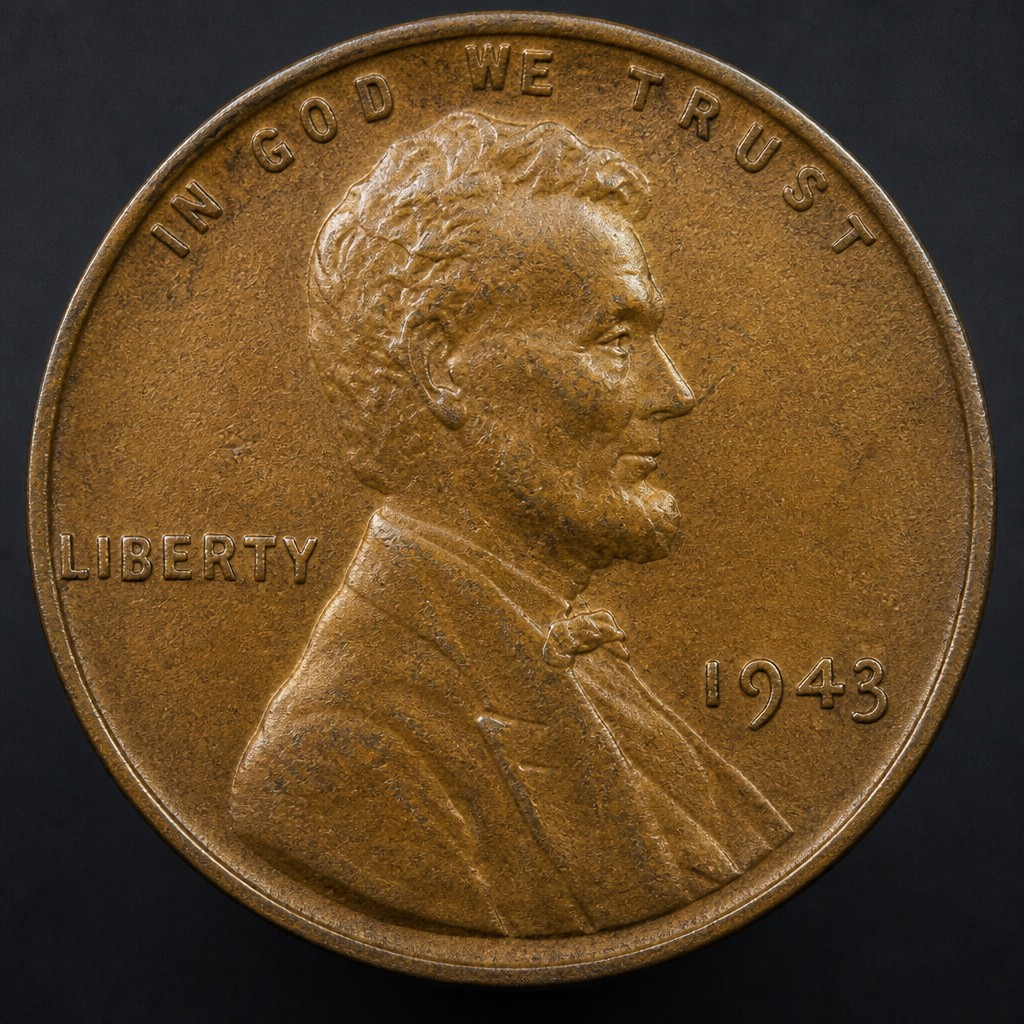
1943 Bronze Lincoln Cent
1943