
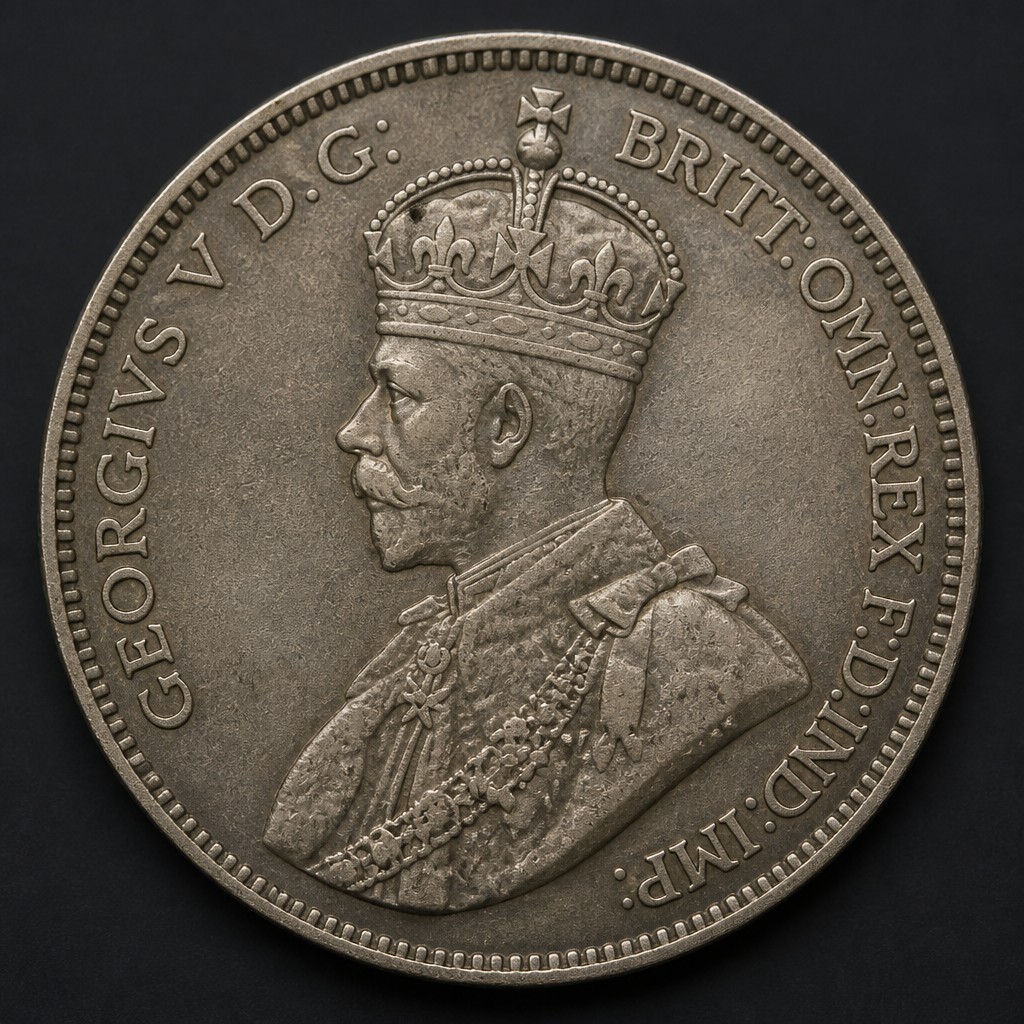
Australian Florin (pre-decimal)
Pre-decimal Australian silver florin worth two shillings, minted from 1910 until decimalization replaced it with the 20-cent coin in 1966.
- Country
- Australia
- Denomination
- Two Shillings (Florin)
- Metal
- 92.5% silver (1910-1945); 50% silver (1946-1963)
Got a coin like this?
Identify any coin from a photo, free.
Overview
The florin was Australia's largest regular circulating silver coin before decimal currency arrived in 1966, valued at two shillings. First struck in 1910 under Edward VII, it continued through the reigns of George V, George VI, and Elizabeth II with a mix of standard and special commemorative reverse designs.
Most florins carry a coat-of-arms or shield reverse, but the series also includes several celebrated one-off commemoratives, including the 1927 Parliament House (Canberra) florin, the 1934-35 Melbourne Centenary florin, and the 1951 Commonwealth Jubilee florin.
Silver content dropped from 92.5% to 50% in 1946 in line with postwar cost pressures affecting silver coinage across the British Commonwealth, a change that also applies to sixpences, shillings, and other silver denominations of the era.
History & Background
Australia's first distinctly Australian coinage, including the florin, was introduced in 1910 to replace circulating British coin with locally designed and struck currency for the newly federated Commonwealth of Australia (federated 1901). The florin's reverse initially featured Australia's coat of arms.
Over its five-decade run the denomination was used to mark significant national milestones, with special one-year designs issued for the opening of Parliament House in Canberra (1927), the centenary of the founding of Melbourne (1934-35), and the Royal Visit and Commonwealth Jubilee celebrations (1951, 1954).
The florin ceased with the changeover to decimal currency in February 1966, when it was functionally succeeded by the 20-cent coin, which shares nearly the same size and metal value.
How to Identify
Obverse: portrait of the reigning monarch with Latin titles. Reverse: typically the Australian coat of arms (shield supported by a kangaroo and emu) with FLORIN, TWO SHILLINGS, or similar denomination text, though several commemorative years replace this with unique artwork.
The coin measures approximately 28.5mm in diameter. Pre-1946 florins are 92.5% silver; from 1946 the alloy drops to 50% silver, giving later coins a slightly duller appearance and different weight after wear.
Commemorative florins are identified by their unique reverse imagery (e.g., Parliament House building, a ship for the Melbourne Centenary, or Britannia and Australia figures for the Jubilee) rather than the standard coat of arms, and these are typically more actively sought by collectors than common-date regular issues.
Value & Collectibility
Most common-date florins in worn condition are valued modestly, close to their silver content, while uncirculated or lightly circulated examples of ordinary years bring more meaningful collector premiums. Commemorative florins, particularly the 1927 Canberra and 1934-35 Melbourne Centenary issues, are consistently more valuable due to lower mintages and strong collector demand.
Key dates and condition rarities exist within the standard series as well, so collectors should consult a current pricing guide rather than assume all florins of a given design are interchangeable in value.
Grade is a major value driver since the coin saw heavy circulation for decades; problem-free, well-struck examples with original luster command the strongest premiums.
Frequently asked questions
What decimal coin replaced the florin?
The 20-cent coin took over its role and similar size when Australia decimalized its currency in 1966.
Which florins are considered the most valuable?
One-year commemorative issues like the 1927 Canberra and 1934-35 Melbourne Centenary florins are generally the most sought after.
Why do florins from 1946 onward look different?
The silver content was reduced from 92.5% to 50% starting in 1946, changing their appearance and weight slightly.
How large is an Australian florin?
It is about 28.5mm in diameter, similar in size to a modern US quarter but somewhat thicker in visual heft due to its silver content.
Other coins you may enjoy
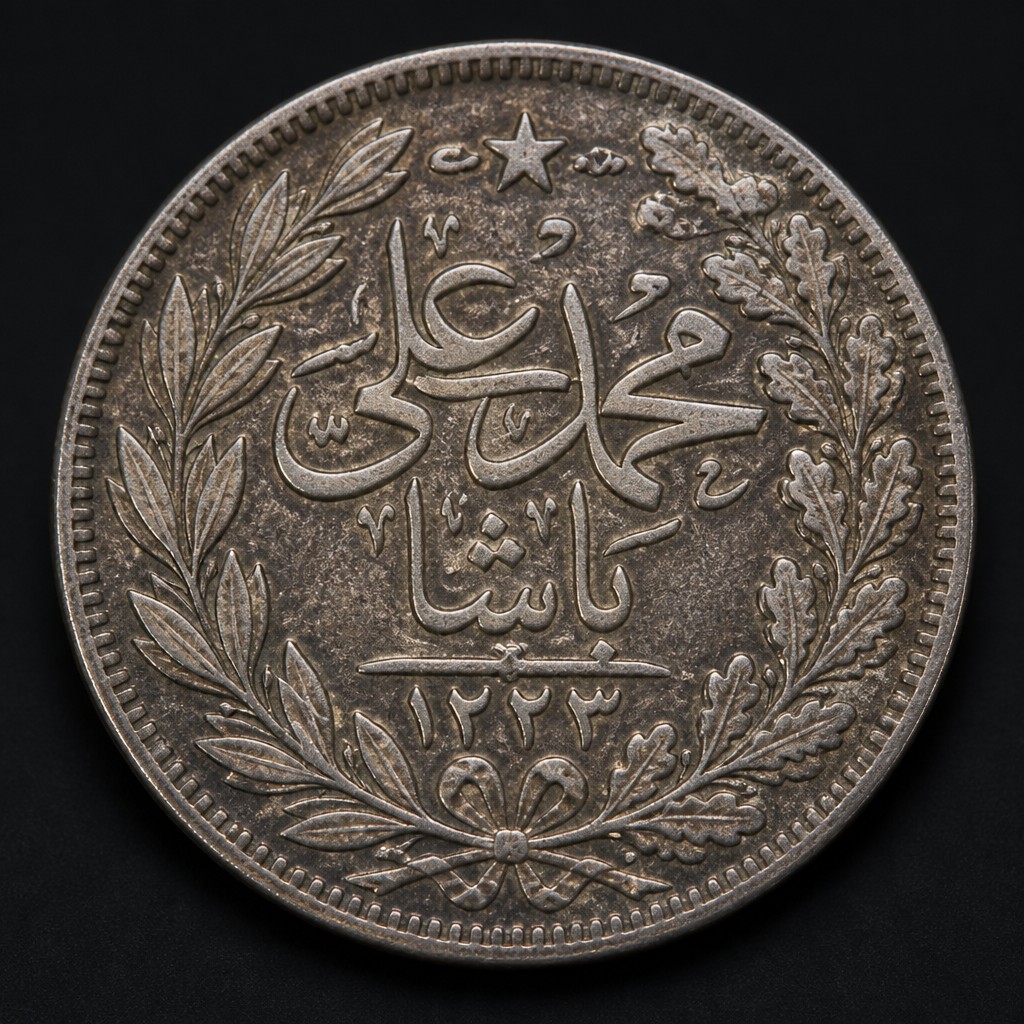
Egyptian Qirsh (Muhammad Ali Era)
Early-to-mid 19th century (c. 1805–1848)
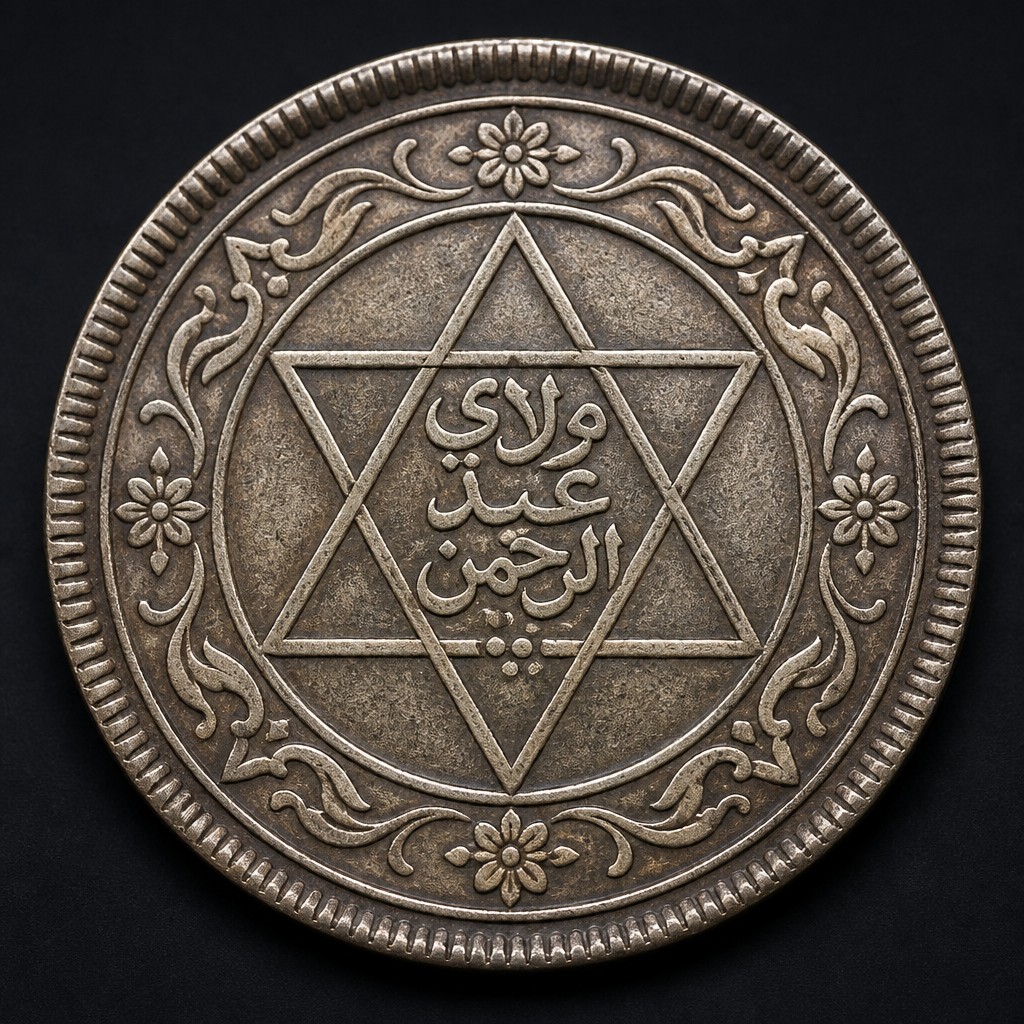
Moroccan Rial (Alawi Dynasty Coinage)
18th–19th century (pre-protectorate era)
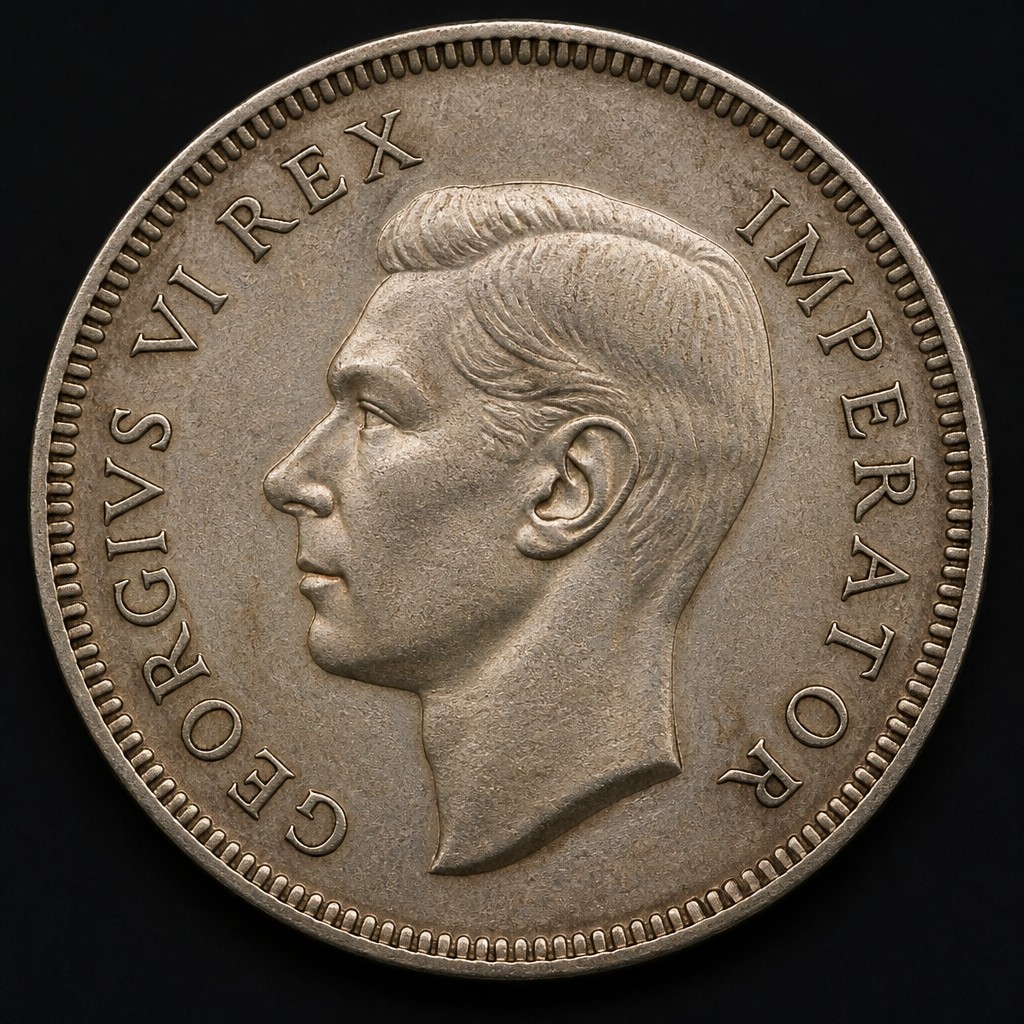
South African Sixpence (Union)
1923-1960
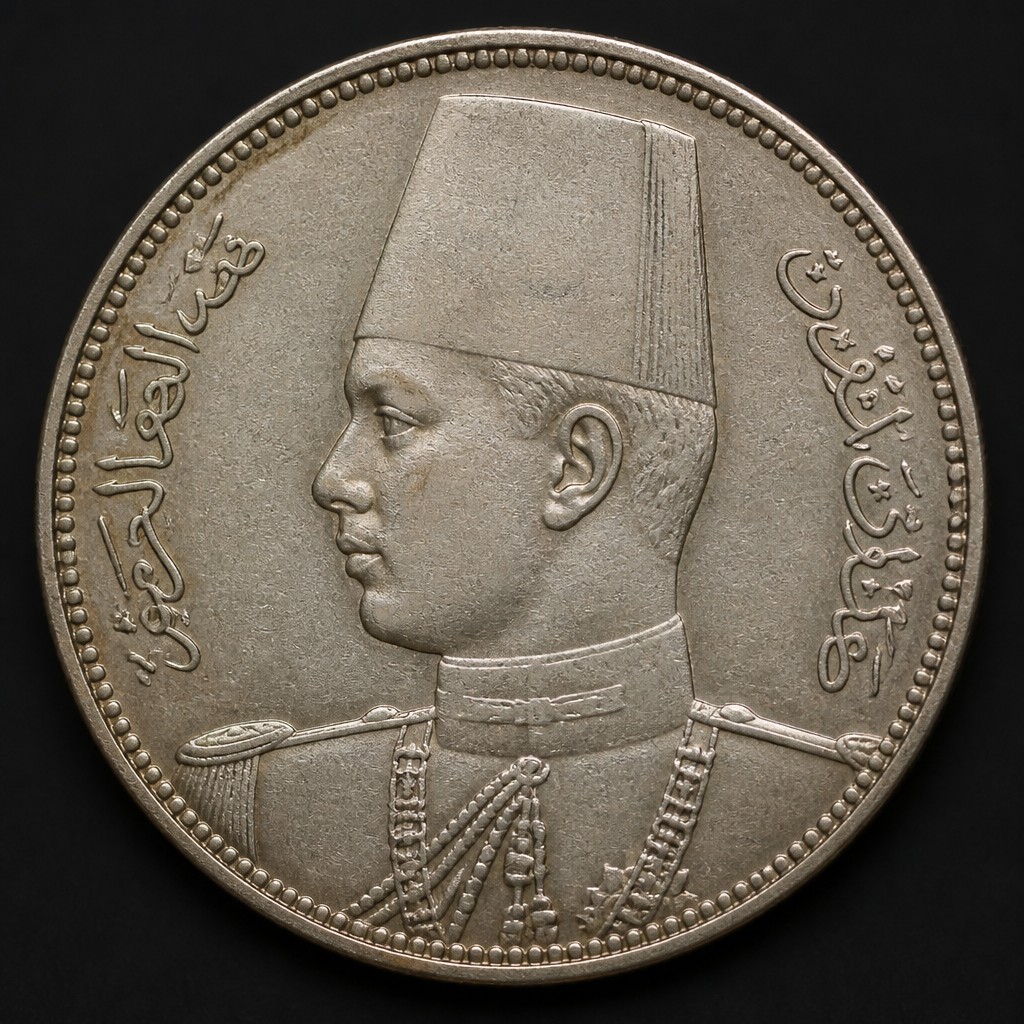
Egyptian Farouk 5 Piastres
1937-1952
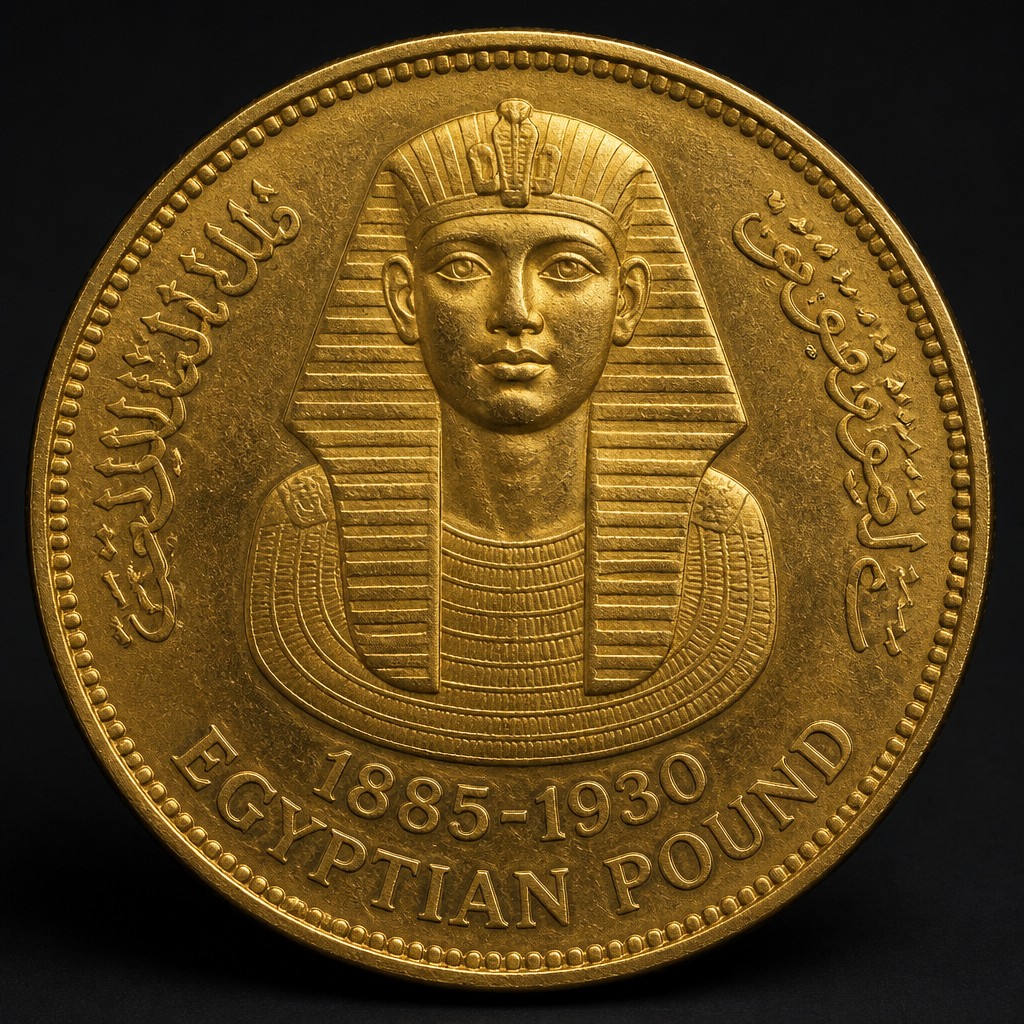
Egyptian Pound (gold)
1885–1930
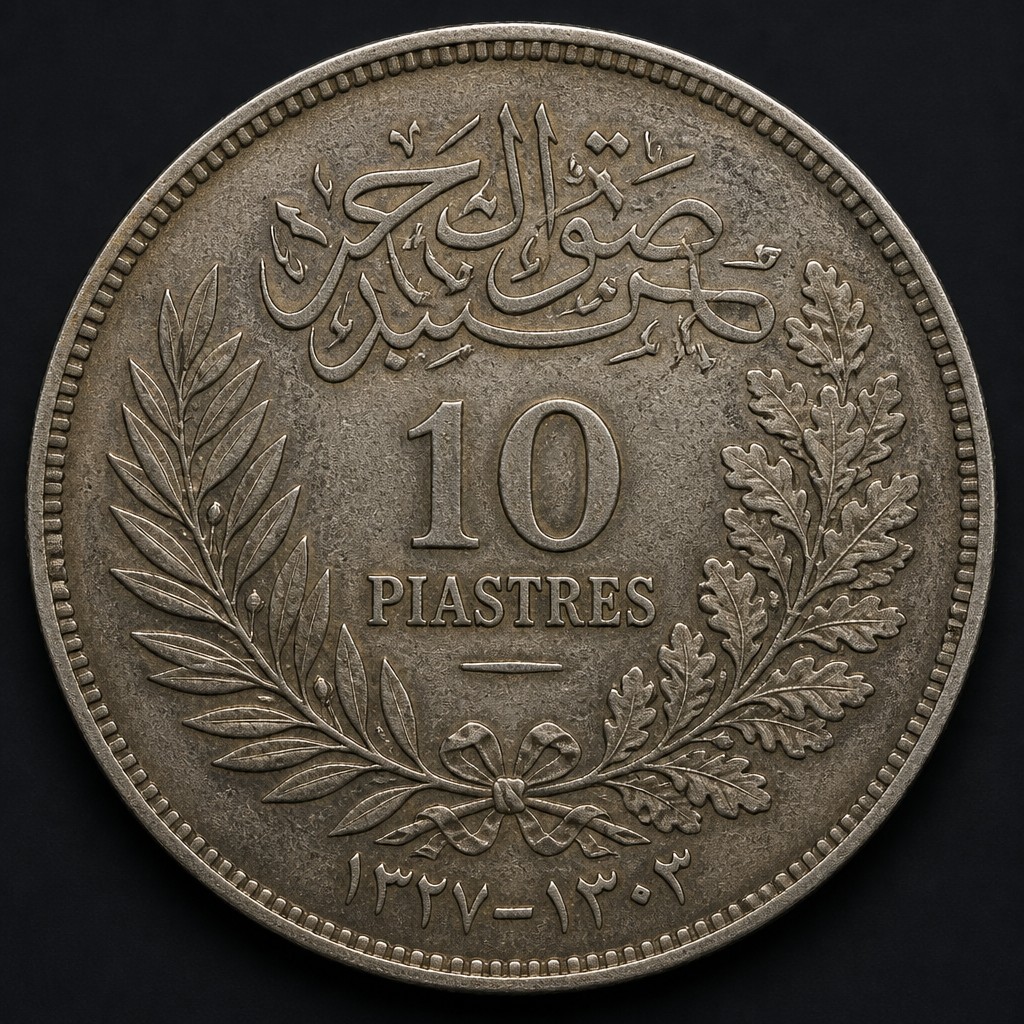
Egyptian 10 Piastres (silver)
1885–1939
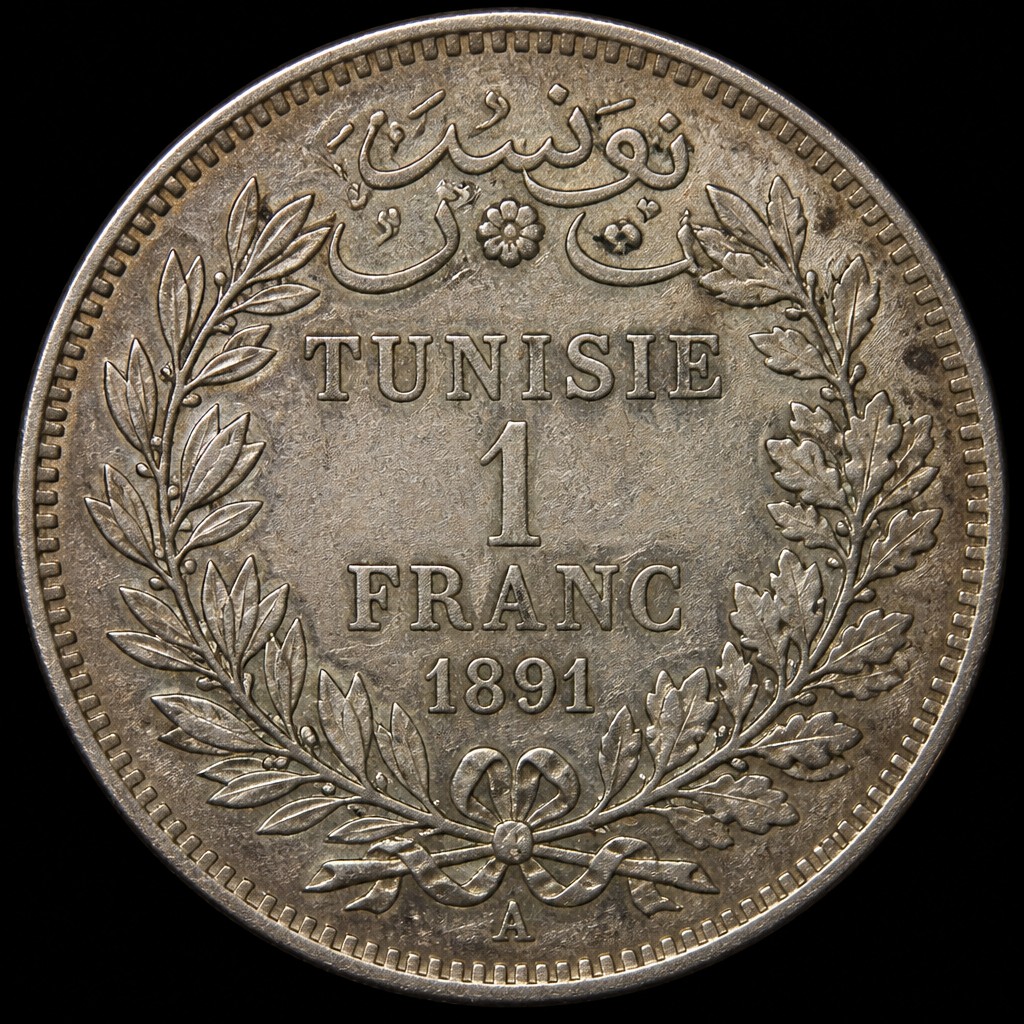
Tunisian Franc (Beylik Era)
Late 19th–early 20th century (c. 1891–1957 transition)
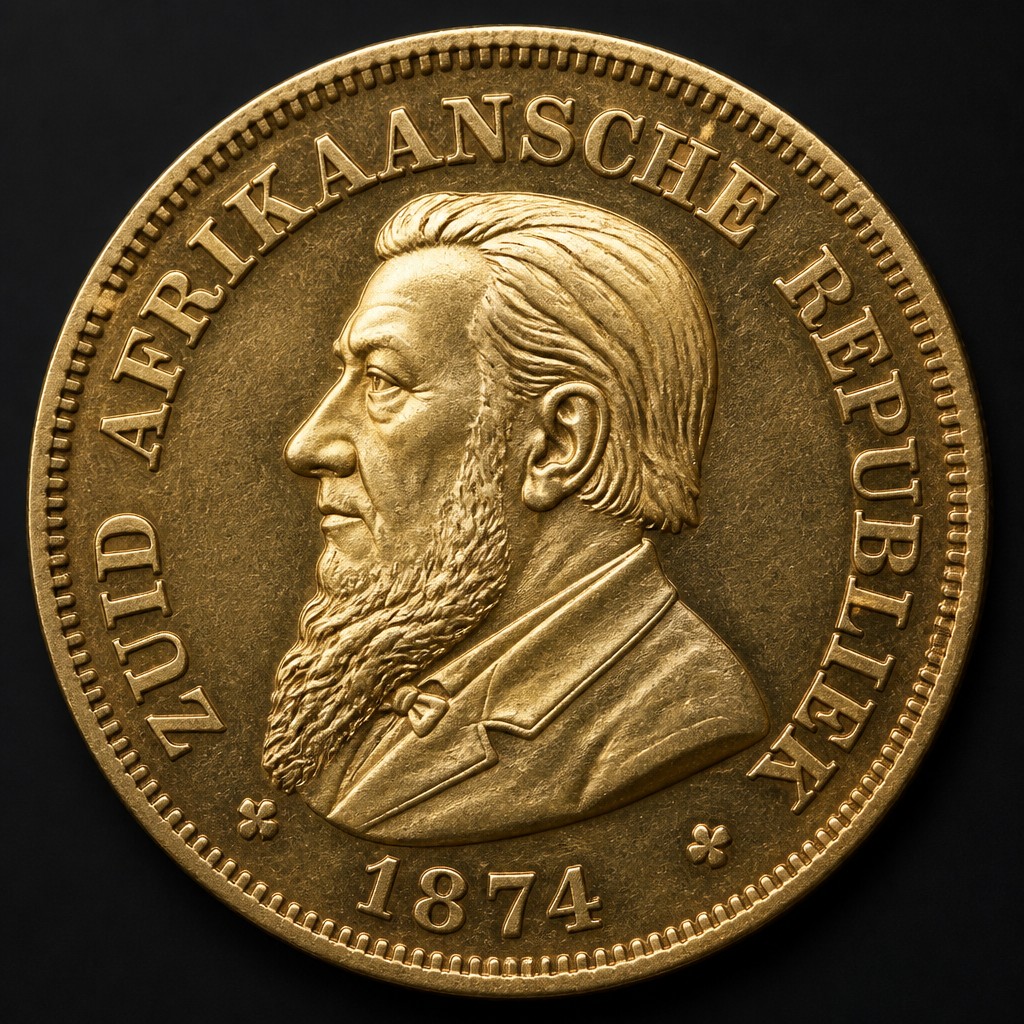
South African Republic Burgers Pond
1874
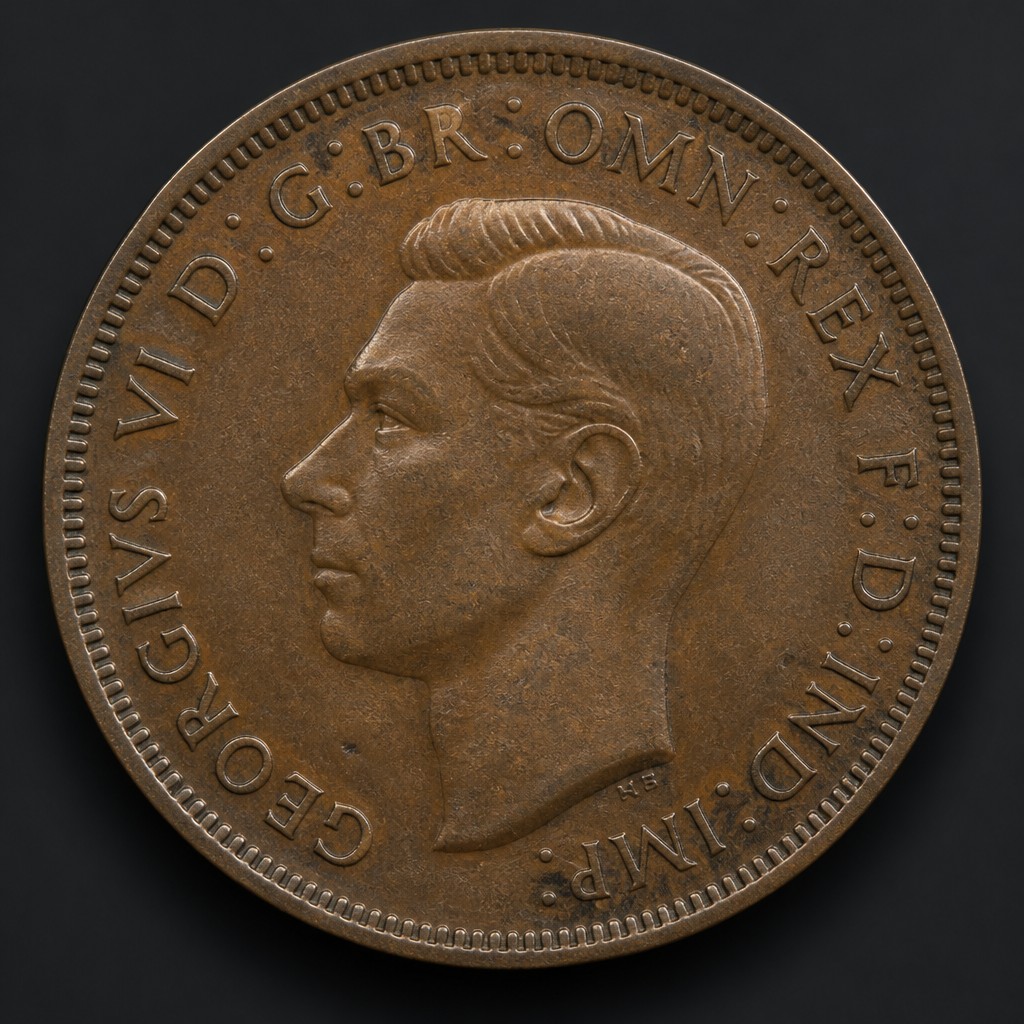
New Zealand Penny (KGVI)
1937-1952
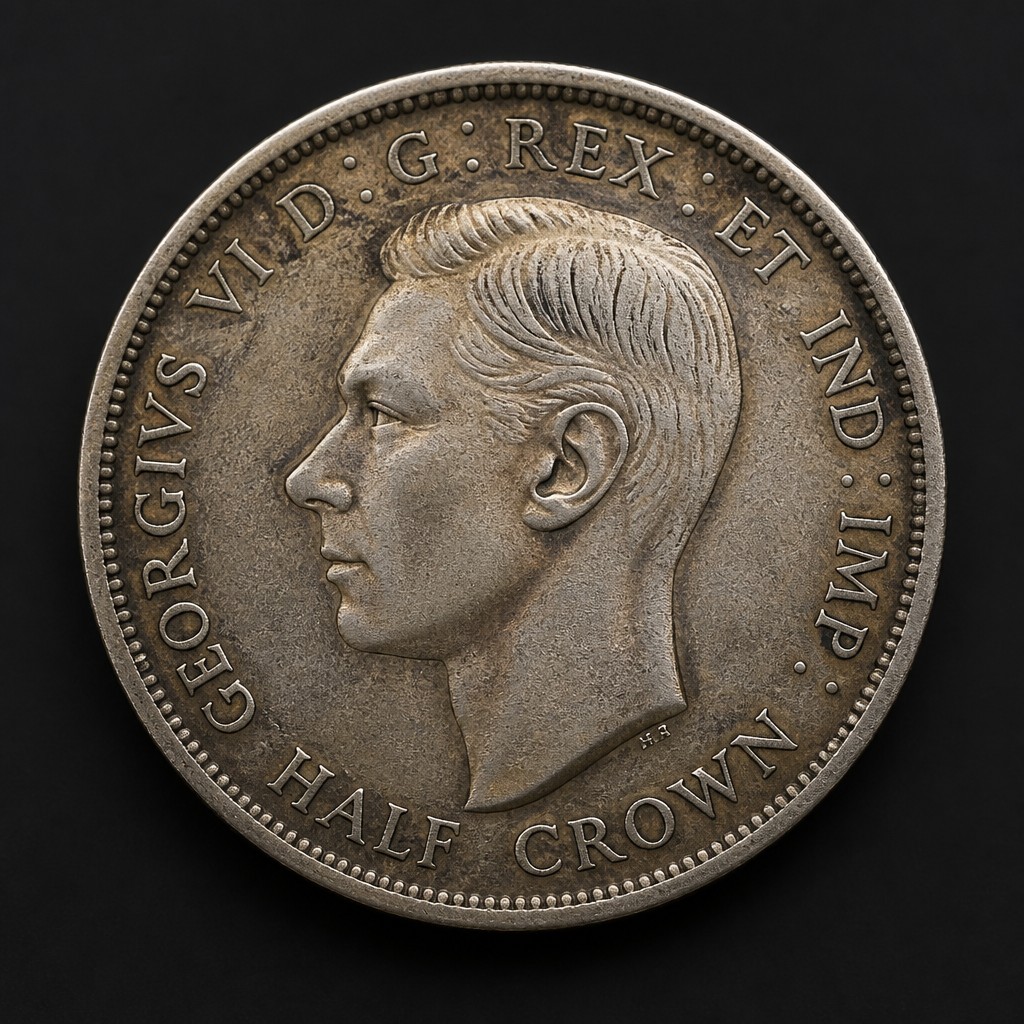
New Zealand Half Crown (pre-decimal)
1933-1965
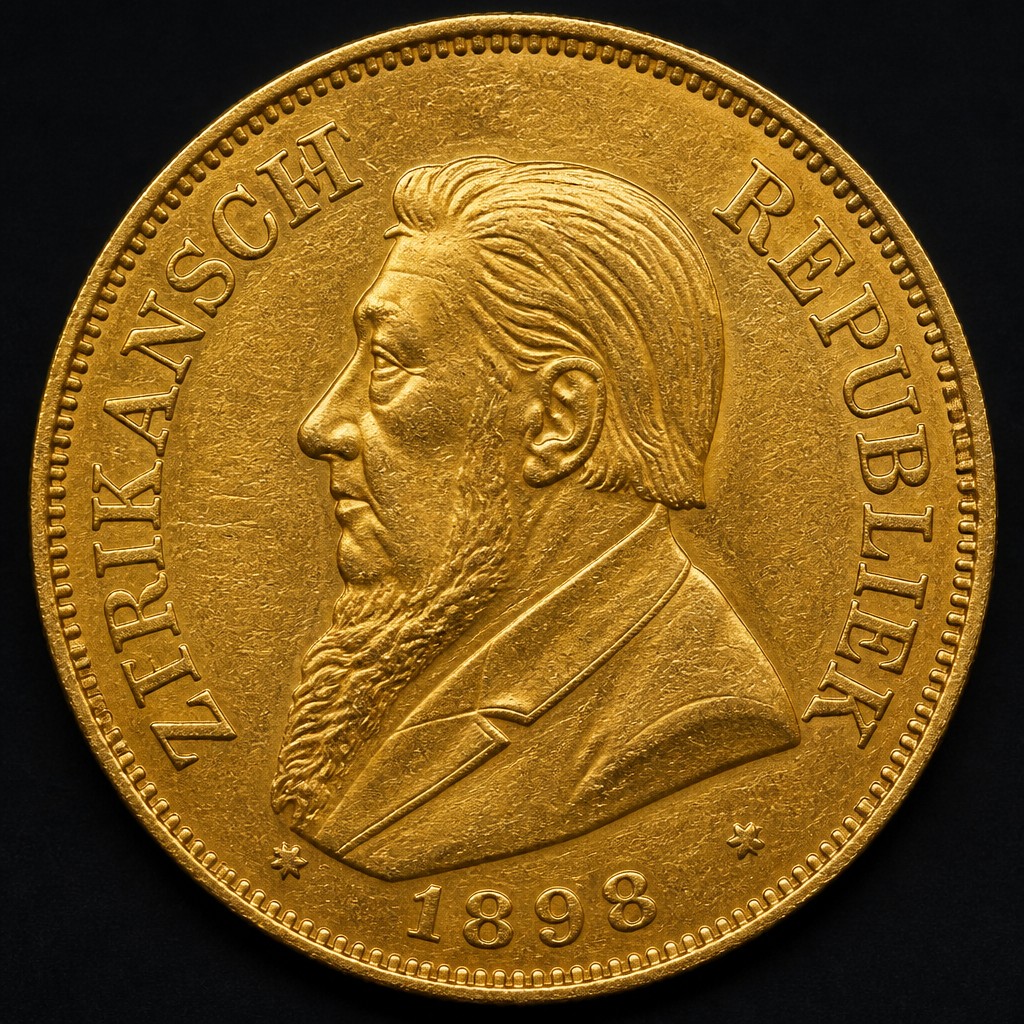
South African ZAR Kruger Pond
1892-1900
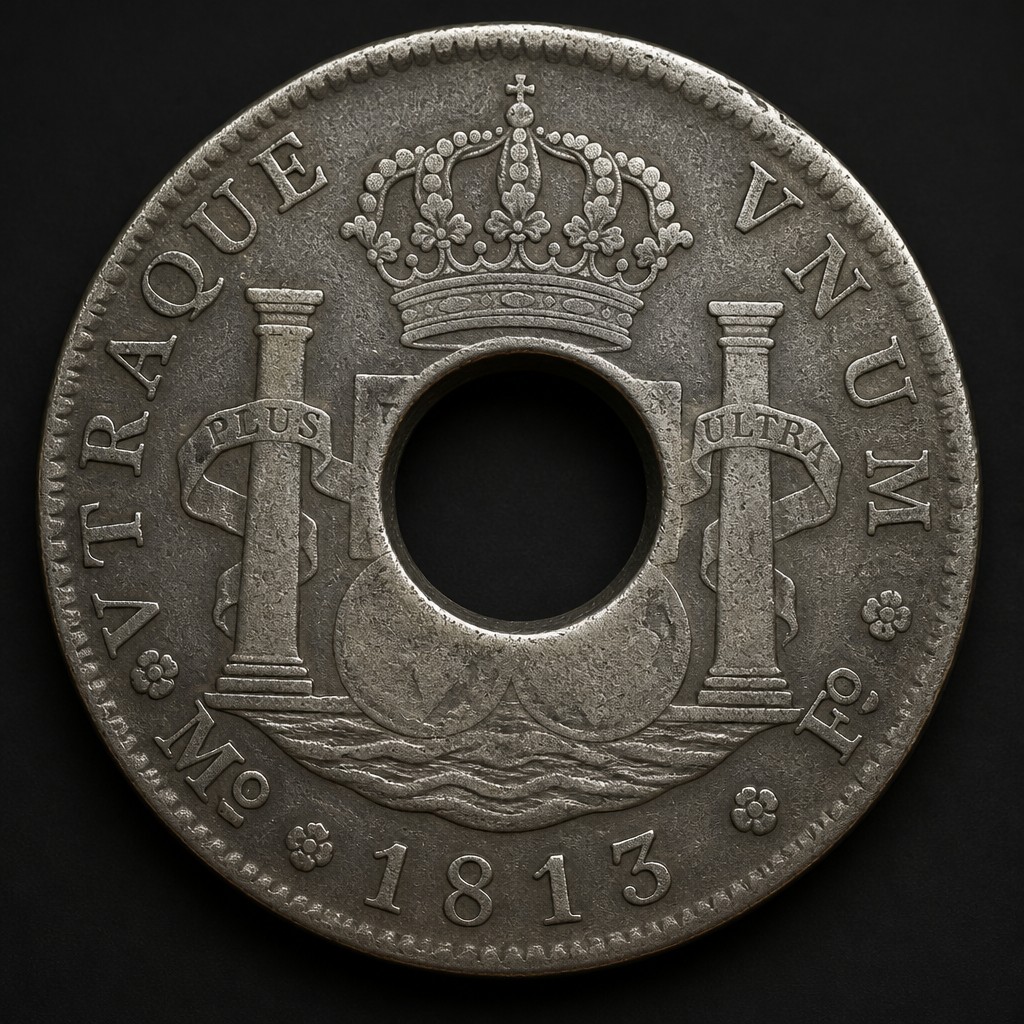
Australian Holey Dollar and Dump
1813