
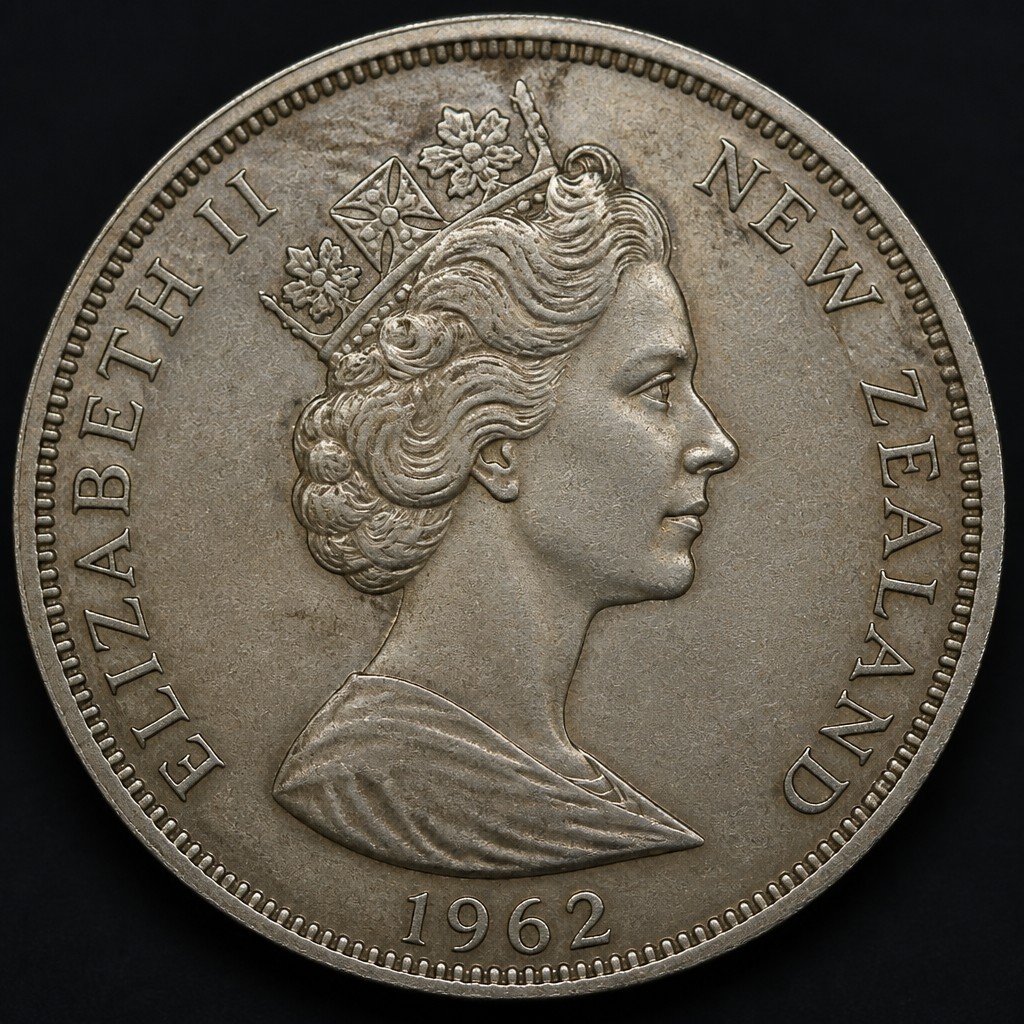
New Zealand Florin (pre-decimal)
New Zealand's pre-decimal florin, famous for its kiwi-bird reverse design, circulated from 1933 until decimalization replaced it with the 20-cent coin in 1967.
- Country
- New Zealand
- Denomination
- Two Shillings (Florin)
- Metal
- 50% silver (later cupronickel from 1947)
Got a coin like this?
Identify any coin from a photo, free.
Overview
The New Zealand florin was introduced in 1933 as part of the country's first distinctly national coinage, breaking from the shared British designs used previously. Its reverse features a kiwi bird standing among native foliage, one of the most recognizable and beloved designs in New Zealand numismatics.
Designed as part of a coordinated series with the halfpenny, penny, threepence, sixpence, shilling, and half crown, all created under the direction of the Royal Mint with input from New Zealand representatives, the florin quickly became a favorite for its striking, uniquely national imagery.
The denomination transitioned from silver to cupronickel composition in the late 1940s, following a broader pattern among Commonwealth nations moving away from silver coinage, before being retired altogether with decimal currency in 1967.
History & Background
Prior to 1933, New Zealand used coinage identical in design to British issues, simply circulating alongside sterling coins from the United Kingdom. In 1933 the country introduced its first coins with uniquely New Zealand imagery, commissioning designs from artist Percy Metcalfe that celebrated native wildlife and Maori culture across the denominations.
The florin's kiwi design became an enduring symbol, so closely associated with the coin that later New Zealand dollar coins would eventually revive kiwi imagery decades after decimalization.
The florin continued through the reigns of George V, George VI, and Elizabeth II until New Zealand adopted decimal currency in 1967, when the 20-cent coin took over its role and, for a period, even retained a kiwi-related design lineage.
How to Identify
Obverse: the reigning monarch's portrait with standard Commonwealth titles. Reverse: a kiwi bird standing amid native fern or foliage, with FLORIN or TWO SHILLINGS and the date.
The coin measures approximately 28.5mm in diameter, matching its Australian counterpart in size despite the different reverse design. Early issues (1933-1946) are struck in 50% silver, while coins from 1947 onward are cupronickel, distinguishable by their brighter, more silvery-white appearance without the toning typical of silver coins.
Collectors distinguish New Zealand florins from Australian florins primarily by the kiwi reverse design, since the two nations' pre-decimal coinage shared similar sizes and denominations but used entirely different national imagery.
Value & Collectibility
Most circulated florins are common and trade close to modest collector premiums, with silver-era coins (pre-1947) carrying additional value tied to their silver content. Certain early dates and lower-mintage years command stronger prices, especially in higher uncirculated grades.
As with most heavily circulated pre-decimal coinage, condition is a major value driver, and well-preserved lustrous examples are considerably scarcer and more valuable than average worn coins.
Collectors interested in type sets often seek one nice example of both the silver and cupronickel varieties to represent the full run of the design.
Frequently asked questions
What animal appears on the reverse?
A kiwi bird, New Zealand's national symbol, standing among native foliage.
When did New Zealand start making its own coin designs?
In 1933, when it introduced a series of coins with distinctly national imagery designed by Percy Metcalfe.
Is the coin always silver?
No, coins from 1933-1946 are 50% silver, while those from 1947 onward switched to cupronickel.
What replaced the florin after decimalization?
The 20-cent coin took over its denomination role when New Zealand decimalized its currency in 1967.
Other coins you may enjoy
Egyptian Qirsh (Muhammad Ali Era)
Early-to-mid 19th century (c. 1805–1848)
Moroccan Rial (Alawi Dynasty Coinage)
18th–19th century (pre-protectorate era)
South African Sixpence (Union)
1923-1960
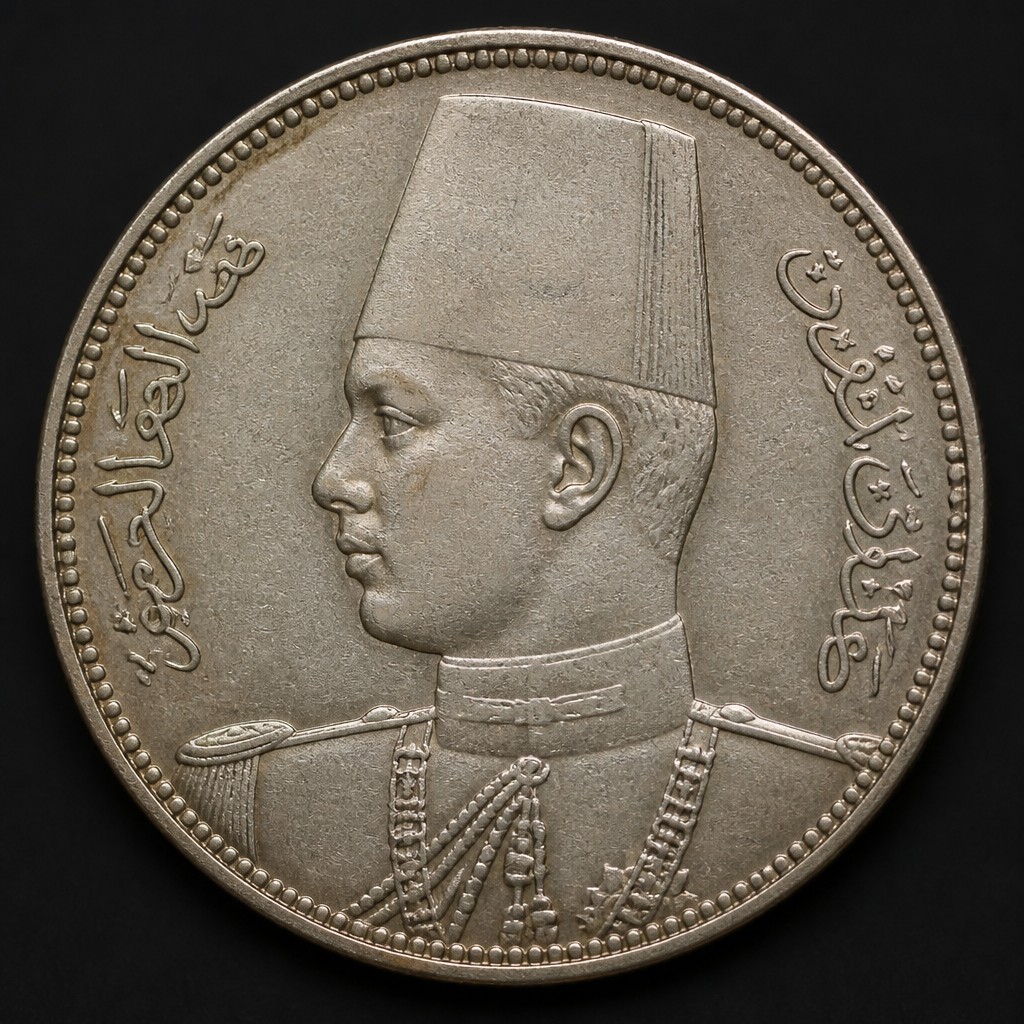
Egyptian Farouk 5 Piastres
1937-1952
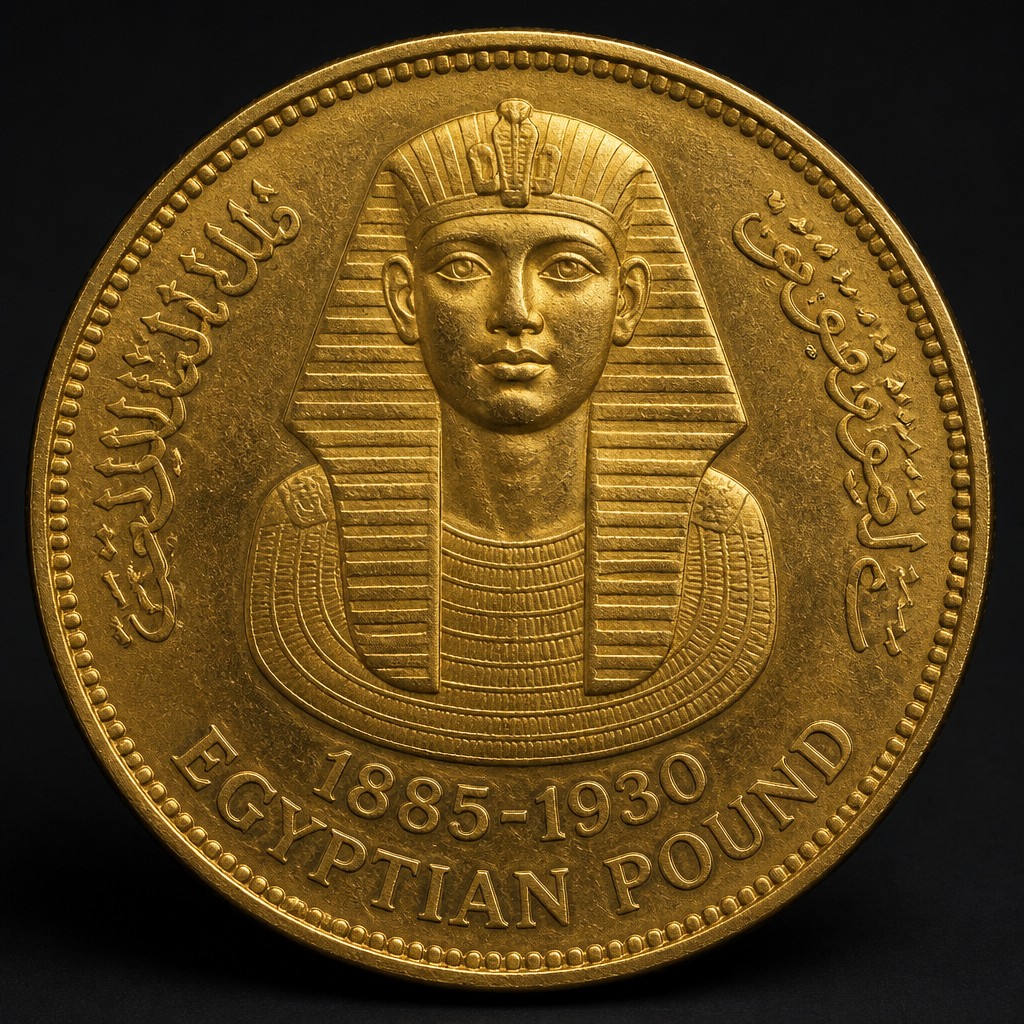
Egyptian Pound (gold)
1885–1930
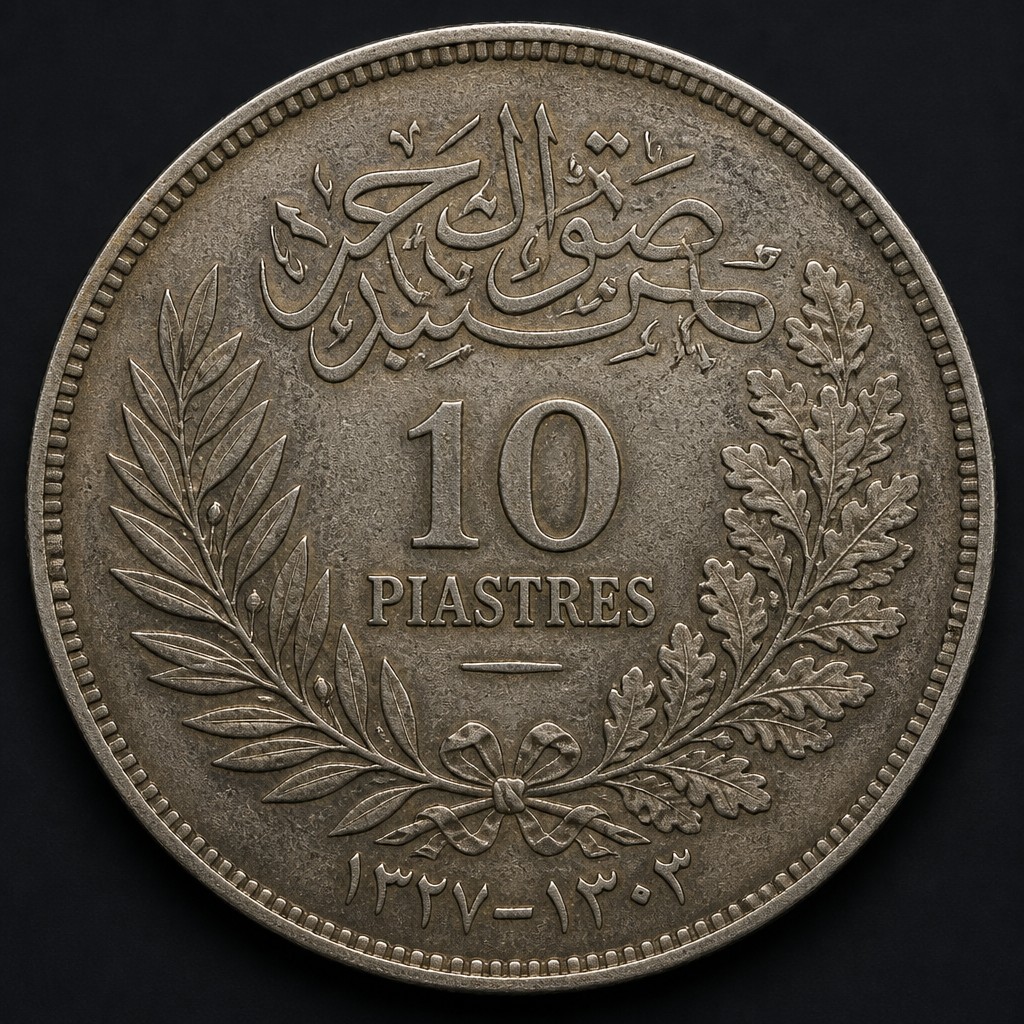
Egyptian 10 Piastres (silver)
1885–1939
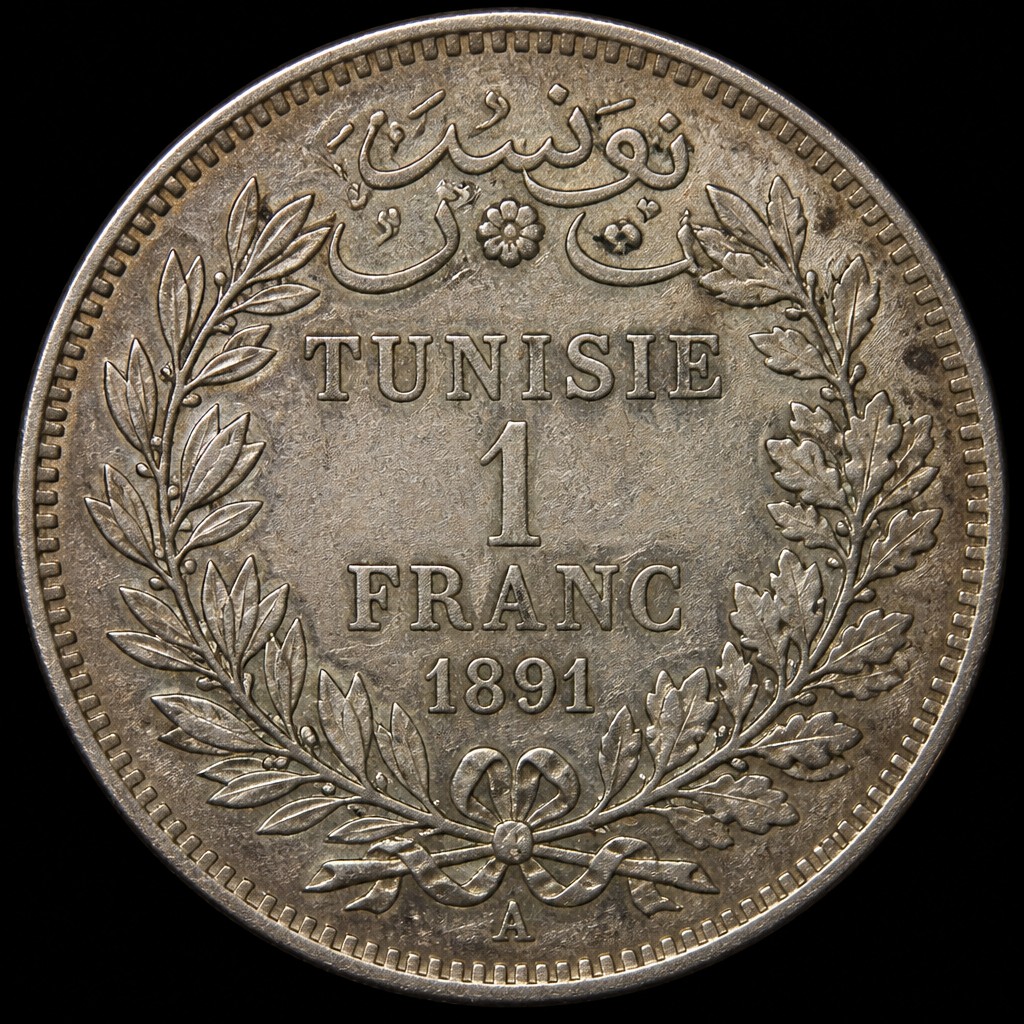
Tunisian Franc (Beylik Era)
Late 19th–early 20th century (c. 1891–1957 transition)
South African Republic Burgers Pond
1874
New Zealand Penny (KGVI)
1937-1952
New Zealand Half Crown (pre-decimal)
1933-1965
South African ZAR Kruger Pond
1892-1900
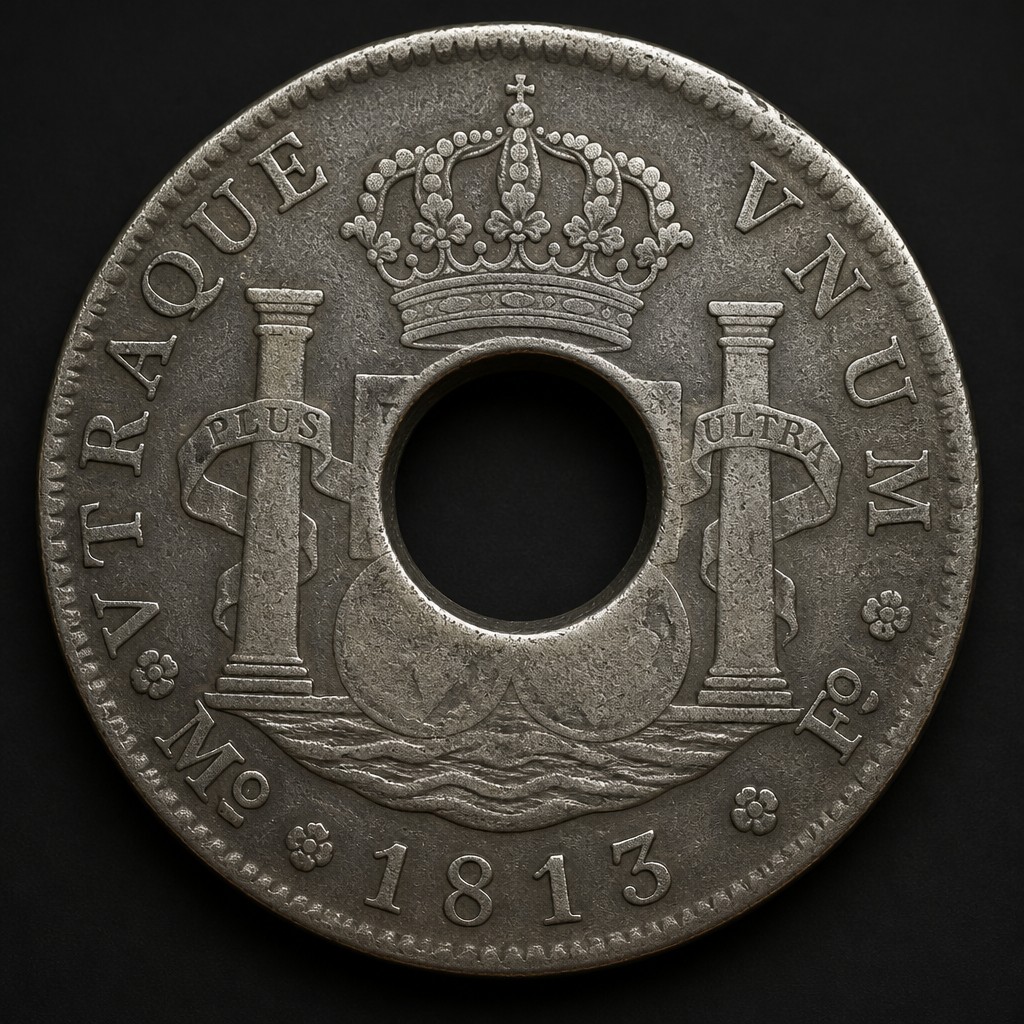
Australian Holey Dollar and Dump
1813